 English
 中文简体
中文简体

100%
Birch plywood


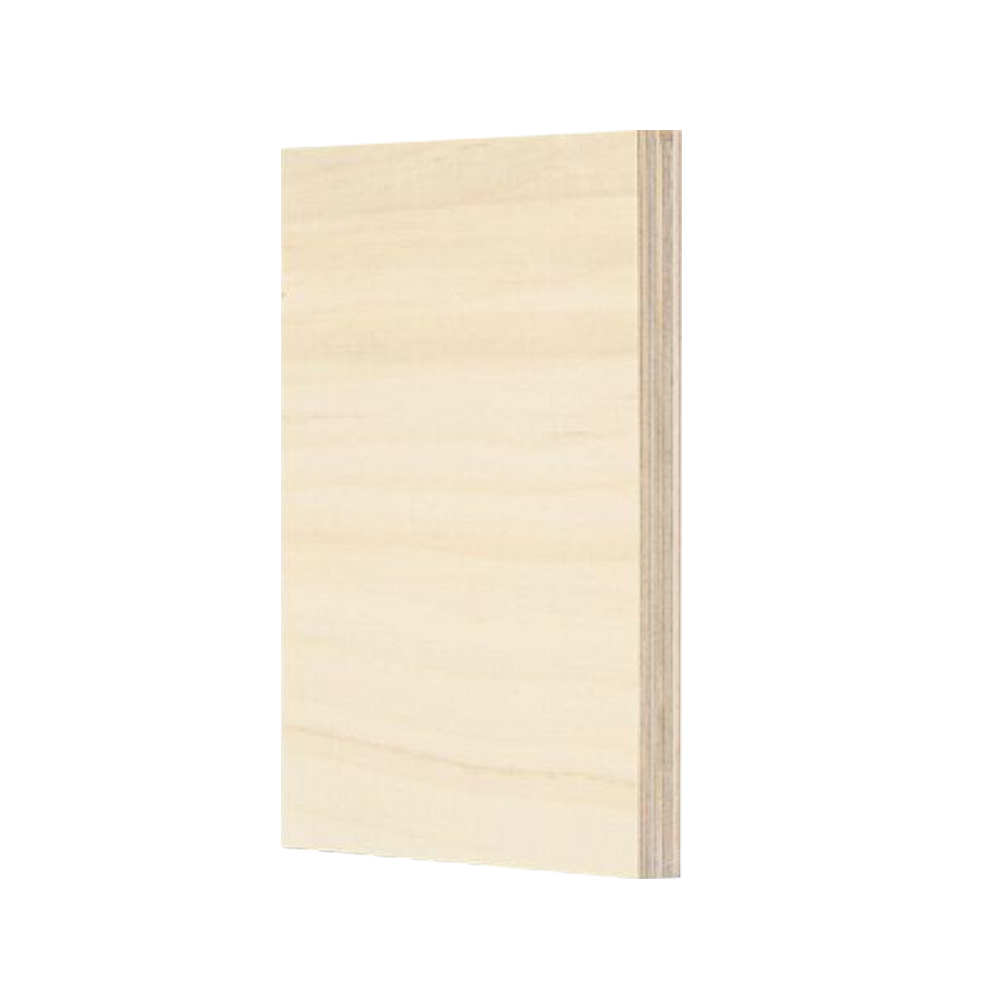
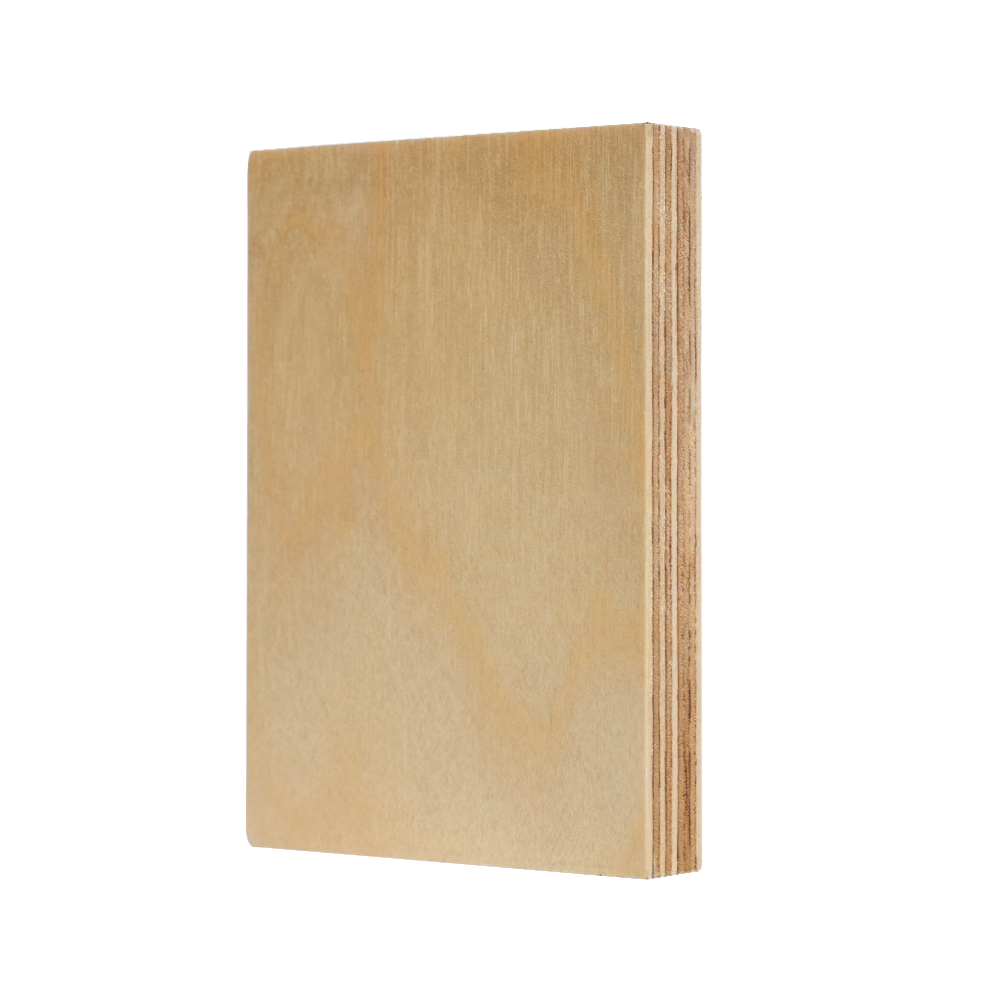
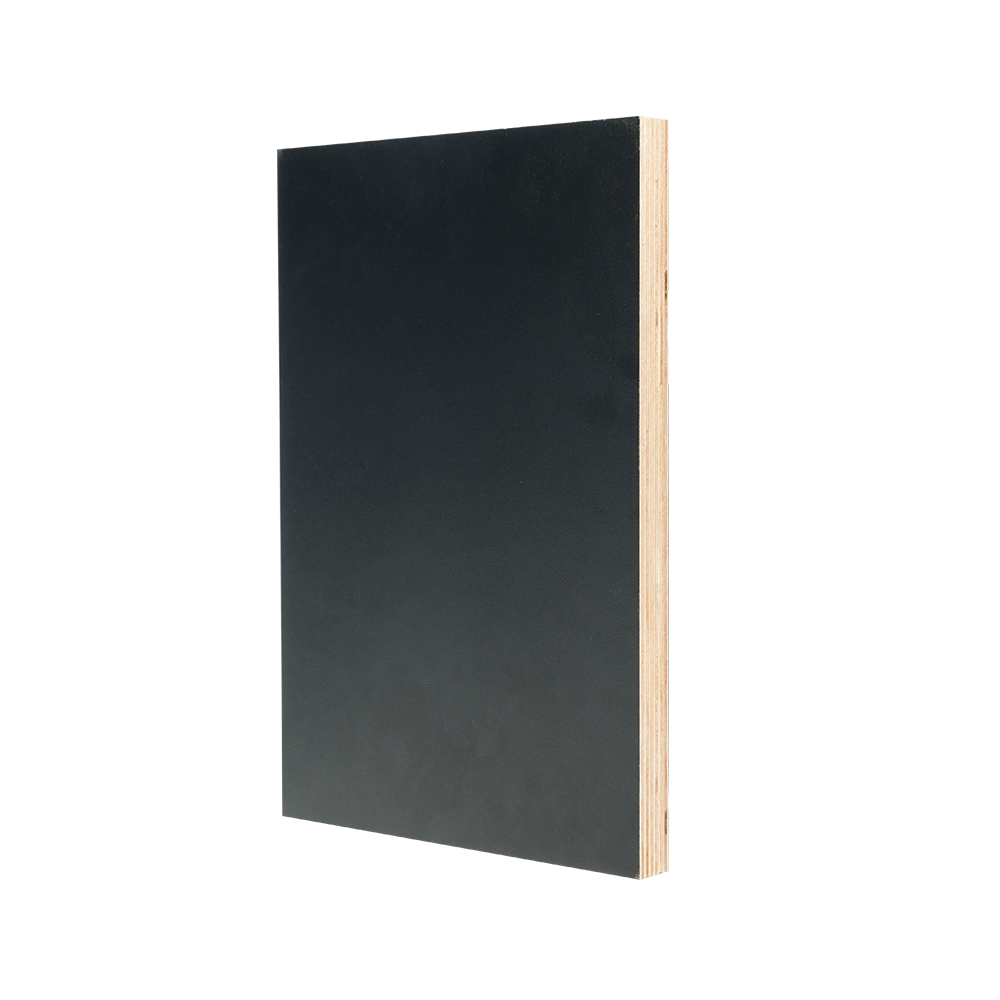
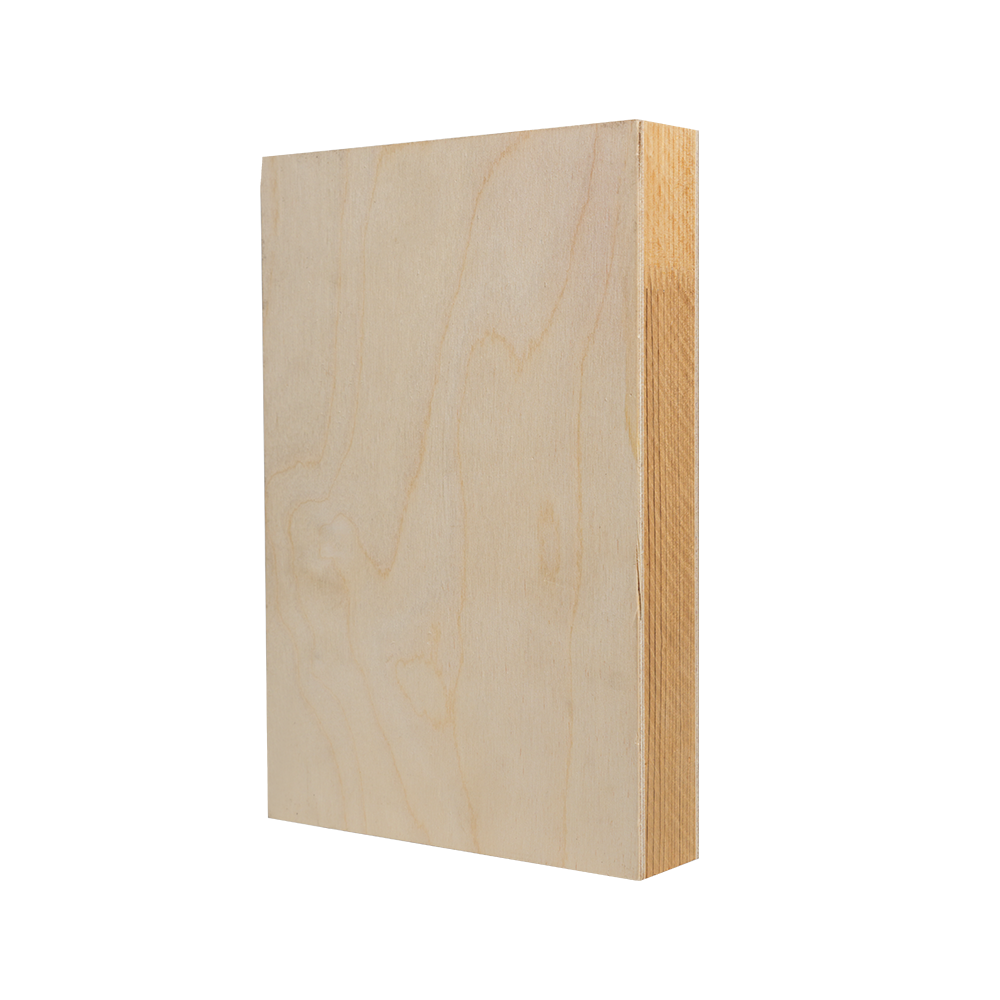
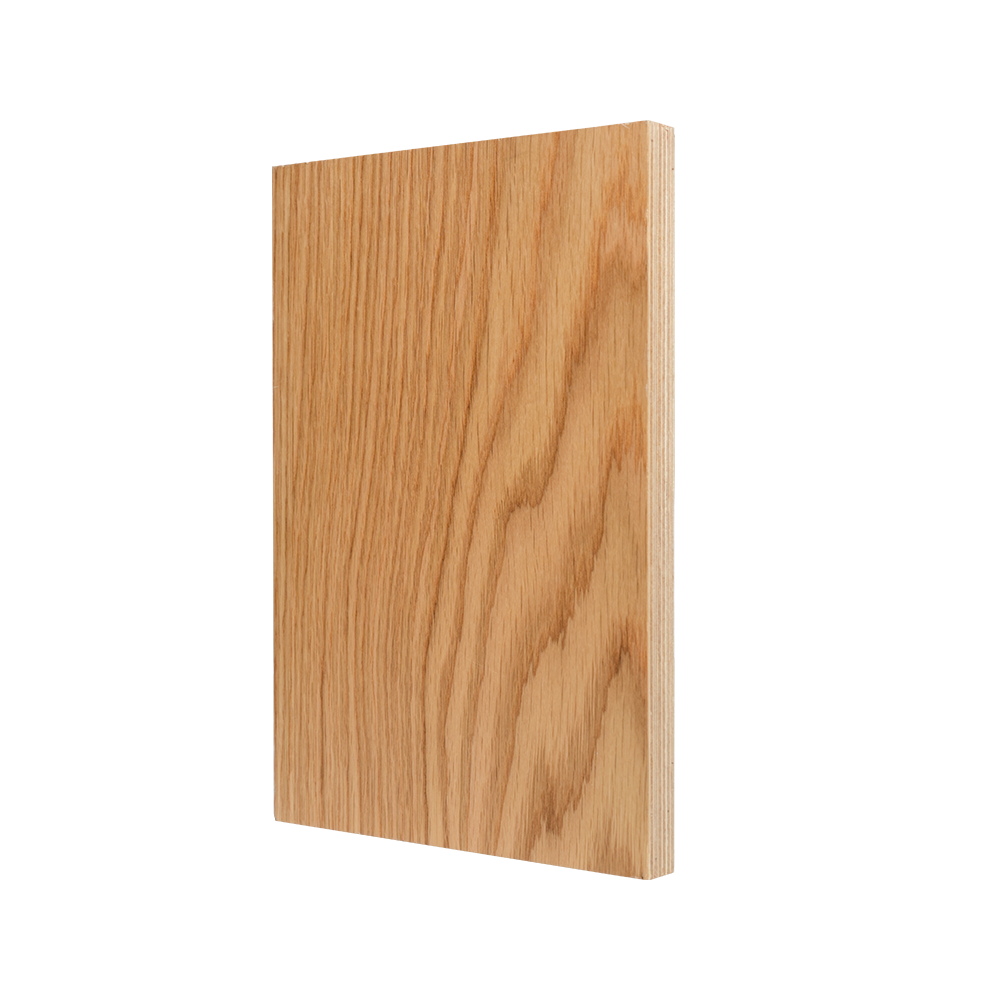
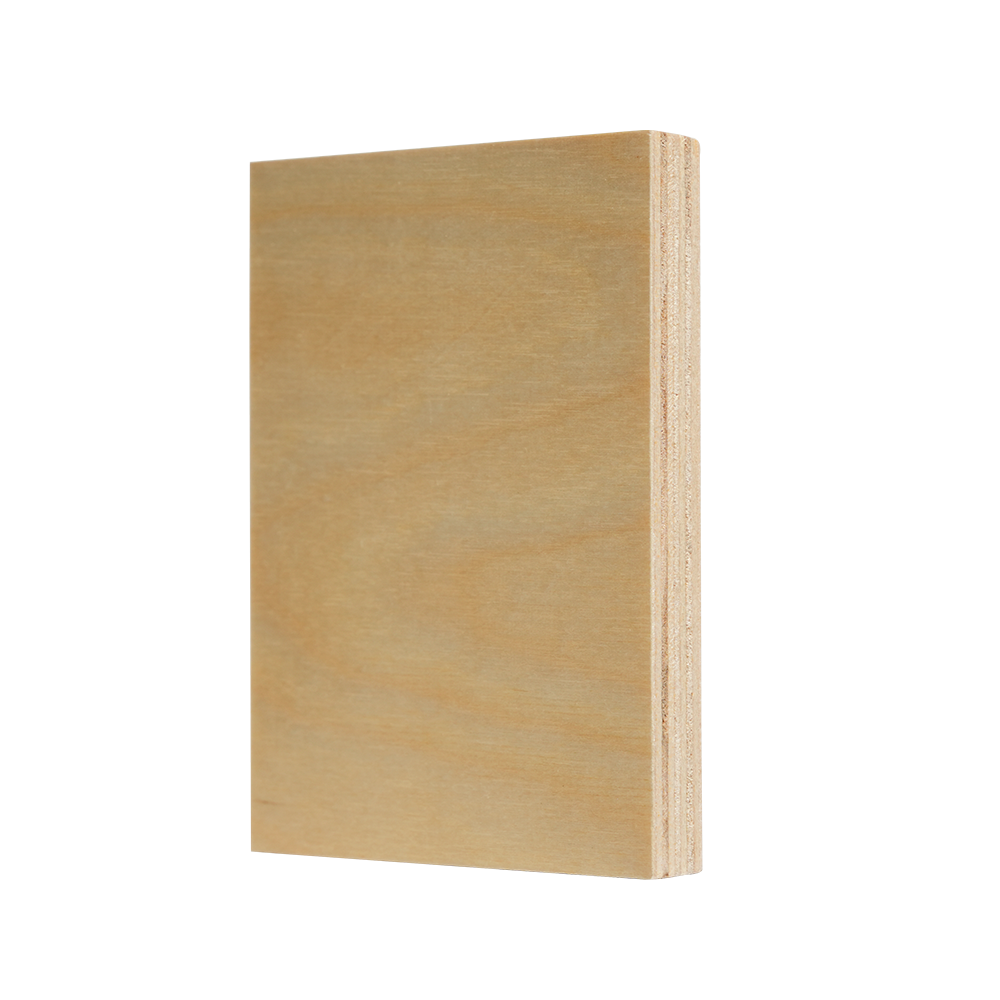
Not every application requires the full density and cost of a solid birch panel, which is exactly the gap that Poplar Core Birch Faced Plywood is designed to fill. This combi construction uses lightweight poplar veneers for the internal core layers while reserving genuine birch veneer for the face and back surfaces, giving manufacturers the smooth, tight-grained appearance of birch plywood at a meaningfully lower weight and material cost than a full-birch panel.
Weight reduction is a significant advantage in several downstream applications. Furniture components such as cabinet backs, drawer bottoms, and wardrobe interiors benefit from the lighter overall assembly weight, which reduces shipping costs for flat-pack furniture manufacturers and simplifies installation for tradespeople handling large panel sections on site. The poplar core also machines cleanly, reducing tool wear during high-volume CNC cutting compared to denser all-hardwood cores.
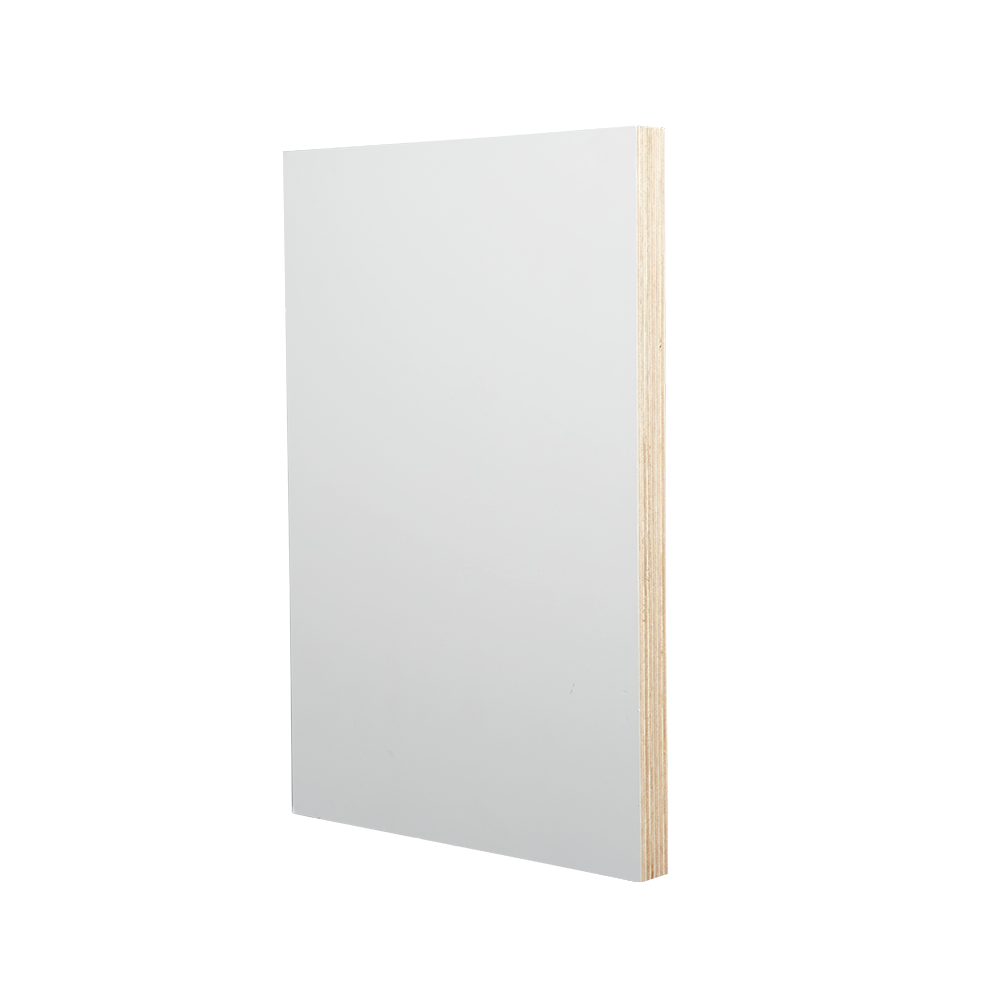
Despite the lighter core, surface performance is not compromised. Because the exposed face and back layers remain genuine birch veneer, the panel retains birch's characteristic fine grain, pale color, and excellent receptiveness to paint, stain, laminate, and veneer overlay finishes. This makes combi panels a popular choice for manufacturers producing painted or laminated furniture where the internal core is never visually exposed but surface quality still needs to meet birch-grade standards.
For manufacturers balancing tight cost targets against surface quality expectations, this combi panel offers a practical middle ground between economy all-poplar plywood and premium full-birch panels. It is particularly well suited to mid-range furniture production, packaging components, and interior joinery applications where structural loading is moderate but visual and tactile surface quality still matters to the end customer.
| Core Material | Poplar Core with Birch Face/Back |
| Face/Back Grade | B/BB, BB/CC |
| Standard Thickness | 3mm to 25mm |
| Panel Dimensions | 1220x2440mm / 1250x2500mm |
| Glue Type | MR or WBP, E1 Grade |
| Moisture Content | 7% - 11% |
| Density | 480kg - 550kg/m3 |
| MOQ | 1x20GP Container |
| Lead Time | 15-22 Days |
| Packaging | Export Standard Pallet Packing |
| Certifications | CE, ISO9001, E1 Emission Compliant |
| Raw Materials | Poplar Core, Birch Face Veneer |
| Customization | Core-to-Face Ratio, Thickness, Grade |
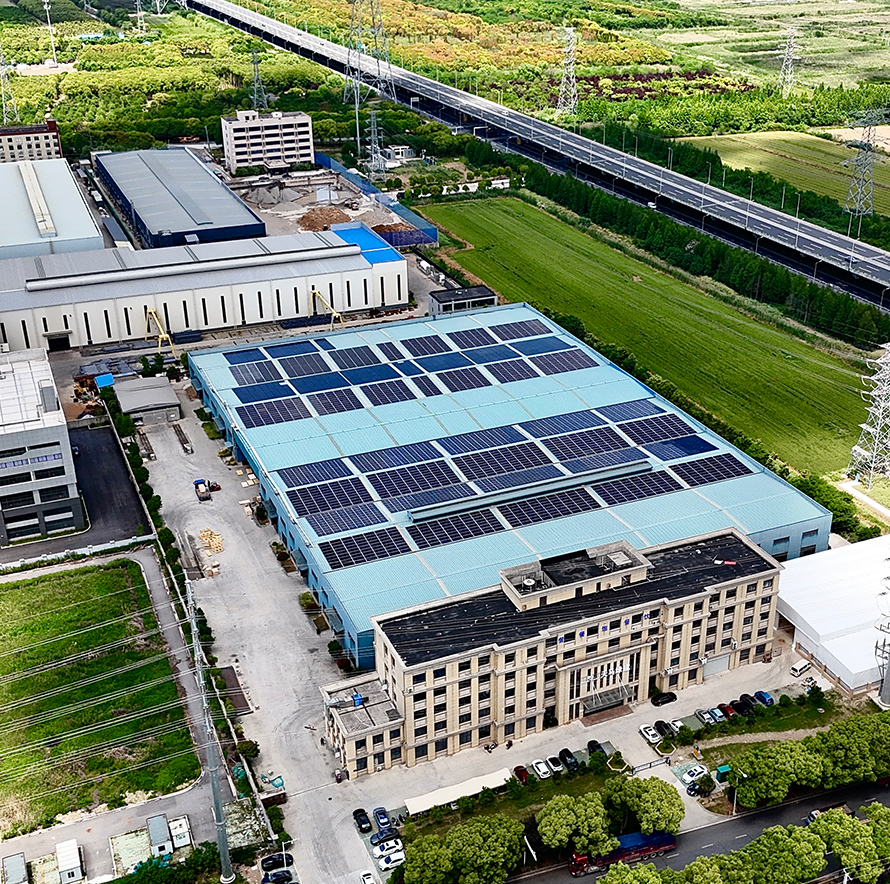
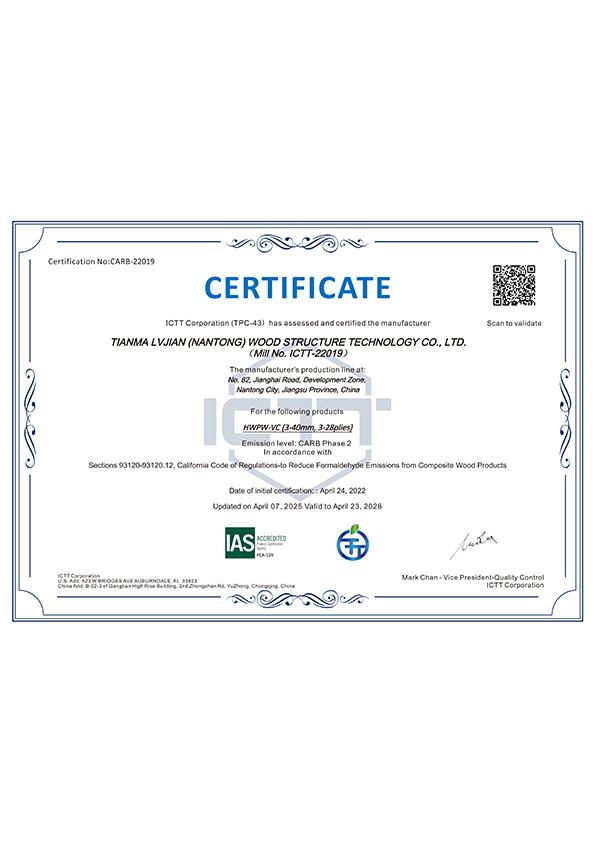
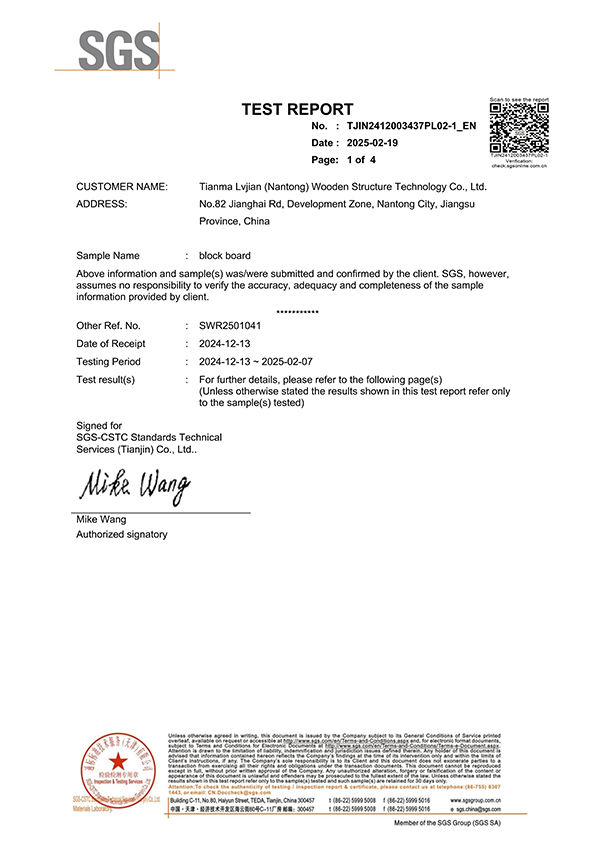
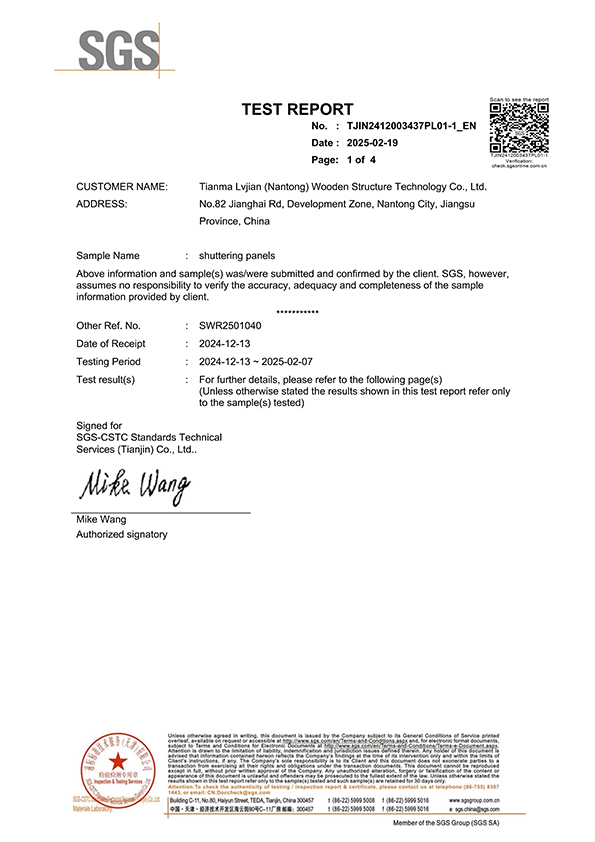
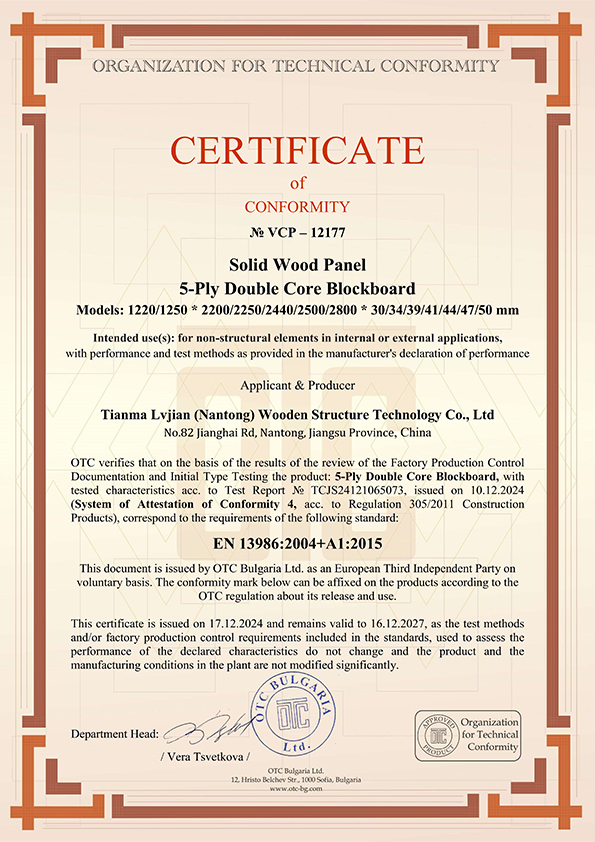
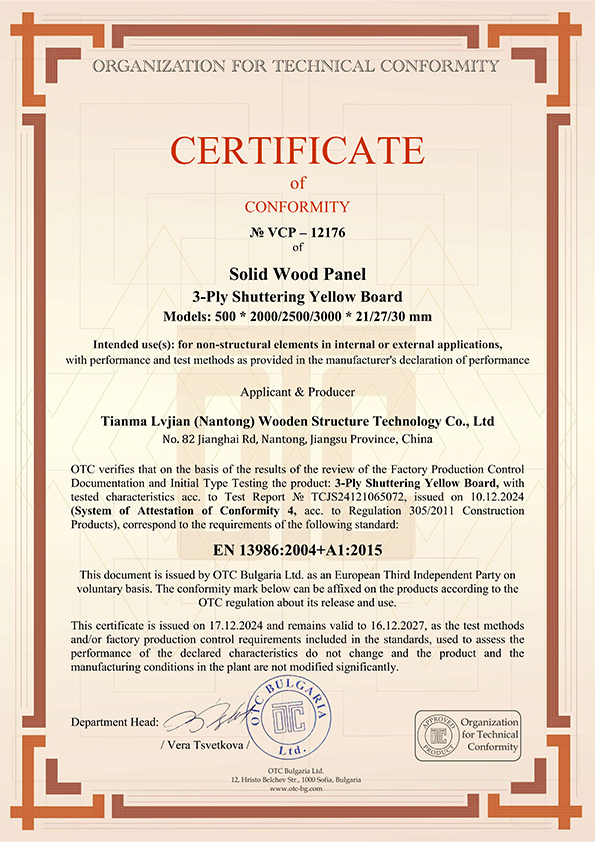
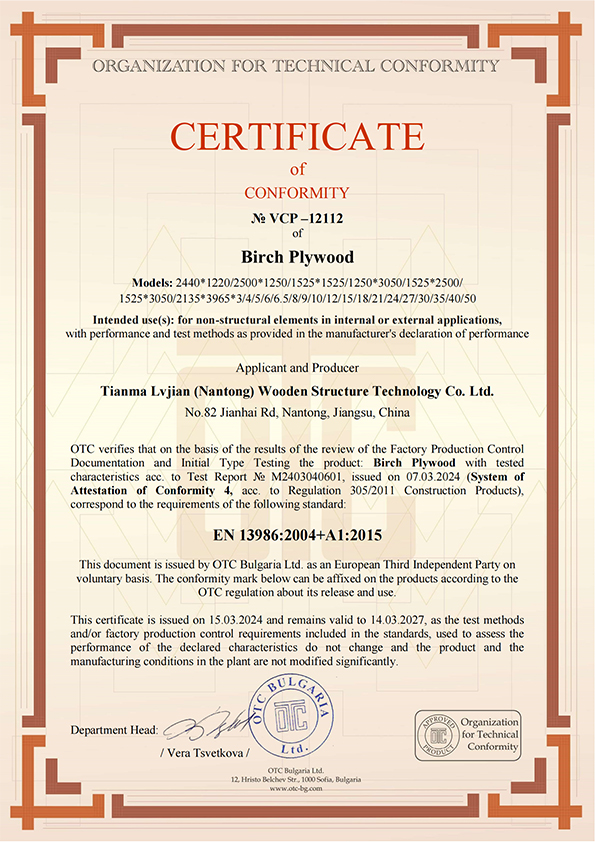






As a cost-sensitive product line, we structure pricing to reflect current poplar and birch veneer market rates, with quotations valid for 15 days from issue. Standard terms are 30% T/T deposit with the balance paid prior to shipment, and we support consolidated shipping with other product lines to help furniture manufacturers reduce total container costs. Panels are shipped from Nantong or Shanghai port with standard export pallet packaging suitable for both container and bulk vessel transport.
The combi panel is built with poplar veneers forming the majority of the internal layers, cross-laminated for dimensional stability, with a single birch veneer layer bonded to both the face and back surfaces. This arrangement concentrates material cost where it delivers the most visual and functional benefit, at the exposed surfaces, while using the more economical poplar species for internal structural layers that are never seen.
This layered approach also allows manufacturers to specify different face grades depending on end use, ordering a higher B-grade birch face for visible furniture components and a more economical BB or CC grade for internal panels like drawer bottoms where minor surface characteristics are not a concern.
Combi plywood construction reflects a broader industry shift toward more efficient use of forest resources, applying premium birch veneer only where its surface qualities are actually needed while using faster-growing poplar for internal structural layers. This approach reduces pressure on birch log supply while still delivering the surface performance furniture manufacturers require, supporting more sustainable material sourcing across high-volume production runs.
Get in touch with our team for quotes, technical specifications, and customized solutions.
Contact Us Now

Copyright © Tianma Lvjian Group Co., Ltd. Rights Reserved.
Wholesale Poplar Core Birch Faced Plywood Manufacturers