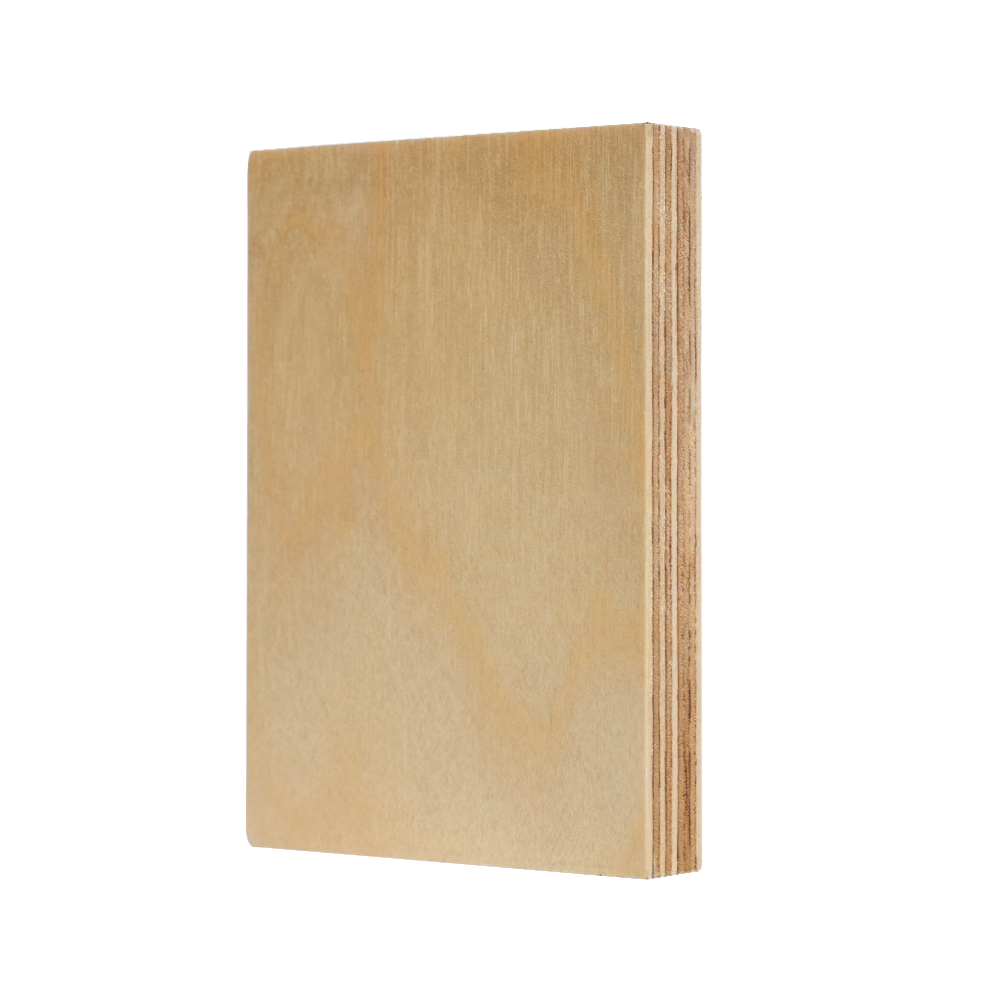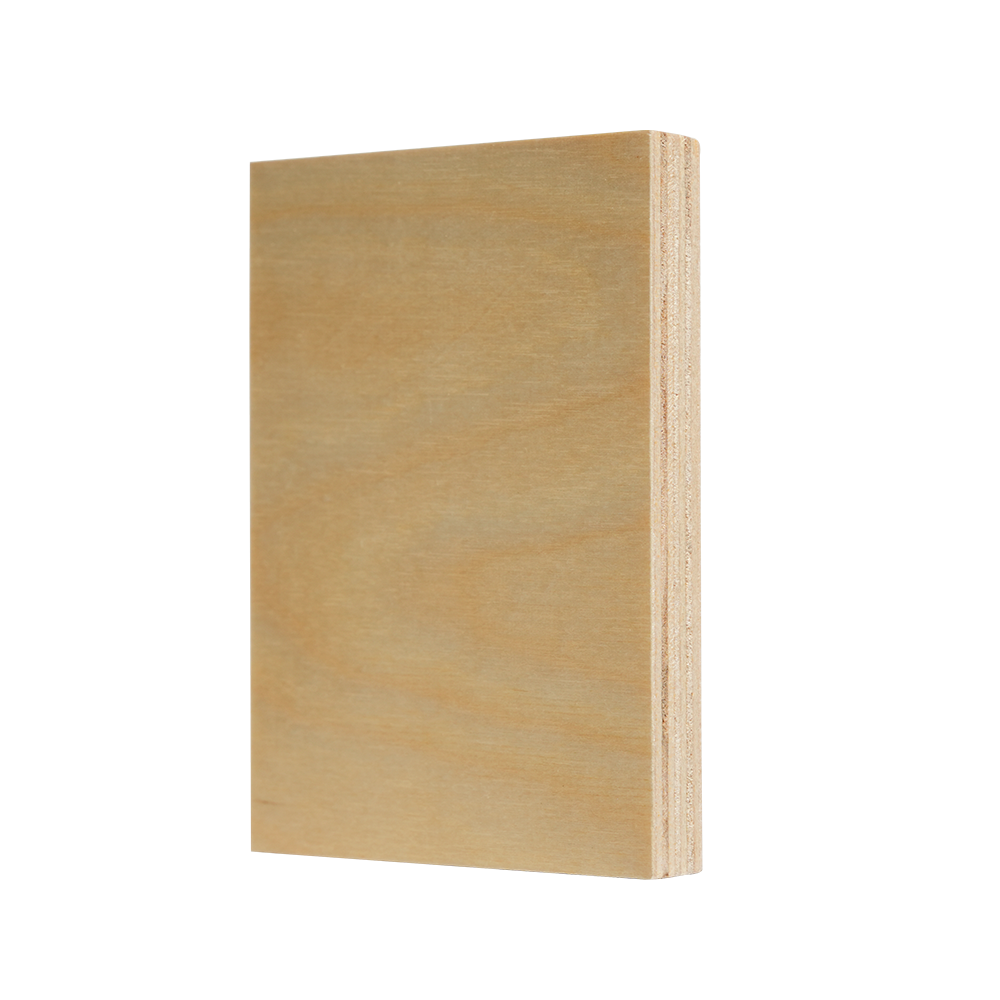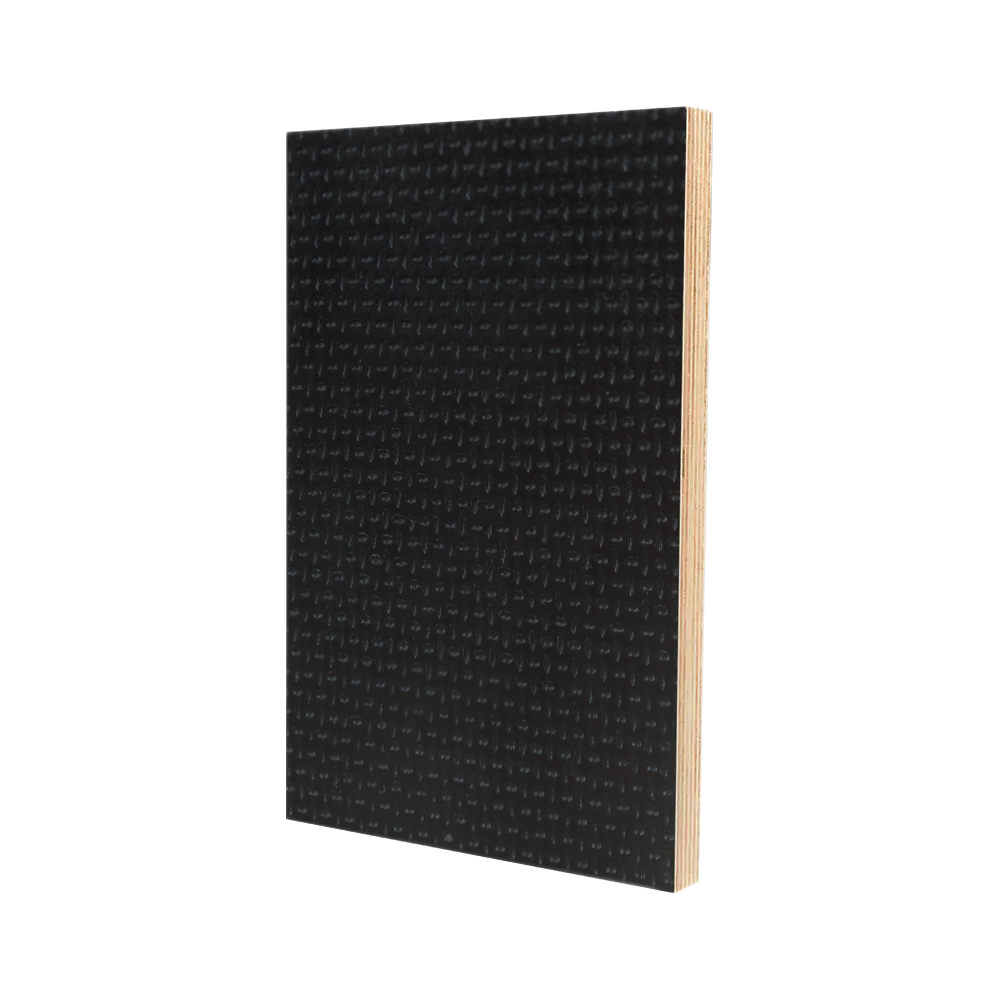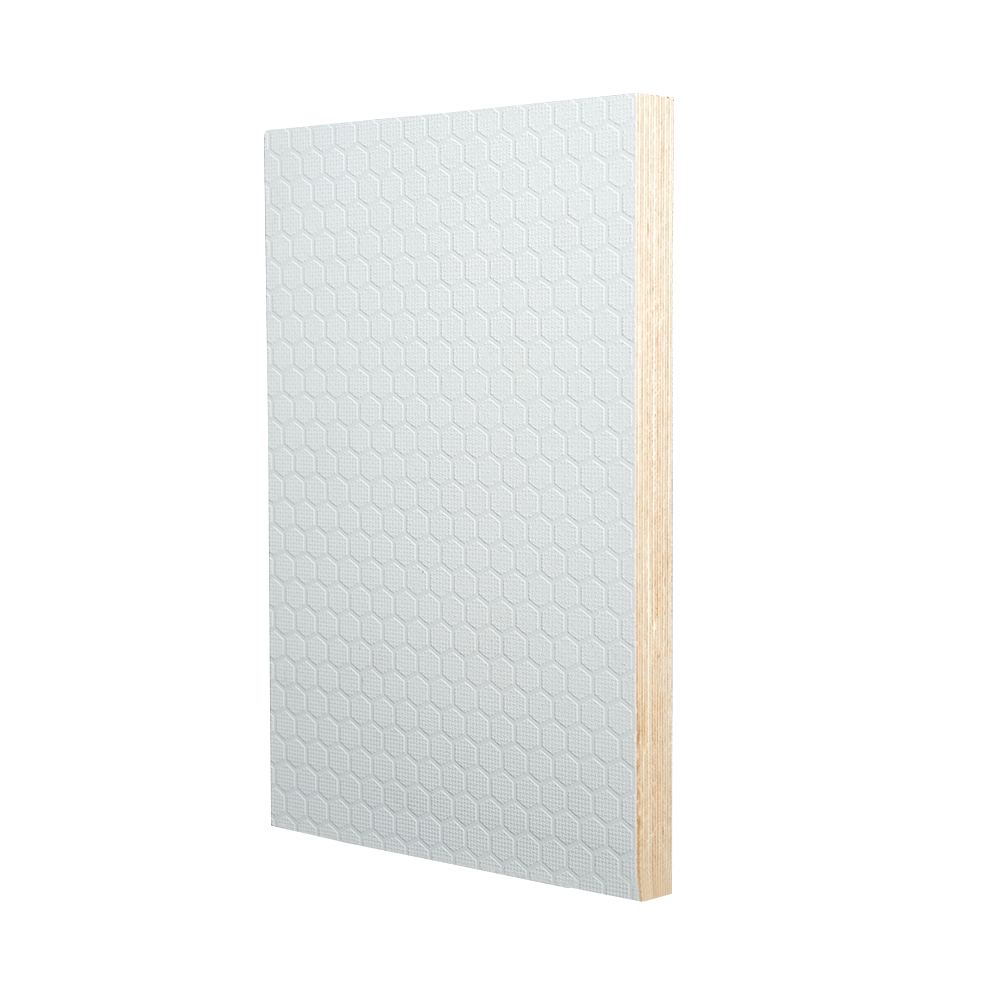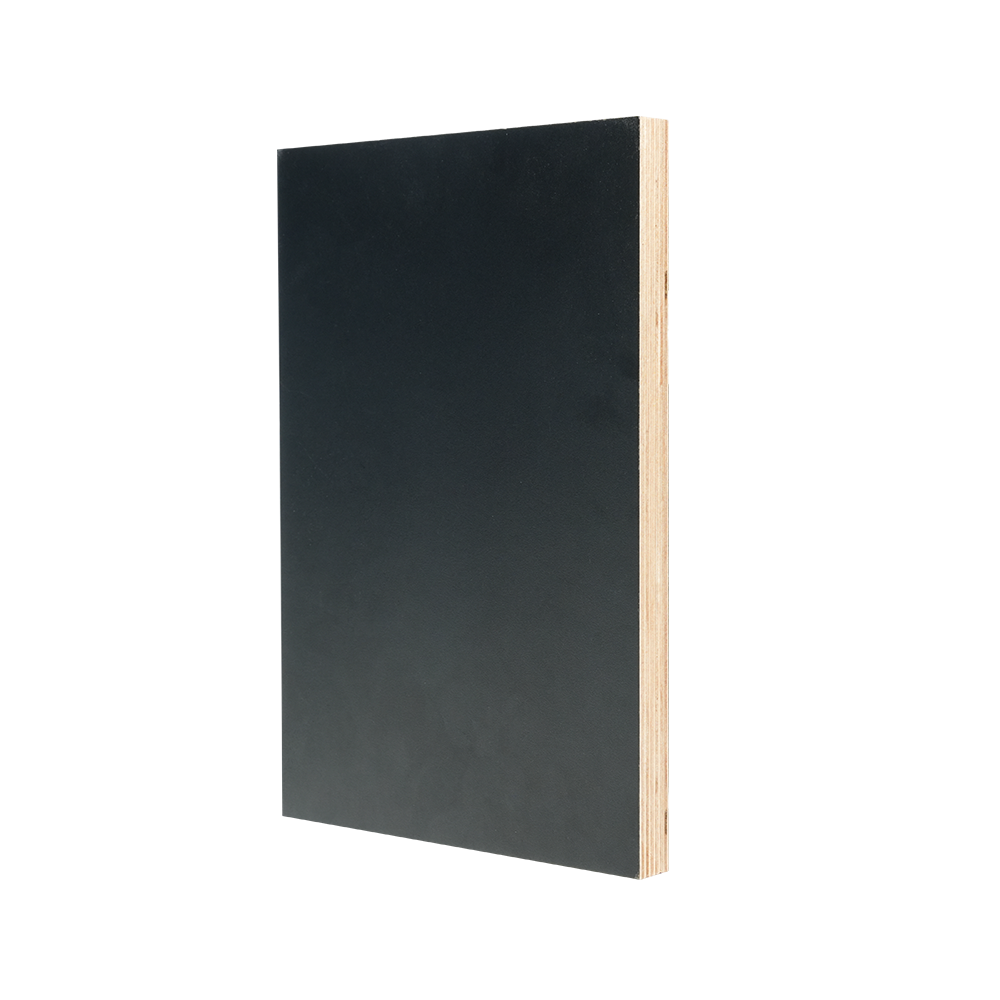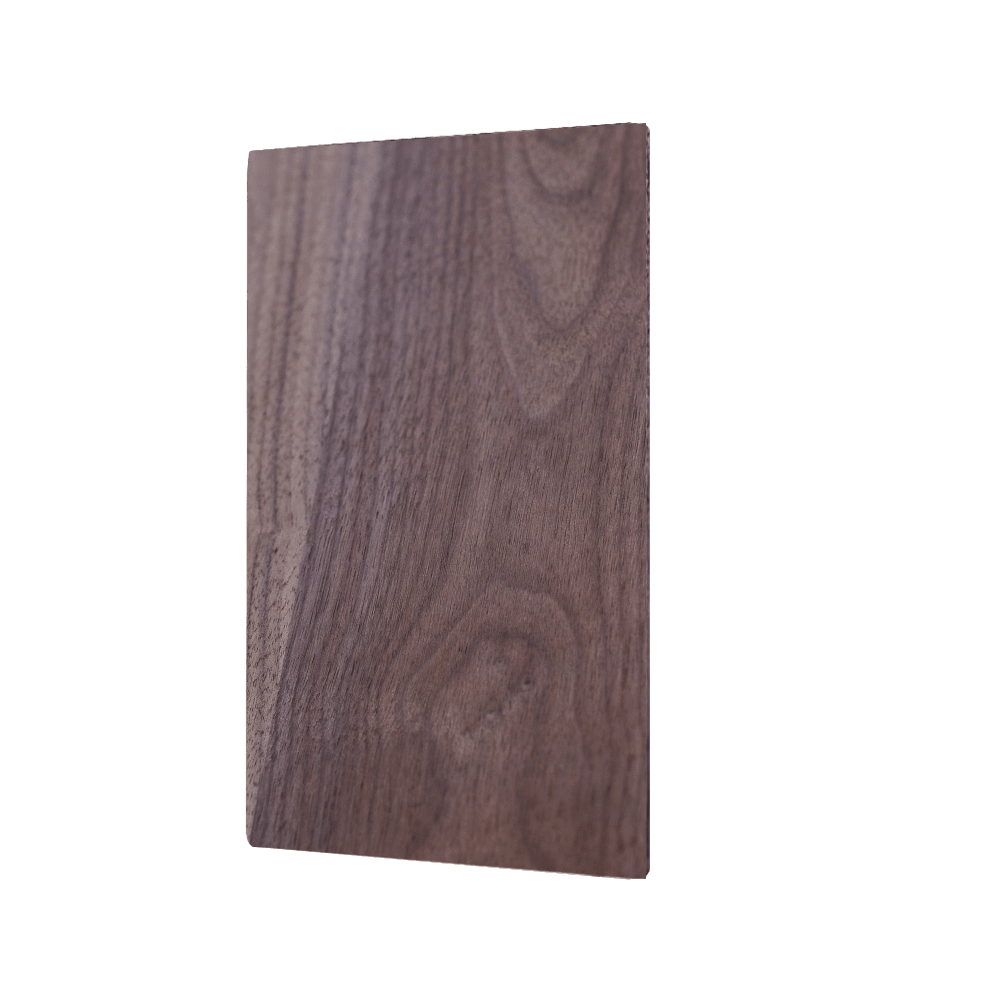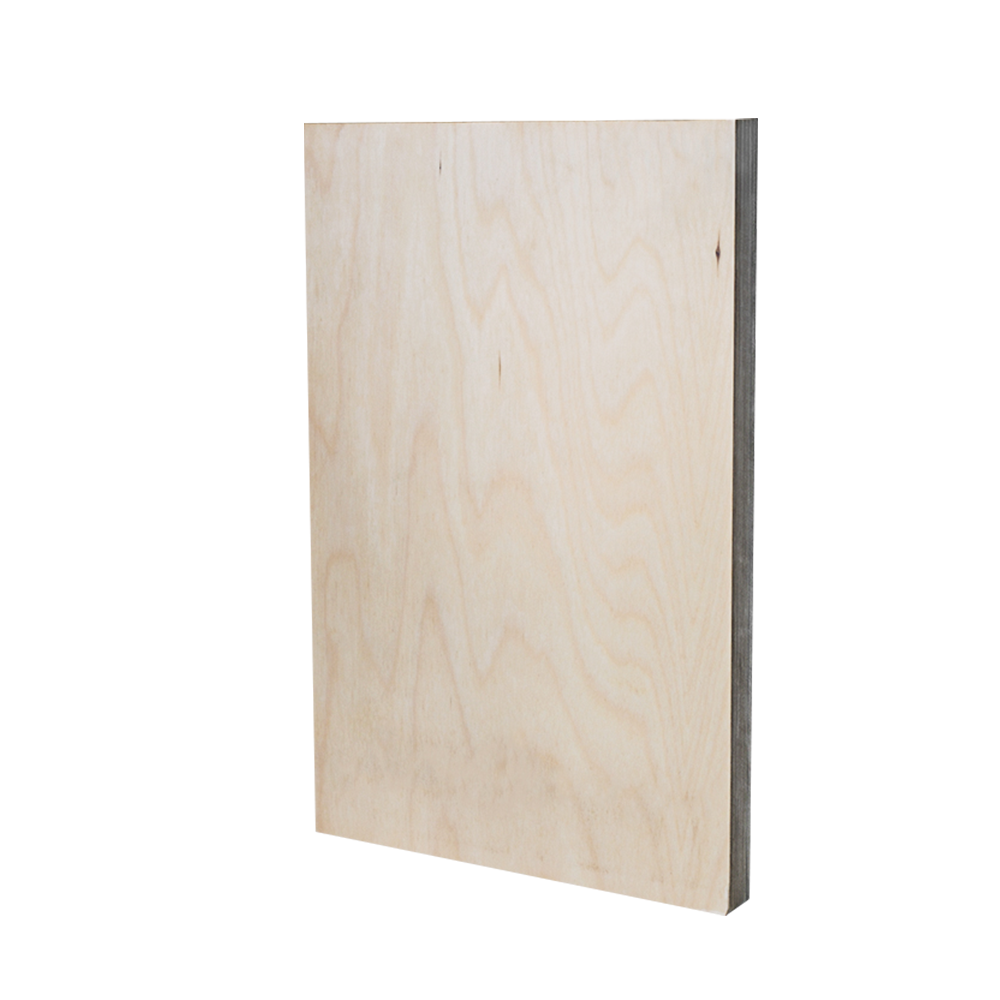

In the realm of modern high-end furniture manufacturing and interior architecture, Veneered Birch Plywood is recognized as a premier material that combines structural strength with natural visual beauty. It is not a simple wood panel but a composite structure designed through precise engineering. The core structure utilizes high-quality birch from high-latitude regions as the core plies, formed through a hot-pressing process with an odd number of cross-grained layers, finally covered with a selected decorative natural or technical veneer.
The uniqueness of this structure lies in its ability to solve the natural defects of solid wood, such as cracking and deformation, while compensating for the shortcomings of engineered boards like MDF or particle board, which have poor screw-holding power and low load-bearing capacity. Veneered Birch Plywood provides a perfect substrate solution for woodworkers and designers who seek the texture of precious wood while ensuring furniture remains stable for decades.
The high performance of Veneered Birch Plywood is largely derived from its birch core. Birch is a hardwood with dense and uniform fibers. Compared to poplar or pine cores, birch cores offer higher hardness and lower void rates. During manufacturing, the grain of each birch veneer layer is perpendicular to the adjacent layer. This "cross-grained" structure offsets the expansion and contraction stress of the wood under different humidity levels, allowing Veneered Birch Plywood to maintain extremely high dimensional stability even in extreme climates.
To intuitively understand the performance advantages of Veneered Birch Plywood, the following table compares it with common furniture substrates (MDF and Particle Board) based on standard parameters:
| Physical Property | Veneered Birch Plywood | MDF (Medium Density Fiberboard) | Particle Board |
| Average Density | 650 - 720 kg/m³ | 600 - 800 kg/m³ | 160 - 450 kg/m³ |
| Static Bending Strength | 45 - 60 MPa | 20 - 30 MPa | 10 - 15 MPa |
| Modulus of Elasticity | 5000 - 8000 MPa | 2000 - 4000 MPa | 1500 - 2500 MPa |
| Screw Holding (Face) | 1200 - 1500 N | 800 - 1000 N | 600 - 800 N |
| 24h Swelling (Thickness) | < 8% | 10% - 15% | 15% - 25% |
| Edge Loading Performance | Excellent (Resistant to collapse) | Average (Prone to chipping) | Poor (Prone to crumbling) |
Beyond its core strength, the external appearance of Veneered Birch Plywood is equally outstanding. By laminating precious veneers such as Black Walnut, Oak, or Cherry onto a stable birch core, the board becomes visually indistinguishable from solid wood. Since the substrate surface undergoes ultra-fine sanding, the high flatness ensures that the thin face veneer will not show "telegraphing" or grain distortion after hot pressing.
The core grade of Veneered Birch Plywood determines the panel's flatness, edge aesthetics, and structural stability. Common core classifications include:
The choice of face veneer directly impacts the finished value of the Veneered Birch Plywood.
| Veneer Grade | Visual Characteristics | Recommended Use |
| A Grade (Super Prime) | Perfect grain matching, no knots, no mineral streaks, highly uniform color. | High-end custom furniture, art displays. |
| B Grade (Prime) | Allows for very minor natural color variation or tiny pin knots (< 2mm). | Commercial office furniture, premium cabinetry. |
| C Grade (Natural) | Retains natural attributes, including distinct color variations and medium-sized knots. | Rustic look interior projects. |
| D Grade (Technical) | Allows larger knots, repaired cracks, and irregular grain. | Hidden structural parts or substrates for dark painting. |
The environmental performance of Veneered Birch Plywood depends on the type of adhesive used. Mainstream international standards include:
Different thicknesses of Veneered Birch Plywood have strict engineering requirements for layer counts:
| Nominal Thickness | Core Plies | Thickness Tolerance | Average Single Ply Thickness |
| 6mm | 5 Plies | +/- 0.3mm | 1.2mm |
| 9mm | 7 Plies | +/- 0.4mm | 1.28mm |
| 12mm | 9 Plies | +/- 0.5mm | 1.33mm |
| 15mm | 11 Plies | +/- 0.5mm | 1.36mm |
| 18mm | 13 Plies | +/- 0.6mm | 1.38mm |
| 24mm | 17 Plies | +/- 0.8mm | 1.41mm |
Production begins with rotary cutting of birch logs. The veneers are then dried in a constant-temperature kiln to control moisture content strictly between 8% - 12%.
| Process Parameter | Internal Core Pressing | Face Veneer Hot Pressing |
| Temperature | 120°C - 150°C | 100°C - 120°C |
| Specific Pressure | 1.8 - 2.5 MPa | 0.8 - 1.2 MPa |
| Duration | Approx. 1.0 - 1.2 min/mm thickness | 3 - 5 Minutes (Constant) |
| Adhesive Type | Phenolic Resin (WBP) or Urea-Formaldehyde | Modified Low-Viscosity Decorative Glue |
Before applying the decorative veneer, the birch core must undergo double-sided thickness sanding. The thickness error of premium cores must be controlled within ±0.2mm, with the surface sanded to 120-150 grit to provide a flat base for the Veneered Birch Plywood.
Selected veneers, usually 0.5mm - 0.6mm thick, are applied to the core for a second hot press. Finished boards are sent to a conditioning kiln to harmonize stress. High-precision saws are used for four-edge trimming to ensure clean edges without chipping.
Created through computer color matching and biomimetic processing of fast-growing wood. The advantage is that the color of an entire batch of Veneered Birch Plywood remains perfectly consistent without natural variation.
Utilizes A-grade birch veneer as the face, showcasing Nordic minimalism. Its signature "Multiplex Edge" is a favorite among designers.
Because every layer of birch veneer is cross-laminated, the structure offsets the massive difference between longitudinal and transverse shrinkage rates, effectively preventing Veneered Birch Plywood from warping under fluctuating humidity.
The "zebra-stripe" layered edge is its most recognizable feature. Unlike MDF, its edges are extremely hard and resistant to crumbling. Designers often choose to leave the edges exposed, using sanding and wood wax oil to highlight the layered beauty.
| Performance Parameter | Veneered Birch Plywood (18mm) | Reinforced Particle Board (18mm) | Difference Rate |
| Max Break Load | Approx. 380 - 450 kg | Approx. 110 - 150 kg | Over +200% |
| Long-term Creep | Extremely Low | Significant (Increases over time) | -- |
In high-humidity kitchen environments, Veneered Birch Plywood, with its high-density core and superior moisture-resistant glue, is the preferred choice for high-end cabinet boxes and vanity units.
In locations with high-frequency use, such as library bookshelves and lecture hall seating, the hard birch core ensures that fasteners do not loosen over time.
Birch has excellent resonance characteristics. Many high-end speakers, drum kits, and studio diffusers specify Veneered Birch Plywood, as the multi-layer structure effectively absorbs unwanted vibrations.
Knowledge: It is "Engineered Solid Wood." It is composed of multiple layers of solid wood veneers bonded together, often exceeding single-piece solid wood in physical properties like hardness and stability.
Knowledge: The cost difference stems from three areas: the long growth cycle of high-latitude birch; the multi-layer, void-free core structure; and the precious decorative natural veneer on the surface.
Knowledge: A simple method is to observe the cut section. High-quality Veneered Birch Plywood shows no black lines or gaps between the veneer and the core, and the veneer will not peel during a cross-cut test.
Knowledge: Even with WBP waterproof glue, natural wood veneers will discolor and age under long-term UV exposure and rain. Therefore, Veneered Birch Plywood is primarily recommended for interior or sheltered semi-outdoor spaces.
Knowledge: Repairability depends on veneer thickness. Typically, a 0.5mm veneer allows for light manual sanding (240 grit+) to fix shallow scratches, but heavy mechanical sanding is prohibited to avoid sanding through the veneer to the birch core.
related products


Copyright © Tianma Lvjian Group Co., Ltd. Rights Reserved.
Wholesale Construction Plywood Manufacturers Privacy
 English
 中文简体
中文简体