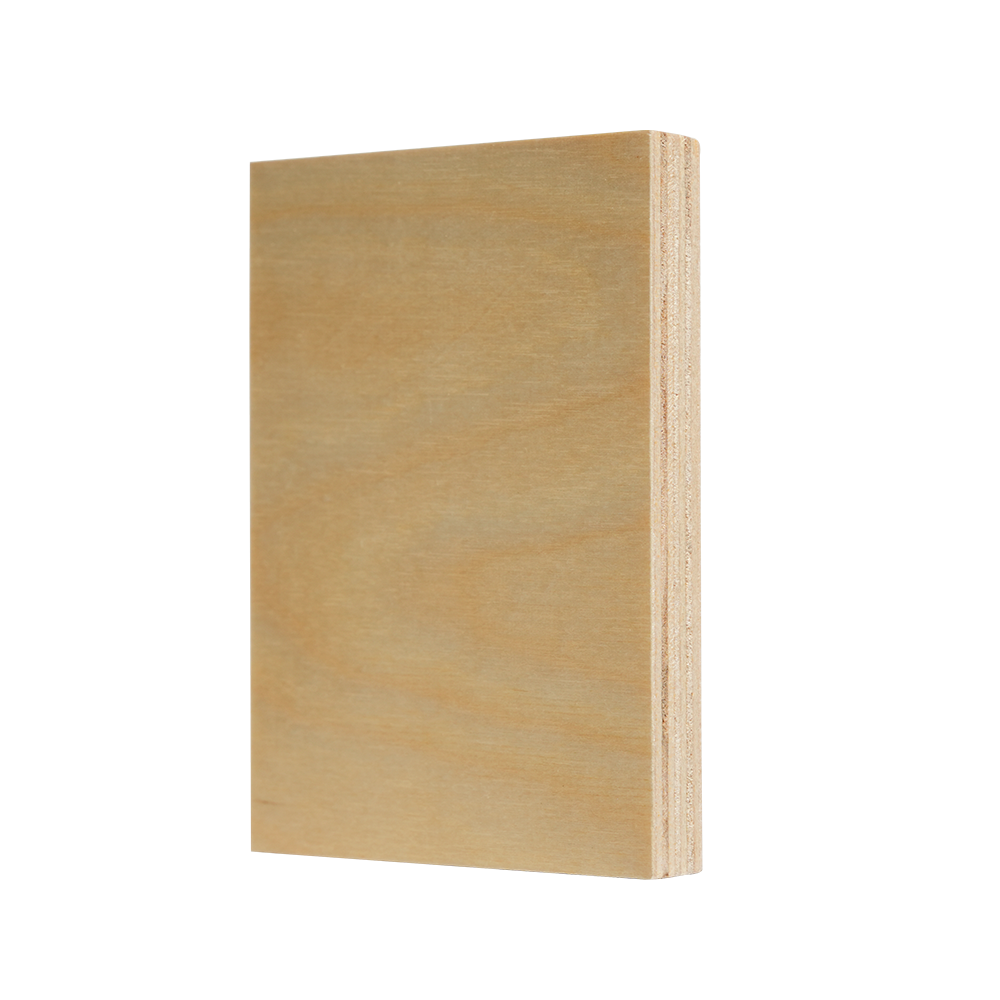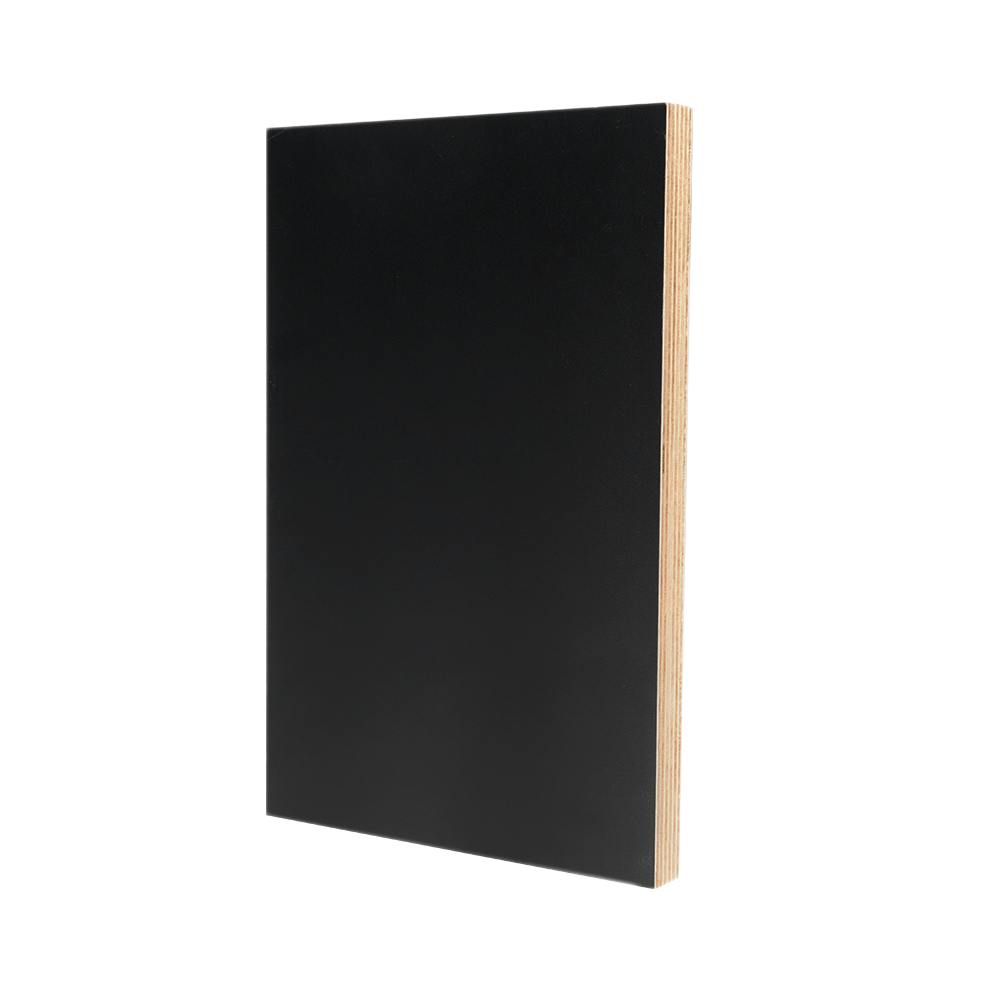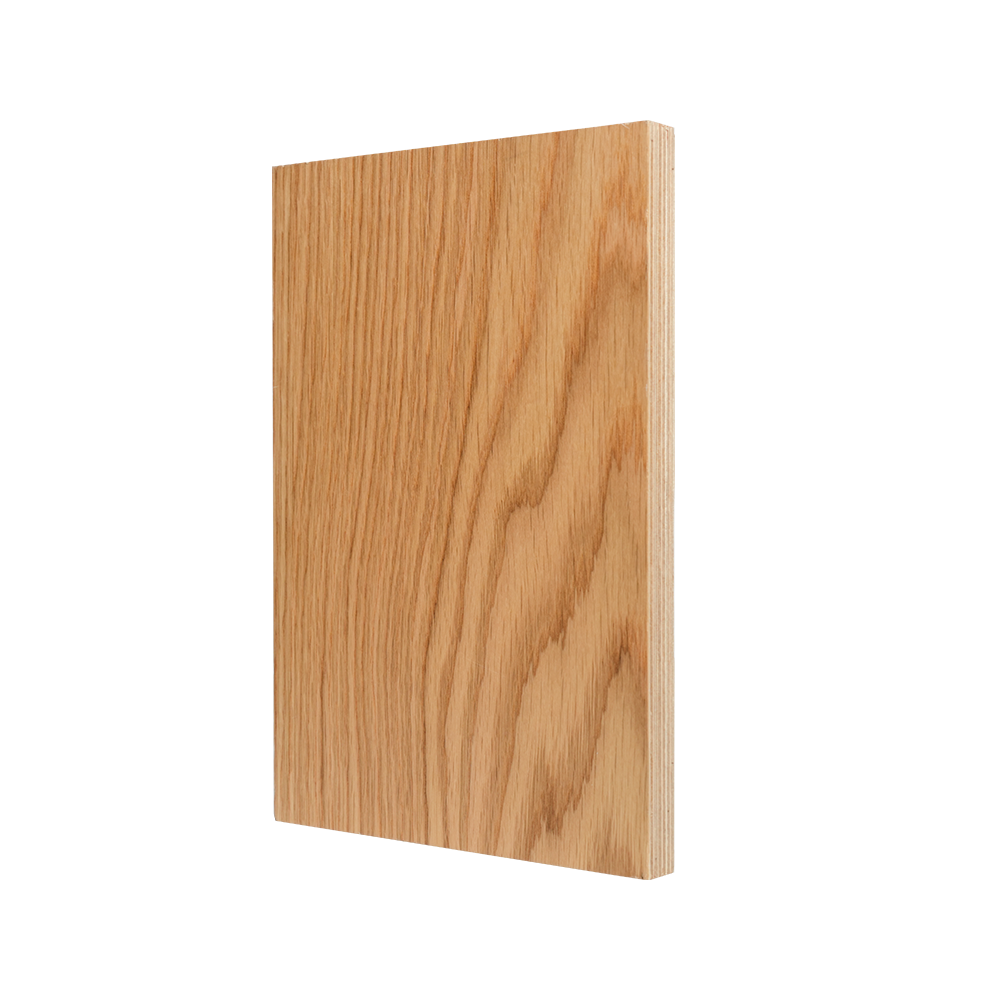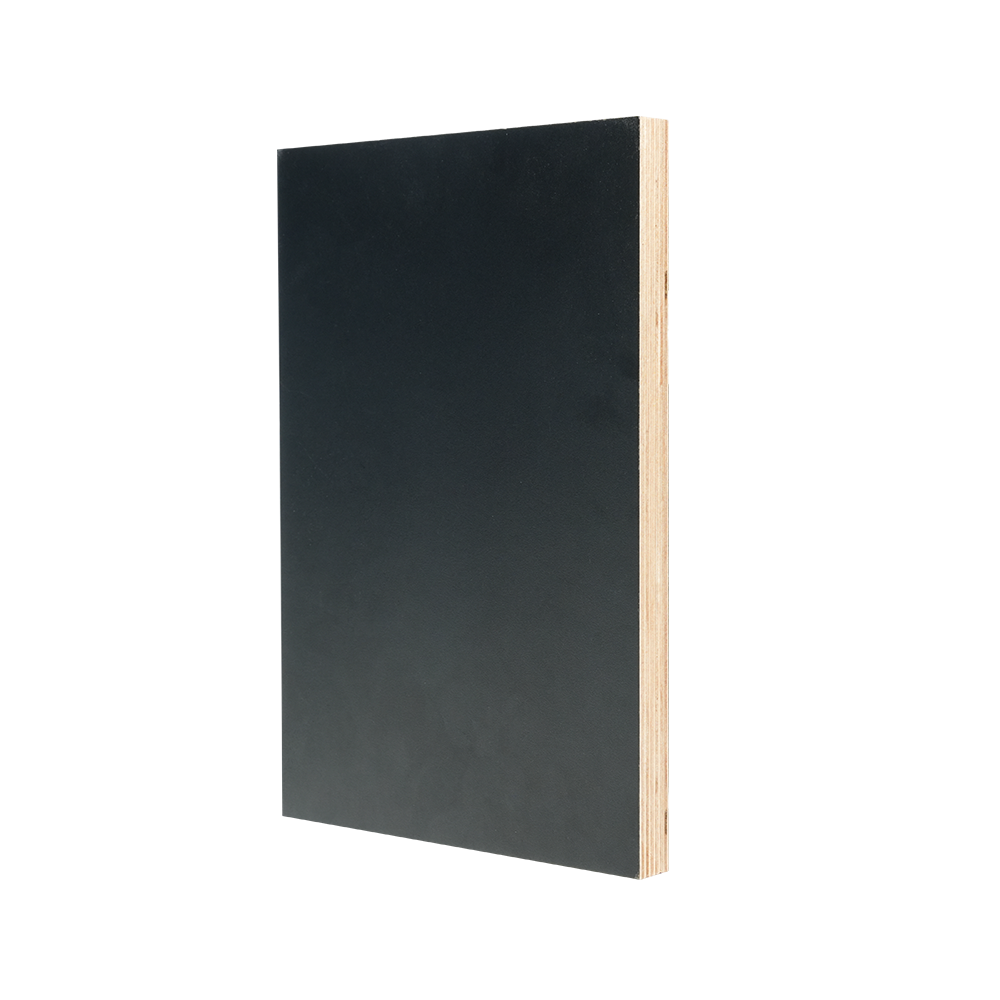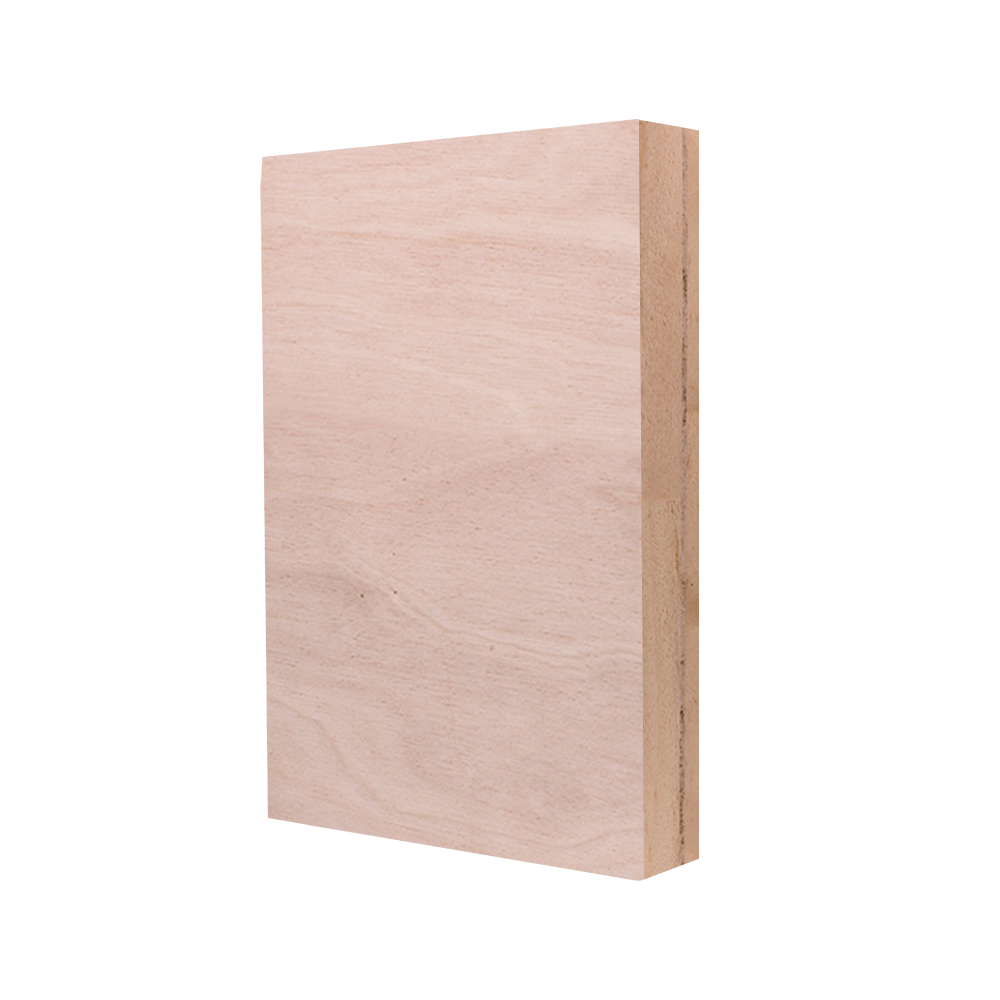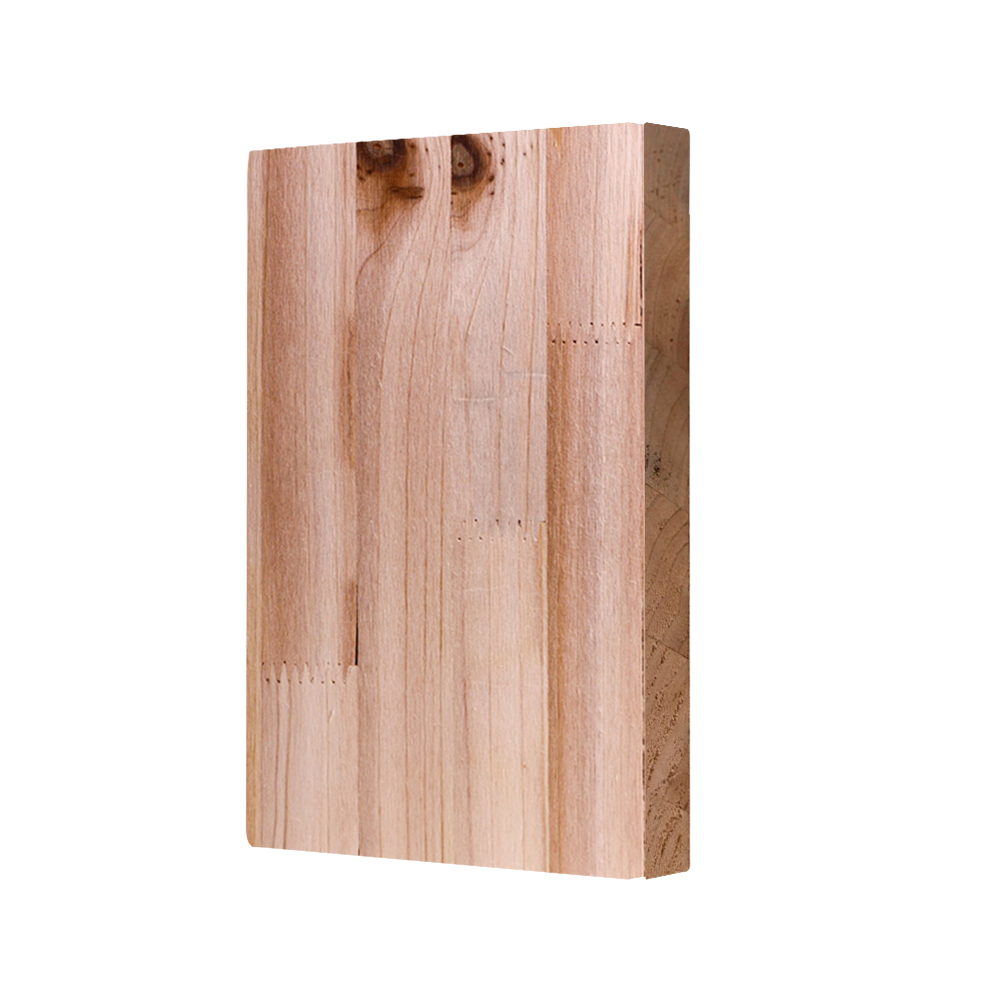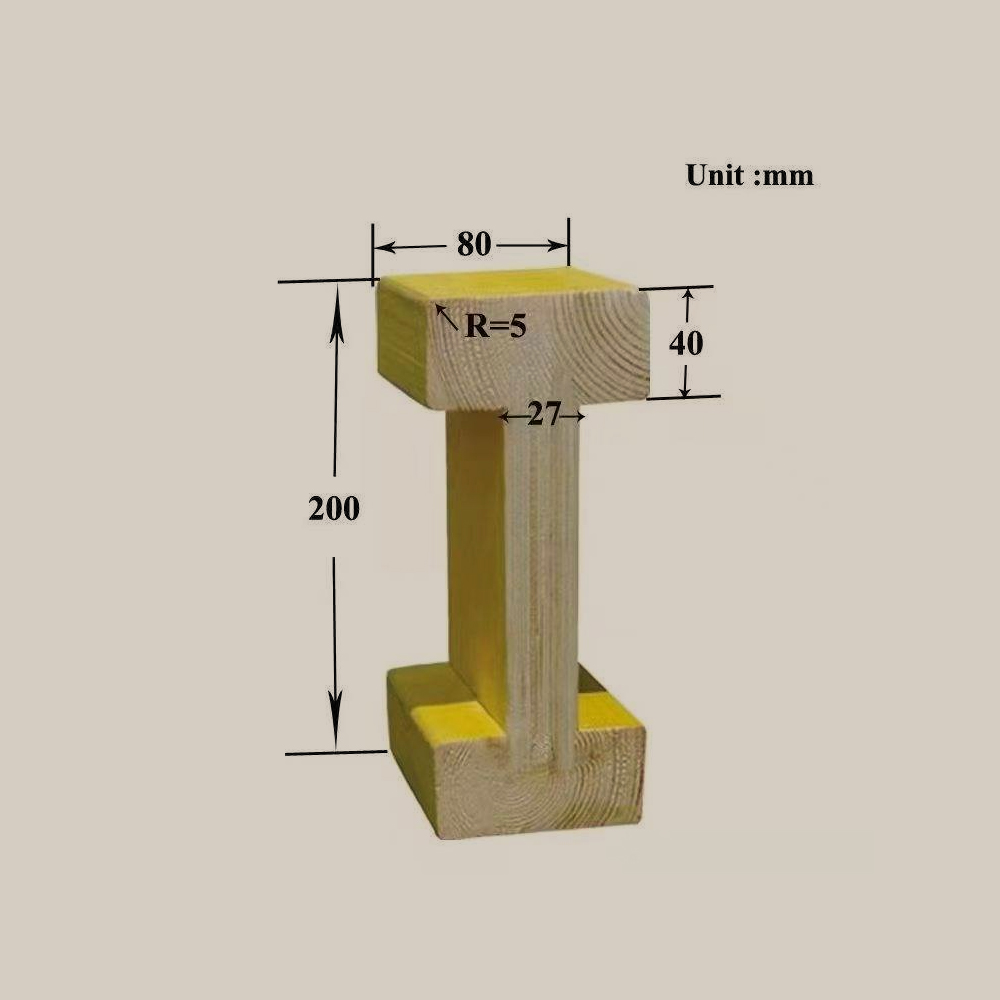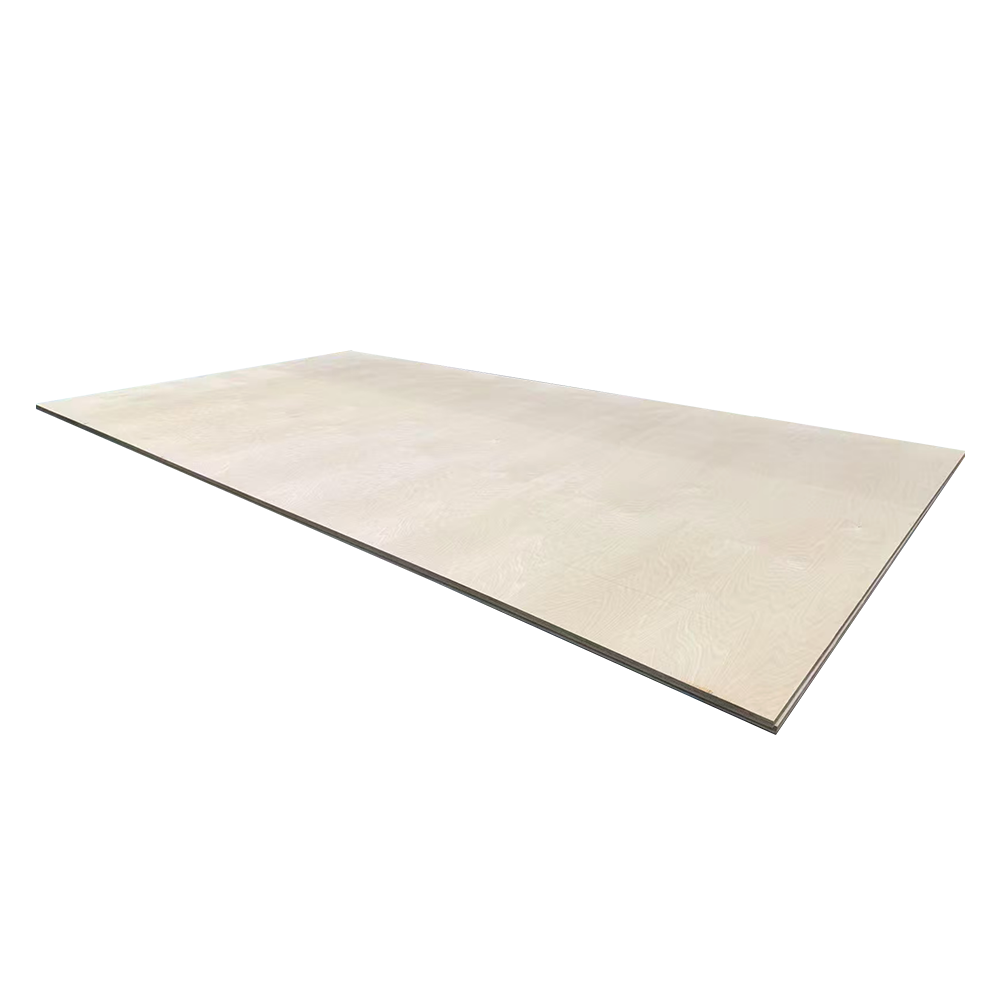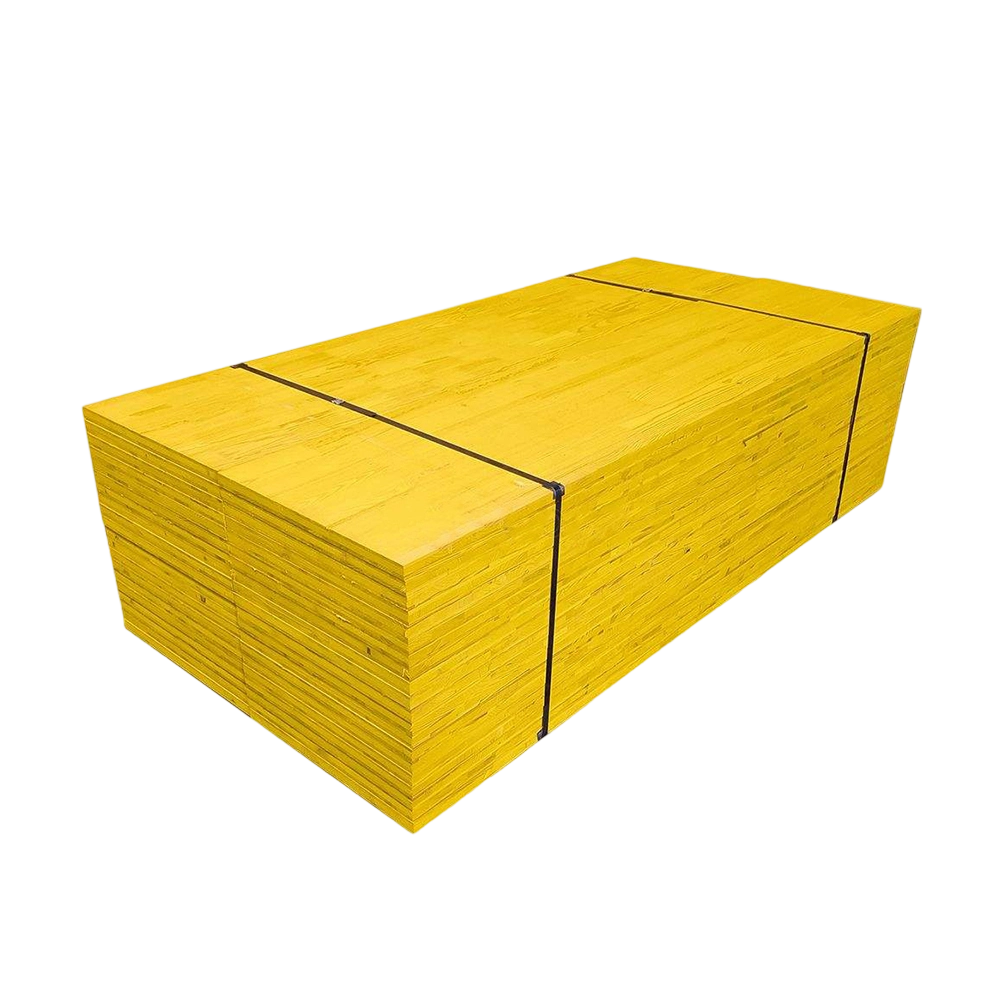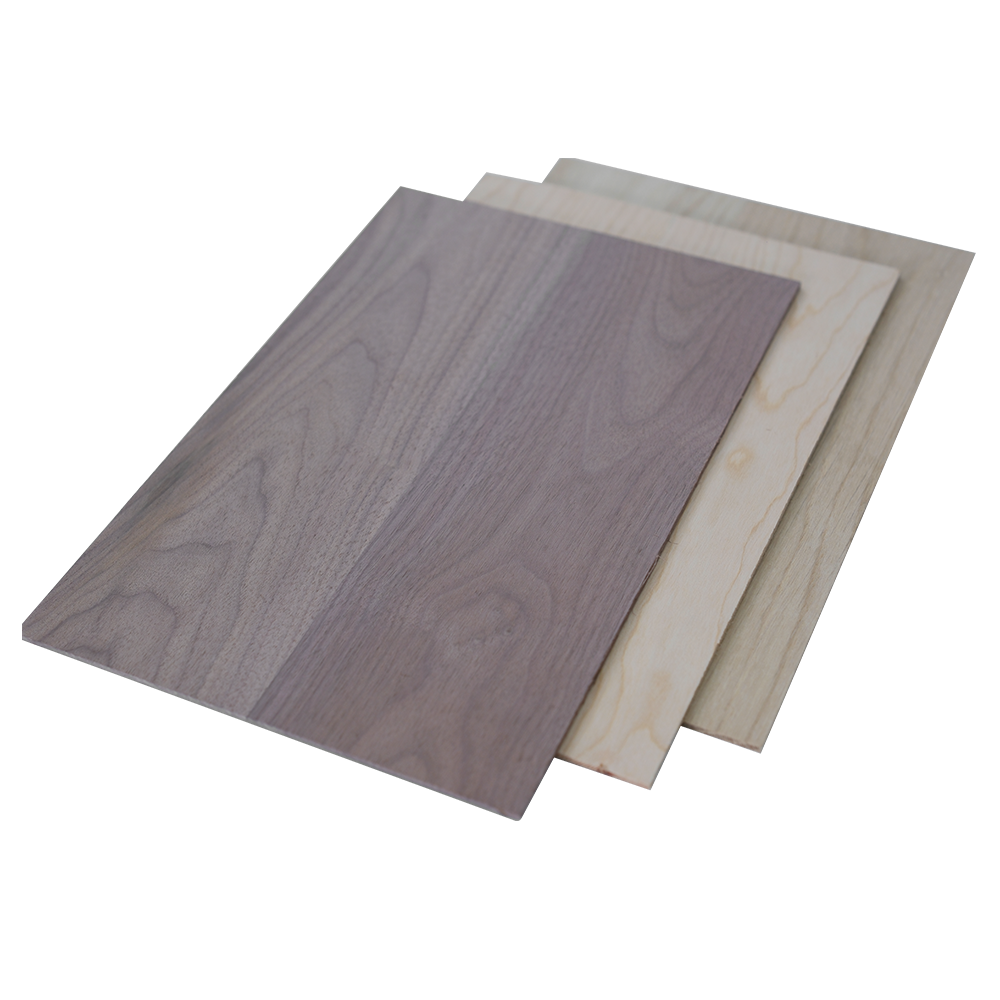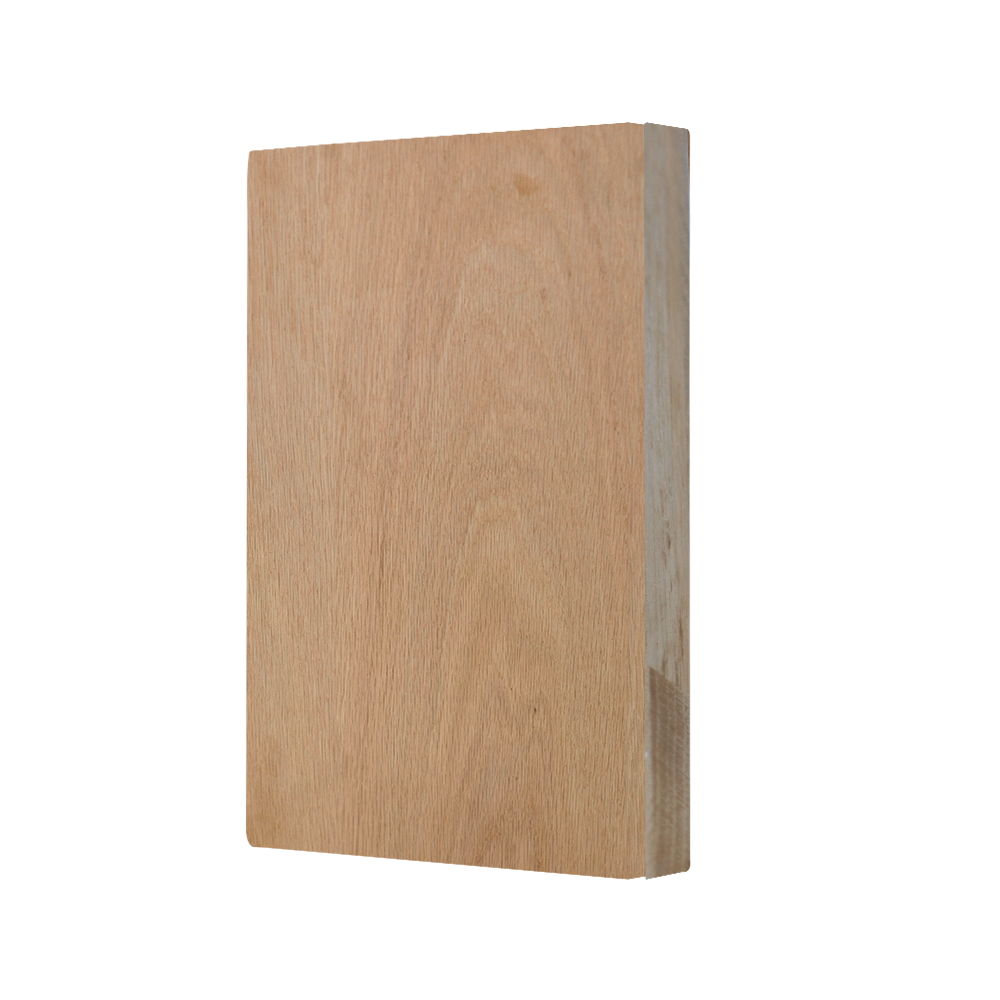

In high-end furniture manufacturing, Full Birch Plywood is the preferred substrate for applying CPL, HPL, and Natural Veneer due to its high density and structural uniformity. However, Warping remains a significant technical challenge. From an engineering perspective, warping occurs when there is a Tension imbalance between the face and back of the panel, leading to internal stress release.
The primary rule for preventing deformation is Symmetrical Construction. When a decorative layer is applied to the face of Full Birch Plywood, an equivalent material with similar physical properties must be applied to the reverse side to counteract the forces of thermal expansion and contraction.
If a 0.8mm HPL is applied to the front, the back must also feature a 0.8mm HPL of the same grade. Even when using a Balancing Sheet to reduce costs, the Elastic Modulus of the backing material must closely match the face material to ensure the Tension Balance remains intact across the core.
For Natural Veneer, the Grain Direction of the veneer must be aligned correctly with the face veneer of the Full Birch Plywood. Discrepancies in wood species or fiber orientation between the two sides are primary drivers of long-term Cupping and twisting.
Even though Full Birch Plywood is exceptionally stable, it remains sensitive to Moisture Content fluctuations during the gluing process.
Before entering the Pressing Line, both the birch substrate and the decorative surfaces (CPL or Veneer) should undergo Conditioning in the same environment for at least 48 hours. The ideal Moisture Content should be stabilized between 8 percent and 12 percent to prevent post-press shrinkage.
Using water-based adhesives introduces moisture into the birch fibers. If the water evaporates unevenly, it triggers Internal Stress. For high-precision projects, PUR Hot Melt Adhesive is recommended because it contains no water, thereby eliminating the risk of moisture-induced warping from the start.
The settings of the Hot Press directly determine the distribution of residual stress within the finished panel.
When laminating HPL, the temperature difference between the top and bottom platens should not exceed 3 degrees Celsius. If the top platen is significantly hotter, the decorative surface will shrink faster than the backing, creating an upward pull that causes the Birch Plywood to bow.
While Full Birch Plywood has a high Load-bearing Capacity, excessive pressure can crush wood fibers. Implementing a multi-stage Pressure release cycle allows the panel to adapt to ambient conditions slowly, preventing the sudden release of Internal Stress that leads to immediate deformation.
| Feature | CPL (Continuous Pressure Laminate) | HPL (High Pressure Laminate) |
| Tension Profile | High Coil Tension (requires flattening) | Rigid and Brittle (requires even glue) |
| Substrate Requirement | Ultra-smooth Full Birch surface | High bond strength substrate |
| Glue Spread | 60-100 g/sqm | 80-120 g/sqm |
| Cooling Process | Active Cooling Zone required | Slow ambient cooling preferred |
The first 24 hours after lamination are critical for maintaining Flatness. Panels must be stored in a Flat Stacking configuration. Placing a Dead Load on top of the stack during the cooling phase helps the Full Birch Plywood set in a perfectly flat state. Furthermore, immediate Edge Banding or sealing helps protect the Core Veneer from absorbing atmospheric moisture, ensuring the long-term stability of the decorative board.


Copyright © Tianma Lvjian Group Co., Ltd. Rights Reserved.
Wholesale Construction Plywood Manufacturers Privacy
 English
 中文简体
中文简体