
In the realms of modern architecture, furniture manufacturing, and interior decoration, the application of wood has evolved far beyond raw sawn timber. To overcome the natural limitations of solid wood—such as warping, splitting, and size constraints—engineered wood panels were developed. Understanding what is plywood and what is mdf is essential for any designer or contractor.
The core logic of engineered panels involves breaking wood down into veneers, fibers, or particles and recombining them using high-performance adhesives under high temperature and pressure. This process not only maximizes timber utilization but also grants panels stability and functionality that often surpass natural wood.
Within this family of materials, structural plywood provides the skeletal strength for buildings, while marine plywood exhibits incredible durability in extreme humidity. For aesthetic finishes, veneered plywood and black melamine define the visual language of modern spaces through sophisticated surface treatments.
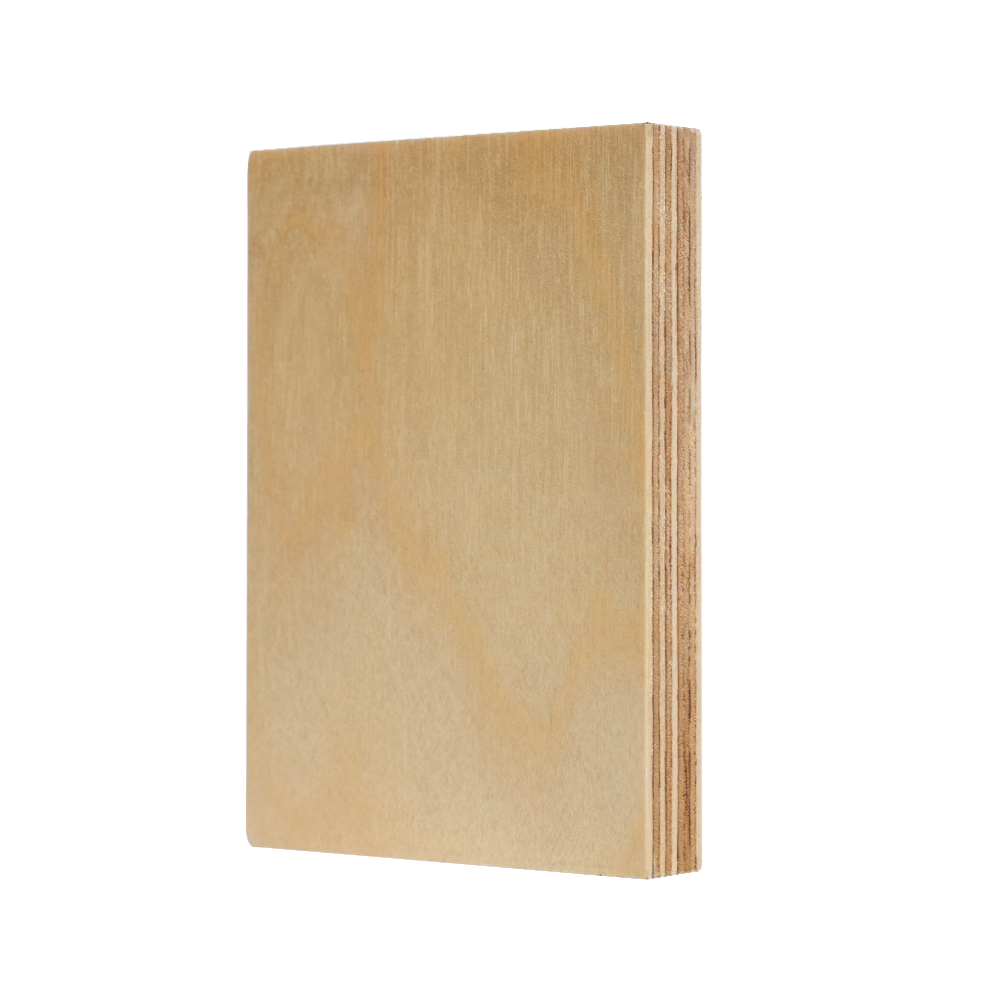
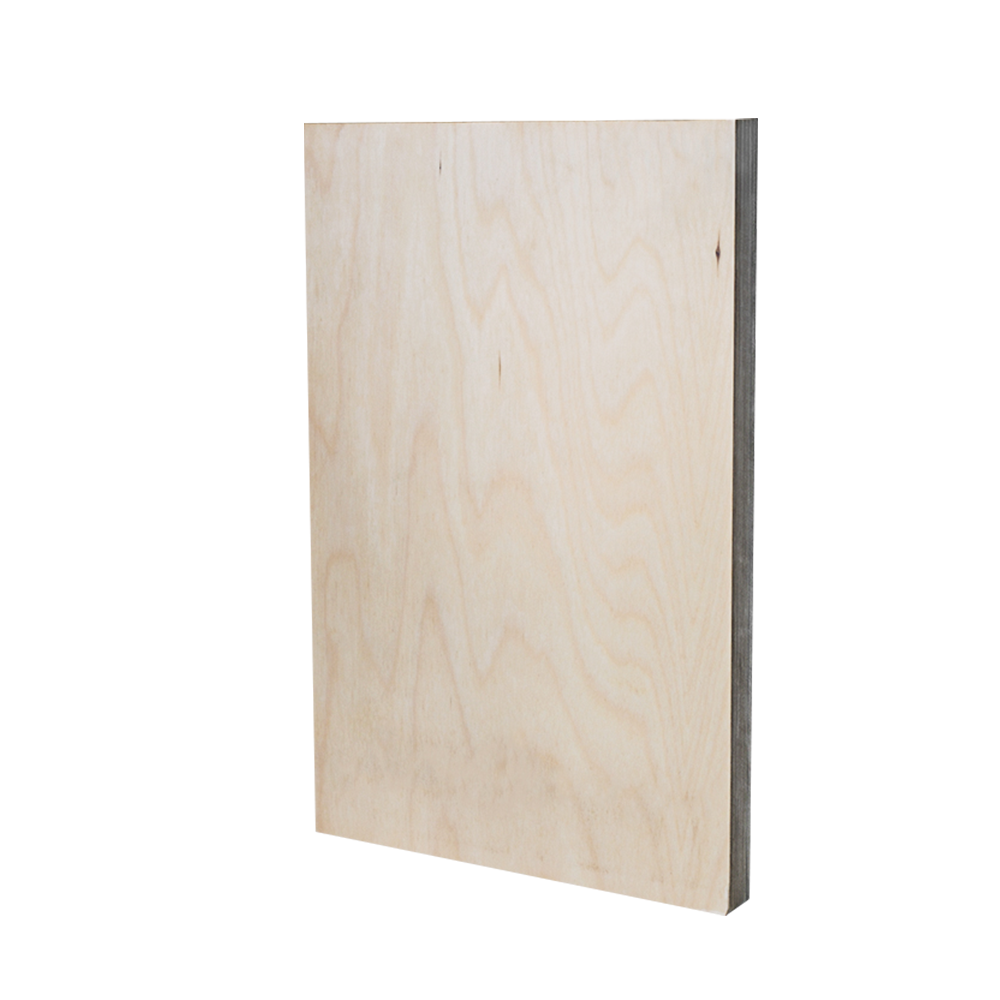
To answer what is plywood, one must look at its sandwich construction. Plywood is composed of an odd number of layers (such as 3, 5, or 7) of wood veneers glued together. The grain direction of each layer is rotated 90 degrees relative to the adjacent layer. This cross-lamination technique effectively counteracts the wood's natural tendency to shrink or expand along the fiber, resulting in exceptional dimensional stability.
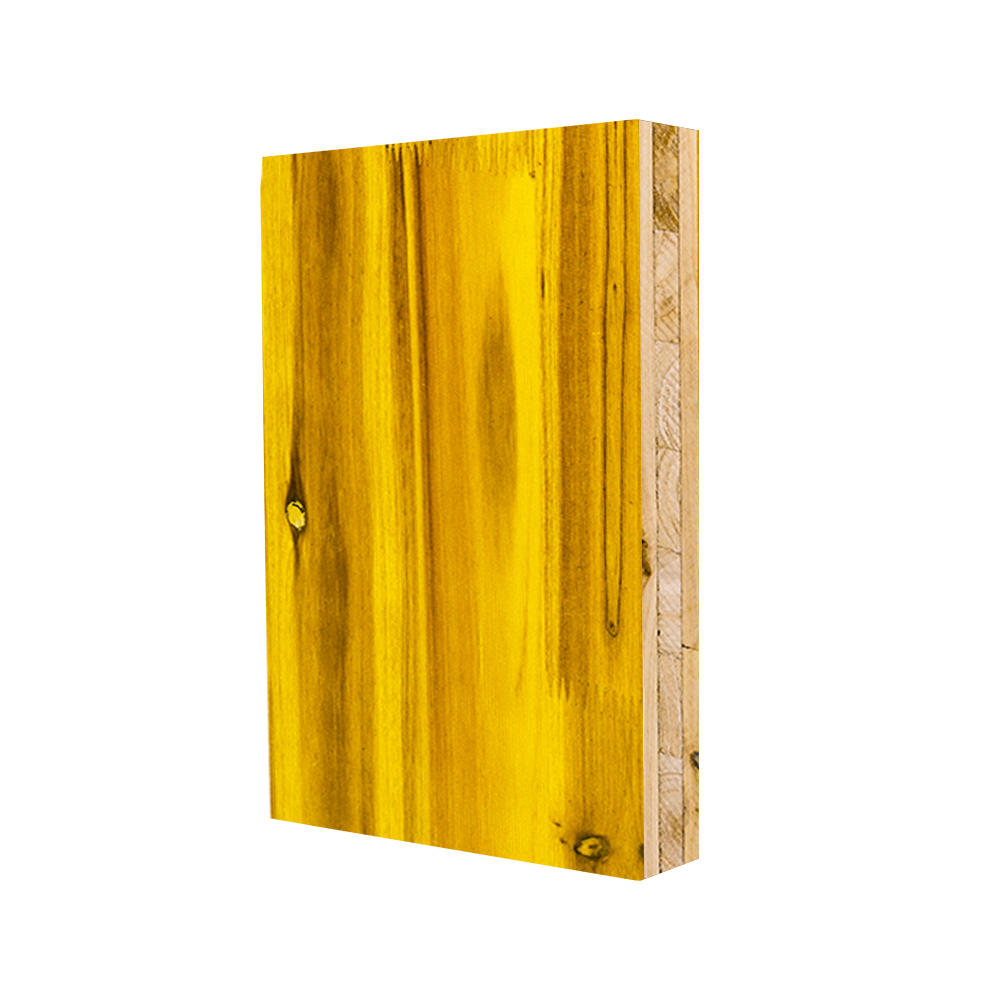
Structural plywood is specifically engineered to withstand long-term stress and heavy loads. It typically utilizes A-Bond phenolic resin, a weather-resistant adhesive that ensures the layers do not delaminate even when briefly exposed to wet conditions.
Primary Uses: House framing, roof decking, I-beam webs, and shipping container flooring.
Performance Features: It carries a certified F-Grade (stress grade) to provide predictable engineering parameters for builders.
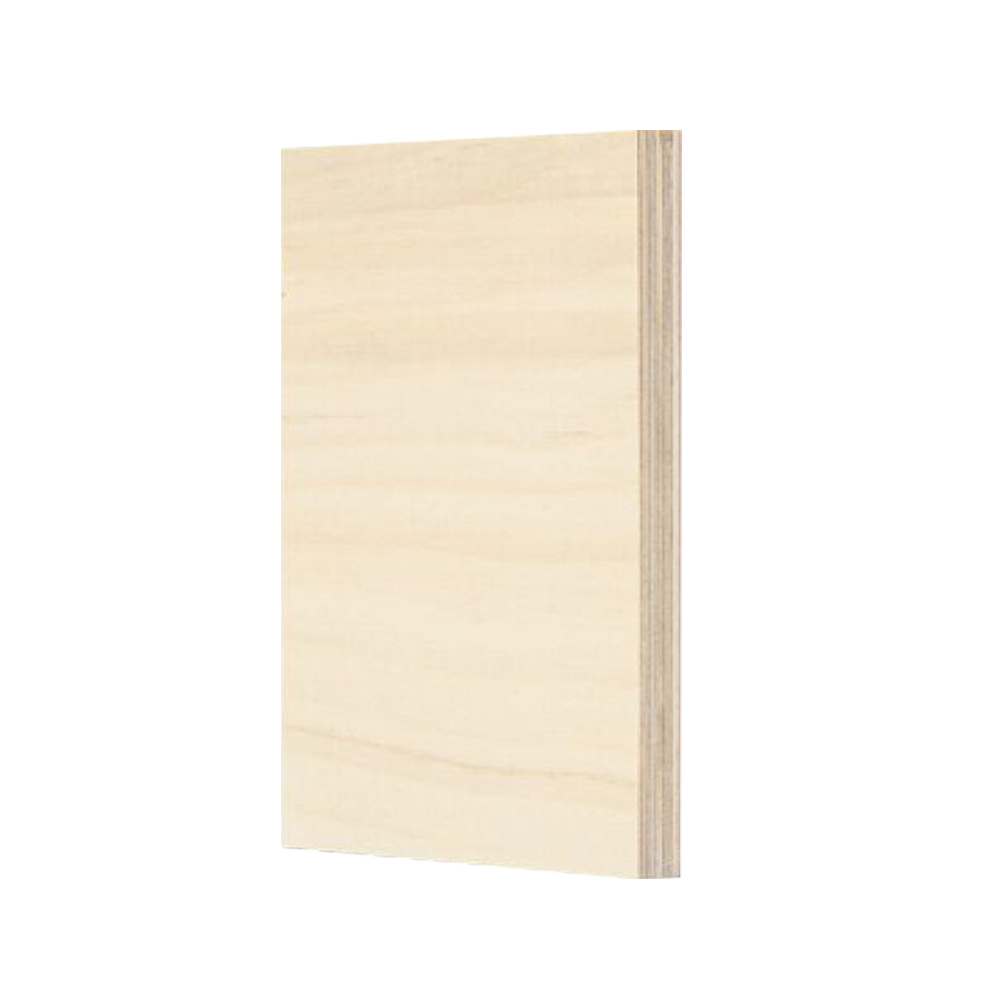
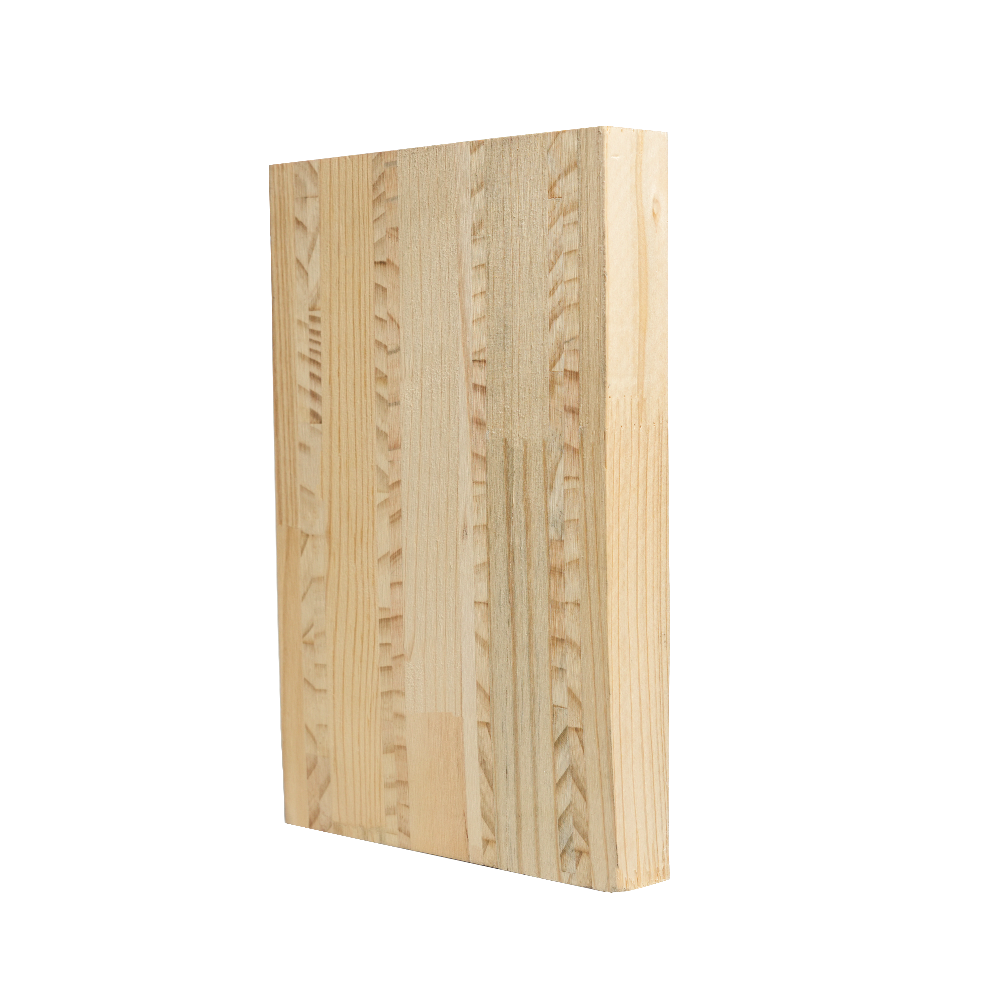
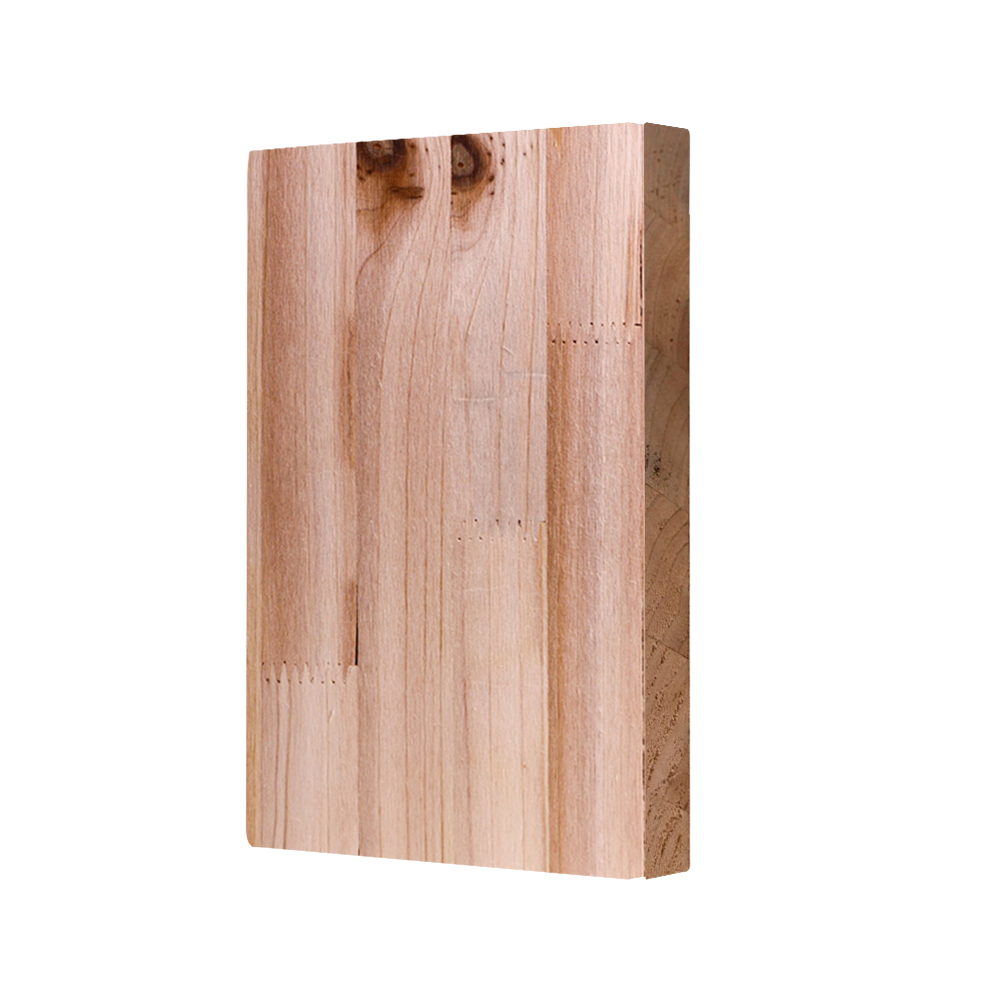
Hoop pine plywood is a premium architectural material sourced from high-quality softwood native to Oceania. Unlike standard construction-grade boards, it is known for its light tones, extremely fine grain, and knot-free surface.
Aesthetic Value: Its clean appearance makes it a favorite for high-end interior wall linings, ceilings, and bespoke joinery.
Physical Properties: It possesses higher density than standard pine, offering better screw-holding power and superior edge-finishing capabilities.
| Feature | Structural Plywood | Hoop Pine Plywood |
| Glue Type | A-Bond (Phenolic) | A-Bond or B-Bond |
| Appearance Grade | C/D Grade (knots/patches allowed) | A/A or A/B Grade (smooth/flawless) |
| Core Usage | Load-bearing construction | Visible decoration, fine joinery |
| Bending Strength | High (F-Grade Certified) | Medium to High |
| Reference Density | Approx. 550 - 650 kg/m3 | Approx. 500 - 600 kg/m3 |
There are many misconceptions regarding marine plywood. While many believe it is entirely waterproof, its true advantage lies in the integrity of its internal structure and the permanence of its bond.
According to international standards like BS 1088, true marine plywood must meet rigorous criteria:
Zero-Void Core: While standard plywood allows small gaps in internal layers, marine grade strictly prohibits voids. This prevents water from pooling inside and causing rot.
High-Quality Veneers: All layers must be made from decay-resistant wood.
Permanent Bonding: It uses WBP (Water Boil Proof) glue, which can withstand hours of boiling without delamination.
Despite the name, it is used for more than just boats. It is the ultimate solution for high-end bathroom subfloors, saunas, outdoor decking, and premium patio furniture where moisture resistance is critical.
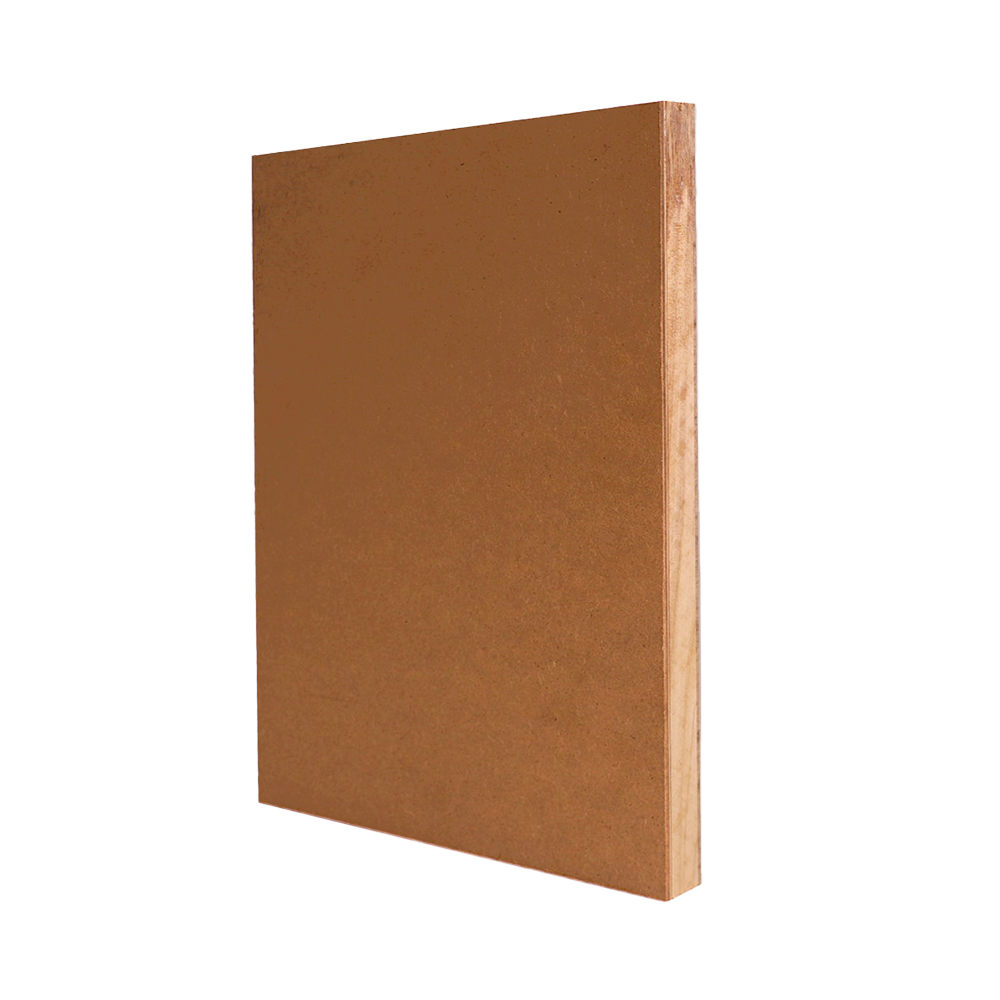
When exploring what is mdf or what is mdf wood, we must distinguish it from the layered structure of plywood. MDF stands for Medium Density Fiberboard.
What is mdf wood exactly? It is made by breaking down wood residuals into fine fibers, mixing them with resin and wax, and pressing them under intense heat.
Physical Performance: The internal structure is uniform with no grain direction. This means the edges remain smooth when cut or routed, and the material performs consistently in all directions.
Surface Advantage: It is the flattest of all panels, making it the ideal substrate for painting, veneering, or vacuum-forming.
In furniture manufacturing, backing mdf is a specialized variant.
Specifications: Usually thin (3mm, 5mm, or 9mm).
Function: Primarily used for cabinet backs and drawer bottoms. While it does not carry heavy vertical weight, it acts as a shear wall to keep furniture carcasses square and prevent swaying.
To understand what is veneer, think of it as the skin of the wood. It is a thin slice of timber, usually 0.2mm to 0.6mm thick, produced by slicing or peeling a log. Using veneer conserves rare forest resources while allowing for symmetrical patterns that are impossible with solid planks.
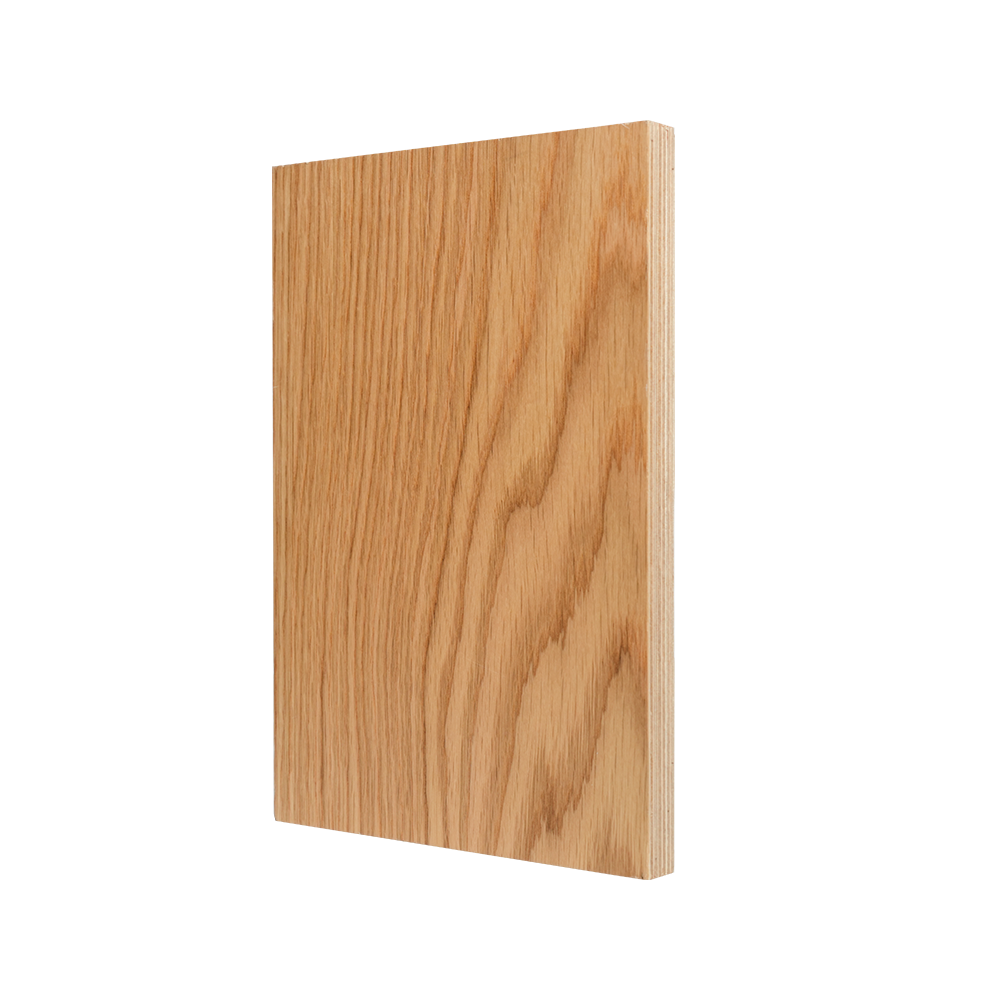
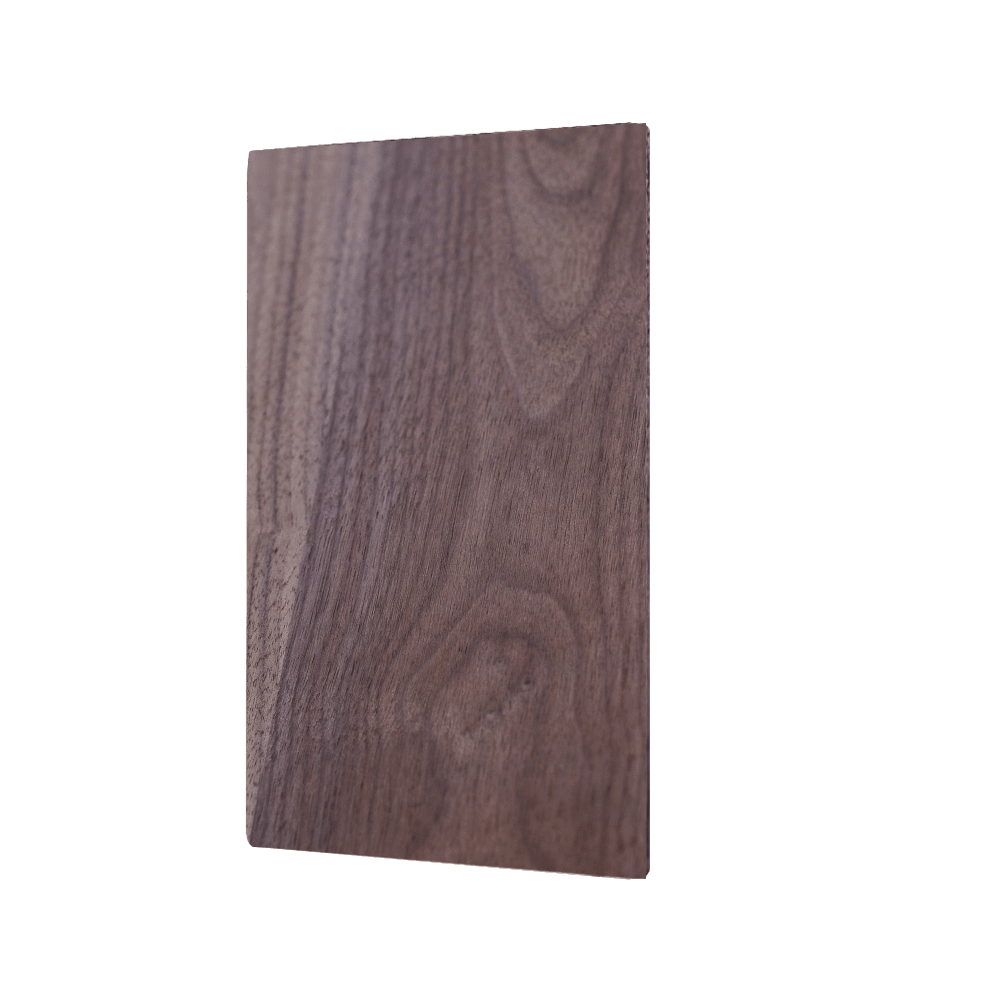
Veneered plywood involves bonding a precious wood veneer (like Oak, Walnut, or Teak) onto a plywood or MDF core. It combines the structural strength of the base board with the natural beauty of real timber.
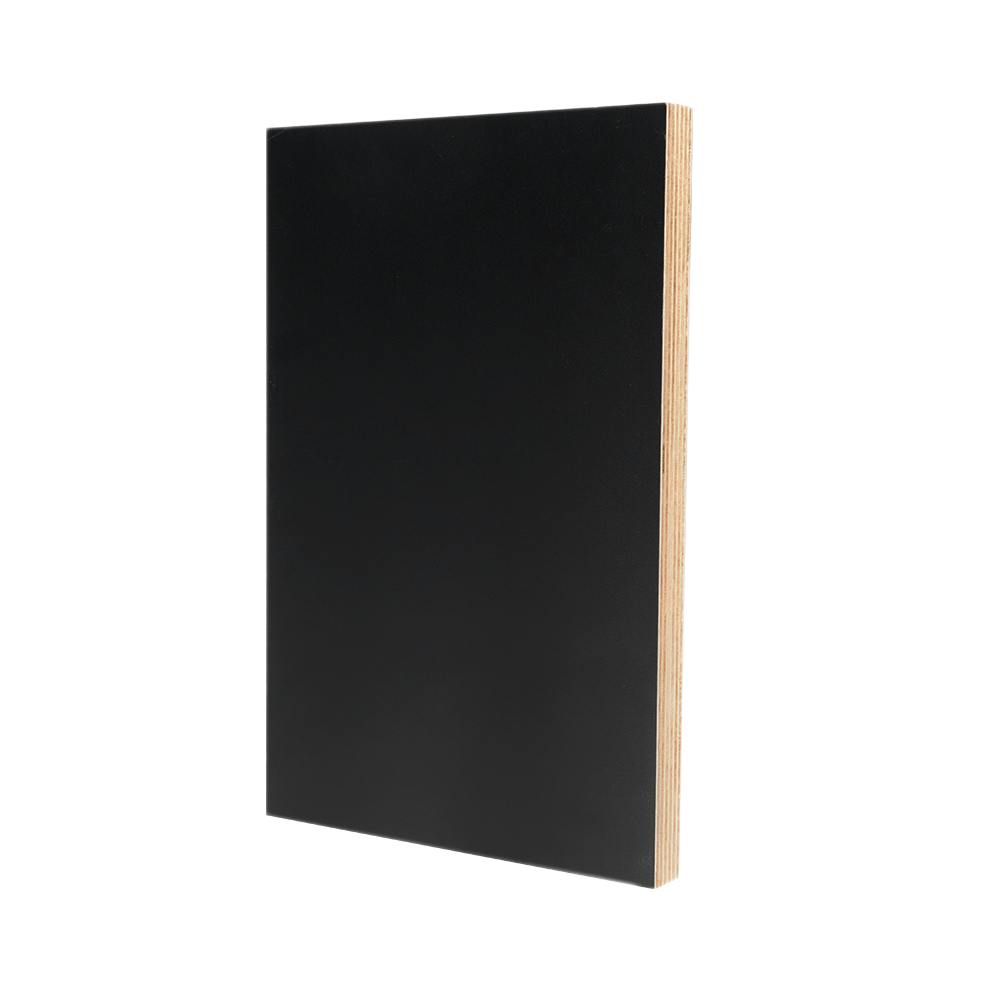
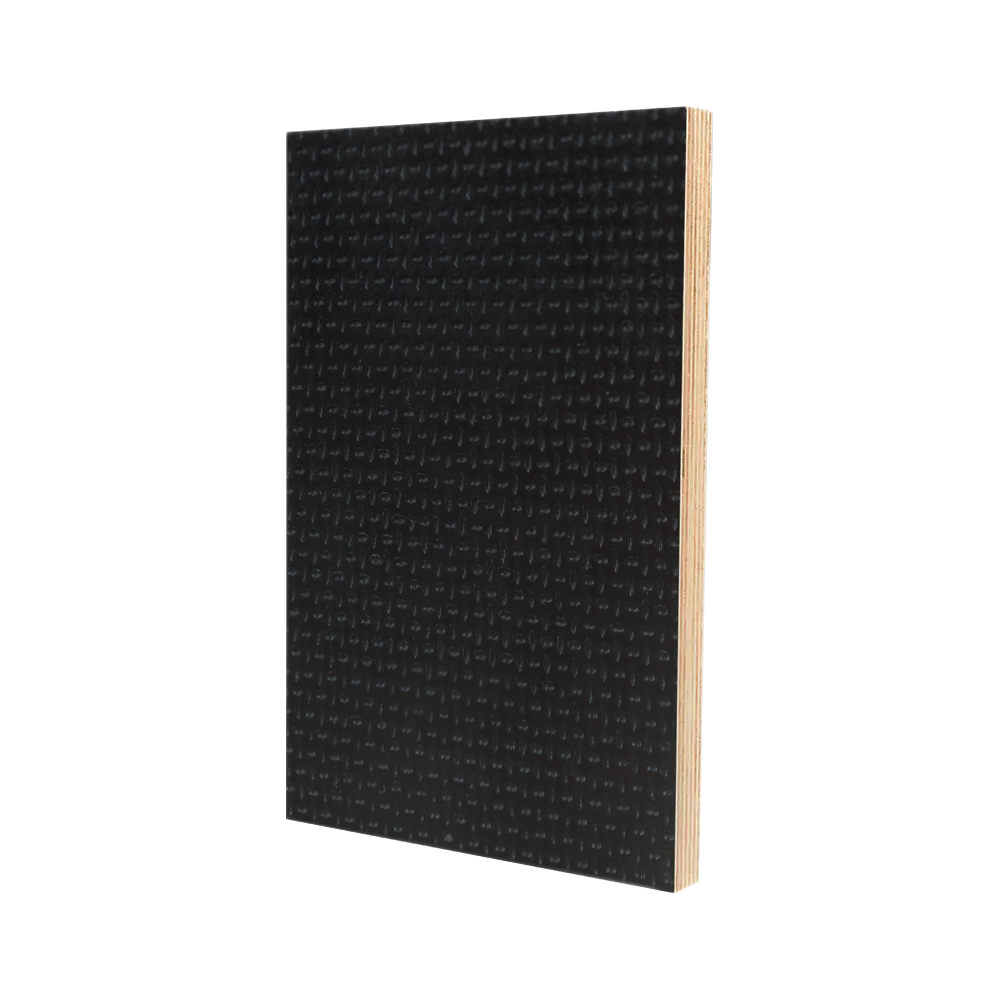
Black melamine represents a more industrial, high-tech approach. It consists of a black decorative paper impregnated with melamine resin, thermally fused onto an MDF or particleboard core. It is hard, scratch-resistant, and easy to clean, making it a staple for modern minimalist and industrial interior designs.
| Index | Plywood | MDF (MDF Wood) |
| Internal Structure | Cross-laminated veneers | Wood fiber powder |
| Load Bearing | Very High | Moderate |
| Edge Finish | Layered (needs edging) | Smooth (can be painted) |
| Moisture Resistance | Good (Marine/Structural) | Low (prone to swelling) |
| Screw Holding | Excellent | Moderate |
| Applications | Construction, Boats, Flooring | Cabinet doors, Backing |
The core advantage of what is mdf is its machining freedom. Its surface is perfectly flat. If you need intricate routed designs on a cabinet door or a mirror-like paint job, plywood grain will telegraph through, whereas mdf wood provides the perfect canvas.
Technically, yes. However, structural plywood usually has a lower surface grade (C or D), meaning it will have knots and patches. For an industrial look, it can be sanded and sealed; for a refined look, it is better used as a subfloor.
The main difference is the internal voids. Standard exterior boards allow some gaps in the core, which can trap condensation and lead to internal rot. Marine plywood requires a solid core with no voids and higher-quality veneers throughout.
Black melamine, especially in matte finishes, can show oily fingerprints. Clean with a microfiber cloth and a mild detergent. Avoid abrasive cleaners that could scratch the protective layer.
Absolutely. Because veneered plywood involves significant amounts of adhesive, you should check for formaldehyde emission ratings (such as E0). Quality panels focus on both the beauty of the veneer and the stability of the core.
related products


Copyright © Tianma Lvjian Group Co., Ltd. Rights Reserved.
Wholesale Construction Plywood Manufacturers Privacy
 English
 中文简体
中文简体