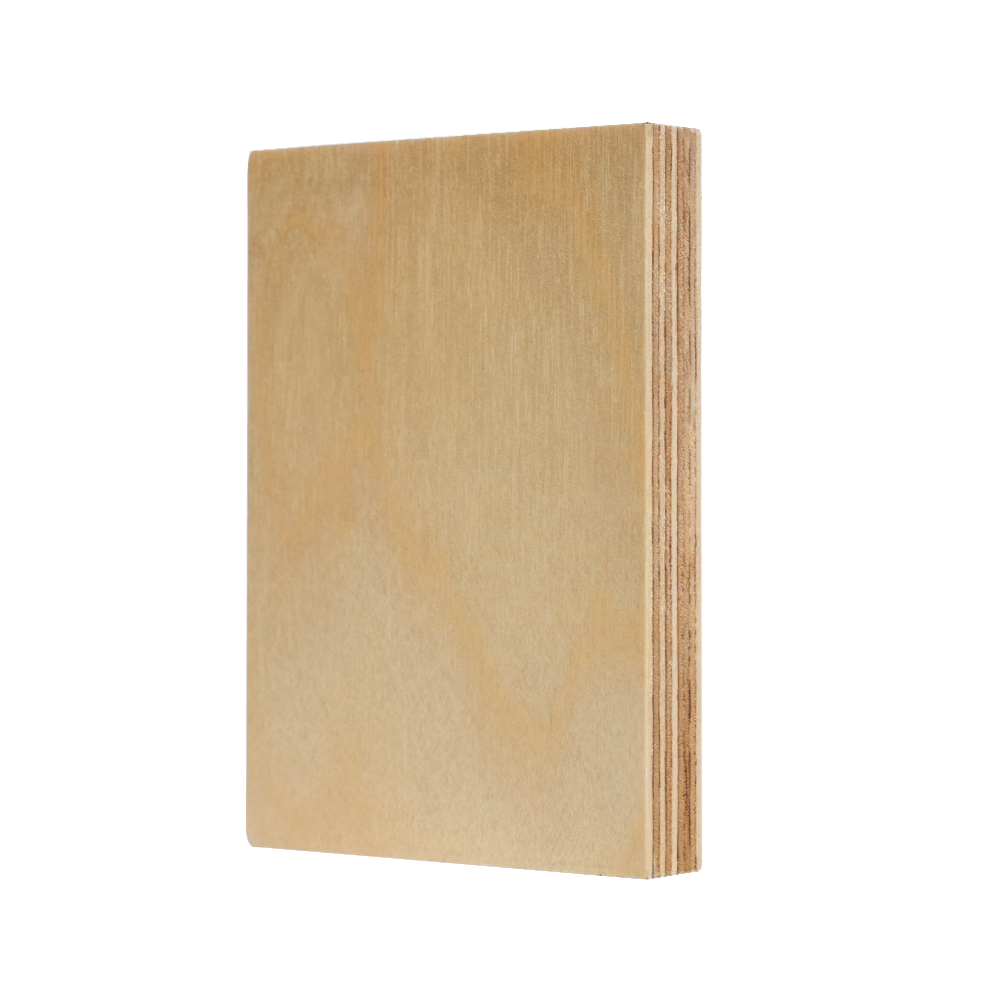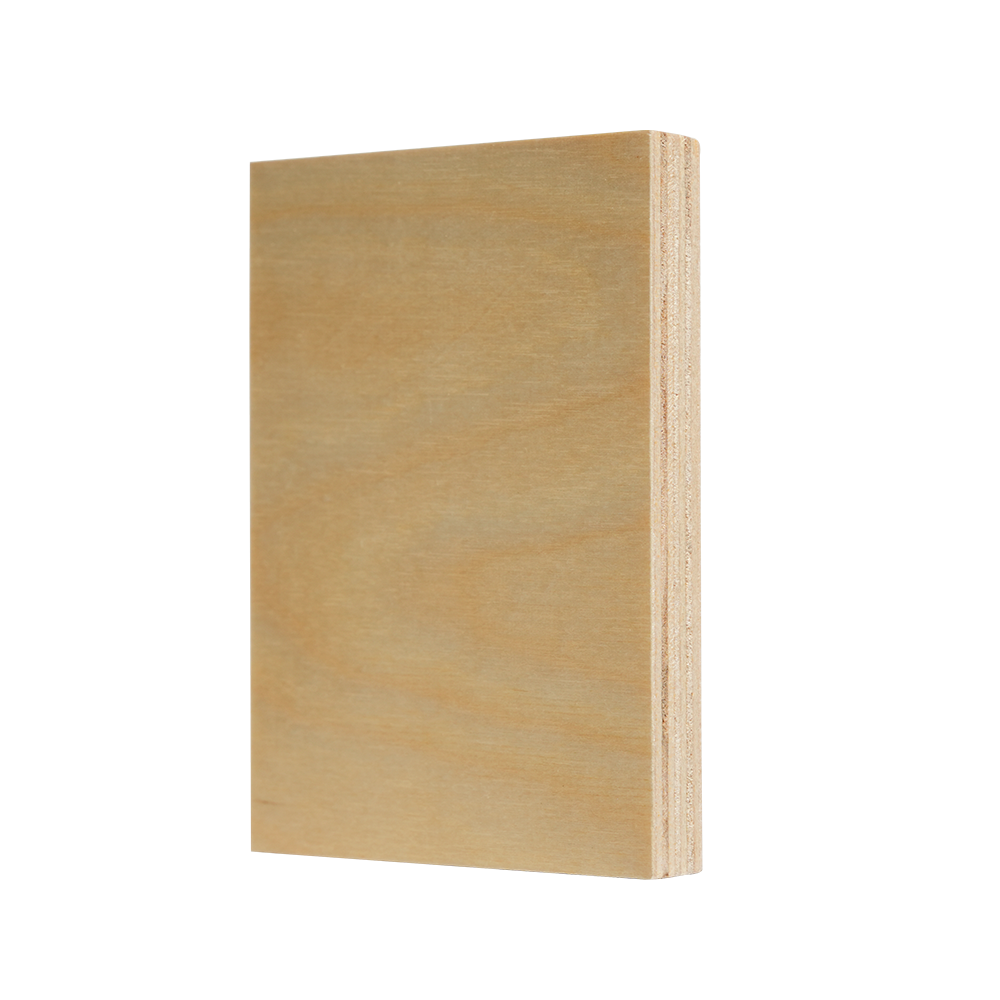

Walk into a big-box lumber aisle and check the price on a 3/4-inch 4x8 sheet of birch plywood, and you will probably do a double take. In many U.S. markets, those sheets now run between $70 and $90. Woodworking forums in 2022 tracked the climb from roughly $50 to $84 per sheet in just a few months, and prices have never returned to pre-shock levels. The first question most buyers ask is a fair one: Am I being overcharged?
As a birch plywood manufacturer, we watch the full cost chain from the inside, from standing birch logs to the finished panel, and then through international logistics to the distributor and the retail shelf. The honest answer is that today's price is not one greedy markup. It is the result of five cost pressures working at the same time: expensive raw material, complex manufacturing, a geopolitical supply shock, strong demand, and a long distribution chain. This guide breaks down each one from the production side, explains what you are actually paying for, and gives practical advice on whether to buy now or wait. We will also be honest about where the premium does not make sense, so you can avoid overpaying for capabilities you do not need.
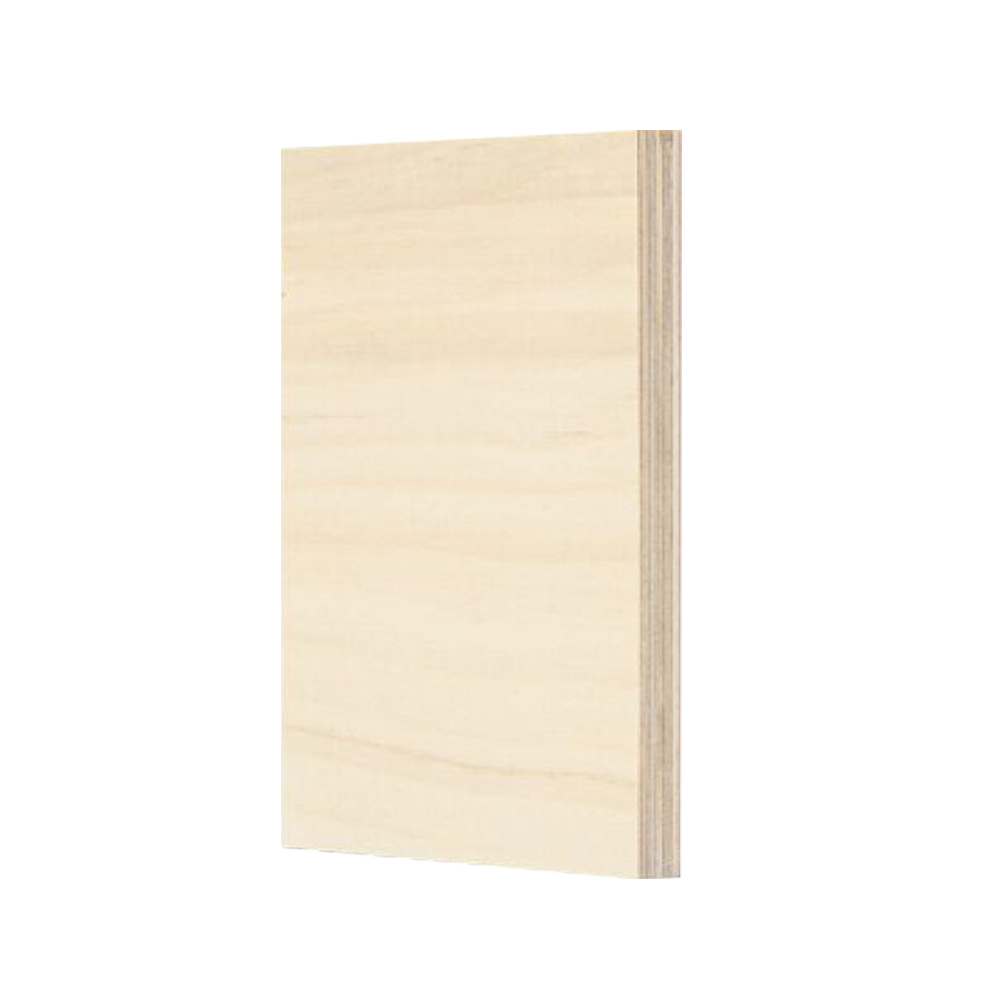
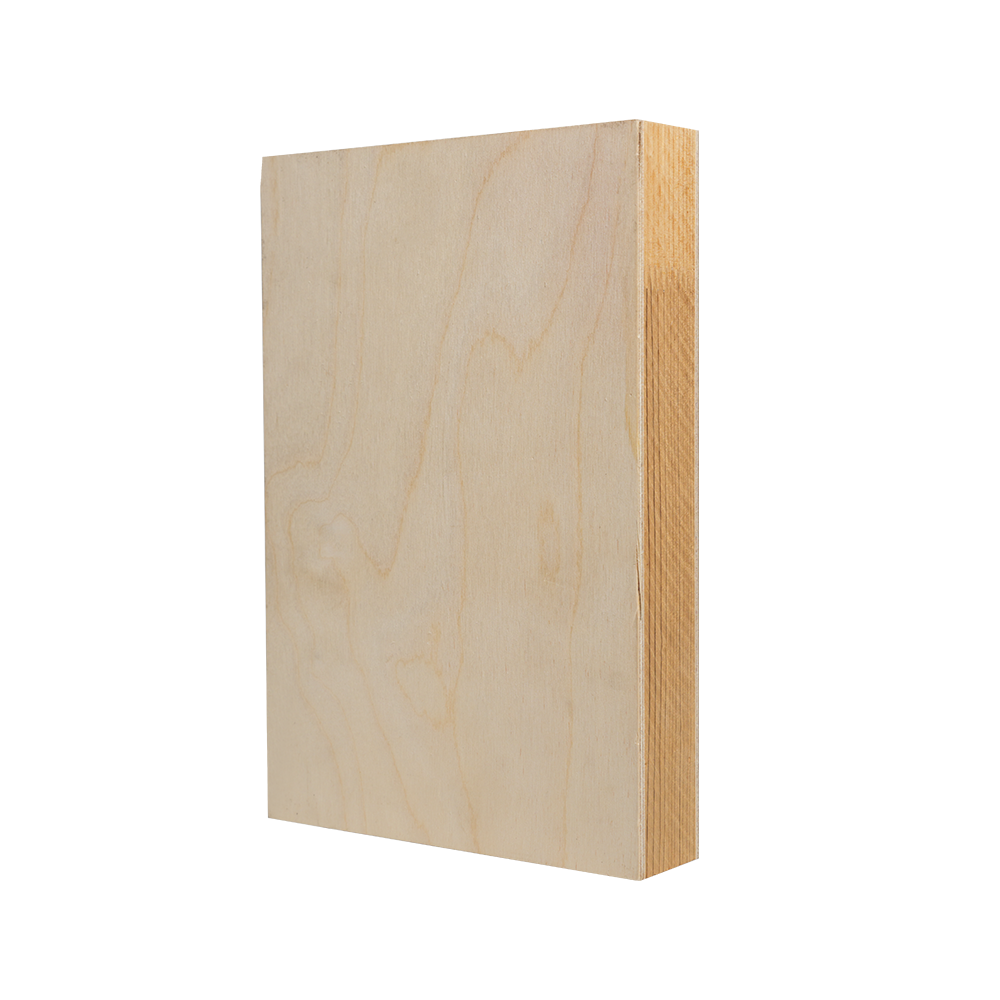
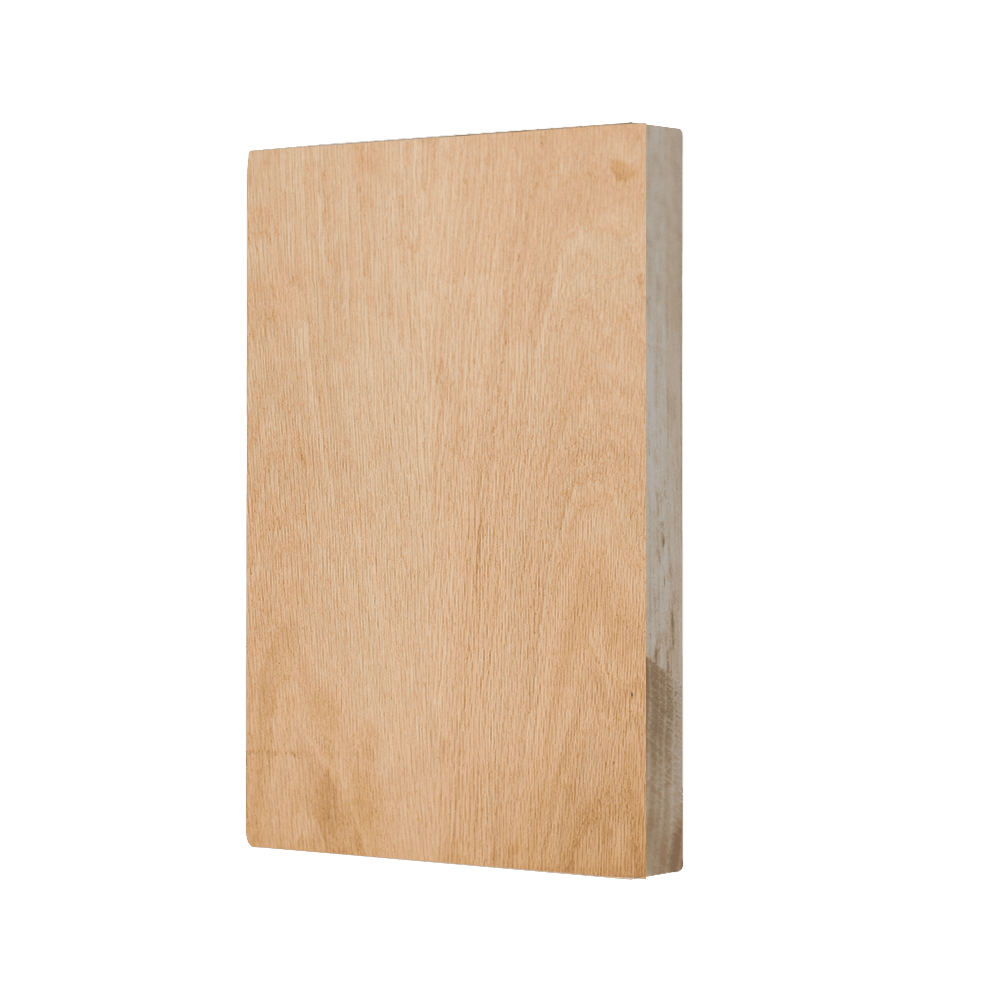
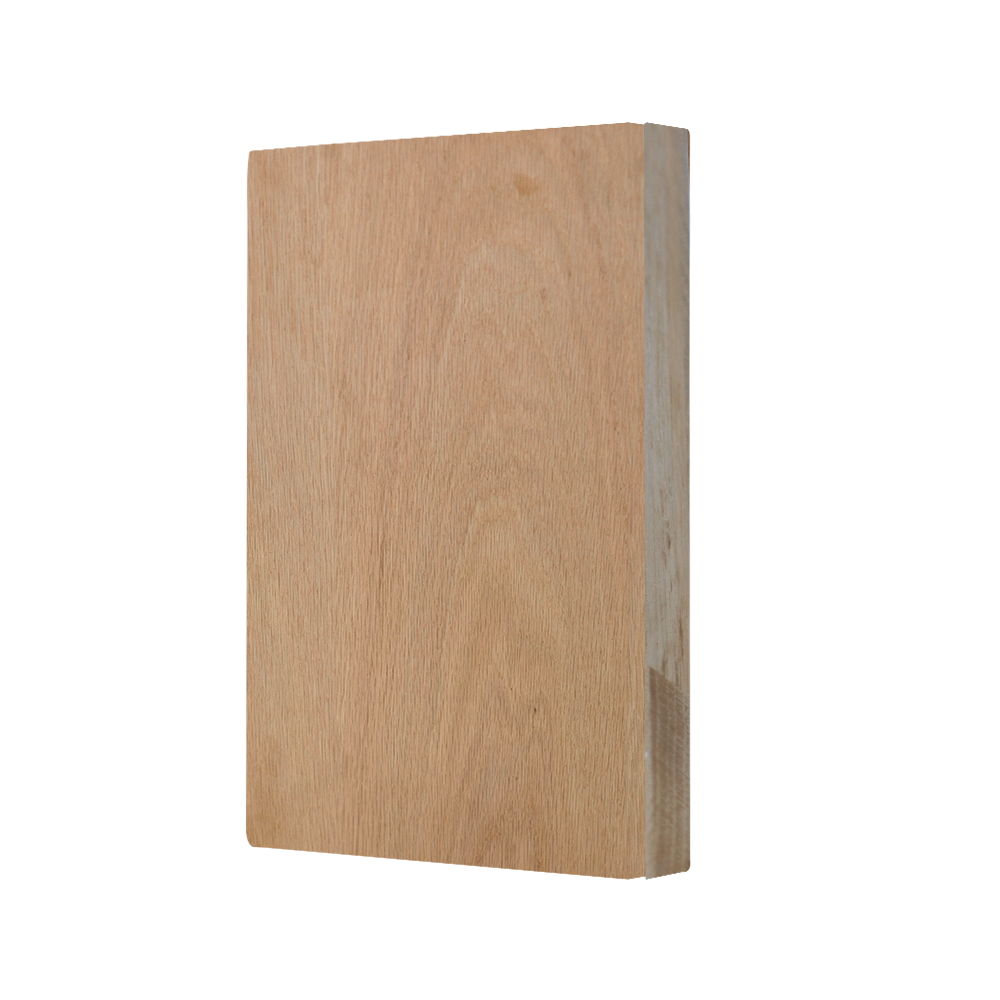
Before discussing price, it helps to understand why birch plywood sits in a different category from the commodity panels next to it on the rack. True birch plywood is built entirely from birch veneers: every layer, from face to core, is rotary-peeled birch. The result is a panel with a density of roughly 650 to 700 kg per cubic meter, a tight smooth surface, and no soft voids or irregular core gaps.
Compare that with a typical pine or fir plywood panel, which often uses mixed softwood veneers in the core and may contain low-density patches or small voids. Birch plywood machines differently too: it cuts cleanly on a CNC router, holds screws reliably at edges, resists splitting, and sands to a surface that accepts stain and finish without blotching. Even the panel's thickness tolerance and squareness tend to be better, which reduces joint failure during assembly. Those properties are not marketing talk. They come directly from the panel's engineering, and they explain why cabinet shops, furniture makers, and serious woodworkers specify birch despite the cost.
Unlike pine, which is grown in massive industrial plantations across the southeastern United States, South America, and other warm regions, birch is a cold-climate hardwood. It grows mainly in Nordic countries, Russia, parts of Canada and the northern United States, and northeastern China. Birch trees take decades to reach a size worth peeling, and harvests are limited by seasonal conditions and forest management rules.
The practical effect is a persistent shortage of good peelable birch logs. A veneer mill needs logs with a certain minimum diameter, reasonably straight grain, and no serious rot or frost damage. Every one of those requirements removes part of the harvest. When log supply tightens, raw material prices rise before any manufacturing cost is added. This is the most permanent reason birch plywood is expensive: the wood itself costs more than plantation softwood.
Producing a birch plywood panel is not the same as pressing a few softwood layers together. Each log is peeled into thin continuous veneers, which are dried flat, clipped, graded, and inspected for knots and defects. The veneers are then assembled in cross-banded layers, an odd number of plies with alternating grain directions, bonded with moisture-resistant adhesive, pressed under heat, sanded to a tight tolerance, and trimmed to final dimensions.
Every step adds cost, but three stand out. Grading creates waste: a log that produces clean B-grade veneer will also yield a large share of lower-grade material, and that loss is built into the price of the good sheets. For a buyer, this means the panels you receive carry the cost of discarded material from the same production batch. Adhesive systems matter too: exterior WBP (water and boil proof) glues and phenolic resins cost more than basic interior adhesive. And environmental compliance, especially low-formaldehyde or formaldehyde-free adhesive systems for indoor furniture, adds another layer of expense. If you want the technical detail, we have published a step-by-step look at the birch plywood manufacturing process.
Raw material scarcity and manufacturing complexity are structural. They existed before the recent spike, and they are not going away. But the jump you have seen over the past few years comes from the interaction of three additional forces: geopolitics, demand, and distribution.
The single largest shock to the birch plywood market came from the Russian invasion of Ukraine in February 2022. Russia was the dominant producer and exporter of Baltic birch plywood, the category that North American and European buyers have long relied on for high-end cabinetry and furniture. After the invasion, sanctions, trade restrictions, and embargo decisions cut off most of that supply almost overnight.
The result was a severe supply gap that other producing regions could not fill quickly. European mills had to redirect shipments. American distributors who had sold Baltic birch for years saw their sources dry up and had to re-specify to alternative birch plywood or pay much higher prices for remaining inventory. If you are unsure about the difference between the two categories, our comparison article explains the key differences between Baltic birch and standard birch plywood. For pricing, the key point is simple: a large block of global supply disappeared in a very short period, and rebalancing takes years, not months.
At the same time supply was shrinking, demand was growing. The post-pandemic renovation boom pushed orders for kitchen cabinets, custom furniture, shelving, and built-ins. Birch plywood is the default material for those applications because it offers a clean face, a strong core, and predictable machining behavior. It is also the go-to panel for CNC routing, laser cutting, and hobbyist woodworking, where users need a stable board that will not splinter or tear out.
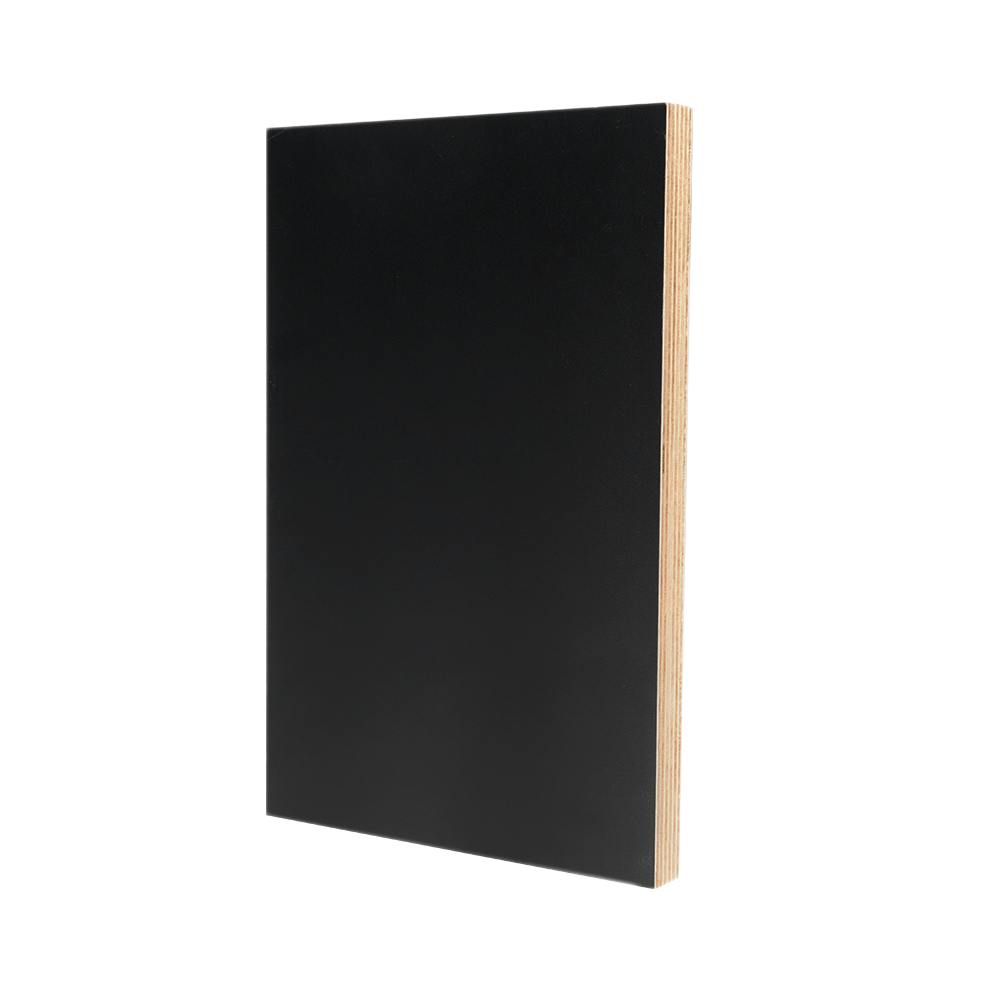
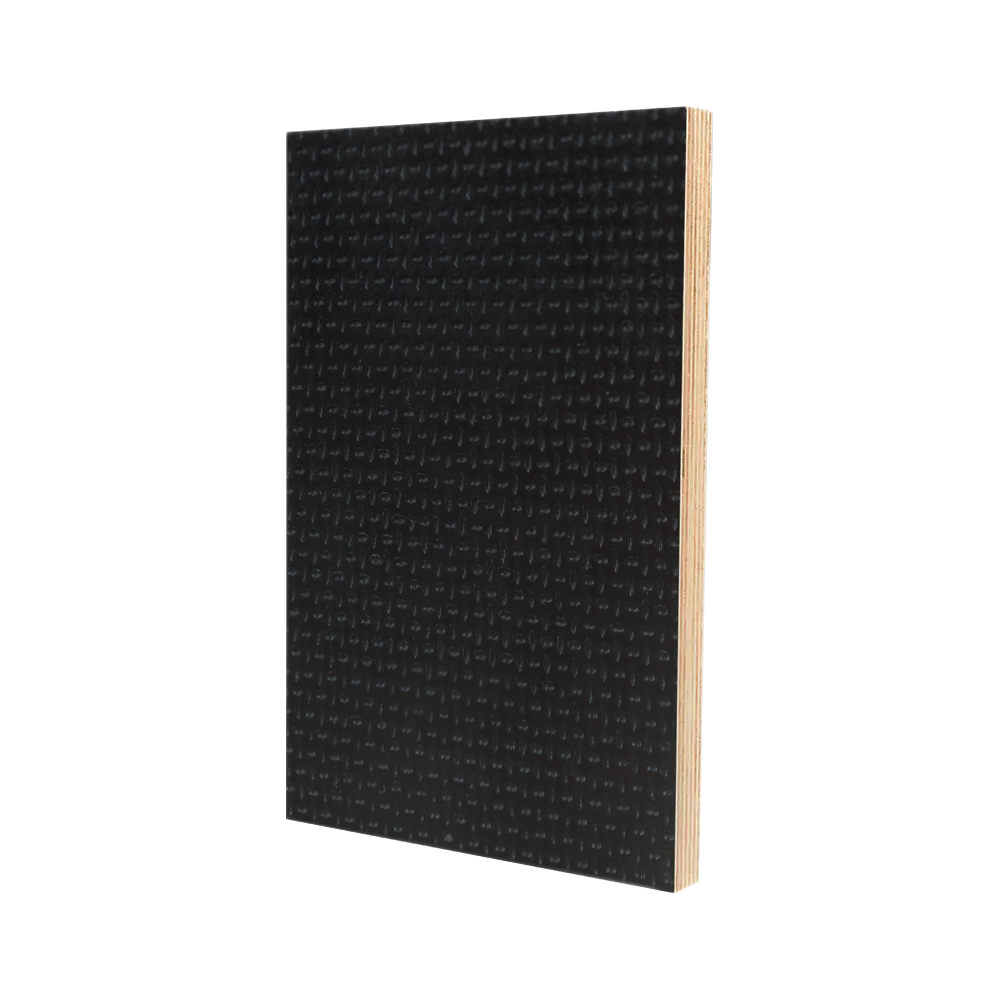
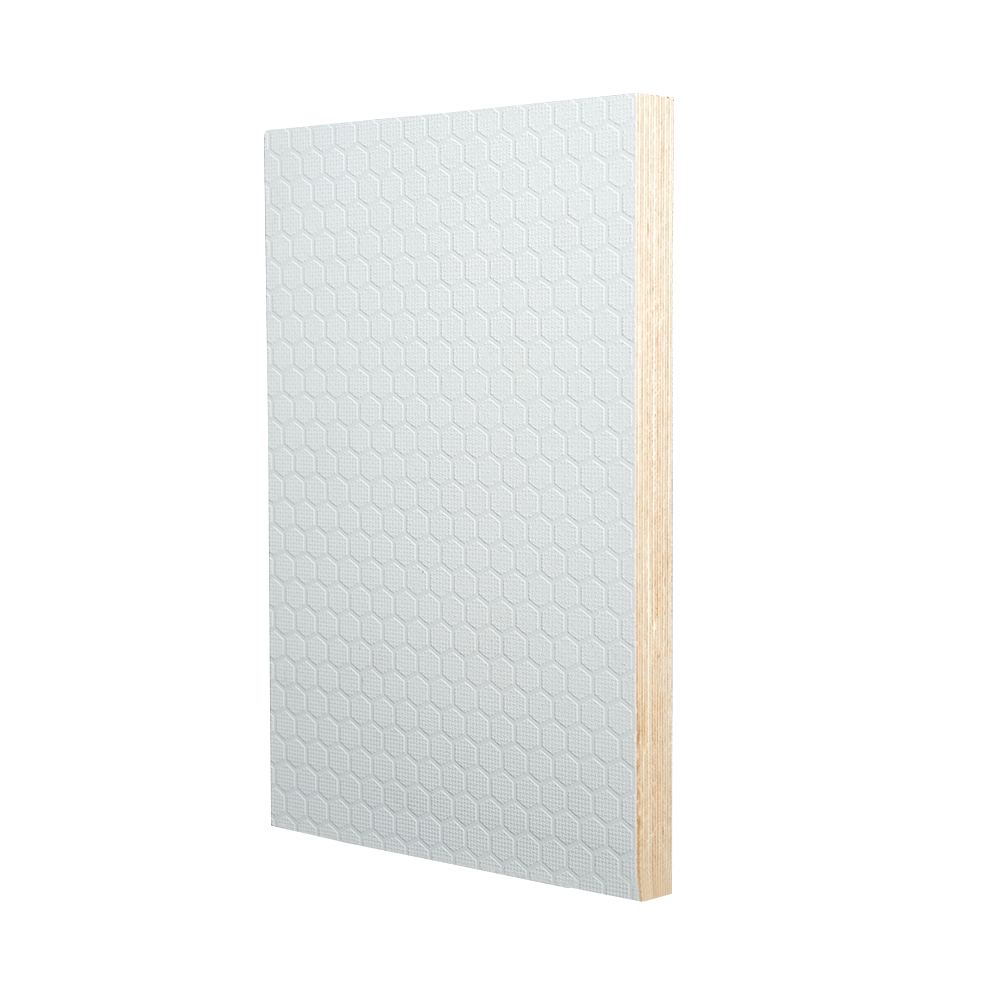
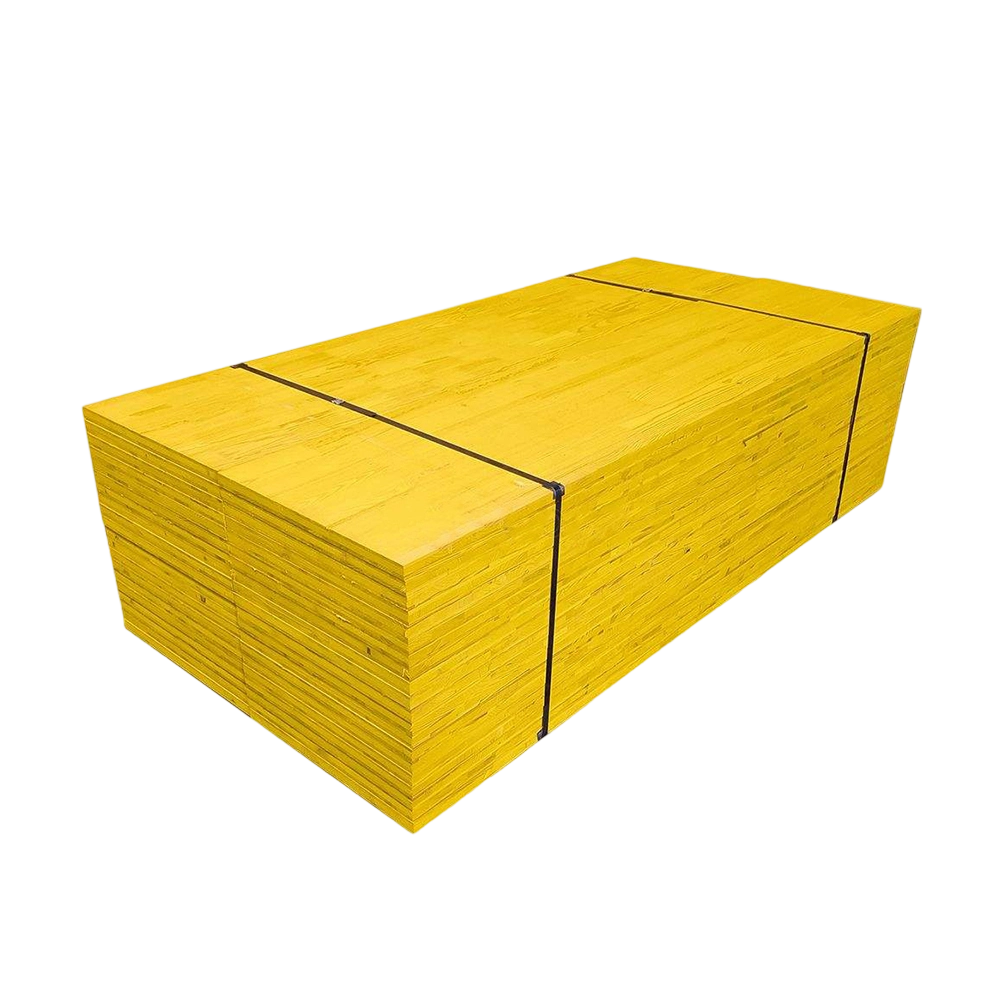
The furniture-grade, cabinet-grade, and structural-grade segments all draw on the same limited supply. When a construction site uses film-faced birch plywood for concrete formwork and a cabinet shop uses birch for drawer boxes, they are competing for the same logs and the same factory capacity. Contractors also value birch for formwork because the smooth, film-faced surface can be reused many times, which lowers cost per pour on large projects. That overlap means a demand shock hits the entire birch category at once.
The retail shelf price sits far above the factory gate price, and the gap is not pure profit. Between the two lie ocean freight, inland trucking, customs duties, tariffs including anti-dumping duties on certain plywood products, wholesaler margins, retail markups, and the financing cost of holding inventory at today's higher replacement prices.
When container shipping rates spiked in 2021 and again during the disruptions that followed, the cost of moving a container of plywood to Western markets multiplied. Even after freight rates partially normalized, distributors were stuck with inventory bought at high replacement cost, so they could not cut retail prices without taking losses. This channel effect is why the retail price can stay high even when the manufacturer's quoted price starts to soften. The route from a northern hemisphere mill to a big-box store shelf is one of the most expensive journeys any commodity panel takes.
It is tempting to judge birch plywood by the price per sheet, but the smarter measure is the cost of the finished project. A sheet that costs two to three times as much as softwood plywood can still save you money across a build. Edges stay clean, screws hold without pre-drilling worries, the face finishes evenly, and the panel stays flat over time. For a CNC shop, the difference is even clearer: a uniform core means less tool wear and fewer rejected parts, and for laser cutting, a consistent surface produces clean, repeatable cuts. In a kitchen cabinet or a piece of display furniture, a single failed panel is far more expensive than buying good material in the first place. For highly visible, high-tolerance work, premium B/BB graded birch plywood is the wise investment.
That said, the value depends on the application. For out-of-sight structural parts or temporary workshop jigs, a lower grade or a different panel will do the job perfectly well. For indoor furniture where air quality matters, formaldehyde-free eco-friendly plywood alternatives add a modest premium and remove a real concern. The chart below shows how the main grade categories compare.
| Grade range | Face quality | Typical uses | Relative price |
|---|---|---|---|
| Top (B/BB, S/BB) | Clean faces, minimal patching, sanded finish | Visible furniture, cabinet doors, laser cutting | Highest |
| Middle (BB/BB, BB/CP) | Small patches and color variation allowed | Cabinet boxes, shelving, interior joinery | Moderate |
| Low (CP/CP, C/C) | Knots, filled defects, uneven color | Workshop jigs, backing panels, non-visible parts | Lowest |
The bottom line: birch plywood is worth the price when visible quality, machining precision, or long-term stability matters. For fully hidden parts, you can spend less without regret.
Will prices come down? In the near term, probably not substantially. Supply recovery is slow because it takes years for new veneer capacity in China, Europe, or North America to replace the lost Baltic supply. Geopolitical risk has not disappeared, and demand in furniture, cabinetry, and construction remains solid. The most realistic scenario is a plateau, not a sharp decline.
What buyers can control is the grade they choose. A premium face always costs more. A middle-grade panel with a clean-enough surface for a cabinet box can cut project cost without sacrificing structural performance. If you are planning a purchase, compare grade descriptions carefully across suppliers and ask about the exact veneer composition, adhesive type, face grade, and thickness tolerance; a reliable manufacturer will answer all of them without hesitation. The most direct way to understand current pricing is to contact a manufacturer and request a quote for the specific grade and quantity you need. You can browse our complete birch plywood product range to see the available grades and applications.
A simple framework helps you decide:
The price on a sheet of birch plywood is not a retailer's fantasy markup or a passing market quirk. It is the product of scarce raw material, a demanding production process, a geopolitical supply shock, sustained demand, and a long, cost-heavy distribution chain. None of those pressures is fading quickly.
For demanding applications, birch plywood remains difficult to replace. When you measure its cost against the reliability it provides and the finish it delivers, the value is still there. The key is to choose the right grade for the job, buy through a knowledgeable supplier, and plan ahead rather than panic-buy. If you are working on a project and want a straight answer about current pricing and grade availability, contact us, and we will give you a direct manufacturer's response.
related products


Copyright © Tianma Lvjian Group Co., Ltd. Rights Reserved.
Wholesale Construction Plywood Manufacturers Privacy
 English
 中文简体
中文简体