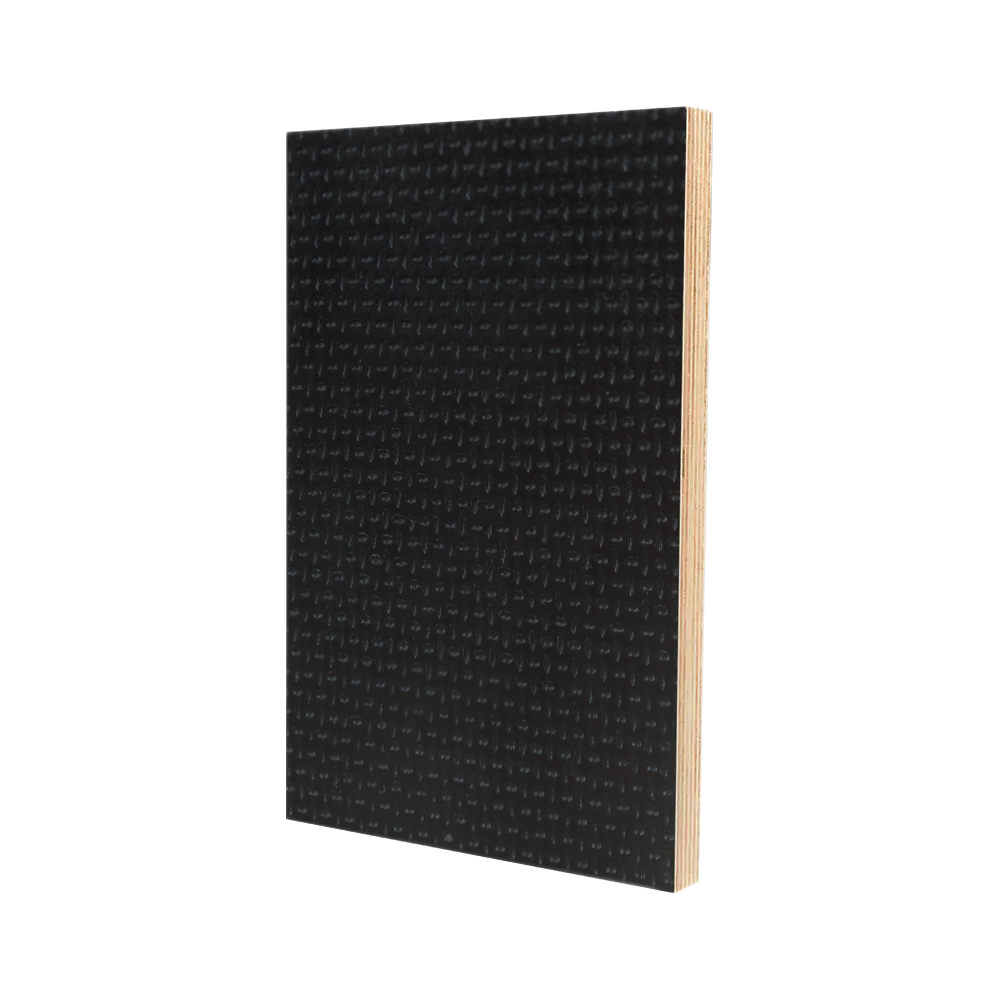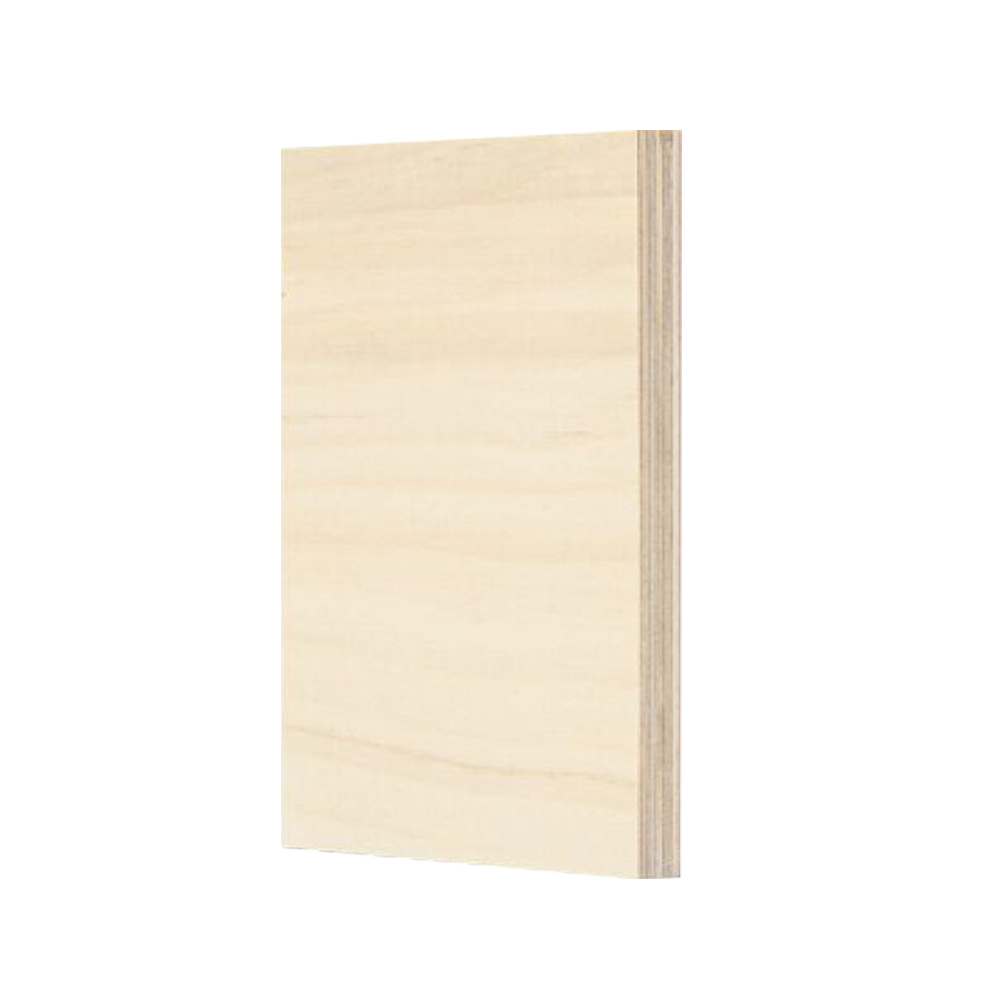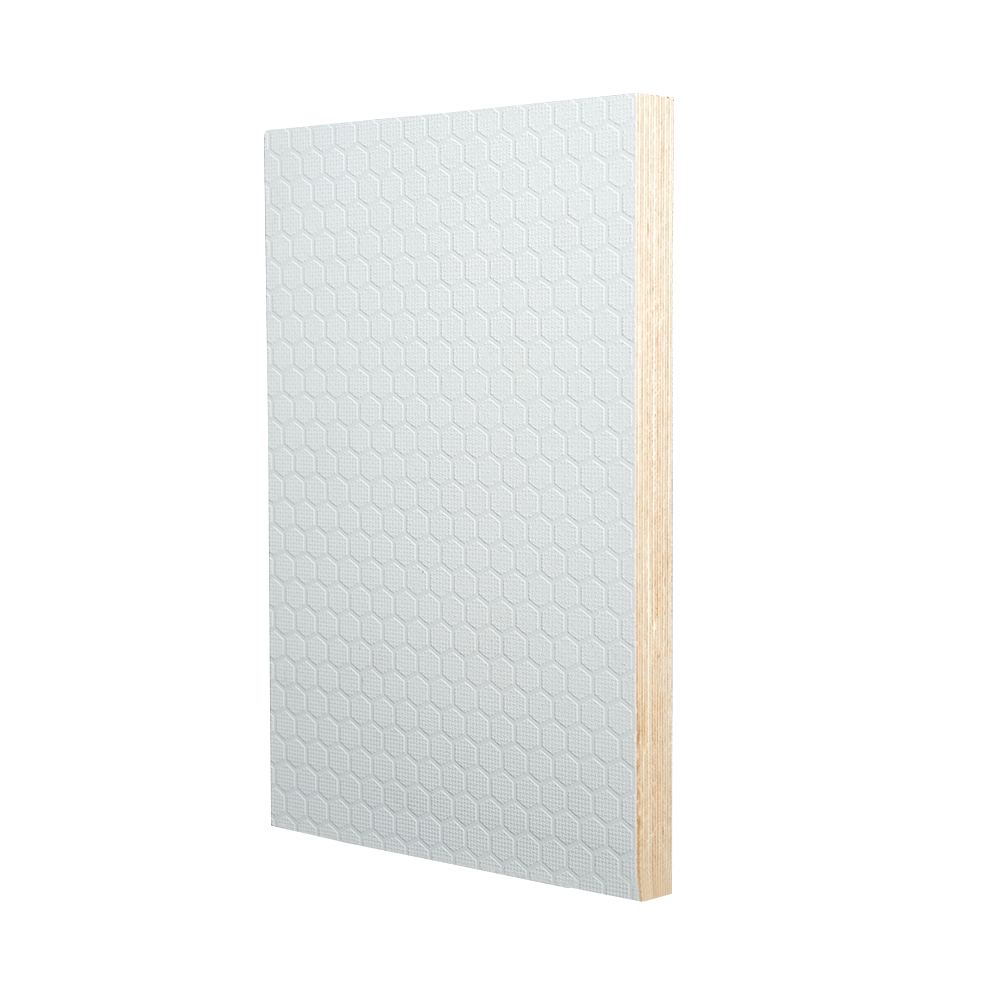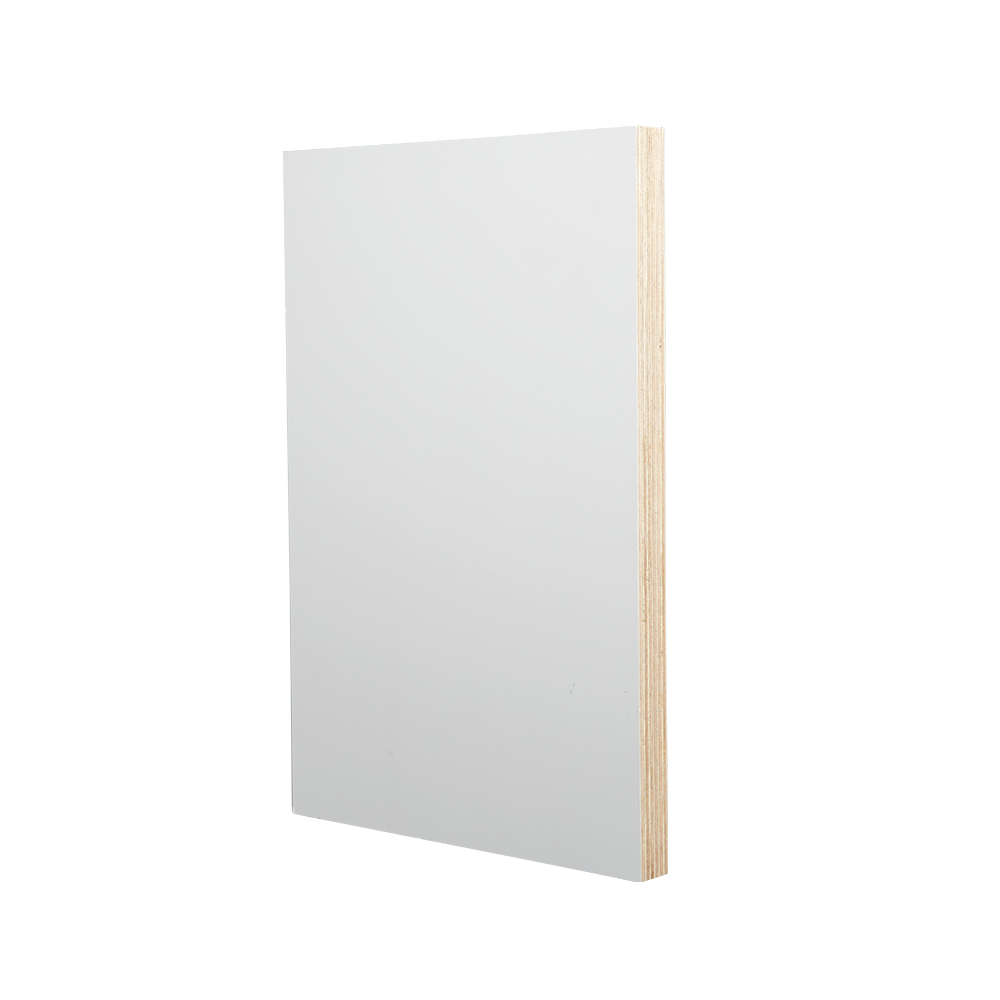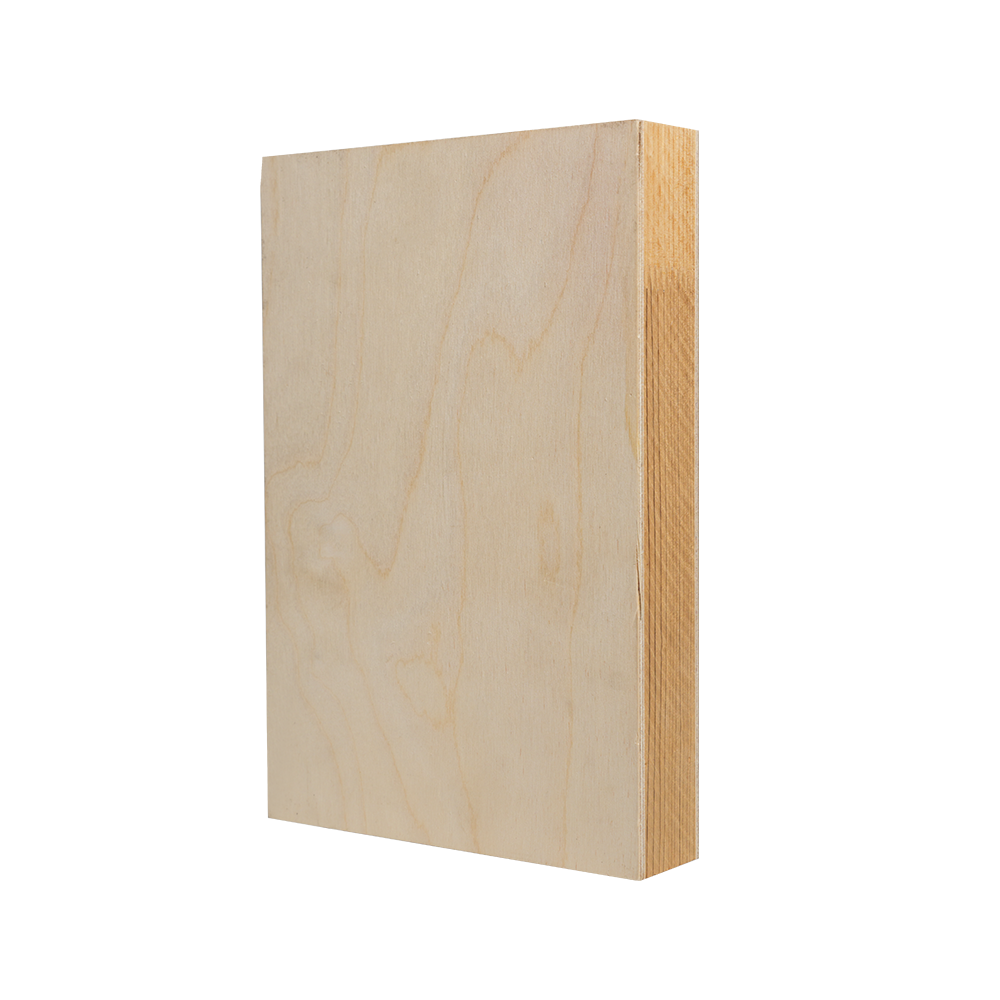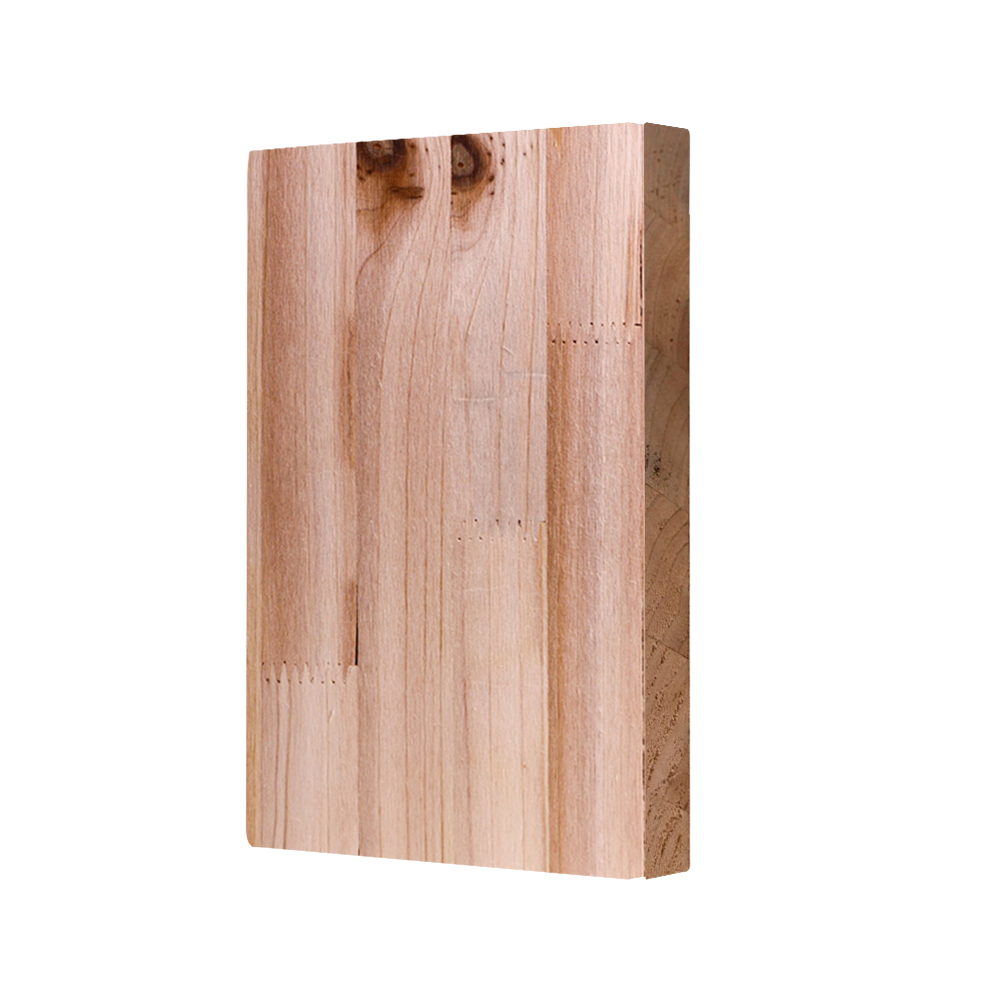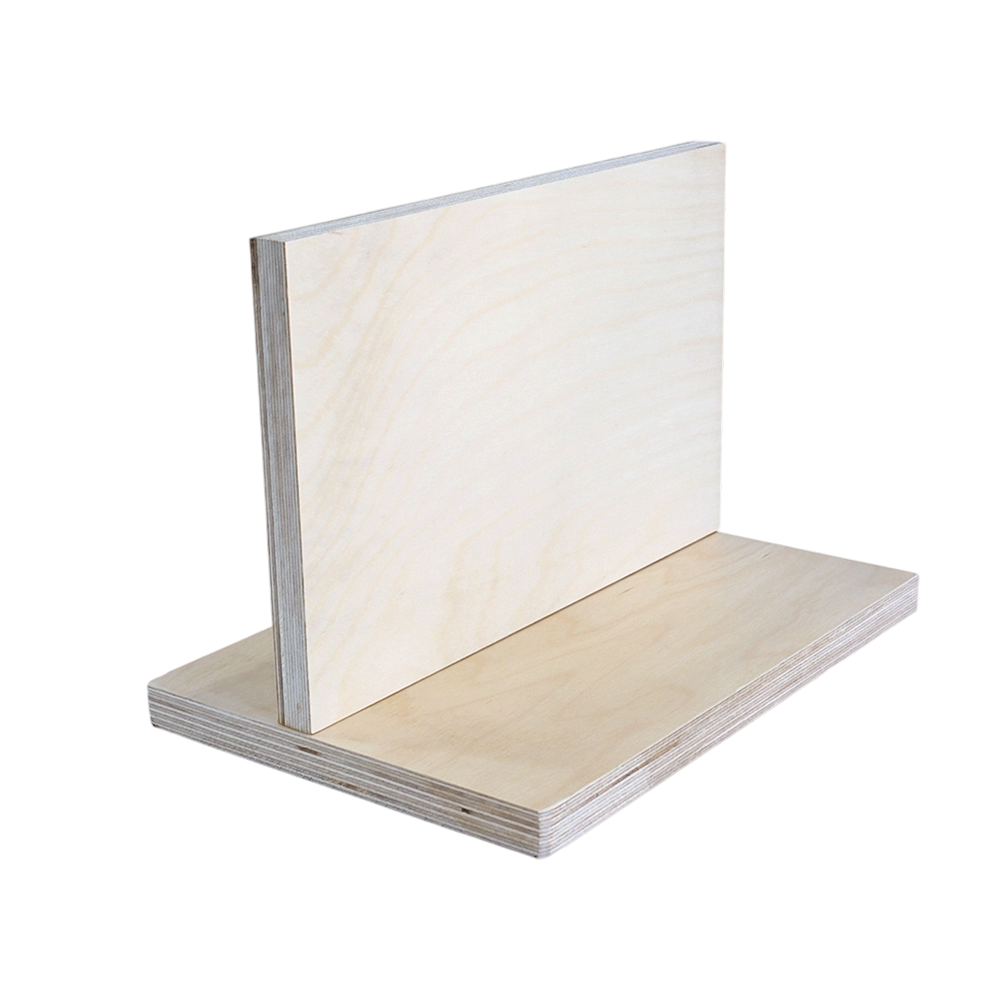

On a busy construction site, the concrete formwork panels waiting for a pour are likely film-faced birch plywood. In a cabinet shop, the drawer boxes being assembled on a CNC router are probably birch plywood too. And in a design studio, the wall panels specified for a hotel lobby might be the same material with a walnut veneer.
Birch plywood appears in more places than most people realize because it combines structural strength, a smooth surface, and consistent machining behavior in one panel. This article maps the main applications, from construction and furniture to interior design, transport, flooring, marine, and creative work, and explains why birch plywood is chosen in each field.
Before looking at specific uses, it helps to understand why birch plywood performs so consistently across different industries.
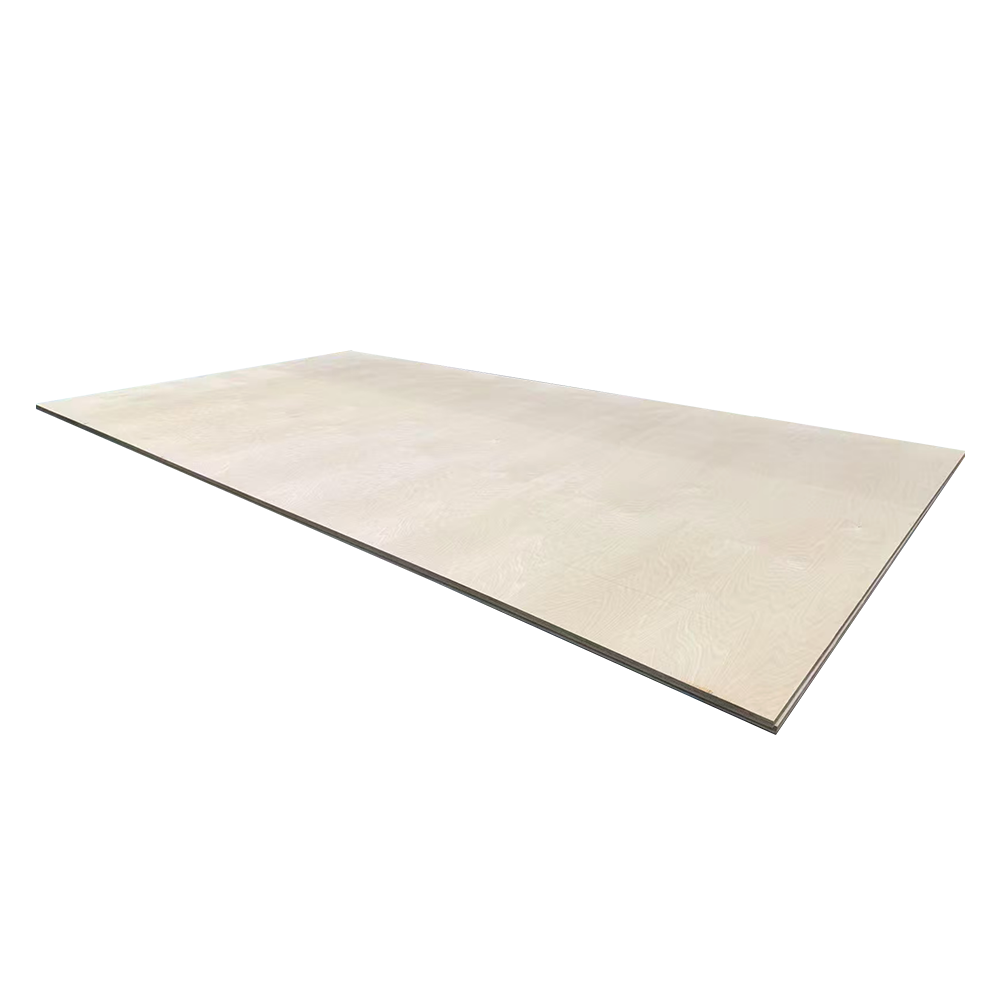
Birch plywood is built from multiple thin birch veneers stacked with alternating grain directions and bonded under heat and pressure. The cross-banded structure gives the panel balanced strength in both directions, so it resists bending, twisting, and warping better than solid wood. The dense void-free birch core provides reliable screw-holding power and clean cut edges, while the smooth face veneers accept paint, film overlays, wood veneers, and clear finishes.
Depending on the adhesive, birch plywood can be made for dry interiors or for exterior and marine exposure. Waterproof and boil-proof (WBP) phenolic adhesives extend its reach to concrete formwork, boat interiors, and outdoor furniture. The manufacturer also offers an eco-friendly formaldehyde-free plywood line for projects with strict indoor air quality requirements, consistent with its green building positioning.
The table below summarizes the key performance traits and the applications they support.
| Property | What it means in practice | Typical applications |
|---|---|---|
| Cross-banded construction | Strong in both directions, resists warping | Shelving, flooring, structural panels |
| Void-free core | Consistent screw grip, clean cut edges | Furniture, cabinetry, CNC work |
| Smooth face veneers | Paintable, film-faced, or veneer-ready surface | Interior panels, shuttering, doors |
| WBP / phenolic adhesives | Withstands moisture, heat, and repeated use | Concrete formwork, marine, outdoor |
Construction is one of the largest industrial markets for birch plywood, mainly because of its strength-to-weight ratio and its performance against wet concrete.
The most visible use is concrete shuttering. Film-faced birch plywood for concrete formwork has a phenolic film surface that resists moisture, strips cleanly from cured concrete, and can be reused for many pours. The smooth face produces a consistent finish, which is why contractors choose it over raw softwood panels for visible structural surfaces.
 Wholesale Film Faced Plywood Manufacturers, FactoryTianma Lvjian is Film Faced Plywood Manufacturers and Film-Faced Birch Plywood Factory, offer Wholesale Film-Faced Birch Plywood for a Wi...View Product →
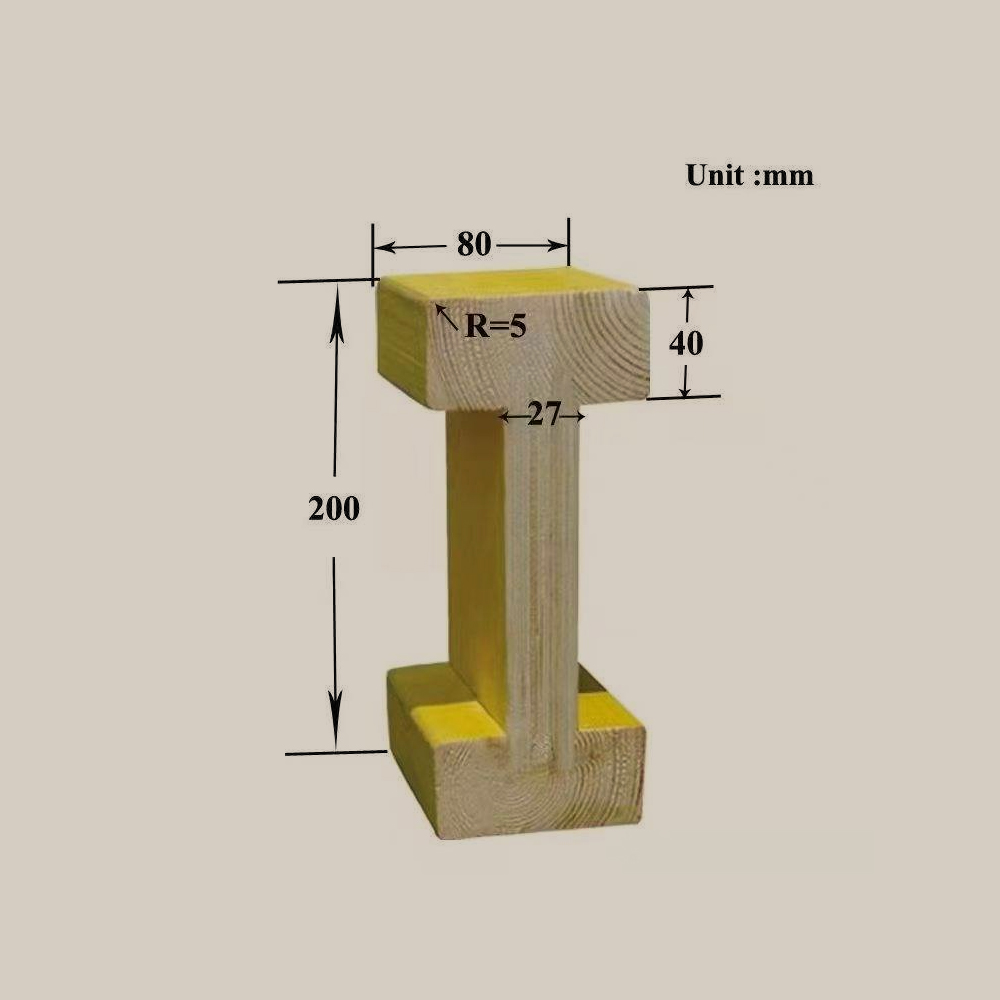
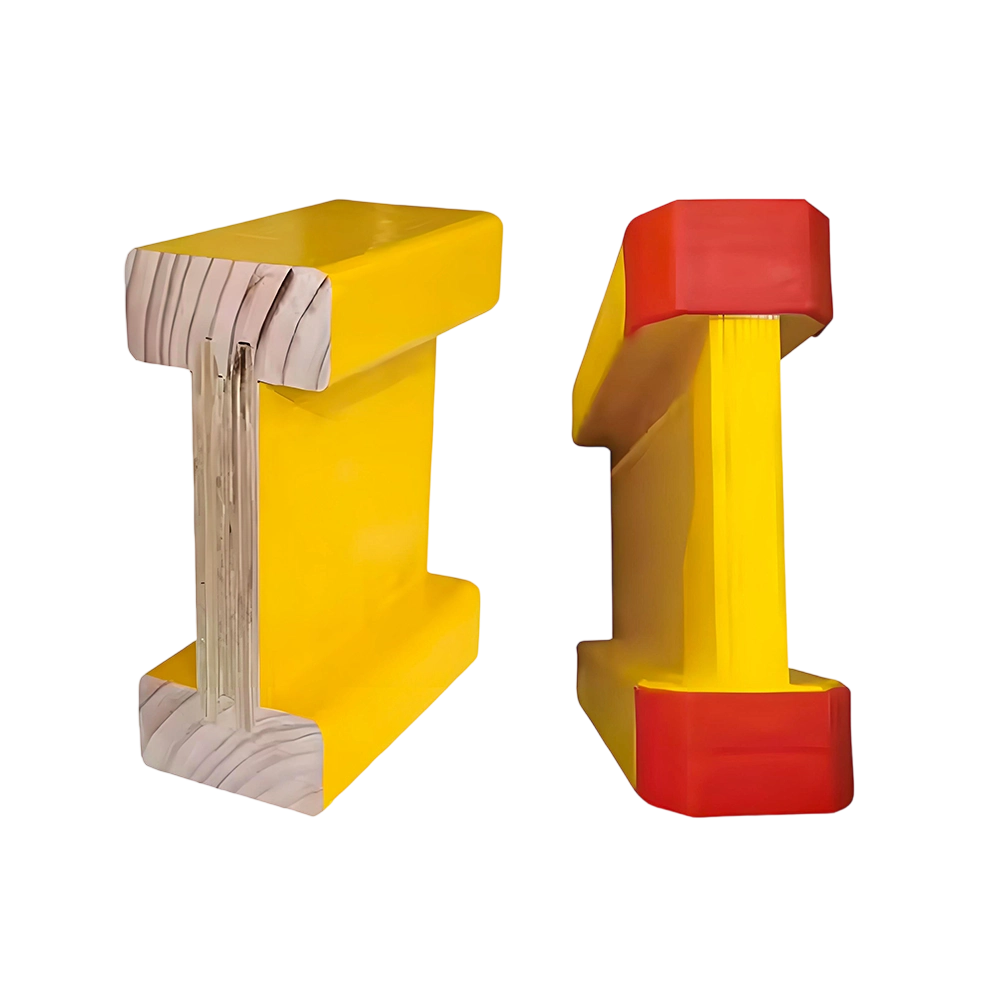
Behind the formwork face, birch plywood also appears as H20 timber beams for formwork support, lightweight I-joists with birch flanges that carry heavy wet-concrete loads. It is also used in roofing, structural flooring, and heavy-duty scaffolding platforms where high bending strength and a wear-resistant surface matter.
For building applications, select film-faced or phenolic-coated panels with a waterproof adhesive grade. This combination gives the longest service life per panel and the cleanest concrete finish.
Furniture makers choose birch plywood grades for furniture making because the material machines well and holds hardware reliably. Bed frames, sofa bases, table legs, and chair components all rely on its screw-holding strength and resistance to racking.
Cabinetry is a particularly strong fit. The multi-layer construction keeps drawer boxes square and stable through years of daily use. Shelving made from birch plywood spans wide distances without sagging, which matters in kitchens, offices, and retail storage systems. For kitchens specifically, kitchen cabinet grade birch plywood offers a clean face and consistent thickness that simplifies hinges, slides, and edge banding.
Children's furniture such as cribs, desks, and bookshelves also uses birch plywood because its surface is smooth and splinter-free, and low-emission adhesive options satisfy safety-conscious buyers. The exposed edge is not a flaw either: the layered veneer pattern renders an intentional, modern furniture detail.
Interior designers use birch plywood where flatness and a uniform face are non-negotiable. Decorative wall panels, brand-background walls, store fixtures, and acoustic panels depend on faces that stay flat and do not telegraph core irregularities.
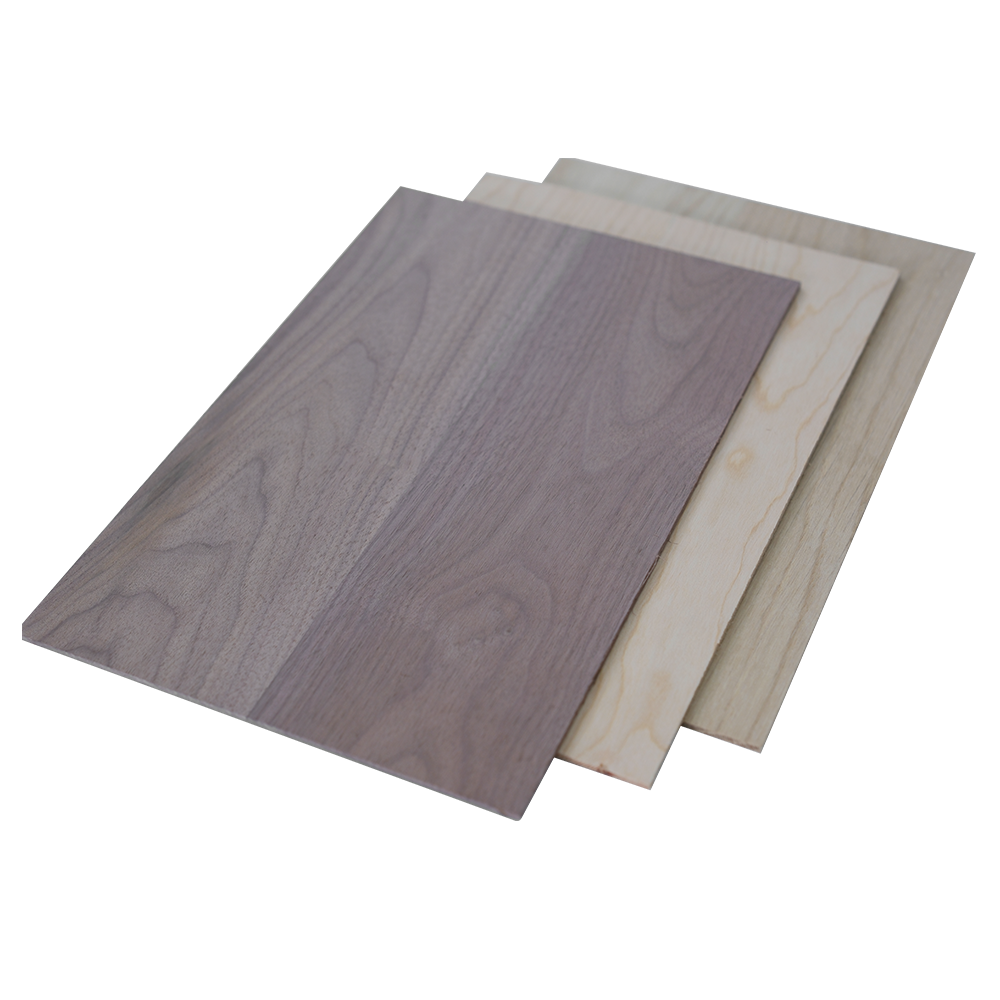
For clear protective finishes, ClearPly transparent film birch plywood preserves the natural birch grain while adding a tough, cleanable surface, a common choice in offices, retail, and hospitality. When a darker, richer look is required, oak and walnut veneered birch plywood delivers the appearance of solid hardwood on a dimensionally stable core.
Sound-insulating birch plywood panels are another growing category for open-plan offices and recording environments, where the panel's stiffness and mass contribute to acoustic separation. In every case, the starting point is a flat, high-quality substrate, and birch plywood provides exactly that.
The creative sector relies on birch plywood for one simple reason: it produces clean, repeatable results. Laser cutters perform best on panels with even glue lines and consistent thickness, which is why birch plywood for laser cutting is the standard in laser workshops. Thin sheets cut with sharp edges, minimal charring, and no surprise voids in the middle of a cut line.
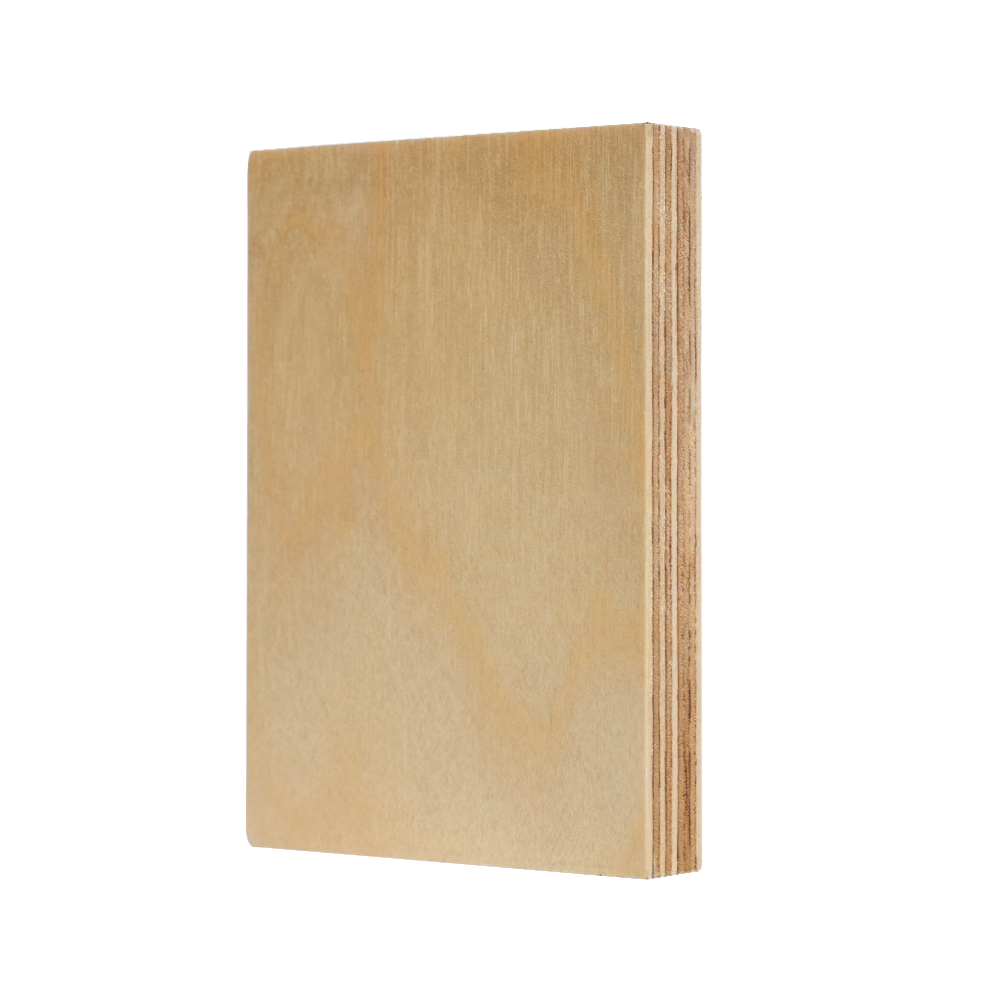 Wholesale Birch Plywood for Laser Cutting Factory, Manufacturers - Tianma LvjianAs China Birch Plywood for Laser Cutting Manufacturers and Wholesale Factory, Tianma Lvjian Group Co., Ltd. provides types of Birch Plywo...View Product →
Architectural model makers use thin birch plywood for model making, usually in the 1 to 3 mm range, where small-scale parts need strength, crisp edges, and a fine surface for painting. Wooden toys, puzzles, and hobby projects share the same logic.
Musical instruments and speaker cabinets also favor birch plywood. Its high stiffness and uniform density give speaker enclosures a controlled, non-resonant character, and its clean edge quality allows precise miter joints. Skateboard ramps, gymnastics equipment, and climbing wall panels use the material's impact resistance and slight natural flexibility.
Transport is a demanding environment for any panel product, and birch plywood handles it well. Export crates and heavy-duty pallets built from birch plywood resist splitting and impact, and their smooth faces reduce damage to packaged goods. The material's dimensional stability keeps frame assemblies square across temperature and humidity swings, which is why it is specified for reusable containers and dunnage.
Industrial work surfaces such as assembly tables, workbenches, CNC machine beds, and equipment pads use birch plywood for the same reasons it works on site: flatness, stiffness, and the ability to survive heavy point loads. For these large surfaces, large format XL birch plywood reduces the number of joints and seams, preserving the integrity and appearance of the working surface.
Birch plywood appears in flooring systems both as a structural substrate and as a finished surface. As underlayment, it provides a flat, stable base for finished flooring of any kind. If your project needs a dimensionally stable base layer, birch plywood panels for floor underlayment are an appropriate choice because they resist movement better than ordinary softwood plywood.
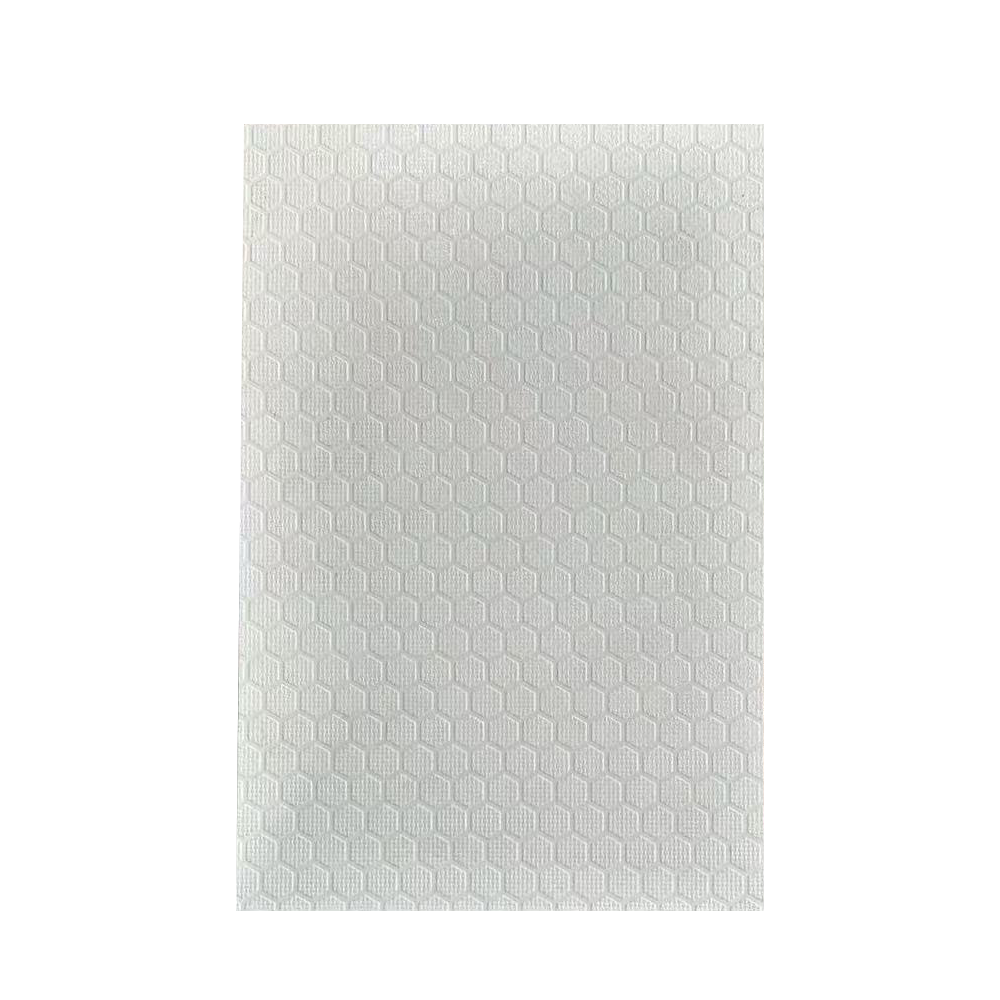
Beyond underlayment, birch plywood also works as an exposed decorative floor. Its light, even coloring can be sealed or left natural, and its hard-wearing surface handles moderate domestic and commercial traffic. Anti-slip film-faced panels with embossed or abrasive-coated surfaces are used on walkways, platforms, and steps where wet conditions are a concern.
Marine and outdoor use depends entirely on the adhesive, not just on the wood species. Interior-grade panels will delaminate in sustained moisture, but panels bonded with true waterproof glue perform for years outdoors.
For boat interiors, dock structures, and other high-humidity uses, marine-bonded birch plywood sheets provide the strength and moisture resistance these environments demand. They are typically specified for bulkheads, cabin joinery, and furniture inside boats, and for molds and supports in repair yards.
Wholesale Marine Bonded Birch Plywood Sheets Factory, Manufacturers - Tianma LvjAs China Marine Bonded Birch Plywood Sheets Manufacturers and Wholesale Factory, Tianma Lvjian Group Co., Ltd. provides types of Marine B...View Product →
Outdoor furniture, garden structures, and exterior signage require the same waterproof bonding. WBP glue birch plywood for exterior use refers to the water-boil-proof adhesive classification, meaning the glue line withstands boiling tests and continuous wet exposure. Distinguishing between moisture-resistant and marine or exterior grades is key: check the adhesive class before installation, not after a season of rain.
Facing the full product range, buyers can simplify their decision with a four-step logic.
The table below maps common applications to their priority features and recommended product lines.
| Application | Priority features | Recommended product line |
|---|---|---|
| Concrete formwork | Film face, WBP adhesive, reuse cycles | Film-faced birch plywood |
| Furniture and cabinetry | Void-free core, screw hold, clean edges | Furniture-grade and veneered series |
| Interior decorative panels | Flat face, fine surface, visual uniformity | ClearPly and wood-veneered series |
| Laser cutting and modeling | Even glue lines, consistent thickness | Thin birch plywood sheets |
| Industrial and transport | Impact resistance, large format | XL plywood and film-faced panels |
| Flooring underlayment | Dimensional stability, thickness consistency | Floor underlayment panels |
| Marine and outdoor | WBP or marine adhesive, waterproof surface | Marine-bonded and WBP series |
If your project sits between two categories, prioritize the stricter requirement. For example, choose a waterproof adhesive whenever there is any chance of moisture. For detailed specifications and available grades, browse the full product range and match the product to your use case.
Birch plywood is used so widely because its engineered construction solves problems that ordinary wood panels cannot. On construction sites it forms the concrete structure; in workshops it becomes furniture, cabinetry, and models; in industrial settings it protects goods and supports heavy equipment; and with the right adhesive it performs in marine and outdoor environments.
Knowing where birch plywood is used is only half the task. The other half is choosing the correct grade, surface, and adhesive for your conditions. Start with the environment and the load, then refine by surface and dimensions. If you cannot find the exact configuration, contact the manufacturer to discuss a custom specification.


Copyright © Tianma Lvjian Group Co., Ltd. Rights Reserved.
Wholesale Construction Plywood Manufacturers Privacy
 English
 中文简体
中文简体