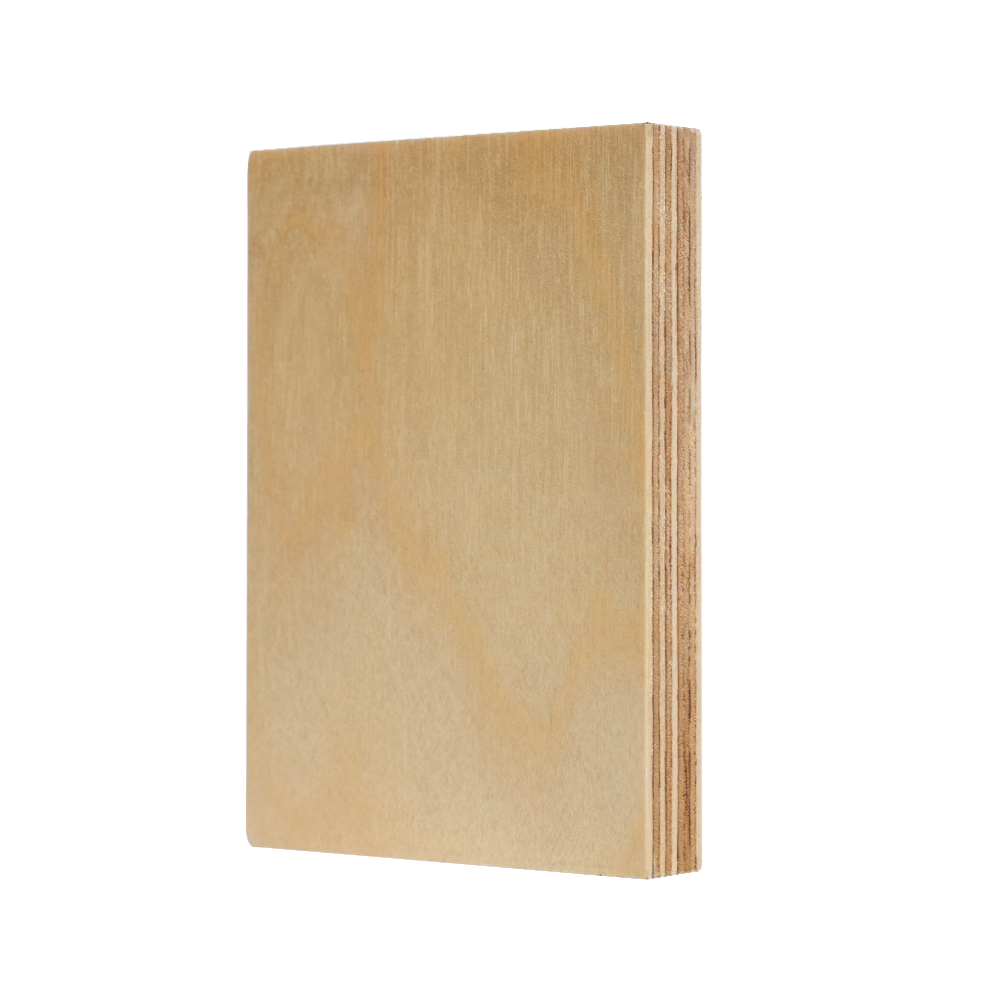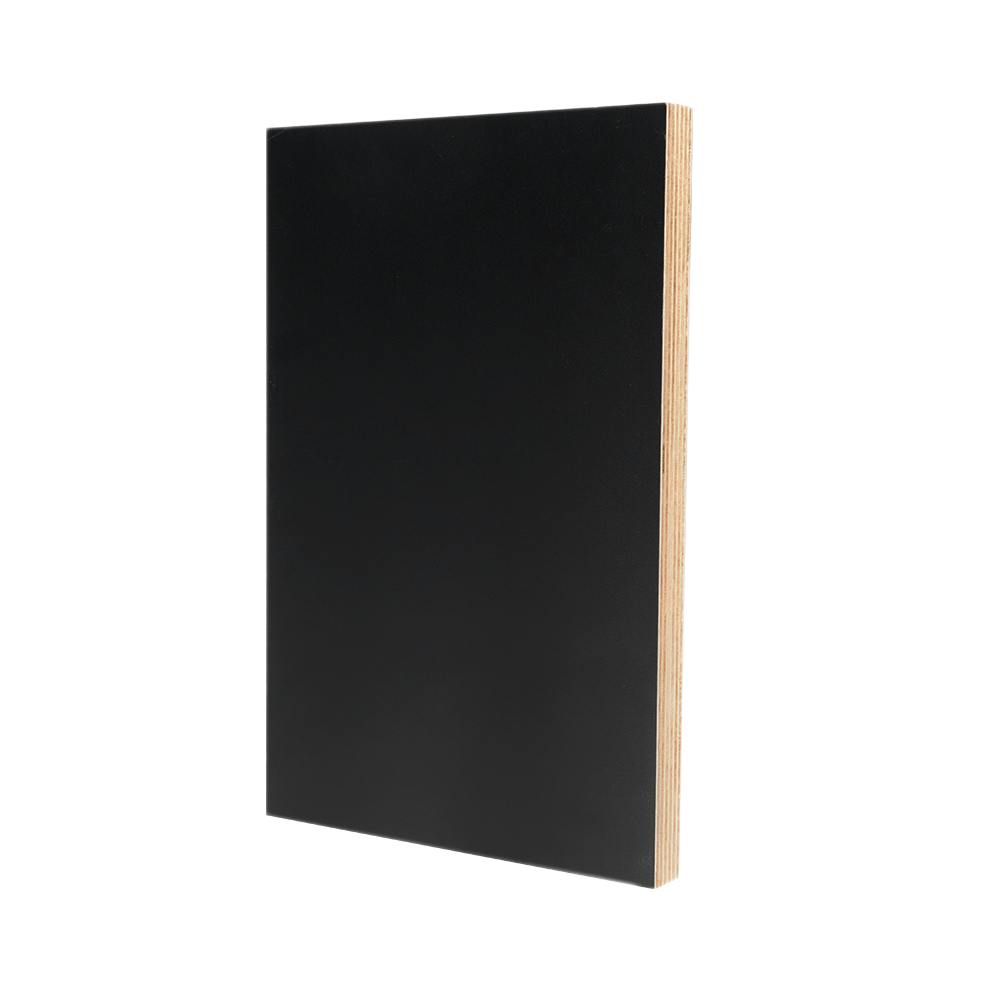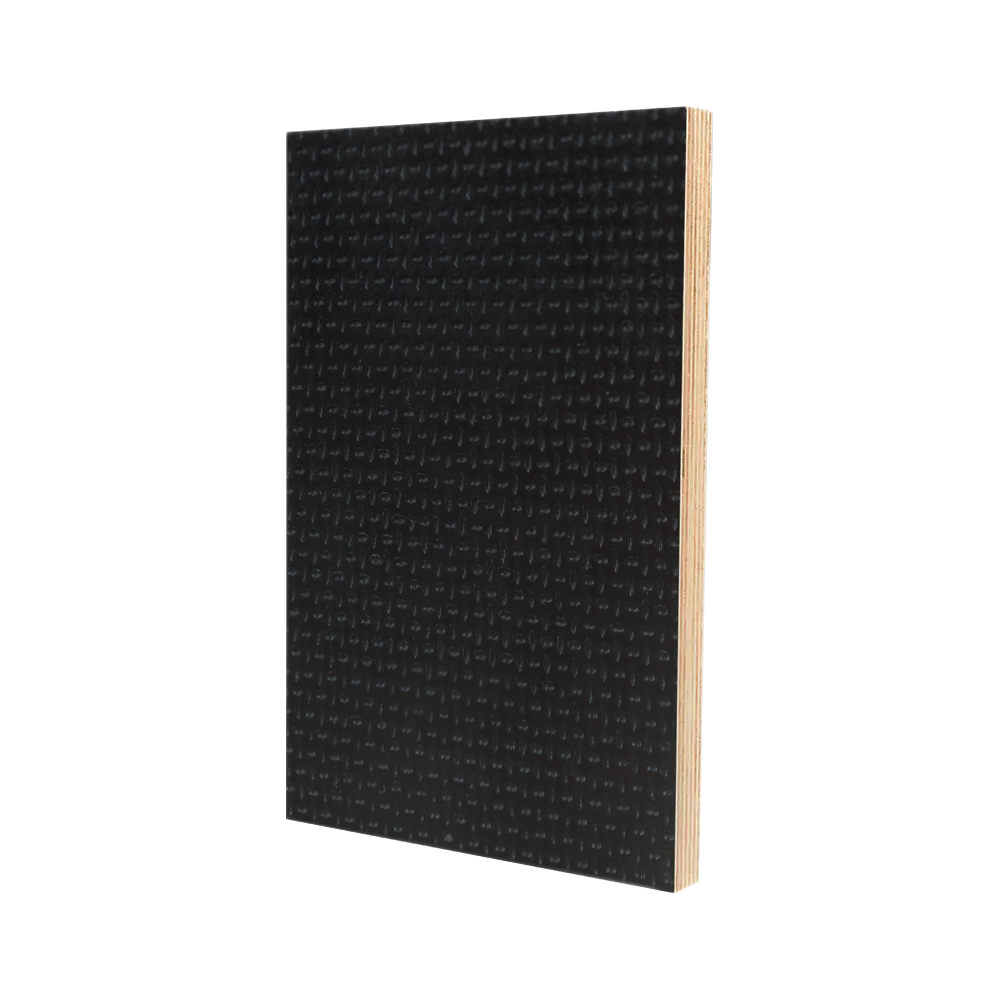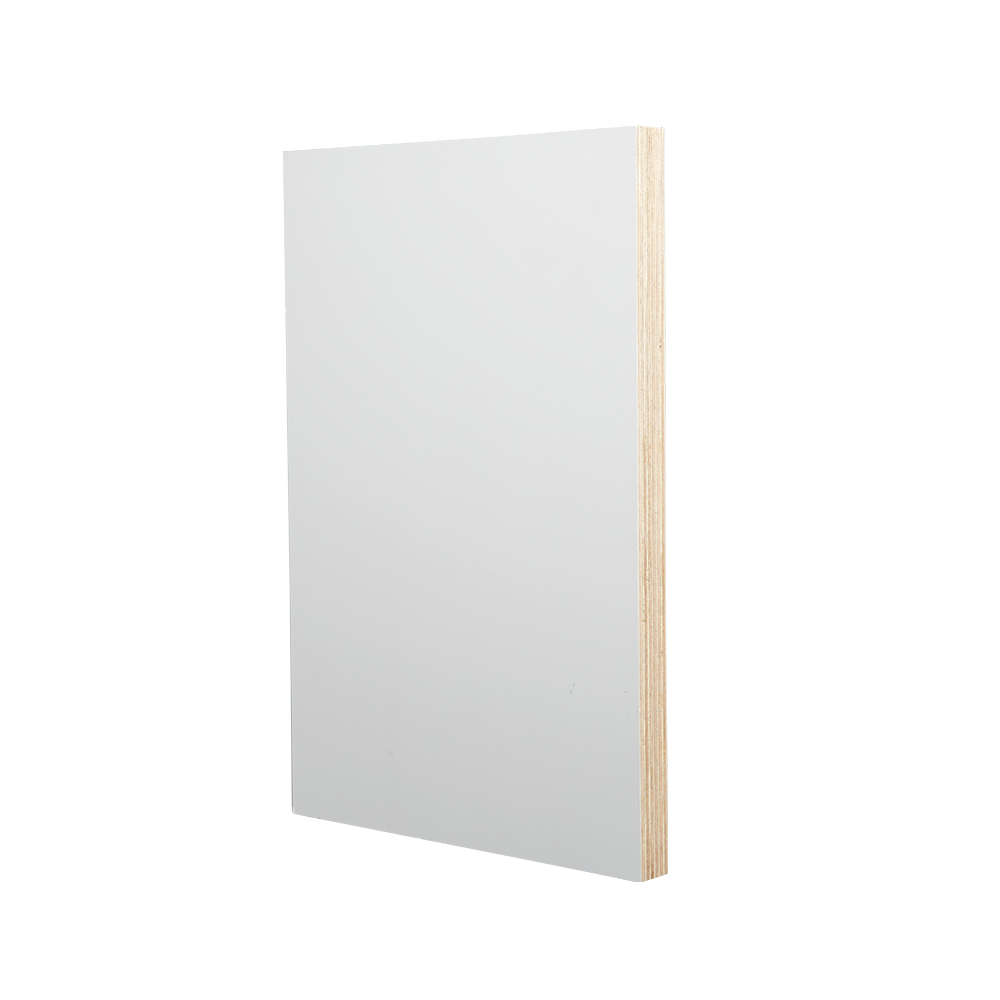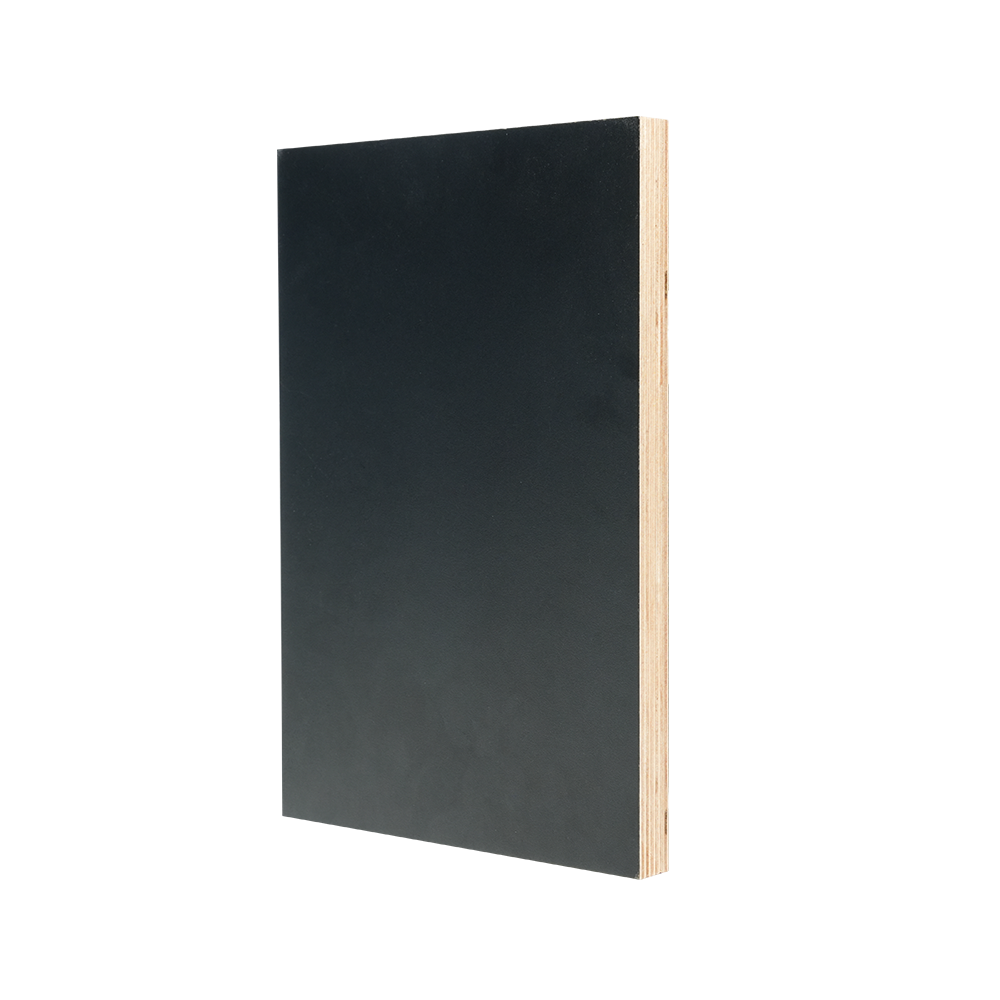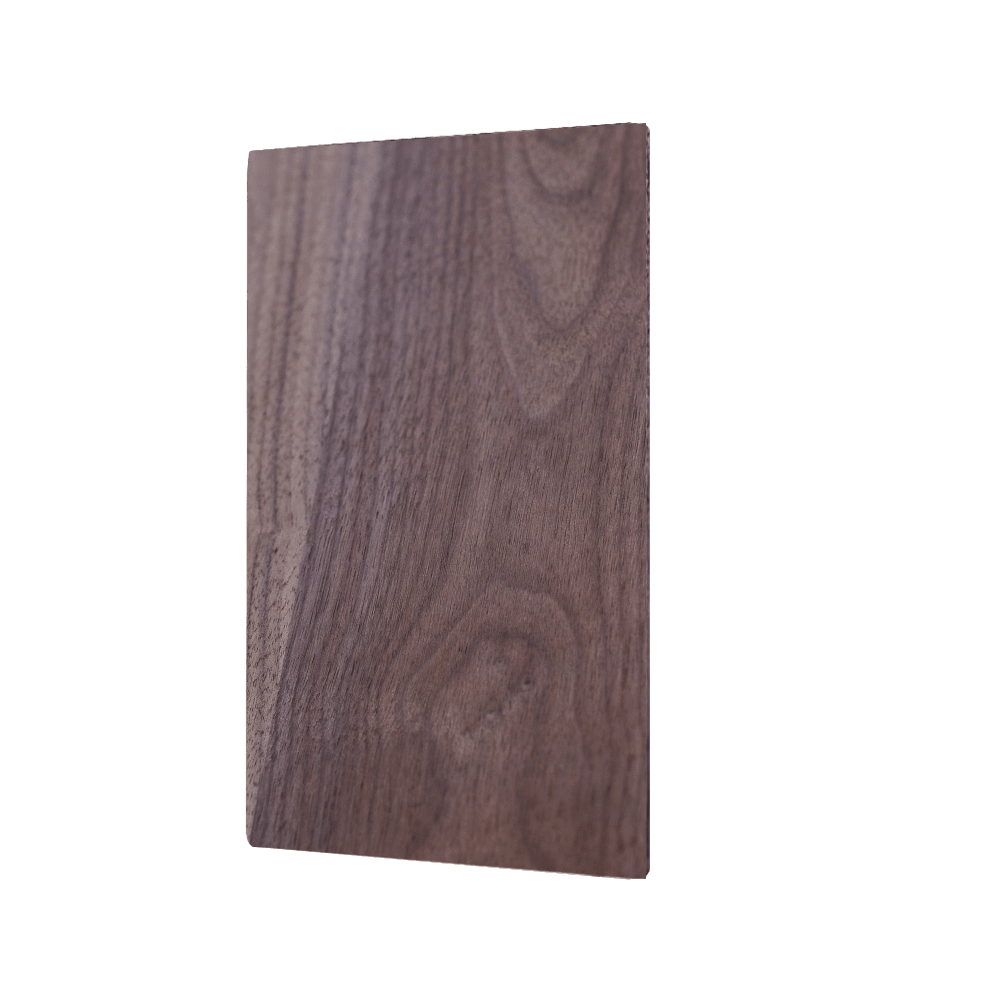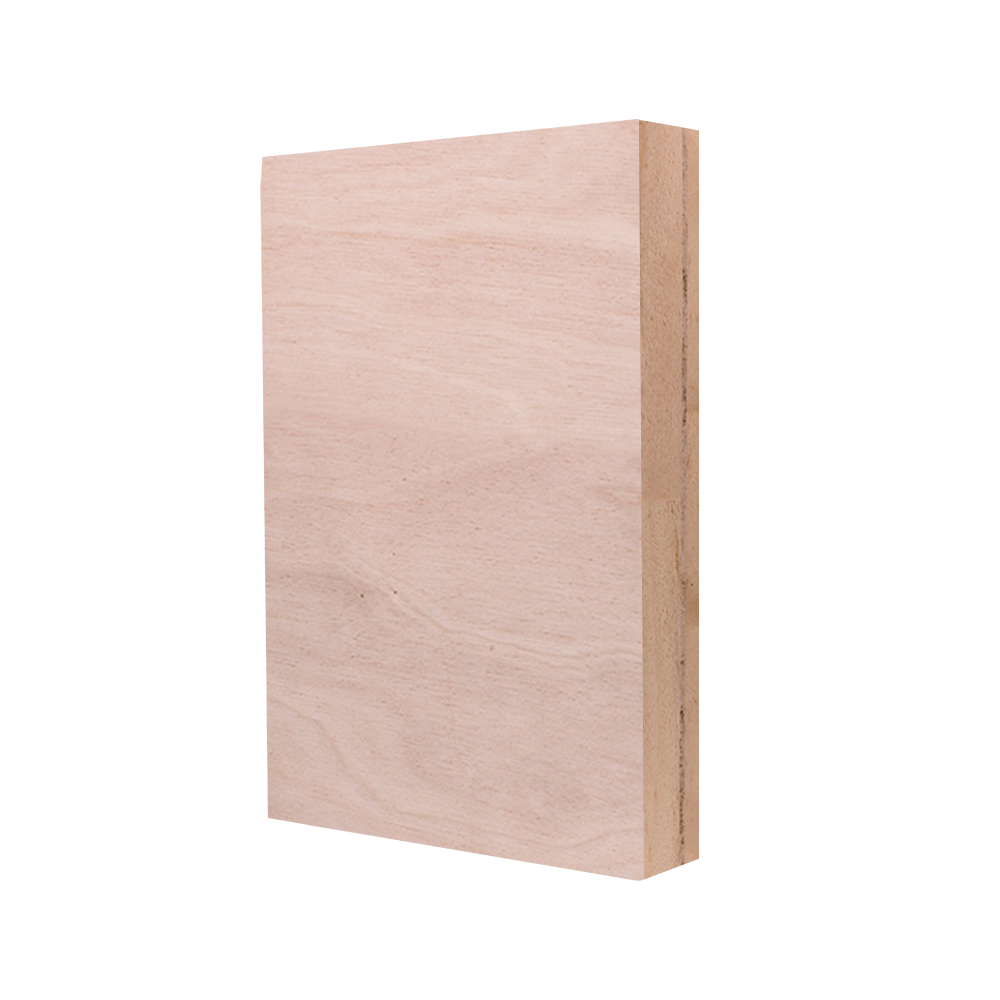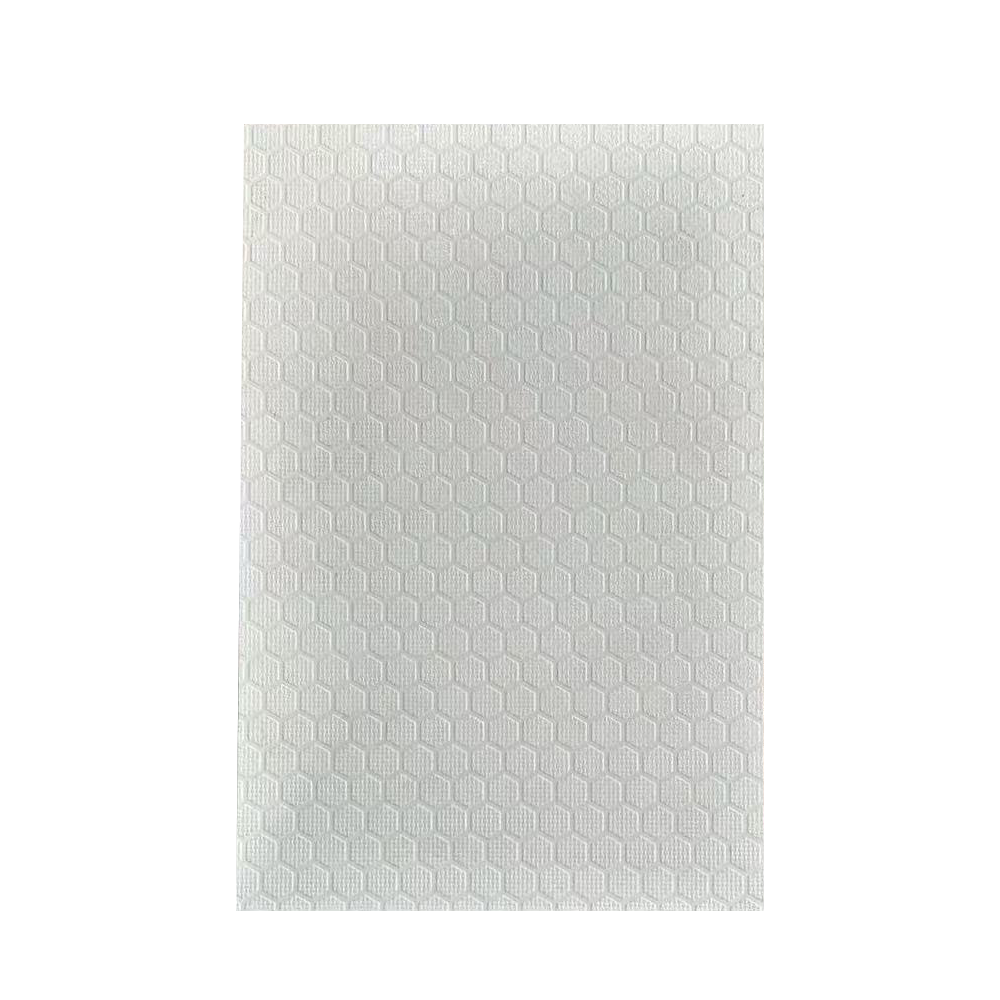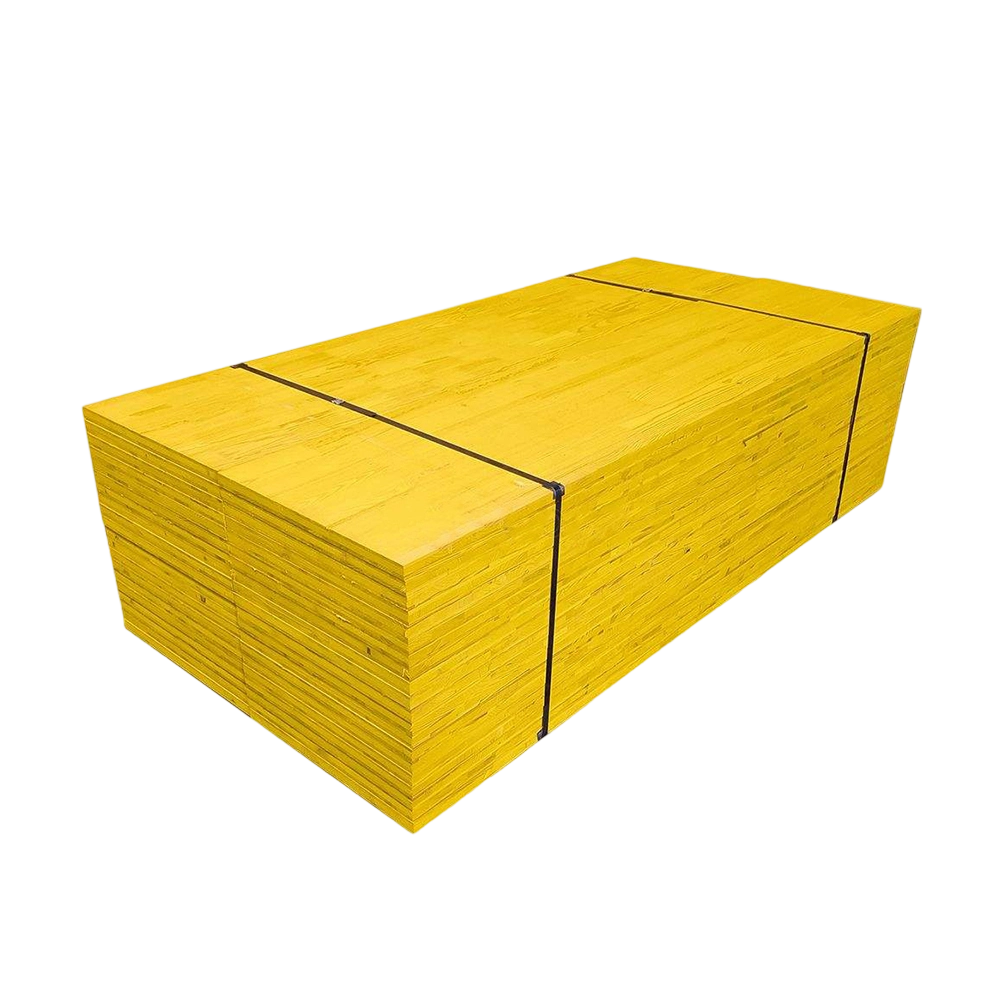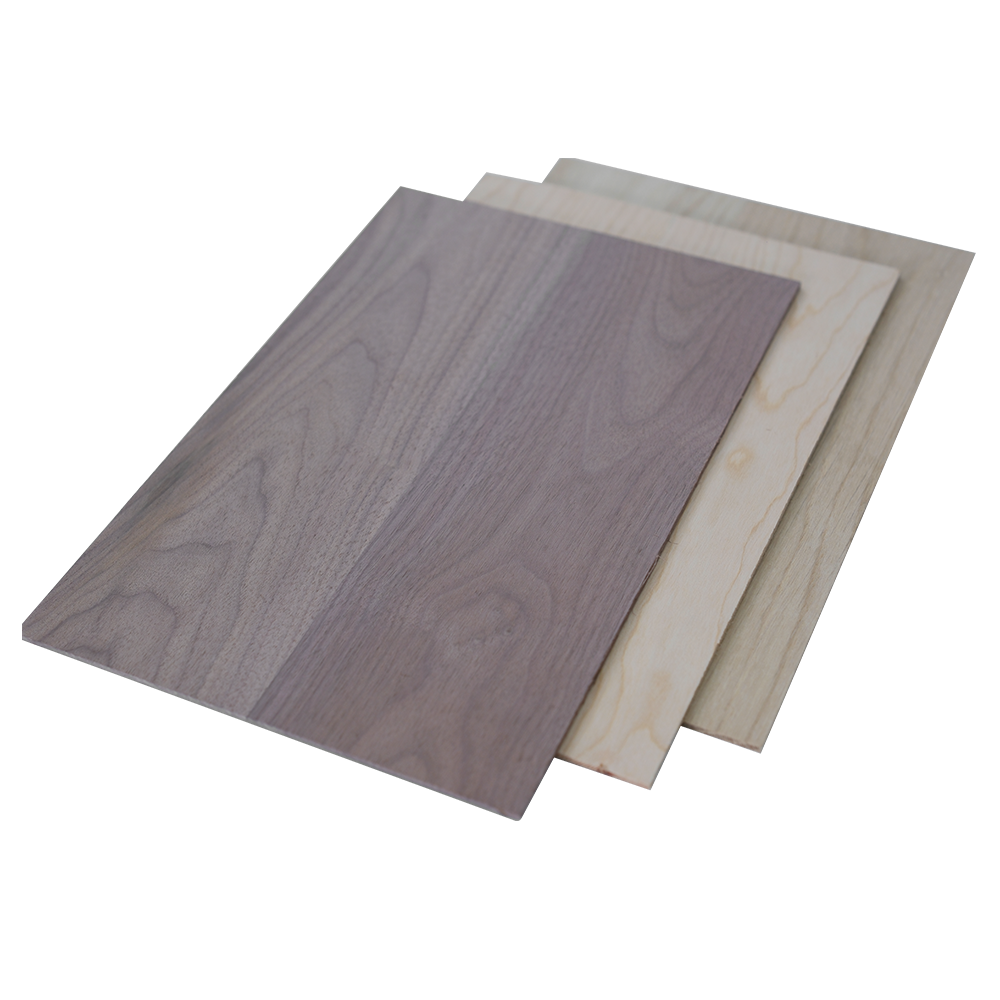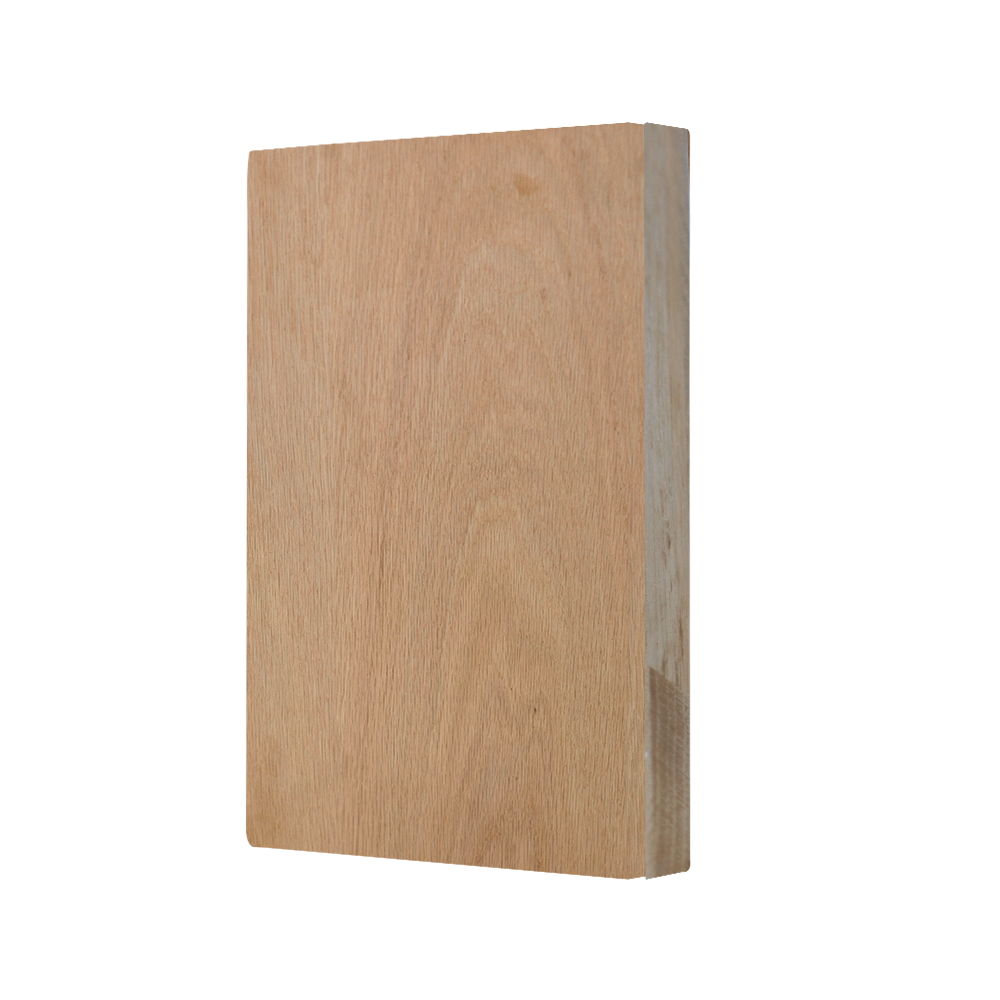

Construction Plywood remains one of the most consumed engineered wood panels across residential, commercial and marine building sectors. As a factory-based producer specializing in plywood construction, we manufacture panels engineered for structural load-bearing performance, moisture resistance and dimensional stability. This page outlines the technical composition of construction plywone, the classification of construction plywood grades, and the practical considerations builders face when selecting plywood for construction projects.
Plywood construction begins with rotary-peeled veneer sheets cut from debarked, steam-softened logs. Each veneer sheet passes through moisture-controlled drying chambers before being graded for surface quality. During layup, veneer layers are stacked with grain direction rotated 90 degrees between adjacent plies, a technique known as cross-lamination. This orientation is the primary reason plywood resists warping, splitting and shrinkage far better than solid sawn lumber.
After glue application using roller spreaders, the veneer stack is loaded into a multi-daylight hot press. Under combined heat and pressure, the adhesive cures and bonds the plies into a single rigid panel. Panels are then trimmed to standard dimensions, sanded on face and back, and inspected for delamination, core gaps or glue-line defects prior to grading and packing.
| Adhesive Type | Bond Class | Recommended Environment |
| Urea Formaldehyde (UF) | Interior (Type II) | Dry interior use only |
| Melamine Fortified UF | Interior / Semi-Exterior | Interior with occasional humidity |
| Phenol Formaldehyde (PF) | Exterior (Type I / WBP) | Exterior, structural, marine-adjacent |
Plywood is broadly classified into three functional categories based on adhesive bond and intended exposure. Understanding these categories is essential before specifying plywood construction materials for any building envelope.
Bonded with urea formaldehyde adhesive, interior plywood is manufactured for dry, climate-controlled environments. It is commonly specified for furniture components, cabinetry, wall paneling and interior partitions where exposure to moisture is not expected.
Bonded with phenol formaldehyde resin, exterior plywood withstands direct weather exposure, humidity cycling and occasional wetting. It is the standard choice for roof sheathing, wall sheathing, soffits and outdoor structural panels.
Manufactured with void-free veneer cores and WBP-grade phenolic adhesive, marine plywood is engineered for continuous water exposure. It forms the structural basis for plywood boat construction, dock platforms and wet-area flooring systems.
Construction plywood grades are assigned according to veneer face quality, the number of open knots, patches, and overall surface finish. Grading directly determines whether a panel is suitable for exposed finishing or hidden structural applications. Below is a comparison of the different grades of plywood for construction commonly specified by builders and framing contractors.
| Grade | Surface Characteristics | Typical Application |
| A Grade | Smooth, sanded, free of open defects | Furniture, visible cabinetry surfaces |
| B Grade | Minor patched knots, solid surface | Interior fitting, paint-grade panels |
| C Grade | Unpatched knots, minor splits permitted | Sheathing, structural underlayment |
| D Grade | Larger knots and knotholes, rough texture | Concealed structural backing, packaging |
A widely referenced structural specification in framing markets is CDX plywood, where the C-face is oriented upward, the D-face downward, and the "X" designation confirms exterior-rated adhesive. This construction plywood grade balances cost efficiency with adequate load performance for roof decking and wall sheathing.
Panel thickness is selected according to span length, load class and installation method. Our production line supplies the following standard thickness range for structural plywood construction:
| Thickness | Ply Count | Common Use |
| 9.5 mm | 5-Ply | Wall sheathing |
| 12 mm | 7-Ply | Roof decking |
| 15 mm | 9-Ply | Subflooring |
| 18 mm | 11-Ply | Concrete formwork |
| 21 mm | 13-Ply | Heavy load platforms, scaffolding |
Across residential and commercial builds, plywood for construction serves multiple structural and finishing roles. Each application places different demands on panel grade, thickness and adhesive class.
Provides a continuous nailing surface across rafters or trusses while distributing wind and snow loads evenly across the roof structure.
Adds racking resistance to timber-framed walls, improving the building envelope's ability to resist lateral wind forces.
Creates a rigid, level base beneath finished flooring materials, reducing deflection between floor joists.
Film-faced or phenolic-coated plywood panels withstand repeated concrete pours while maintaining a smooth cast finish.
Thicker structural grades provide safe, load-rated walking surfaces for temporary site access platforms.
Lightweight interior-grade panels form non-structural partitions, ceiling backing and decorative wall systems.
Job sites rarely offer fully controlled conditions, so the question of can plywood get wet during construction comes up on nearly every framing project. The answer depends entirely on adhesive class. Exterior-rated and marine plywood panels, bonded with phenol formaldehyde resin, tolerate temporary rain exposure without glue-line failure. Interior-grade panels bonded with urea formaldehyde adhesive are far more vulnerable — prolonged moisture contact causes the glue bond to hydrolyze, leading to ply separation, swelling and reduced load capacity.
To protect panels on active sites, stacks should be raised off the ground on dunnage, covered with breathable tarpaulin, and stored with adequate airflow to prevent trapped condensation. Once installed as roof or wall sheathing, exterior plywood should still be weatherproofed promptly, since extended UV and moisture cycling will eventually degrade even exterior-rated surface veneer.
Plywood boat construction demands panels manufactured to a stricter benchmark than standard building plywood. Marine-grade panels are produced from void-free veneer cores, meaning no internal gaps or overlaps are permitted between plies. Bonding is completed with WBP (weather and boil proof) phenolic adhesive, allowing the panel to withstand continuous submersion without delamination.
Hull panels, transoms, bulkheads and deck structures are typically fabricated from marine plywood ranging from 6 mm to 18 mm, then sealed with epoxy resin coating systems to extend service life in saltwater or freshwater environments. Builders selecting panels for plywood boat construction should confirm veneer core integrity and adhesive certification before fabrication begins.
Industrial veneer bonding techniques were first developed in the early twentieth century, initially applied to furniture panels, crates and packaging. When did plywood become common in home construction is a question tied directly to advances in hot-press bonding equipment and synthetic resin adhesives during the mid-twentieth century. As phenolic and urea formaldehyde adhesives matured, plywood strength and moisture resistance improved enough to support structural sheathing roles.
By the mid-century mark, plywood construction had replaced traditional board-and-batten sheathing on a wide scale, offering builders faster installation, fewer seams, and improved lateral bracing performance compared to individually nailed timber boards. This shift established plywood as a core structural material in residential framing, a role the material continues to hold in modern building systems.
Our production facility manufactures construction plywood across interior, exterior and marine categories, supporting projects that require consistent grading, verified glue-bond performance, and dimensional accuracy across large order volumes.
Rotary-peeled veneer is sourced and graded prior to layup, ensuring consistent thickness tolerance across every panel batch.
Every production run is sampled for glue-bond shear strength to confirm compliance with interior, exterior or WBP standards.
Finished panels are inspected for surface flatness, edge squareness and delamination before packing and dispatch.
Panels can be produced to custom thickness and dimension specifications to match project-specific structural requirements.
Construction plywood is generally graded A through D based on veneer surface quality, with A grade offering the smoothest finish and D grade reserved for concealed structural backing.
The three primary types are interior plywood, exterior plywood and marine plywood, each defined by the adhesive bond class used during manufacturing.
Plywood is constructed by cross-laminating rotary-peeled veneer sheets, bonding them with resin adhesive, and curing the stack under heat and pressure in a hot press.
Exterior and marine-grade plywood tolerate temporary wetting, while interior-grade plywood is vulnerable to glue-line failure and should be kept dry throughout installation.
related products


Copyright © Tianma Lvjian Group Co., Ltd. Rights Reserved.
Wholesale Construction Plywood Manufacturers Privacy
 English
 中文简体
中文简体