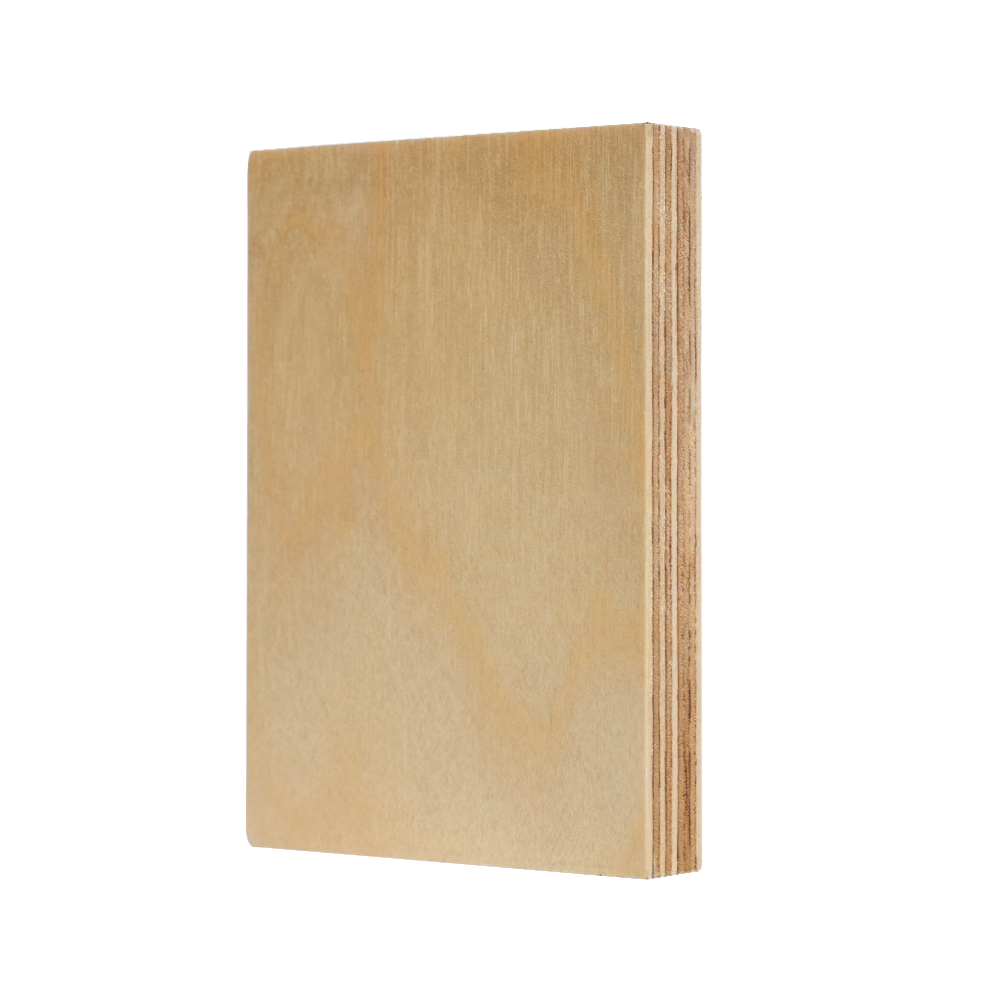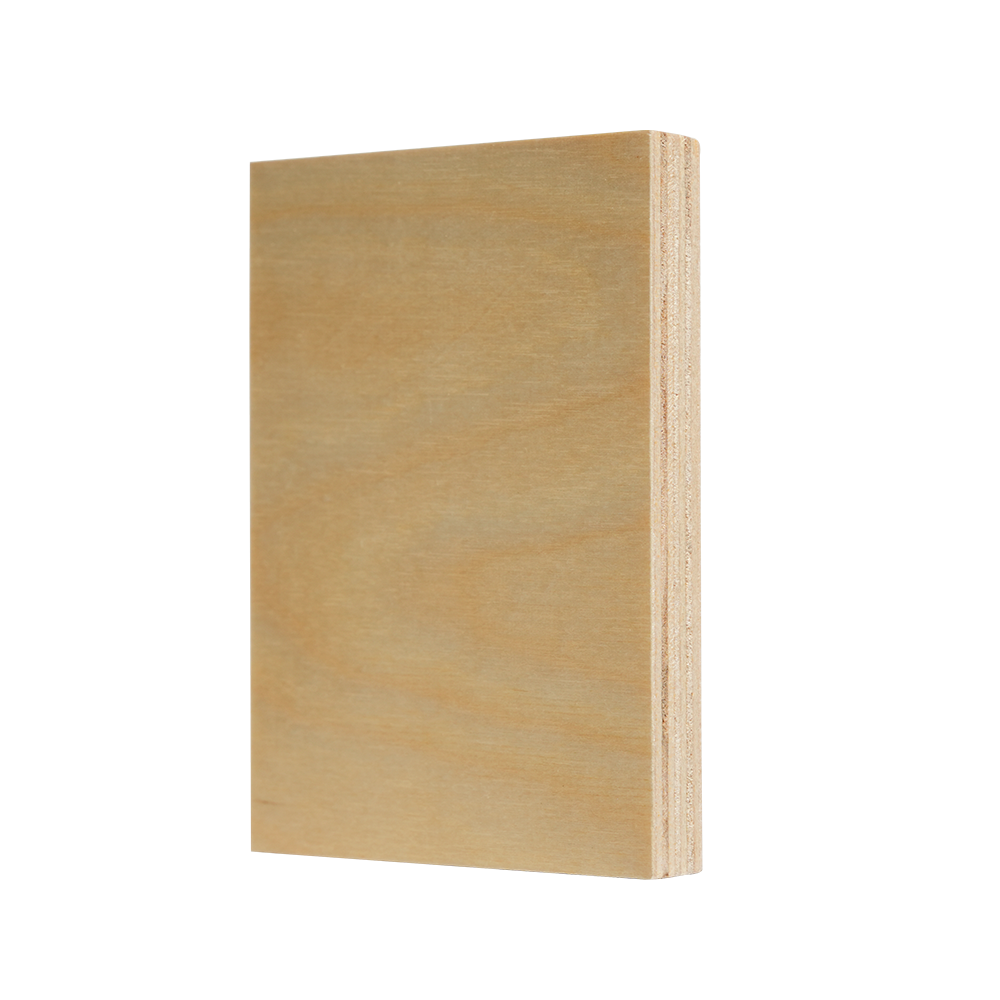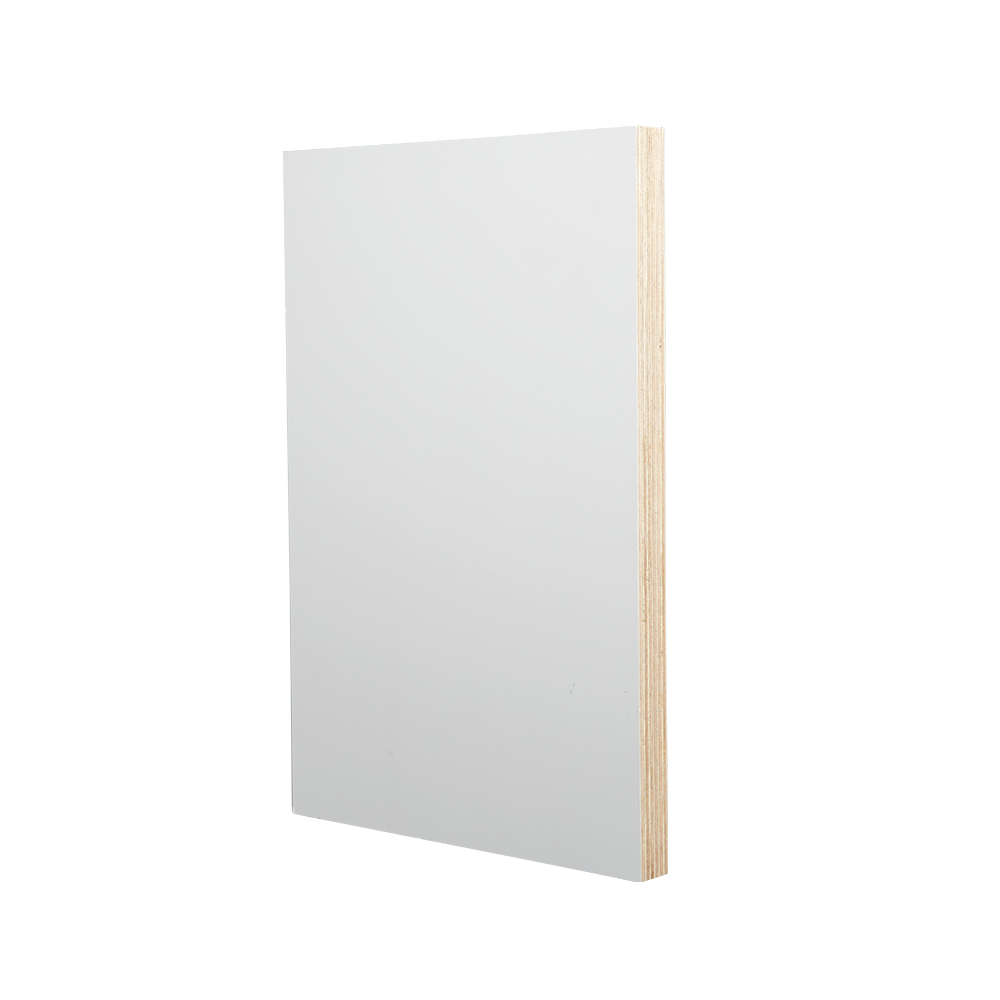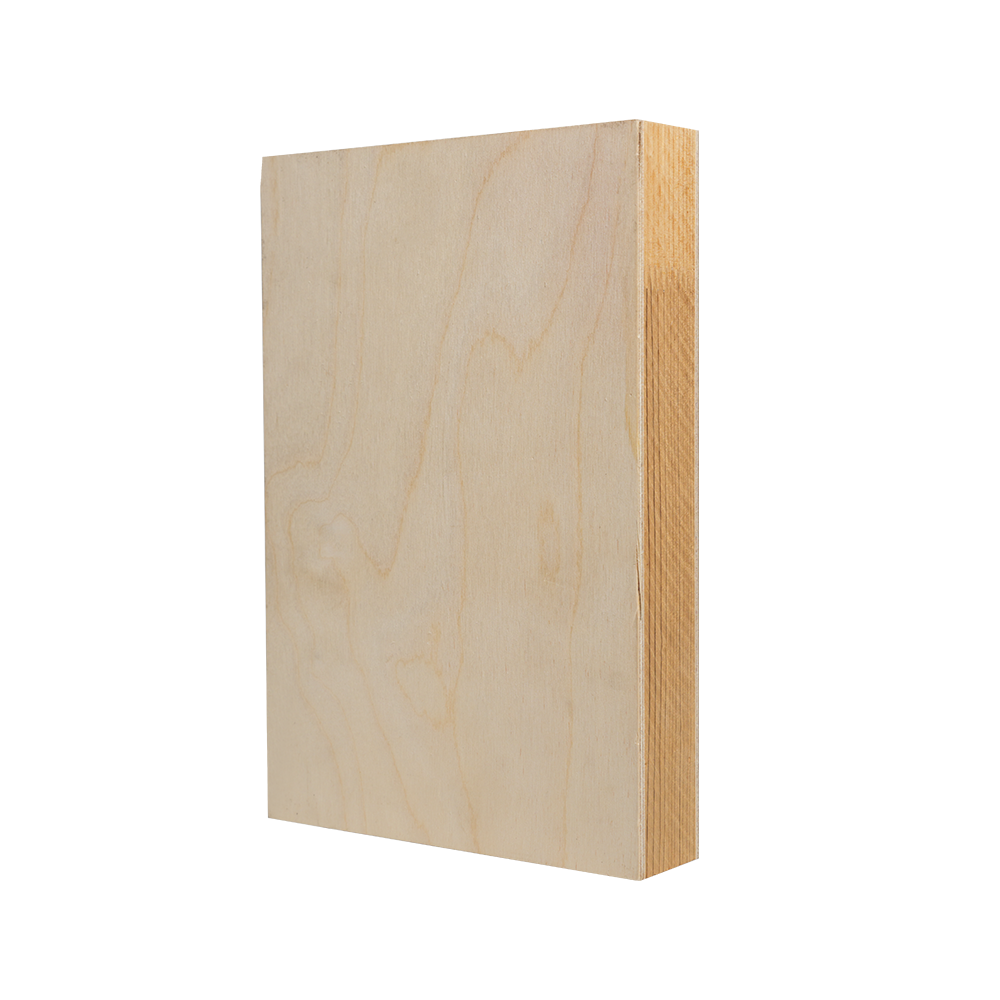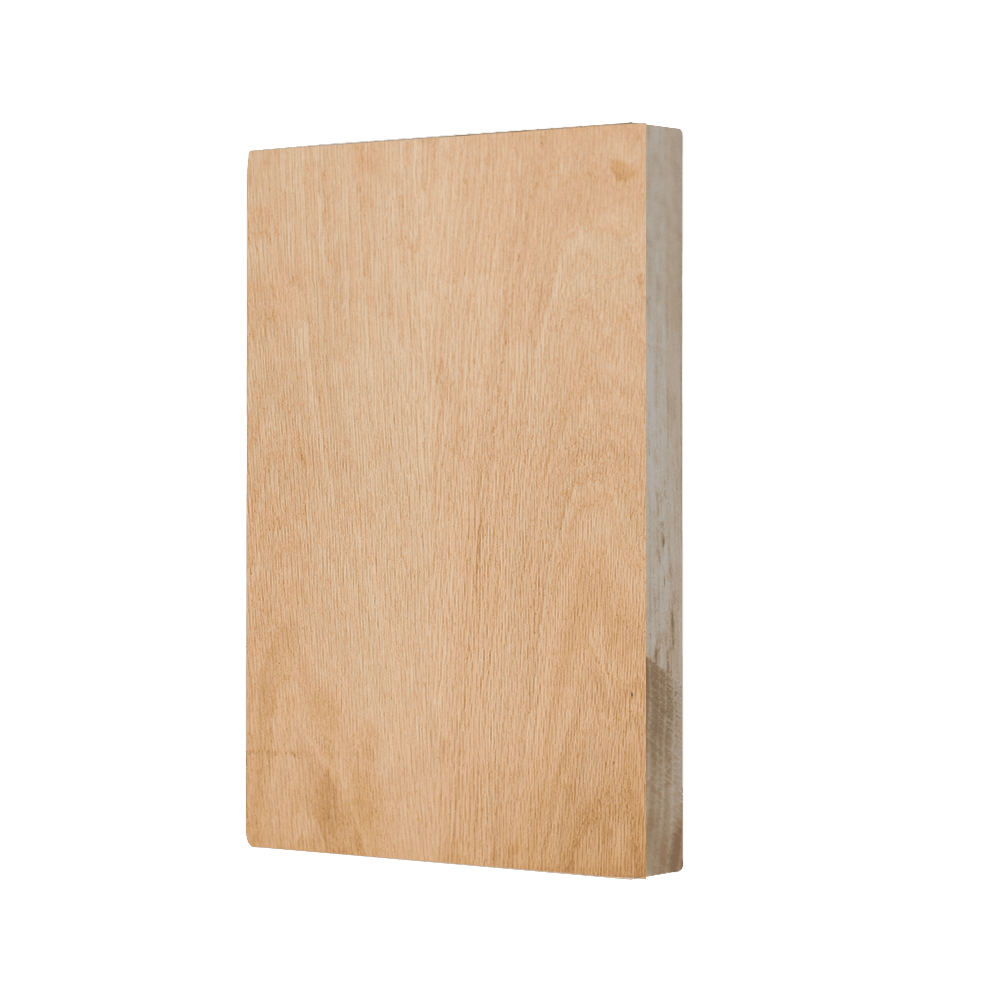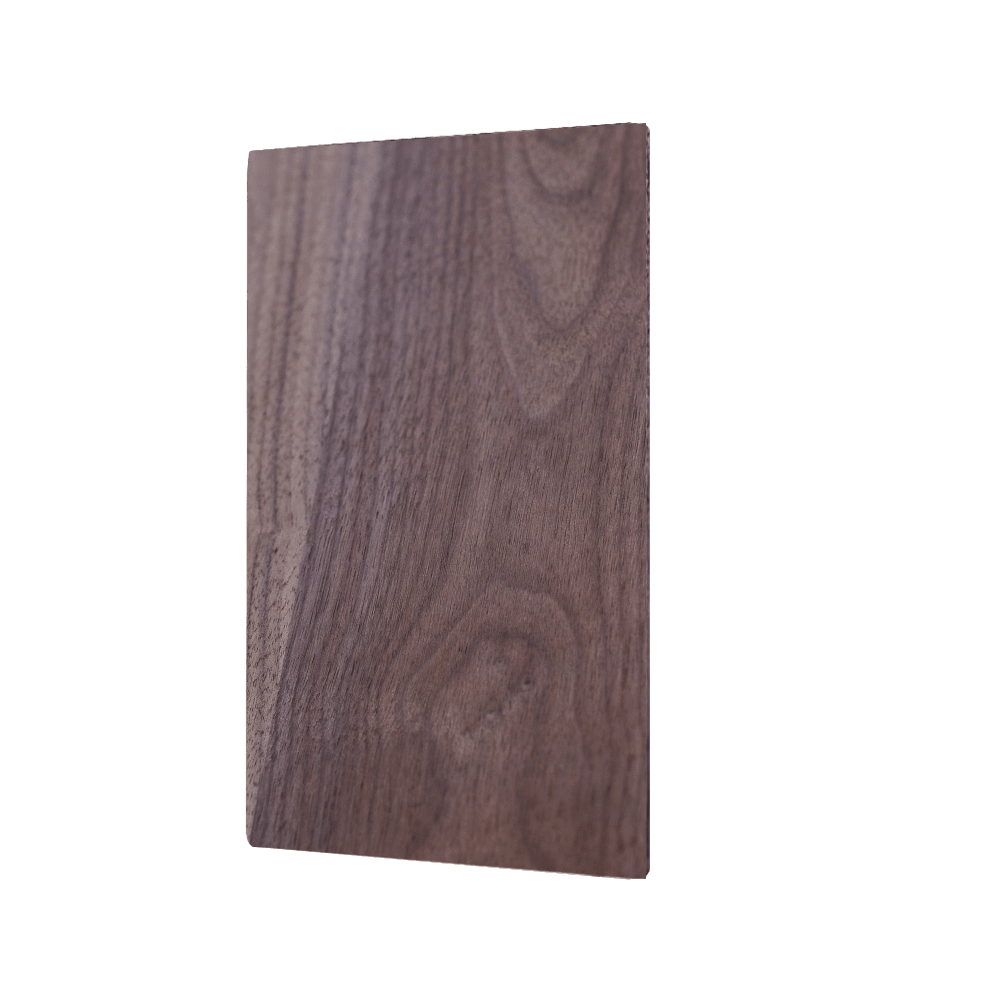

In high-end custom cabinetry and premium interior projects, Birch Plywood serves as a critical core material. However, the thickness of the Veneer applied to its surface determines the final product's texture and longevity. While 0.2mm and 0.6mm are the two mainstream specifications in the market, 0.6mm thick veneer remains the dominant choice for High-end Customization. This guide analyzes the core competitive advantages of thicker veneer from the perspectives of processing, aesthetics, and physical performance.
In wood processing, Sanding is an indispensable step. 0.2mm thin veneer offers an extremely low margin for error during mechanical or fine manual sanding. Because its thickness is comparable to a sheet of paper, a slight mistake can lead to "sanding through," where the underlying plywood core is exposed. In high-end customization, this is considered an irreparable quality failure.
In contrast, 0.6mm Natural Veneer provides a much thicker buffer layer. It allows craftsmen to perform multiple deep sanding passes to eliminate tiny height variations created during assembly. This thickness ensures that the veneer maintains its structural integrity during complex shaping and edge treatment, significantly increasing the production success rate and final structural strength.
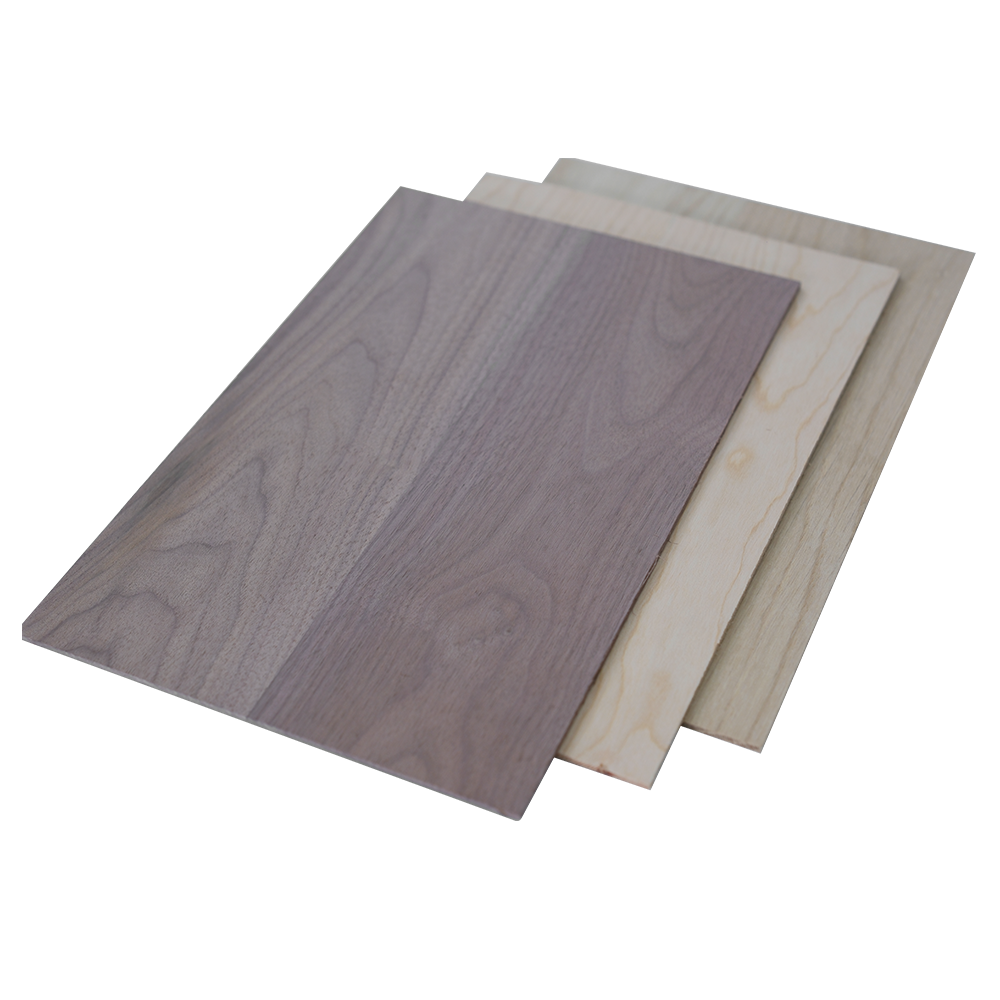
High-end clients seek the authentic feel of Natural Grain. A 0.6mm veneer preserves the natural depth of the wood's vascular bundles (pores), creating a three-dimensional depth that thin veneers cannot replicate.
When light hits the surface of 0.6mm veneer, the intact fiber structure allows for natural light refraction and diffuse reflection, resulting in a rich, organic luster. With 0.2mm veneer, the fibers are often crushed during the high-pressure lamination process, and the underlying glue can penetrate the surface, causing the wood to look flat, dull, and lifeless.
During the Hot Pressing process, adhesive penetrates the wood fibers under high temperature and pressure. 0.2mm veneer is highly susceptible to Glue Penetration. When glue reaches the surface, it blocks the wood pores and reacts chemically with the subsequent Surface Finishing, leading to color spotting, whitening, or poor paint adhesion.
The 0.6mm thickness acts as a natural physical barrier, effectively blocking glue from reaching the decorative face. This ensures the purity of the wood color and provides a clean substrate for Staining processes, ensuring color consistency and stability across premium custom products.
In the popular Open Grain Finish (semi-open paint) styles, the advantage of 0.6mm veneer is particularly evident. This process requires showcasing the natural pore characteristics of the wood.
0.2mm Limitations: The pores are too shallow and easily filled by paint, resulting in an effect closer to a "Closed Grain" finish, which loses the tactile appeal of real wood.
0.6mm Advantages: It possesses sufficient pore depth to maintain a clear, natural touch even after several coats of primer and topcoat. Additionally, when performing High Gloss coating, 0.6mm veneer provides a flatter substrate, preventing "orange peel" defects and achieving a mirror-like finish.
High-end custom furniture is typically viewed as a long-term asset, making repairability vital. In daily use, furniture inevitably suffers from bumps or scratches.
For 0.2mm laminated panels, a deep scratch is usually fatal to the piece because the scratch easily cuts through the veneer into the core. For 0.6mm Birch Plywood Veneer, deeper scratches can often be perfectly repaired through local sanding, filling, and refinishing. This "refurbishability" is a core hallmark of Premium Quality and aligns with sustainable consumption logic.
While the raw material cost of 0.6mm veneer is higher than 0.2mm, the analysis from a total project perspective reveals significant benefits. It reduces the scrap rate caused by sanding errors, enhances the terminal market price and brand premium, and lowers the risk of after-sales complaints due to glue penetration or discoloration.
| Feature | 0.2mm Thin Veneer | 0.6mm Thick Veneer |
| Sanding Tolerance | Extremely Low (High Risk) | High (Multiple Passes) |
| Glue Penetration | Frequent (Affects Color) | Rare (Stable Surface) |
| Grain Depth | Flat / Compressed | Deep / Three-dimensional |
| Repairability | Impossible | Excellent |
| Market Positioning | Mass Production / Economy | Bespoke / Luxury |
Choosing between 0.6mm and 0.2mm veneer is essentially a choice between an "industrial commodity" and an "artistic custom piece." For brands and designers pursuing ultimate quality, 0.6mm Veneer remains the gold standard in the Birch Plywood application field due to its superior processing performance, deep grain expression, and exceptional durability.
related products


Copyright © Tianma Lvjian Group Co., Ltd. Rights Reserved.
Wholesale Construction Plywood Manufacturers Privacy
 English
 中文简体
中文简体