
In the timber and construction industry, the debate between Block Board and Plywood remains a focal point for professionals seeking the highest standards of durability. Selecting the right substrate is not merely about initial cost but about understanding how material science dictates the lifespan of furniture and structural installations.
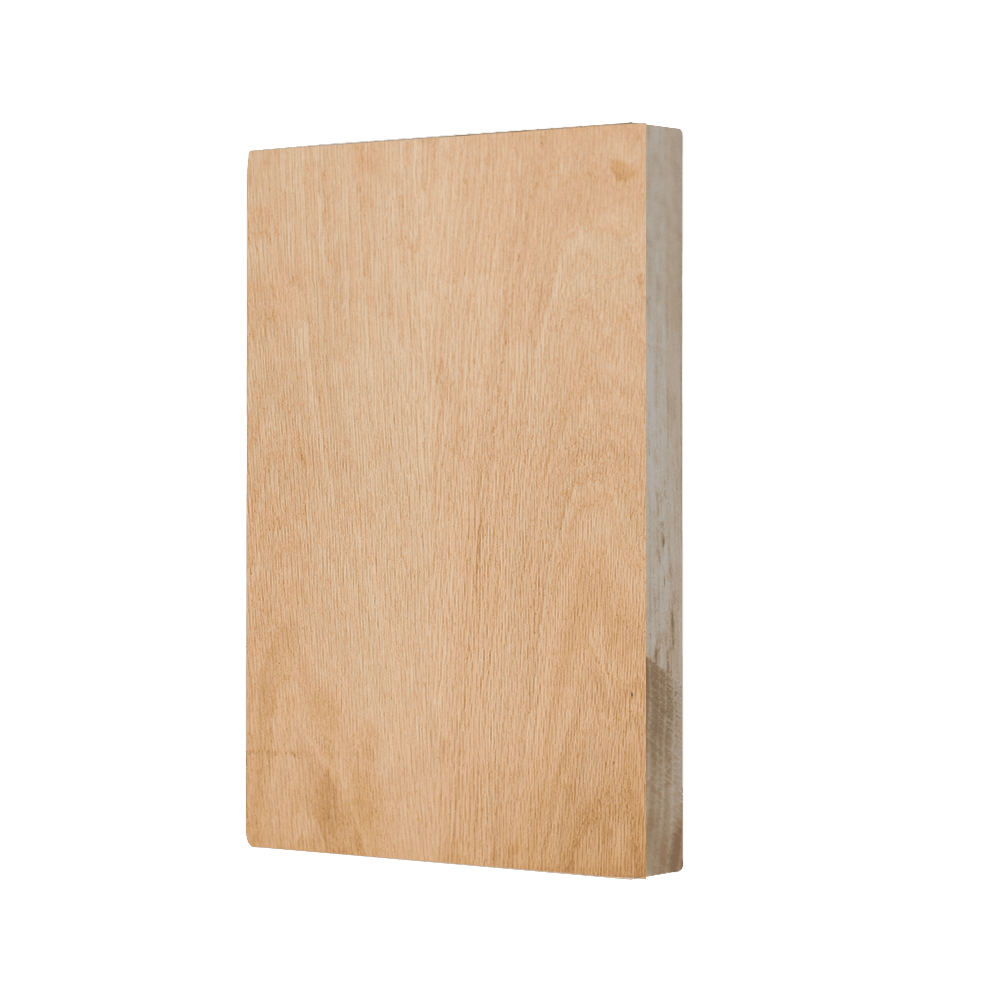
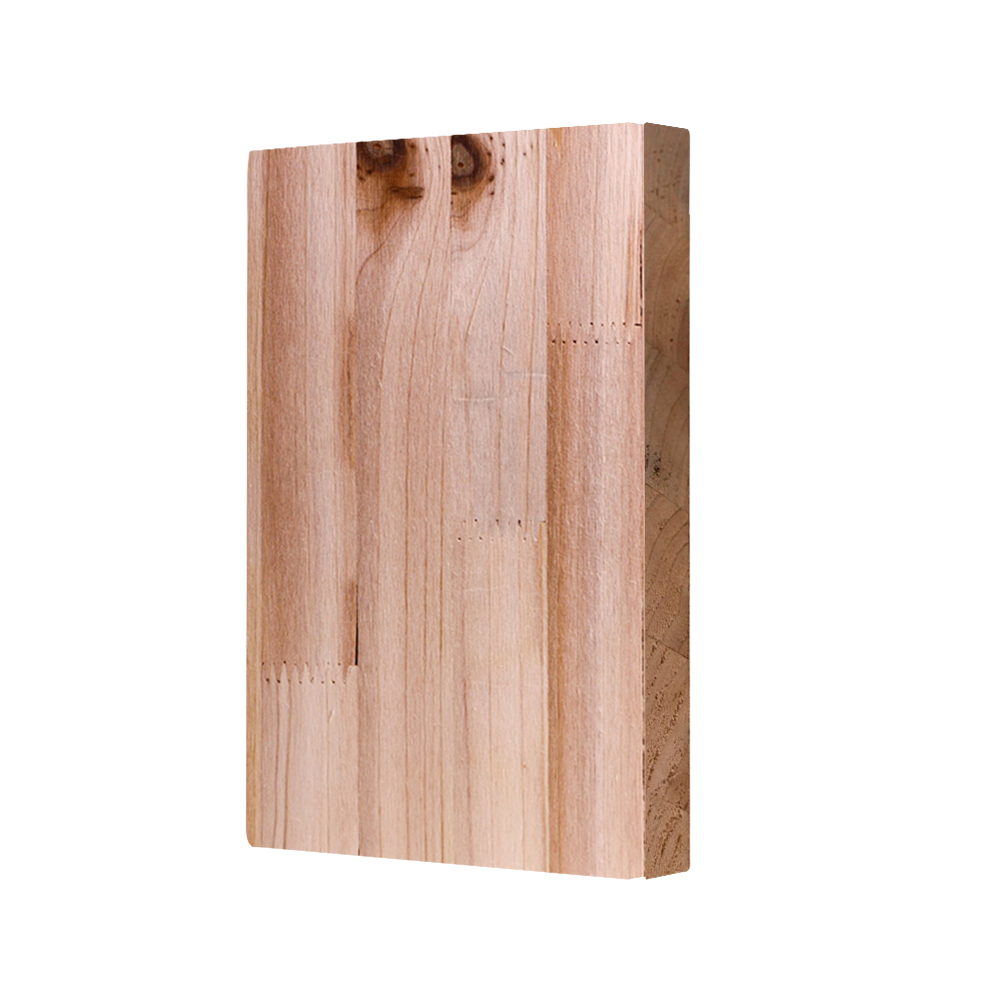
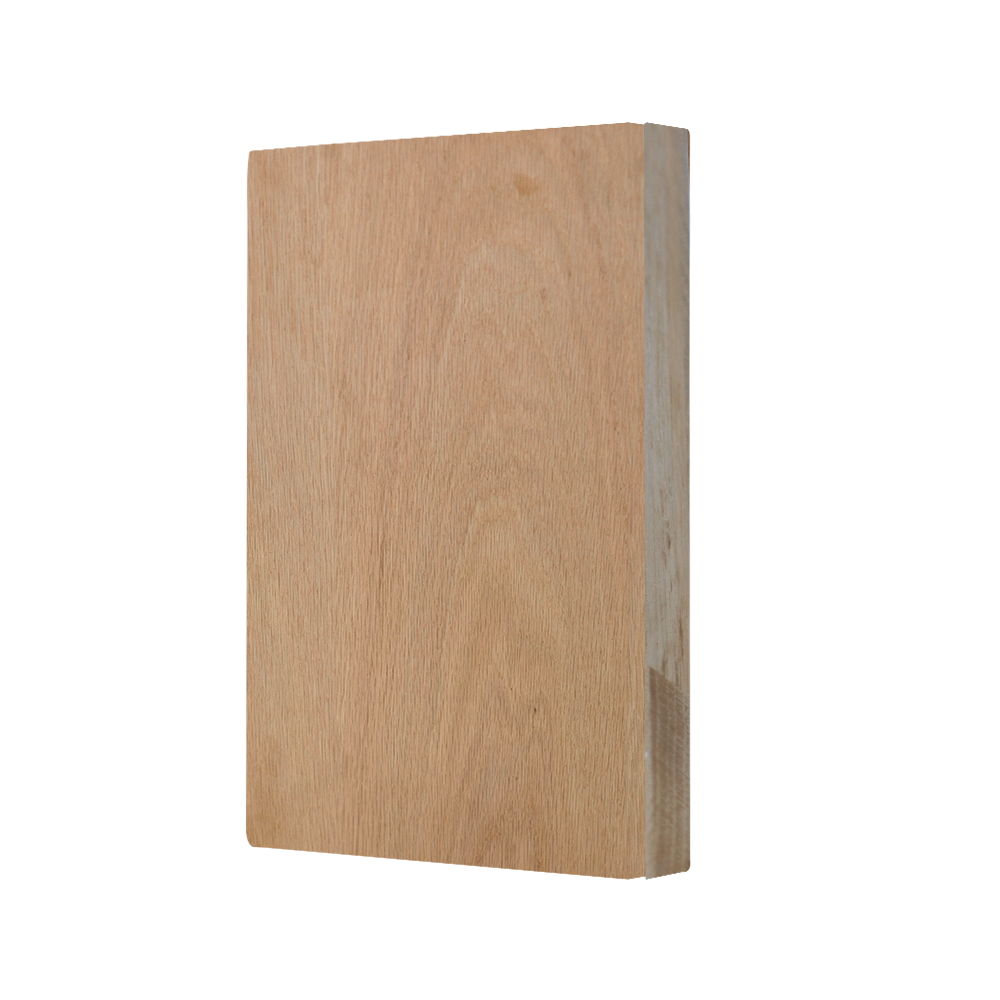
The fundamental difference in durability begins with the core architecture. Block Board features a core made of solid wood strips, typically 20mm to 30mm wide, sandwiched between layers of wood veneer. This construction mimics the properties of solid timber, retaining natural grain flexibility. However, because the core strips are aligned longitudinally, the board possesses a specific grain direction that influences how it reacts to mechanical stress.
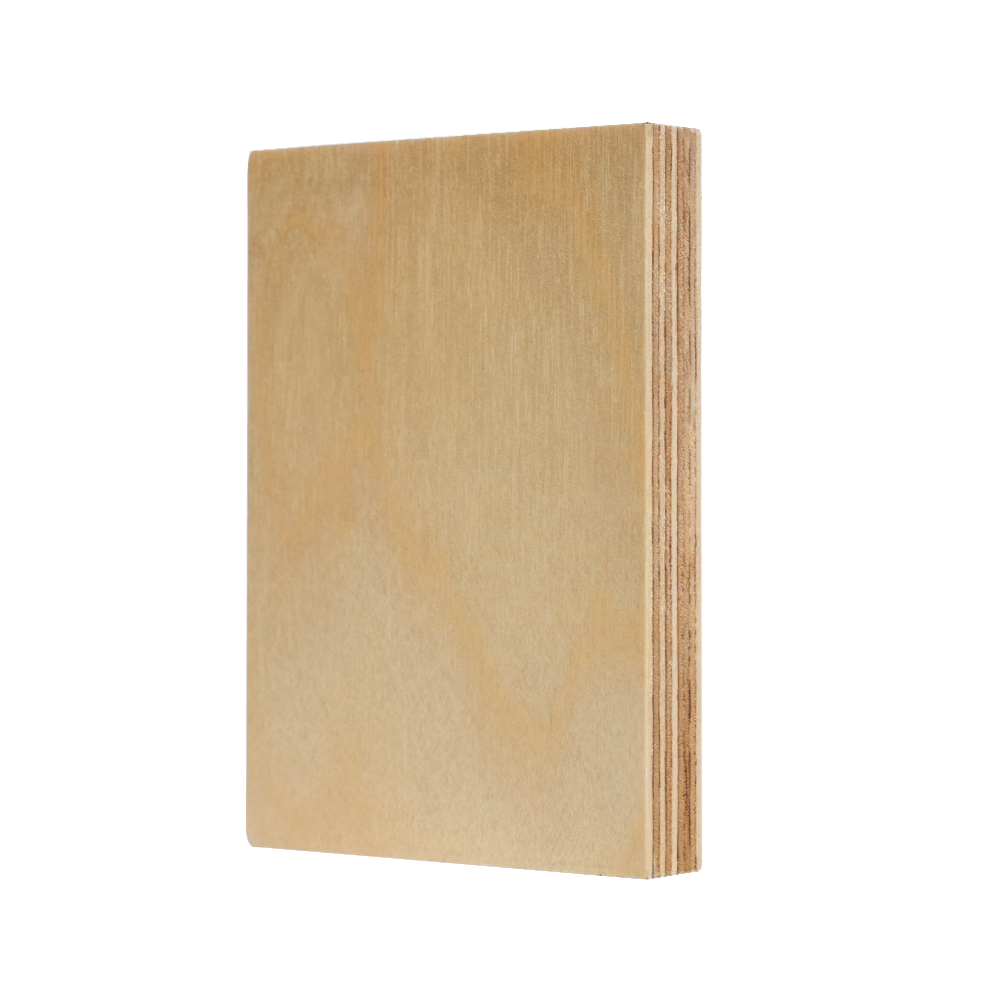
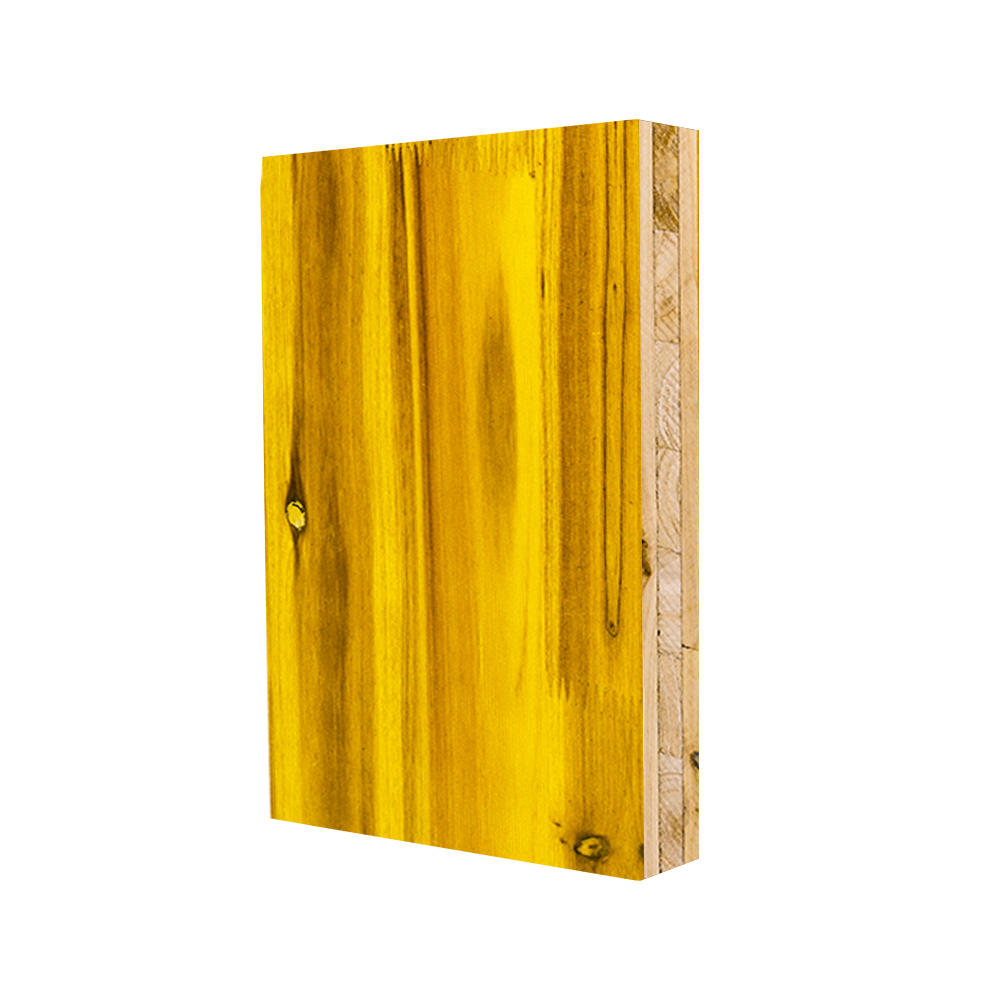
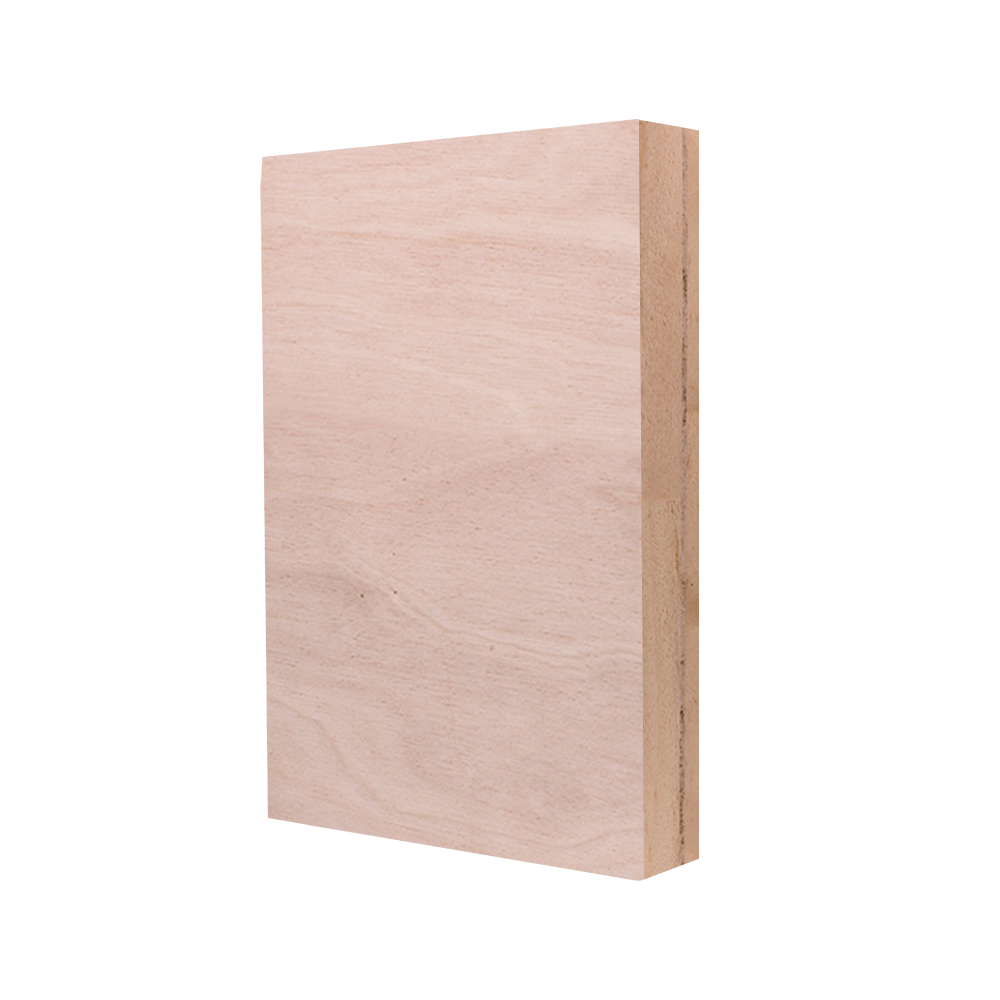
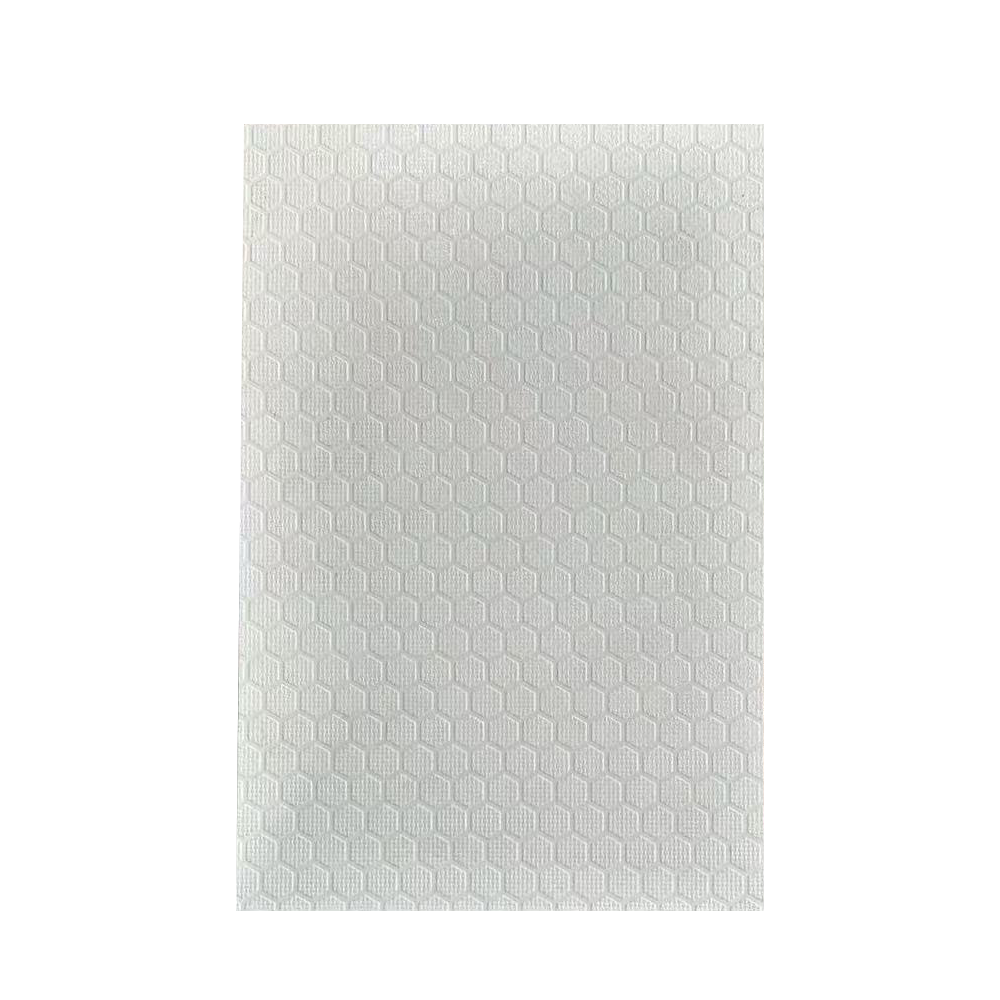
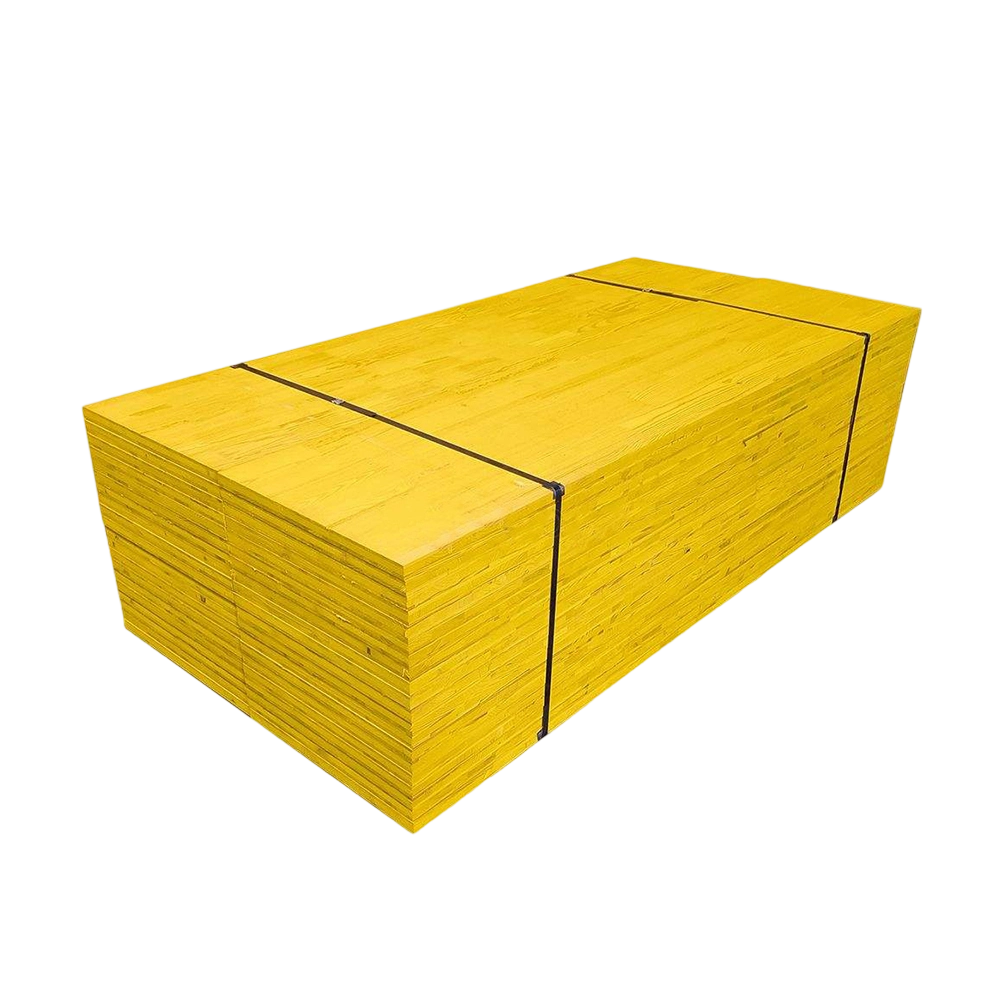
Plywood, conversely, is engineered through a cross-lamination process. Thin layers of wood veneers are glued together, with each layer's grain running perpendicular to the one below it. This "cross-grain" technology is the secret to its superior dimensional stability. By neutralizing the natural tendency of wood to expand and contract along the grain, Plywood minimizes the risk of warping, splitting, and twisting over decades of use.
When assessing Block Board for durability, its longitudinal stiffness is its greatest asset. It is remarkably resistant to sagging, making it the preferred choice for long vertical structures or horizontal shelves exceeding 4 feet in length. For applications like tall wardrobe doors, the rigid core of Block Board ensures the panel remains straight without the need for excessive reinforcement.
Plywood excels in shear strength and impact resistance. The multiple glue lines between veneers act as reinforcement grids, distributing heavy loads across the entire surface area. While it may exhibit slight flex under extreme weight compared to a thick Block Board, it is far less likely to suffer from internal structural failure or "snapping" under sudden impact. This makes it the superior choice for flooring substrates and heavy-duty cabinetry.
The longevity of furniture often depends on how well the board retains fasteners. Block Board offers excellent screw holding properties because the screws penetrate solid wood blocks. However, a critical durability risk arises if the board contains "internal gaps" or "core voids." If a screw is driven into a hollow space between the core strips, the hardware will inevitably loosen, leading to sagging hinges or detached drawer slides.
Plywood provides a consistently dense medium for fasteners. The alternating grain directions and high resin content ensure that screw threads are gripped by multiple layers of high-density fiber. In high-traffic environments where doors and drawers are opened thousands of times, Plywood maintains the integrity of the hardware connection much longer than lower-grade Block Board options.
[Image showing screw withdrawal resistance test on Plywood and Block Board]
Moisture and humidity are the primary enemies of wood durability. Block Board, due to its solid wood core, is more susceptible to the "hyroscopic" nature of timber. If the core strips are not seasoned to the precise moisture content, they may shrink or swell at different rates, causing telegraphing (ripples on the surface) or delamination. In tropical or coastal climates, the expansion of the solid blocks can put immense pressure on the outer veneers.
Plywood is significantly more stable in fluctuating environments. The thinness of the individual veneers and the chemical bond of the adhesive layers create a moisture barrier that slows down the absorption of humidity. This structural "locking" prevents the board from expanding unevenly, ensuring that the furniture maintains its original shape and alignment even in kitchens or bathrooms where moisture levels vary daily.
Solid wood strips Cross-laminated veneers High (Longitudinal) Moderate to High (Balanced) Moderate High Lightweight Heavy/Dense Long shelves, tall doors Kitchen carcasses, flooring
Durability also relates to how well a board handles modern manufacturing. Plywood allows for incredibly clean edges and precise routing. Because it lacks the large internal gaps sometimes found in Block Board, it provides a solid edge for PVC or solid wood lipping. A perfectly sealed edge is essential for preventing moisture ingress, which is the leading cause of board swelling and eventual replacement. The edge-retention capability of Plywood ensures that the protective laminate or veneer remains bonded for the entire lifecycle of the product.
related products


Copyright © Tianma Lvjian Group Co., Ltd. Rights Reserved.
Wholesale Construction Plywood Manufacturers Privacy
 English
 中文简体
中文简体