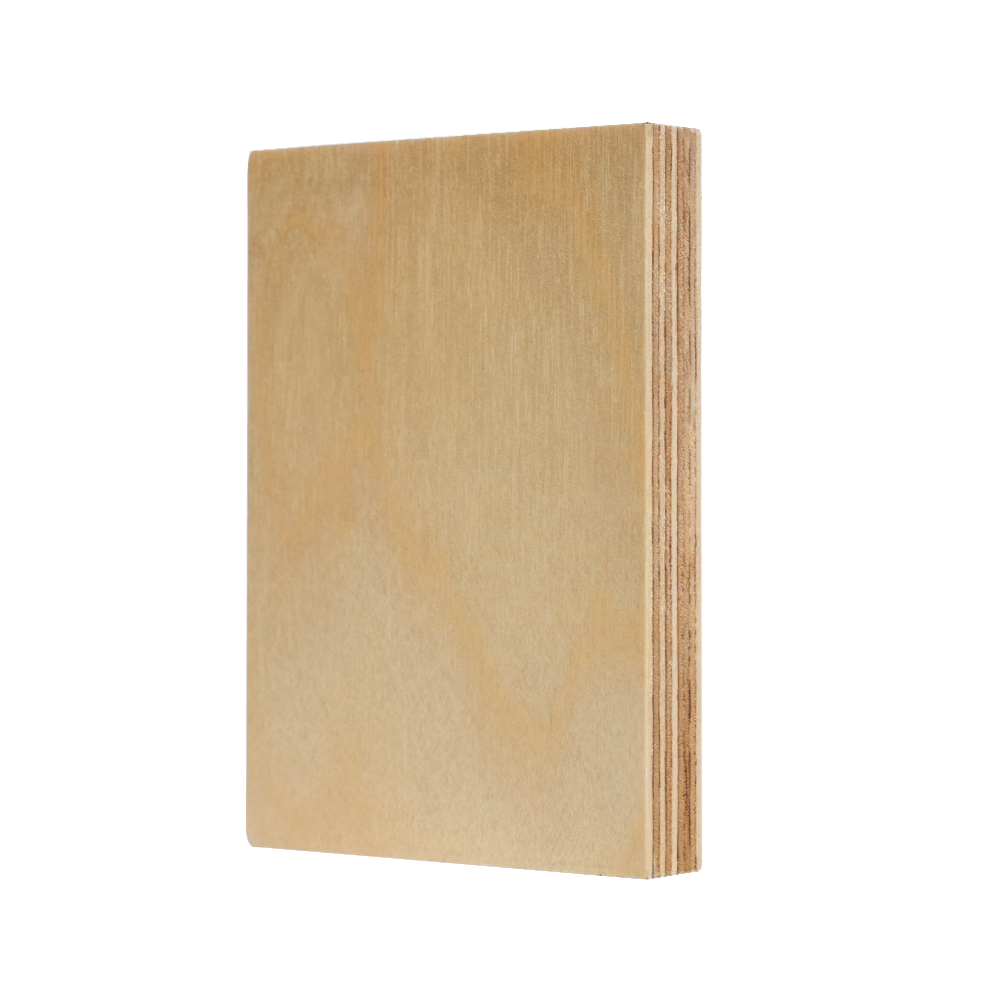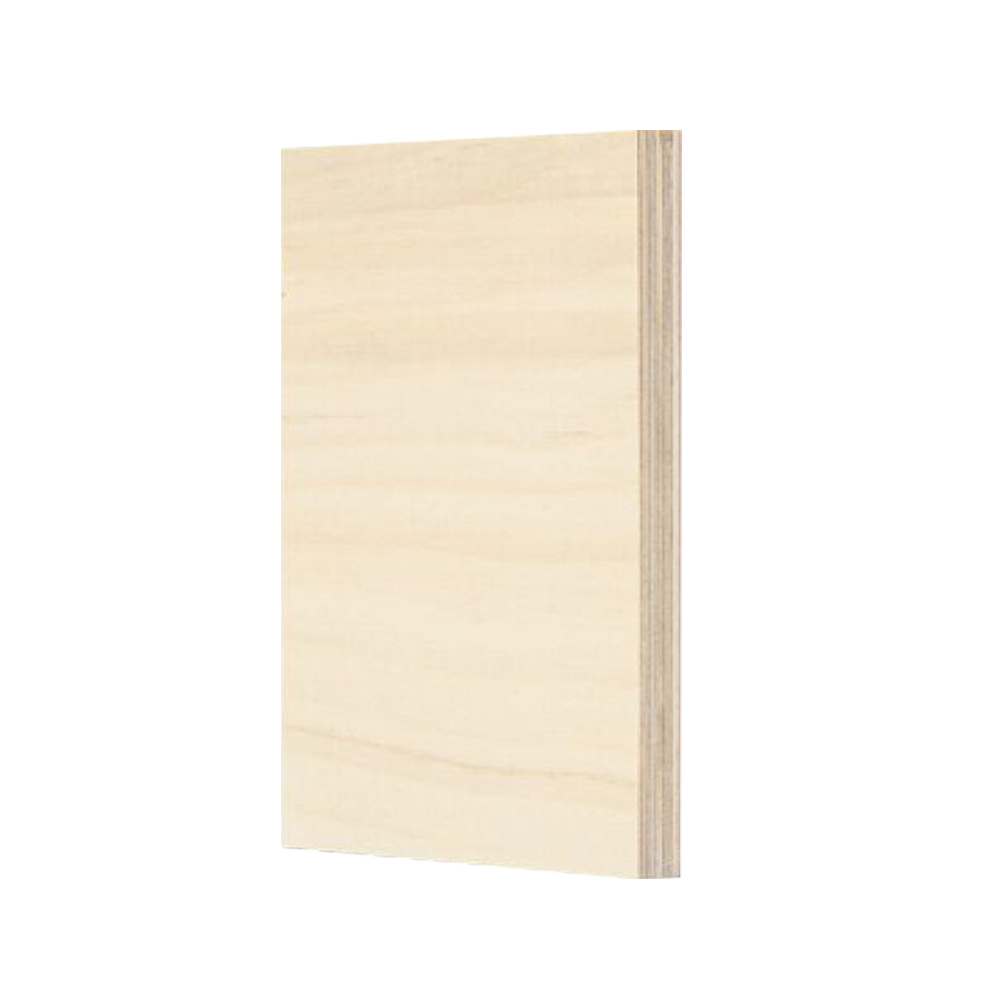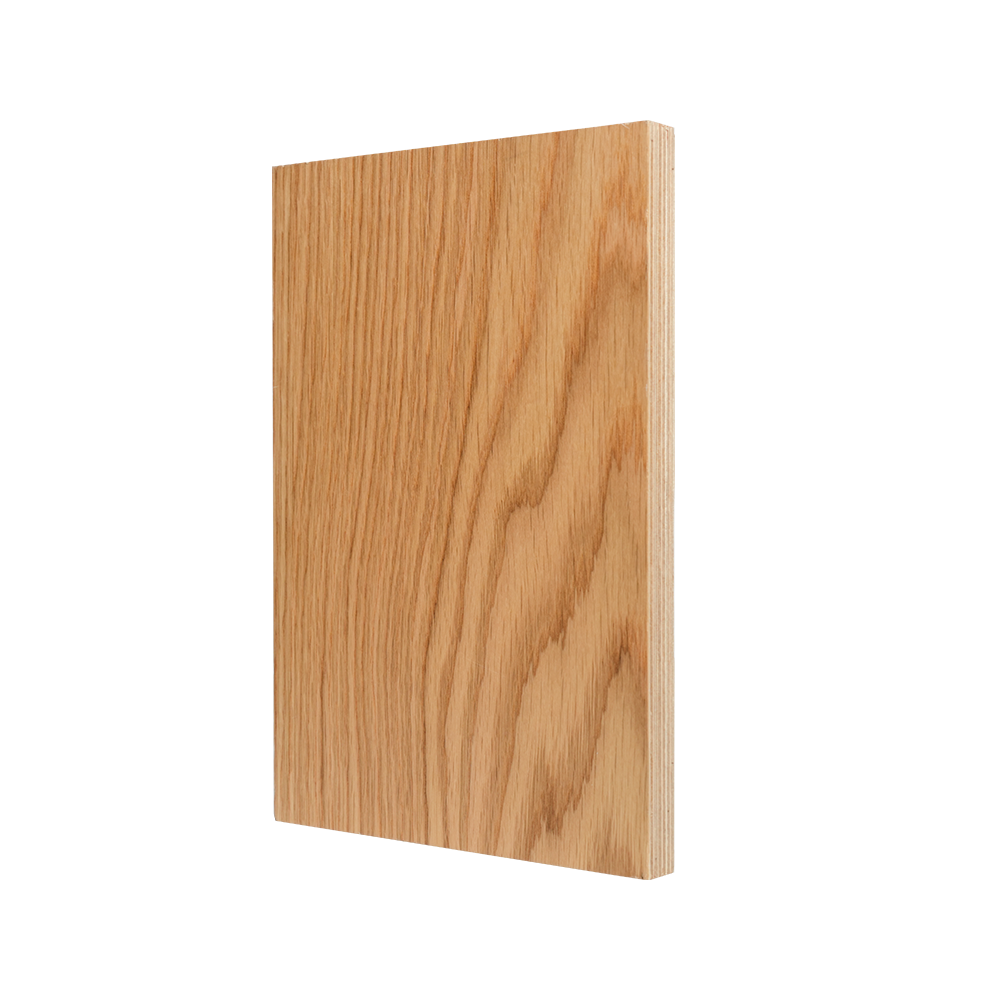

In high-end furniture manufacturing, interior architecture, and international trade, Birch Plywood is highly regarded for its exceptional physical properties and aesthetic grain. However, the grading systems used in the global market often cause confusion for buyers. Understanding the core differences between B/BB, BB/BB, and BB/CP is essential not only for cost control but also for determining the final quality of the surface finish.
The B/BB grade represents a high-standard classification in the birch plywood industry, often referred to as "Piano Grade" or "Face Grade."
B Face: This is the decorative side, allowing only minimal imperfections. The wood grain and color must be uniform, with no dead knots, black streaks, or cracks permitted. Generally, only a few pin knots (less than 3mm in diameter) are allowed.
BB Back: The reverse side allows for a limited number of small patches. These patches are typically butterfly or oval-shaped wood pieces, color-matched to the natural veneer and inserted by hand or machine to replace natural defects.
Core Advantage: The surface of B/BB boards is finely sanded, providing a superior tactile experience and a flawless base for high-end applications.
Applications: This grade is the preferred choice for high-end cabinetry, designer furniture, and any project where the natural wood grain will be showcased via transparent coatings or clear oils.
BB/BB is currently the most widely circulated grade in international trade, offering an excellent balance between visual appearance and cost-effectiveness.
Double-Sided Standard: Both the front and back faces meet the BB grade criteria. This means both sides allow for a specific number of patches. These patches are designed to replace larger natural dead knots found in the raw timber.
Texture Characteristics: Compared to the B grade, BB grade boards may exhibit more natural color streaks and mineral lines, reflecting the raw character of the birch tree.
Structural Performance: Despite having more surface patches, the internal multi-layer structure remains identical to B/BB, maintaining high flatness and creep resistance.
Applications: It is extensively used for components requiring opaque finishes, or for furniture interiors and drawer sides where the surface is not the primary visual focus.
The BB/CP grade is primarily designed for engineering projects that require a high-quality face on one side but are sensitive to budget constraints.
CP Face Characteristics: The CP side (an improved version of C grade) permits more significant defects. This includes larger dead knots, prominent color variations, more frequent patches, and slight surface cracks. While these defects impact the visual aesthetics, they do not compromise the structural integrity of the panel.
Price Advantage: This grade offers a significant price benefit because it allows for a higher yield from the raw timber during the manufacturing process.
Applications: BB/CP is commonly used as a substrate for secondary laminating, such as applying HPL (High-Pressure Laminate) or thick wood veneers. It is also ideal for structural construction components and high-strength packaging where appearance is secondary to load-bearing capacity.
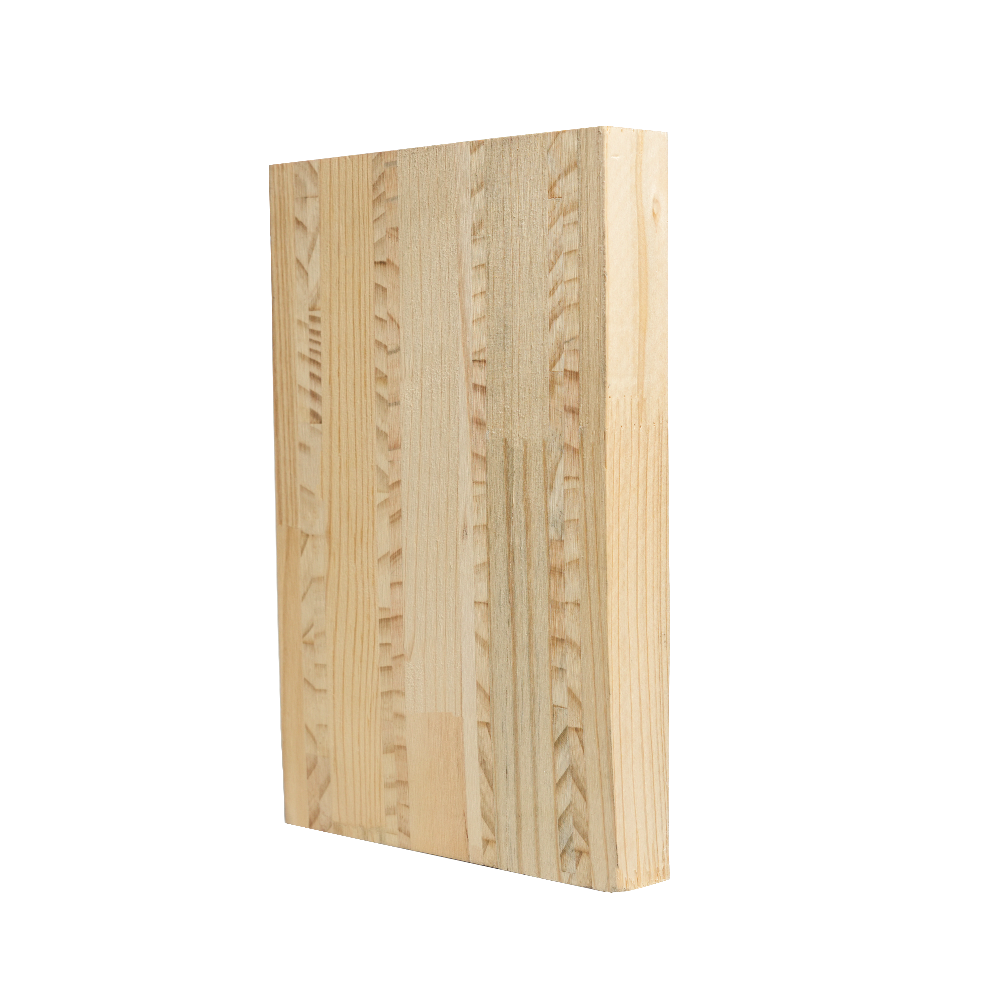
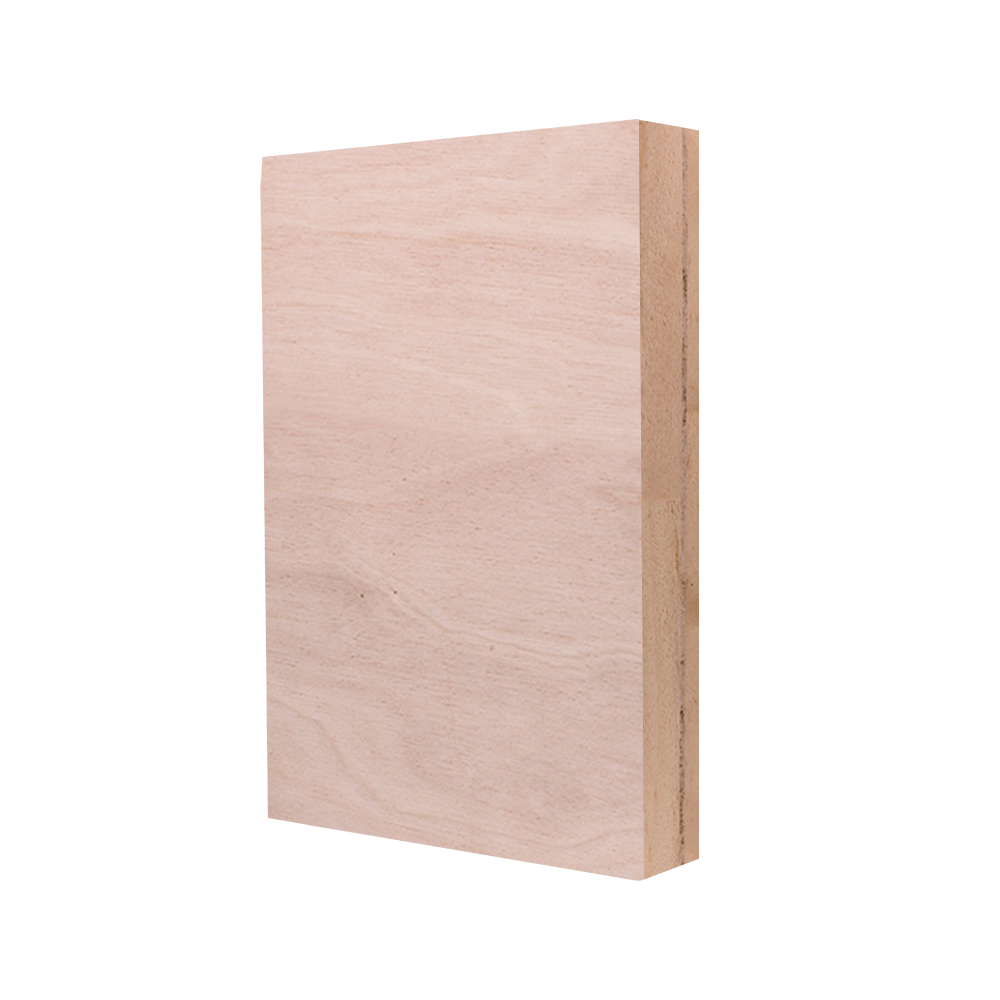
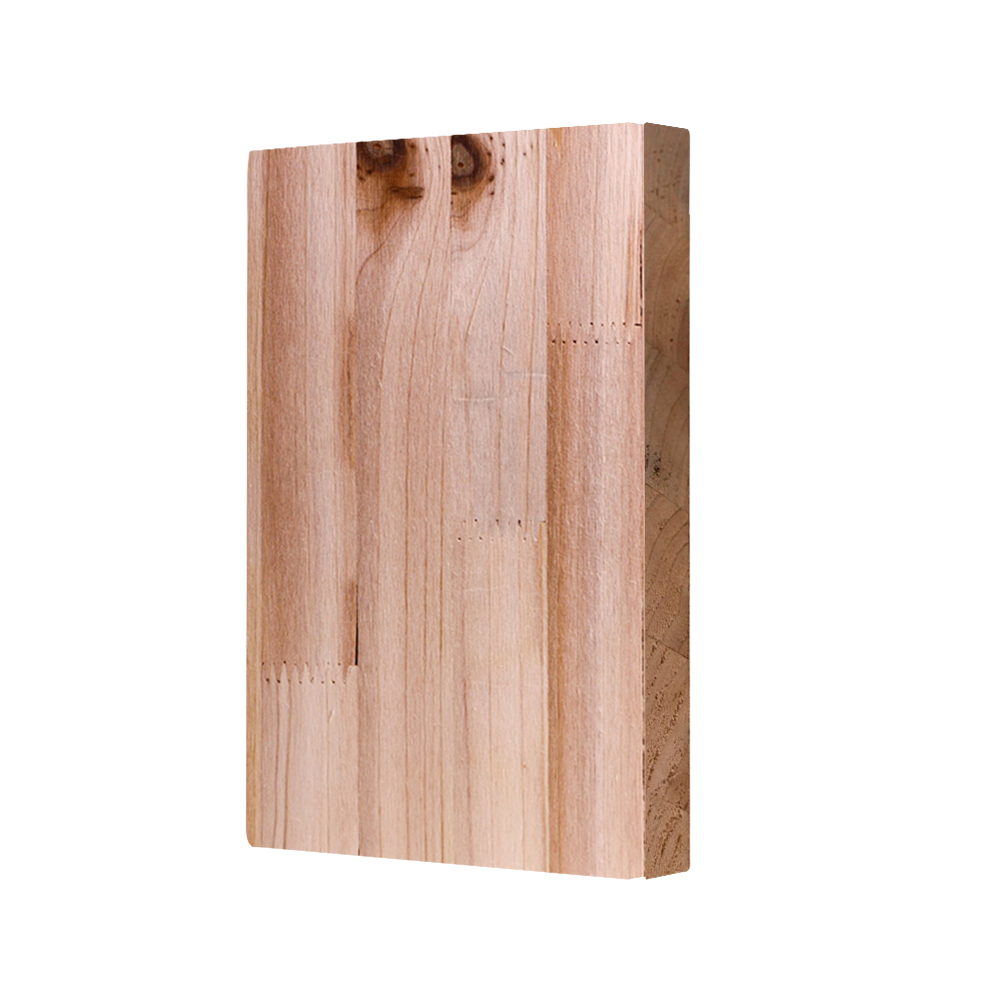
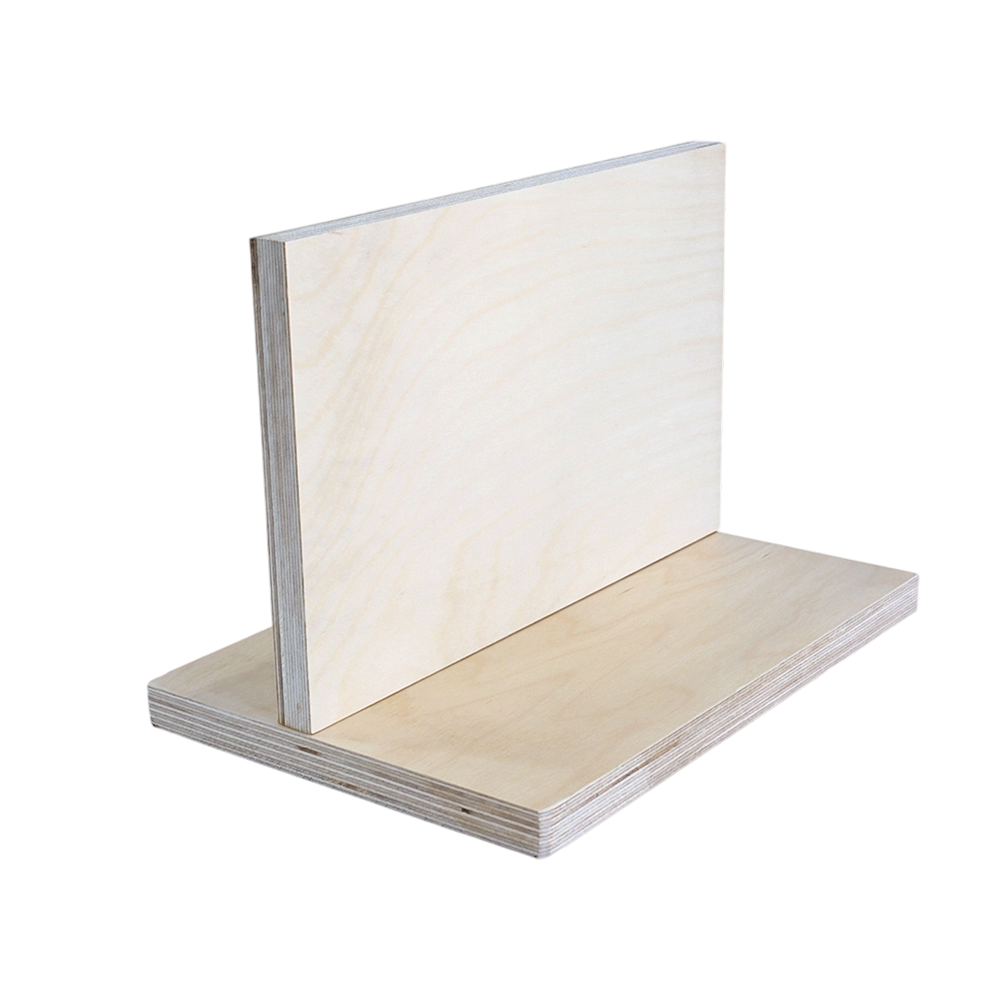
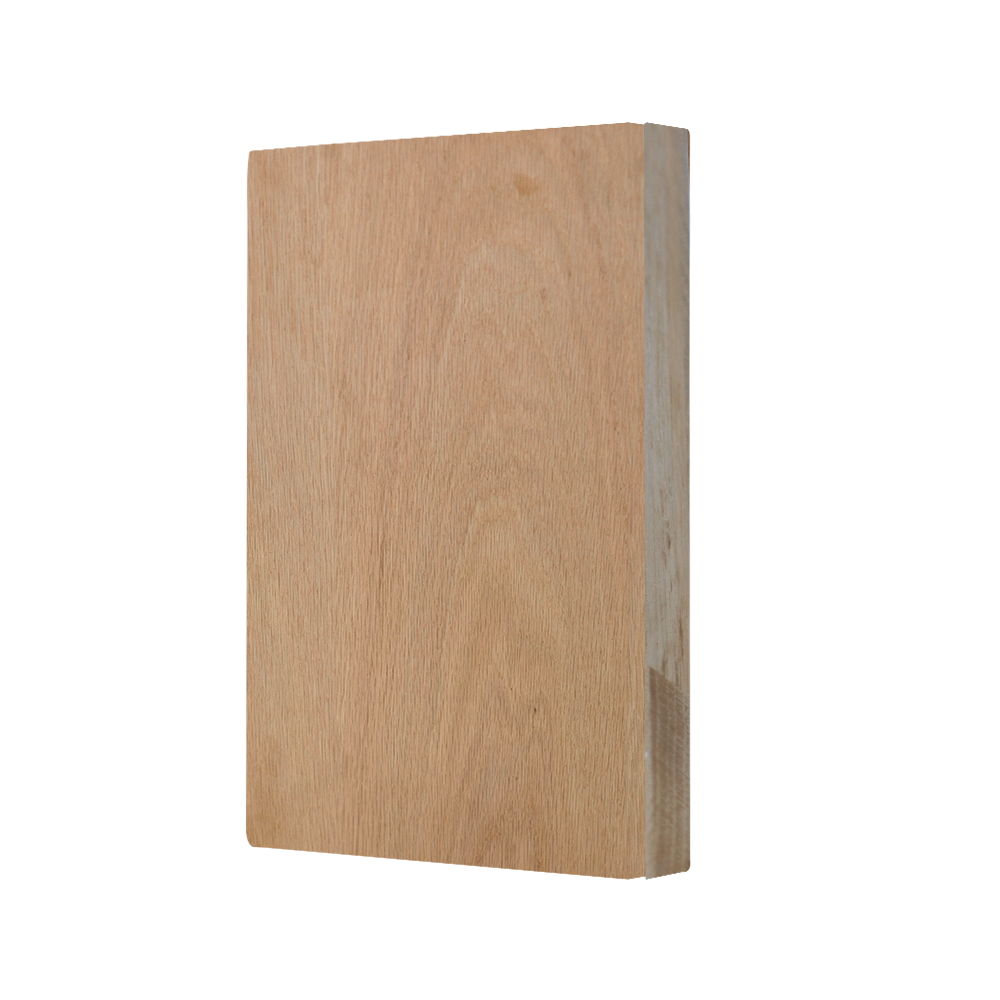
[Image comparing B, BB, and CP grade birch plywood surface patches and knot sizes]
When performing Surface Finishing, the choice of grade directly impacts labor costs for sanding and the volume of paint consumption.
Transparent Lacquer and Wood Oil
Recommended Grade: B/BB
Transparent coatings amplify any surface flaws. The B face of a B/BB board has virtually no patches, allowing the silky texture of light-colored birch to be fully realized. If BB/BB is used, the break in wood grain at the patch sites becomes highly visible under clear coats, resulting in a "patchwork" visual effect.
Solid Color Painting
Recommended Grade: BB/BB
For projects involving opaque solid colors (such as matte black or trendy Morandi tones), BB/BB is the most cost-effective solution. Although patches exist, they can be completely concealed using putty for leveling and a high-quality primer. Opting for B/BB in this scenario would be a waste of budget, while BB/CP defects might require excessive manual repair labor.
Laminating and Veneering
Recommended Grade: BB/CP
When the plywood serves as a base material to be covered by HPL or a secondary natural veneer, BB/CP provides sufficient physical support. As long as the Core of the board is flat and stable, surface knots and color variations will not affect the bonding strength or the final flat appearance of the laminate.
| Feature | B/BB Grade | BB/BB Grade | BB/CP Grade |
| Face Quality | Virtually clear, no dead knots | Small patches allowed | Knots and color streaks allowed |
| Back Quality | Patches allowed (BB) | Patches allowed (BB) | Large defects allowed (CP) |
| Best Finish | Clear Coat / Oil | Solid Paint / UV | HPL / Veneer Substrate |
| Price Point | Highest | Medium | Economy |
When sourcing Birch Plywood, it is vital to follow the principle of "best fit for purpose." For visual excellence and natural artistry, specify B/BB. For standardized mass production and cost balance, BB/BB is the industry favorite. For functional base layers or hidden panels, BB/CP is the most effective tool for reducing total project expenditure.
related products


Copyright © Tianma Lvjian Group Co., Ltd. Rights Reserved.
Wholesale Construction Plywood Manufacturers Privacy
 English
 中文简体
中文简体