
Is birch a good plywood? For most quality-conscious projects, the answer is yes—but the useful question is why it outperforms ordinary panels, and where its limits are. Birch plywood is engineered from multiple thin birch veneers stacked with alternating grain directions and bonded under heat and pressure. That cross-banded structure gives it rigidity and dimensional stability that standard plywood—usually a mixed softwood core with a thin hardwood face—cannot match.
The distinction matters at purchase time. A birch-faced panel only has birch on the outside. A full birch core panel uses birch for every layer, which is where the strength, flatness, and clean edge quality actually come from. Grade markings such as B-BB, BB-BB, and CP-CP describe the surface quality of the outer veneers and directly affect both price and suitability. To see what is available in each grade, you can explore birch plywood grades and specifications on our product page.
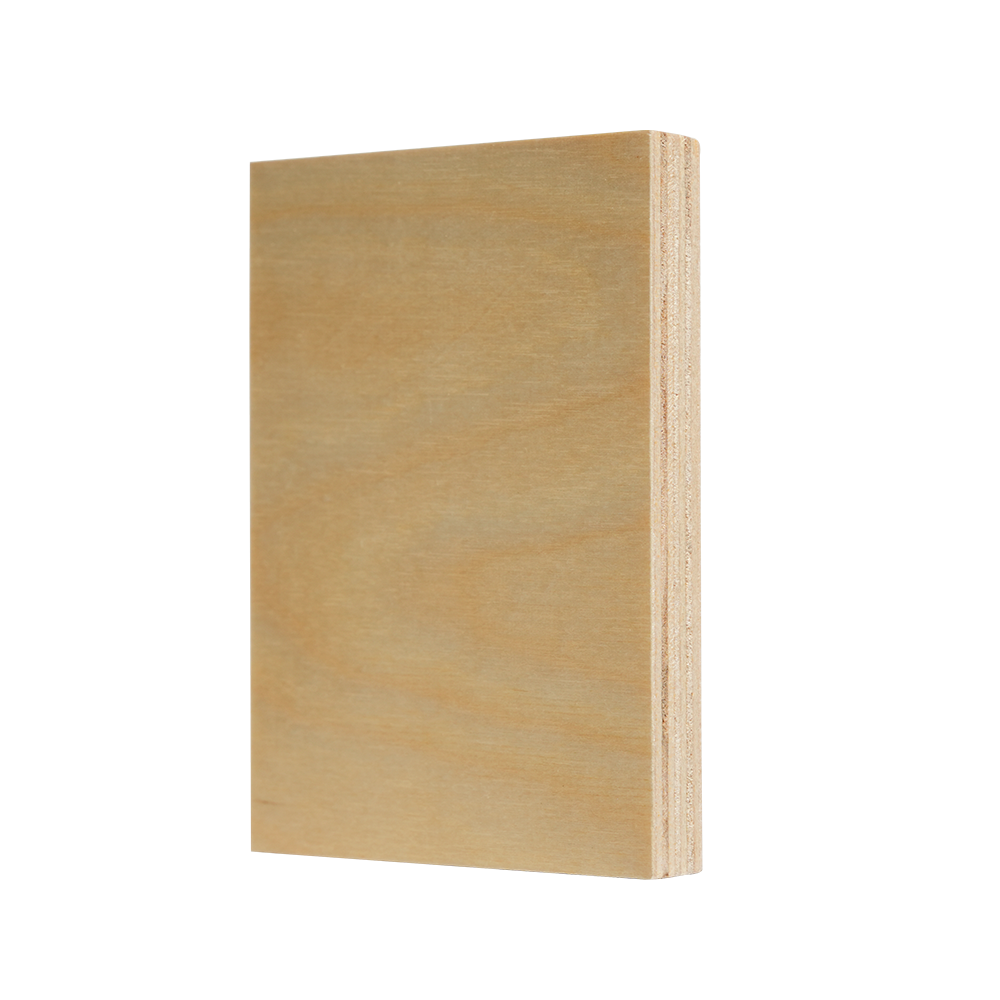
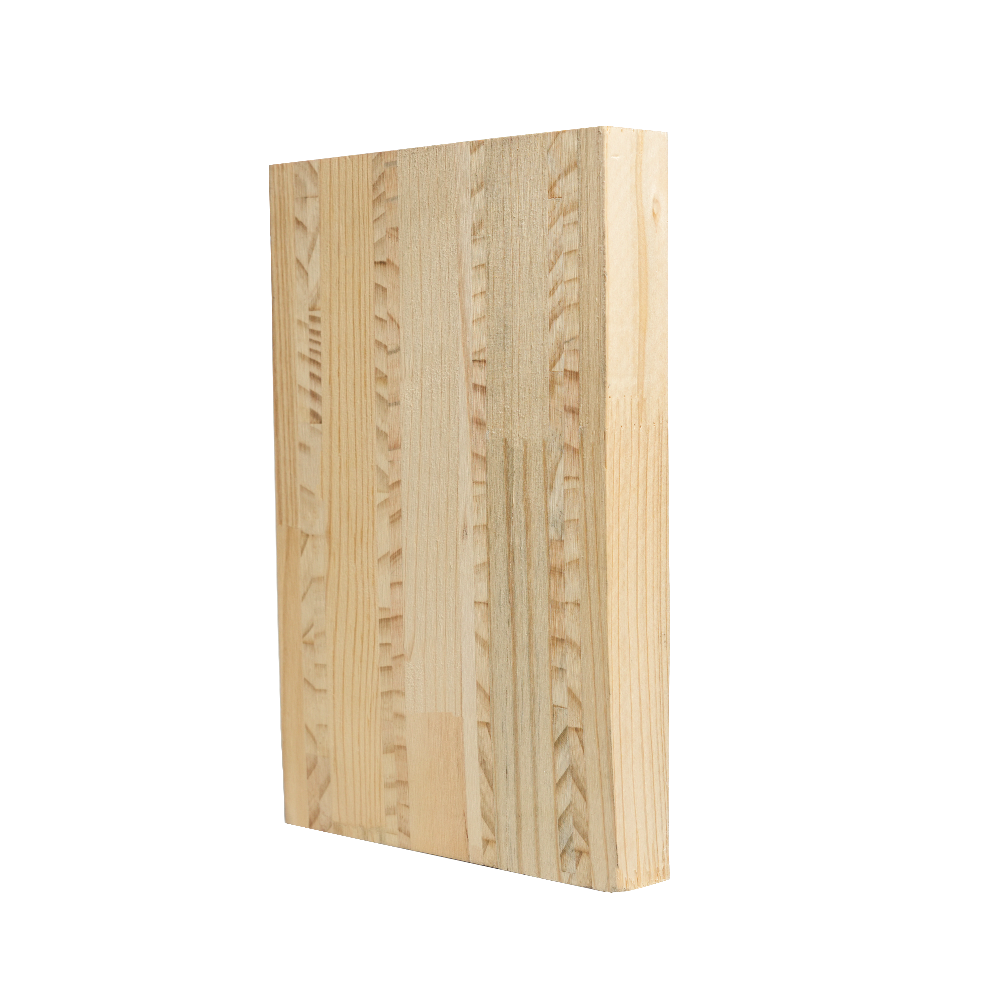
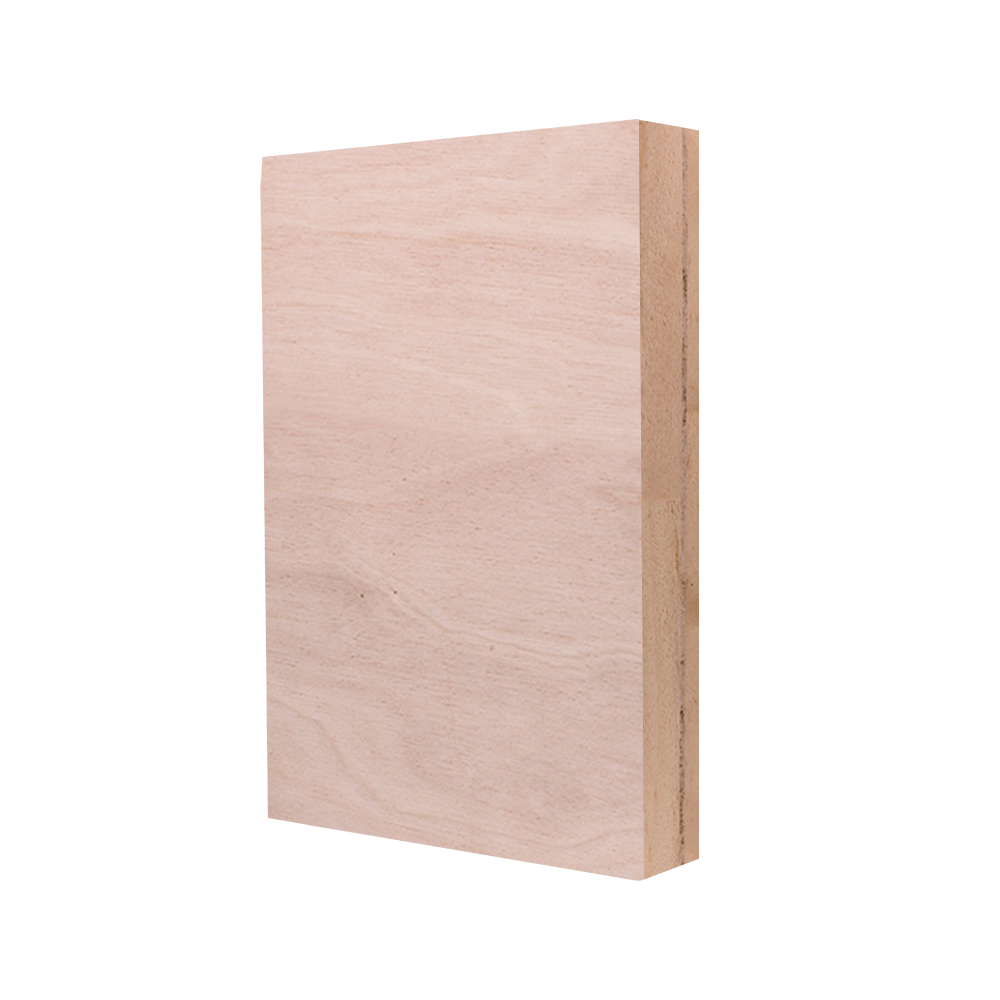
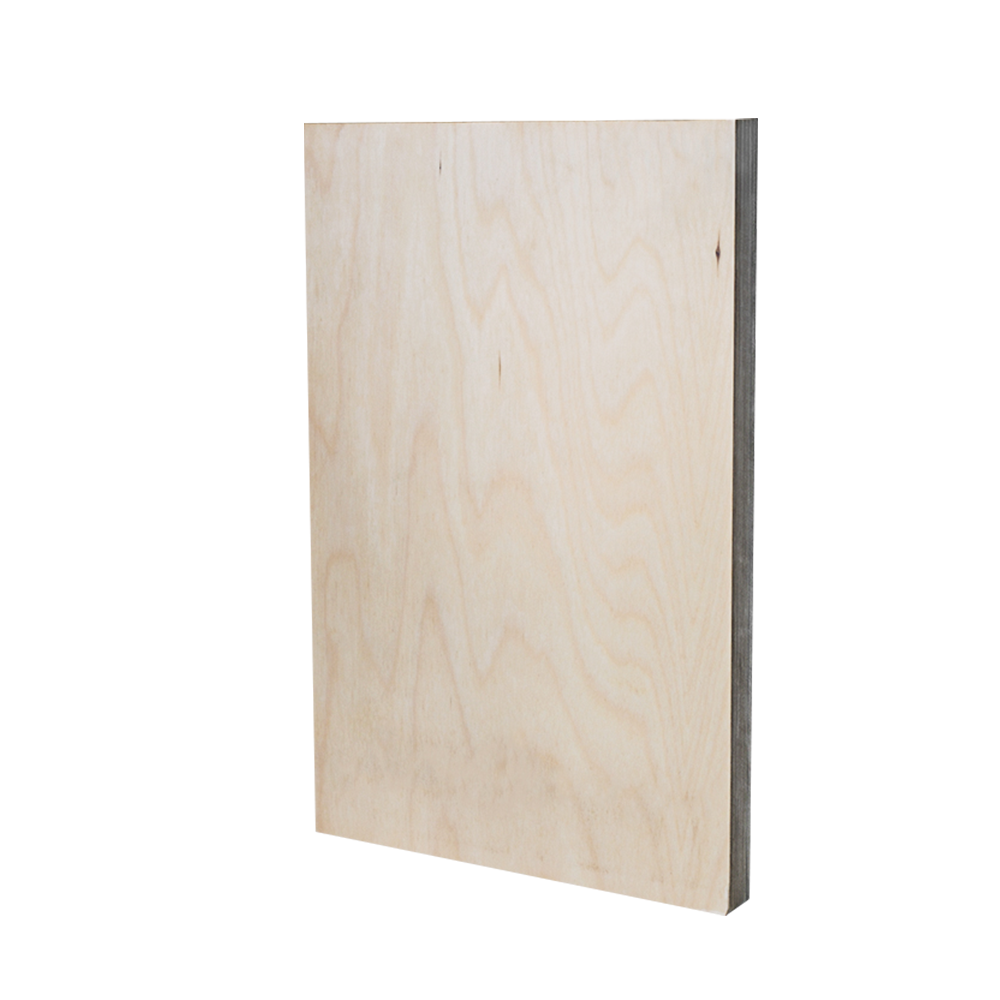
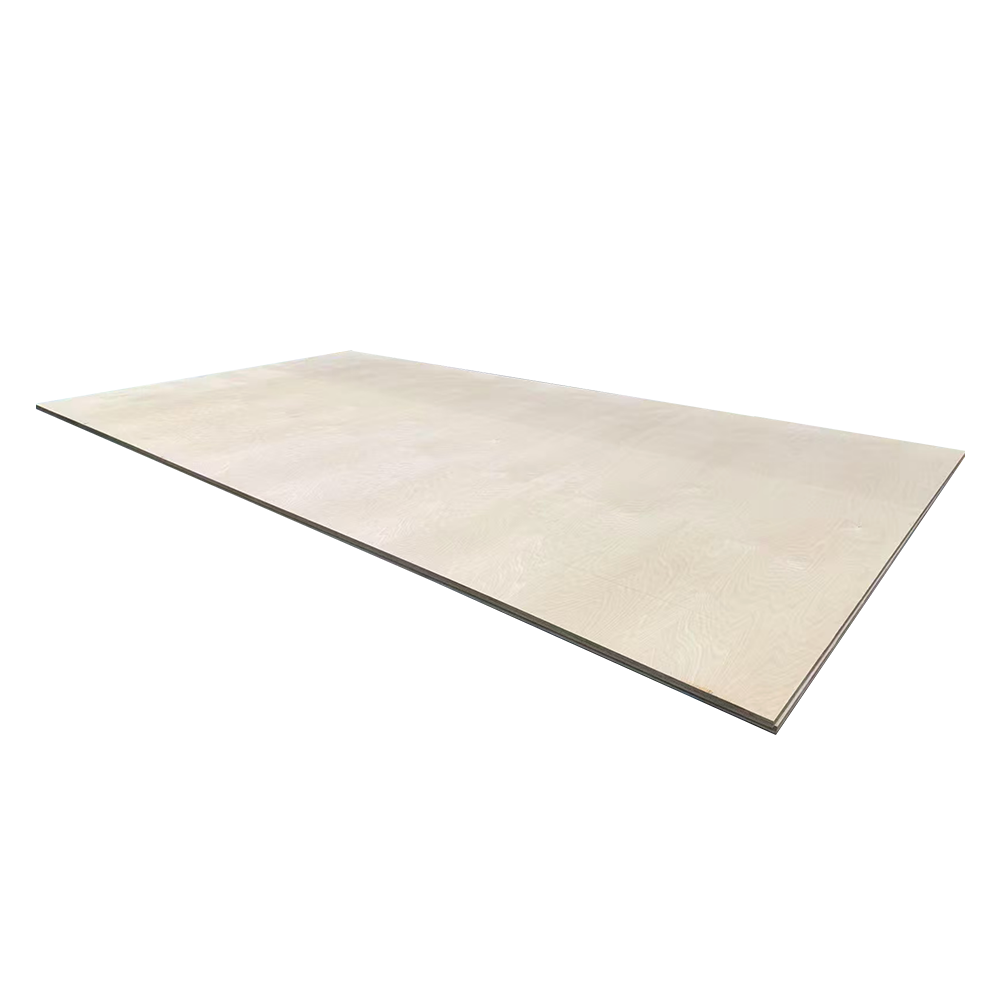
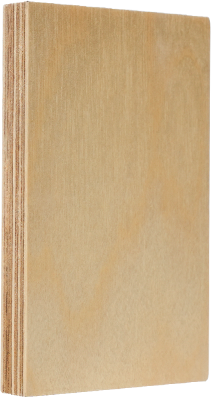 Birch Plywood Manufacturers, Baltic Birch Plywood FactoryTianma Lvjian (Nantong) Wooden Structure Technology Co., Ltd. is Birch Plywood Manufacturers and Baltic Birch Plywood Factory, offer Whol...View Product →
Three performance characteristics explain the reputation birch plywood has earned: strength, stability, and surface quality. Each one is grounded in measurable material behavior, so these claims check out on the workbench, not just on paper.
Birch is a dense hardwood. Typical air-dry density is around 675 kg/m³, while poplar—a common lightweight core material—ranges from roughly 420 to 480 kg/m³. That difference shows up directly as stiffness. Birch also has a Janka hardness near 1260 lbf, which makes its face resistant to dents, scratches, and abrasion.
The layered construction multiplies the effect. Because grain direction alternates from layer to layer, screws are gripped by multiple plies running in different directions, and bending loads spread across the whole sheet instead of concentrating on one weak face. In practice, a thinner birch panel can often replace a thicker softwood panel, which offsets part of the higher per-sheet price.
Wood naturally expands and contracts as humidity changes. A cross-banded plywood structure confines that movement, so the sheet stays flatter than solid wood and most mixed-core plywood. That stability matters for cabinet doors that must stay aligned, workbench tops that should not twist, and floor underlayment where flatness keeps the finished floor trouble-free.
Not all birch plywood is equally moisture-tolerant, though. The glue line is what decides that. Panels bonded with WBP (weather and boil proof) or phenolic resin adhesives are suited to exterior and high-humidity use; interior glue is not. If the project will encounter damp conditions, confirm the glue type before ordering.
The surface is where birch shows its most obvious advantage. The veneer has a fine, closed grain, a light natural tone, and few voids after proper sanding. Higher grades such as B-BB or S-BB arrive smooth and consistent, which means paint, varnish, and clear finishes lay down evenly without heavy preparation.
Edges matter too. In cabinets and shelving, a full birch core produces a clean, uniform edge grain that can be left visible or lightly sealed—something a mixed-core panel cannot honestly offer.
A balanced answer to whether birch is a good plywood also requires acknowledging the three areas where it costs you more—literally or practically.
Birch plywood costs more than pine or poplar alternatives, and for concrete reasons: birch logs are more expensive, peeling and drying thin veneers to tight tolerances is a slower process, and each panel carries more layers. This is not a hidden margin—it is material and labor.
The real question is whether the premium pays for itself. If the panel will be visible, finished lightly, or loaded heavily, the answer is usually yes: birch delivers fewer rejects, cleaner edges, and better long-term flatness. If the panel will be covered, hidden in a wall, or used for a single-season project, a cheaper grade or a softwood panel is the honest choice. Even within birch, a lower face grade such as CP-CP keeps the structural core while reducing surface cost—often the smart middle ground for film-facing and hidden parts.
That same density that makes birch tough also makes it heavy. A sheet can run roughly a third heavier than an equal-thickness poplar panel. In a workshop that is manageable; on a ceiling, a wall, or a multi-sheet delivery, it changes labor and transport planning.
There are cases where the weight is a benefit. Workbenches, acoustic panels, and vibration-sensitive equipment housings appreciate the mass. For load-bearing shelving, the extra weight is simply the price of carrying capacity. The key is to match the panel weight to your handling capability before committing to a full order.
Not every project fits a standard 4 by 8 ft sheet, and birch is not always stocked in every size at every distributor. That said, the range is broader than many buyers expect. XL birch plywood panels reduce seams on large surfaces, thick structural boards cover load-bearing applications, and thin sheets suit model making and laser cutting. Confirm the thickness and size combination you need before planning around it.
Judge the material against the project's actual requirements. This three-step guide turns the comparison above into a purchasing decision.
Start with the application.
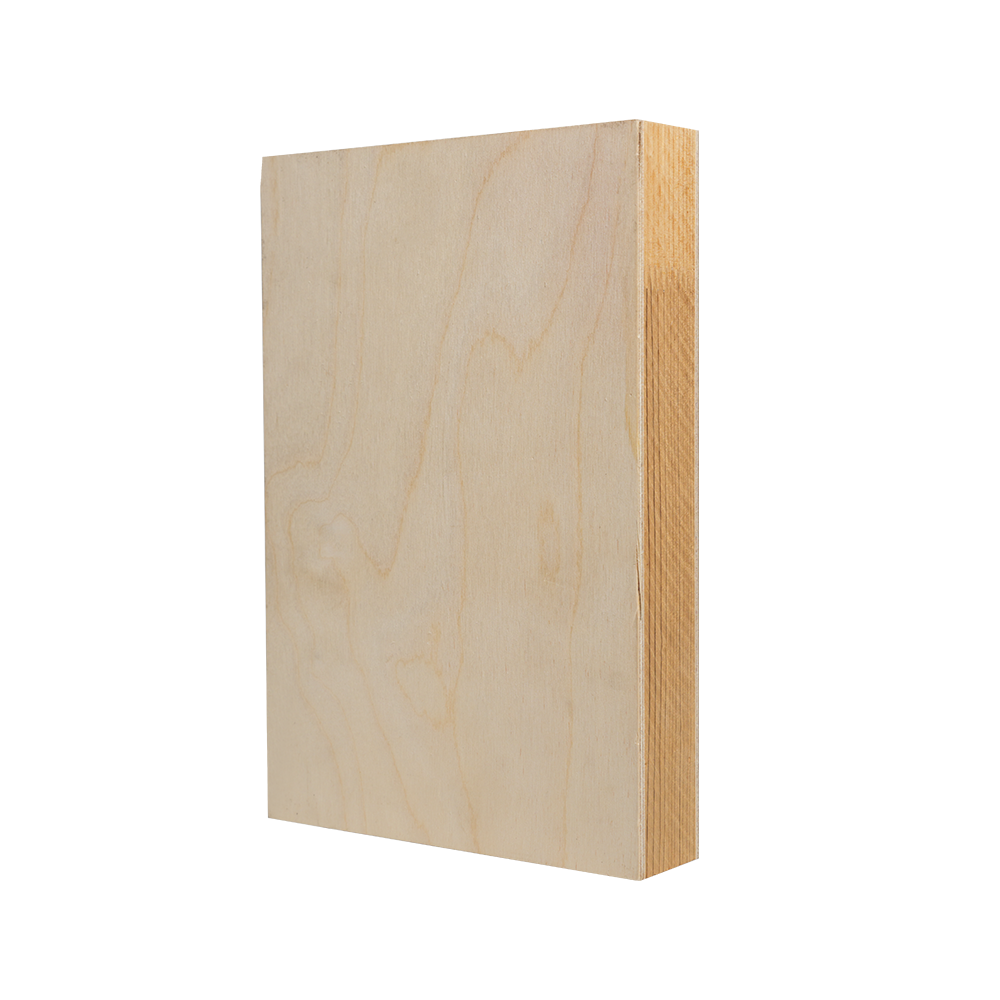
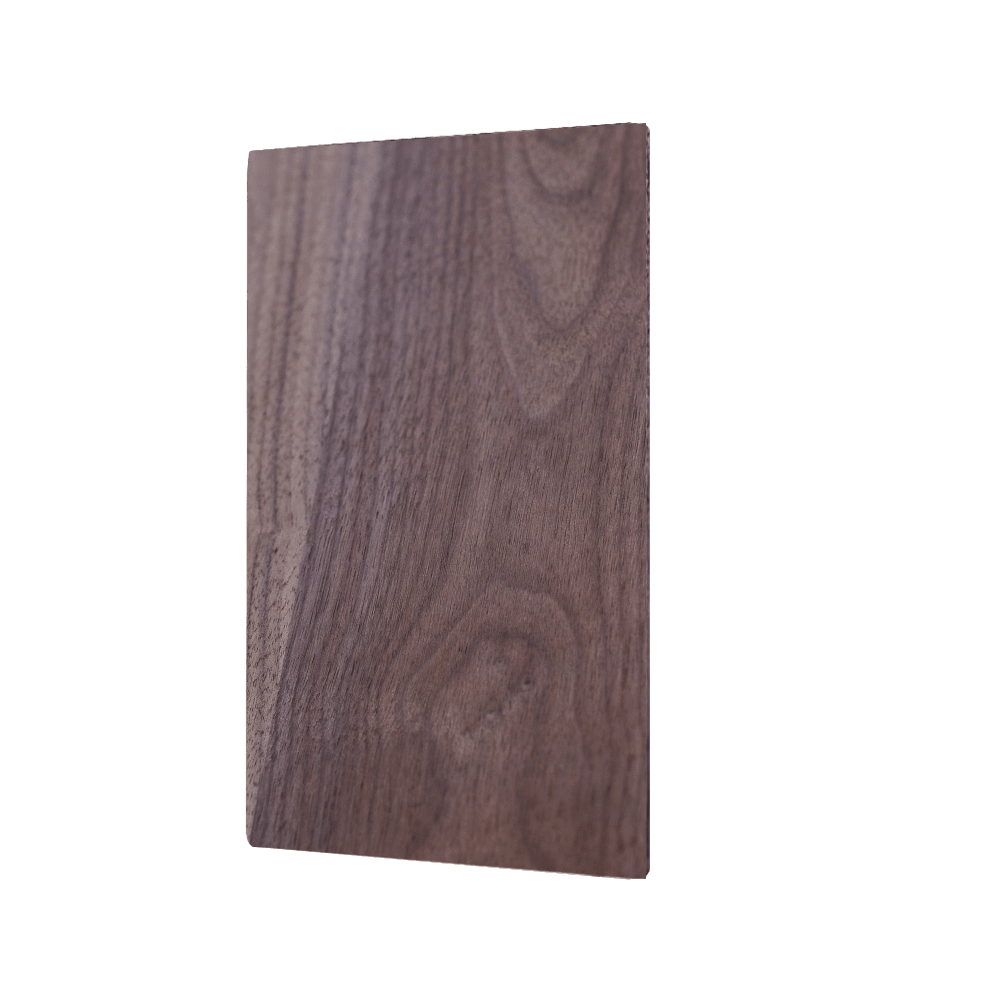
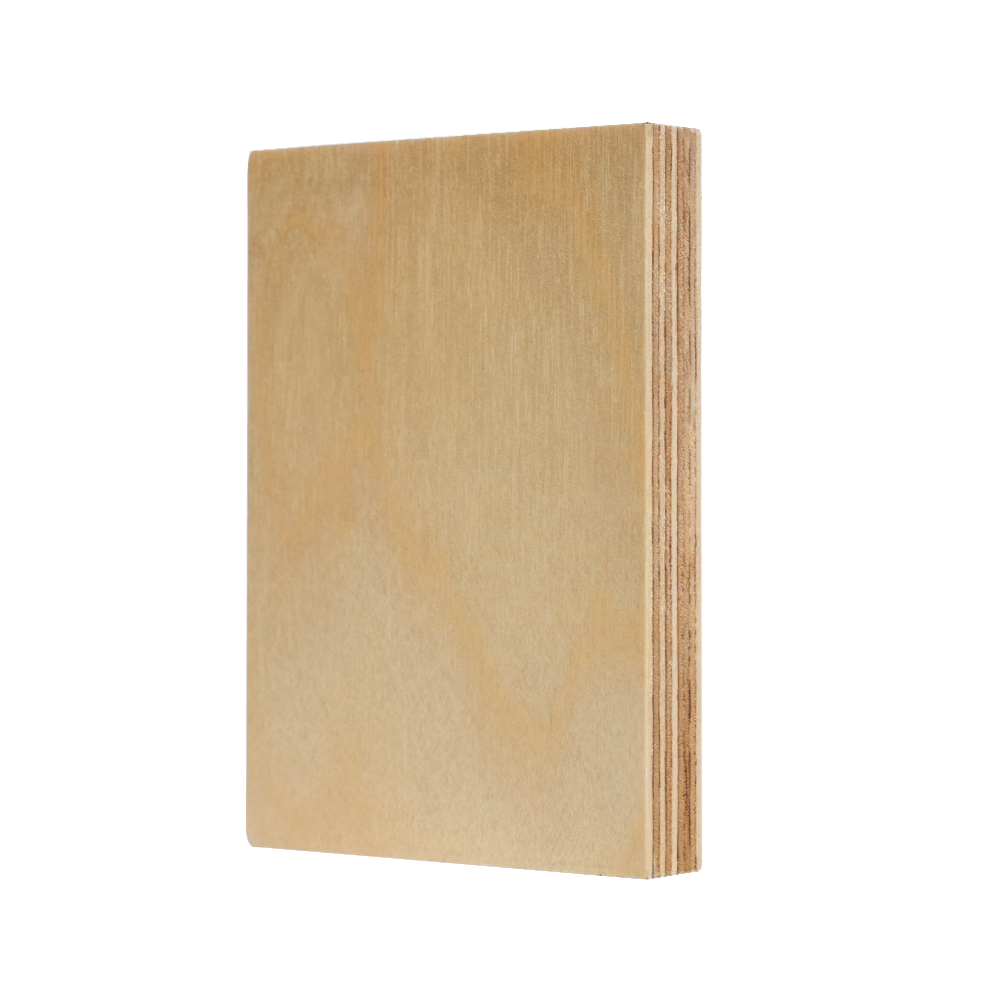 Wholesale High Grade Birch Plywood for Furniture Factory, Manufacturers - TianmaAs China High Grade Birch Plywood for Furniture Manufacturers and Wholesale Factory, Tianma Lvjian Group Co., Ltd. provides types of High...View Product → are the standard for visible carcasses, doors, and drawer components.
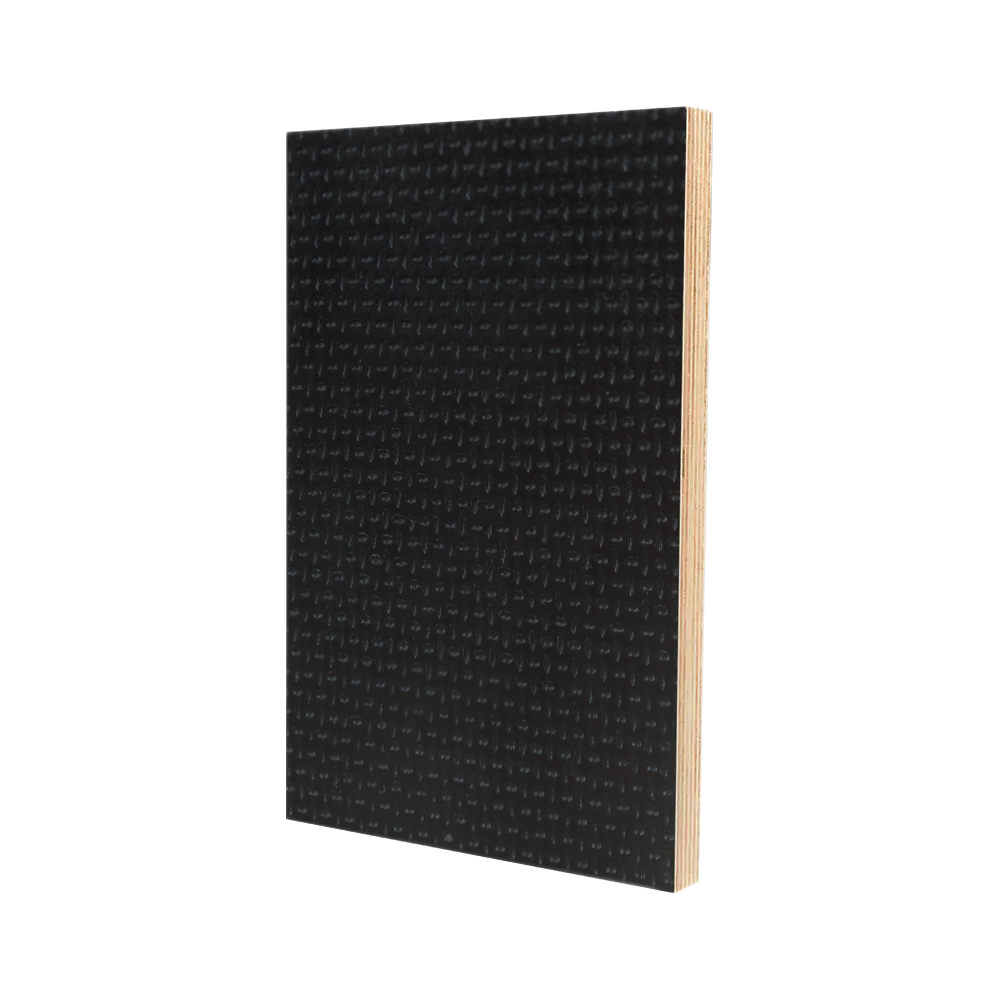
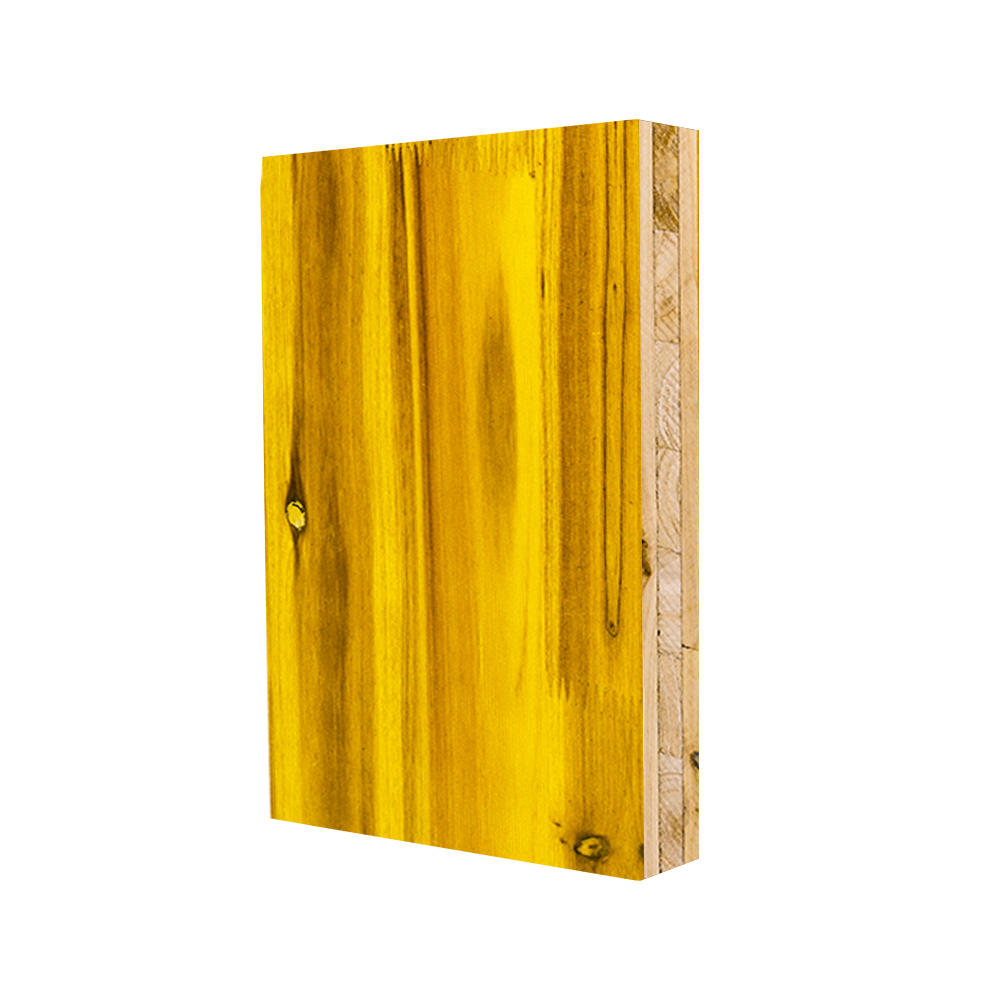
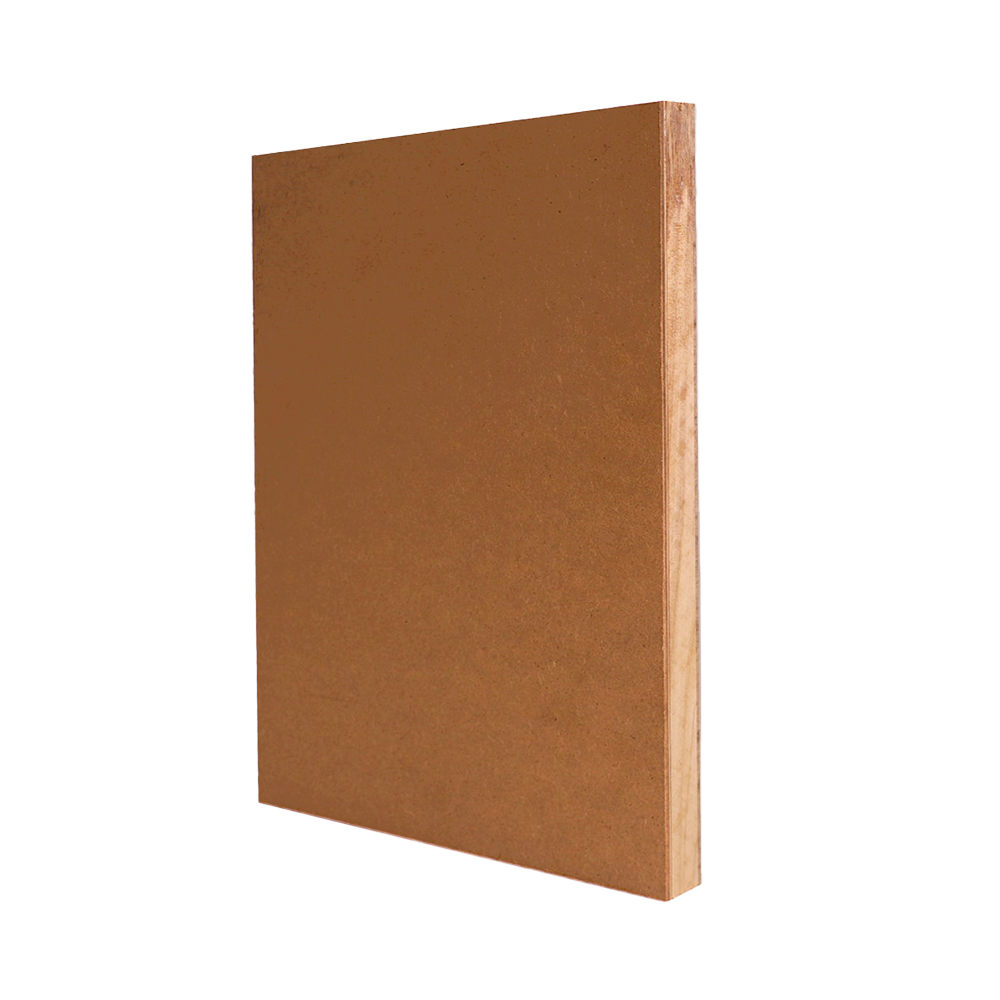
 Wholesale Film Faced Plywood Manufacturers, FactoryTianma Lvjian is Film Faced Plywood Manufacturers and Film-Faced Birch Plywood Factory, offer Wholesale Film-Faced Birch Plywood for a Wi...View Product → is designed to provide.
Surface grade is the biggest lever on price. B-BB grade has a clean, sanded face suited to visible furniture surfaces and clear finishes. BB-BB shows minor patches and slight color variation but stays smooth and serviceable for general cabinetry. CP-CP has a filled and repaired face, which works well for film-facing, hidden surfaces, or painting—but not for clear finishing.
The cost-saving rule is simple: never buy a higher face grade than the surface will actually tolerate. If the panel will be covered by laminate, veneer, or film, a lower grade cuts cost without sacrificing structural performance.
Glue is the invisible spec that decides longevity. WBP and phenolic adhesives provide exterior-level water resistance and are standard in film-faced panels. Melamine and urea-based glues are interior-oriented and far less moisture-tolerant. If the project involves indoor air quality or green-building requirements, formaldehyde-free birch plywood options are worth specifying at the design stage. Ask for the glue type by name rather than assuming plywood is inherently water-resistant.
When the decision sits between birch and a cheaper or lighter panel, a compact comparison table helps. These are the reference values our team uses when customers ask the same question.
| Property | Birch | Pine | Poplar | Sande |
|---|---|---|---|---|
| Approx. density | ~675 kg/m³ | ~450–550 kg/m³ | ~420–480 kg/m³ | ~550–650 kg/m³ |
| Strength and stiffness | High | Moderate | Low to moderate | Moderate to high |
| Surface quality | Smooth, fine grain | Knotty, pronounced grain | Soft, smooth | Smooth, uniform |
| Moisture resistance with WBP glue | Good | Moderate | Moderate | Good |
| Relative cost | Higher | Low | Low to moderate | Moderate |
| Best suited for | Furniture, formwork, structures | Framing, utility use | Lightweight projects | Sheathing, general use |
The short version: choose birch when the surface will be seen, the screws need to hold, or the panel must stay flat. Choose pine or poplar when weight and budget dominate, the surface will be covered, or the job is temporary. Sande sits in between—it offers a decent surface and moderate strength, but it does not match birch in hardness, edge quality, or consistency across a large production run.
Compared with MDF, birch wins on screw-holding power, edge impact resistance, and bending strength. MDF costs less and has a flawless, paint-ready surface, which makes it a reasonable choice for decorative interiors—it just will not carry structural loads.
Yes—with context. Birch plywood is a good plywood when the project demands dimensional stability, surface quality, and holding power. It is the material we recommend for furniture, cabinetry, concrete formwork, and any application where a rejected sheet costs more than the price difference between birch and softwood.
It is not the best tool for every job. If the panels are hidden, the project is temporary, or the budget is fixed at the softwood level, birch is over-engineering. The smart move is to separate "good for you" from "good in itself": birch is objectively high-performance, but it earns its cost only when the project needs those properties.
Run your requirements through that filter again: visible surfaces, structural demands, humidity exposure, edge quality, screw-holding. Where those appear, birch keeps looking better. Where they do not, the money stays in your pocket. For a fuller discussion of the trade-offs, take a deeper look at the advantages and disadvantages of birch plywood.
related products


Copyright © Tianma Lvjian Group Co., Ltd. Rights Reserved.
Wholesale Construction Plywood Manufacturers Privacy
 English
 中文简体
中文简体