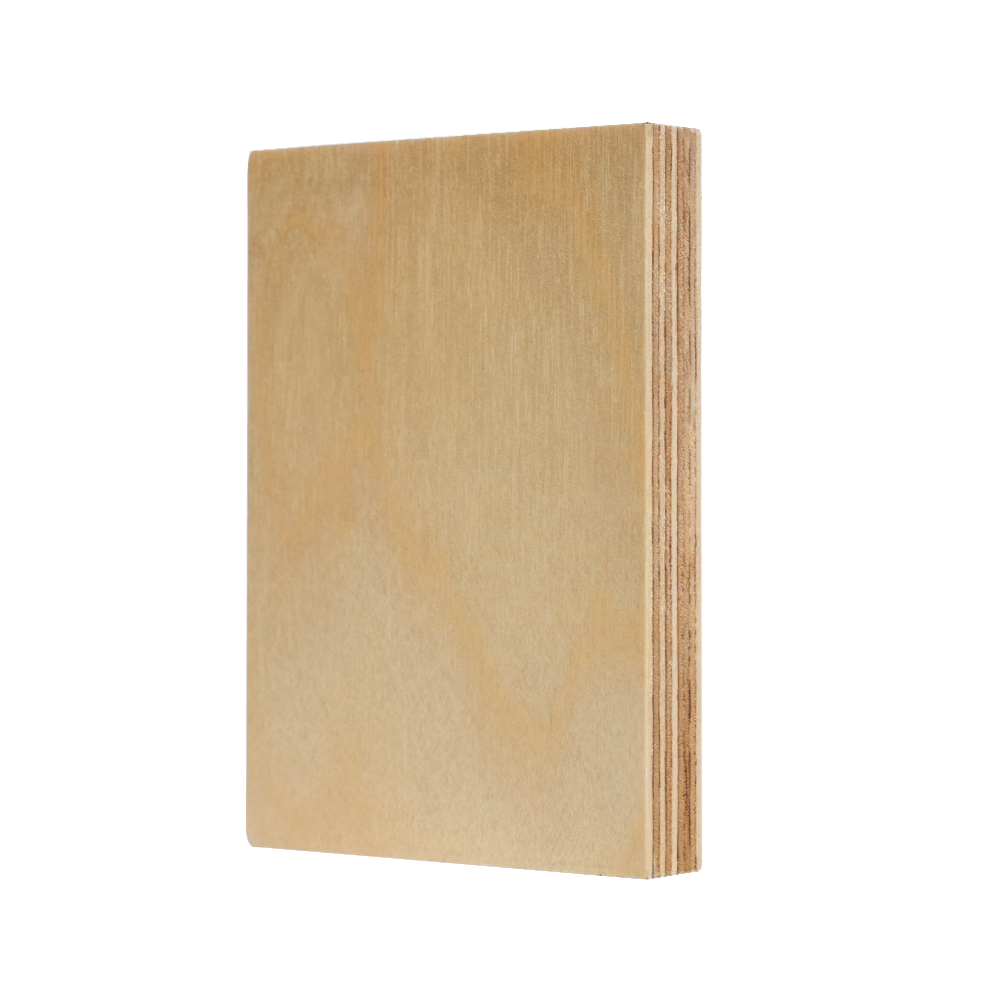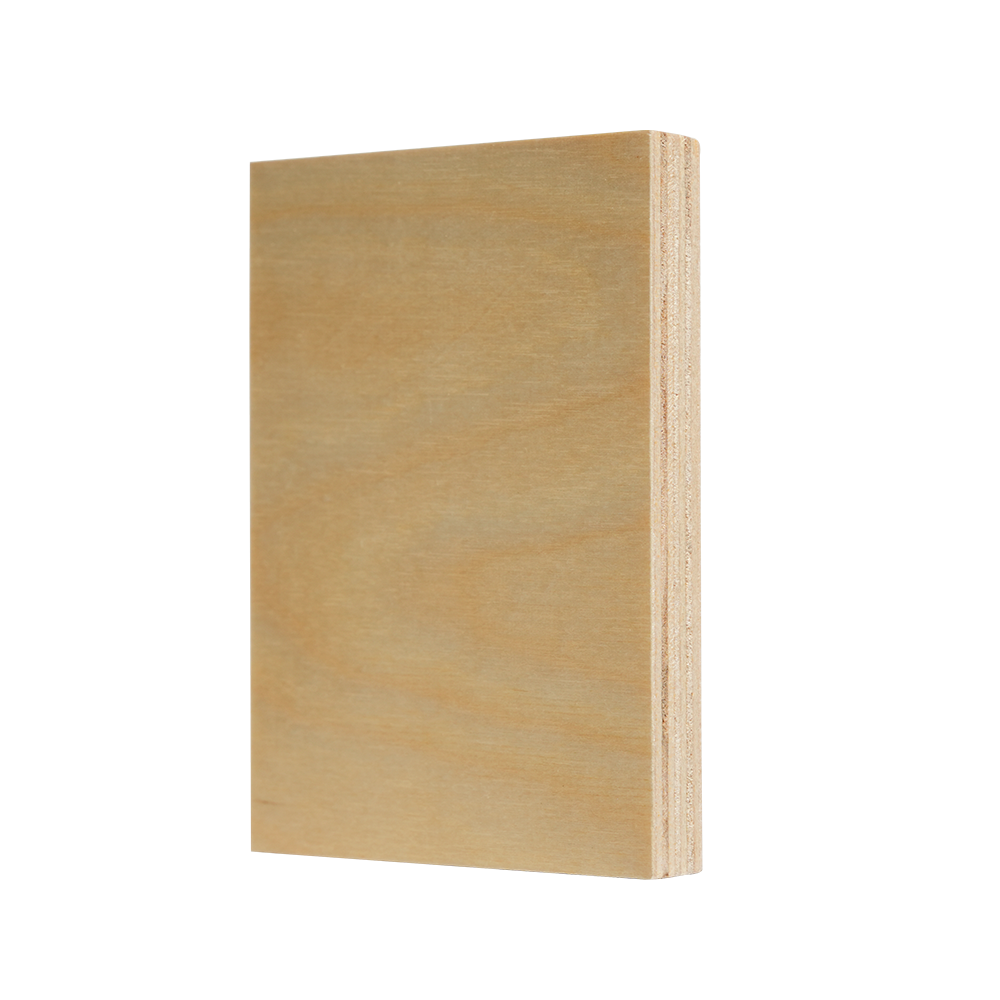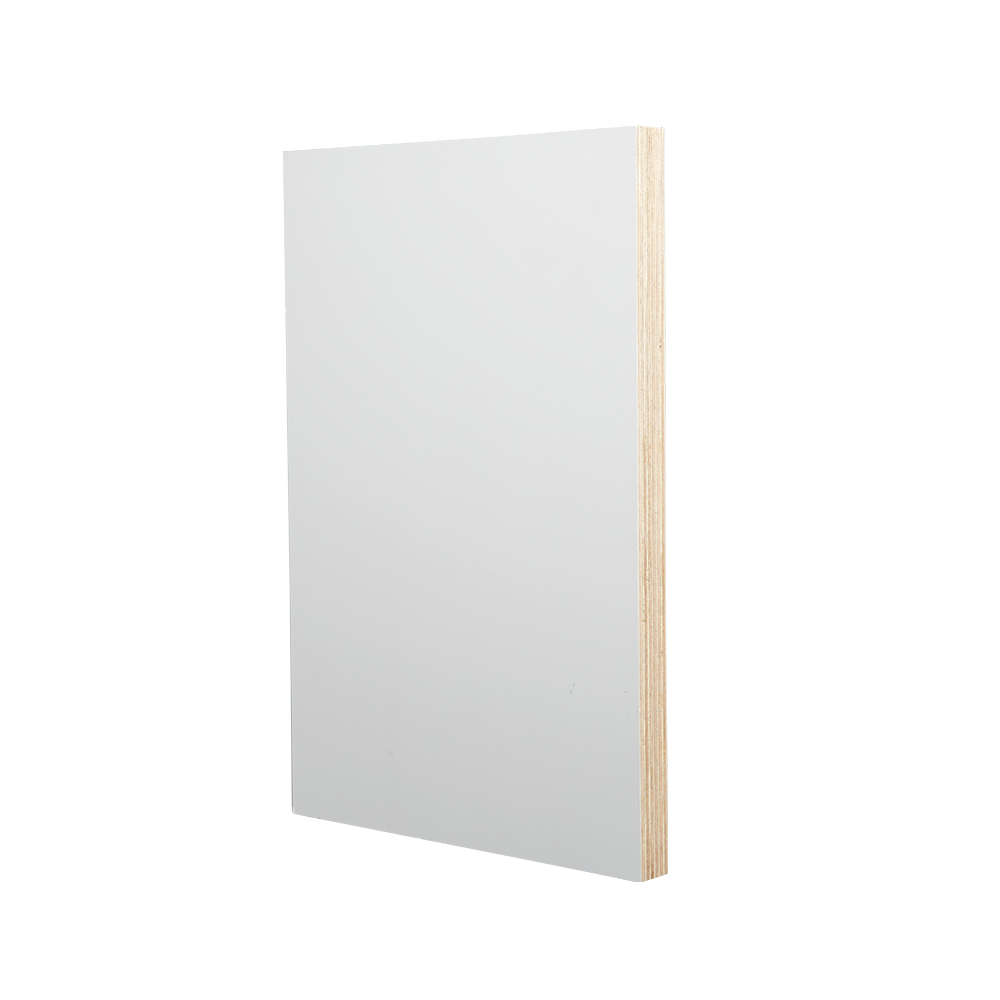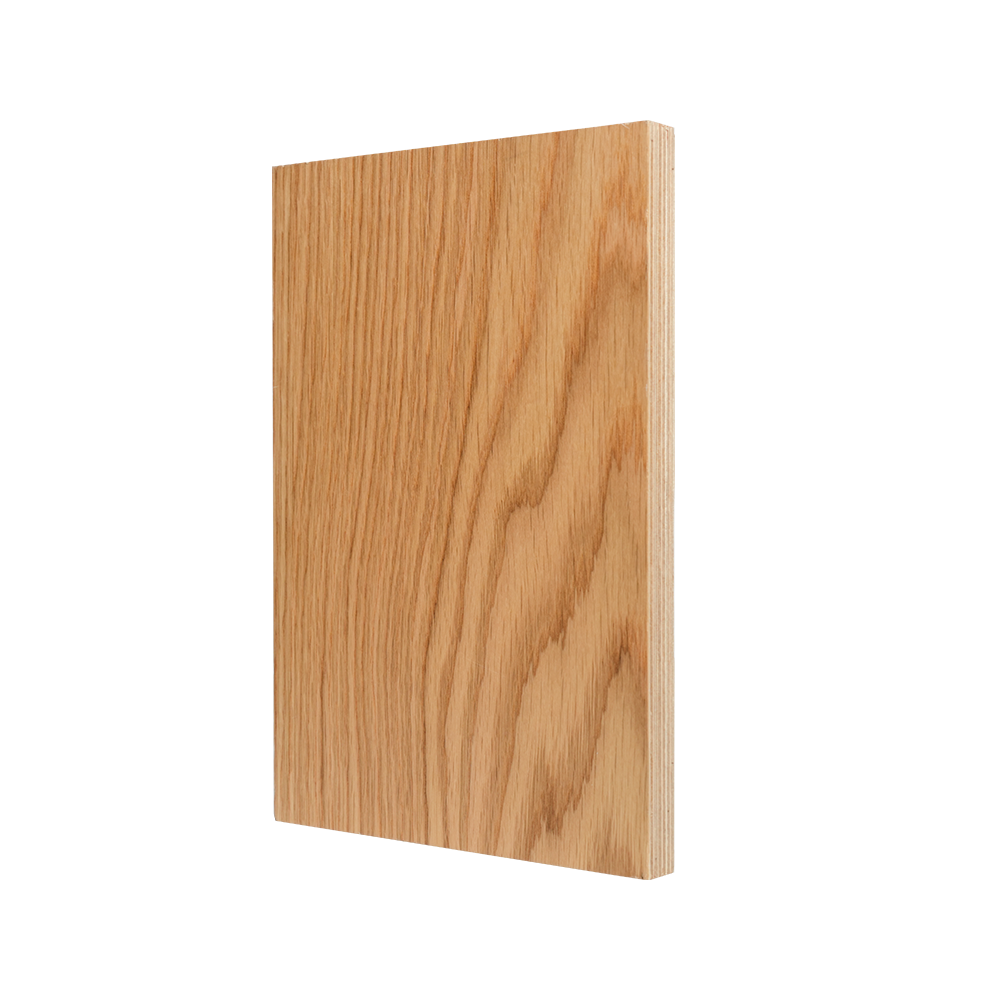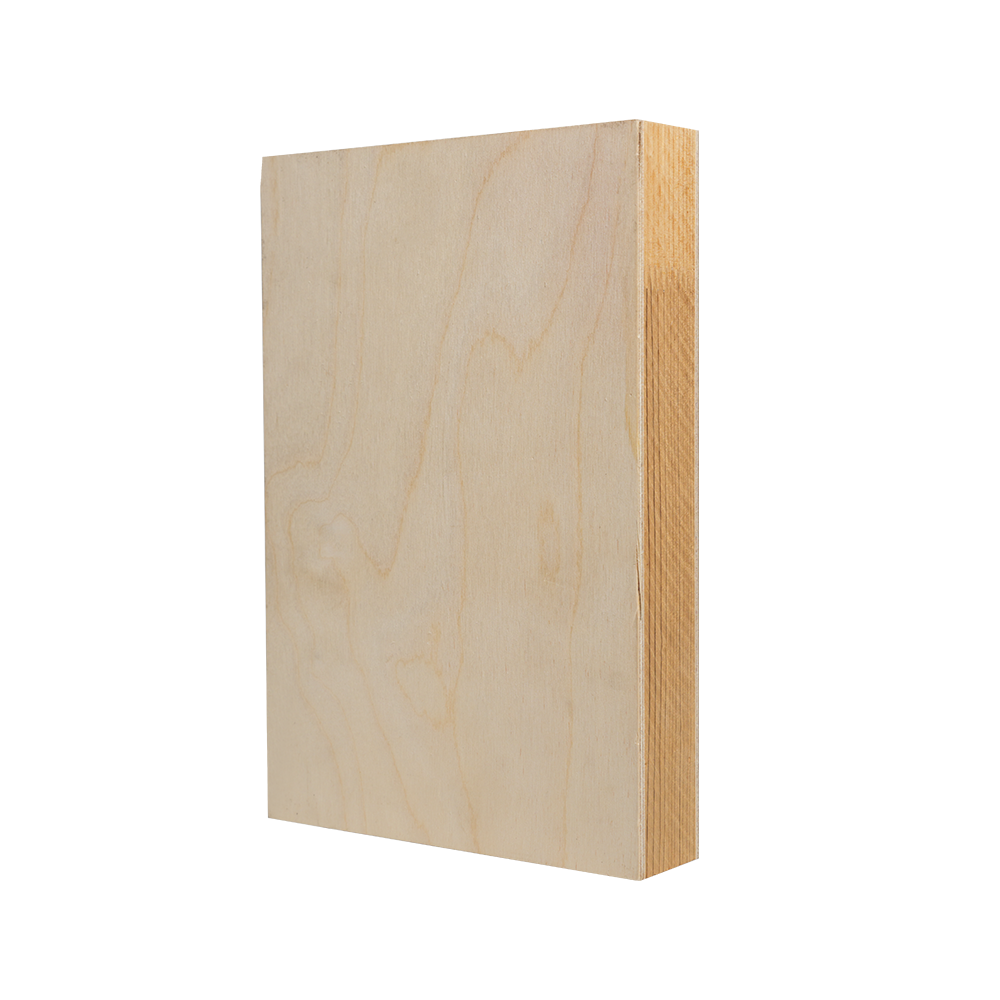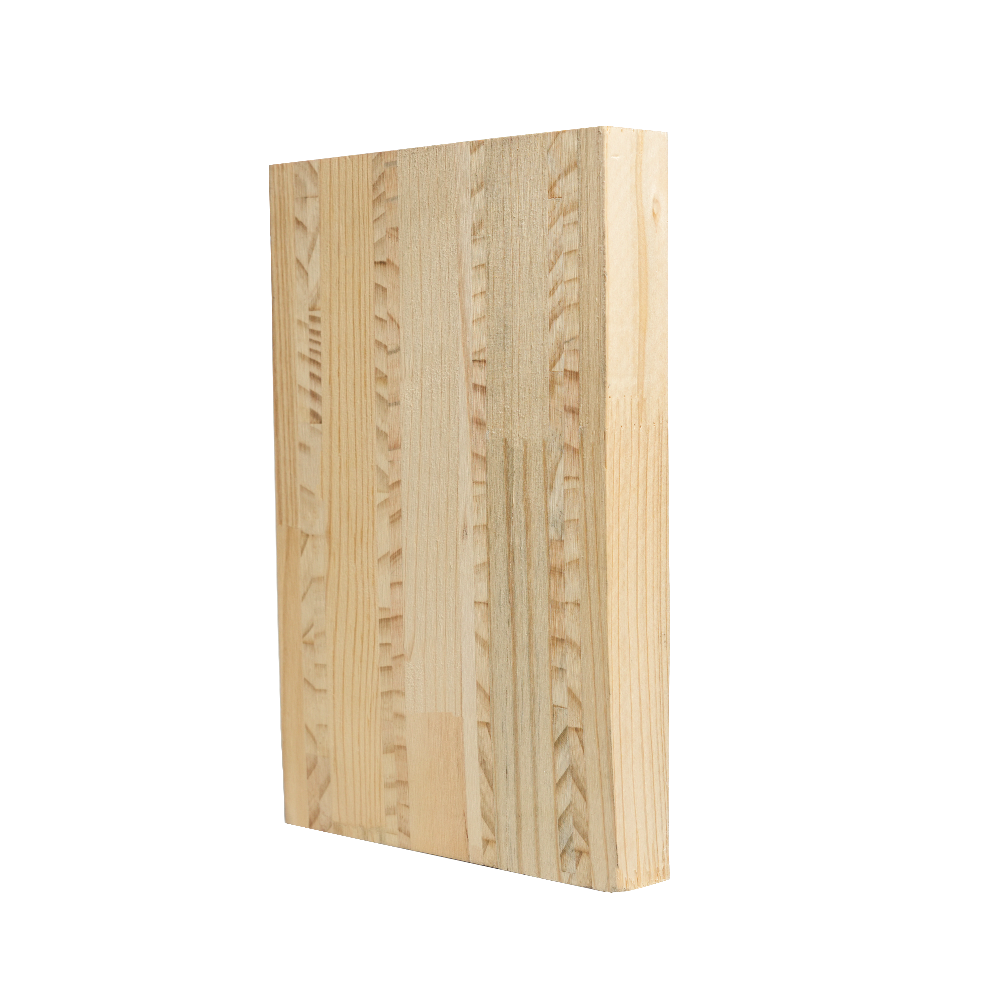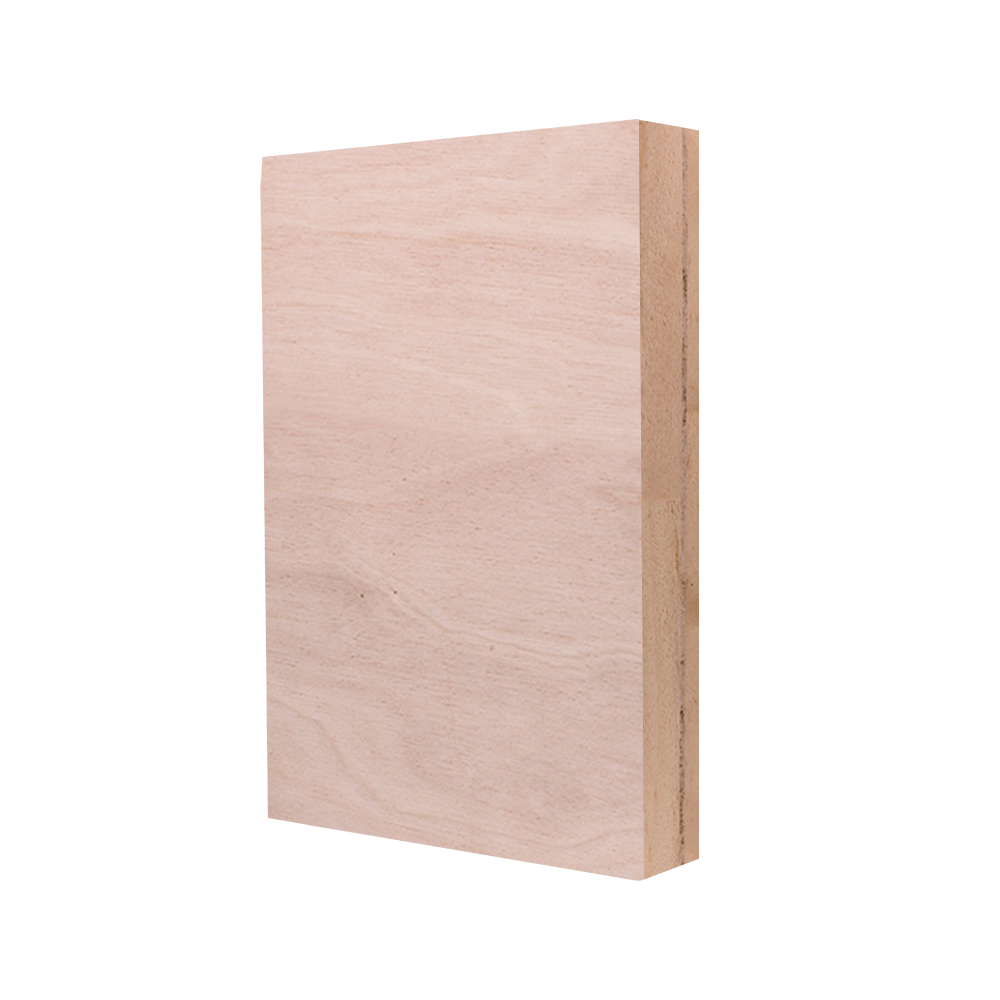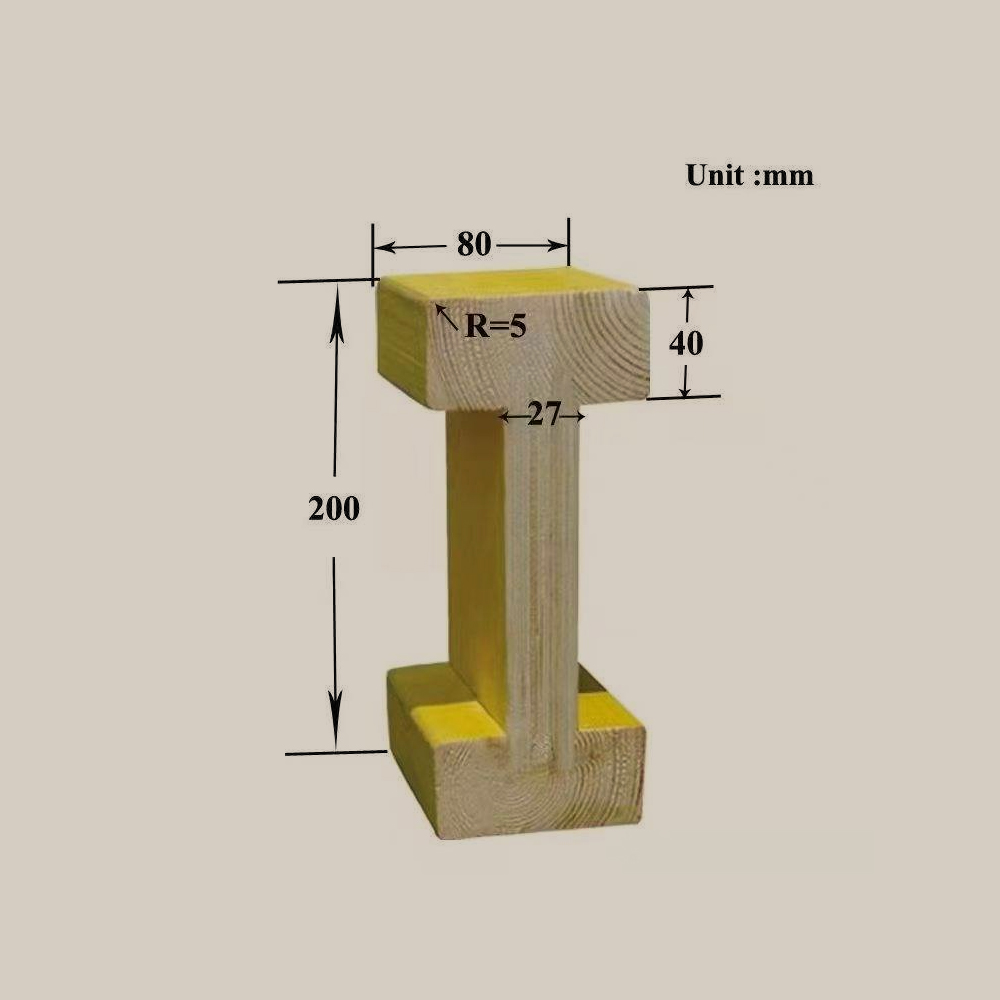

Selecting the right panel material is the starting point of every furniture production line. Furniture Plywood is engineered specifically for cabinetry, tabletops, seating frames and structural furniture components, offering a level of dimensional stability that solid timber alone cannot match. As a manufacturing facility producing panels daily for furniture workshops, we work with cross-laminated veneer construction, controlled moisture content, and calibrated hot-press cycles to keep every sheet flat, straight and free of internal voids. This page walks through grading systems, core construction, bending methods, finishing compatibility and the production specifications buyers commonly request.
A finished furniture panel is built from an odd number of thin veneer layers, each rotated ninety degrees relative to the layer beneath it. This cross-grain arrangement cancels out the natural expansion and contraction that occurs along the wood grain, which is why furniture plywood grades resist warping far better than a single slab of solid timber of the same thickness. The face veneer determines appearance, the core veneers determine strength, and the adhesive system determines moisture resistance and bonding durability. On our production floor, veneer moisture content is checked before pressing to stay within a narrow tolerance band, since veneer that is too wet or too dry produces delamination after the panel leaves the factory.
Softwood Plywood
Pine or fir veneer core, lighter weight, commonly used for backing panels, drawer bottoms and non-visible structural layers inside case goods.
Hardwood Plywood
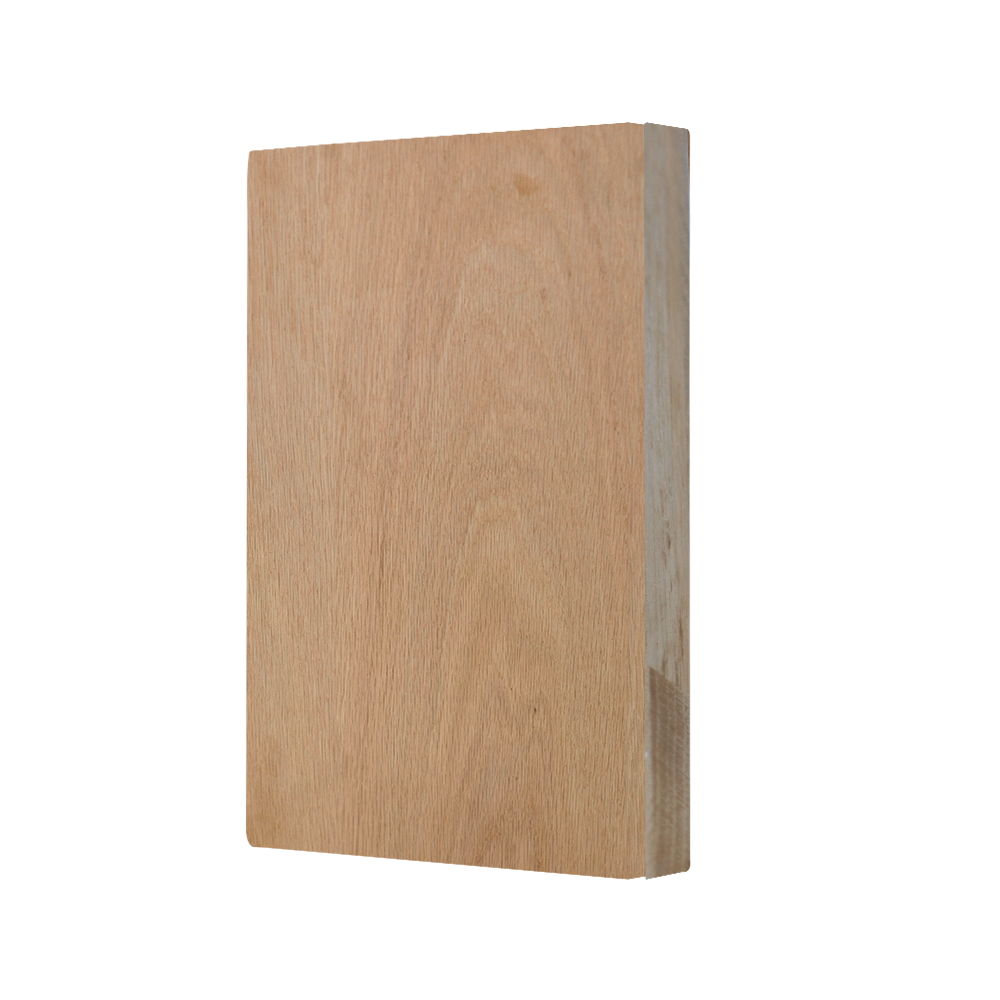
Oak, birch, ash or walnut face veneer over a hardwood or combination core, selected where visible grain, screw-holding strength and load capacity all matter.
Tropical Plywood
Dense, uniform veneer layers with consistent thickness across the sheet, favored for precision cutting, CNC edge profiling and tight-tolerance joinery.
Aircraft Grade Plywood
The highest bonding and strength classification, produced under strict adhesive and pressure standards; rarely used in furniture due to cost, but occasionally specified for load-bearing structural inserts.
These four categories answer the common question of what are the four types of plywood, and each one behaves differently once it reaches a workshop saw or CNC router. Hardwood plywood furniture components generally receive the most attention during production because they combine visible surface quality with structural responsibility, supporting shelf loads, drawer runners and joinery hardware.
What is furniture grade plywood called on a production order sheet usually comes down to a letter-based rating applied to each face of the sheet. The table below outlines how panels are separated by surface condition, a system every furniture grade plywood buyer should understand before placing a cutting list.
| Grade | Surface Condition | Typical Application |
| A Grade | Smooth, tight grain, minimal color variation, no open knots | Exposed cabinet doors, tabletops, visible panel faces |
| B Grade | Small filled knots, slight color variation permitted | Semi-visible sides, interior cabinet panels |
| C Grade | Visible knots, some patching, rougher texture | Structural layers, hidden framing, back panels |
| D Grade | Open knots, splits, unfilled voids | Non-furniture use, packaging, temporary bracing |
Baltic birch plywood for furniture is produced from full birch veneer through every layer of the sheet, rather than a birch face over a mixed-species core. This gives it a dense, void-free edge that can be left exposed without banding, which is why cabinet makers request it for drawer boxes, shelving with visible edges, and modern furniture designs where the layered edge itself becomes part of the aesthetic.
Layer Density
Baltic birch typically contains 13 to 15 thin veneer layers per 12mm thickness. Standard hardwood plywood furniture panels use fewer, thicker core layers.
Edge Appearance
Baltic birch edges show a clean, even striped pattern suitable for exposed use. Standard hardwood plywood usually needs edge banding or paint coverage.
Screw Holding Strength
Higher layer count in baltic birch improves screw and hinge retention near panel edges, reducing splitting during hardware installation.
Panel Flatness
Both types maintain strong flatness after pressing, though baltic birch shows slightly less deflection under sustained shelf loading over time.
Plywood furniture production follows a defined sequence from raw sheet to finished component. On a factory floor, this typically runs through the following stages, each affecting the final strength and appearance of the piece.
01
Panel Selection and Cutting
Sheets are matched by grain direction and grade before being cut to size on a panel saw or CNC nesting router.
02
Edge Treatment
Exposed edges receive banding, solid wood lipping, or are left raw depending on the plywood type and design intent.
03
Joinery and Assembly
Panels are joined using dowels, biscuits, dado joints or cam locks, reinforced with glue at load-bearing connections.
04
Sanding and Preparation
Surfaces are sanded through progressive grits to prepare for staining, painting or clear coating.
Curved furniture components require a different approach than flat panel cutting. Two forming methods are used depending on the required curvature and structural load the finished piece needs to carry.
Wet forming involves soaking or steaming a standard panel until the veneer layers soften enough to flex around a mold. The panel is clamped in place until it dries fully and holds the new shape. This method works for gentle curves such as rounded cabinet fronts.
Laminated bending uses thin, unglued veneer sheets stacked and pressed directly against a curved mold with adhesive between each layer. Because bonding happens while the shape is already curved, the resulting panel holds tighter radii and greater structural strength, making it the preferred method for curved chair backs, bent armrests and sculptural furniture frames.
Can you paint plywood furniture is one of the most frequent questions from workshops sourcing panels for painted cabinetry lines. The answer is yes, provided the surface is properly sealed first. Raw veneer face grain and any exposed edge grain absorb primer unevenly, so a sanding sealer or primer coat is applied before color paint to prevent blotching.
Brush and Roller Painting
Suitable for flat panels after filling seams and nail holes with wood filler, followed by two coats of primer and topcoat.
Spray Painting
Can you spray paint plywood furniture — yes, and spray application gives a smoother, more even finish than brushing, particularly on curved or profiled edges where brush marks are hard to avoid.
Clear Coating
Used on A grade hardwood plywood furniture faces to preserve natural grain while adding surface protection against moisture and scratching.
Refinishing Existing Pieces
Can you refinish plywood furniture depends on veneer thickness remaining. Light sanding followed by new stain or paint works well; aggressive sanding risks cutting through thin face veneer into the core layer.
What kind of plywood is used for furniture?
Hardwood face veneer plywood with a stable core is the standard choice, selected based on the visible grade needed for exposed surfaces and the core density needed for structural parts.
What type of plywood is best for making furniture?
For visible surfaces, A grade hardwood plywood with birch, oak or walnut veneer offers the best balance of appearance and strength. For hidden structural layers, C grade panels reduce cost without affecting durability.
What are the four types of plywood?
Softwood, hardwood, tropical and aircraft grade plywood represent the four primary classifications, each suited to different load and appearance requirements.
What is furniture grade plywood called?
It is commonly referred to as cabinet grade plywood or AB grade plywood, named for the surface rating applied to the two exposed faces of the panel.
As a manufacturing facility, panel specifications are adjusted based on the furniture application, from thin drawer components to structural tabletop cores. The specification set below reflects the range typically produced for furniture workshops sourcing directly from our press lines.
Thickness Range
3mm to 25mm, produced in standard and custom increments depending on structural requirement.
Core Options
Poplar core, combi core, and full hardwood core, selected for weight, screw holding and cost balance.
Face Veneer
Birch, oak, ash, walnut and other species available with A, B or C surface grading on each face.
Adhesive Systems
Interior and moisture-resistant bonding options available depending on end-use environment and finishing plan.
Panel Sizes
Standard full sheets alongside pre-cut panel sizes matched to common furniture component dimensions.
Surface Testing
Every batch checked for flatness, moisture content and bond line quality before packing for shipment.
Understanding furniture plywood grades, core construction and finishing behavior helps workshops plan cutting lists, reduce material waste, and match the right panel to each visible or structural role within a finished piece. Whether sourcing baltic birch plywood for furniture with exposed edge detailing, or standard hardwood plywood furniture panels destined for painted cabinetry, matching grade to application at the ordering stage prevents rework once production is underway.
related products


Copyright © Tianma Lvjian Group Co., Ltd. Rights Reserved.
Wholesale Construction Plywood Manufacturers Privacy
 English
 中文简体
中文简体