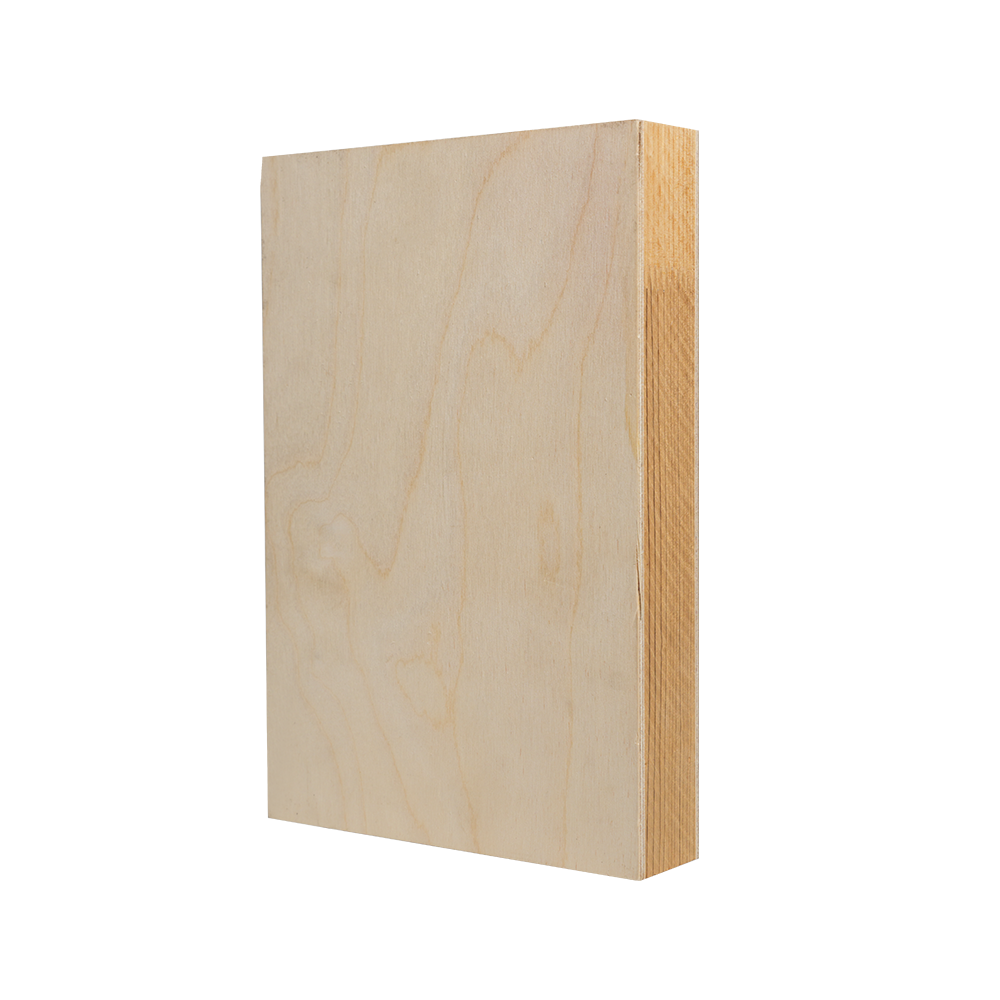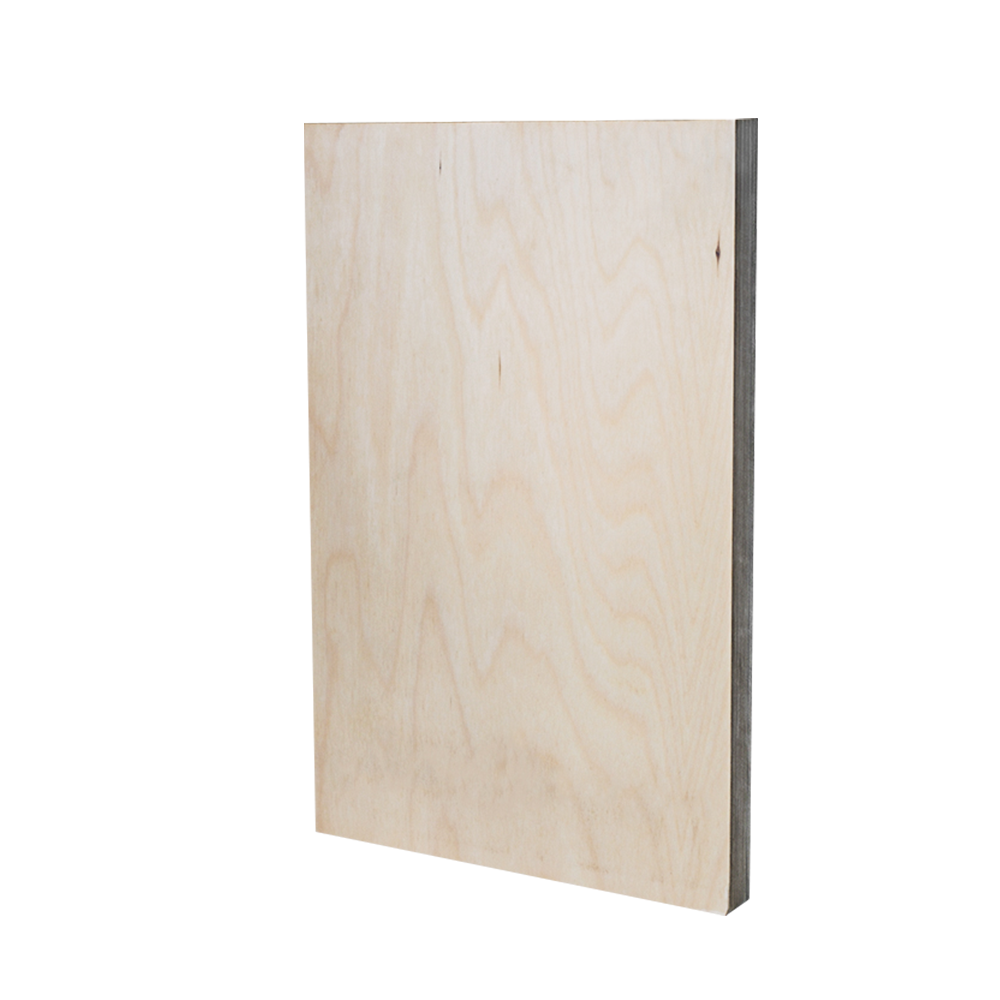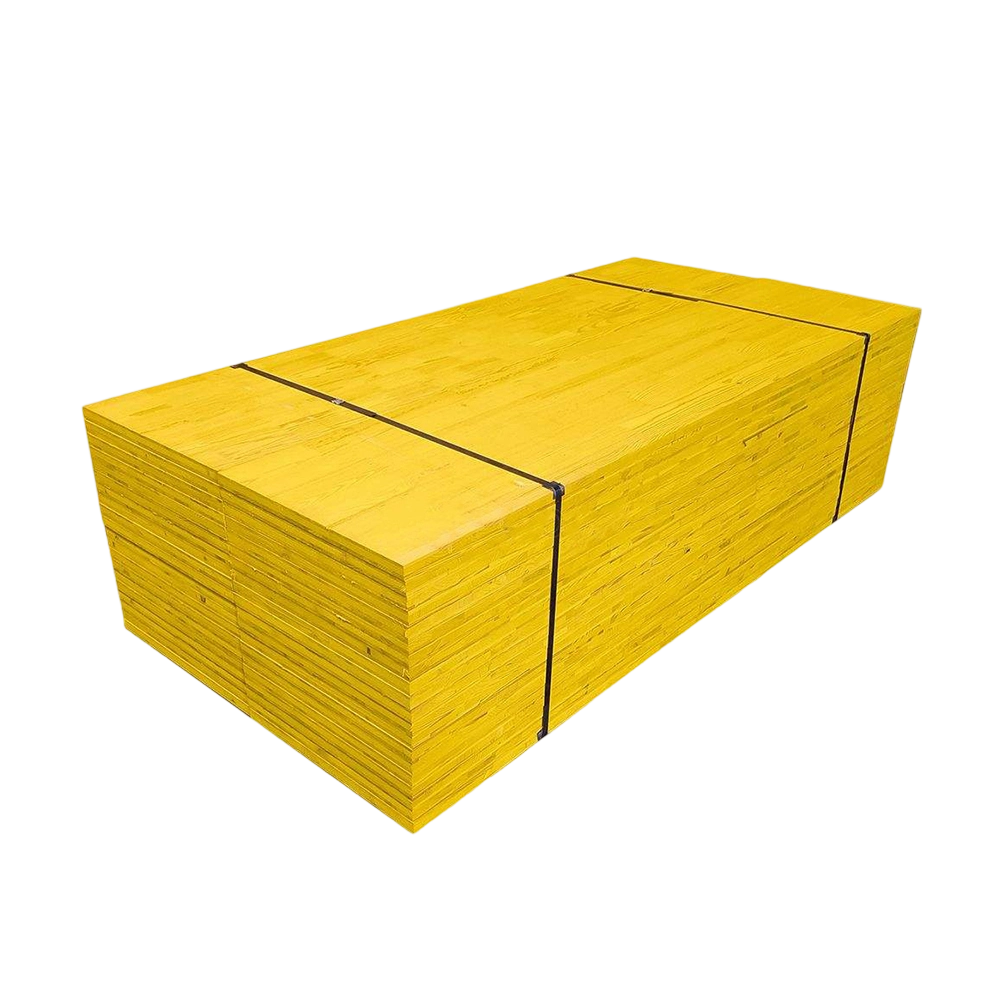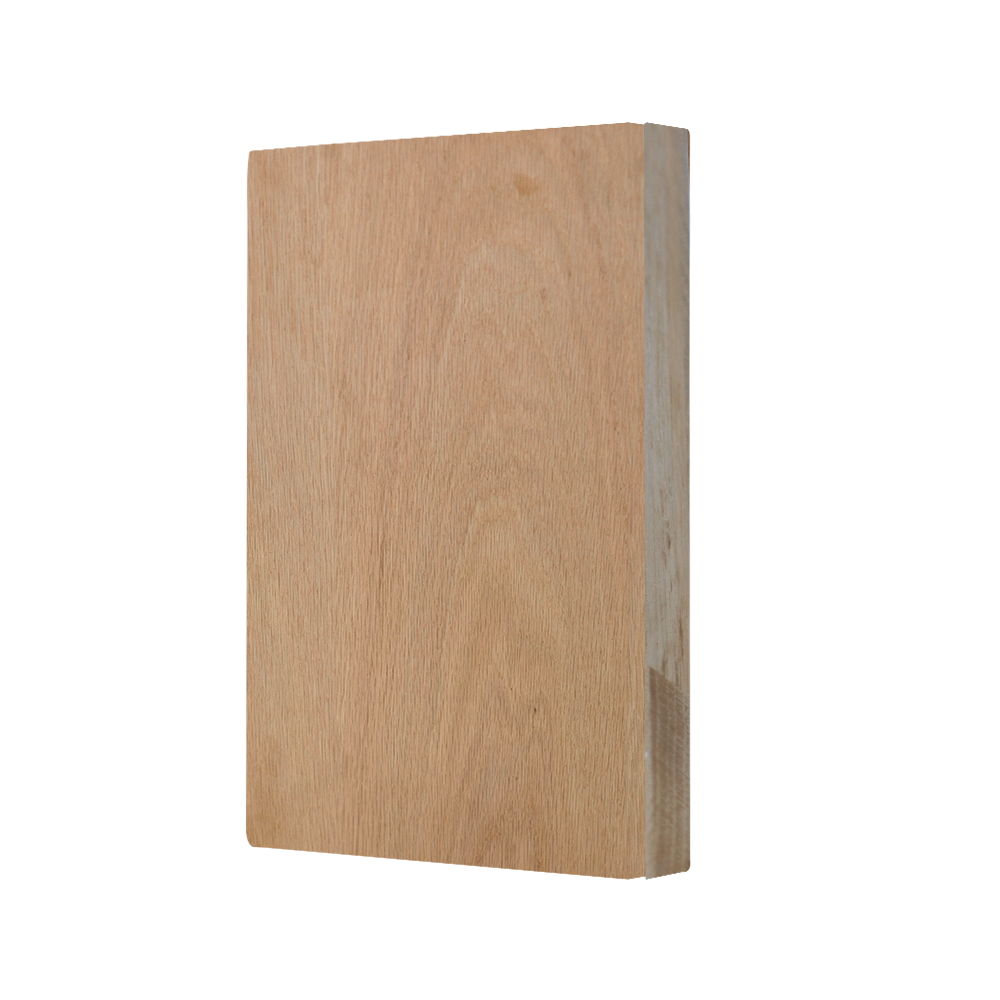

Birch plywood is an engineered wood panel made by bonding multiple thin layers of birch veneer together under heat and pressure. Each layer is stacked with its grain running at a 90-degree angle to the layer beneath it, a construction known as cross-lamination. This alternating grain structure gives the panel a high strength-to-weight ratio, excellent dimensional stability, and a smooth, uniform face that softwood plywoods cannot match.
The birch used in these panels comes from temperate hardwood forests across Europe, North America, and parts of Asia. Because birch is a dense, fine-grained hardwood, its veneers are harder and tighter than those peeled from pine or spruce. When every layer, including the core, is made from birch veneer, the product is described as full-birch-core plywood sheets, a construction that maximizes edge quality and internal bond strength.
In short, when a project demands flatness, stability, clean cuts, and a reliable surface for finishing, birch plywood is one of the most dependable choices available.
The production sequence has five essential stages:
The cross-laminated structure is central to stability. As one ply tries to expand or shrink with humidity, the perpendicular ply beneath it holds it in check. Voids in the core create weak points that later telegraph through the face, which is why we inspect core integrity, glue coverage, and layer alignment at every stage. No amount of sanding can repair a defective core.
Birch plywood's reputation rests on a handful of measurable properties:
These properties come from careful veneer selection, precise gluing, and controlled pressing. They are why birch plywood keeps performing long after cheaper panels have warped or delaminated.
Birch plywood carries a two-letter grade code describing the appearance of its two faces. The first letter refers to the front face, the second to the back. The front is always the cleaner of the two; the back is allowed more natural features because it is usually hidden.
An important distinction: grade describes outward appearance, not structural capacity. A B-BB and a C-C panel made with the same core, adhesive, and ply count share nearly identical strength. You are paying for face quality, not higher physical performance.
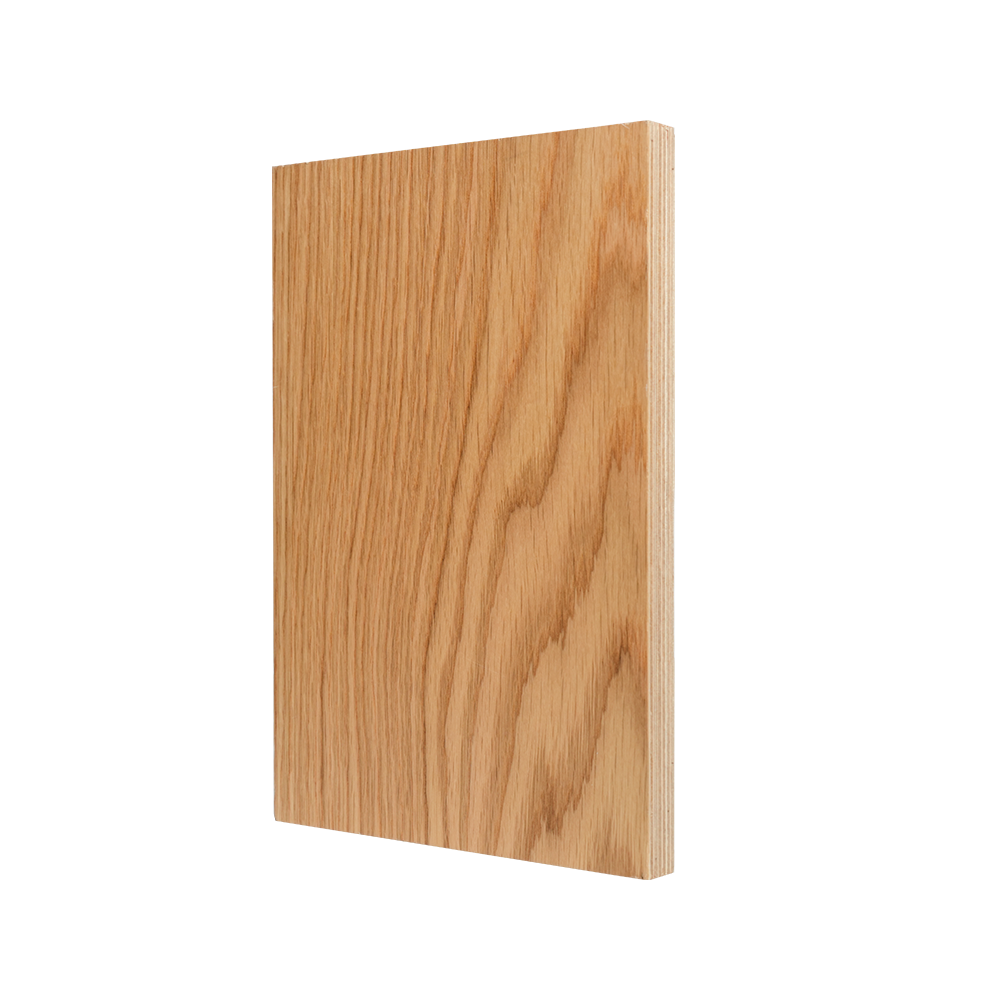
For premium furniture and architectural interiors, top-grade birch plywood with B-BB or S-BB graded faces is the standard choice. These faces are smooth enough for clear finishes and need little filling before coating.
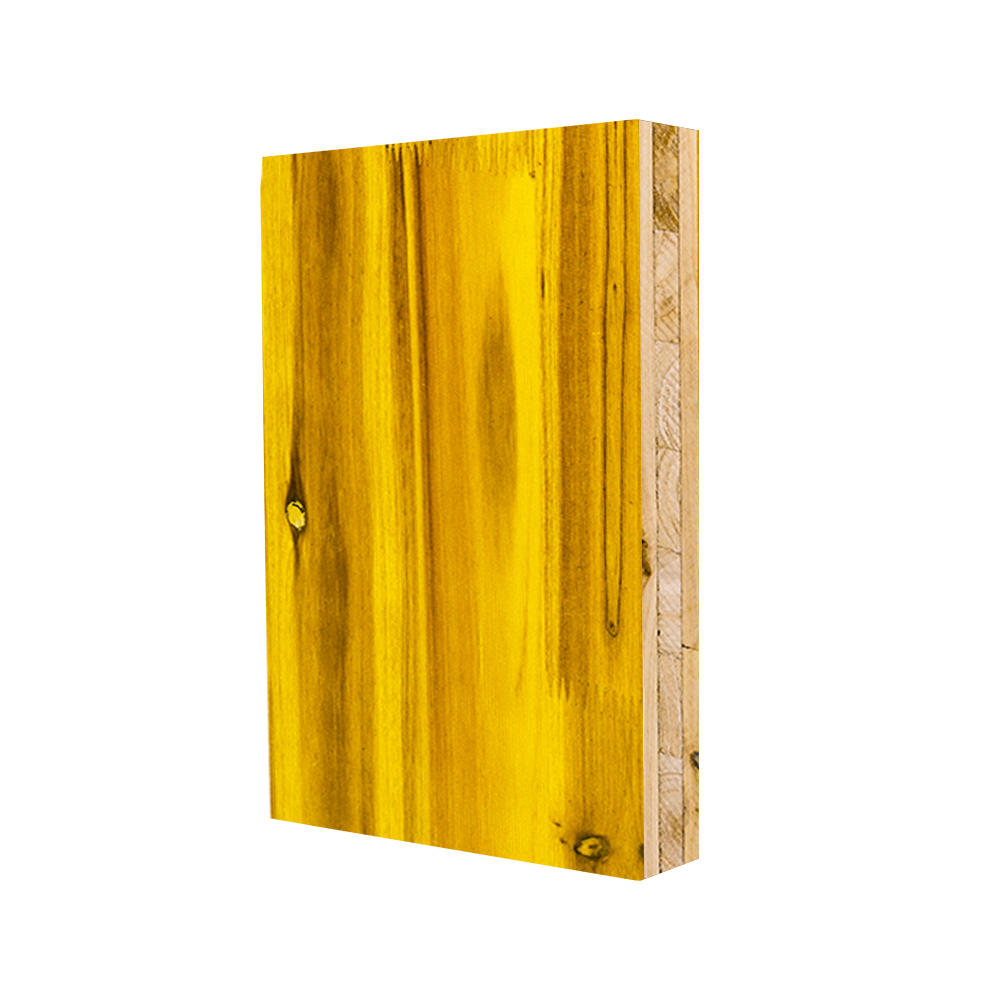
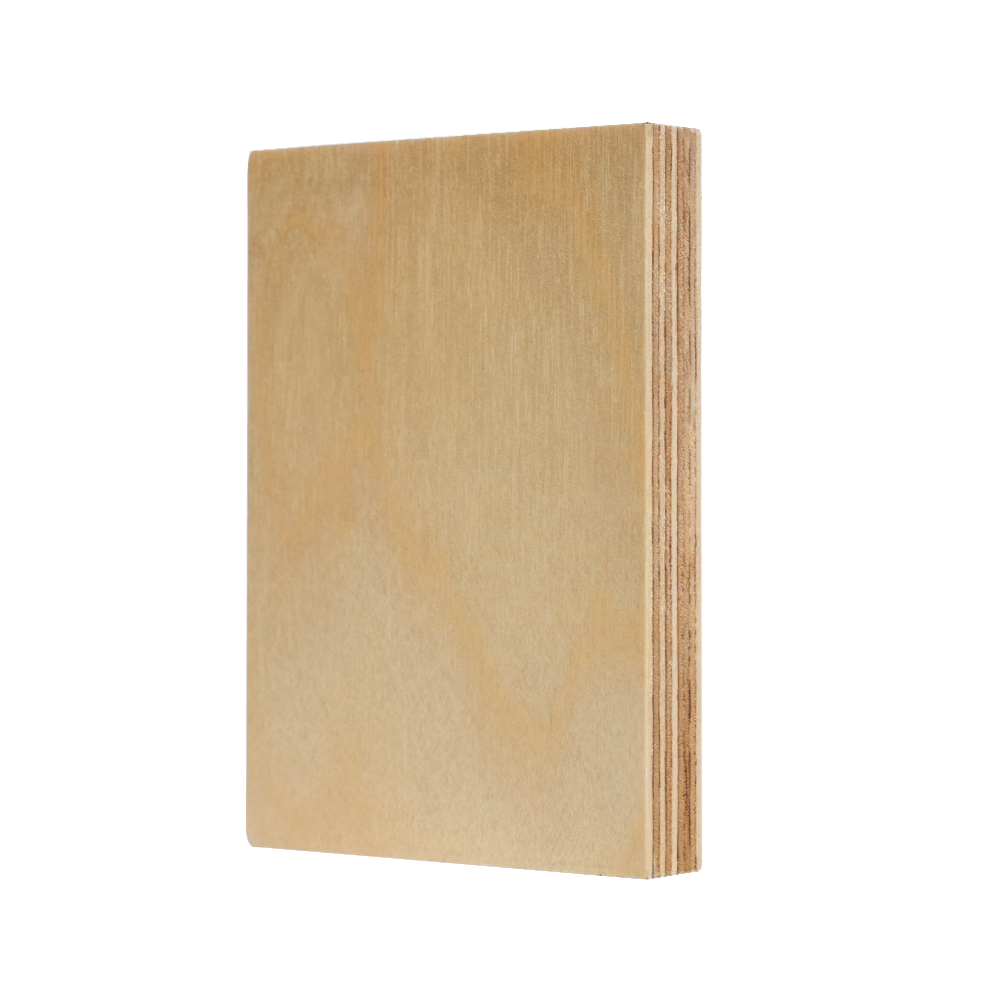 Marine Plywood Manufacturers, Custom Marine Plywood SuppliersTianma Lvjian is Marine Plywood Manufacturers and Top Grades Birch Plywood Suppliers, offer Custom Marine Plywood Grade Plywood (B/BB & S...View Product →
For commercial cabinetry, factory jigs, and interior joinery, BB-BB and BB-CP mid-grade birch plywood panels are the practical option. Visible repairs are acceptable when panels are painted, veneered, or hidden in frames.
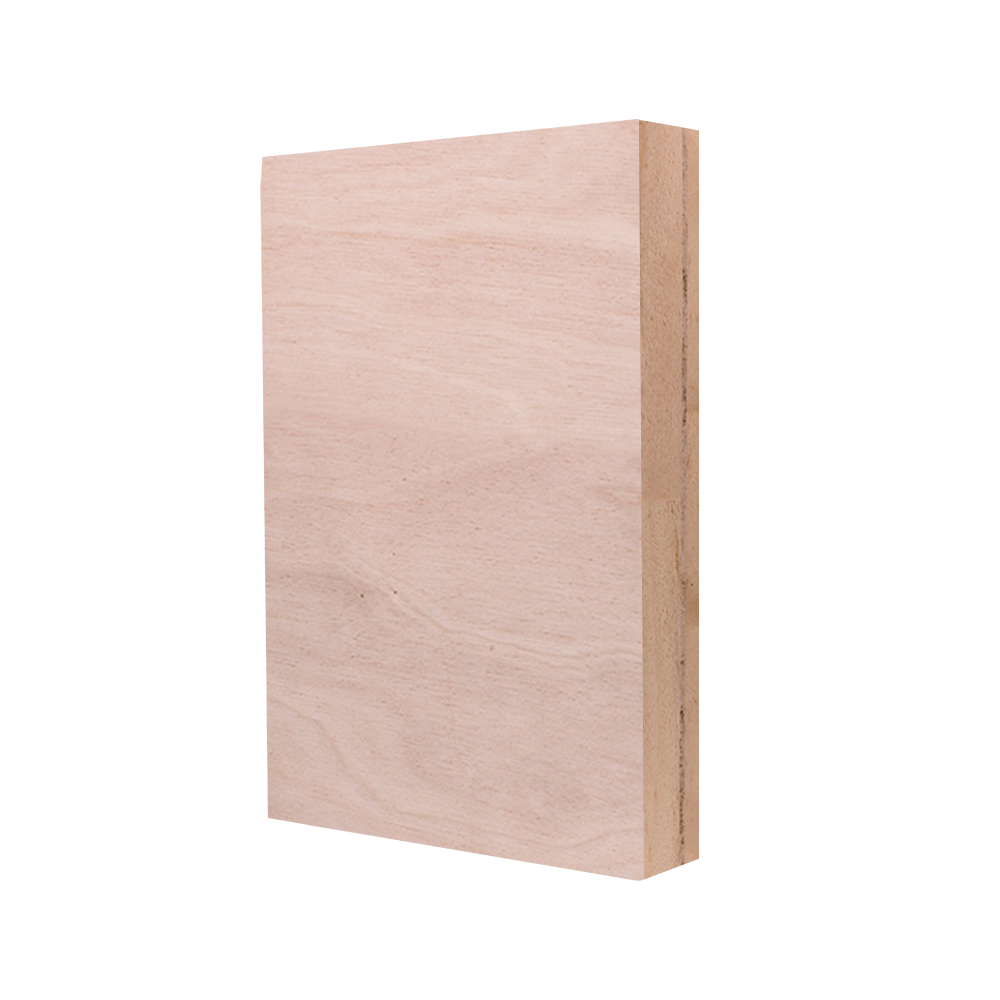
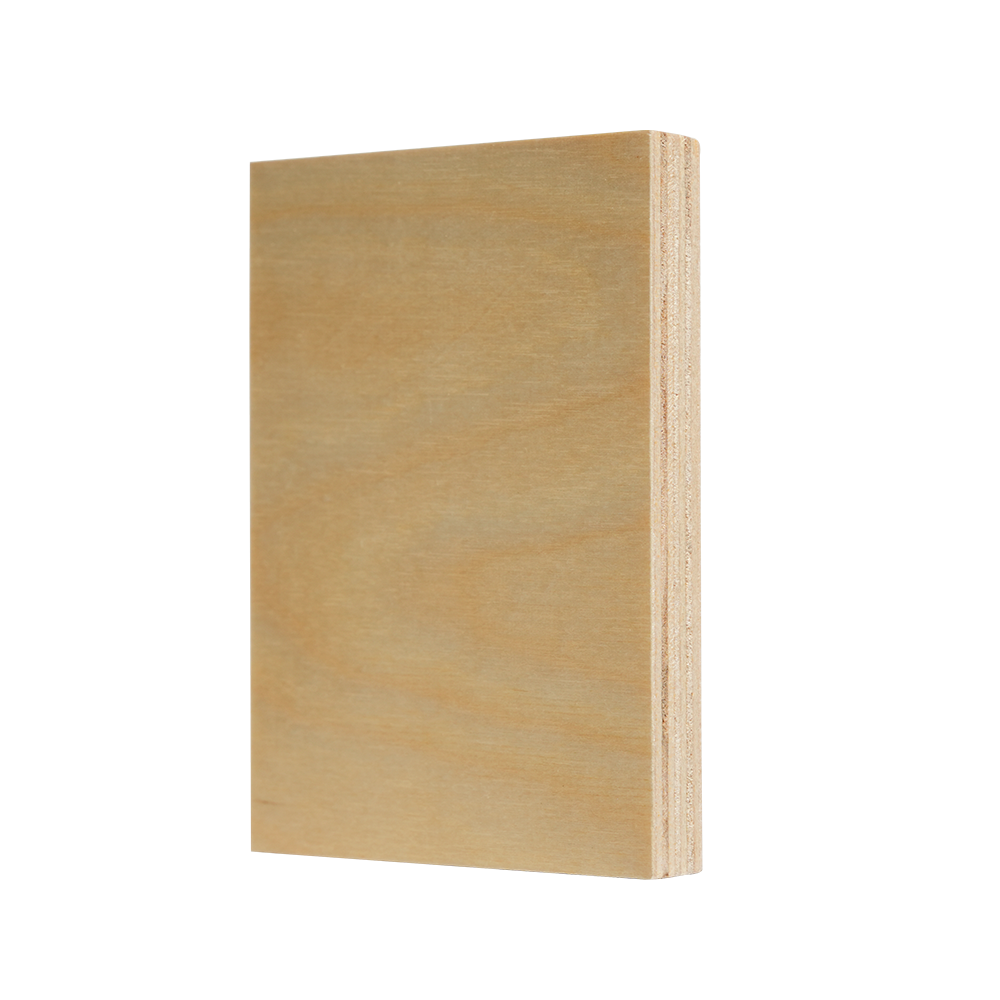 Custom Middle Grades Birch Plywood(BB/BB & BB/CP) Manufacturers, OEM/ODM SupplieTianma Lvjian Group Co., Ltd. is China Custom Middle Grades Birch Plywood(BB/BB & BB/CP) Manufacturers and OEM Suppliers, details:Middle ...View Product →
For packaging, crates, and structural backing, CP-CP or C-C-C grade birch plywood for industrial applications keeps material costs low without compromising core strength. Many workshops also use this grade for benchtops and disposable tooling.
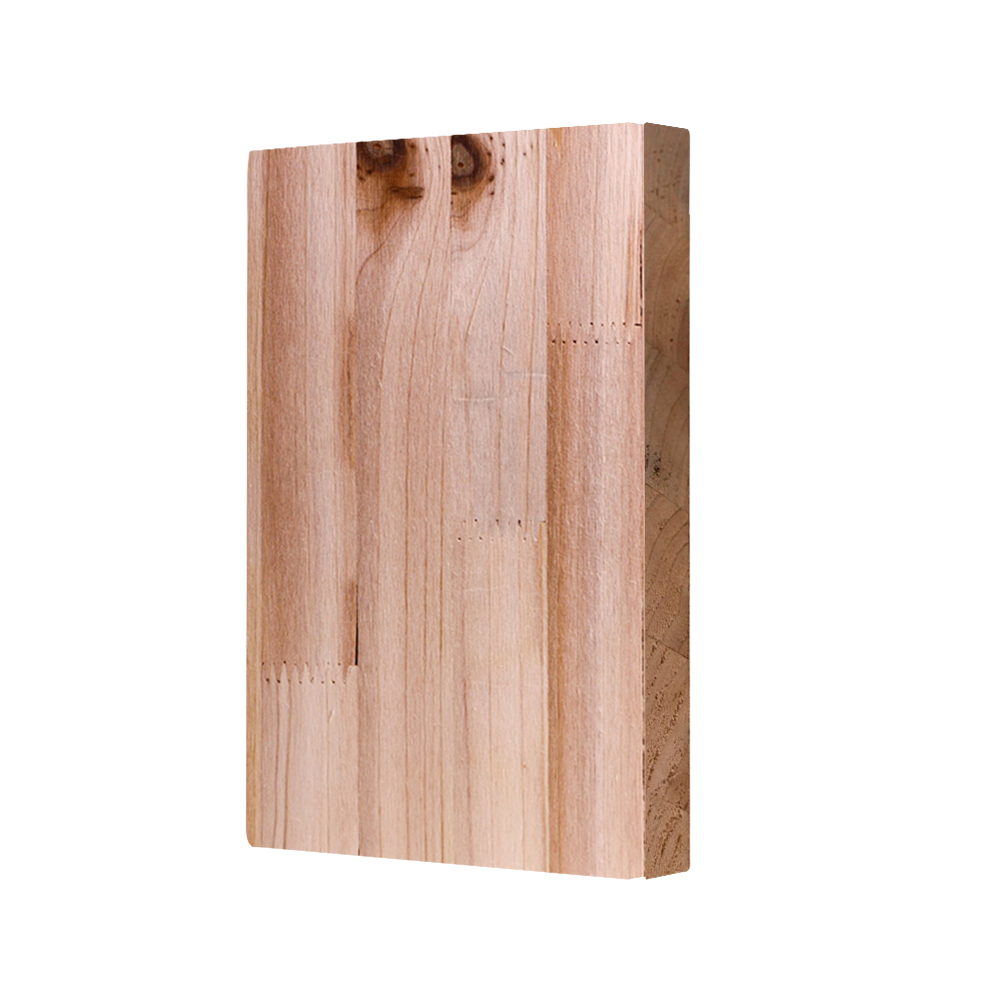
 Custom Wood Floor Plywood Manufacturers, SuppliersTianma Lvjian is Wood Floor Plywood Manufacturers and Wood Floor Plywood Suppliers, offer Custom Low Grades Birch Plywood widely used in ...View Product →
Birch plywood serves several industries, each using a different grade of the same material.
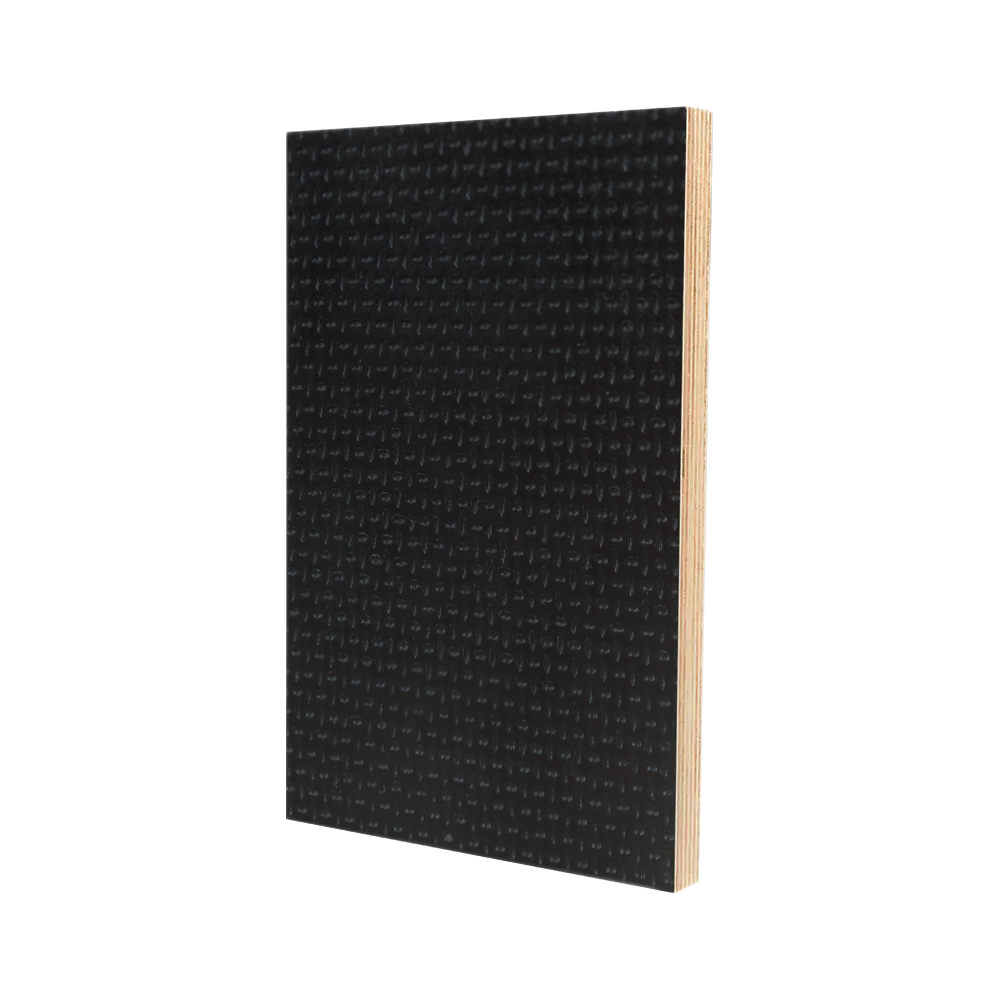
Concrete formwork is one of the most demanding uses. A panel must hold its shape under the lateral pressure of wet concrete, survive repeated stripping and cleaning, and release cleanly without surface damage. Birch faces resist abrasion, and the strong internal bond prevents delamination under vibration. For high-rotation formwork, a phenolic film overlay makes the panel effectively waterproof and extends its service life.
Furniture producers choose birch plywood because it is flat, stable, and predictable. Cabinet carcasses, drawer sides, shelving, and tabletops benefit from a panel that does not warp after assembly. Screw holding matters most where hinges and fittings fasten near panel edges. Furniture-grade birch plywood panels come in thicknesses from 4 to 30 mm and in large formats, letting fabricators cut efficiently with minimal waste.
Beyond construction and furniture, birch plywood appears in interior paneling, retail displays, and exhibition booths, where its clean face accepts paint, laminate, and veneers. Heavy-duty crates, machine skids, and equipment bases rely on its impact resistance and stiffness. Makers favor multi-ply birch for laser cutting and CNC routing because it produces crisp edges without voids, and thin 1.5–4 mm sheets suit model making, toys, and architectural scale models.
Whether birch plywood is worth the premium depends on what you compare it with.
Softwood plywood, usually pine or spruce, is cheaper and lighter. For house sheathing, subflooring, and temporary works, it is perfectly adequate. But its face is coarser, its core more prone to voids, and it expands more with humidity. Screw holding is weaker and edges chip easily. Birch costs more because it removes those frustrations.
MDF offers a smooth surface and low price, making it attractive for painted interior work. But MDF is heavy, lacks stiffness, swells when wet, and holds screws poorly. Particleboard is similar, and even softer. Birch plywood is stronger, more moisture-tolerant, and holds fasteners reliably, which is why it remains the standard for cabinetry.
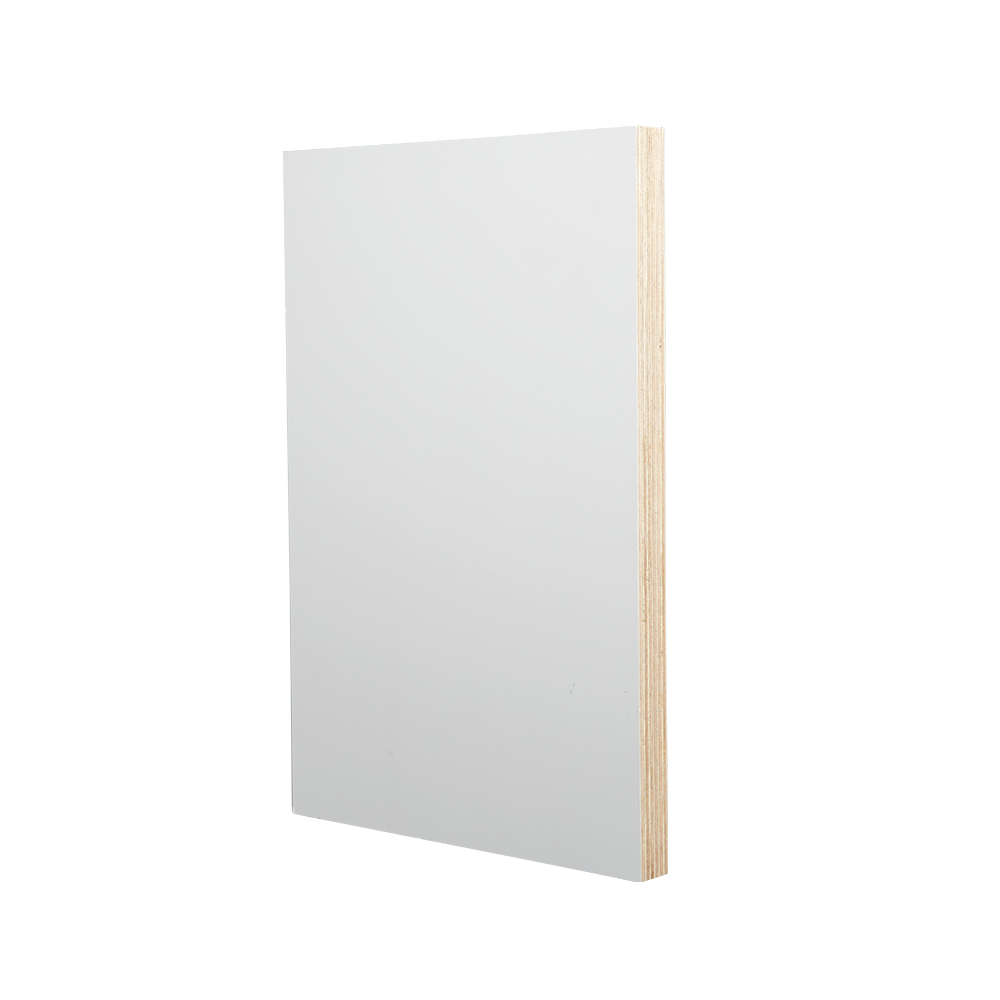
Film-faced birch plywood is birch plywood with a factory-applied resin overlay, usually phenolic or melamine film bonded under heat and pressure. Bare panels are meant for user finishing; film-faced panels suit concrete formwork, industrial platforms, and other high-wear environments where a pre-finished, waterproof surface is an advantage.
The term "Baltic birch" causes frequent confusion. Traditionally, it refers to panels made in the Baltic region under specific quality conventions. But birch plywood is not a protected geographic label and can be produced from birch veneers in many regions. Judge a panel by its measured specifications, such as veneer species, glue type, face grade, and ply count, rather than its marketing name.
| Property | Birch Plywood | Softwood Plywood | MDF |
|---|---|---|---|
| Core material | Hardwood birch veneers | Pine or spruce veneers | Wood fibers and resin |
| Face quality | Smooth, tight grain | Open grain, visible patches | Uniform, featureless |
| Strength-to-weight | High | Moderate | Low |
| Screw holding | Excellent | Moderate | Low to fair |
| Moisture tolerance | Good with WBP glue | Moderate | Poor |
| Edge quality | Clean, void-free | Voids at cut edges | Fine, needs sealing |
| Typical cost | Highest | Lowest | Low |
Matching the product specification to the project's demands is the core of good material selection. Five factors do most of the work:
Before placing an order, run through this quick checklist:
Birch plywood is not the cheapest panel product, and it does not claim to be. What it offers — strength, stability, clean edges, a smooth face, and reliable performance over decades — is exactly what many projects need. For furniture, cabinetry, high-end interiors, and load-bearing parts, the extra cost is a sensible investment because it reduces the risk of warping, delamination, and surface failure.
As a professional birch plywood manufacturer, we see the difference this material makes every day. If you are evaluating birch plywood for an upcoming project, browse our birch plywood product range or contact us for guidance on the right grade, thickness, and surface finish. A little specification work at the start prevents a great deal of rework at the end.
related products


Copyright © Tianma Lvjian Group Co., Ltd. Rights Reserved.
Wholesale Construction Plywood Manufacturers Privacy
 English
 中文简体
中文简体