
Walk into any workshop and ask "can you stain birch plywood?" and you'll get two answers: a confident yes, and a blotch horror story. Both experiences are real. Birch plywood accepts stain beautifully when it is prepared deliberately, and it blots mercilessly when it isn't. The difference comes down to two things you control: surface preparation and stain selection.
Birch is a closed-grain hardwood. Its pores are fine, dense, and irregularly distributed across the face veneer. Pigment-based stains contain solid particles that lodge in open pores. Where birch's pores are more open, more pigment collects and the wood turns darker; where they are tight, the color stays light. That uneven absorption is the mechanical cause of blotching.
Plywood adds structural variables that solid wood doesn't have. A sheet of birch plywood is built from 7 to 13 cross-banded layers, each bonded with adhesive under heat and pressure. The face veneer is only about 1 to 1.5 millimeters thick, and the glue line beneath it can limit how far stain penetrates. Panel edges are even more extreme: exposed end grain drinks up stain like a wick and turns several shades darker than the face.
So the short answer is yes, you can stain birch plywood—but success depends less on luck than on knowing how the panel is built and preparing it accordingly.
Blotching appears when stain penetrates unevenly across the surface. In birch plywood, three factors make it worse:
You can't change the veneer's anatomy, but you can control how the surface receives the stain. Three preparation steps make the biggest difference.
Sanding strategy. Work through grits in sequence—120, then 180, then 220—always moving along the grain. Finish with a light 320-grit pass if you plan to use a dye. This opens the surface evenly and removes minor mill marks. Stop while the veneer still has thickness; sanding through the face layer exposes the glue line and ruins the panel.
Wood conditioner or sanding sealer. A wood conditioner partially seals the surface and levels out absorption. One part dewaxed shellac mixed with one part denatured alcohol is a proven alternative. Both give the open zones something to fill so pigment can't settle there in excess. Sanding sealer is a heavier-duty version that also improves top-coat adhesion.
Test on scrap first. Cut a small test piece from the same sheet, condition it exactly as you'll treat the panel, then apply the stain. Face veneers vary between batches, and a fifteen-minute test can save you days of rework.
Stain chemistry matters more on birch plywood than on almost any other common panel. Here's how each type performs.
| Stain type | Best suited for | Blotch risk | Working time | Typical finish |
|---|---|---|---|---|
| Oil-based | General use, rich color | Moderate to high | Long; forgiving | Warm, deep tone |
| Water-based | Fast-turnaround jobs | High | Short; fast-drying | Cooler tone, raised grain |
| Gel-based | Blotch-prone woods | Low | Moderate | Even, surface color |
| Aniline dye | Deep, uniform dark tones | Very low | Varies by solvent | Crisp, even tone |
Oil-based stain is the most common recommendation. It's economical, easy to apply, and its long open time lets you work at a relaxed pace. The downside is blotch risk: because pigment remains suspended in the binder, it collects wherever the pores are more open. With a conditioner underneath, oil-based stain performs well on birch plywood.
Water-based stain dries quickly and tends to raise the grain, which makes absorption less even. It can be used on birch, but it demands a conditioner and a fast hand. For most projects, it's a practical second choice rather than the best one.
Gel-based stain has a thick body and stays mostly on the surface instead of soaking in. That's exactly why it suppresses blotching. The limitations are a smaller color palette and less dramatic grain contrast. When predictability matters more than depth of color, gel stain is the safest conventional option.
Aniline dye works differently from pigment stains. The colorant is dissolved in the solvent, so no solid particles exist to collect in open pores. Professional cabinet shops frequently use dye on birch for this reason. Dye produces deep, even color, and you dial in the exact tone by controlling the number of coats. If you want a dark finish without blotch, dye is the most reliable route.
The steps below work with any stain type. Change the products, not the sequence.
Brush an even coat over the entire face, including edges. Wait the time the manufacturer specifies, usually 15 to 30 minutes. If you used shellac as a barrier, let it dry overnight and then sand lightly with 320 grit to knock down raised fibers.
Use a clean cotton rag or a foam brush. Move along the grain and cover the full surface without stopping. Let the stain sit for 5 to 15 minutes, then wipe off the excess with a lint-free cloth. If the color is too light, wait 2 to 4 hours and add a second coat. Deep colors on birch plywood come from multiple thin coats, not from a single heavy one.
Let the stain dry completely—24 hours is a safe minimum. Then apply an oil-based polyurethane or shellac top coat in thin, even layers. Between coats, sand lightly with 320 grit and remove the dust. The top coat defines the final look, and rushing it is the most common reason a good stain job ends up uneven or dull.
Edges absorb stain much faster than faces, which is why they come out darker. Treat edges with diluted sanding sealer or wood conditioner before staining to slow down absorption. Or use real wood edge banding to hide the plies entirely. This single step is one of the clearest differences between an amateur and a professional result.
Yes, and this is where many finishing problems actually start. The grade of the face veneer determines how evenly it absorbs stain.
Birch plywood is classified by face quality. Standard designations include B/BB, S-BB, BB/BB, and lower grades such as C/C. The first letter describes the face, the second describes the back. High grades use thicker, more uniform veneers with fewer patches and less color variation. Lower grades can contain filler, knots, and open grain.
Stain does not hide these defects—it amplifies them. A filler patch absorbs stain at a different rate than the surrounding veneer, so after finishing you see a clear rectangle instead of a seamless surface. For the same reason, lower-grade faces show every uneven band of color more boldly once stain is applied.
For staining projects, we recommend selecting top-grade birch plywood with B/BB faces. The face veneer is dense, clean, and uniform, which directly translates to more even stain absorption and a better final appearance. If one side will remain visible, a single select face (S-BB) gives you the best canvas for the side that matters.
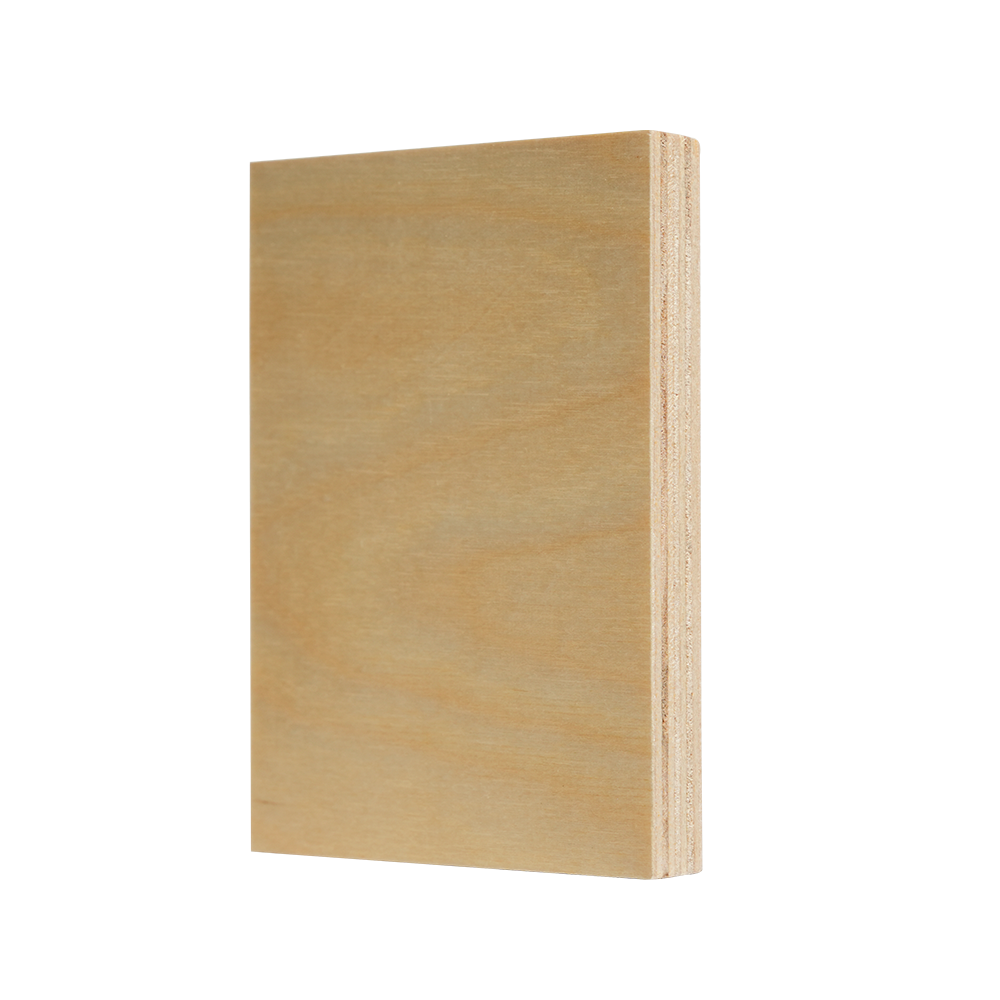
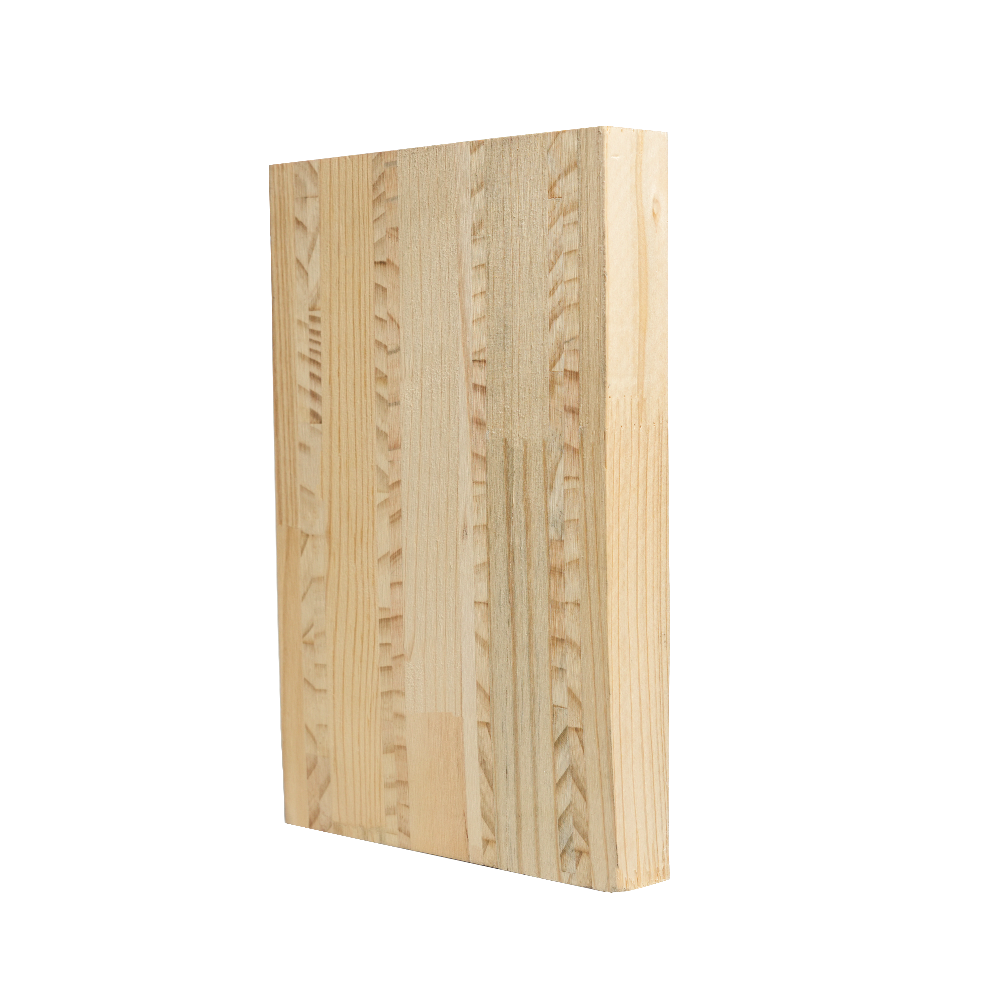
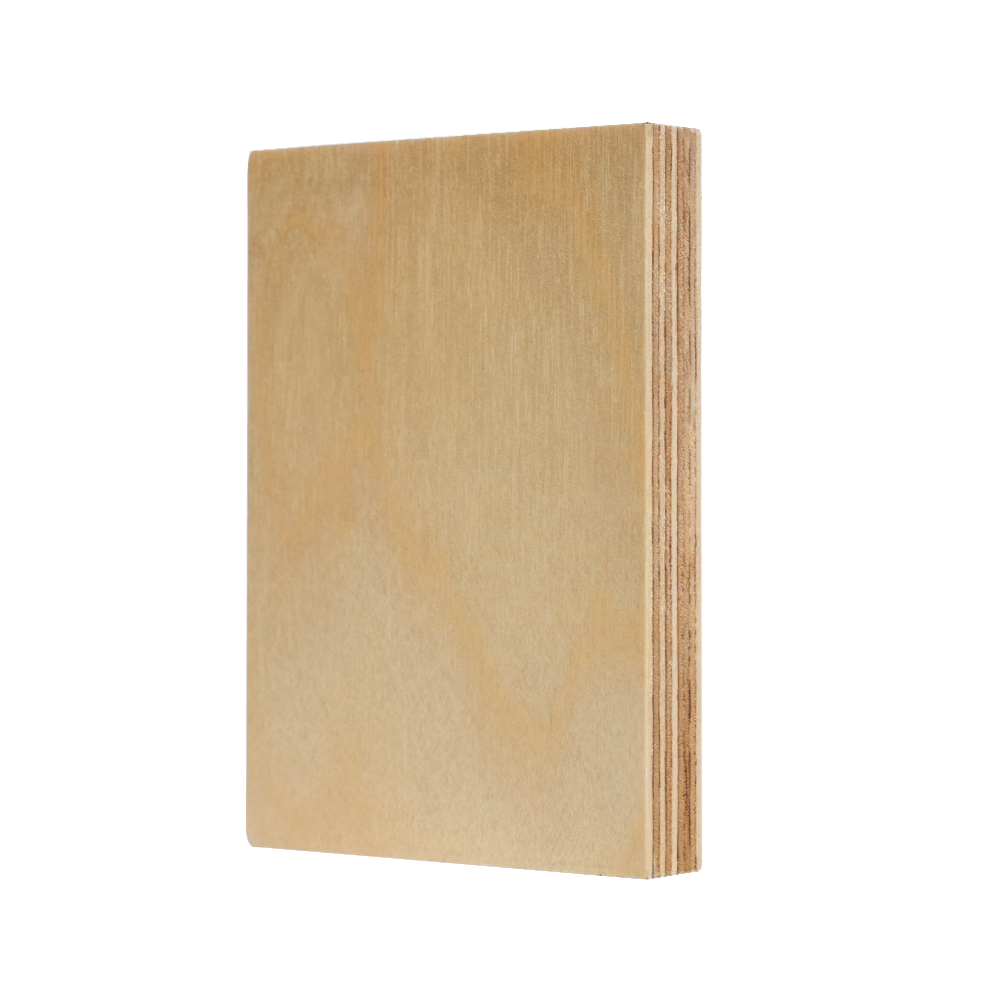 Marine Plywood Manufacturers, Custom Marine Plywood SuppliersTianma Lvjian is Marine Plywood Manufacturers and Top Grades Birch Plywood Suppliers, offer Custom Marine Plywood Grade Plywood (B/BB & S...View Product →
When you order, confirm the face veneer thickness and the grade documentation with the supplier. A slightly thicker face not only stains more evenly but also leaves room to sand and refinish if a repair is ever needed.
Staining is one way to get an attractive surface, but it's not the only one—and sometimes it isn't the right one for the project.
Look at the tradeoffs realistically. Staining birch plywood takes days of prep, application, and curing. Even careful work carries some consistency risk across large panels. When a job needs a fast turnaround, repeatable color across many panels, or a specific predetermined look, a pre-finished panel is worth considering.
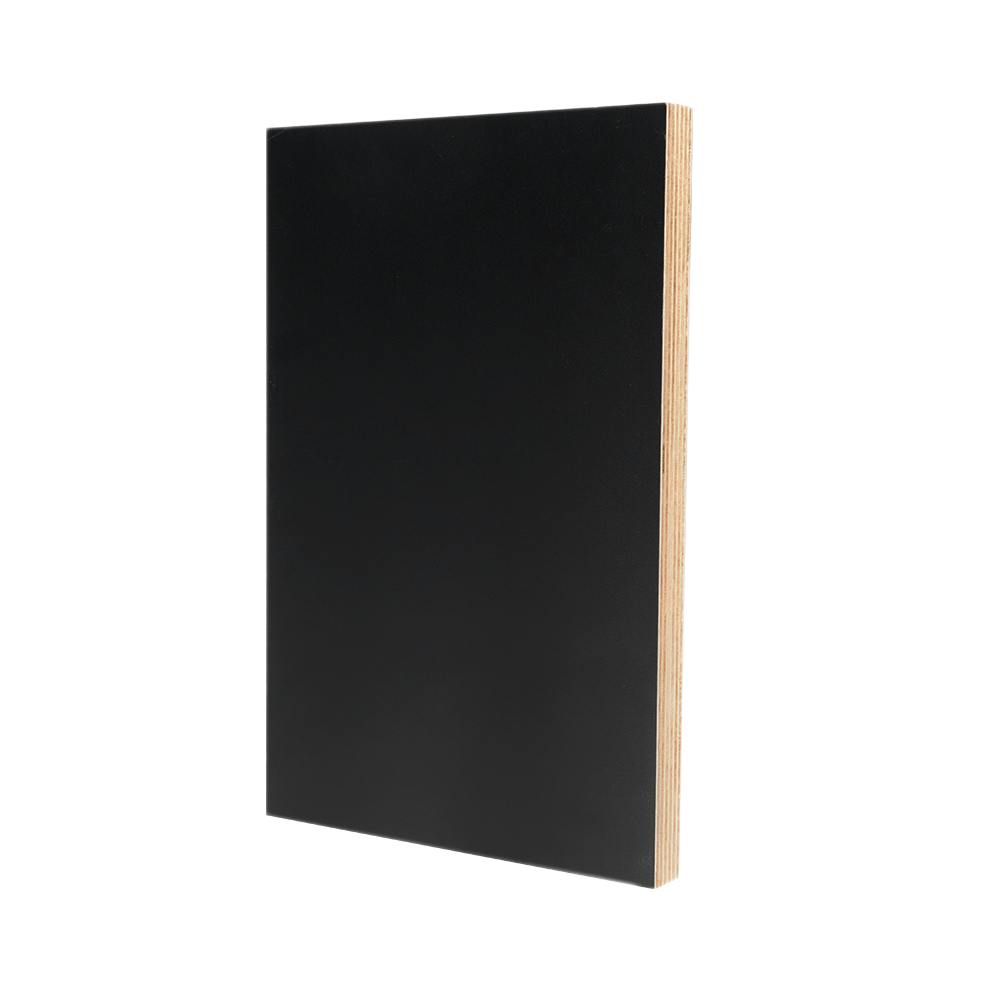
Transparent clear face. If you like birch's natural color but want a durable finish without the blotch risk of stain, phenolic ClearPly plywood offers a transparent, factory-applied surface that protects the panel and lets the wood grain show through cleanly.
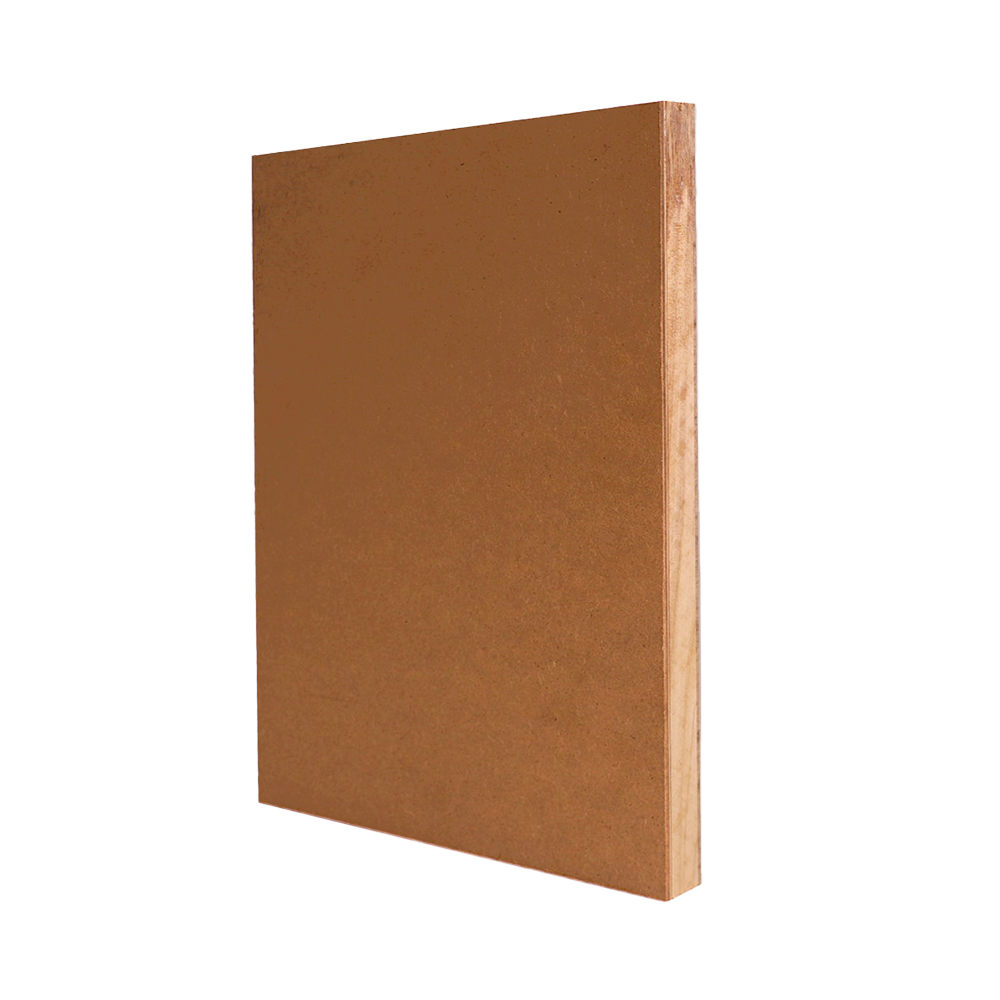
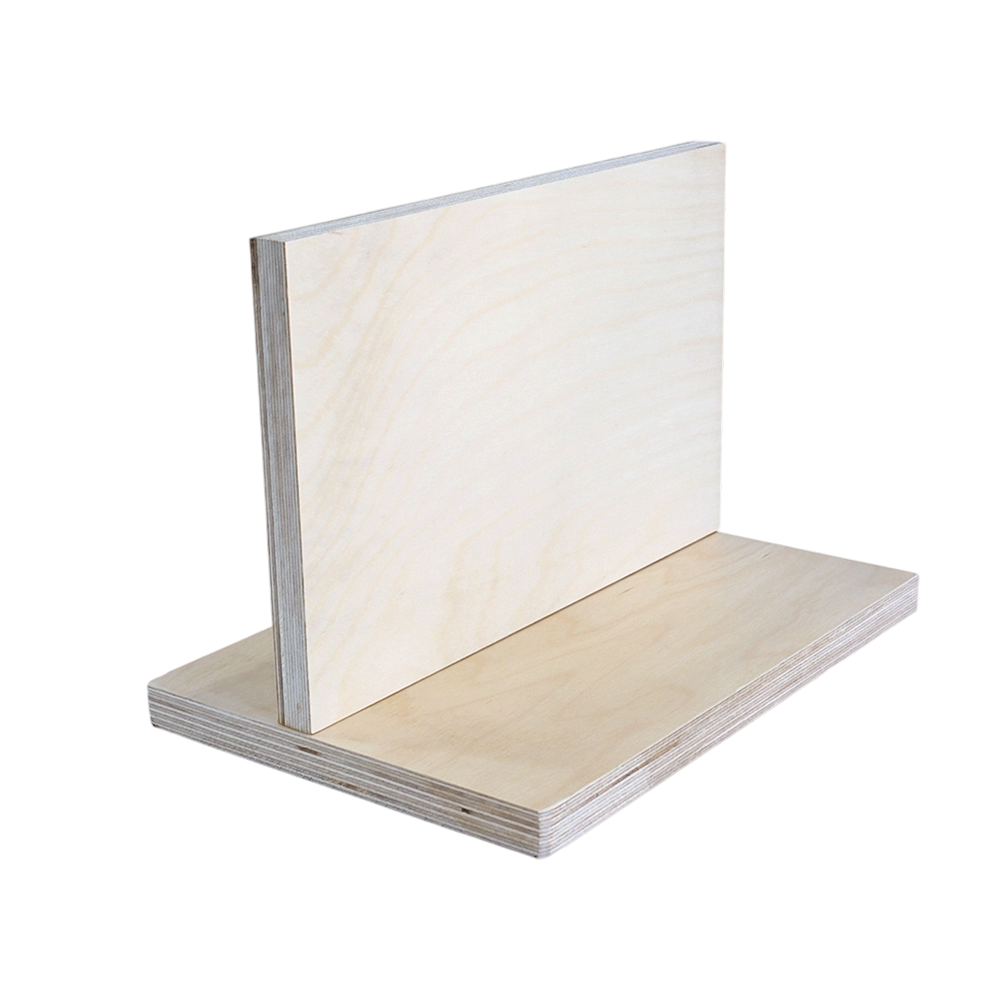 Custom ClearPly Phenolic Plywood Manufacturers, OEM/ODM Suppliers - Tianma LvjiaTianma Lvjian Group Co., Ltd. is China Custom ClearPly Phenolic Plywood Manufacturers and OEM Suppliers, details:Phenolic transparent fil...View Product →
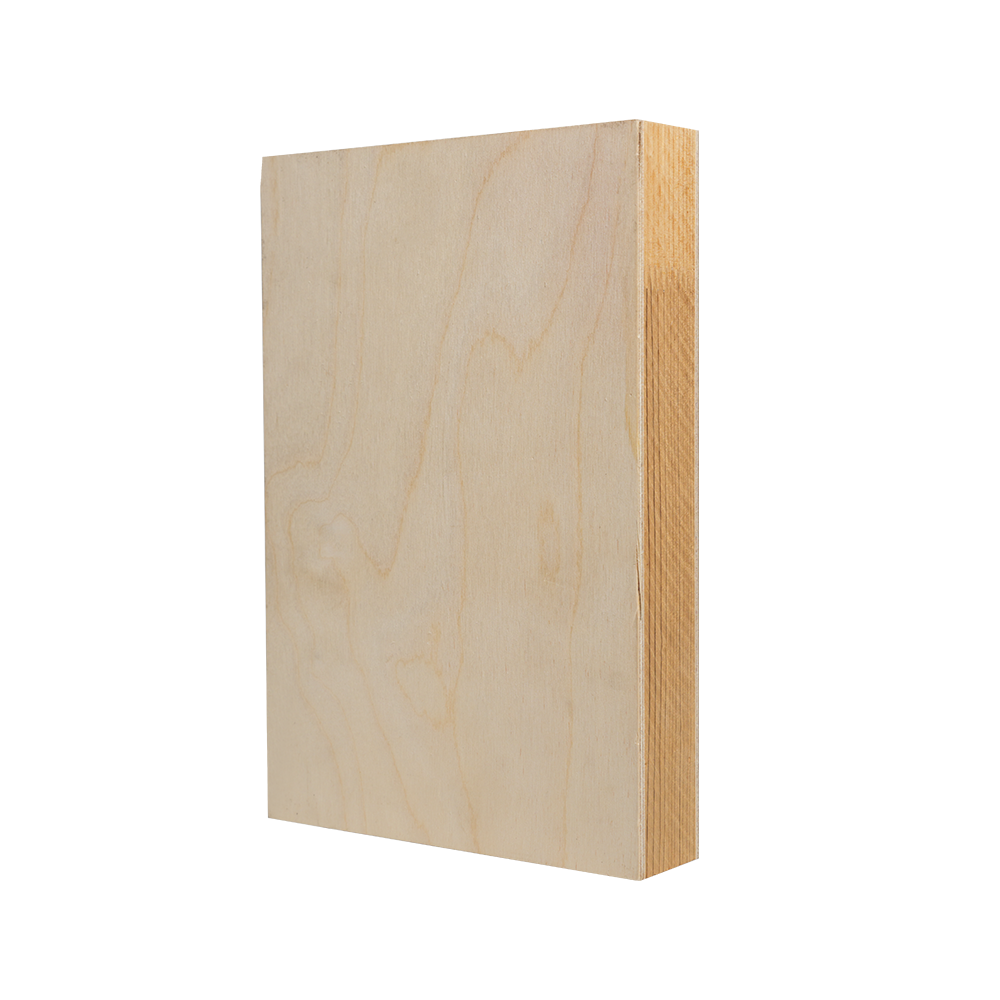
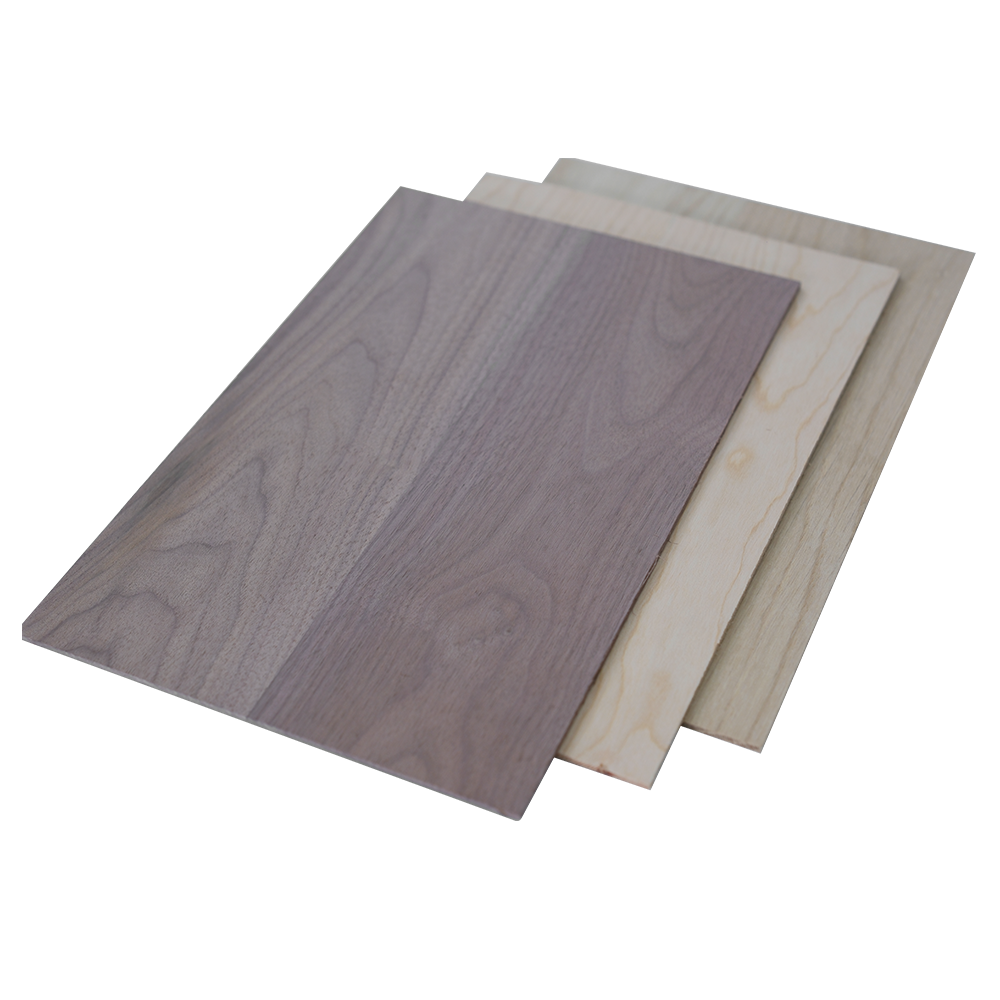
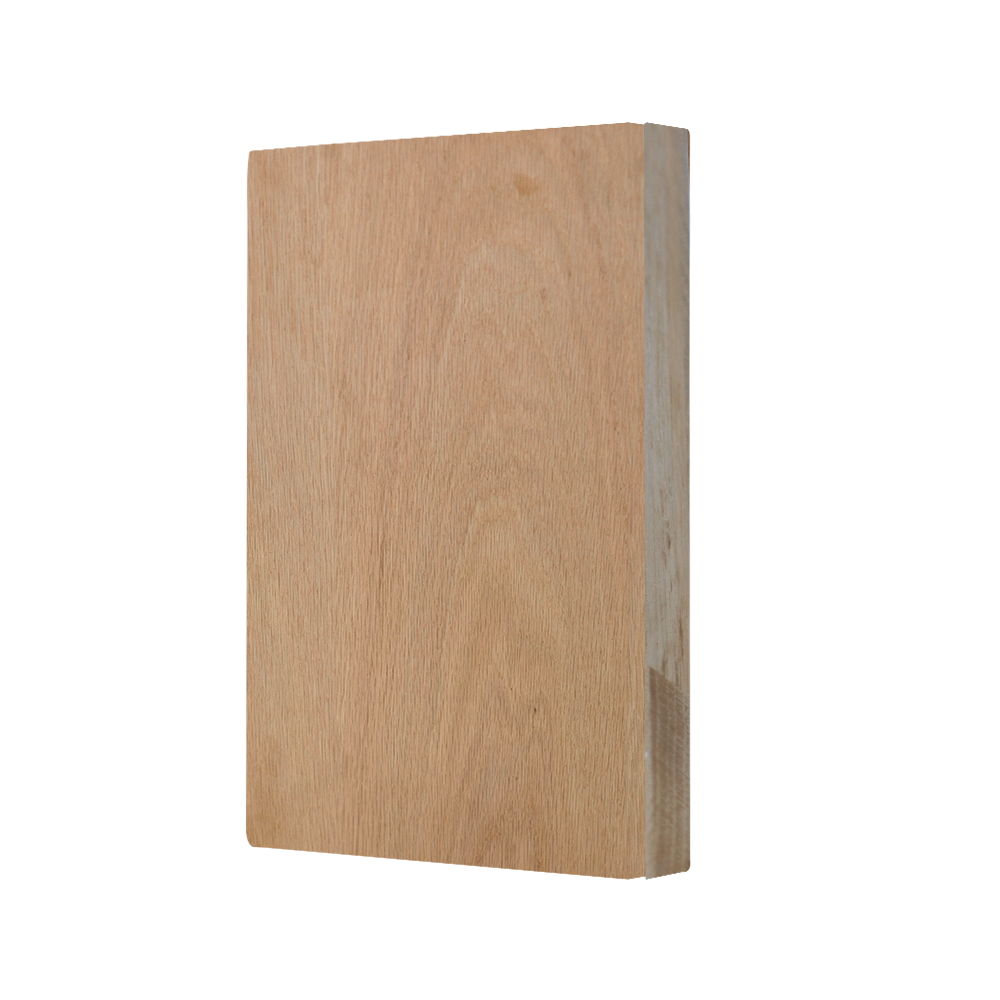
Decorative wood veneers. For projects that call for oak, walnut, or another species, wood-veneered birch plywood provides a consistent factory-applied face that removes stain variability entirely. You get the appearance of a different hardwood without the weeks of finishing work.
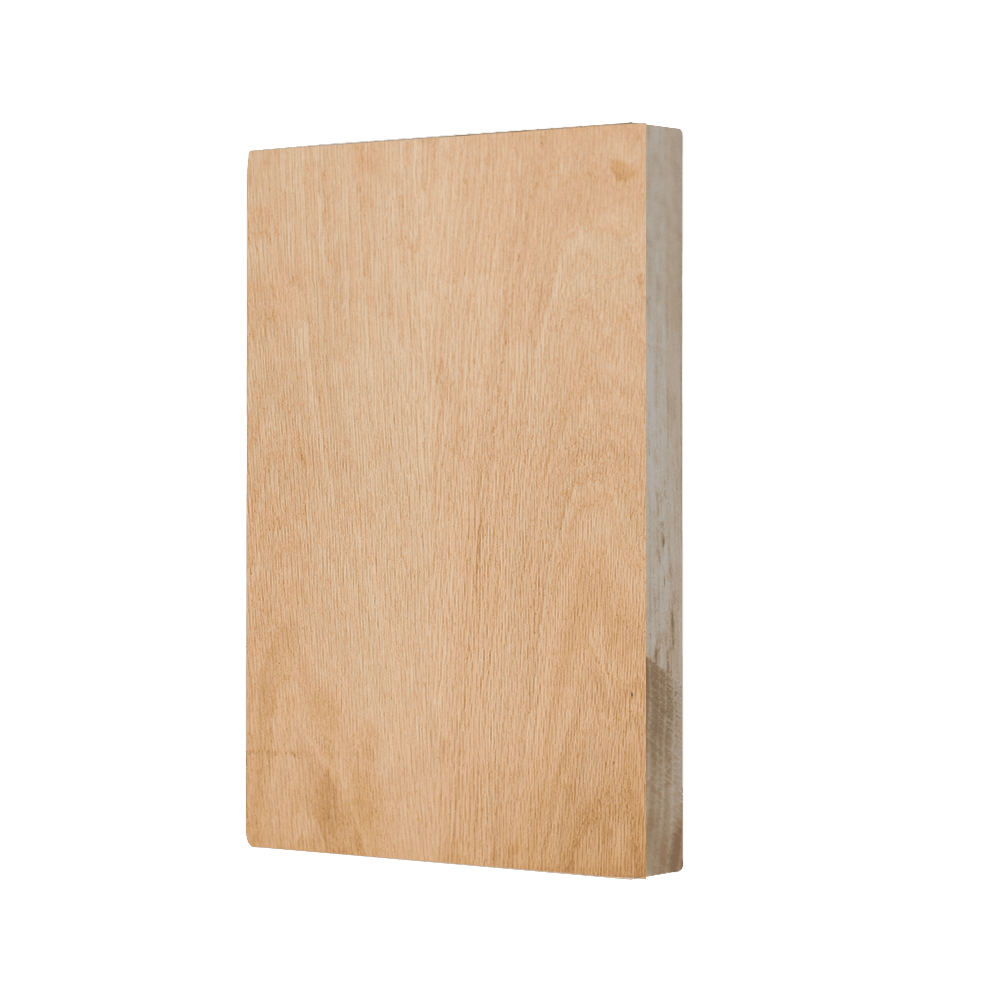
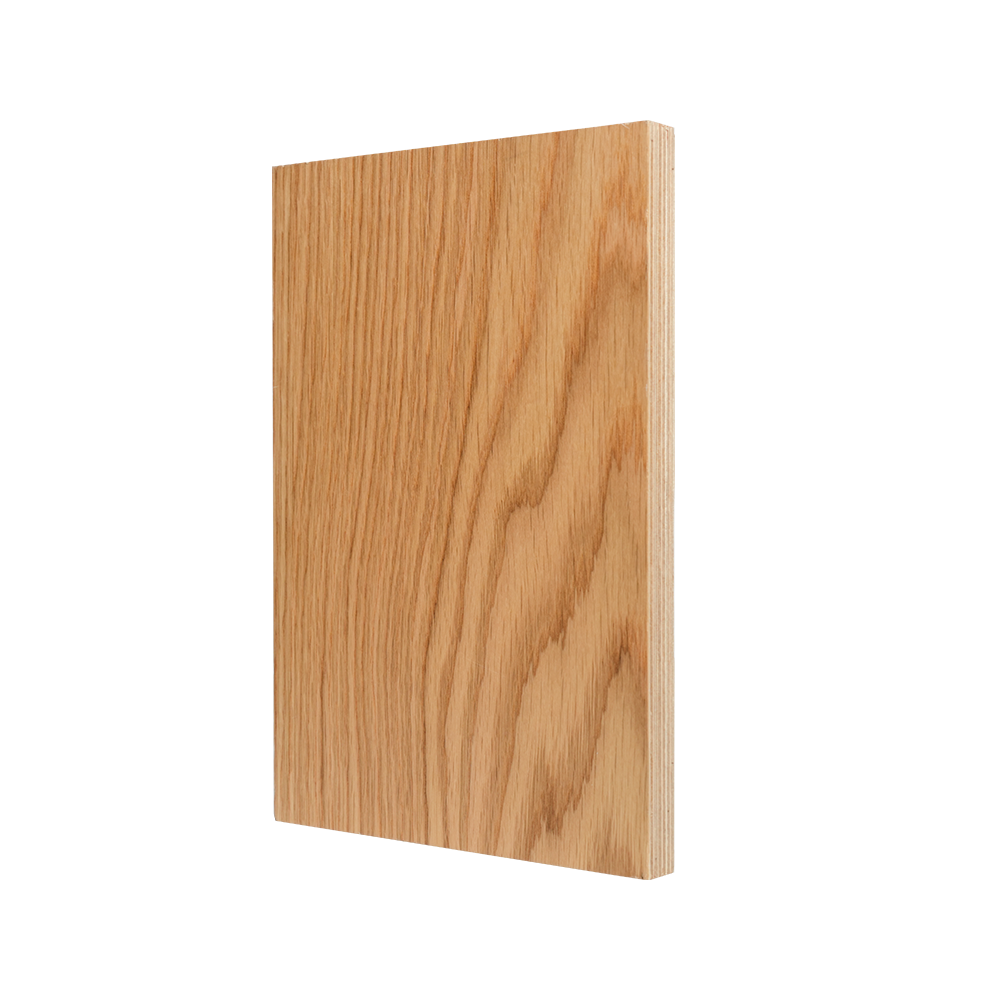 Custom Solid Wood Plywood Manufacturers, SuppliersTianma Lvjian is Solid Wood Plywood Manufacturers and Wood Veneered Birch Plywood Suppliers, offer Custom European Oak/ Walnut/ White Ash...View Product →
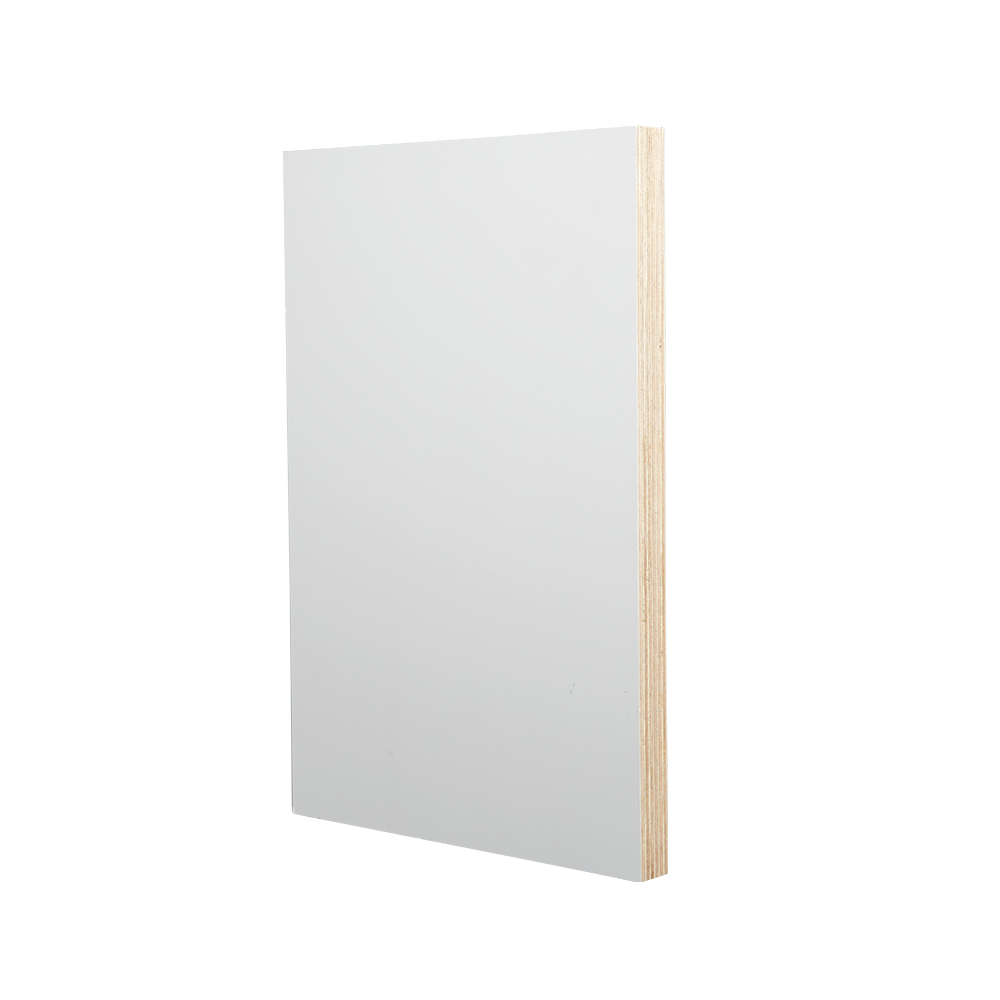
Solid color faces. Melamine-faced panels offer uniform colors such as white, which suit cabinets and utility furniture where a wood-tone stain isn't the goal.
None of these options are inherently better than staining. They're alternatives for projects where time, consistency, or a specific appearance matters more than the hand-built character of a stained finish. As a plywood manufacturer, we produce panels for both routes—high-grade stainable faces and pre-finished options—so the choice comes down to your timeline and your priorities.
Staining birch plywood is absolutely achievable. Sand methodically, condition the surface, choose the stain that matches your priorities, and give every coat the time it needs. That sequence turns a panel known for blotching into one of the most rewarding surfaces a woodworker can finish.
related products


Copyright © Tianma Lvjian Group Co., Ltd. Rights Reserved.
Wholesale Construction Plywood Manufacturers Privacy
 English
 中文简体
中文简体