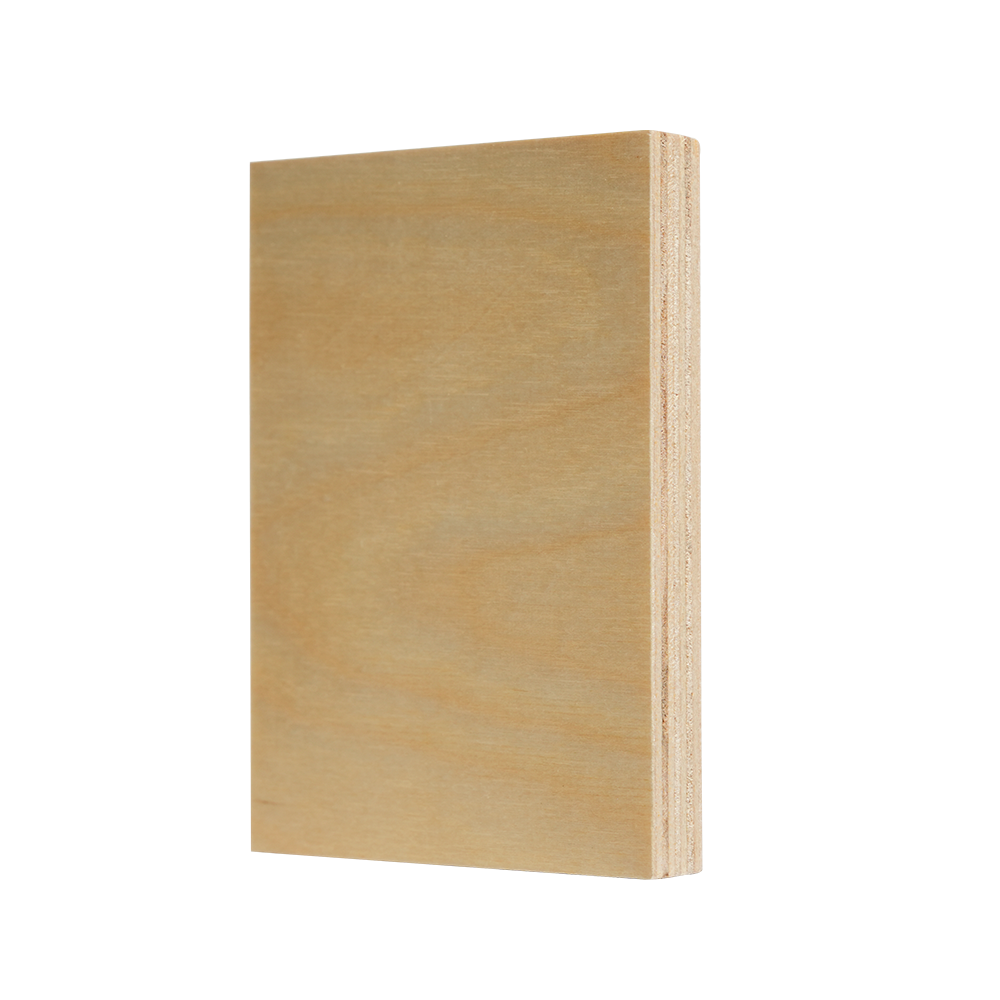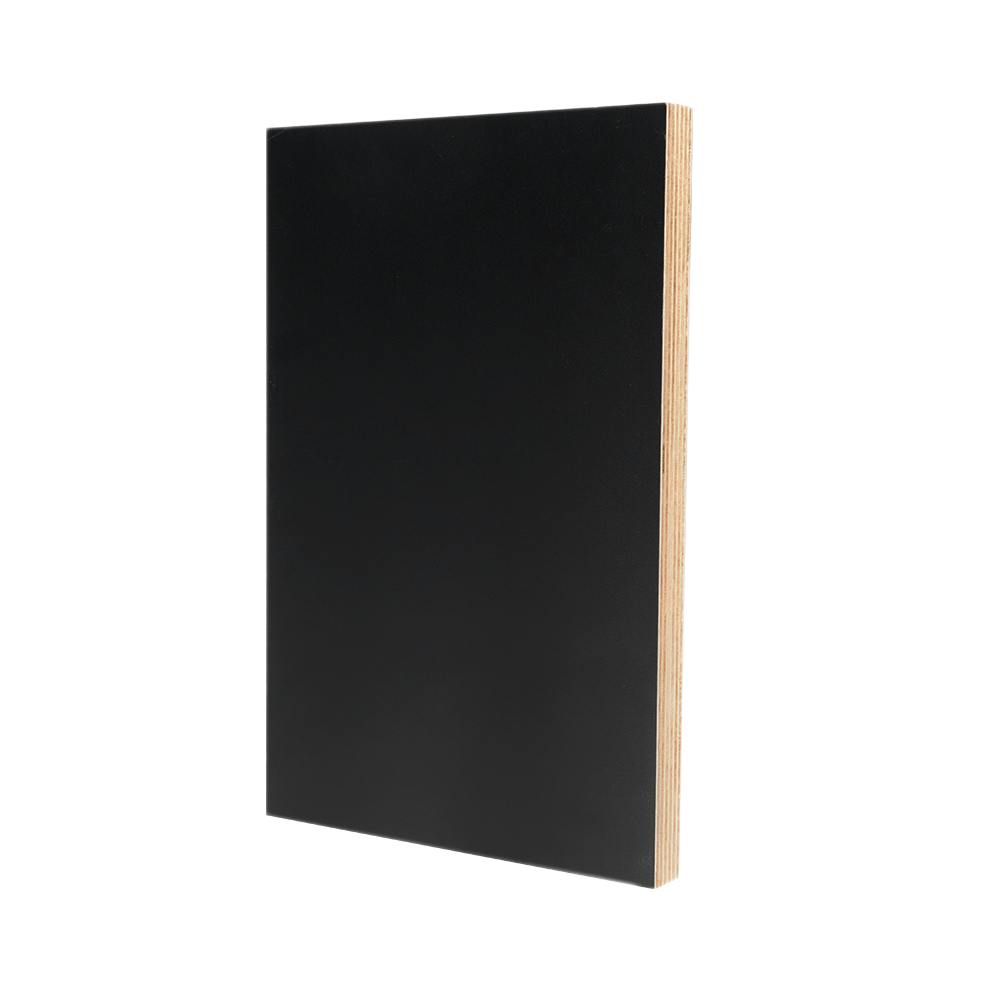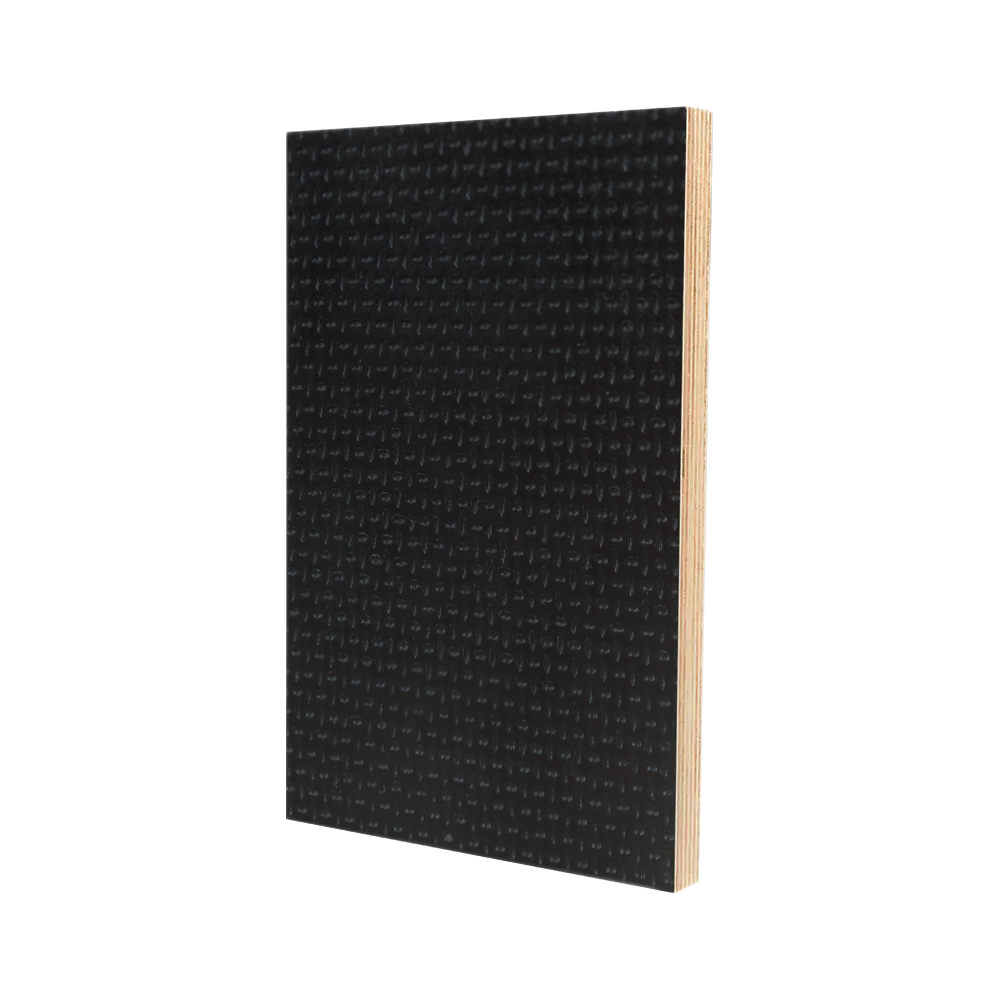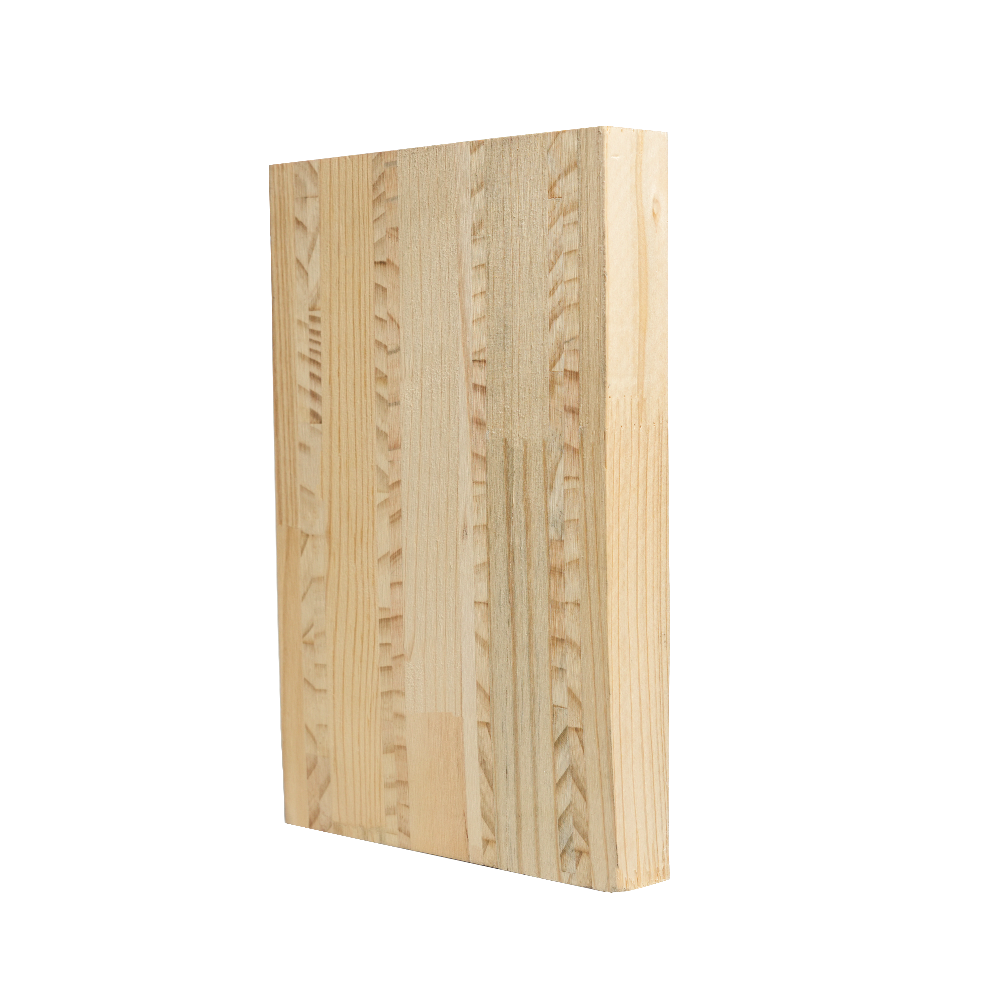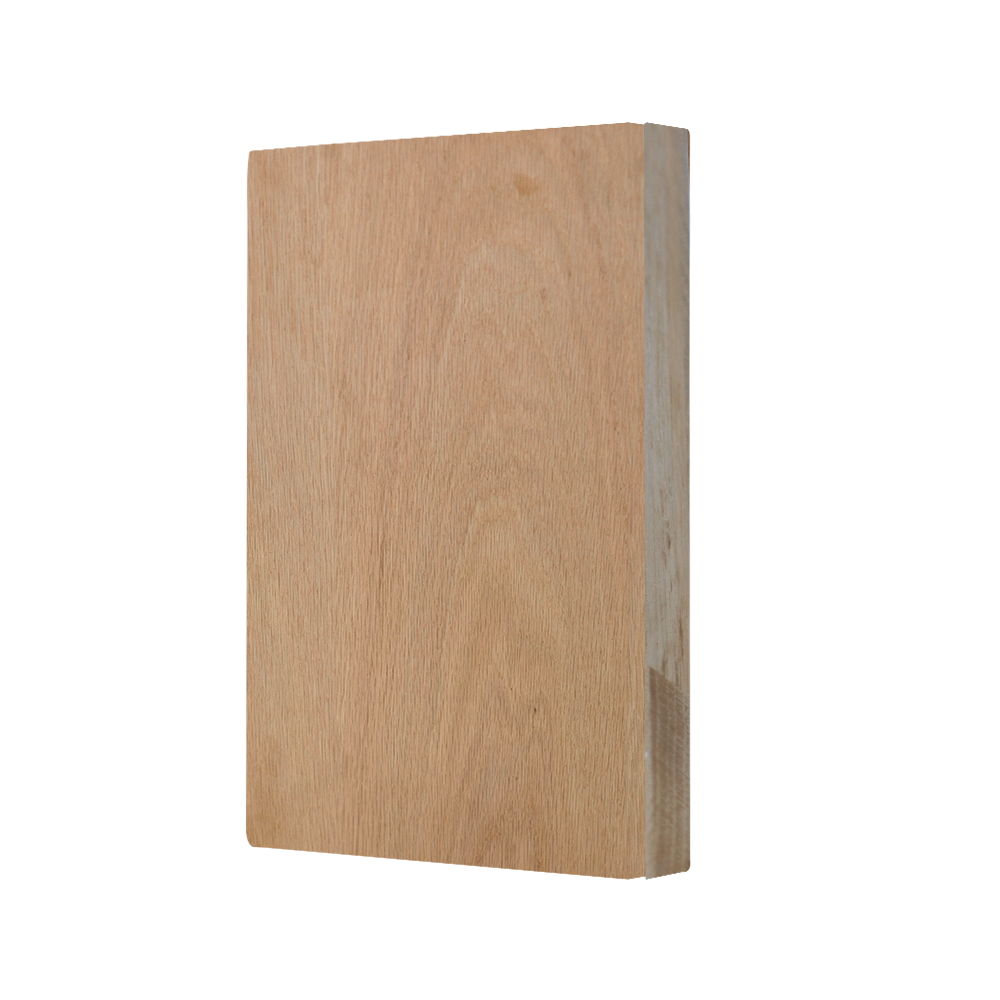

In the high-end furniture manufacturing and architectural industries, Birch Plywood is recognized for its superior mechanical properties. However, professional buyers must distinguish between Full Birch Plywood and Combi Birch Plywood to ensure project integrity and cost efficiency.
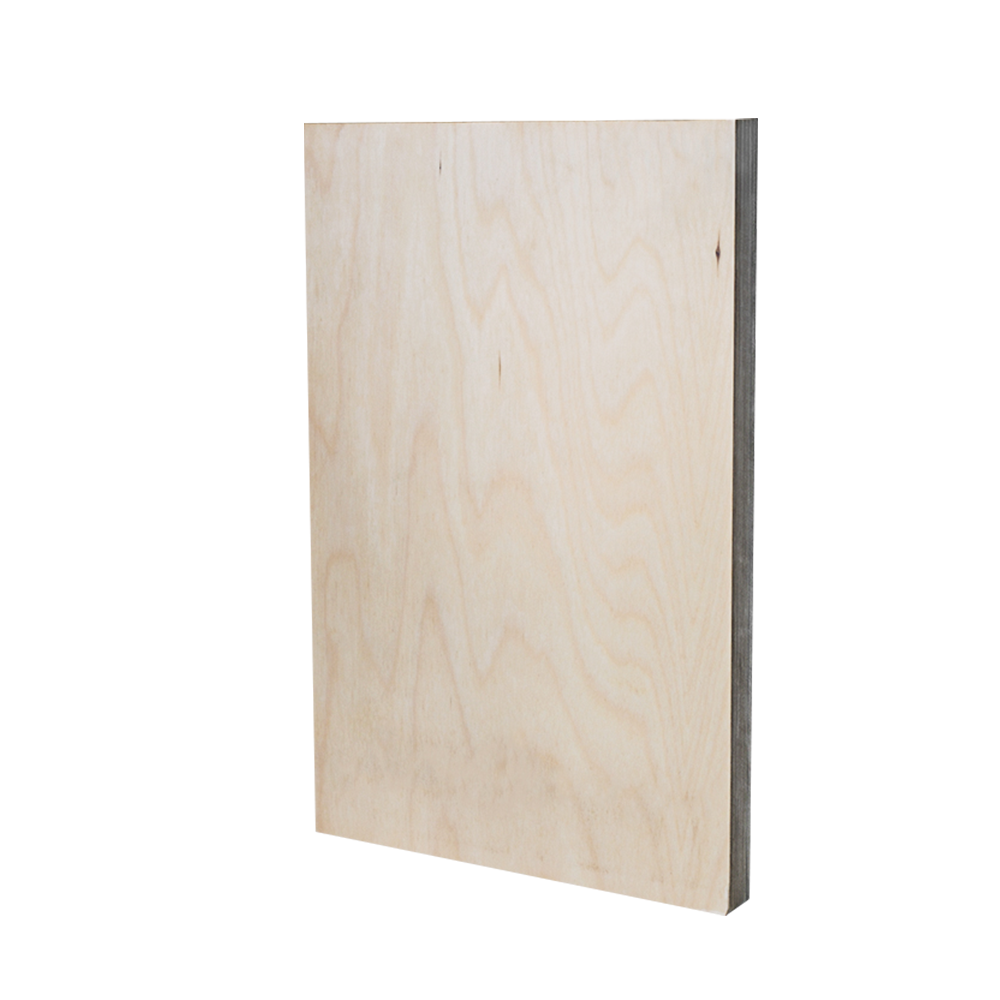
Full Birch Plywood consists of 100% birch veneers from the face and back to every internal core layer. This homogeneous construction offers specific technical advantages.
Birch is a slow-growing hardwood with dense fibers. In a Full Birch configuration, layers are typically 1.4mm thick and cross-banded. This specific construction balances internal stresses, ensuring the panel remains flat under varying Humidity levels. It is the premier choice for CNC Machining where precision is non-negotiable.
Because every layer is a high-density hardwood, the Screw Holding Strength of full birch is significantly higher than softwoods. This makes it ideal for heavy-duty Load-bearing applications, such as mezzanine flooring and industrial workbenches.
One of the most sought-after features of Birch Plywood is the multi-layer edge. In a Full Birch panel, these edges are void-free and uniform in color, allowing designers to leave the edges exposed as a decorative element without the need for Edge Banding.
Combi Birch Plywood features birch face and back veneers, but the inner Core Veneer layers are substituted with lighter woods such as Poplar or Pine.
By incorporating Poplar cores, which have a much lower density than birch, the overall weight of the panel is reduced. This is a critical factor for Caravan Interiors and mobile exhibition stands where Weight Savings translate directly into fuel efficiency and ease of transport.
Combi Birch allows projects to achieve the premium look of birch grain at a lower price point. It is an excellent solution for Wall Paneling or furniture interiors where the high structural strength of a full birch core is not a functional requirement.
While cost-effective, Combi Birch may exhibit "telegraphing" where the softer core layers affect the surface smoothness over time. It also lacks the uniform edge aesthetic required for high-end Joinery projects.
| Technical Metric | Full Birch Plywood | Combi Birch Plywood |
| Average Density | 680 - 720 kg/m3 | 500 - 600 kg/m3 |
| Core Material | 100% Birch Veneer | Birch Face + Poplar/Pine Core |
| Glue Type | WBP Phenolic Glue | MR or Melamine Glue |
| Bending Strength | Highest (Structural Grade) | Moderate (Decorative Grade) |
| Edge Appearance | Uniform, High Density | Alternating Colors, Lower Density |
When sourcing Birch Plywood, visual inspection of the Core is essential. Full Birch will show tightly packed, thin layers of a consistent creamy-yellow hue. Combi Birch will often show thicker white or reddish layers in the center, indicating the presence of Poplar or other softwoods. Checking the Panel Weight is also a reliable method, as a standard 18mm full birch sheet is noticeably heavier than its combi counterpart.
Understanding the Grades like B/BB or S/BB is equally important. Even a Full Birch panel can vary in surface quality, but the internal structural benefits remain constant regardless of the face grade.
related products


Copyright © Tianma Lvjian Group Co., Ltd. Rights Reserved.
Wholesale Construction Plywood Manufacturers Privacy
 English
 中文简体
中文简体