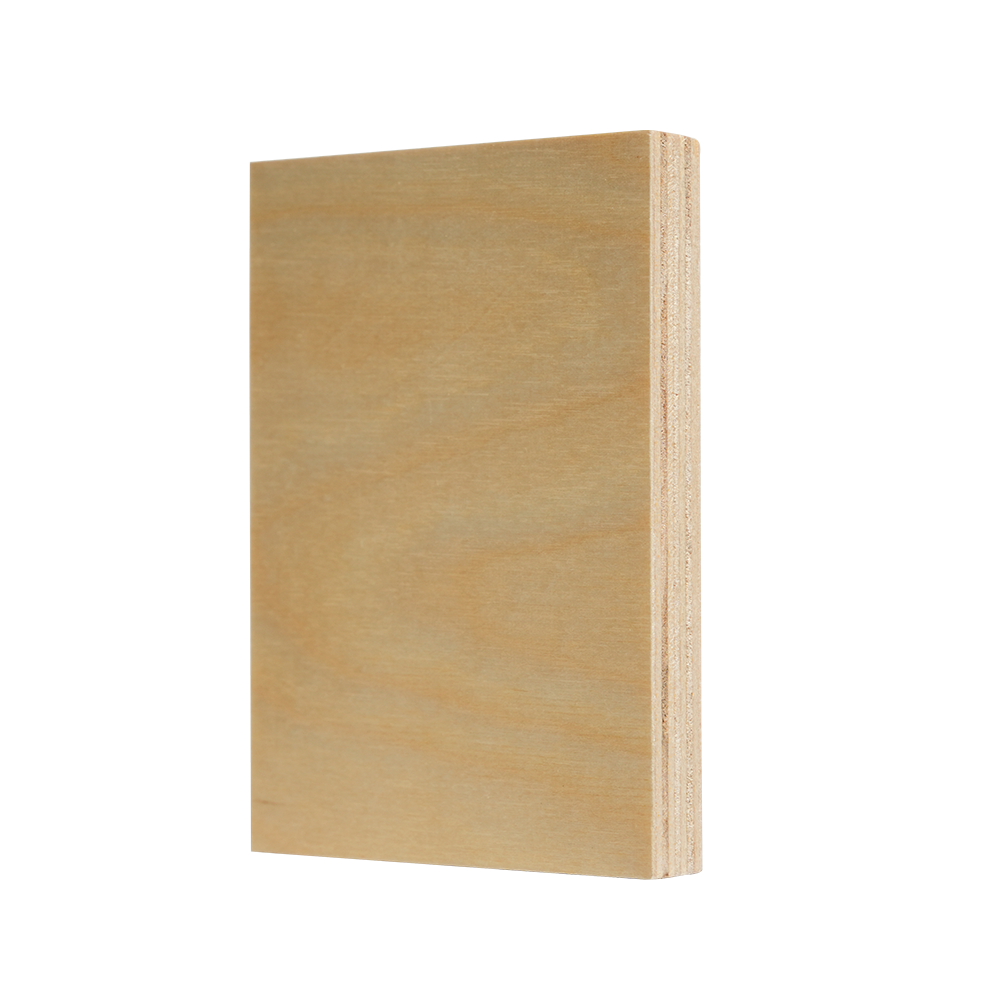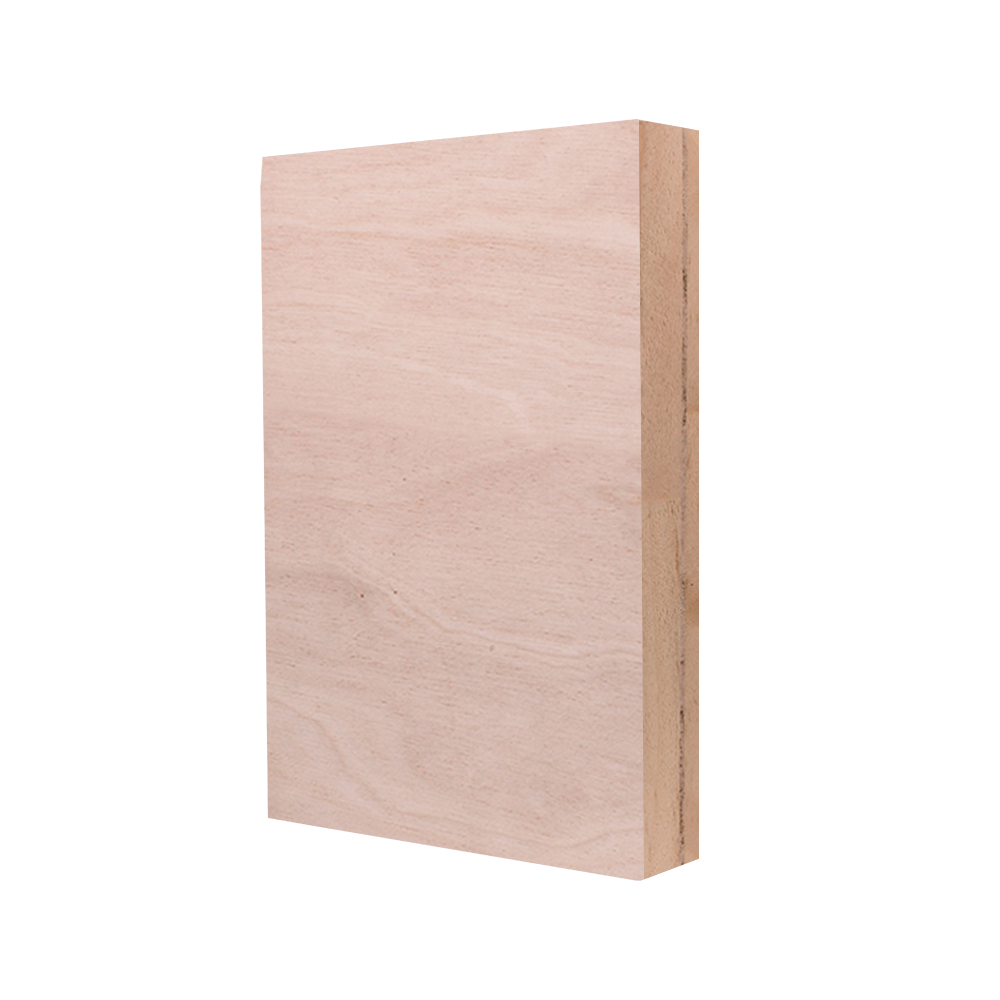

An 18 mm full-birch panel at 1220 x 2440 mm weighs about 37 kg. The same size in poplar plywood lands near 26 kg. Eleven kilograms per sheet is not a footnote: it changes how a panel is lifted, how many sheets fit inside a container payload, how much a shelf sags after two years, and how a finishing line behaves. Birch and poplar are not a premium-versus-cheap pair either. Birch wins on bending strength, screw withdrawal and surface hardness. Poplar wins on weight, machinability, paint uniformity and landed cost. The useful question is not which panel is better, but which of the three variables in this comparison, strength, appearance and price, actually constrains your project.
Start with density, because the other two variables in this comparison follow from it. A calibrated 18 mm full-birch panel typically sits between 680 and 720 kg/m³ in oven-dry terms, while poplar plywood of the same thickness usually measures 450 to 520 kg/m³. That is roughly one third less mass for the same volume, and it explains almost every downstream difference you will feel on the shop floor: how the sheet rings when you tap it, how the saw motor loads up, how deep a countersink sinks, and how a loaded shelf behaves in month eighteen.
The hardness gap is even wider than the density gap. On the Janka scale, solid birch reads around 1,260 lbf, or roughly 5,600 N, while yellow poplar reads about 540 lbf, near 2,400 N. Panel hardness is not identical to solid-wood hardness, but the ratio carries across: a birch face resists dents, pallet drag marks and dropped tool handles far better than a poplar face. If your product leaves the factory with a visible face and no protective film, that ratio is the difference between a clean delivery and a claim.
| Property | Full-birch plywood | Poplar plywood | Test reference |
|---|---|---|---|
| Density, oven dry | 680-720 kg/m³ | 450-520 kg/m³ | EN 323 |
| Janka hardness, solid wood | about 1,260 lbf | about 540 lbf | ASTM D143 |
| Bending strength, 18 mm, along grain | 80-110 MPa | 40-60 MPa | EN 310 |
| Modulus of elasticity | 9,000-13,000 MPa | 4,500-7,000 MPa | EN 310 |
| Screw withdrawal, face | High | Moderate | EN 320 method |
| Weight per 1220 x 2440 x 18 mm sheet | about 37 kg | about 26 kg | Calculated |
| Relative price index, same size and grade | 100 | 62-76 | Mill quotations |
The practical reading of that table is simple. When deflection, fastener performance or surface durability governs the design, birch is the lower-risk panel. When dead load, handling cost or paint coverage governs, poplar is the lower-risk panel. Everything else in this article is a refinement of those two sentences.
Birch carries more load per millimetre of thickness, and it keeps carrying it after repeated handling. A full-birch 18 mm panel usually reaches 80 to 110 MPa in bending strength along the grain, against 40 to 60 MPa for poplar. In a shelf calculation that difference shows up as deflection. A 900 mm span loaded at 40 kg/m² may sag a few millimetres in birch and visibly bow in poplar, and poplar keeps creeping under sustained load rather than springing back.
Screw hold follows the same logic. Birch holds a face screw firmly enough that disassembly and reassembly is realistic, but the density that gives you that grip also makes the panel split-prone near an edge. Pre-drill within 30 mm of any end, use a pilot hole around 80 percent of the screw minor diameter, and keep edge fasteners at least 50 mm from the corner. Poplar accepts fasteners without much ceremony but will strip a thread if you over-torque, and a stripped hole in low-density core is not recoverable with a toothpick and glue the way it sometimes is in hardwood.
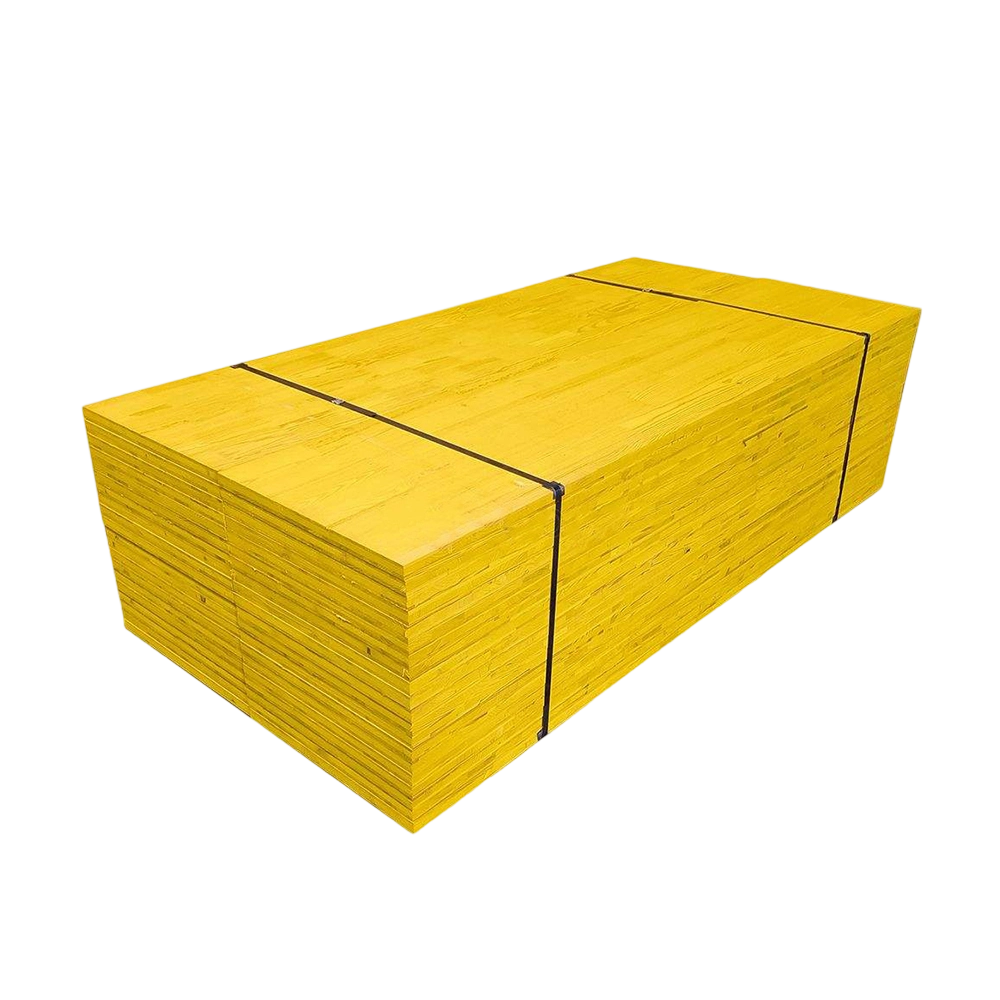
Birch core with a 120 g/m² phenolic film survives 15 to 25 pours when edges are sealed and release agent is applied properly. Poplar film-faced boards are usually reserved for short-run work or single-use slabs.
Birch resists long-term creep. Poplar shelves need a shorter span, a thicker section or a stiffener, which often erases the material saving.
Impact resistance matters more than static strength here. The 1,260 lbf versus 540 lbf hardness gap is the number to quote when a client asks why the cheaper board is not specified.
Birch holds machined edges and threaded inserts through many cycles. Poplar works for one-off fixtures where weight and cost dominate.
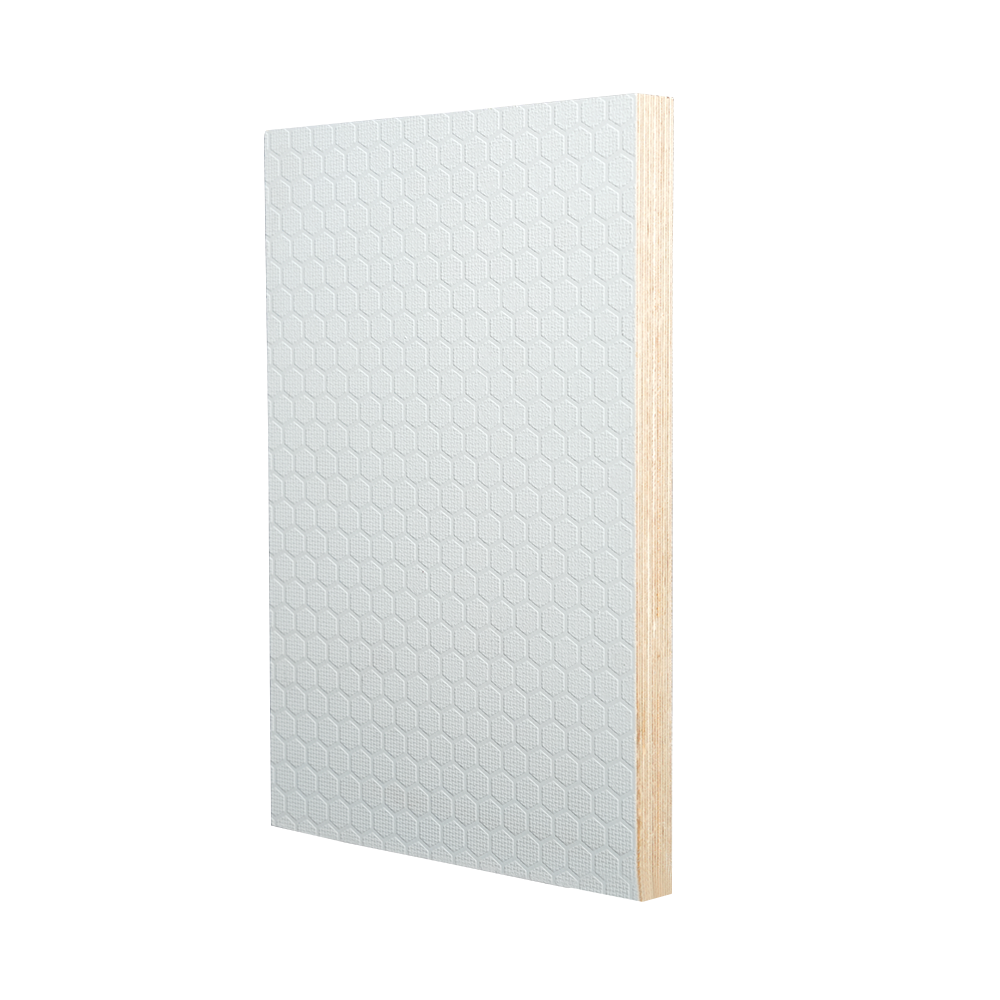
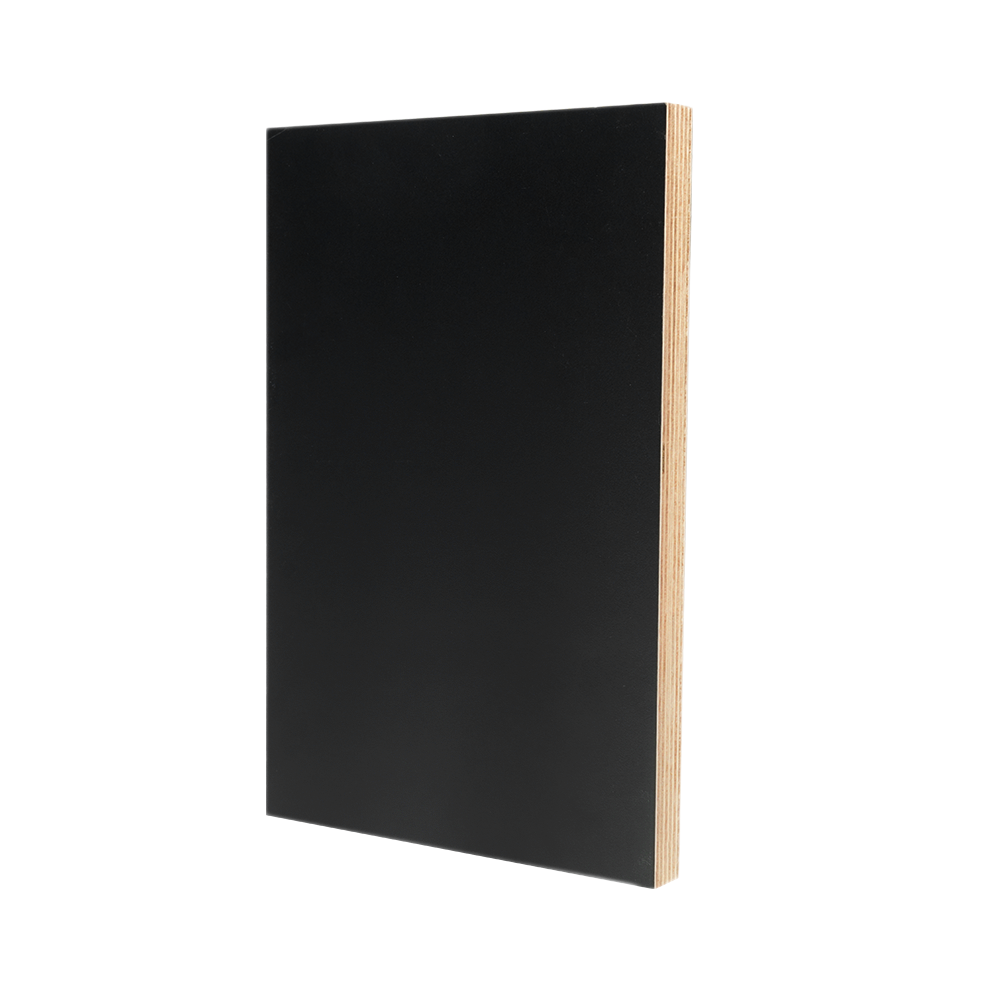 Smooth Film-Faced Birch Plywood for FormworkA birch-core panel with phenolic film faces, suited to repeated pours where clean release and edge moisture protection matter.View Product →
For repeated pours, the film quality matters as much as the core. A smooth film-faced surface releases cleanly and protects the birch face from water ingress at the edges, which is where formwork panels actually fail. Check that the film wraps the edge or that the edge is sealed with a compatible paint before the first pour.
Poplar is not a compromise material, and treating it as one leads to over-specification. Low density is an advantage whenever the panel has to be moved, hung or lifted by hand. A 26 kg sheet is comfortable for two people on a scaffold; a 37 kg sheet is not. On a facade refurbishment or an exhibition build, that difference in handling time often exceeds the difference in material cost.
Poplar also machines kindly. Its lower density means less tool wear, faster feed rates and lower spindle load on a nested CNC. Where a part is complex, thin-walled or cut with a small-diameter bit, poplar finishes the job with fewer broken tools and less heat discolouration on the cut edge.
The risk to watch is creep under sustained load. Poplar does not recover as fully as birch after long deflection, so a shelf that bows for a year stays bowed. Design poplar for a shorter span or add a stiffener, and do not simply substitute it into a birch drawing without checking the deflection calculation.
Birch presents a pale, fine, close-grained face with a subtle straight figure and occasional cathedrals from the rotary peel. Poplar presents a softer, more open face with an almost white sapwood and an olive-green to grey-green heartwood, which frequently shows as green streaks across the panel. Those green streaks are the single most common reason a poplar panel is rejected at goods-in, and they are a natural feature, not a defect.
The finishing behaviour runs in the opposite direction to what most buyers expect. Birch looks better and finishes worse. Its dense, closed surface absorbs sealer unevenly, so a stain applied straight onto a sanded birch face will blotch and look patchy. The fix is a wash coat: a thin sanding sealer or a one-pound cut of shellac, sanded back lightly before the stain goes on. Poplar, being more porous and more uniform in absorption, takes paint and solid-color stain evenly with far less preparation, which is why paint-grade joinery so often lands on poplar.
| Attribute | Birch plywood | Poplar plywood |
|---|---|---|
| Base color | Pale cream to light yellow | White sapwood, olive to grey-green heart |
| Grain figure | Fine, tight, subtle | Softer, more open, more visible |
| Color consistency between sheets | Good within one log batch | Variable, green streaks common |
| Clear finish suitability | Excellent with a wash coat | Poor to moderate |
| Opaque paint suitability | Good, requires sealing | Excellent |
| Typical face grades available | B-BB, S-BB, BB-BB, BB-CP, CP-CP | Usually a single paint grade |
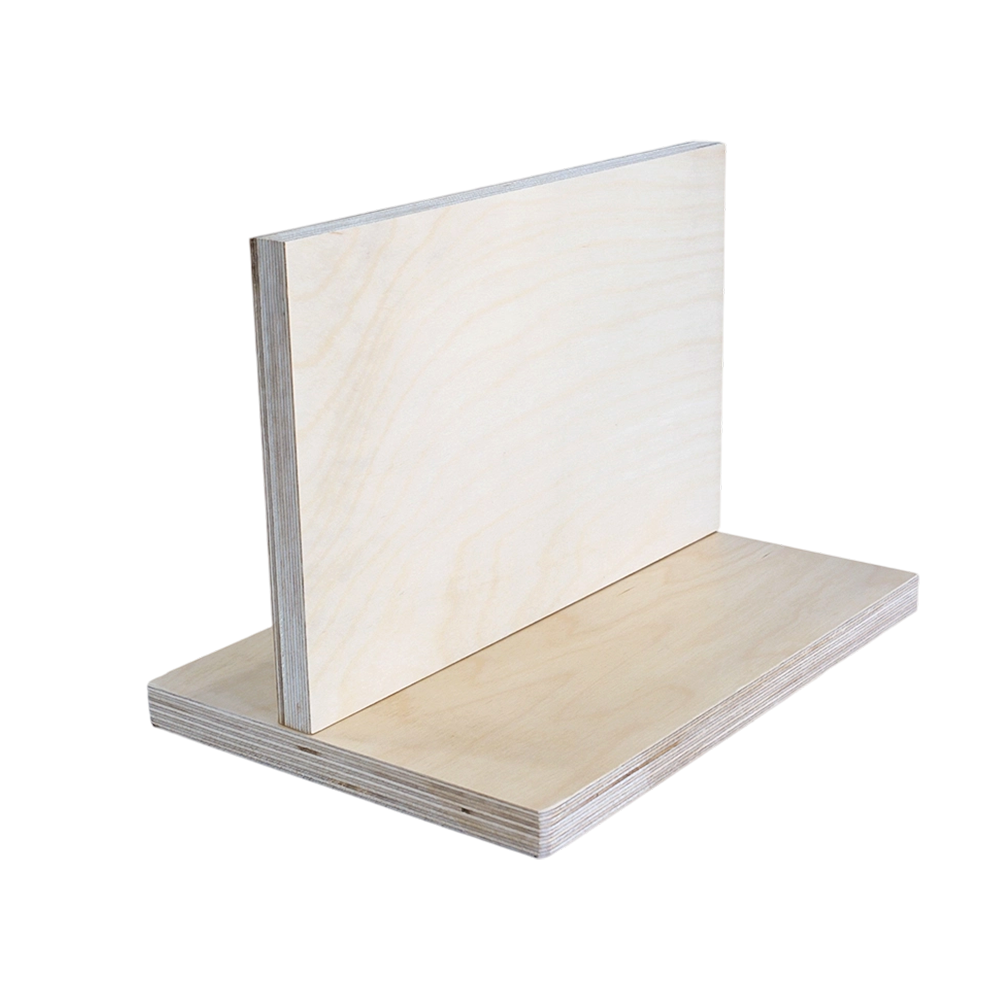
When appearance is the specification driver, the honest answer is often neither raw panel. A thin wood veneer over a stable birch core gives you oak, walnut or natural birch figure with the strength of a birch core and far better face consistency than any rotary-peeled face can offer. That route also removes the blotching problem, because the veneer is usually pre-sanded and calibrated for a uniform finish.
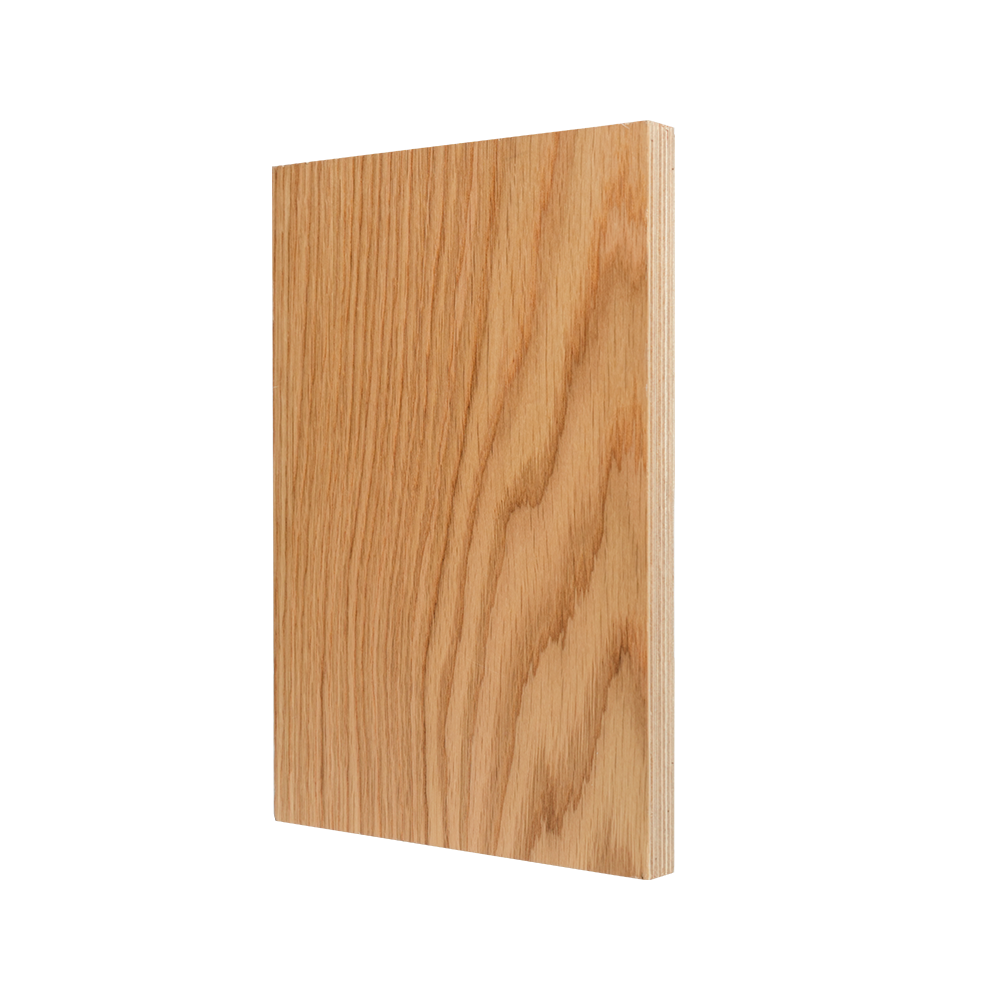 Wood Veneered Birch Plywood for Furniture and InteriorsBirch-core panel faced with oak, walnut or white ash veneer, offering consistent natural wood appearance for furniture, decoration and flooring.View Product →
Grade selection deserves its own conversation, since a B-BB face and a CP-CP face can differ by 20 to 30 percent in price for identical core construction. If you are unsure which grade your visible face actually needs, the grading breakdown in this birch plywood grades guide explains what each face class permits in terms of knots, patches and color variation.
Poplar plywood is cheaper per sheet almost everywhere, typically landing at 62 to 76 on an index where comparable birch sits at 100. That headline number is reliable. What is not reliable is the assumption that the project cost falls by the same proportion. Four factors eat into the gap, and buyers who ignore them are usually surprised at the invoice review.
Relative price index for 1220 x 2440 x 18 mm panels, same order volume, ex-works China. Film-faced panels carry an additional surfacing cost.
The first factor is thickness honesty. Some low-cost poplar boards are calibrated to a nominal 18 mm while measuring 17.2 mm. You pay for a sheet but you receive about four percent less material, and a four percent density difference in the wrong direction quickly removes a ten percent price advantage. Always buy on measured thickness and measured weight, not on the nominal figure printed on the pallet label.
The second factor is service life. A formwork panel that delivers eight pours instead of twenty costs more per pour even at a 30 percent lower purchase price. The third is finishing labour: birch needs a wash coat before staining, poplar often needs a stain-blocking primer to hide green streaks under a light paint. The fourth is freight, which is where the weight difference becomes a genuine cost line rather than a comfort issue.
One more point on price that catches importers: birch is a single-species product, so a mill quoting full-birch core is quoting one raw material stream. Poplar plywood is sometimes sold with a poplar face over a mixed or eucalyptus core, and the price difference between those constructions is larger than the difference between species. Ask for the core species in writing, not just the face species, and confirm it on the packing list.
Weight becomes a hard constraint as soon as you move from square meters to containers. A 40-foot high-cube has roughly 68 m³ of usable volume but a payload limit around 26,000 kg in most trade lanes. Volume stops mattering long before weight does, and that changes the economics of the two panels completely.
| Loading metric | Full-birch plywood | Poplar plywood |
|---|---|---|
| Weight per sheet | about 37 kg | about 26 kg |
| Sheets within payload limit | about 690 | about 1,000 |
| Covered area delivered | about 2,060 m² | about 2,980 m² |
| Cargo volume used | about 37 m³ | about 54 m³ |
| Freight cost per square meter | Higher | Lower by roughly 30 percent |
That table is the strongest commercial argument poplar has. If the application is non-structural and paint-finished, poplar can put almost 45 percent more surface area into the same container for a similar freight bill. On long-haul routes where freight is a large share of landed cost, the material saving and the freight saving stack up.
Tolerance is the other hidden variable. Calibrated sanded panels normally hold plus or minus 0.3 to 0.5 mm below 13 mm and plus or minus 0.5 to 0.8 mm above it. Poplar, being softer, loses thickness faster during sanding, so a mill chasing a nominal figure can end up with a thin panel and an inconsistent stack. Specify a measured target rather than a nominal one, and ask for the thickness distribution from the last three production lots.
Moisture content belongs in the same conversation. Both species should ship at 6 to 10 percent when tested to EN 322. Poplar dries faster but also picks up moisture faster in a humid warehouse, and a stack that gains two percent moisture will show edge expansion within days. Wrap pallets, keep them off concrete floors, and open the wrap only when the panels are in the production area.
Both species can be bonded to exterior class. The relevant standard is EN 314-2 class 3 for exterior conditions, with panel performance classified under EN 636-3, and a phenolic glue line is what makes either species suitable for wet service. Species does not replace glue specification. A poplar panel with a phenolic glue line will outperform a birch panel with an interior urea-formaldehyde glue line in any damp environment, every time.
Where the species difference does show is in how the panel behaves once water reaches the core. Birch absorbs slowly because of its density, so an edge that gets wet swells gradually and gives you time to catch it. Poplar wicks faster along the end grain, swells more in absolute terms, and does not recover as completely on drying. In practice that means poplar edges need sealing more urgently than birch edges, and any cut edge on an exterior poplar panel should be primed the same day it is cut.
For bilge boards, boat interior fit-out, bathroom vanity carcasses and exterior signage, birch with a phenolic bond is the conventional choice. For sheltered exterior work such as soffits, temporary hoarding and site protection, a film-faced panel of either species can work if the edges are protected and the panel is not in standing water. Where panels will be periodically soaked and dried, neither species is a substitute for a properly sealed composite or a marine-grade panel with sealed edges.
Tooling settings should change when you change species, and most shops do not change them. Birch is roughly 40 percent denser, so a cutter that ran at 18,000 rpm on poplar will burn and dull on birch. Drop the feed by 10 to 15 percent, keep the bit sharp, and expect noticeably shorter tool life on the birch runs.
Pre-drill birch near edges and ends. Use coarse-thread screws in both species, and avoid countersinking flush in poplar without a washer, since the soft face craters under the head. Glue joints perform well in both, but poplar faces benefit from a light sanding to remove the mill glaze before any PVA or PU adhesive is applied.
Birch edges machine cleanly and hold a 0.8 mm ABS band with standard glue settings. Poplar edges are more porous, so increase the adhesive coat weight slightly and check the bond after cooling. Because the poplar edge is paler and greener than the face, a light edge band or a painted edge usually looks better than a clear band.
Most specification errors come from choosing a panel for the whole project when the project actually contains several different duty levels. Splitting a project into structural, visible and hidden panels is where real cost control happens.
| Application | Recommended panel | Reason | Failure mode if swapped |
|---|---|---|---|
| Concrete formwork, 15+ pours | Film-faced birch | Edge durability and film adhesion | Poplar face delaminates and dents at edges |
| Kitchen cabinet carcass | Birch or birch-core with veneer | Screw hold at hinges and stiffness | Poplar hinge screws loosen within a season |
| Painted shop fixtures | Poplar | Paint uniformity and weight | Birch costs more with no visible benefit |
| Long shelving spans | Birch | Creep resistance under sustained load | Poplar sags permanently |
| Exhibition and stage sets | Poplar | Handling weight and short service life | Birch adds cost and lifting risk |
| Exterior signage | Birch, phenolic bond, sealed edges | Moisture resistance and impact strength | Poplar swells and does not recover |
| CNC-machined decorative panels | Birch, or veneered birch | Clean cut edge and face quality | Poplar fuzzes on fine detail |
| Export crates | Poplar | Cost and weight per cubic meter | Birch is over-specified for single use |
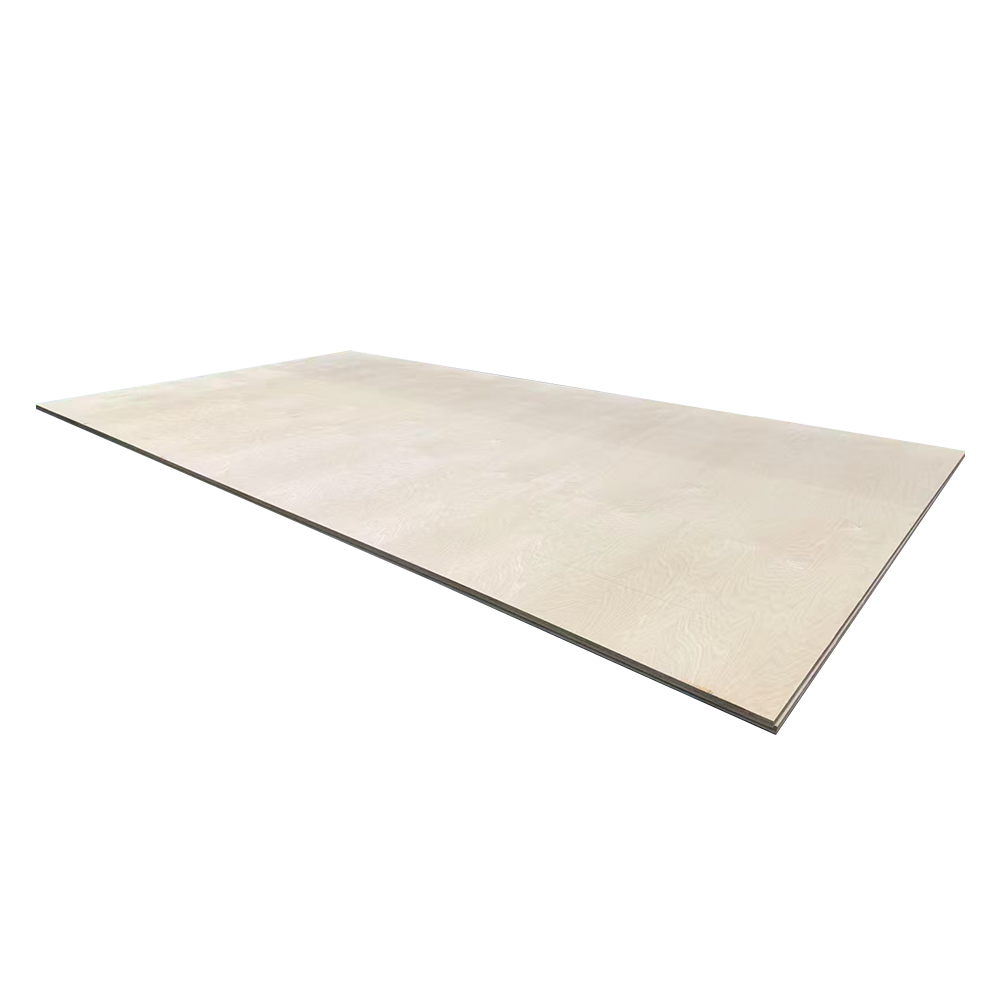 Large-Format RAW XL Birch PlywoodOversized birch plywood up to 2300 x 5000 mm, useful where facades, counters or wall units need fewer visible joints.View Product →
Oversized panels deserve a separate note. Where a facade panel, a long counter or a single-piece wall unit needs to be produced without a visible joint, an XL format panel removes the joint entirely, and the joint is usually where a water path or a visual break begins. Birch in XL format keeps the strength advantage while eliminating the assembly line you would otherwise have to control. For load-bearing use of thick panels, the deflection figures in this guide to structural-grade birch plywood panels are a useful starting point before you fix a thickness.
Most disputes about birch versus poplar are really disputes about what arrived, not what was ordered. A short inspection routine at goods-in resolves almost all of them before the panels reach a machine.
Record the results per lot and keep the sample. When a claim is needed three months later, a retained sample and a signed inspection sheet resolve the conversation in one email instead of three weeks.
For carcass backs, drawer boxes, cabinet internals and paint-grade panels, yes. For hinge mounting, shelf spans beyond about 700 mm, or any part carrying sustained load, no. The limitation is creep rather than short-term strength, so a poplar shelf that feels solid on day one can still bow by month twelve.
Three reasons stack up. Birch logs cost more, the rotary peeling yield is lower because the veneer is thinner and defects are less tolerated, and the drying and pressing cycles are longer. On top of that, full-birch core requires a single species stream, while poplar panels are often built with mixed cores, which reduces raw material cost further.
Yes, with preparation. Sand to 180 grit, apply a sanding sealer or a thin shellac wash coat, sand back lightly, then apply a primer and two topcoats. Skipping the wash coat is what causes the patchy, blotchy finish people complain about on birch.
Not necessarily, and often less. Poplar is more dimensionally forgiving when it dries evenly, and its lower stiffness means it conforms rather than fights. Warping in either species usually comes from unbalanced construction, uneven moisture or single-face lamination, not from the species itself.
Birch, by a wide margin, especially on the edge. That said, birch splits more easily near an end, so pre-drilling is mandatory. Poplar holds a face screw adequately but strips easily if over-torqued, and stripped holes in a low-density core cannot be reliably repaired.
For anything above roughly eight pours, yes. The film-faced birch face resists abrasion and edge damage, and the panel can be re-edged and reused. For single-use slabs, a lower-cost film-faced panel is the rational choice and paying for birch core is waste.
Yes, and it is often the most economical approach. Use birch where load, hinges or repeated handling matter, and poplar for hidden panels, backs, jigs and paint-grade parts. Just make sure the two are not laminated face to face, because the different moisture movement will create internal stress.
Birch, provided the bond is phenolic and the edges are sealed. Poplar absorbs moisture faster and does not return to its original dimensions as completely after drying. In a humid interior with no direct wetting, poplar with a proper exterior bond will perform acceptably; in a cyclically wet environment, neither raw panel is a good substitute for a sealed assembly.
related products


Copyright © Tianma Lvjian Group Co., Ltd. Rights Reserved.
Wholesale Construction Plywood Manufacturers Privacy
 English
 中文简体