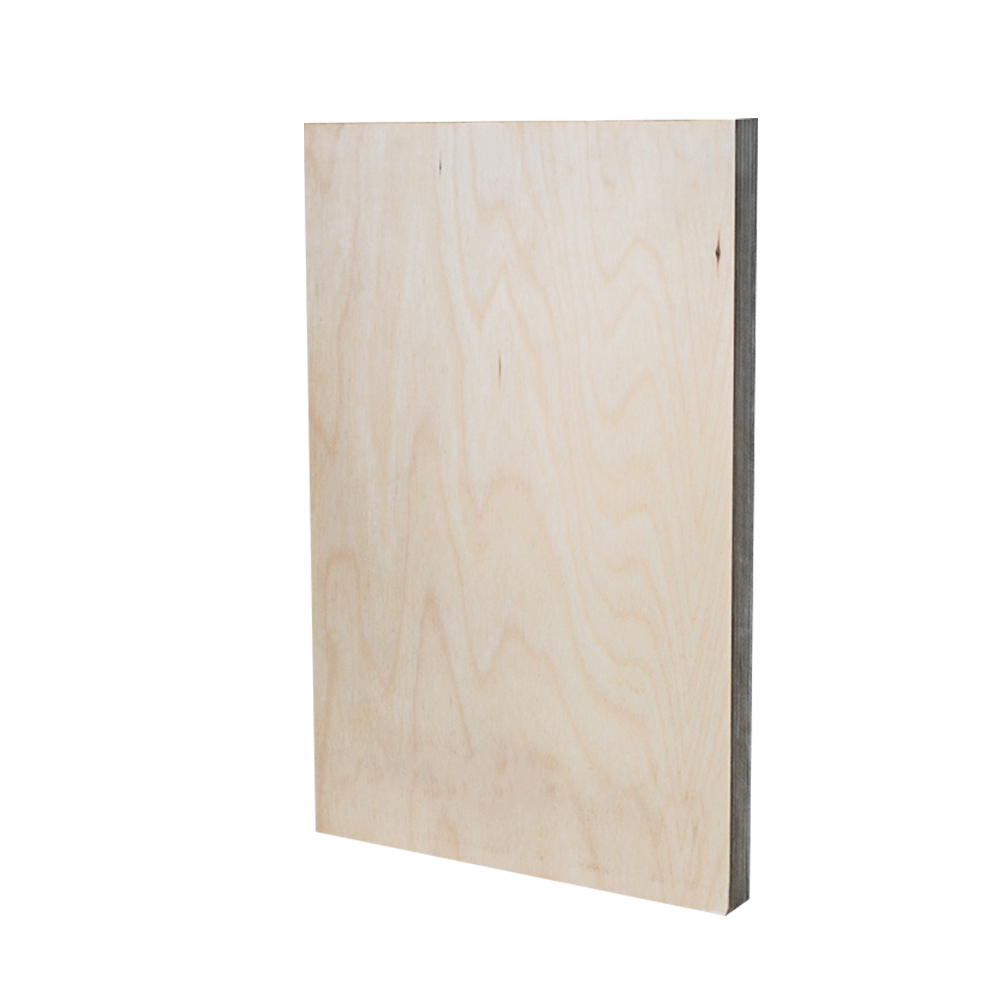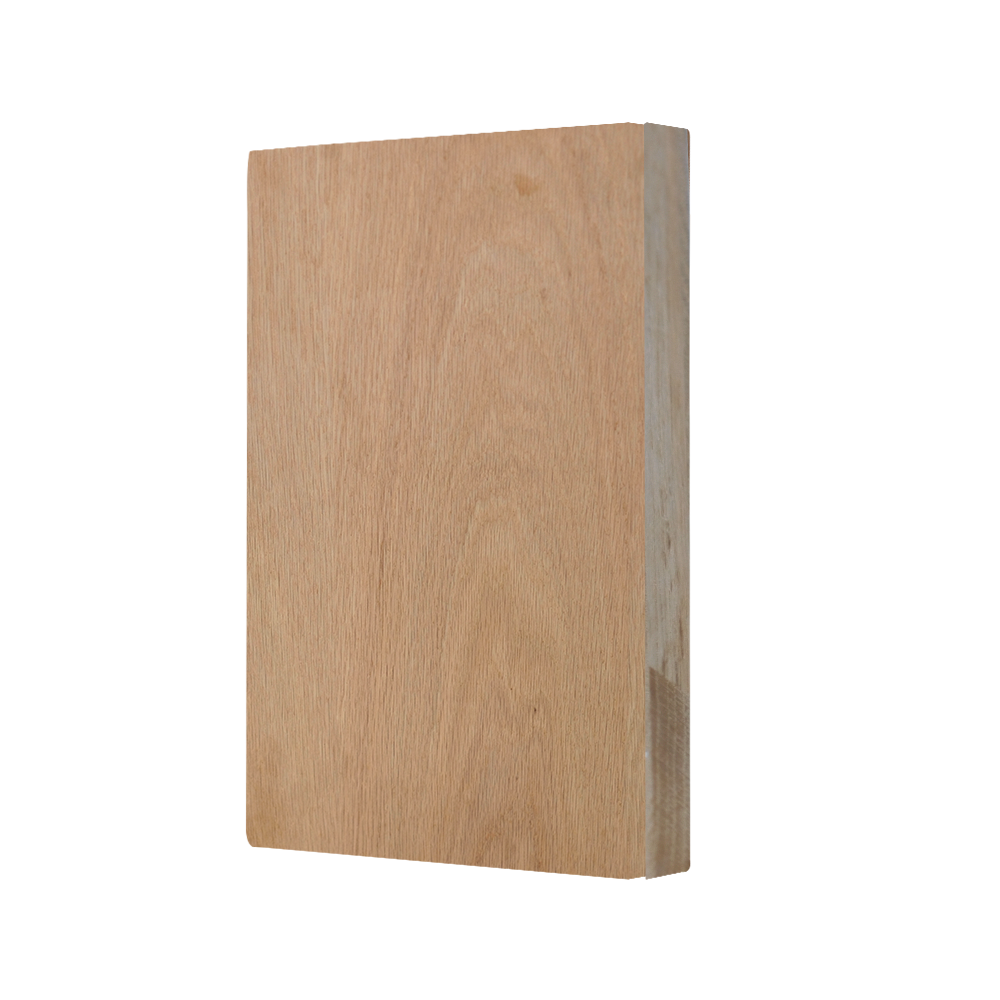

If the panel will receive a clear lacquer, stain, or natural oil finish, the difference between a B grade face and a BB grade face is visible within seconds. A B grade face is selected for a cleaner, more uniform appearance. A BB grade face is a practical face that may include small sound knots, color variation, and color-matched repairs. The two grades are not interchangeable when the face is the finished surface.
The grade letters describe the appearance of the face veneer. They do not describe the glue bond, core quality, thickness tolerance, screw-holding capacity, or load-bearing performance. A B/BB panel has a B grade face and a BB grade back. A BB/BB panel has BB grade faces on both sides. An order that says only “B grade” or only “BB grade” leaves too much open for production, inspection, and dispute resolution.
For visible cabinetry, display shelving, furniture fronts, and architectural panels, BB grade can look inconsistent under raking light even when the panel is structurally sound. For jigs, shop fixtures, painted panels, packaging, and hidden skins, paying for a B grade face can be unnecessary cost. The useful question is not which grade is “better” in general, but which face standard matches the final finish and the risk of rejection.
Birch plywood is graded face by face. The face grade is assigned after the veneer is clipped, dried, repaired, laid up, pressed, and sanded. A grader inspects the surface for color uniformity, knots, splits, plug repairs, patch repairs, sanding defects, and grain consistency. The back of the panel can carry a different grade from the face. That is why B/BB, BB/BB, BB/CP, and similar descriptions are common: they describe two faces, not one overall quality level.
In a B/BB panel, the B face is the show face and the BB face is the reverse. In a BB/BB panel, both faces are held to the BB appearance standard. A B/B panel is possible in theory but less common because clean faces on both sides reduce yield. A B/BB panel with a better face, often described as S+/BB or similar, is not the same as a standard B/BB panel; the face is cleaner, with fewer or no plugs.
This face-by-face system matters at the cutting table. Two panels can carry the same B/BB label and behave differently after cutting because one has more color variation near the edge, more repair marks near the center, or more grain contrast across the sheet. A clear finish exposes those differences quickly. A painted finish hides many of them. That is why a grade name alone is not a finish specification.
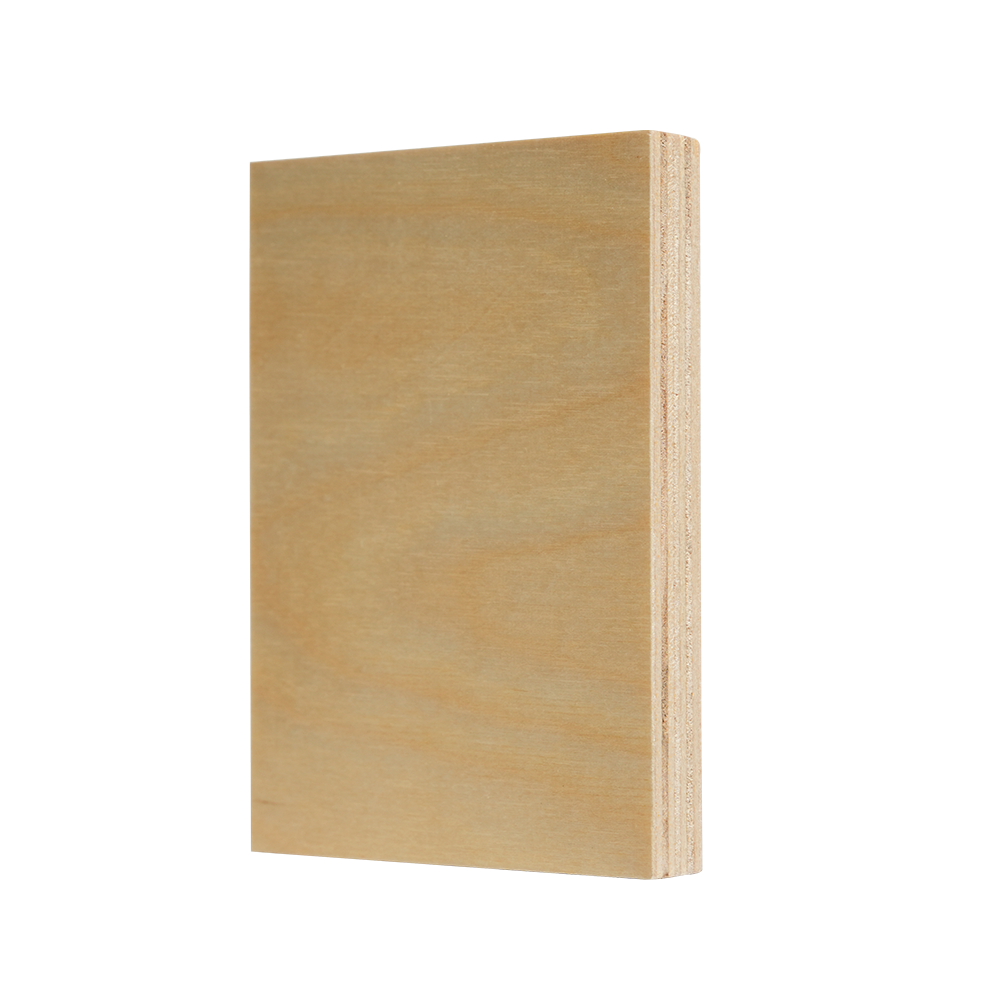
If the project calls for a known face grade and a known reverse face, a graded panel such as B/BB grade Russian birch plywood gives the production team a clearer starting point than an open “birch plywood” description. The important step is to confirm the actual grading rule, the patch allowance, and the color range before the first sheet is cut.
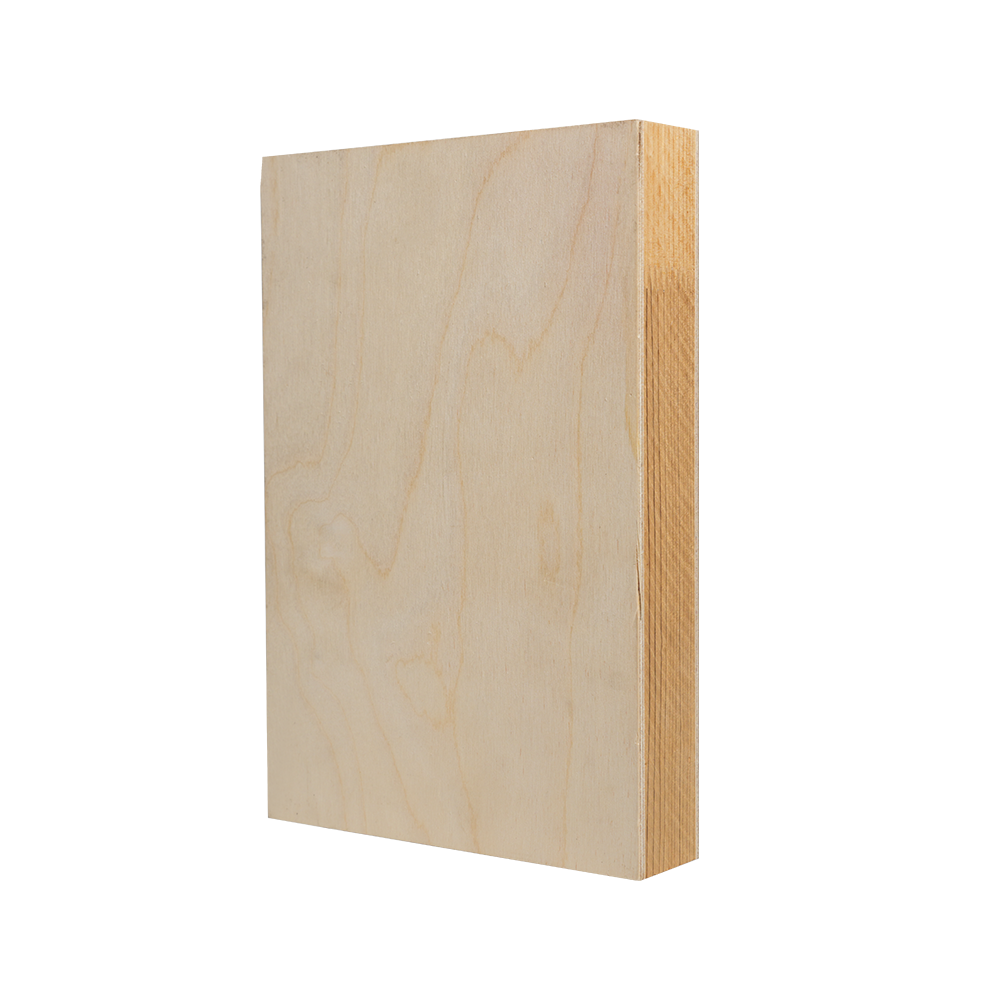
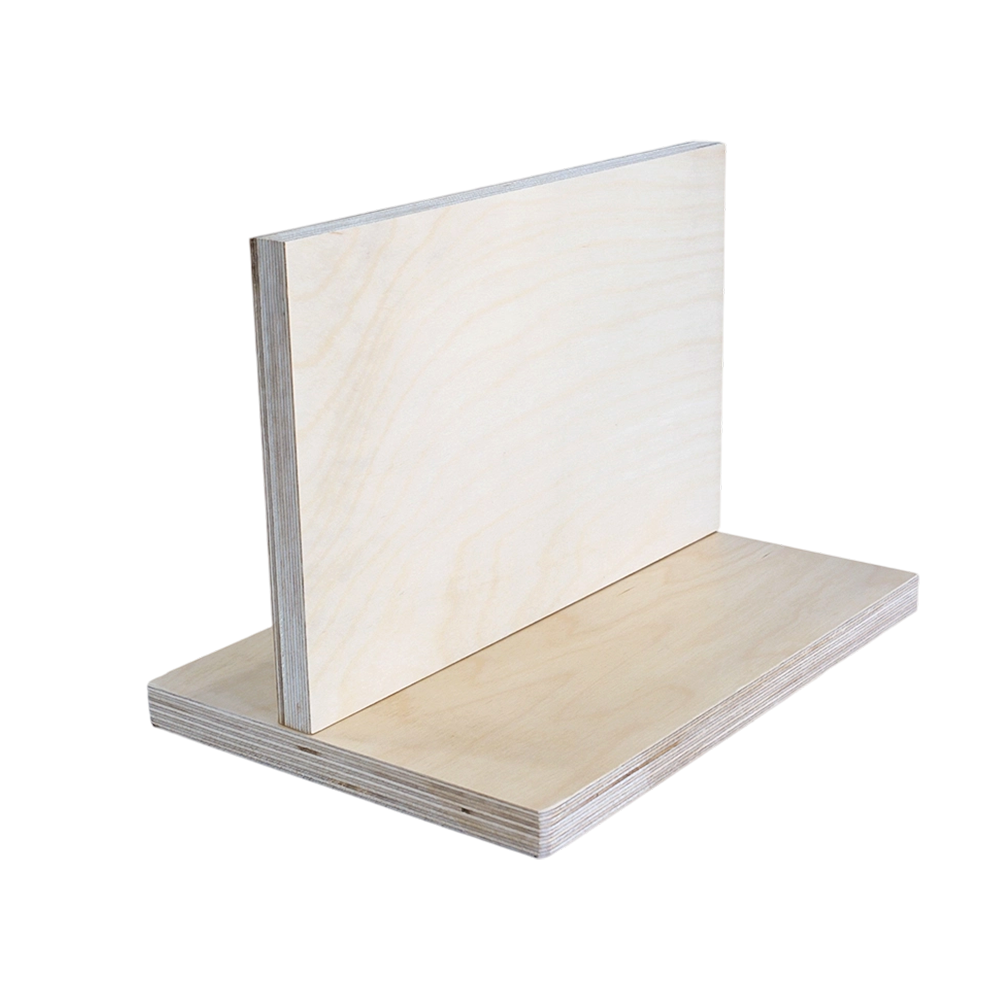
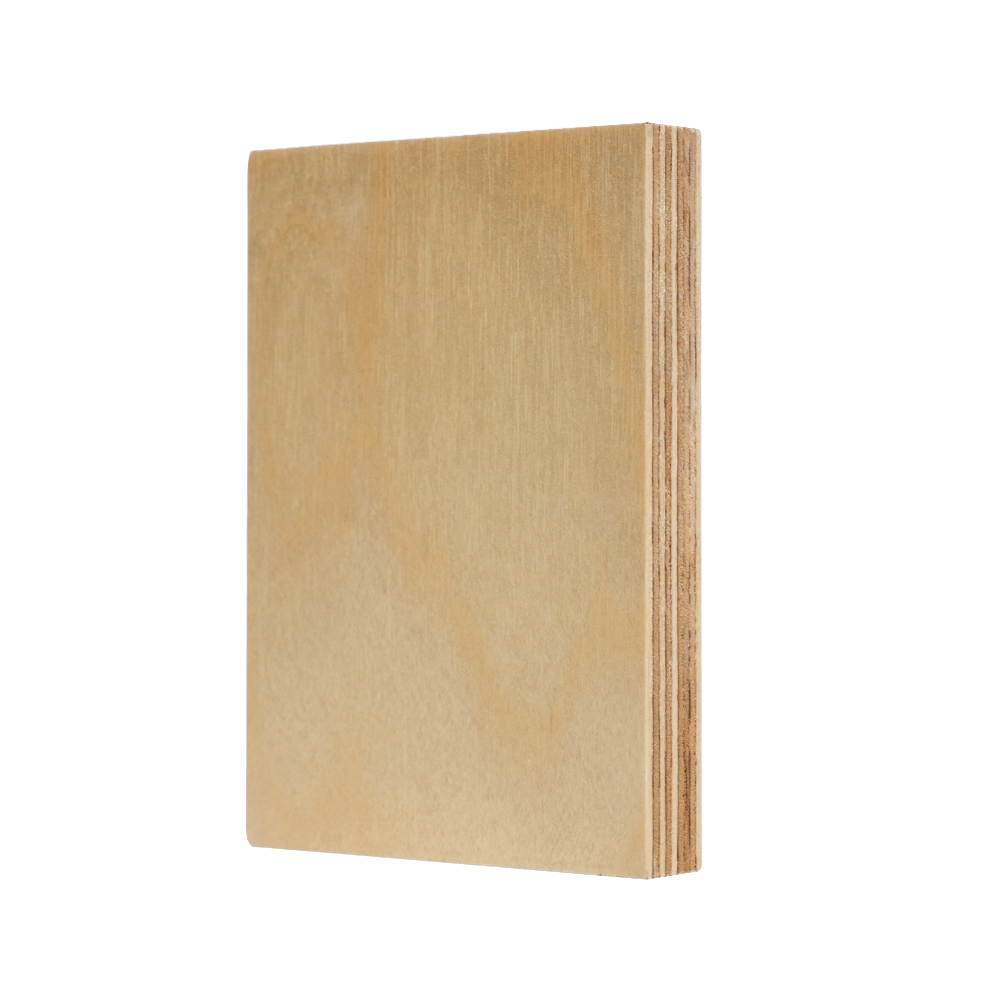 Top Grades B/BB and S/BB Birch PlywoodFor projects specifying known face and reverse grades, this birch plywood offers B/BB and S/BB options for furniture, interior design, and shipbuilding.View Product →
A B grade face is expected to be clean, uniform in color, and free from open defects, visible plugs, and prominent repairs. In many mill standards, the B face is the face selected for natural finish. It should present a tight, continuous birch surface without the darker patches or small repairs that appear on lower appearance grades. The exact tolerance for very small pin knots and slight color shift depends on the mill’s grading rule, so a written sample or photo reference is more reliable than the letter alone.
Under raking light, a B grade face should show a relatively even grain pattern and a consistent white-to-light-cream color. Small sanding marks, glue spots, and handling scratches are not grade defects in the same way as knots or patches, but they become finishing problems. A B grade face that has been stored without protection can look worse than a BB face that has been handled correctly. Surface grade and surface condition are related but not identical.
B grade is most valuable when the face is the product. Cabinet doors, drawer fronts, open shelving, furniture tops, wall panels, and display fixtures often use B grade faces because the finish is translucent or clear. A patch on a BB face can telegraph through a thin veneer or a clear coat. On a painted panel, the same patch has no visual consequence. That is the practical line: B grade buys appearance consistency, not strength.
A B grade face is not automatically finish-ready. Birch can blotch under stain, so a sanding sealer and a test panel are still needed. The grade reduces visible defects; it does not replace surface preparation.
A BB grade face is a serviceable face. It may include small sound knots, color variation, and color-matched repairs. On a B/BB panel, the BB back may carry several small patches that are carefully matched to the surrounding veneer. On a BB/BB panel, both faces work to that BB standard. BB is not scrap and it is not a structural downgrade. It is a practical face standard for panels that will be painted, laminated, overlaid, or hidden.
The repair quality matters more than the repair count. A tight, color-matched patch is stable and visually controlled. A patch with a dark edge, a lifted corner, or a different grain direction can telegraph through a thin laminate or show through paint. The same applies to small knots: a tight sound knot is acceptable in many BB faces, while an open or cracked knot is a defect that can affect the surface and the coating line.
BB grade is often the sensible choice for shop fixtures, jigs, painted cabinet boxes, furniture frames, packaging, and structural skins that will be covered. It also works well for panels that will receive high-pressure laminate, melamine, or a veneer with enough thickness and opacity to hide the base. If the face will be visible under clear finish, BB may still work in rustic or painted designs, but the color range should be agreed before production.
 Middle Grades BB/BB and BB/CP Birch PlywoodFor painted cabinet boxes, fixtures, and covered structural skins, BB/BB birch plywood offers a smooth, repaired surface suitable for painting, staining, and lamination.View Product →
The BB grade is flexible, but it is not loose. A clear repair limit should be written into the order, especially when the panel will be cut into narrow stiles, rails, or door frames. A patch that falls in the center of a large panel may be invisible after painting; the same patch on a narrow visible edge can become a rejection point.
The following comparison is written for specification and inspection. It assumes the same core, glue type, thickness, and panel construction. The face grade changes the appearance and the yield of visible parts; it does not change the structural class by itself.
| Evaluation point | B grade face | BB grade face |
|---|---|---|
| Visual appearance | Clean, uniform, and selected for visible natural finish. | Practical face with some color variation and small repairs. |
| Knots and defects | Expected to be free from visible open knots, plugs, and prominent repairs under the applicable mill rule. | Small sound knots and color-matched repairs may be present within the agreed limit. |
| Color consistency | Higher consistency; suitable for clear coat and stain. | Wider color range; better for paint, laminate, or hidden use. |
| Repair tolerance | Very low; repair marks can be a rejection point. | Moderate; patch count and patch quality should be specified. |
| Best finishing method | Clear lacquer, natural oil, stain with sealer, UV coating. | Paint, HPL, melamine, veneer overlay, or hidden structure. |
| Typical use | Cabinet fronts, furniture tops, display shelves, wall panels. | Painted boxes, jigs, shop fixtures, packaging, covered panels. |
| Relative cost | Higher because clean face veneer yield is lower. | Lower because more veneer can be used with controlled repairs. |
| Main purchasing risk | Paying for a clean face and still finding color or sanding variation. | Accepting repairs that show through a thin finish or appear on a visible edge. |
Read the table from the finish backward. If the finish is clear and the face is visible, the B grade column sets the expectation. If the finish is opaque or the face is covered, the BB grade column is usually enough. The middle ground is a B/BB panel: one clean face for the show side and one BB face for the back or hidden side. That construction often gives the best balance between appearance and yield.
Grade inspection is not only a matter of counting defects. The same panel can look acceptable in flat warehouse light and unacceptable under raking light beside a window. A buyer comparing B and BB grades should inspect the face at a low angle, with the light moving across the grain. That method exposes sanding marks, patch edges, face veneer thickness variation, and grain contrast that a straight-on view can hide.
The face should read as a single visual field. Grain is tight and continuous. Color is close across the sheet. Small pin knots, if allowed by the mill rule, should be tight and similar in color to the surrounding veneer. The risk is not a large defect; it is a small color shift that becomes obvious after lacquer.
The face can carry small repairs and color variation, but the surface must be level and stable. Patch edges should not lift. Knots should be sound. The risk is telegraphing through a thin coating or showing on a cut edge where a patch has been exposed.
The visual check should be tied to the cut plan. A sheet with one repaired area may be perfect if that area falls into a hidden cabinet base or a waste zone. The same sheet may fail if the repair lands on a door stile. Grade acceptance and cut planning belong together; a face grade specification without a cut plan can create avoidable rejections.
B and BB are face appearance grades. They are not structural grades, glue classifications, or durability ratings. A B grade face does not make a panel stronger. A BB grade face does not make it weaker. When a panel is used in a structural application, the specification should address core quality, void limits, adhesive type, thickness tolerance, grain direction, and the applicable structural standard. Face grade is a separate decision.
That separation is important in bending, shelving, and load-bearing skins. A shelf fails because of span, thickness, core gaps, creep, and support detail, not because the face has a small patch. A concrete formwork panel fails because of film wear, edge sealing, and impact, not because the face veneer is BB instead of B. A cabinet door warps because of moisture imbalance and panel construction, not because the face grade letter is lower.
B grade supports performance indirectly. A cleaner face means less sanding through the veneer during finishing. Fewer patches mean fewer places where a thin laminate can telegraph. More consistent color means fewer rejected visible parts after coating. Those are yield and quality benefits, not structural benefits.
BB grade supports performance when the face is covered. A painted cabinet box, a laminated worktop substrate, or a veneered panel can use BB faces without reducing the function of the finished product. The saved cost can be redirected to better core quality, a thicker face veneer, better edge sealing, or a more suitable adhesive. That reallocation often improves the final product more than upgrading a hidden face from BB to B.
For wet or exterior use, the adhesive and edge protection come first. A B face on a poor glue bond will still delaminate. A BB face on a proper exterior adhesive, with sealed edges and correct fixing, can perform well in the intended service condition. The grade label should never be used as a shortcut for a full panel specification.
B grade faces are usually chosen for clear finishes, but clear finish is not forgiving. Birch has a closed grain and a light color that can show sanding marks, glue spots, and blotchy stain. A B grade face with a clean veneer can still finish poorly if the surface is not prepared correctly. The grade removes visible defects; it does not remove the need for sanding sealer, grain control, and a test panel.
BB grade faces are more tolerant when the coating is opaque or the face is laminated. Paint hides color variation and small patches, but it does not hide surface level differences or patch edges. A thin melamine or HPL overlay can telegraph a repair if the patch is not level or if the face has been sanded unevenly. A veneer overlay can have the same problem when the overlay is thin and the substrate is not properly calibrated.
A clear finish should be specified as a system: face grade, sanding sequence, sealer, coating build, and inspection light. A paint finish should be specified as a surface: face grade, patch limit, sanding level, primer, and edge treatment. The grade alone is not a finish specification.
Edge treatment also matters. B and BB grades refer to the face, not the edge. Cut edges expose the core, the glue lines, and the inner veneer. On a visible cabinet door, the edge can show more variation than the face. Edge banding, sealing, and a consistent cut sequence should be part of the specification. On painted work, edge sealing is not only cosmetic; it helps control moisture movement.
For natural finish, inspect the face after sanding, not only before. Sanding can reveal a different color or grain pattern. For painted finish, inspect the face after primer, because primer often exposes patch edges and sanding scratches that were invisible on raw veneer. The inspection point should match the finishing stage where defects will be visible to the end user.
The fastest way to choose between B and BB is to define the visible surface and the acceptance risk. The same panel can be premium in one application and wasteful in another. The following application view is practical rather than absolute; the final choice depends on the finish sample and the customer’s tolerance for color variation.
Use B grade faces on doors, drawer fronts, and visible tops when the finish is clear, stained, or natural oil. Use BB faces for cabinet boxes, internal shelves, and hidden structural parts. If the design is painted, BB faces can be used on the fronts, but the patch limit and sanding level must be agreed.
B grade is the safer choice for large visible panels because color variation across adjacent sheets is more noticeable than a small defect in one sheet. BB grade can work in painted or rustic designs, but panel-to-panel color range should be controlled. For clear finish, request a set of face samples from the same production batch.
BB grade is usually sufficient. Paint hides small knots and color-matched repairs. The main risk is not the repair itself but surface preparation. Fill, sand, prime, and inspect under the same light as the final installation.
BB grade is often a better use of material. The face will be handled, marked, and sometimes abused. A clean B face adds cost without adding function. Select for flatness, thickness consistency, and core quality instead.
BB grade can be acceptable when the overlay is thick enough and the surface is properly calibrated. For thin overlays, use a tighter face standard and inspect for patch telegraphing. The substrate face should be flat, clean, and stable before pressing.
BB grade is usually the practical choice. Appearance is secondary; strength, handling, and cost control matter more. Specify the glue type and thickness tolerance so the panel meets the service condition.
One application deserves a separate warning: visible narrow parts. A patch or color shift that looks minor on a full sheet can become a dominant feature on a 60 mm wide door stile. If the cut plan creates narrow visible pieces, the face grade should be set for those pieces, not for the average of the sheet. This is where a B/BB panel with careful nesting can outperform a BB/BB panel used across the whole job.
B grade faces cost more because clean face veneer is harder to produce and the yield of show-grade material is lower. The price difference is justified when the face is visible and the finish is clear. It is harder to justify when the face is painted or covered. The calculation should compare the cost of the upgrade with the cost of rejection, rework, and delayed installation, not only the sheet price.
A BB face can be the lower-cost choice, but a repair in the wrong place can erase the saving. If a patch lands on a visible door rail, the part may need to be recut. If a patch telegraphs through a laminate, the whole panel may need to be re-pressed or replaced. If color variation is too wide across a batch, the installer may need to sort and shuffle panels on site. Those costs are real, and they often appear after the panel has left the factory.
The best cost decision is often a mixed one: B/BB panels for visible faces and hidden backs, BB/BB panels for painted or covered parts, and a separate specification for structural or exterior panels. That approach uses the grade system as it was intended. It also keeps the conversation focused on the finished product rather than on a single letter on the invoice.
Do not compare quotations by grade letter alone. Compare the face grade on each side, the repair limit, the color range, the glue type, the thickness tolerance, the panel size, the core gap limit, and the inspection method. A lower-priced BB panel with a wide color range and loose patch standard may cost more in the finishing room than a better-controlled BB panel with a clear acceptance limit.
A clear order prevents most grade disputes. The face grade should be written as a two-face specification, not a single word. “B/BB” is clearer than “B grade.” “BB/BB with maximum four color-matched patches per face” is clearer than “BB grade.” The production team can then inspect to a defined standard rather than to a personal interpretation.
The sampling method matters as much as the standard. A buyer who inspects one sheet in flat light will see a different result from a buyer who inspects ten sheets under raking light. For visible work, request a set of face samples from the same production batch and approve them under the final lighting condition. For painted work, approve a primed sample, not only a raw veneer sample.
Storage also belongs in the checklist. B and BB faces can be damaged after delivery by poor stacking, moisture imbalance, or handling. Keep panels flat, supported, and protected from water. Allow them to acclimatize before cutting when the workshop and installation conditions differ. A grade dispute is sometimes a storage dispute in disguise.
The grading language becomes easier when it is tied to the finished product. A clear-finish door front and a painted cabinet box may use the same core and glue, but they do not need the same face grade. Once that distinction is clear, the specification becomes a production tool rather than a label. For related grading comparisons, the difference between B-BB, BB-BB, and BB-CP grading standards is useful when the back face or the lower face grade affects the cut plan.
No. B grade is better only when the face appearance matters. For painted, laminated, or hidden surfaces, BB grade can be the better use of material because it controls cost without reducing the function of the finished panel.
B/BB means the panel has a B grade face on one side and a BB grade face on the other. The B face is the show face. The BB face is the back or secondary face. The panel should be ordered with the B face identified so the production team can orient it correctly.
Yes, if the doors will be painted or the design accepts color variation and small repairs. For clear finish or stain, B grade is usually safer. If BB is used on a visible door, set a patch limit and inspect under the final lighting.
No. B grade is a face appearance grade. Strength comes from the core, thickness, construction, adhesive, and support conditions. A structural specification should be written separately from the face grade.
Only when the full panel specification supports the service condition. The face grade does not determine exterior performance. The adhesive, edge sealing, moisture exposure, and coating system must be suitable for the application.
Patches allow the mill to use veneer with small defects while maintaining a stable, serviceable face. In a controlled BB grade, the patches should be tight, level, and color-matched. The allowable number and size should be stated in the order.
Yes, but birch can blotch. Use a sanding sealer, test the stain on a representative offcut, and control the sanding sequence. A clean face grade reduces visible defects, but it does not replace proper surface preparation.
Compare the two-face specification, repair limit, color range, glue type, thickness tolerance, core gap limit, panel size, and inspection method. A quotation that lists only “B grade” or only “BB grade” is too open for a visible finished product.
Use a B grade face with a written color range and a sample approved under the final light. Confirm the back grade, the glue type, and the face veneer thickness. Then run a finishing test before full production.
related products


Copyright © Tianma Lvjian Group Co., Ltd. Rights Reserved.
Wholesale Construction Plywood Manufacturers Privacy
 English
 中文简体