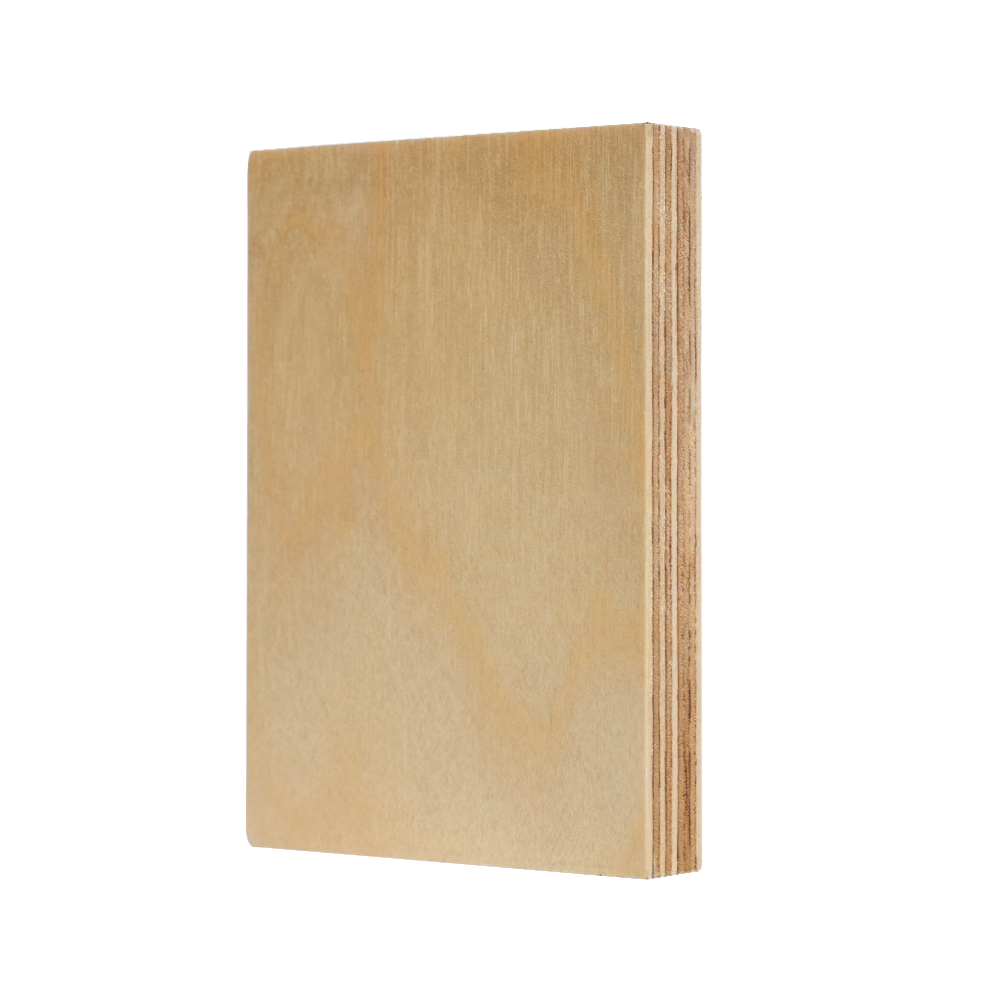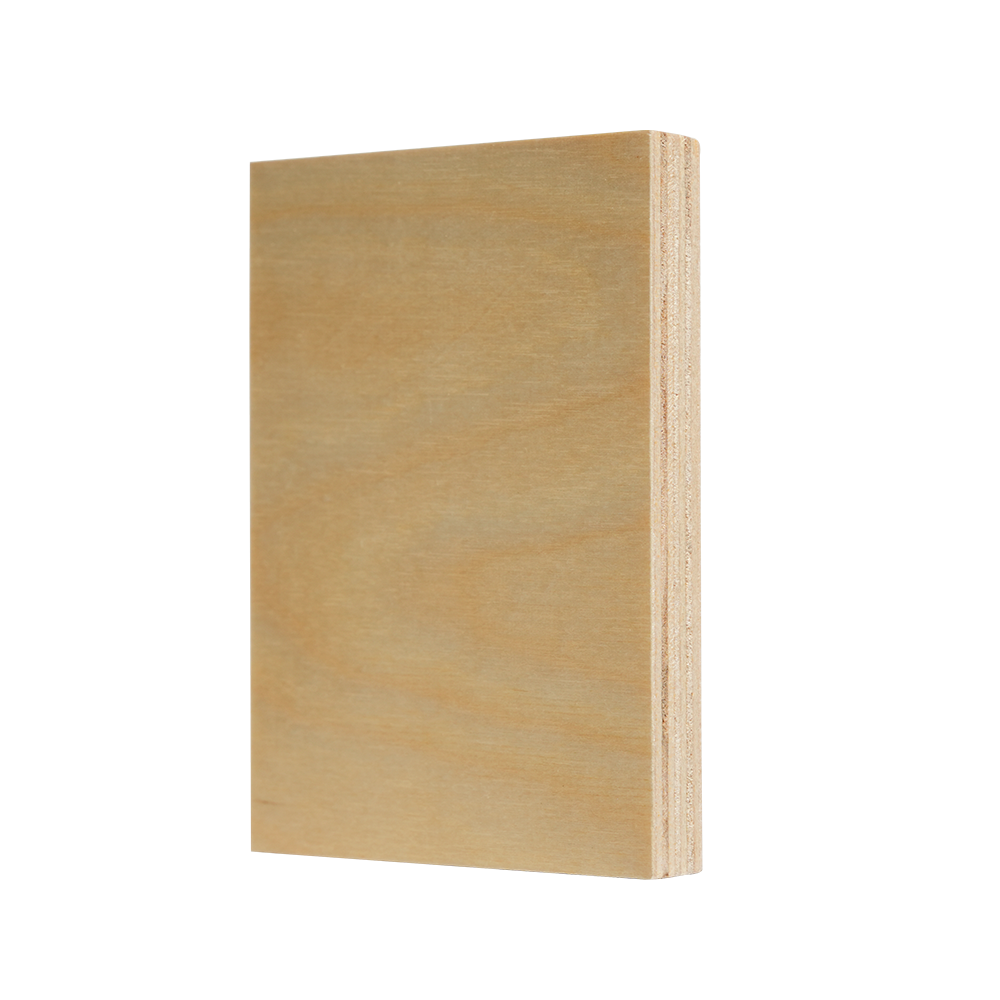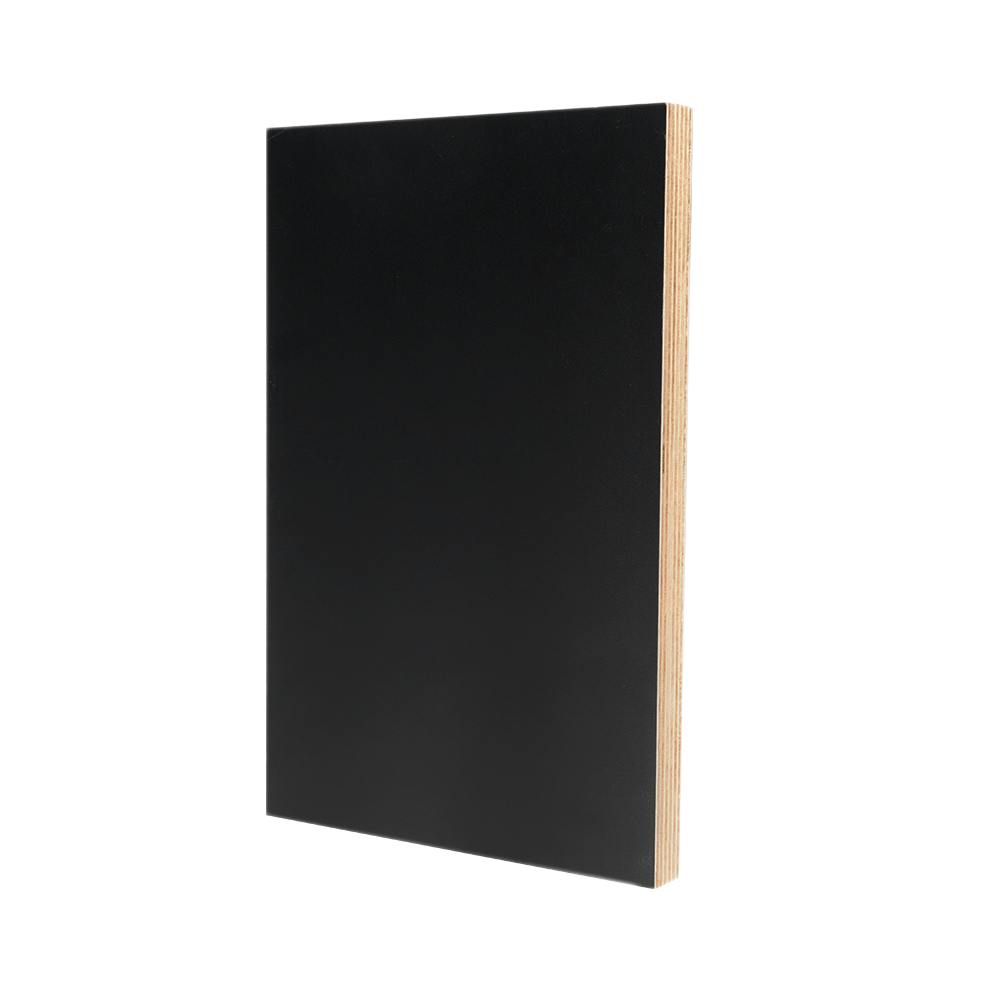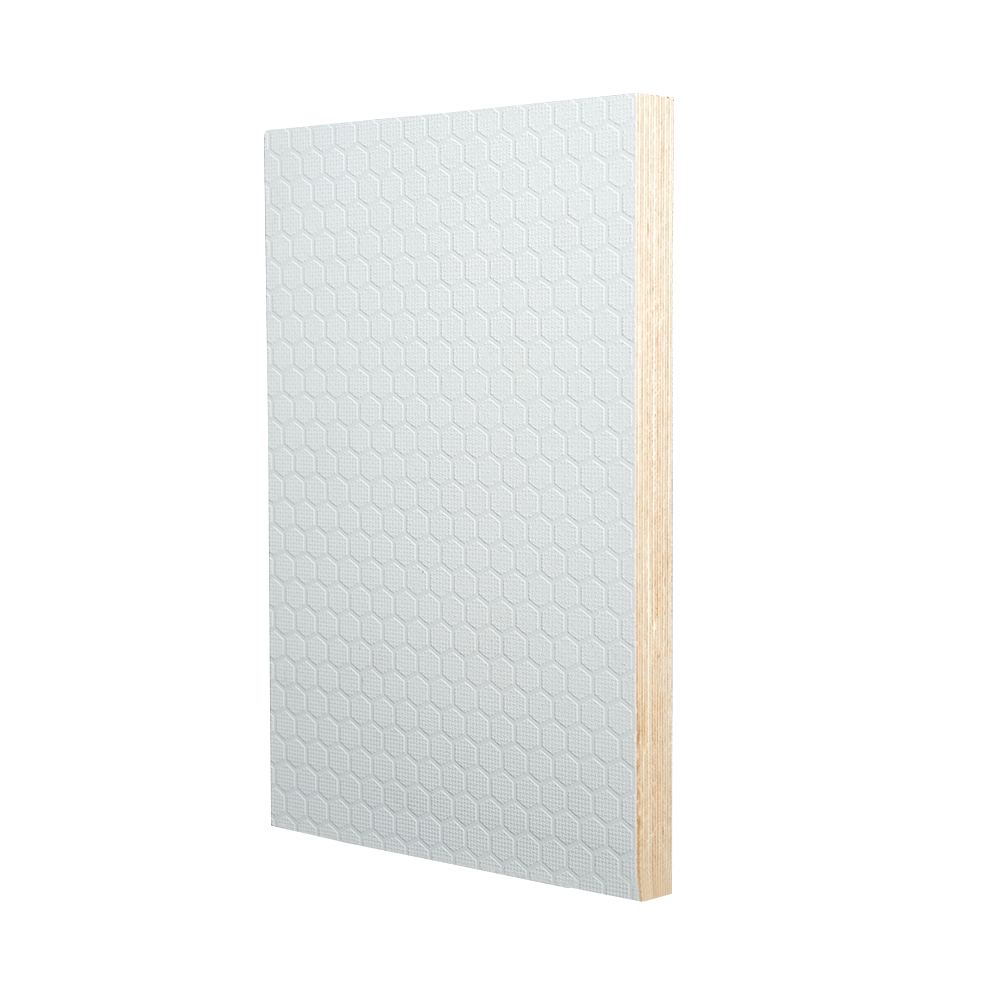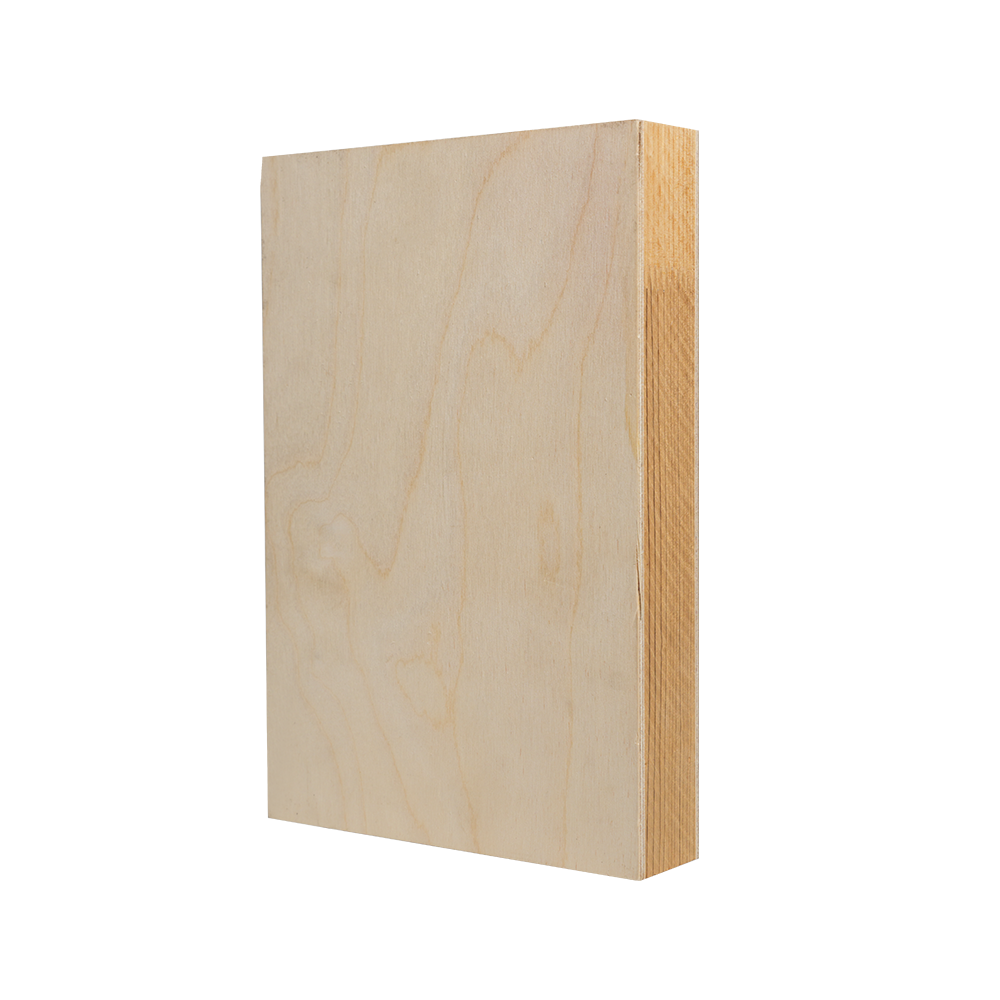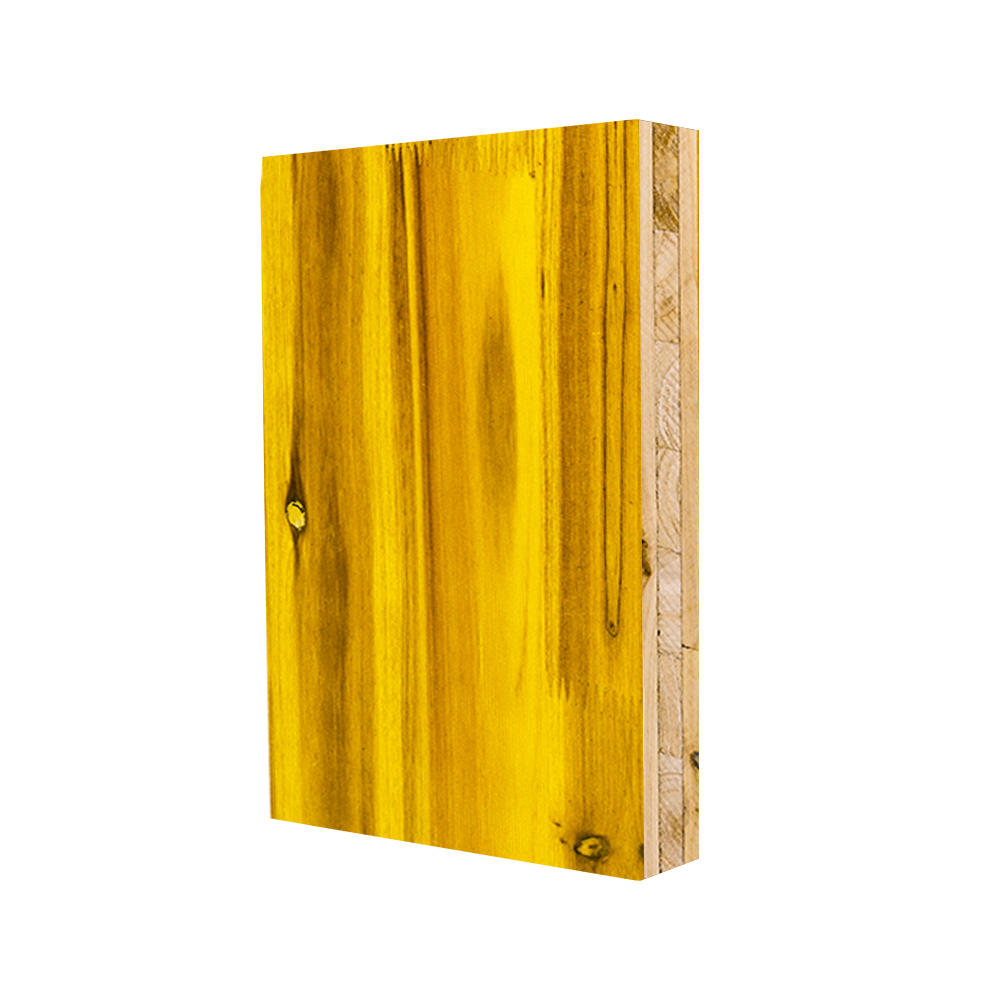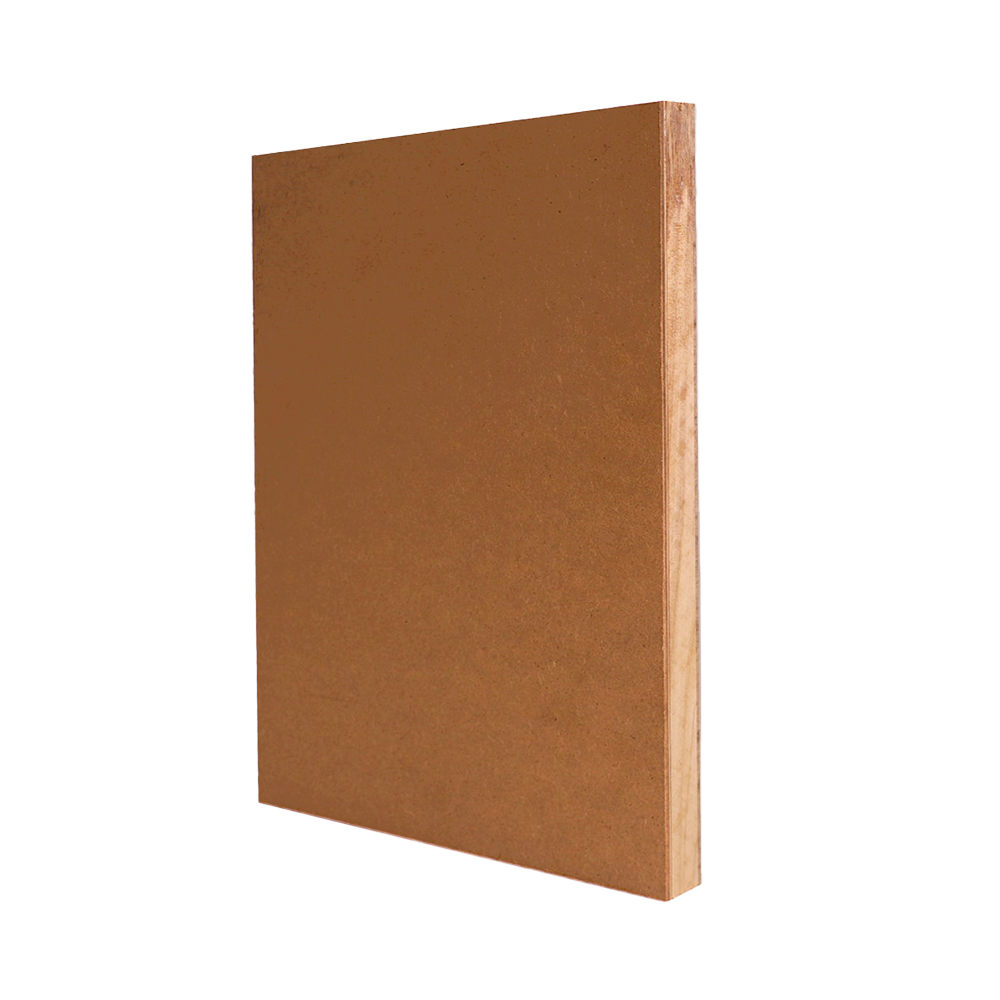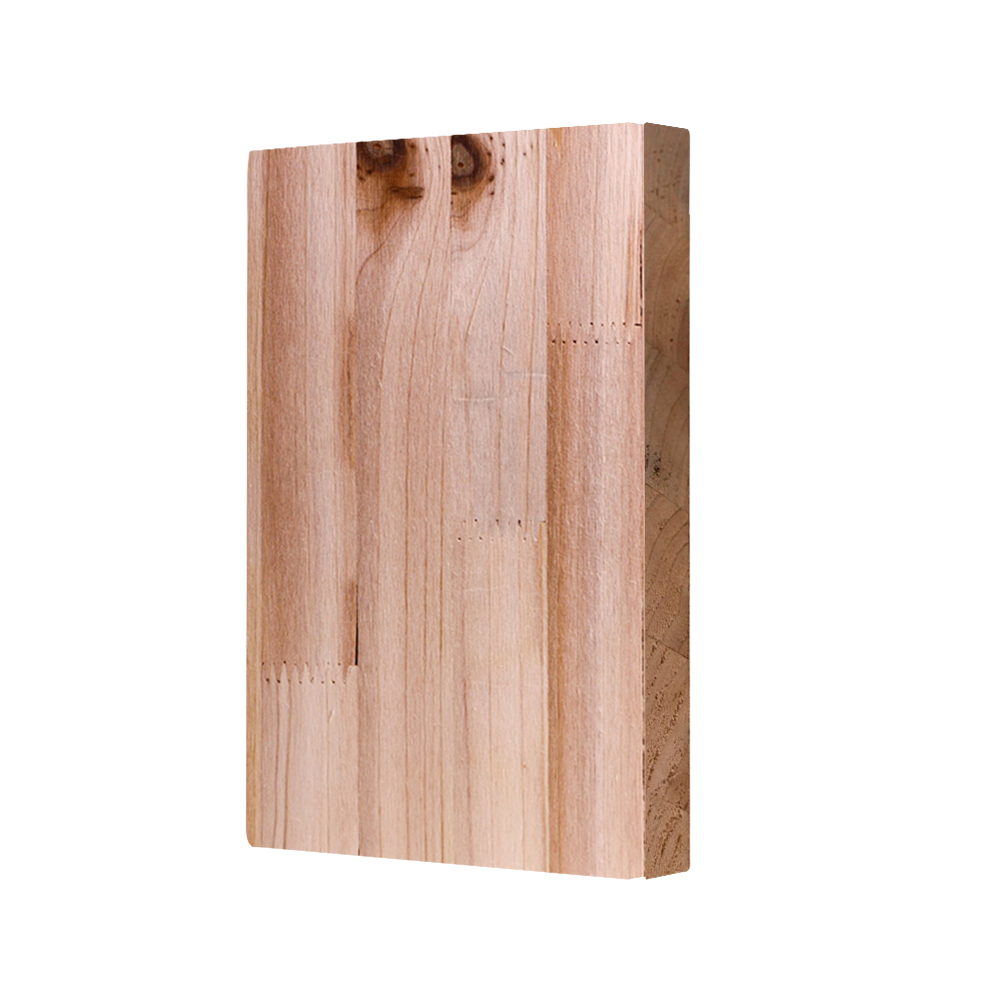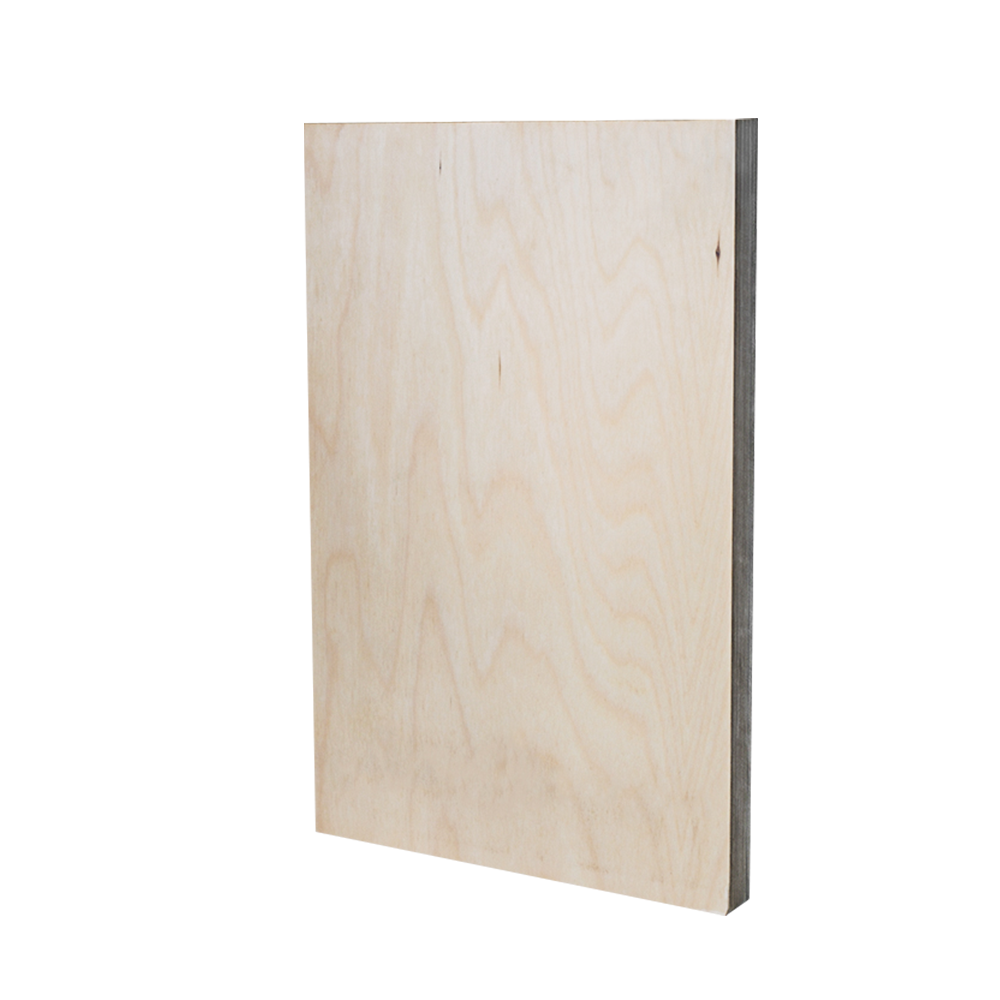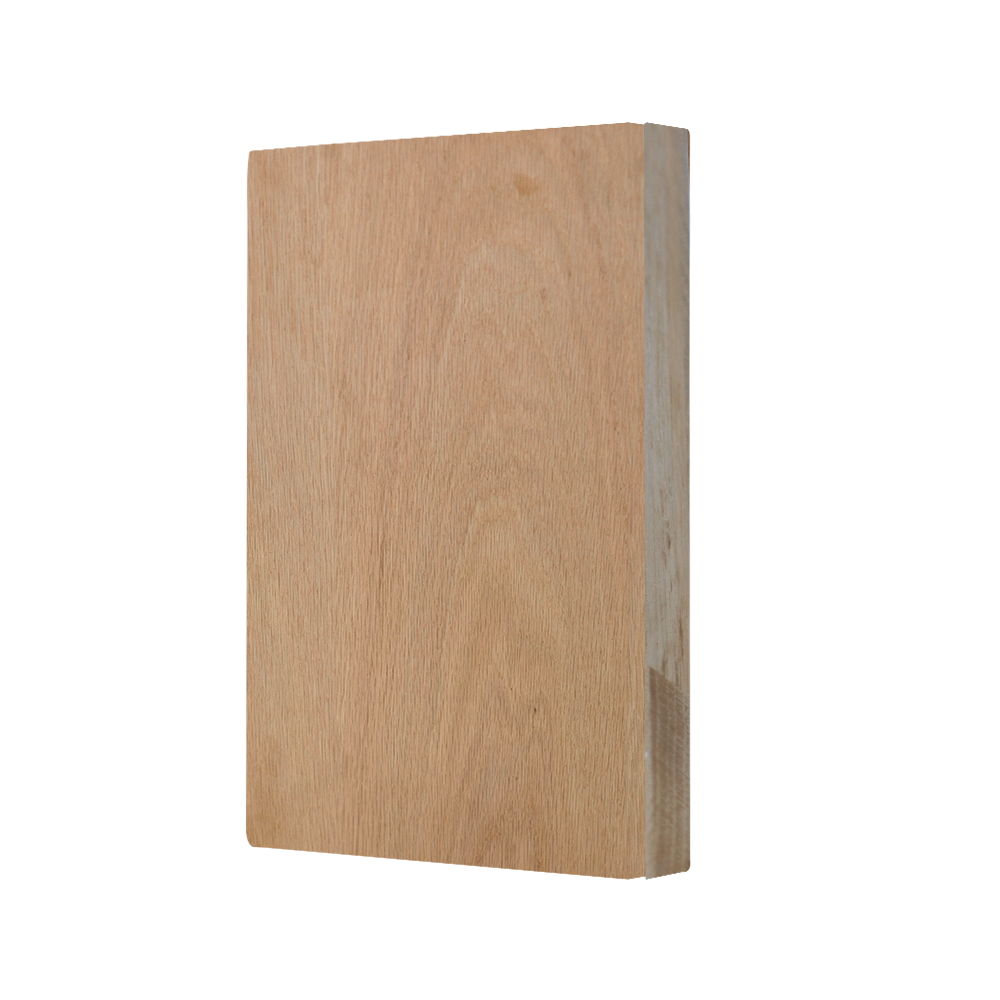

ClearPly Film-Faced Birch Plywood is a high-performance material widely used in construction, furniture manufacturing, and various engineering projects. However, proper handling during transportation and storage is essential to maintain its quality and ensure its long-lasting performance. While ClearPly Film-Faced Birch Plywood offers excellent durability and functionality, improper storage or transportation conditions can compromise its integrity. This article details the key considerations when transporting and storing ClearPly Film-Faced Birch Plywood to help customers preserve the product's superior properties and ensure its optimal performance.
Although ClearPly Film-Faced Birch Plywood has enhanced water resistance thanks to its surface film, prolonged exposure to high moisture levels can still lead to wood expansion or deformation. During transportation, it is essential to ensure that the plywood is not exposed to rain or excessive humidity. Protective measures, such as covering the boards with waterproof tarps or plastic films, should be taken to prevent direct contact with water. Storage locations should also be kept dry and well-ventilated to minimize the risk of moisture damage. This is especially important for outdoor and humid environments where the plywood could easily absorb moisture if not properly protected.
ClearPly Film-Faced Birch Plywood is sensitive to extreme temperature fluctuations, which can negatively affect both the wood and the surface film. During transportation and storage, it is essential to avoid exposing the plywood to extreme heat or cold. High temperatures can cause the plywood to dry out and crack, while cold temperatures can make it brittle and prone to breaking. Therefore, it is recommended to store ClearPly Film-Faced Birch Plywood in areas where the temperature remains relatively stable and to avoid placing the plywood in direct sunlight or near heat sources, such as heaters or stoves. Maintaining a consistent temperature helps preserve the integrity of the material over time.
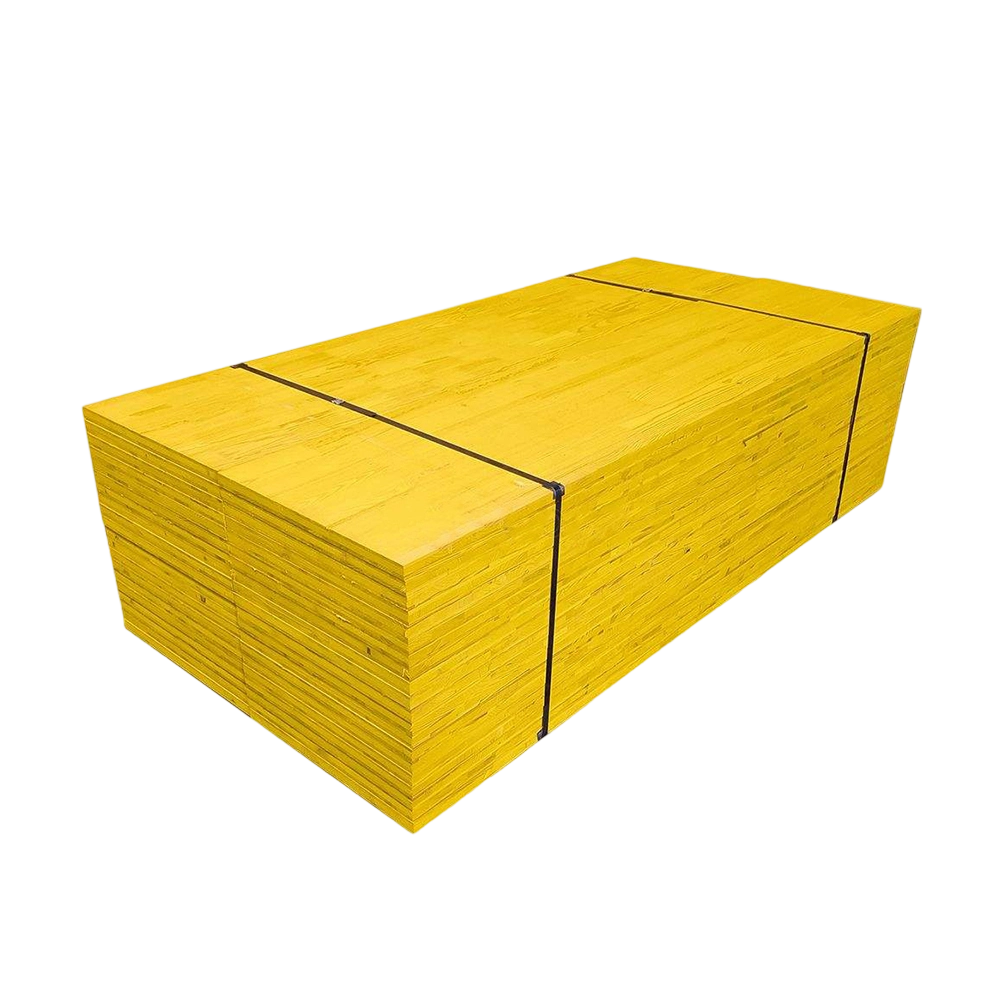
ClearPly Film-Faced Birch Plywood must be handled carefully to prevent excessive pressure or compression, especially during storage and transport. Stacking plywood too high can place significant pressure on the lower layers, causing them to warp or become damaged. It is recommended to stack the plywood in smaller, evenly distributed layers, using wooden slats or supports between each layer to distribute the weight evenly. This prevents deformation and ensures that the plywood retains its original shape. Avoid placing heavy objects on top of the plywood stacks, as this can cause permanent damage to the boards.
Direct contact with the ground should be avoided when storing ClearPly Film-Faced Birch Plywood. The ground may contain moisture, dirt, or debris, which can transfer onto the plywood surface, leading to potential swelling, staining, or contamination. To prevent this, plywood should be elevated from the ground using wooden pallets, metal racks, or other appropriate supports. This ensures that the plywood remains dry and protected from environmental factors that could compromise its quality. Additionally, the storage area should be kept clean to minimize the risk of dirt or contaminants affecting the plywood.
The surface film of ClearPly Film-Faced Birch Plywood is durable and abrasion-resistant, but it is still susceptible to scratches or damage from impacts during transport or storage. To avoid this, it is important to prevent the plywood from coming into contact with sharp or rough surfaces. Protective covering, such as a soft material or protective film, can be used on the surface to shield it from scratches. Additionally, careful handling during loading and unloading is essential to avoid any physical damage. Plywood should be lifted carefully rather than dragged to prevent any abrasion or impacts that could harm the surface.
When storing ClearPly Film-Faced Birch Plywood, it is important to control the height and angle of the stacks. Stacking plywood too high increases the risk of uneven pressure and potential warping. It is recommended to limit the stack height to three to four layers. Additionally, the plywood should be stored flat, and the stacks should be kept level to prevent leaning or tilting, which could lead to uneven stress on the boards and cause them to bend or twist. Proper stacking ensures that the plywood retains its shape and is ready for use when needed.
Prolonged exposure to direct sunlight can degrade the surface film of ClearPly Film-Faced Birch Plywood, causing it to fade, crack, or deteriorate. For this reason, plywood should be stored in areas where it is protected from direct sunlight. If it is necessary to store plywood outdoors temporarily, it should be covered with a UV-resistant tarp or shade cloth to shield it from the sun’s rays. Sunlight can also cause temperature fluctuations, so a shaded, cool area is ideal for keeping the plywood in optimal condition.
The correct transportation equipment is crucial for safely moving ClearPly Film-Faced Birch Plywood from one location to another. Specialized transport racks, trucks, or containers should be used to ensure the plywood remains flat and stable during transit. The interior of the transport vehicle should be clean and free from debris that could cause scratching or other damage. To prevent the plywood from shifting during transport, it is advisable to secure the boards with straps or other fastening methods, ensuring that they are kept in place and not subject to movement that could result in damage.
Regular inspection of ClearPly Film-Faced Birch Plywood during storage is essential to ensure that it has not been affected by moisture, temperature, or mechanical stress. Checking the condition of the plywood every few weeks can help identify early signs of damage, such as delamination, discoloration, or warping. If any issues are discovered, such as a damaged surface film or warped boards, immediate corrective action should be taken to avoid further deterioration. Regular maintenance, such as cleaning the storage area and ensuring proper ventilation, can also help maintain the quality of the plywood over time.
related products


Copyright © Tianma Lvjian Group Co., Ltd. Rights Reserved.
Wholesale Construction Plywood Manufacturers Privacy
 English
 中文简体
中文简体