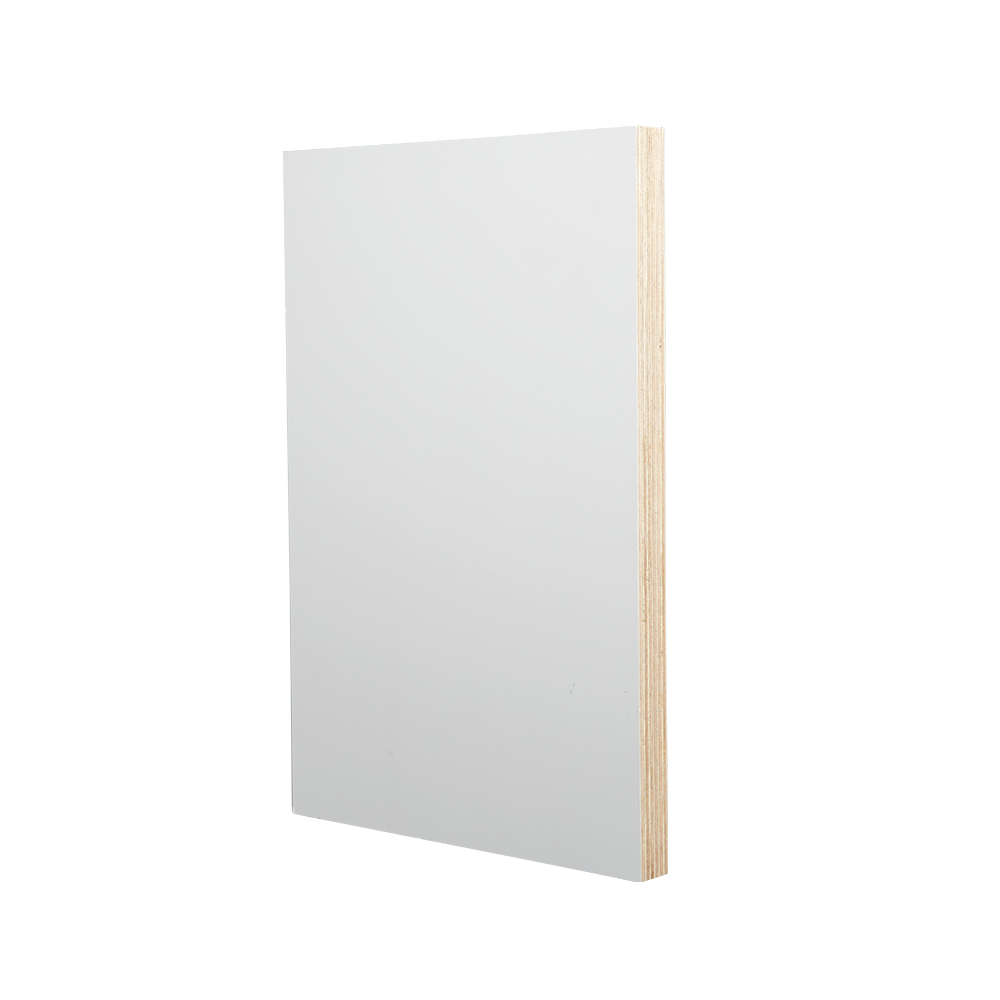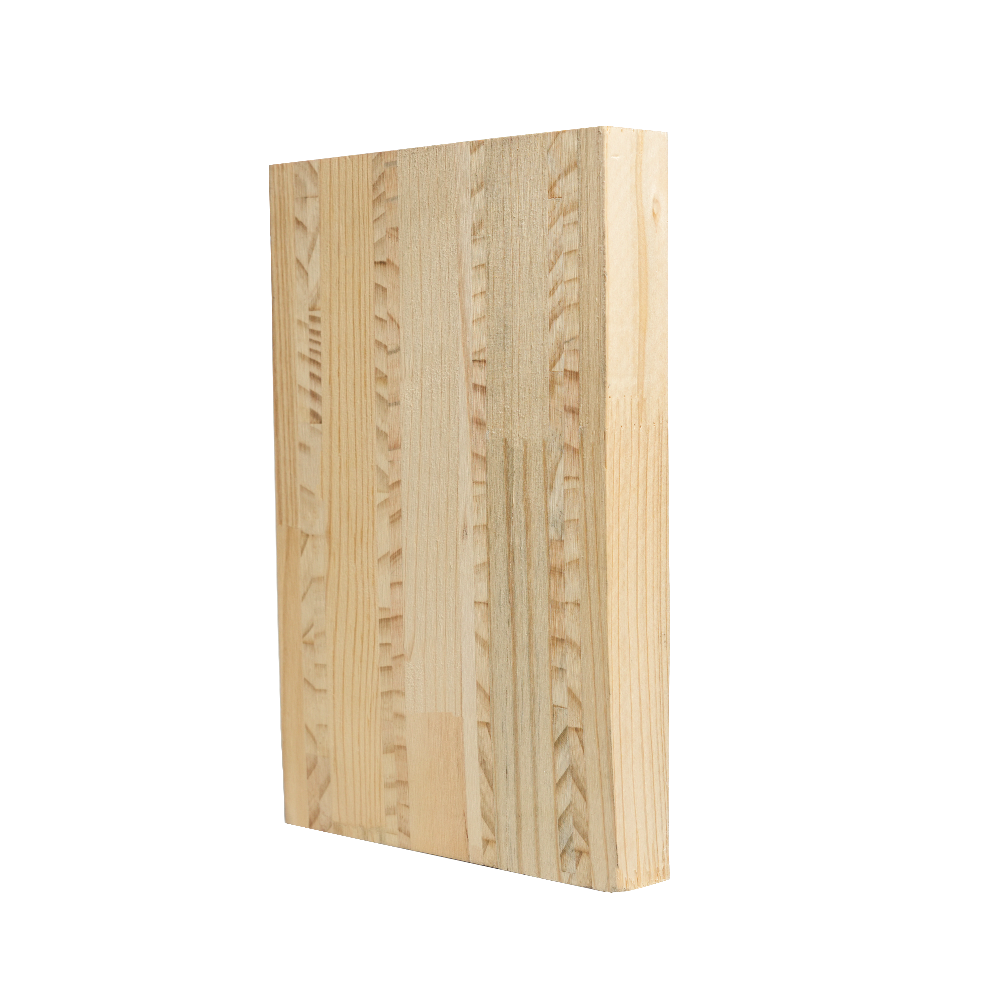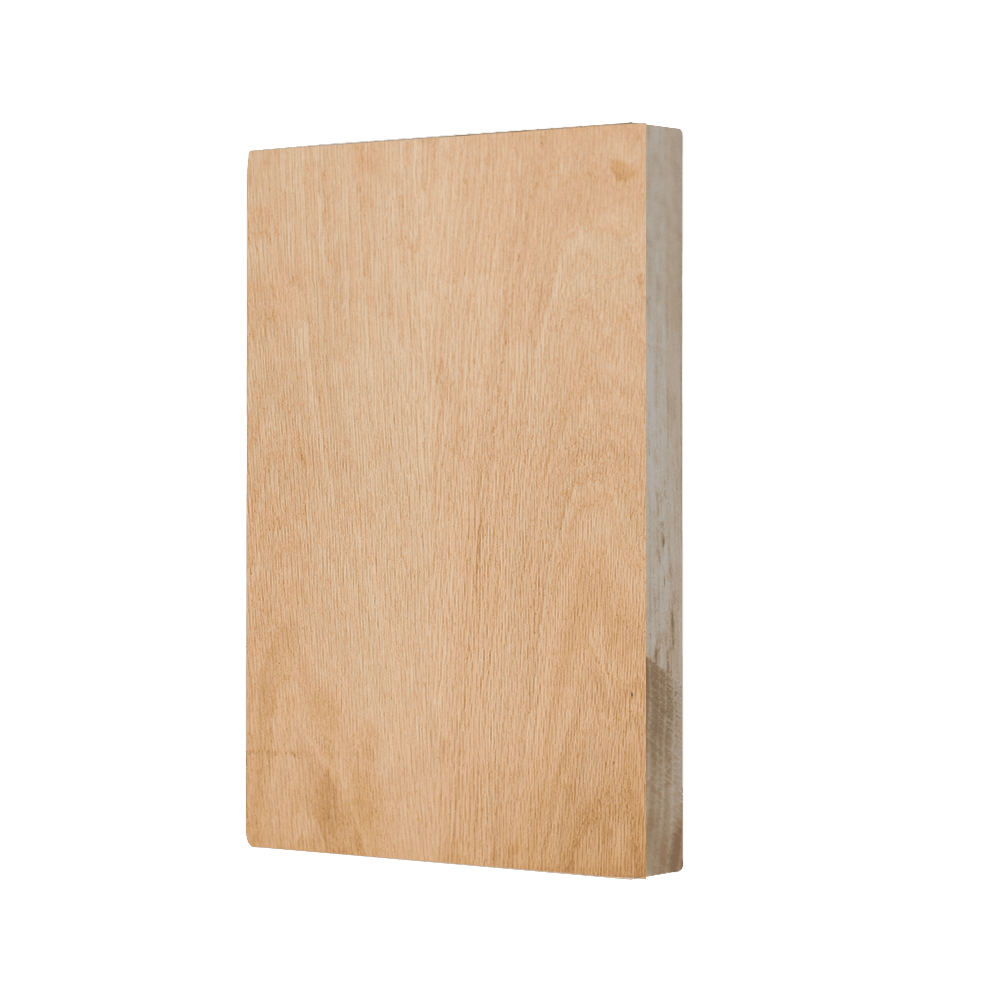

In the field of modern woodworking and high-end furniture design, the selection of panels directly determines the durability, structural stability, and surface quality of the finished product. Many users often struggle when choosing between birch plywood and regular plywood. Specifically, regarding the commonly used 18mm birch plywood, understanding how to select the most suitable material is crucial. This article provides a professional breakdown of the characteristics, manufacturing processes, and application scenarios for these types of panels.
Birch plywood usually refers to plywood that uses birch as the core or face veneer. In the market, high-end baltic birch plywood represents the pinnacle of this category.
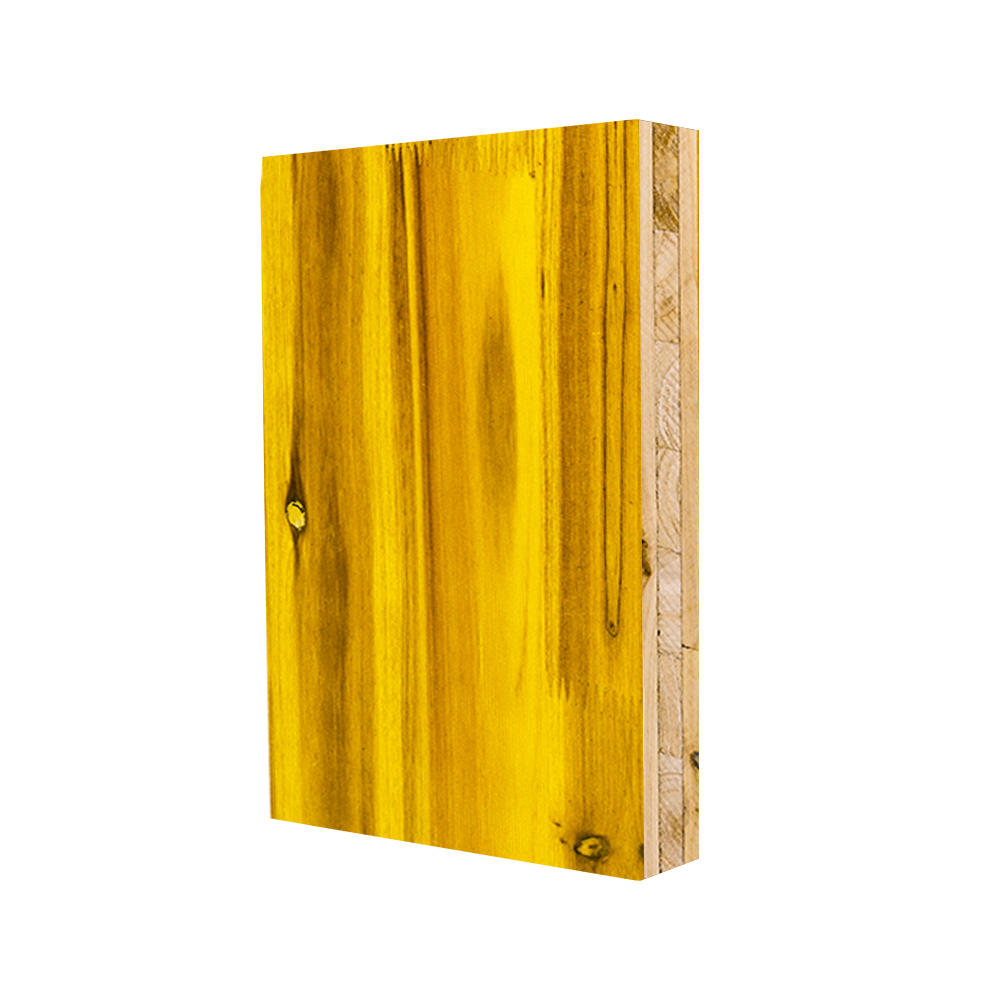
Material Composition: Every layer of baltic birch plywood consists of full birch material. These layers are stacked crosswise with almost no voids or gaps, resulting in uniform density and exceptional screw-holding strength.
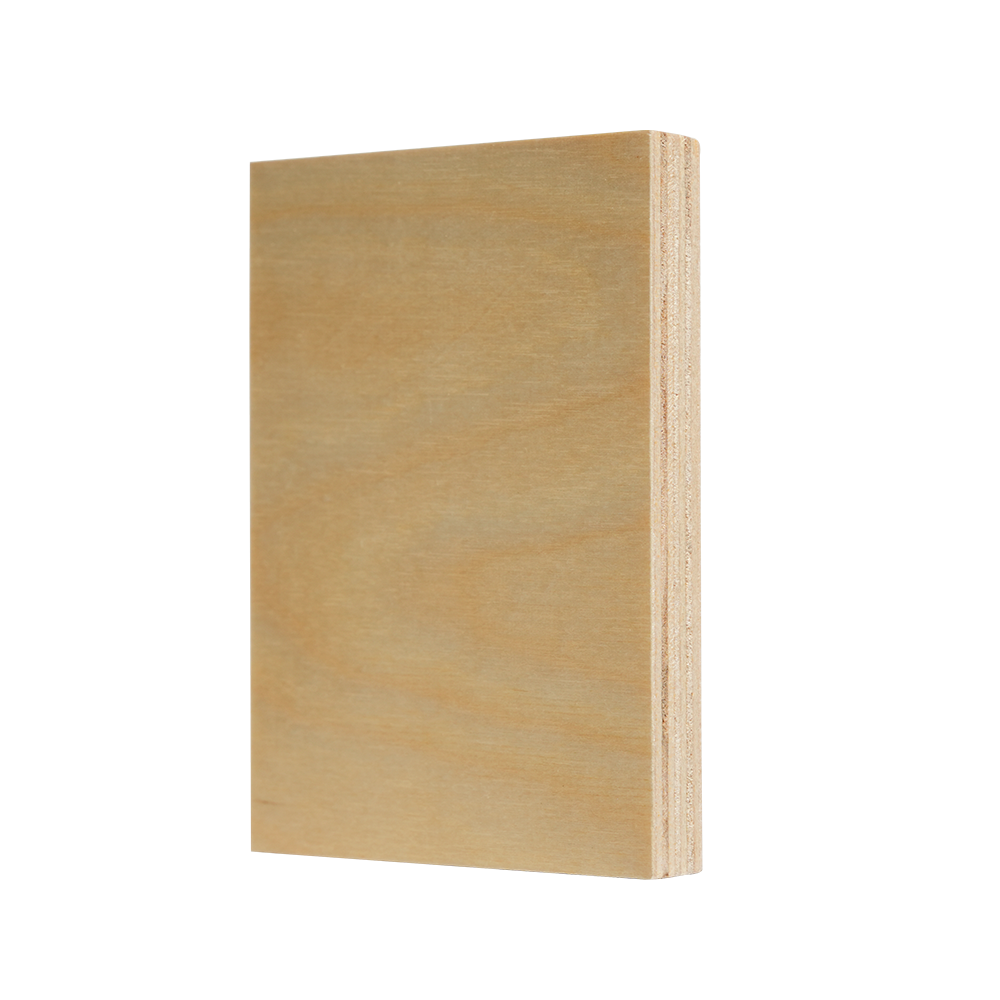
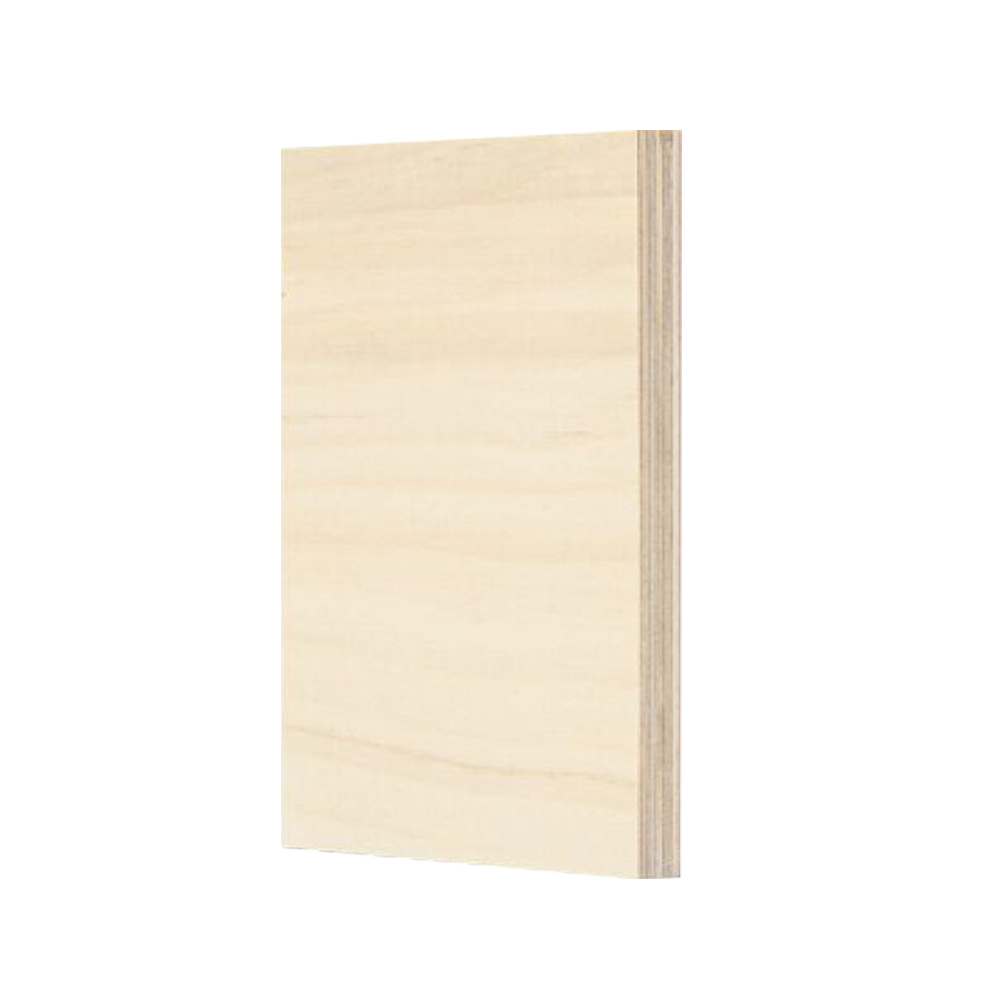
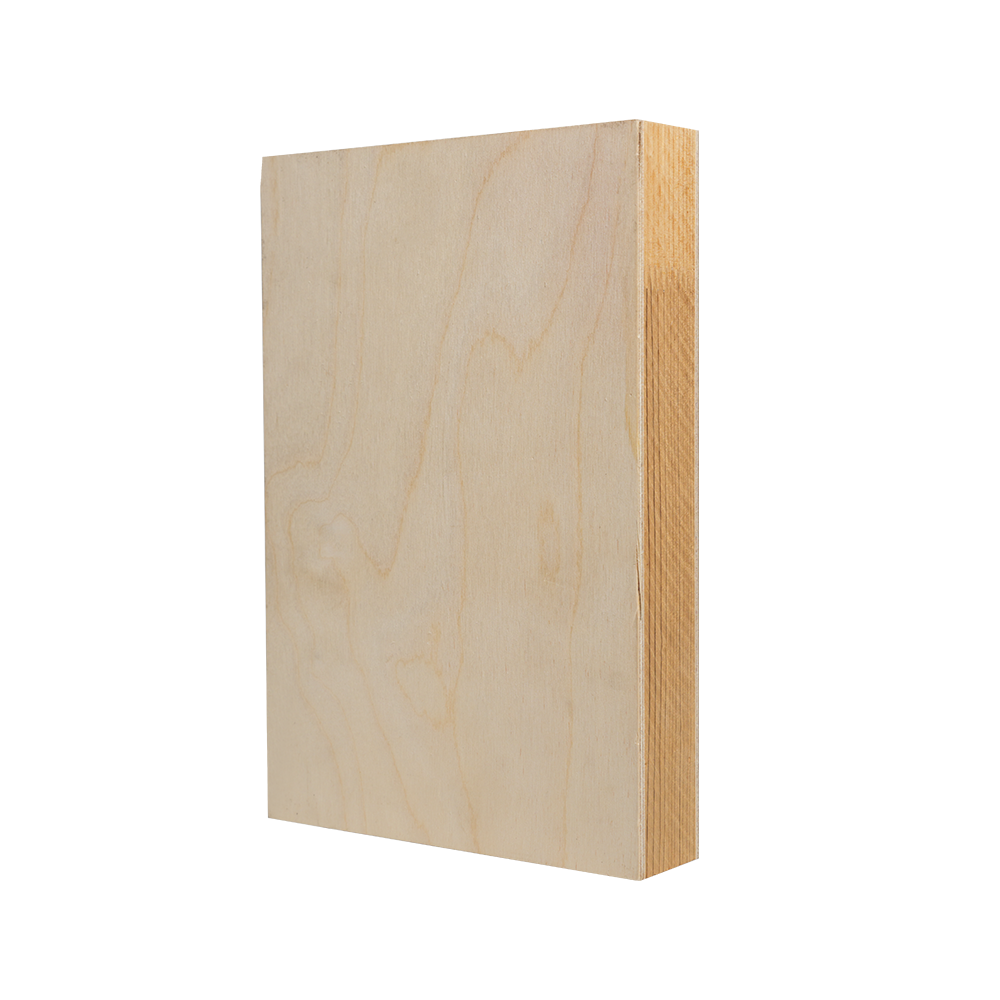
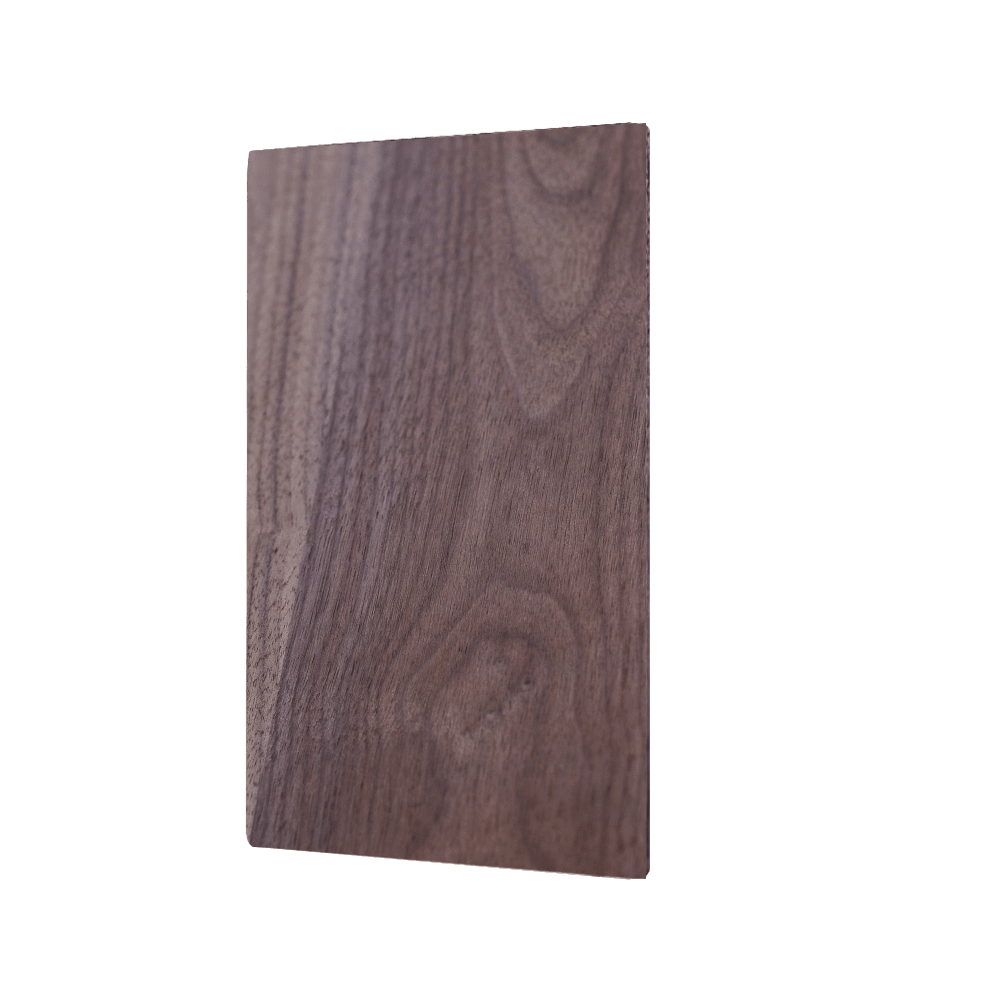
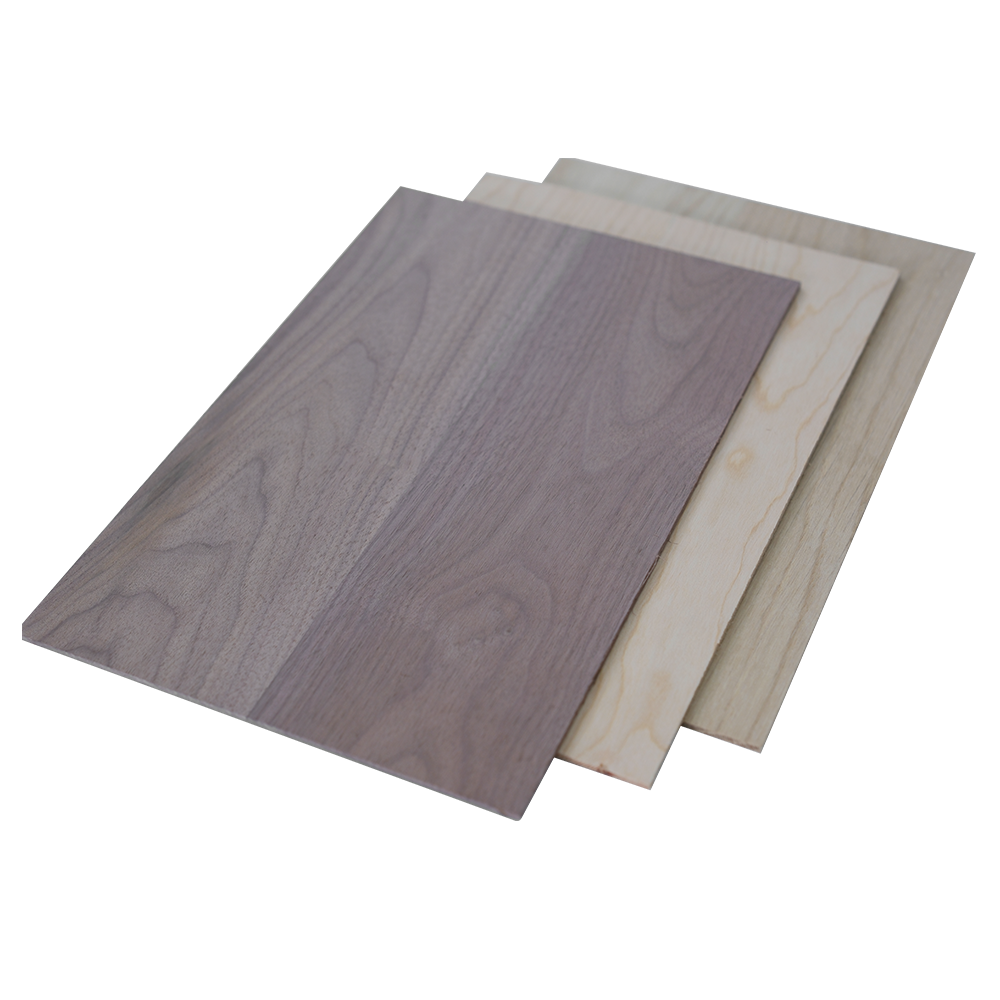
Appearance Characteristics: Birch faced plywood is known for its light color, smooth surface, and natural texture. It is ideal for transparent coatings, allowing for a premium wood aesthetic without needing additional veneers.
Structural Performance: Compared to regular plywood, because every layer possesses consistent thickness and physical properties, 18mm birch plywood rarely warps during processing. The dense, multi-layered texture of the exposed edge has become a signature design element in modern minimalist furniture.
To ensure the highest structural integrity for your projects, we provide precise material data. Unlike standard utility panels, our birch plywood is engineered for high-load environments and consistent edge finish.
| Parameter | Premium Birch Grade | Standard Plywood |
| Core Integrity | Uniform, void-free birch veneers | Potential voids and soft-wood pockets |
| Density (kg/m3) | 700 - 750 | 500 - 600 |
| Bonding Strength | High-grade E1/E0 Formaldehyde-free glue | Standard interior glue |
Beyond raw materials, our manufacturing process focuses on optimization for advanced fabrication techniques. Whether you are working with 18mm birch plywood for CNC routing or intricate laser cutting, our panels offer:
The layered construction of baltic birch plywood creates a clean, aesthetic edge that requires minimal sanding, perfect for exposed-edge furniture design.
Thanks to the lack of core gaps, our birch faced plywood ensures consistent tool pressure during high-speed CNC routing, preventing tool breakage and ensuring accurate dimensions.
When working with birch plywood, following professional procedures significantly improves product quality, which is a key focus in any birch plywood guide vs regular ply comparison.
Cutting Points: Due to the high density of baltic birch plywood, it is recommended to use a fine-toothed saw blade with a high tooth count to minimize chipping and ensure a smooth cut.
Sustainable Manufacturing: As a direct factory, we maintain strict quality control throughout the production cycle. Every batch of birch plywood undergoes rigorous moisture content testing (averaging 6-10%) to guarantee stability in varied climate conditions, ensuring your projects meet international environmental compliance.
Birch plywood is widely used in industries requiring high stability. It excels in high-end custom furniture, such as cabinets and minimalist shelving, as well as in industrial work surfaces where bending strength and structural integrity are critical.
Need custom dimensions or specific grade requirements for your next project? Consult our engineering team for technical feasibility on your architectural specifications.
related products


Copyright © Tianma Lvjian Group Co., Ltd. Rights Reserved.
Wholesale Construction Plywood Manufacturers Privacy
 English
 中文简体
中文简体