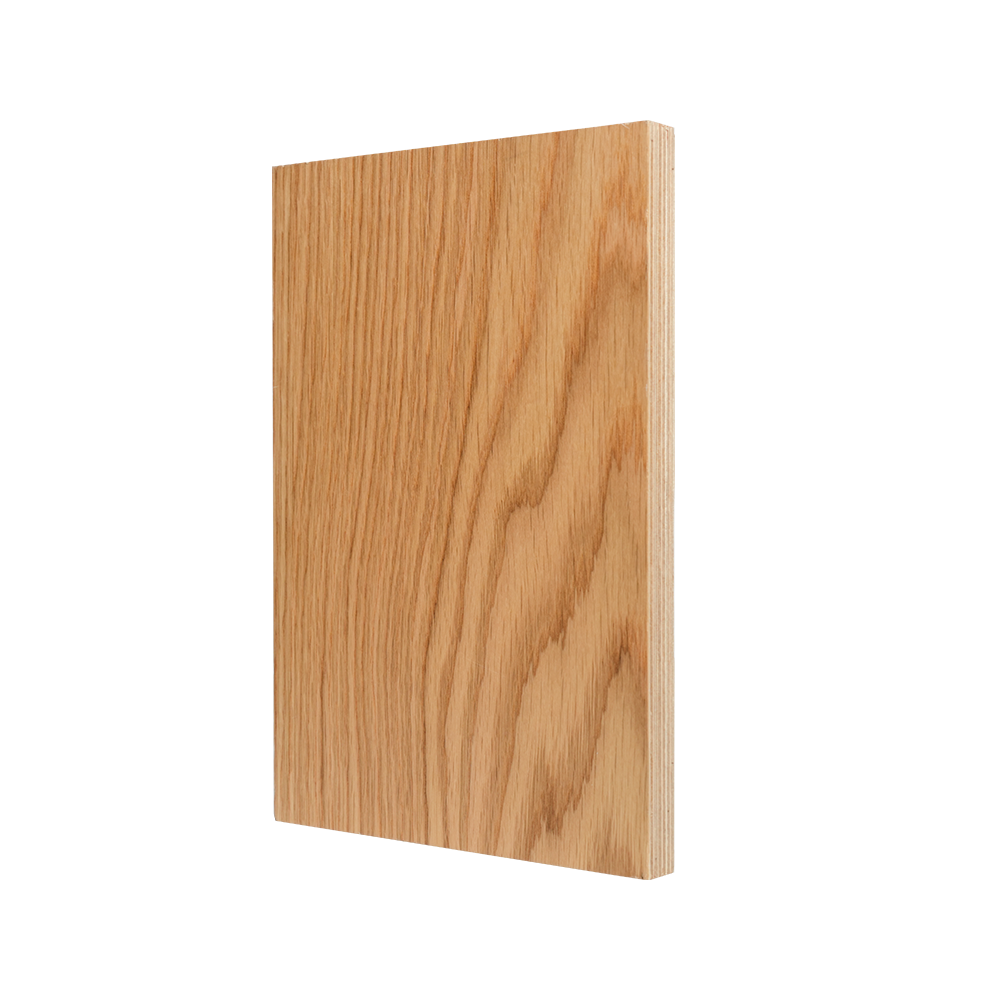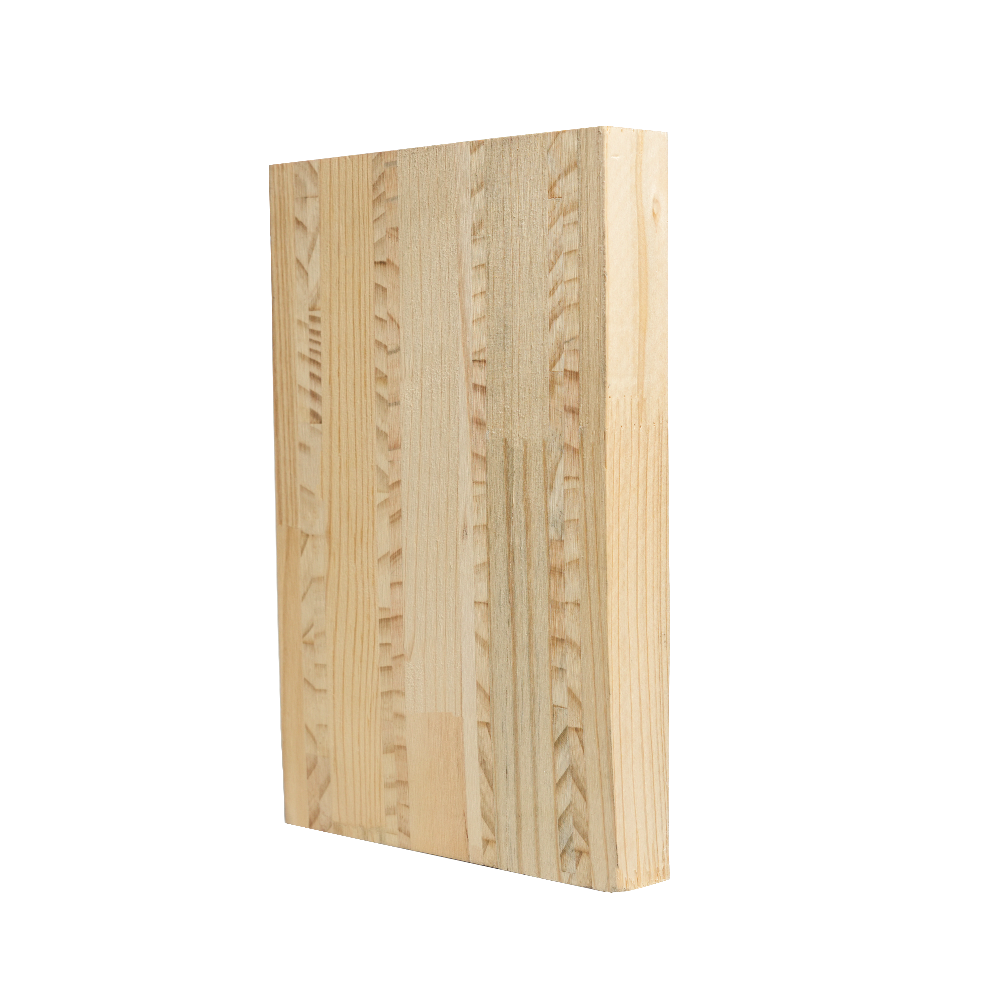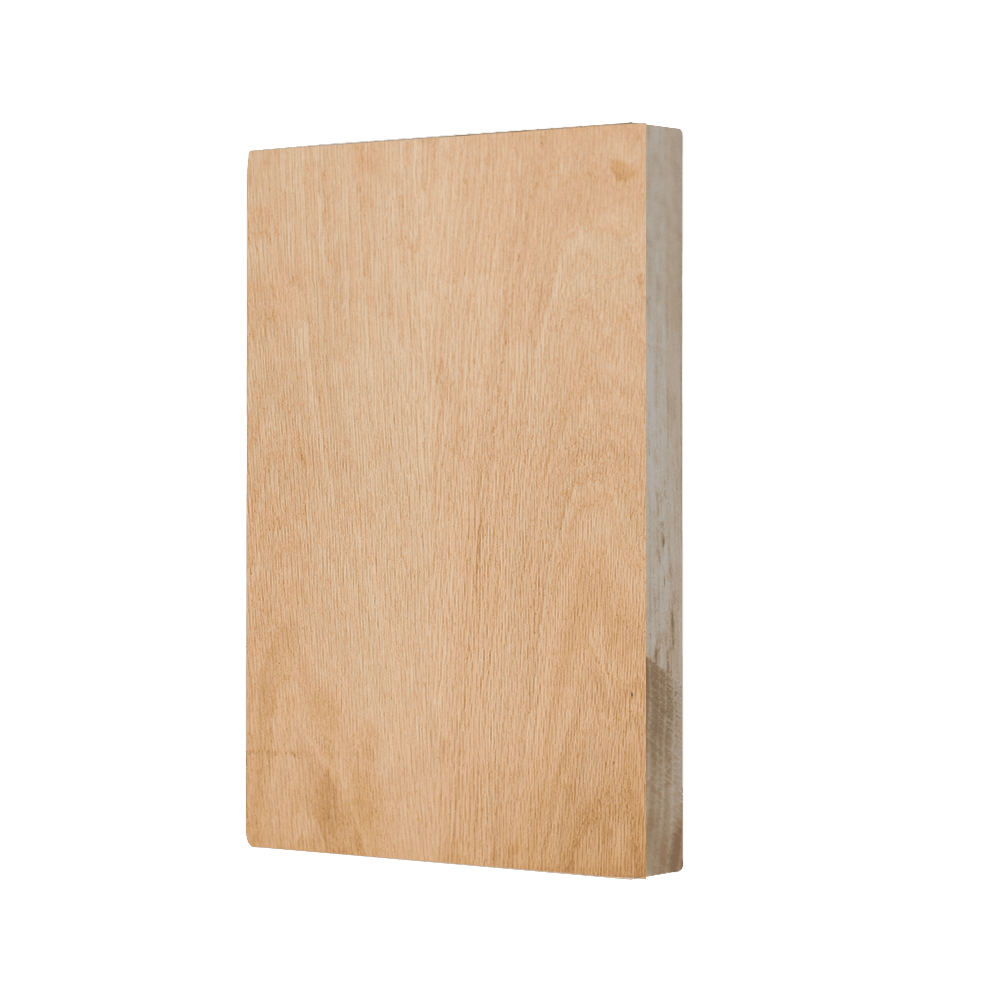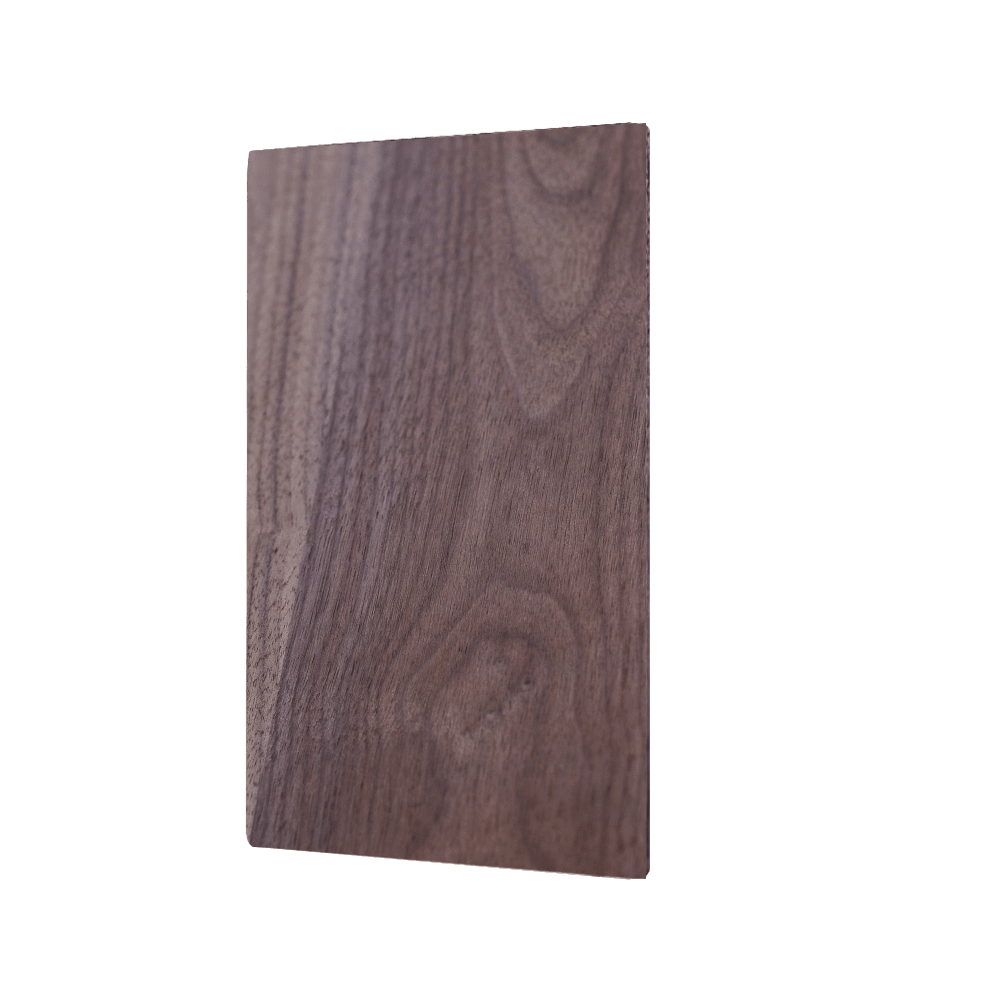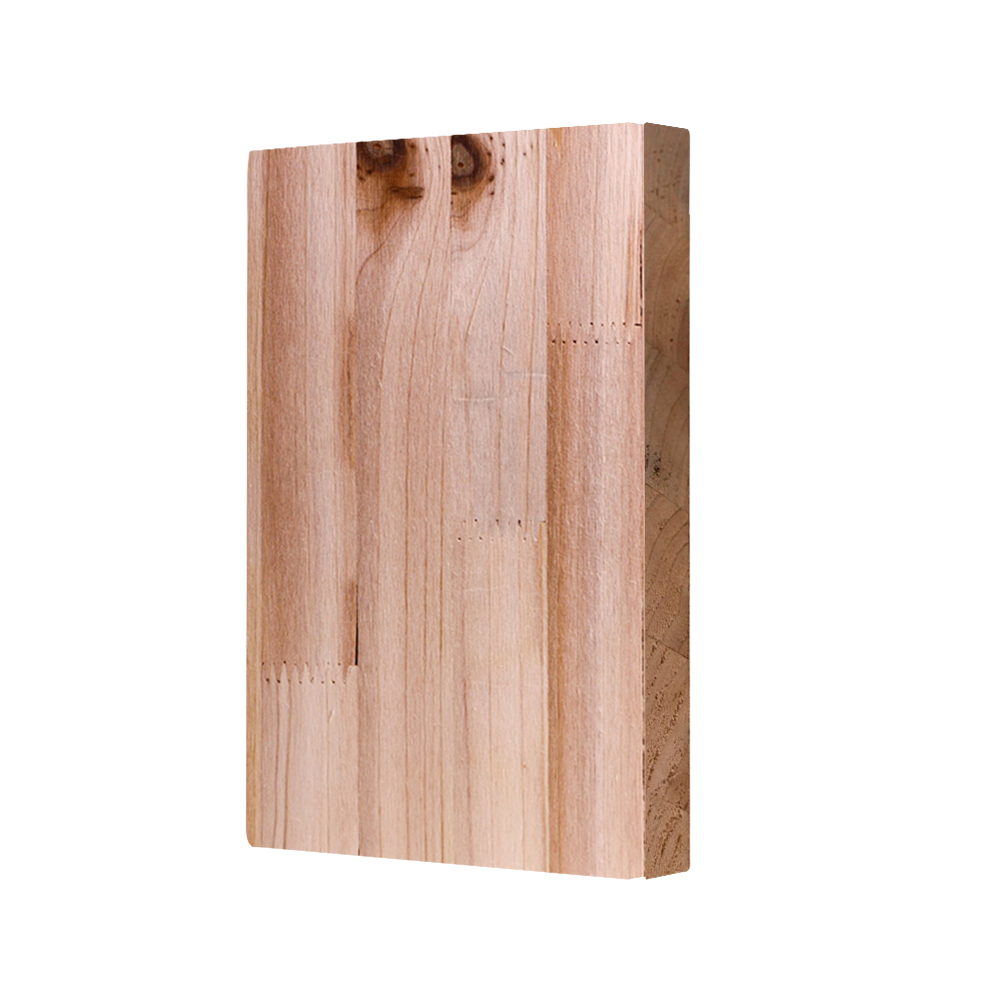

solid wood is a natural furniture material obtained by cutting, drying, machining and finishing timber rather than compressing wood fibers or particles into panels. It is valued for its visible grain, structural strength, repairability and long service life. These qualities make it suitable for products such as a solid wood dresser, solid wood dining table, cabinet, bed frame, sideboard and storage unit.
Material quality cannot be judged by appearance alone. Wood species, moisture content, board thickness, joint design, surface coating and manufacturing accuracy all influence the stability of the finished product. Understanding these factors helps users choose furniture that matches the room, expected load, maintenance conditions and desired visual style.
The question “How is solid wood made” usually refers to the process of converting harvested logs into stable furniture components. Solid wood is not manufactured by mixing wood particles with adhesive. It is produced by processing natural timber while retaining its original fiber structure.
Logs are inspected for diameter, growth pattern, visible cracks, knots, insect damage and internal defects. Material selection depends on the intended product, required load capacity and target surface appearance.
Logs are cut into boards using suitable sawing patterns. Boards are graded according to color, grain direction, dimensions and structural condition before entering the drying stage.
The timber is air-dried, kiln-dried or treated with a combined drying process. Controlled drying reduces later shrinkage, warping, checking and joint movement.
Dried boards are planed, cut, drilled, shaped and sanded. Machining accuracy directly affects table flatness, drawer alignment, joint strength and assembly efficiency.
Wider components are commonly produced by joining several carefully selected boards. Correct grain arrangement and adhesive control help balance natural wood movement.
Surfaces are stained, sealed, oiled, waxed or coated. Final inspection checks dimensions, color consistency, surface smoothness, assembly stability and hardware operation.
“What are the characteristics of solid wood” is an important question because natural timber behaves differently from engineered panels. It has individual grain patterns, directional strength and a natural response to surrounding humidity.
Each board has a different arrangement of grain, growth rings, mineral lines, knots and color tones. Small variations are natural material characteristics rather than manufacturing defects.
Wood performs differently along and across the grain. Structural components must be designed so that the primary load follows the stronger fiber direction whenever possible.
Wood absorbs and releases moisture as indoor humidity changes. It may expand slightly in humid conditions and contract in dry conditions, making moisture control essential.
Different species have different densities, hardness levels and weights. Denser materials are often more resistant to dents, while lighter materials may be easier to move and machine.
Many scratches, worn areas and faded surfaces can be sanded and refinished, provided the damage has not seriously affected the structural components.
Solid timber presents real pores and fiber details. Transparent coatings preserve these features, while painted finishes provide a more uniform decorative appearance.
The answer to “What are the advantages of solid wood” depends on how the furniture is designed and used. Correctly dried and manufactured timber offers several practical benefits for residential, hospitality and interior furnishing applications.
Solid timber can provide reliable support for table frames, cabinet structures, drawer fronts, legs, rails and other load-bearing furniture components.
Furniture can remain functional for many years when joints, coatings and indoor humidity are properly managed.
Minor scratches, worn coatings and localized color changes can often be repaired without replacing the entire furniture piece.
Timber can be cut, turned, carved, grooved, drilled and joined into traditional, modern, minimalist or decorative furniture forms.
Natural variation makes each completed table or dresser visually individual instead of displaying a mechanically repeated printed pattern.
The surface can be clear-coated, stained, oiled, waxed or fully painted according to the required color and maintenance level.
| Evaluation Item | Solid Wood | Fiberboard | Particleboard |
|---|---|---|---|
| Material structure | Natural wood fibers | Compressed wood fibers | Compressed wood particles |
| Surface grain | Naturally varied | Usually created by veneer or coating | Usually created by decorative surface material |
| Repair potential | Good for sanding and refinishing | Limited after deep surface damage | Limited after edge or surface damage |
| Fastener holding | Generally strong when correctly installed | Moderate | May decrease after repeated assembly |
| Response to moisture | Expands and contracts naturally | May swell when exposed to water | May swell at exposed edges |
| Typical application | Tables, dressers, beds and structural furniture | Painted panels and shaped cabinet parts | Cabinet bodies and economical shelving |
A professional evaluation must also address “What are the disadvantages of solid wood.” Natural timber requires appropriate design, drying, surface protection and environmental control.
Large humidity changes may cause slight expansion, contraction, joint movement or surface checking.
Boards from the same species can still have different tones, grain density and knot distribution.
A large solid wood dining room table can require additional planning for transportation, installation and room access.
Standing water, direct heat, strong cleaning agents and continuous sunlight can damage the coating or affect the wood.
Cracks, unstable knots and internal defects must be identified before production, reducing the amount of usable timber.
Wide panels need suitable joints and allowances that accommodate natural wood movement without weakening the structure.
A solid wood dresser is commonly used in bedrooms, dressing areas, guest rooms and storage spaces. The front appearance is important, but the internal structure determines whether the dresser remains stable after repeated drawer operation.
Confirm which components are made from solid timber. The top, side panels, frame, drawer fronts, drawer sides and back panel may use different materials depending on the construction specification.
Drawer gaps should be reasonably even. Each drawer should open and close smoothly without rubbing against the frame or neighboring drawer fronts.
The cabinet should remain stable during normal drawer operation. Tall furniture should include an appropriate wall-fixing arrangement to reduce the risk of forward tipping.
Corners, edges, handle positions and internal drawer surfaces should be smooth. Visible rough sanding, coating runs and sharp edges can reduce both appearance and usability.
A solid wood dining table must provide more than an attractive top surface. Table dimensions, leg placement, under-table clearance, edge shape, top thickness and frame construction all affect daily comfort.
| Recommended Seating | Suggested Table Length | Suggested Table Width | Suitable Space |
|---|---|---|---|
| 2 to 4 people | 900 to 1200 mm | 700 to 800 mm | Apartment or compact dining area |
| 4 to 6 people | 1400 to 1800 mm | 800 to 900 mm | Standard family dining room |
| 6 to 8 people | 1800 to 2200 mm | 900 to 1000 mm | Large dining area |
| More than 8 people | Above 2200 mm | Approximately 1000 mm | Large residential or hospitality space |
Thickness should match the table length, support structure and expected load. A long top may require additional rails or concealed reinforcement.
Corner legs, trestle bases and central bases provide different seating clearances. Leg position should not interfere with chairs or users.
Square edges create a defined modern look, while rounded or beveled edges can reduce sharp contact around frequently used dining areas.
Dining surfaces should resist ordinary moisture, food stains and cleaning. The finish must match the intended care routine.
A good solid wood dining room table should have a flat top, balanced board arrangement, stable legs and correctly fitted joints. The table should not rock when placed on a level floor. Board joints should be smooth, and the underside should have enough support without completely restricting natural wood movement.
Room planning is equally important. Sufficient clearance should be provided around the table so chairs can be pulled out and users can walk behind seated people. The table should also be checked against doorways, staircases and turning spaces before delivery or installation.
The phrase “how to cover wood color furniture for solid colors” describes the process of changing a visible wood-grain finish into an opaque painted surface. Solid timber can usually be repainted, but correct preparation is essential for adhesion and an even appearance.
Remove dust, grease, wax, polish and cleaning residue. Paint applied over contamination may peel or form uneven areas.
Detach handles, knobs, hinges and removable fittings where practical. Label components so they can be installed in their original positions.
Lightly sand glossy coatings to create a surface that can hold primer. Deep scratches and dents should be filled and leveled before painting.
A sealing primer can reduce color bleed, tannin marks and visible knots, particularly when changing dark timber to a light solid color.
Several thin coats normally produce a more even result than one heavy coat. Each layer should dry properly before light sanding or recoating.
A painted surface may feel dry before it reaches full hardness. Drawers, doors and hardware should be reassembled carefully to prevent sticking.
“What are the common uses of solid wood” can be answered across furniture, architectural interiors, storage systems and decorative products. The selected wood species and finish should correspond to the required strength, wear resistance and environmental exposure.
Dining tables, chairs, benches, sideboards and serving cabinets benefit from the structural strength and natural appearance of timber.
Dressers, beds, nightstands, wardrobes and storage chests use solid components for frames, fronts, legs and decorative details.
Coffee tables, side tables, shelving systems, console tables and display cabinets can be produced in different grains and finishes.
Stair treads, handrails, doors, frames, wall panels and trim pieces use wood for durability, machining flexibility and visual warmth.
Desks, counters, worktops and display platforms can use thick timber components where a strong and repairable surface is required.
Wood can be carved, turned and shaped into boxes, trays, frames, panels and other interior decorative elements.
Furniture requirements vary according to room size, storage capacity, visual style and installation conditions. A manufacturing-based product configuration can include adjustments to dimensions, surface color, edge profile, drawer arrangement and hardware preparation.
| Configuration Area | Available Considerations | Practical Purpose |
|---|---|---|
| Product dimensions | Length, width, height and panel thickness | Match room size, seating capacity or storage volume |
| Surface finish | Natural, stained, clear-coated or painted | Coordinate with interior materials and maintenance needs |
| Edge design | Square, rounded, beveled or shaped | Adjust appearance and contact comfort |
| Storage structure | Drawer quantity, drawer depth and compartment arrangement | Support different clothing and household storage needs |
| Base structure | Four-leg, trestle, frame or central support | Control stability, seating clearance and visual character |
| Hardware preparation | Handles, slides, connectors and mounting points | Improve daily operation and installation accuracy |
Small differences in grain, color and knot distribution are normal. Quality concerns are more closely related to unstable cracks, loose knots, serious warping, rough machining and weak joints.
It can be used in a normally ventilated interior, but continuous dampness should be avoided. Space behind the dresser can help air circulation, and wet clothing should not be stored inside.
Joining selected boards makes it possible to produce a wide table top while balancing grain, color and structural behavior. A multi-board top can still be genuine solid timber.
Light surface scratches can often be treated through localized sanding, color correction or recoating. Deep damage may require professional repair to maintain an even finish.
Thickness must be considered together with wood species, span, support design and joint construction. An unnecessarily thick top may add weight without correcting an unsuitable base structure.
Yes. Cleaning, sanding, sealing primer and compatible furniture paint are required. Drawer clearances and moving surfaces must not receive excessive paint buildup.
Product planning can include table dimensions, dresser storage layout, surface color, edge treatment, structural configuration and packaging requirements. Clear drawings, target dimensions, application details and finish references help improve material selection and production accuracy.
related products


Copyright © Tianma Lvjian Group Co., Ltd. Rights Reserved.
Wholesale Construction Plywood Manufacturers Privacy
 English
 中文简体
中文简体