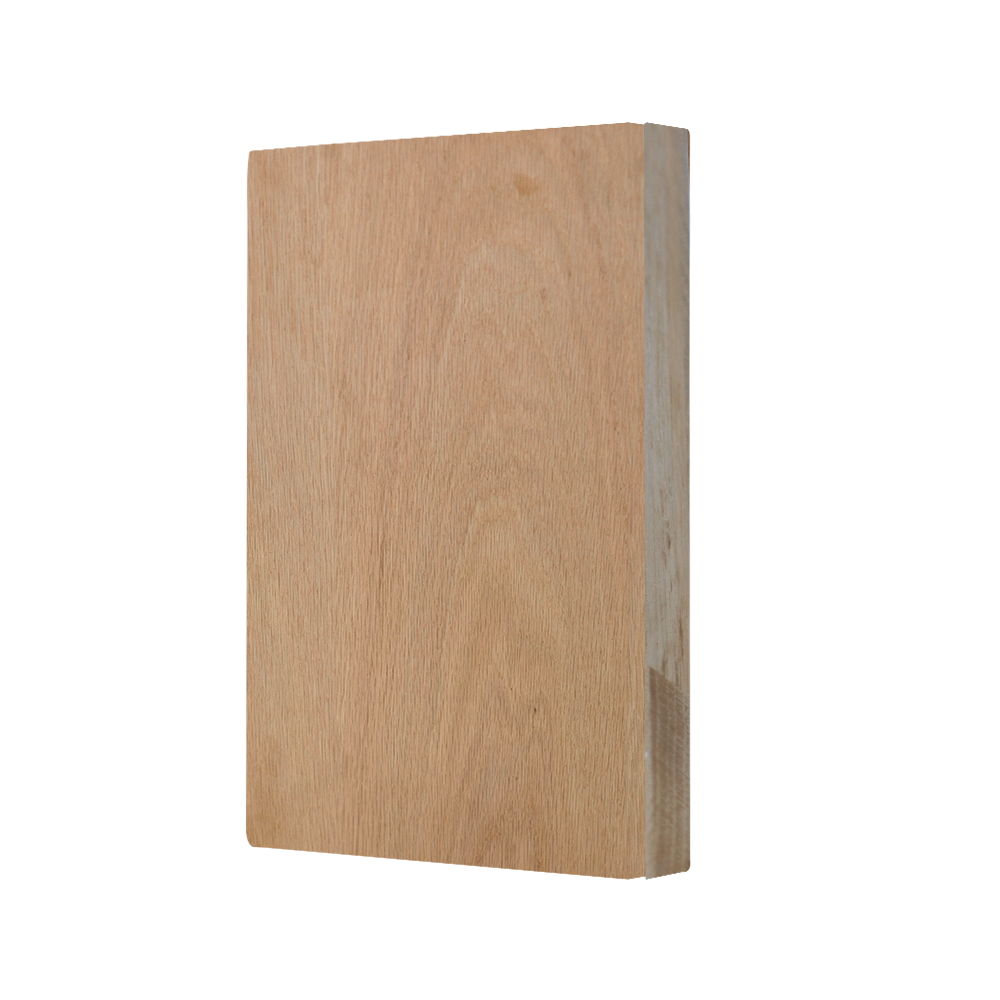

In modern woodworking and interior design, understanding the essence of materials is the first step to ensuring project quality. MDF (Medium-Density Fibreboard) is one of the most commonly used engineered woods in furniture manufacturing worldwide. To answer "What is MDF wood," we should not simply view it as "wood," but rather as a composite material processed through high-precision engineering. From a technical definition, MDF material is a board made by breaking down wood into fibers, combining it with synthetic resin or adhesives, and pressing it under high temperature and pressure. Unlike solid wood, it has no natural grain or rings, providing extreme consistency during cutting and processing. In the field of "What is MDF in woodworking," this material is favored for its superior surface smoothness. Whether for fine CNC carving or high-gloss spray painting, MDF provides physical stability that solid wood cannot match.
If you ask "What's MDF made of," its core composition is divided into three main parts: Wood Fibers (usually sourced from softwood and hardwood harvest residuals like branches and small-diameter logs), Adhesives/Resin (commonly urea-formaldehyde or melamine-modified urea-formaldehyde, with MDI used for higher environmental grades), and Additives (including industrial wax for moisture resistance and hardeners).
In non-professional contexts, people often ask "What is pressed board." In fact, pressed board is a general term covering particle board and fiberboard. MDF is a high-grade form of it. Its internal structure is extremely uniform, meaning the cross-section is dense and smooth regardless of the cutting angle, unlike plywood which shows gaps or layers. It is isotropic, meaning its physical properties are consistent in all directions, greatly reducing the risk of warping and cracking compared to solid wood.
When discussing "What is MDF in furniture," it usually plays both decorative and functional roles. For cabinet doors, MDF is the preferred base material for European-style lines or concave-convex shapes because it is easy to mill. For painted surfaces, its nearly poreless surface makes it the best partner for high-gloss finishes. In office furniture, combined with laminate, MDF forms the main body of modern desks.
| Performance Indicator | MDF | Particle Board | Solid Wood |
| Density | 600 - 800 kg/m3 | 160 - 450 kg/m3 | Depends on species |
| Surface Smoothness | Extremely High | Average | Varies with grain |
| Edge Machinability | Excellent | Poor | Excellent |
| Screw Holding | Medium | Low | High |
| Moisture Resistance | Weak | Weak | Medium |
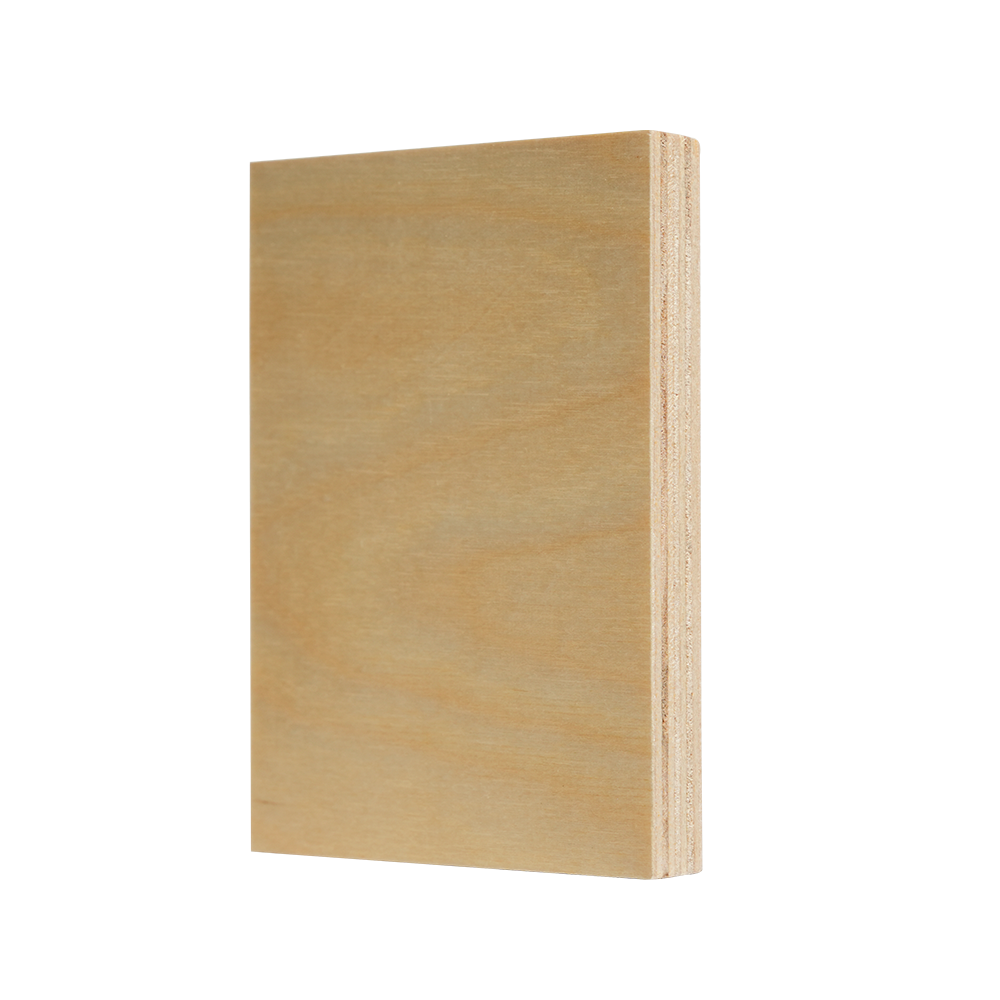
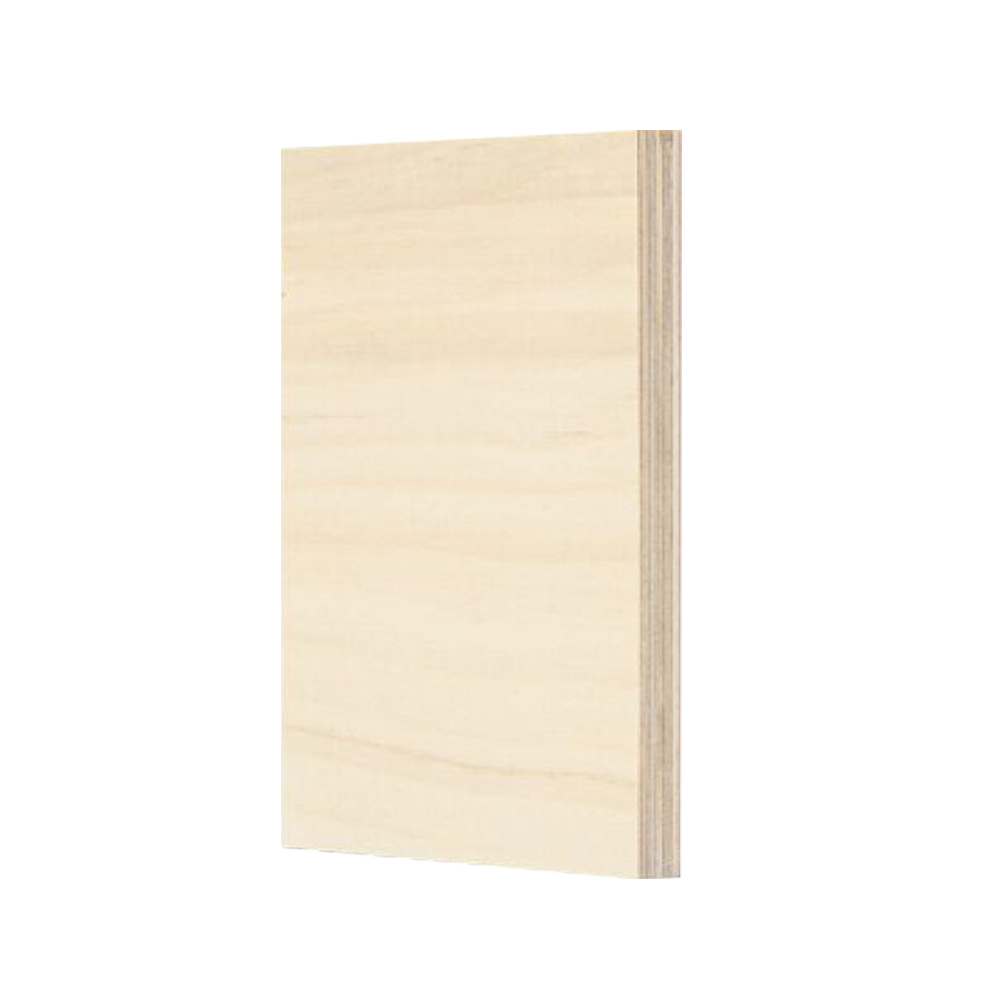
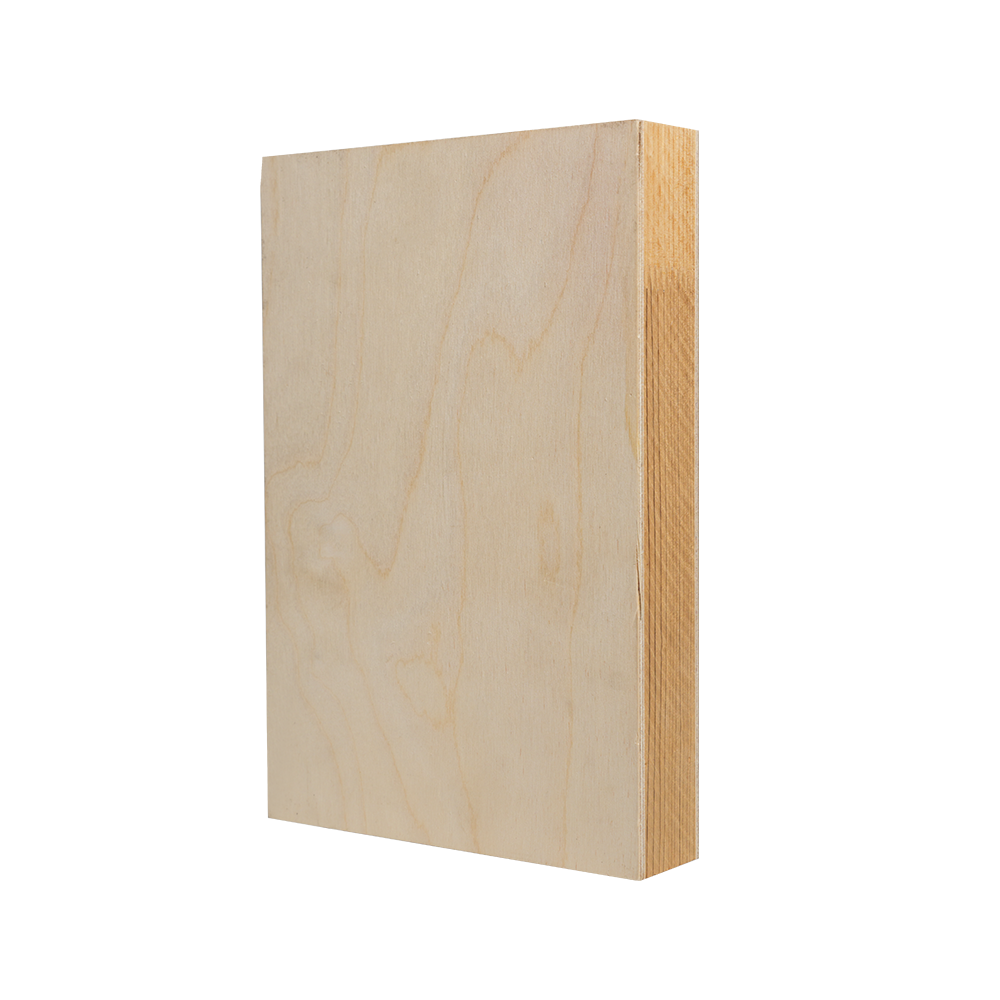
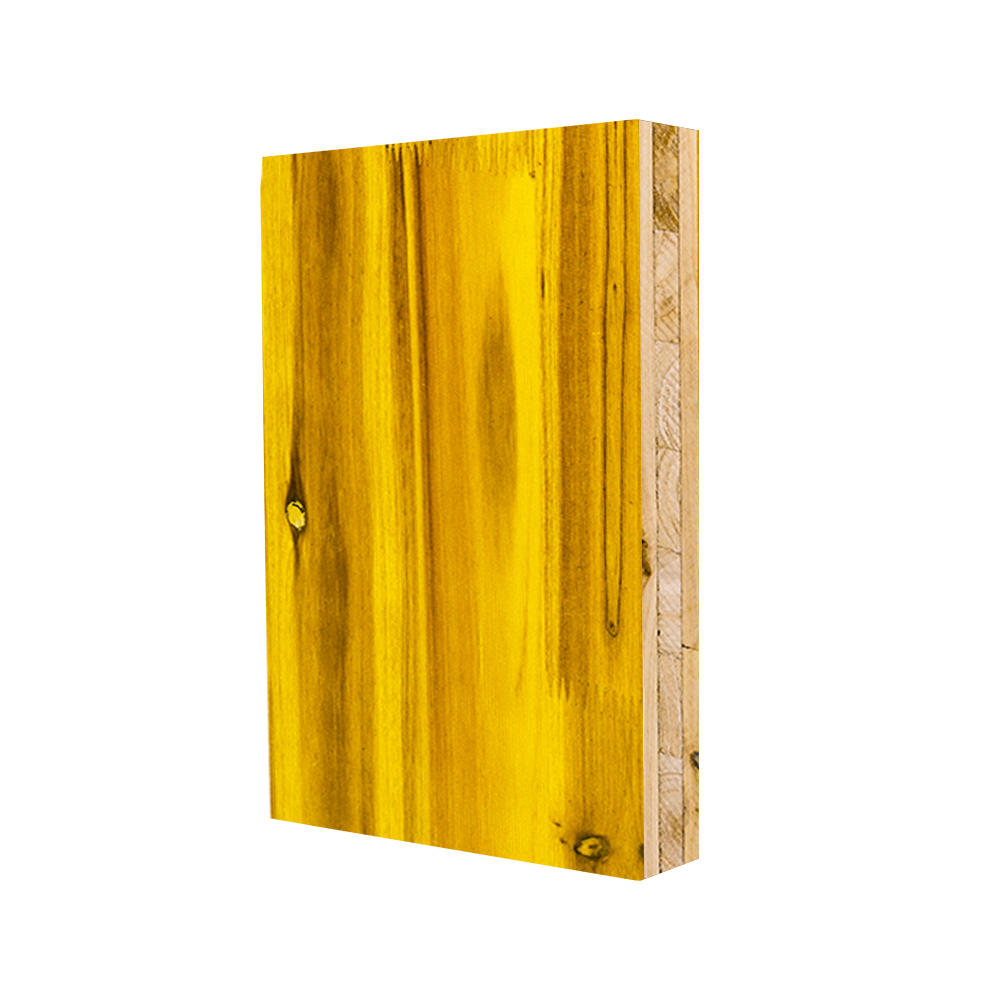
Structurally, Plywood is a sheet material made of three or more thin wood layers (veneers) glued together. These thin sheets are known as Ply. Its core feature is "cross-graining," where the fiber direction of each layer is perpendicular to the adjacent layer. This cross-lamination technology gives plywood high structural strength, making it resistant to cracking under impact or pressure. In industry terms, people often mention "What is ply board" or "What is ply wood," which usually refers to this engineered panel made through lamination.
To understand "What is plywood made of," we need to deconstruct its production. Unlike MDF which uses crushed fibers, plywood retains the natural texture of wood. It involves peeling logs into uniform Veneer Peeling, drying the sheets, applying industrial glue, and Layering them in odd numbers following a "longitudinal-transverse-longitudinal" logic before hot pressing them into a solid unit.
Due to its physical resistance, "Plywood used for" covers a vast range. It is used in construction for roof sheathing and wall bases, in packaging for heavy machinery crates, in interior decoration for partitions and cabinet bodies, and in "What size plywood for floor" as the supporting subfloor layer.
| Plies | Common Thickness | Physical Features | Typical Applications |
| 3-Ply | 3mm - 6mm | Thin and flexible | Back panels, drawer bottoms |
| 5-Ply | 9mm - 12mm | Enhanced stability | Furniture sides, small cabinets |
| Multi-Ply | 15mm - 25mm | High load capacity | Cabinet boxes, stair treads |
Marine plywood is an engineered panel specifically designed for long-term exposure to moisture or intermittent wetting. If you are looking for "What is marine grade plywood," the core lies in its "void-free" core layers and the use of WBP (Weather and Boil Proof) phenolic resin glue, ensuring the layers do not delaminate when damp.
The material selection for "What is marine ply made of" is much stricter than standard panels. It uses all-hardwood veneers naturally resistant to decay, features surface grades of A-A or A-B with no patches, and typically has a higher layer count for the same thickness to increase dimensional stability.
Beyond boat building, "What is marine board" is used for docks, high-end bathroom subfloors as a base for tiles, kitchen wet areas under sinks, and outdoor furniture components exposed to rain and sun.
| Parameter | Marine Grade Plywood | Exterior Grade Plywood |
| Veneer Quality | Grade A, no voids | Allows small voids |
| Glue Type | Phenolic (Waterproof) | Phenolic (Water-resistant) |
| Layers (18mm) | 11 - 13 Layers | 7 - 9 Layers |
| Cost | High | Medium |
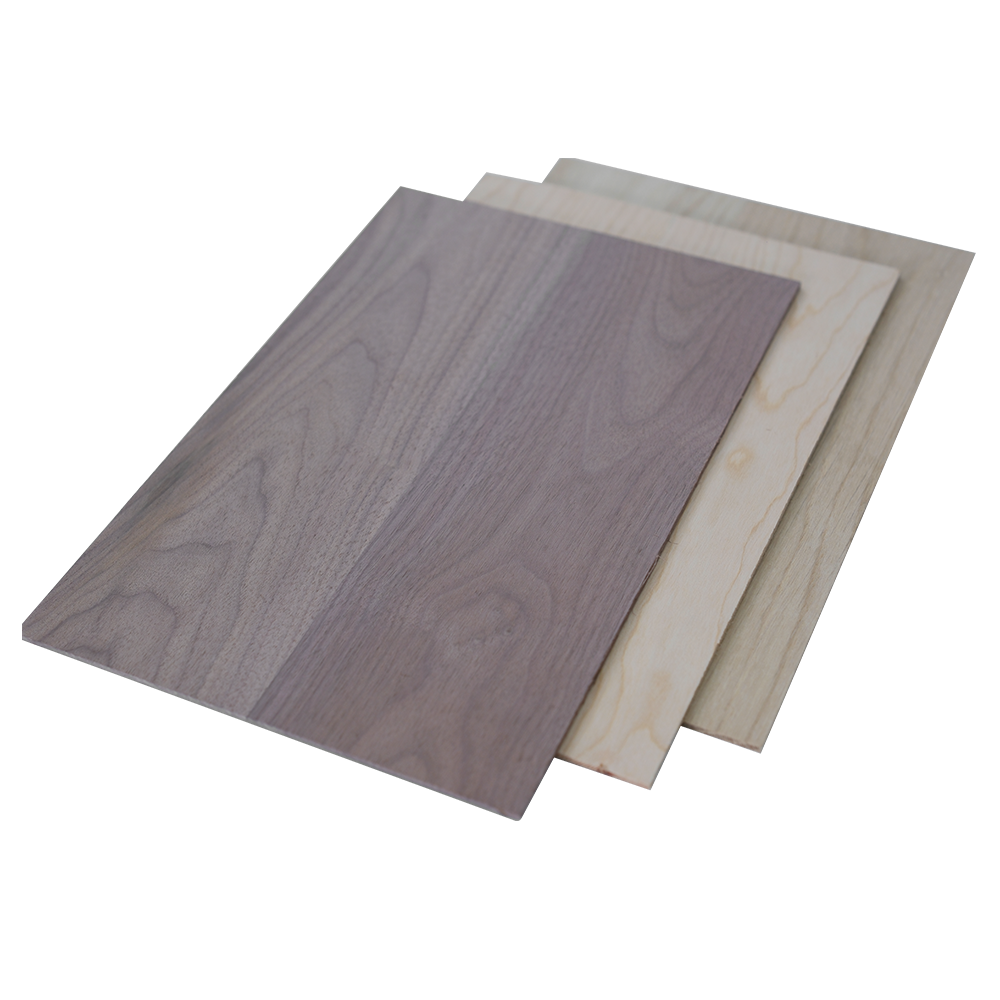
Simply put, Veneer refers to extremely thin slices of wood obtained by cutting logs, usually 0.2mm to 3mm thick. Terms like vaneer or vineer are common misspellings of this same material. It retains the finest grain and color of the log.
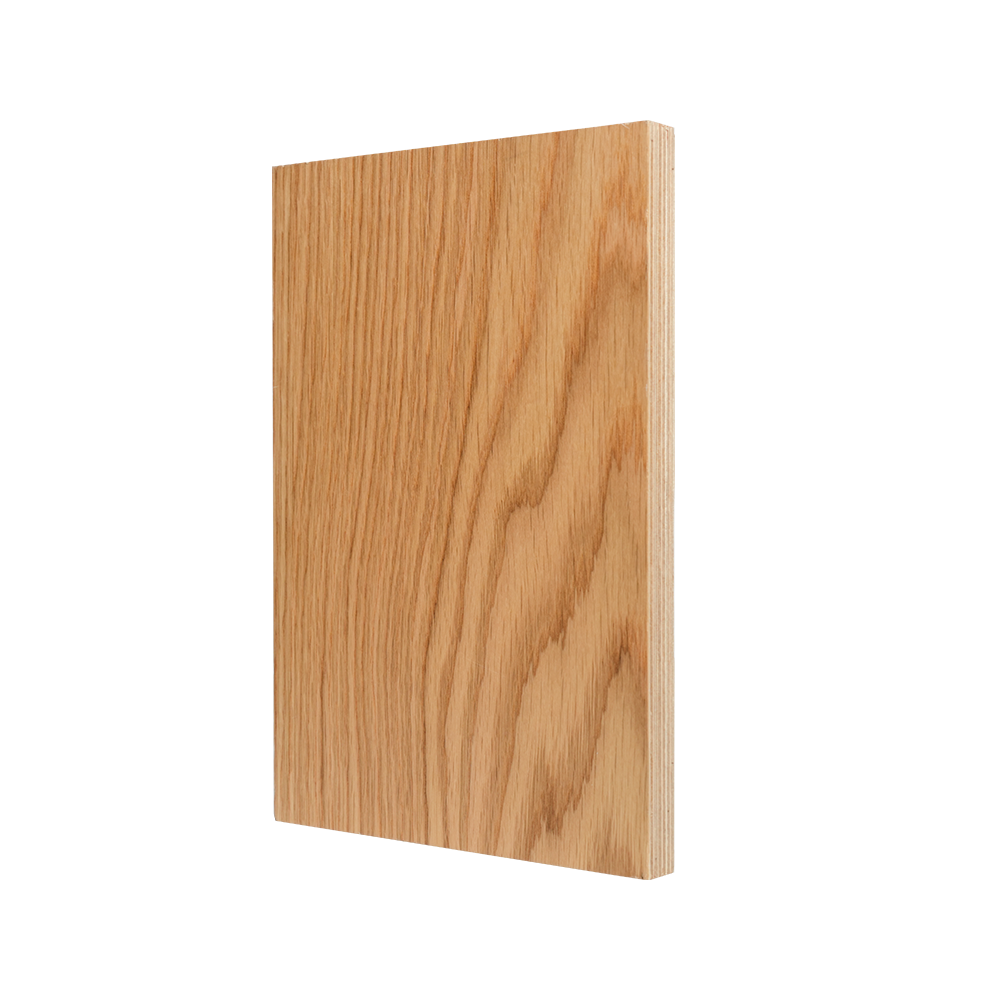
Veneered wood is a composite structure using stable engineered wood like MDF or Plywood as the core, bonded with high-grade natural wood skin. When asking "What is veneered wood," think of it as giving a plain "skeleton" a beautiful "outfit." It provides the look of solid wood with better stability.
Veneering is the process of bonding wood veneer to a substrate. This includes selection (like book-matching), gluing, and pressing (cold or hot) followed by fine sanding and finishing.
| Feature | Natural Veneer | Engineered Veneer |
| Source | Direct from natural logs | Reconstituted dyed wood |
| Consistency | Unique variations | Highly consistent |
| Eco-friendliness | High | Very High |
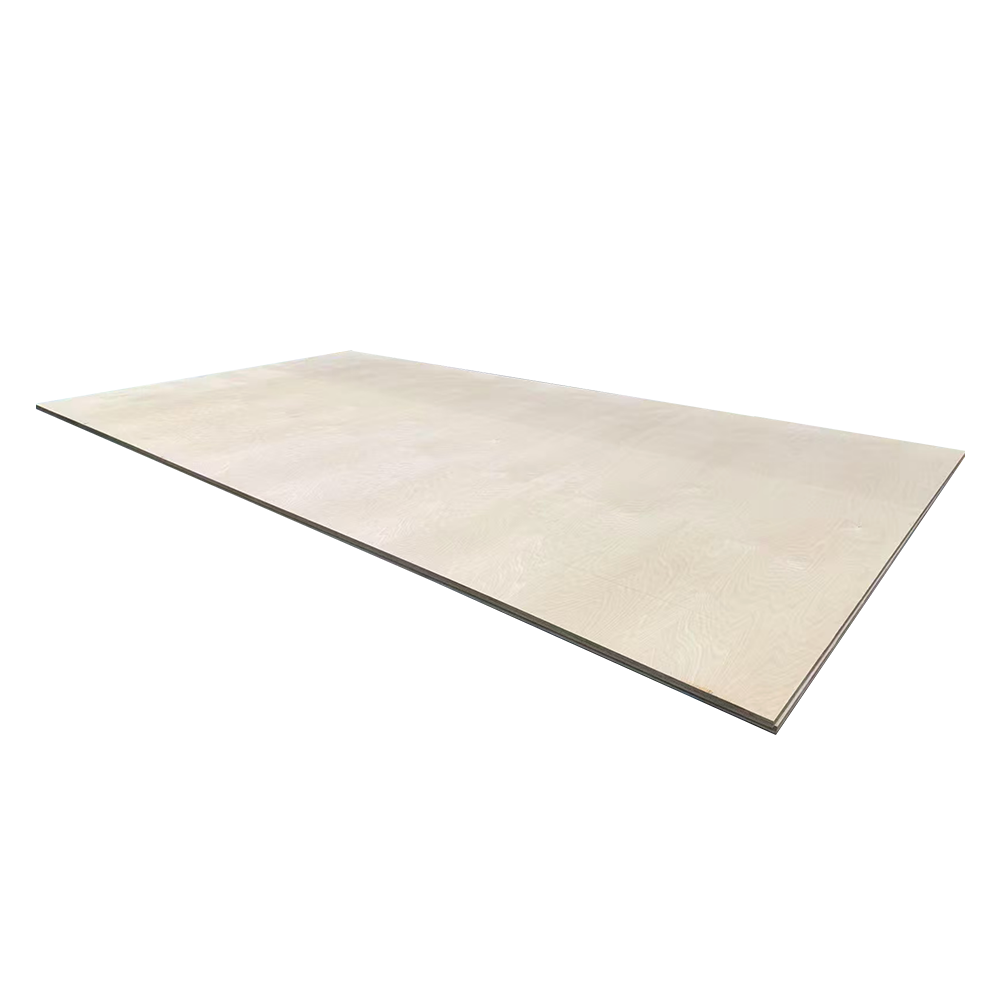
Standard sizes include 4 x 8 feet (approx. 1220mm x 2440mm), 5 x 5 feet for specialty birch, and 4 x 10 or 4 x 12 feet for tall wall applications.
When asking "What size plywood for flooring," thickness is key. For standard 16-inch joist spacing, a minimum of 5/8 inch (15.5mm) is suggested, though experts recommend 3/4 inch (18mm). For 24-inch spacing, 3/4 inch or 1 inch is required to prevent flexing.
| Nominal Thickness | Actual Thickness | Common Metric | Recommended Use |
| 1/4 inch | 7/32 inch | 6mm | Drawer bottoms |
| 1/2 inch | 15/32 inch | 12mm | Closet sides |
| 3/4 inch | 23/32 inch | 18mm | Cabinet boxes, subfloors |
In structural applications, Plywood holds the advantage. MDF is dense but prone to sagging under long-term heavy loads. Standard Pressed board (particle board) has the lowest strength and is mostly for low-cost furniture.
For woodworkers, MDF is the king of machining. Its cut edges are extremely smooth and can be painted directly without edge banding. During CNC routing, MDF does not suffer from the splintering or layering issues common in Plywood.
| Dimension | MDF | Plywood | Pressed Board |
| Bending Strength | Medium | Very High | Low |
| Moisture Resistance | Poor | Good | Very Poor |
| Paint Finish | Perfect | Average | Poor |
| Screw Holding | Average | Very Strong | Weak |
Regarding "What is MDF furniture," MDF is more stable in fluctuating environments (no cracking) and is the best substrate for high-gloss painted finishes, while solid wood is better for structural load-bearing furniture.
Look at the edge. Marine grade plywood layers are tightly bonded with no visible gaps (voids), and it usually features a higher layer count than standard exterior boards.
"What is pressed board" is a general term. It includes Particle Board, MDF, and HDF. MDF is a higher-specification version of pressed board made from finer fibers.
Always check the emission ratings: E1 Standard (less than 0.124 mg/m3), E0 Standard (less than 0.050 mg/m3), and NAF (No Added Formaldehyde) which is the safest for indoor environments.
The reason for "What size plywood for floor" is support. If the board is too thin, it flexes when walked upon, causing floor squeaks or tile grout to crack over time.
related products


Copyright © Tianma Lvjian Group Co., Ltd. Rights Reserved.
Wholesale Construction Plywood Manufacturers Privacy
 English
 中文简体
中文简体