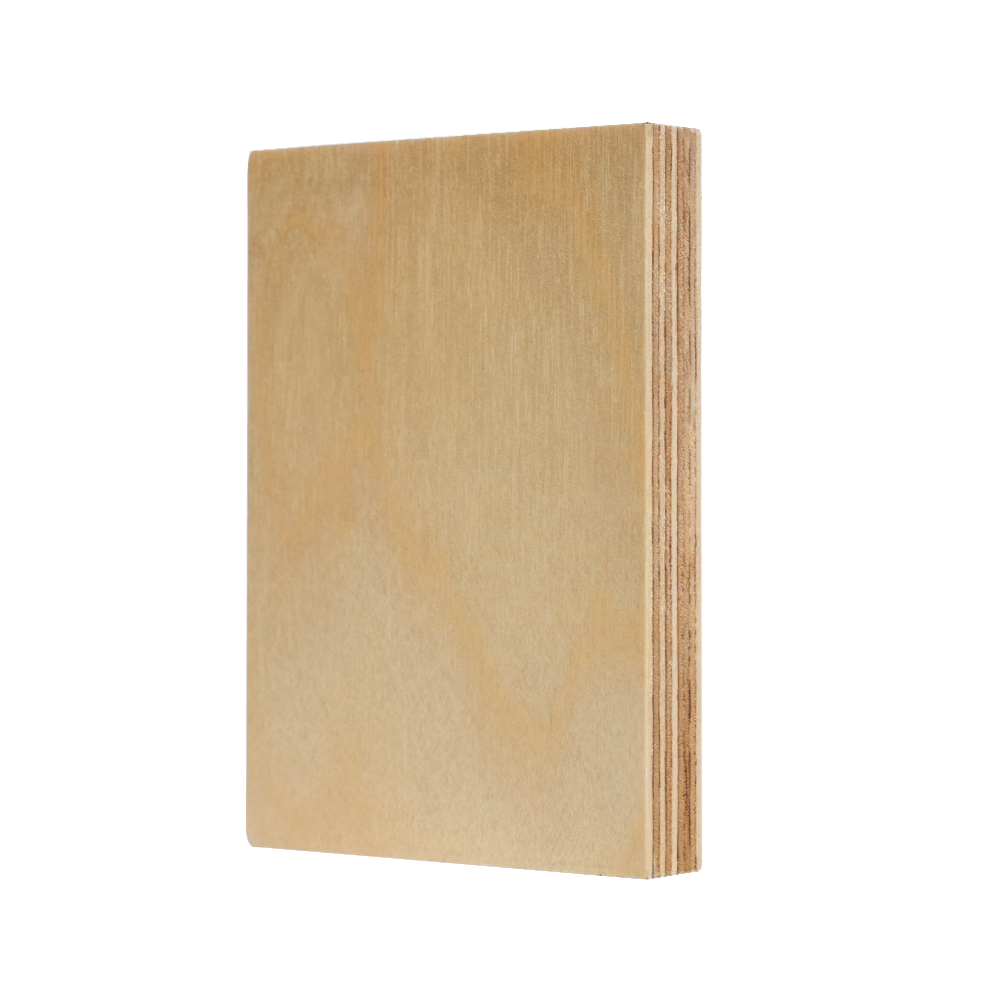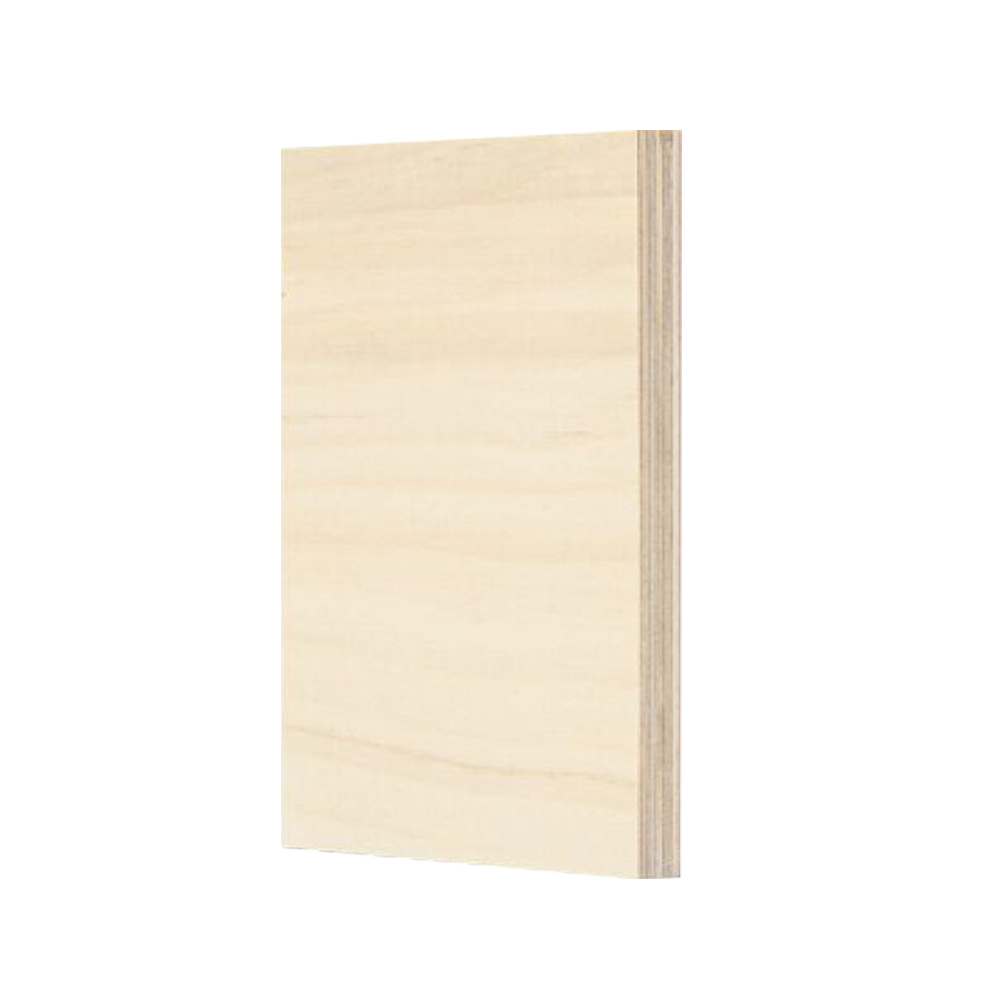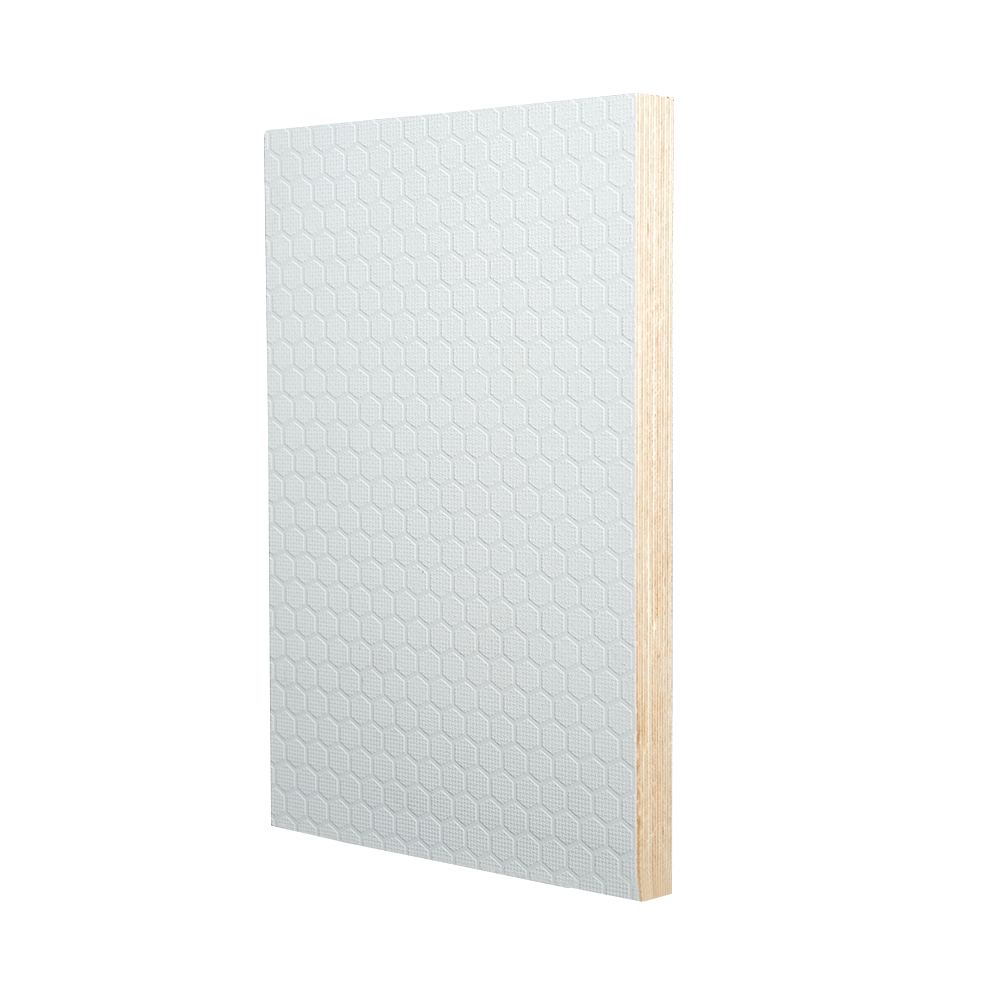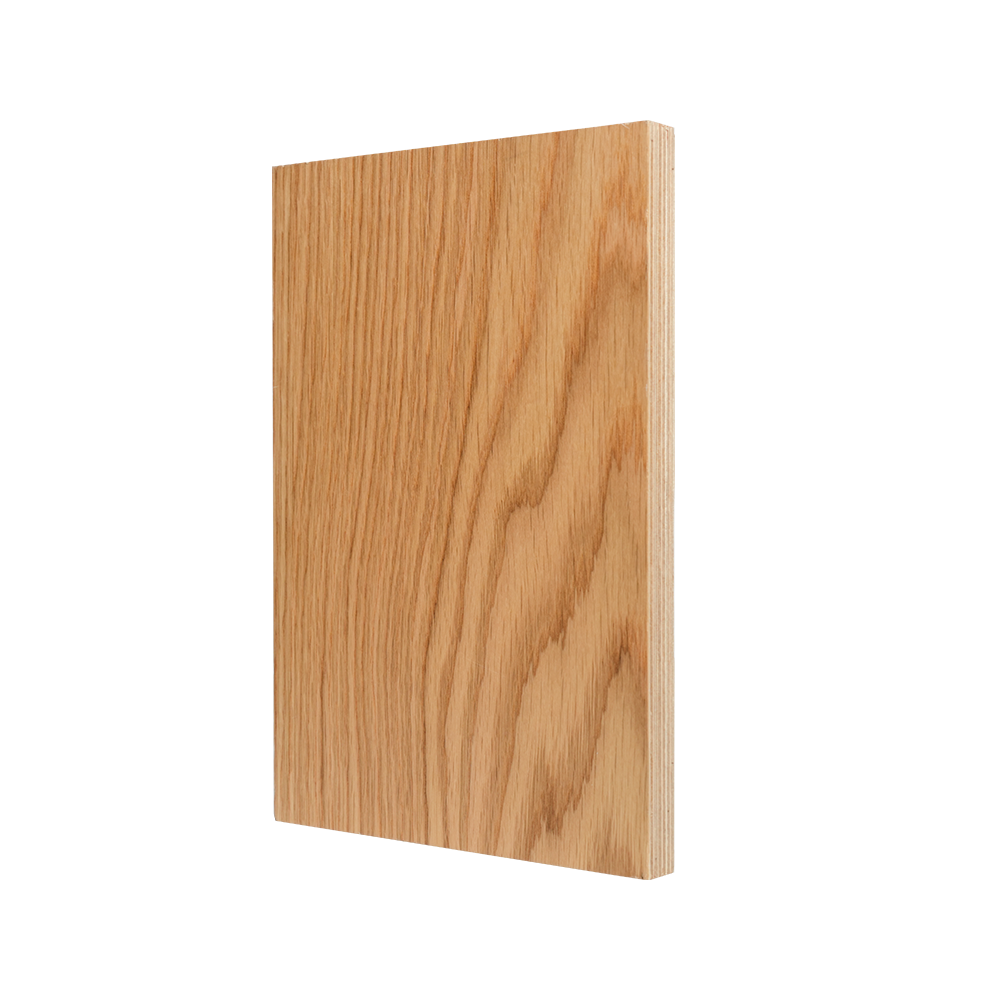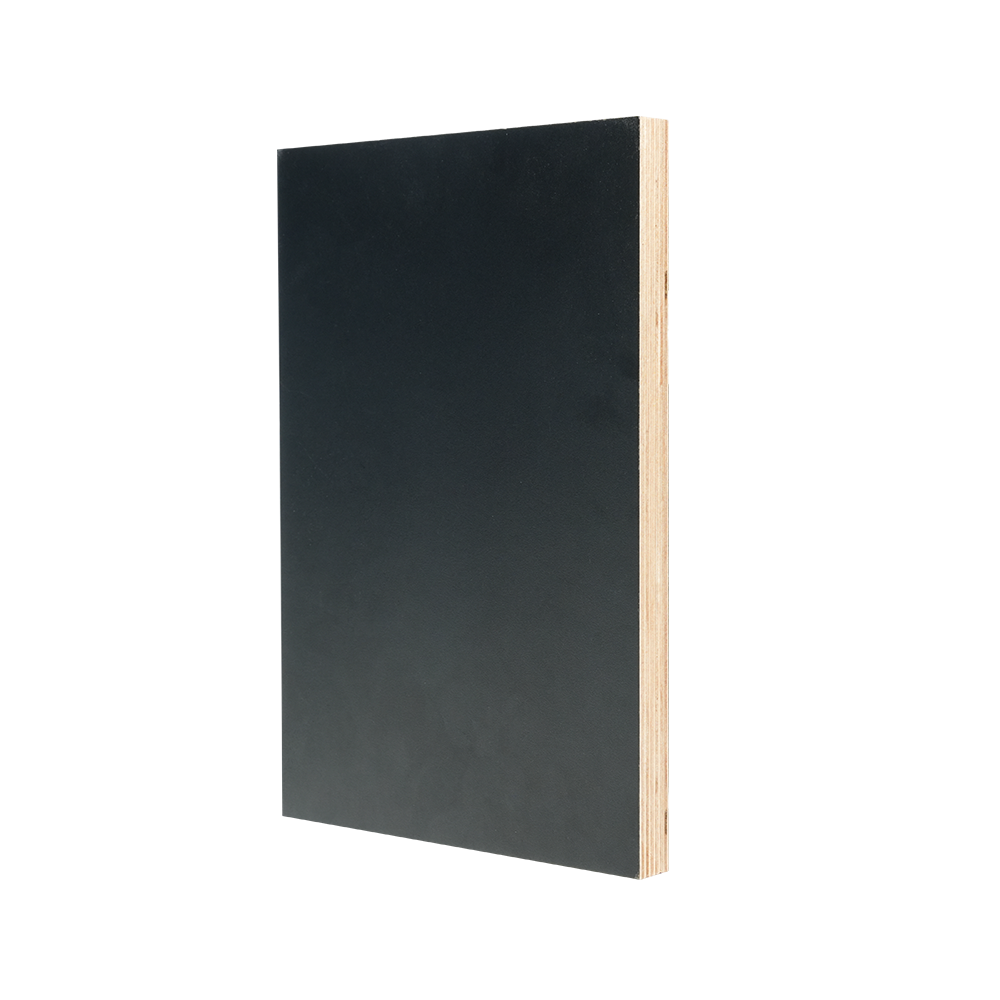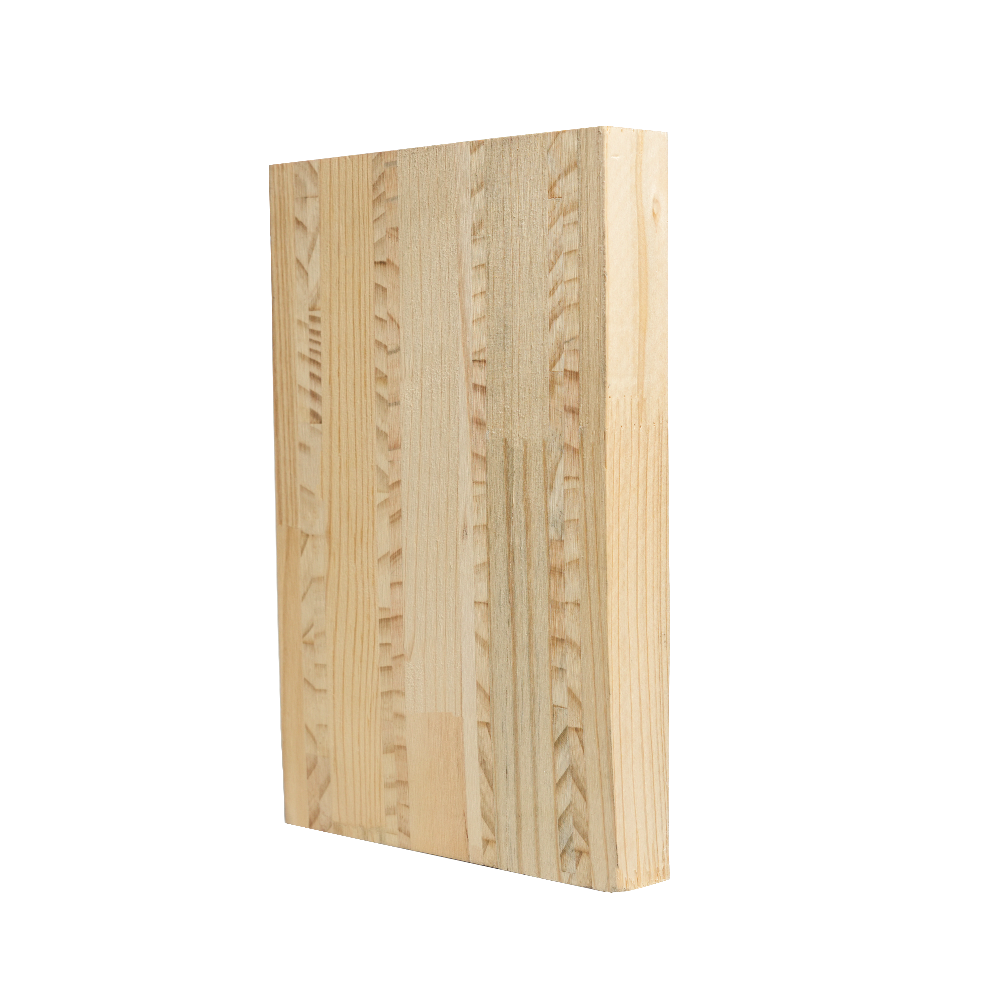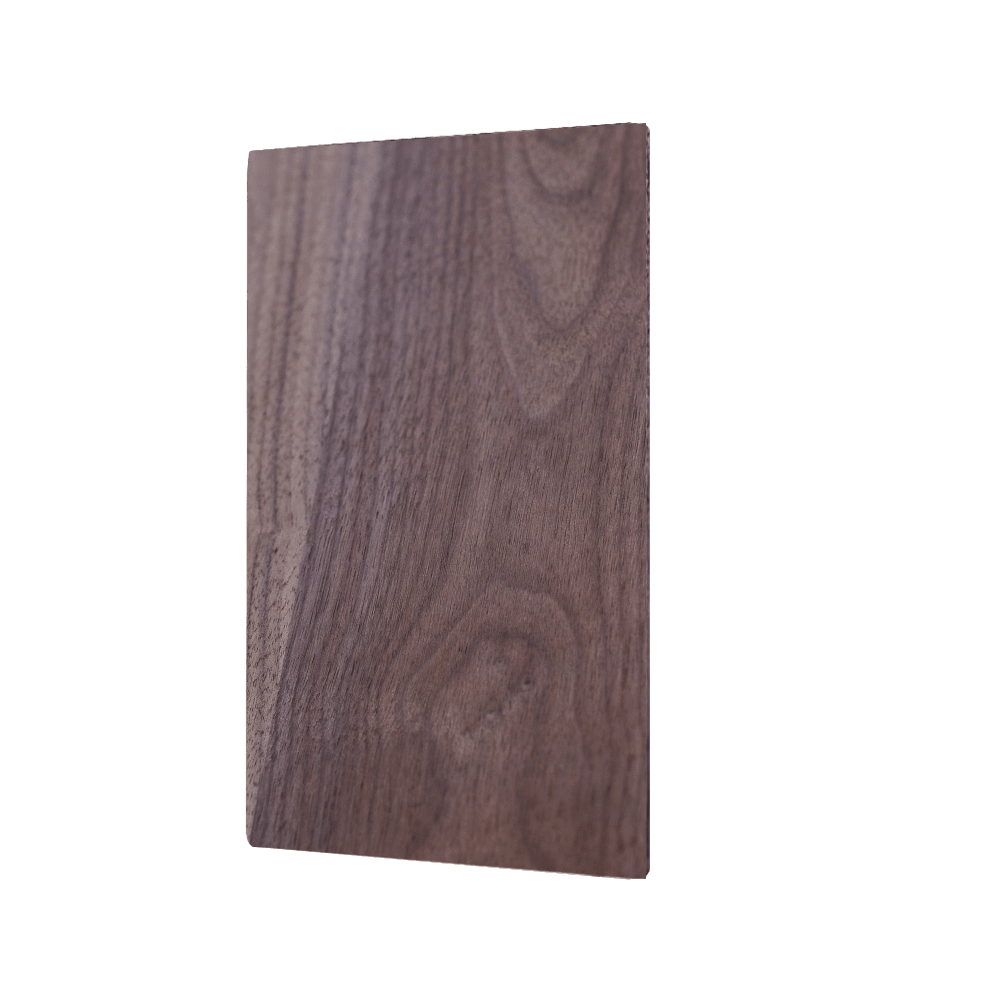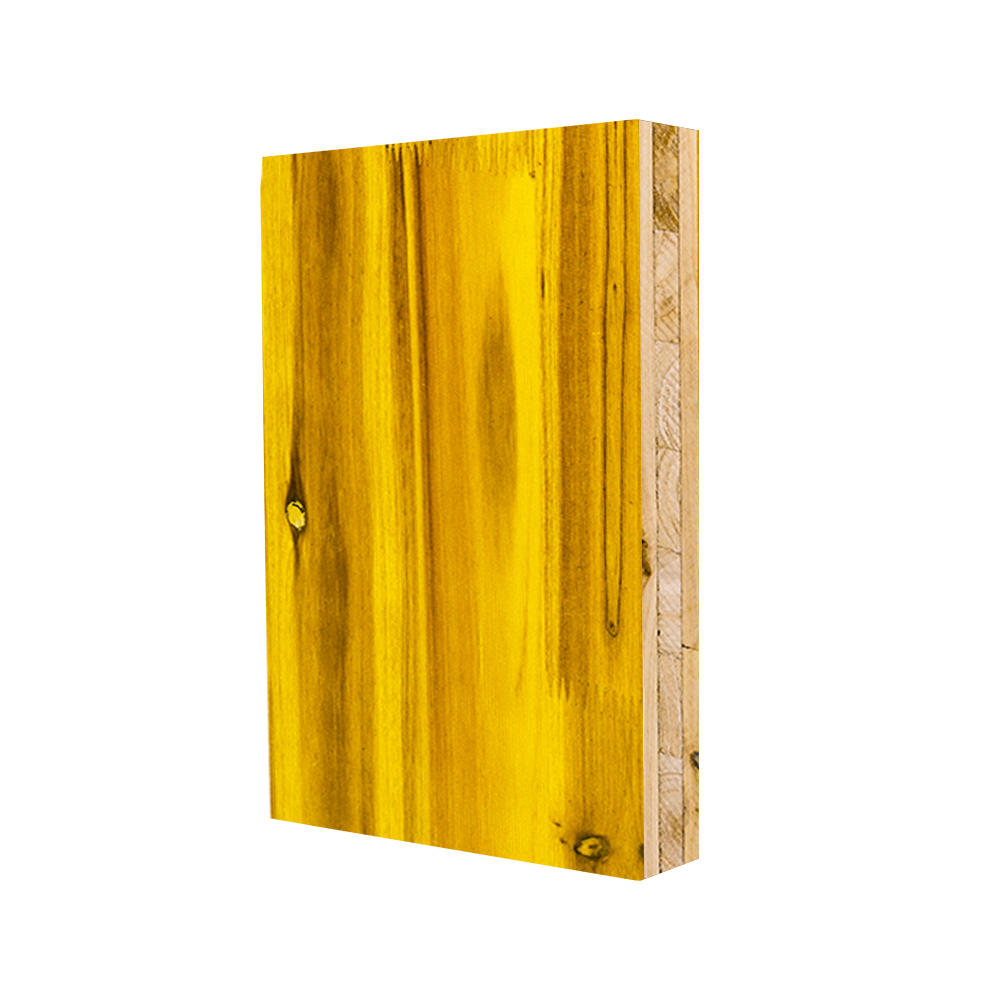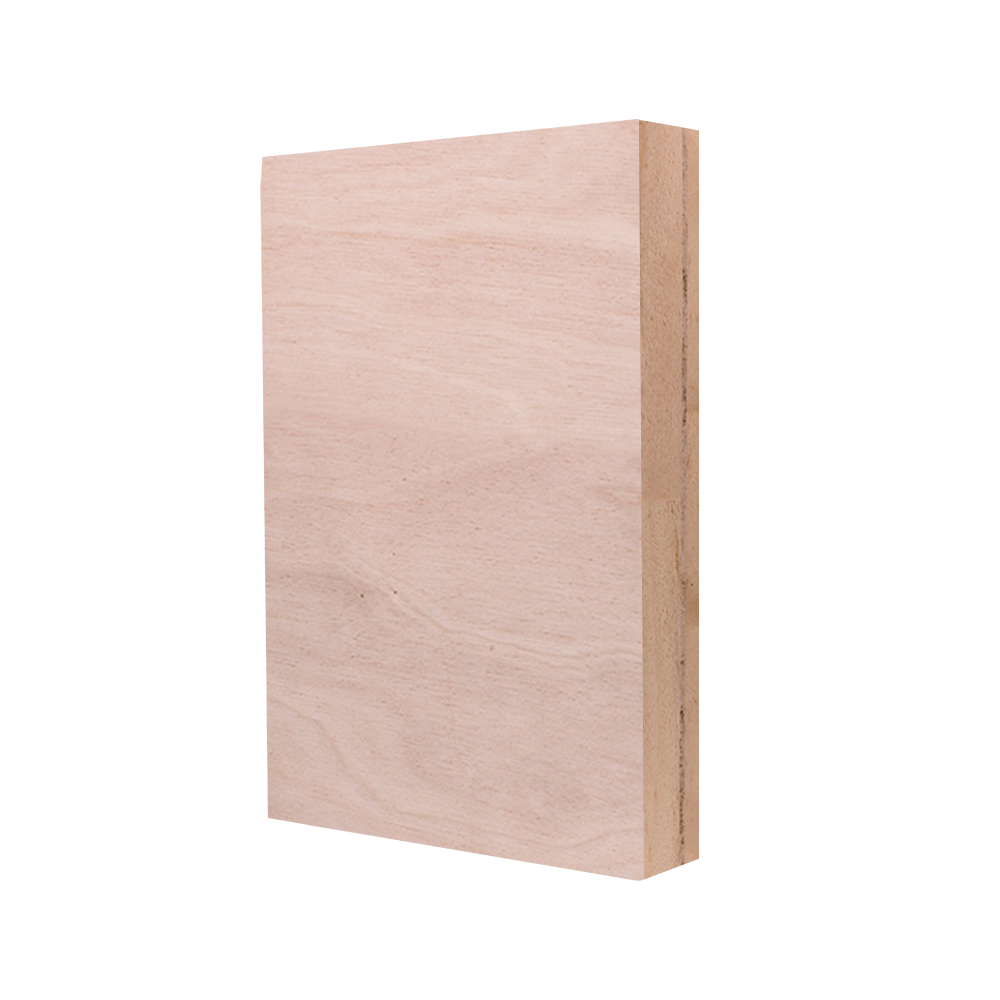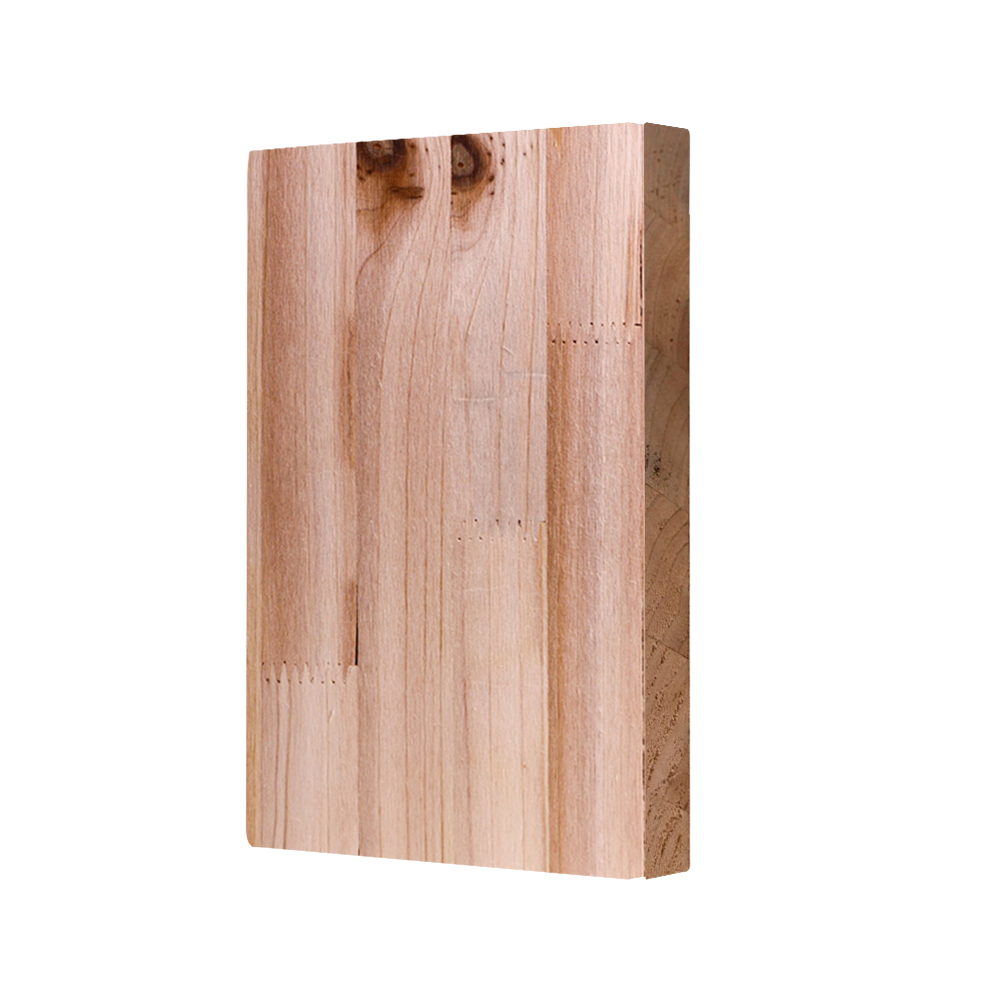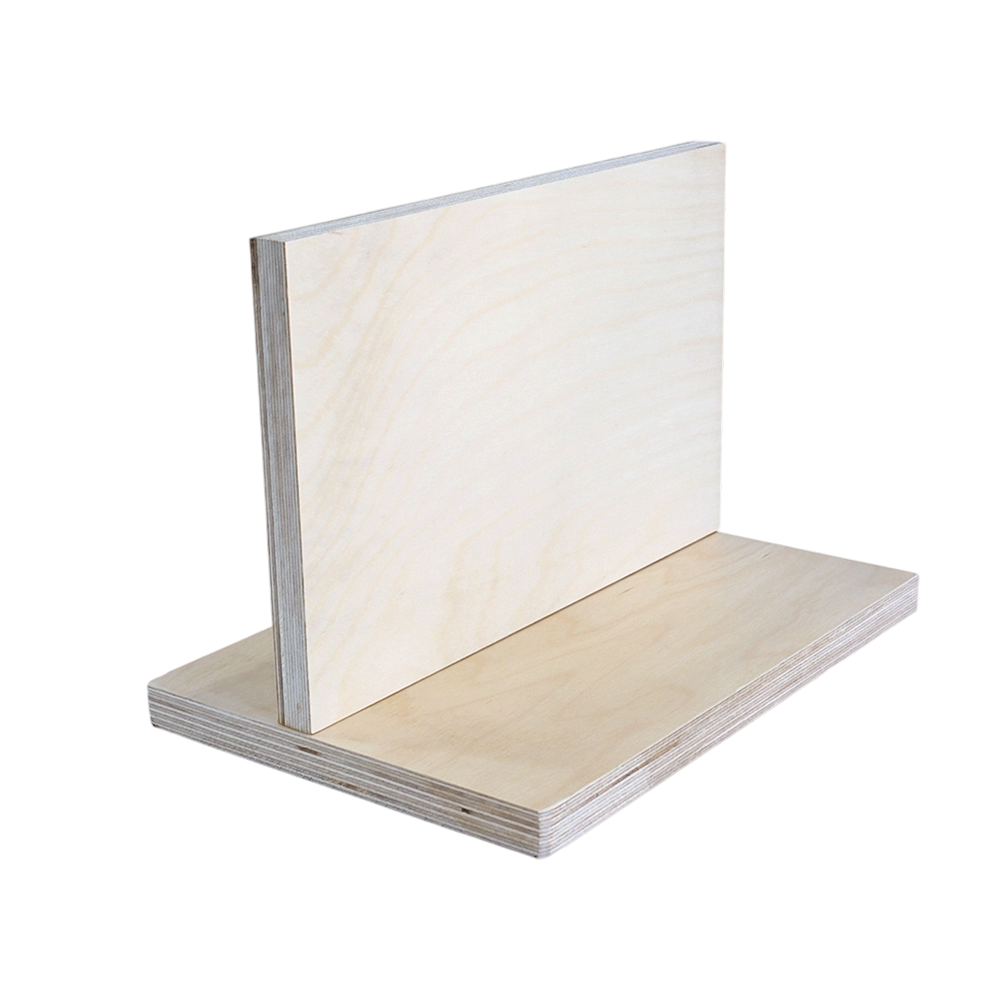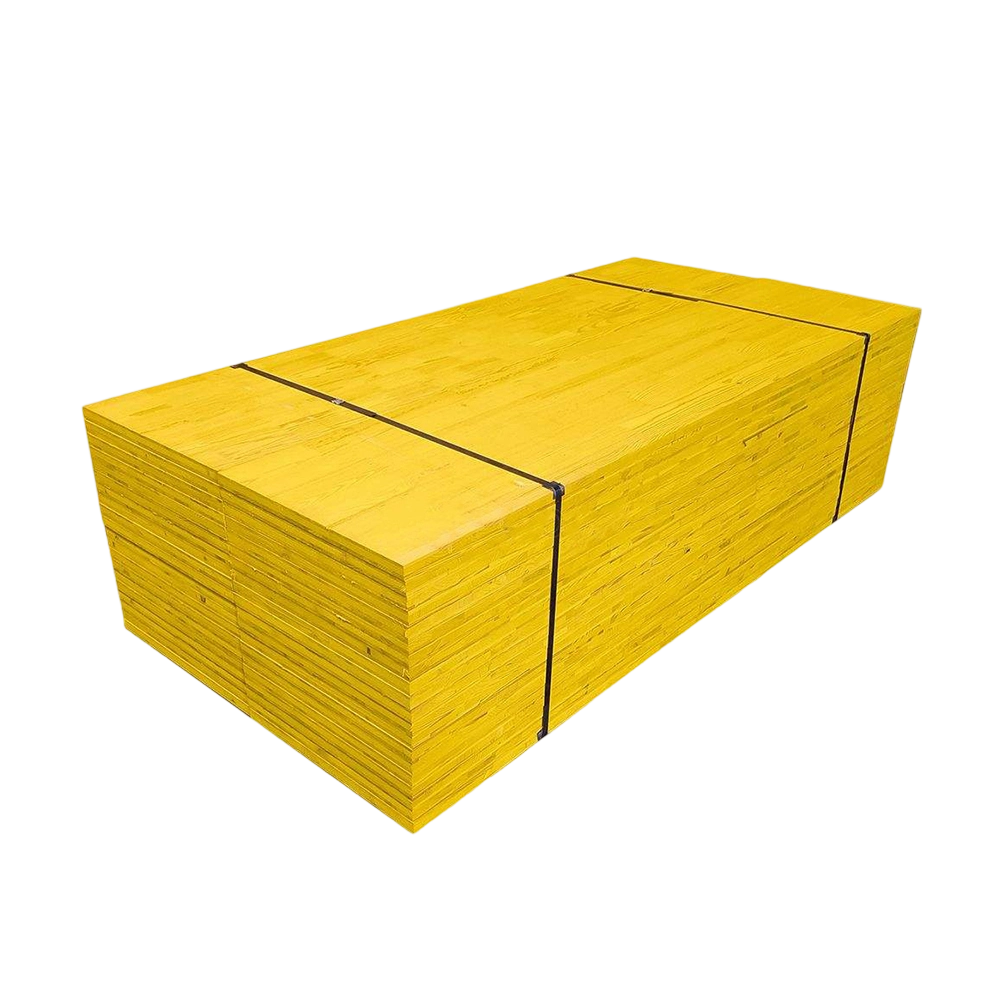

Shuttering panels, also known as formwork panels, are essential components in concrete construction. The quality of panel installation directly affects the dimensional accuracy, surface finish, and structural safety of concrete elements. Following a standard installation sequence and applying proper fixing methods ensure smooth construction, prevent panel displacement or deformation, and enhance overall project quality and efficiency.
Before installing shuttering panels, thorough site inspection is crucial. Ensure that the supporting framework and ground are level and stable to prevent settlement or tilting during installation. Panels must undergo quality inspection, including material strength, dimensional accuracy, and surface treatment. All fasteners, bolts, clamps, and support rods should be intact to facilitate secure installation. Construction teams must be familiar with design drawings and standards, understanding the exact positions and sequences for each panel type to avoid errors and redundant work.
Panels should be installed following the principle of bottom-to-top and inside-to-outside. For wall formwork, start with the lower sections and gradually move upward. Beam formwork typically requires the installation of horizontal supports first, followed by bottom panels, then side panels. Complex structures such as columns, staircases, or arches require initial support setup before sequential panel installation according to design drawings. Ensure tight joints between panels to prevent concrete leakage during pouring. After each panel is installed, temporary fixing and checks for verticality and alignment are necessary to maintain system stability.
Shuttering panels can be fixed using bolts, clamps, and support rod systems. Bolted connections are suitable for timber, plywood, or metal panels, requiring uniform tightening without looseness or misalignment. Clamps allow fast assembly and disassembly and are commonly used for large beams or wall panels. Support rod systems bear the vertical load of panels and concrete; spacing and load capacity should comply with design calculations to ensure overall stability. After fixing, every connection and support must be checked for looseness, tilt, or damage.
Once panels are installed, alignment and safety checks are critical. Use levels, plumb lines, or laser measuring instruments to verify verticality, horizontality, and flatness. Supports and fixing elements must withstand expected concrete loads to avoid excessive deformation. For special structures like long-span beams or curved surfaces, additional temporary supports may be required to increase stiffness. Safety measures should be in place on-site to prevent collapse or accidents during construction.
The installation sequence and fixing methods also guide safe formwork removal. Panels should be dismantled only after concrete achieves design strength. The removal sequence is generally the reverse of installation: top-to-bottom and outside-to-inside, ensuring balanced structural loads. Maintain stability of the support system during dismantling to protect workers. Panels should be cleaned, maintained, and stored properly for reuse, enhancing cost-effectiveness and environmental sustainability.
related products


Copyright © Tianma Lvjian Group Co., Ltd. Rights Reserved.
Wholesale Construction Plywood Manufacturers Privacy
 English
 中文简体
中文简体