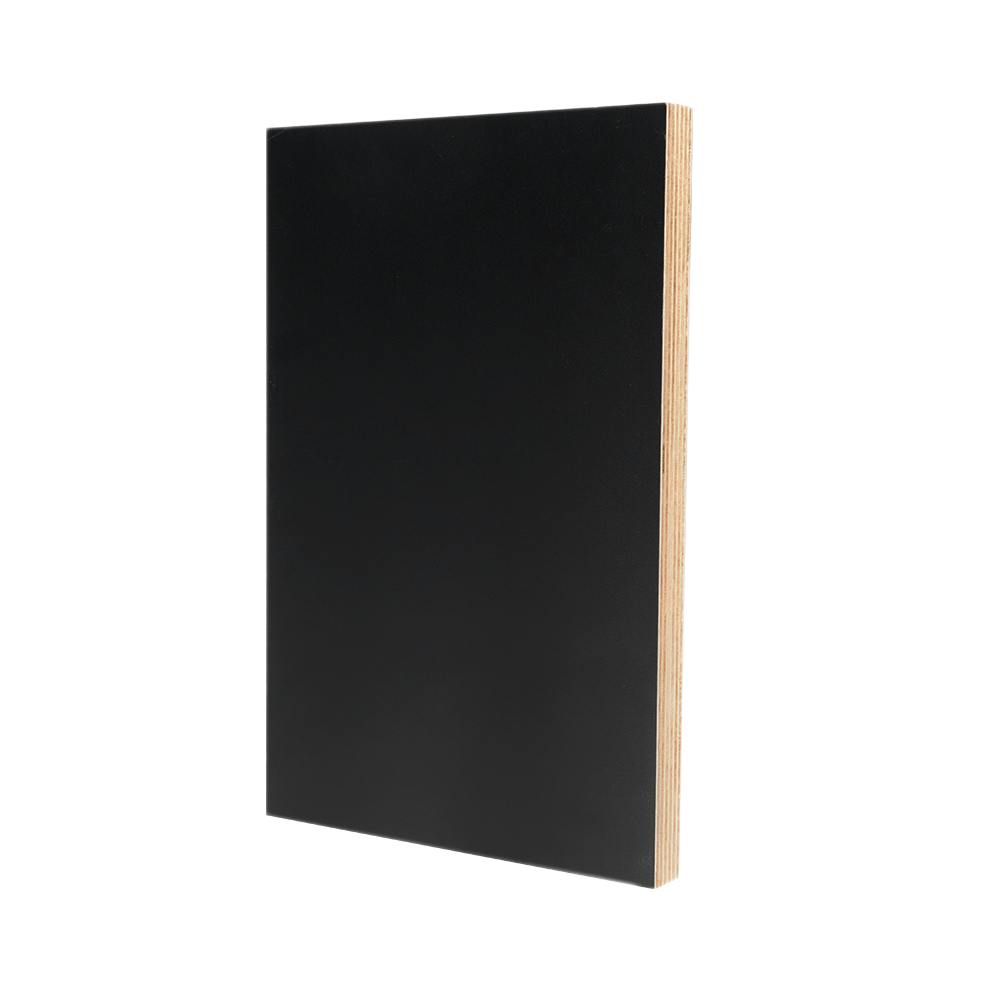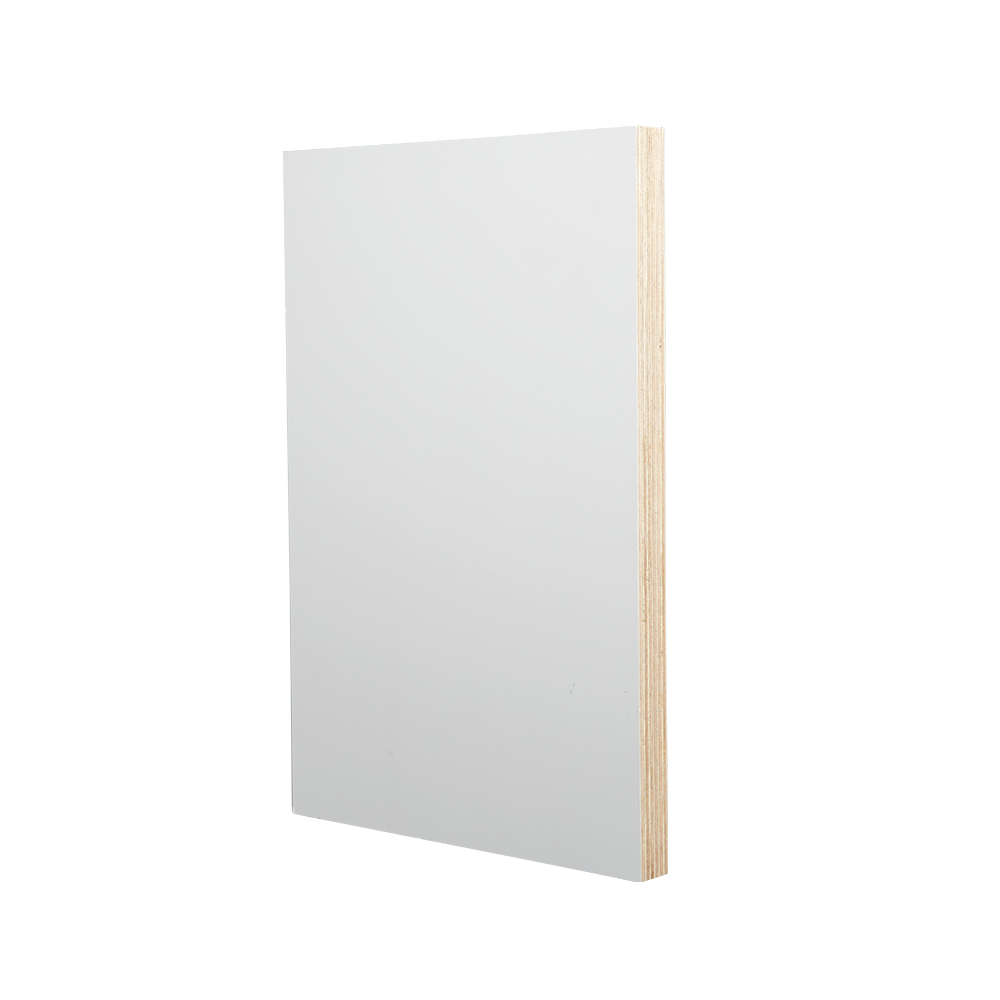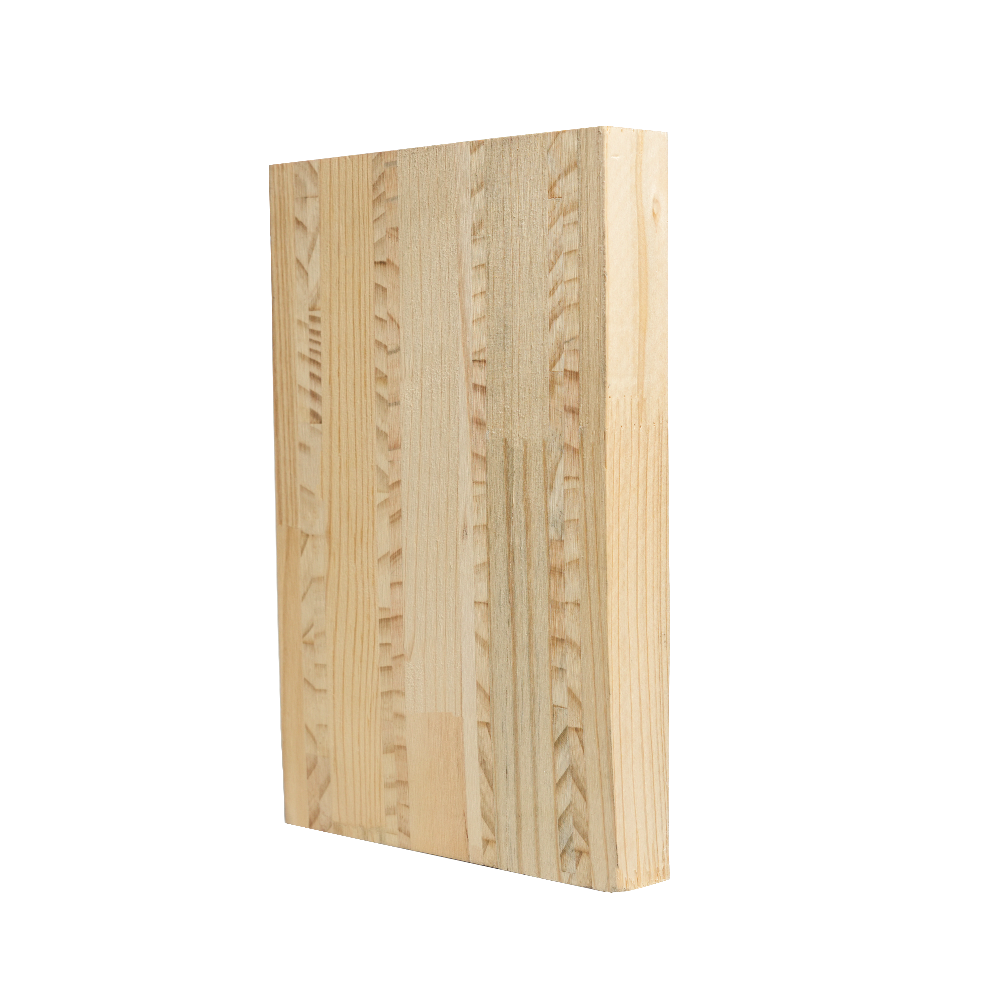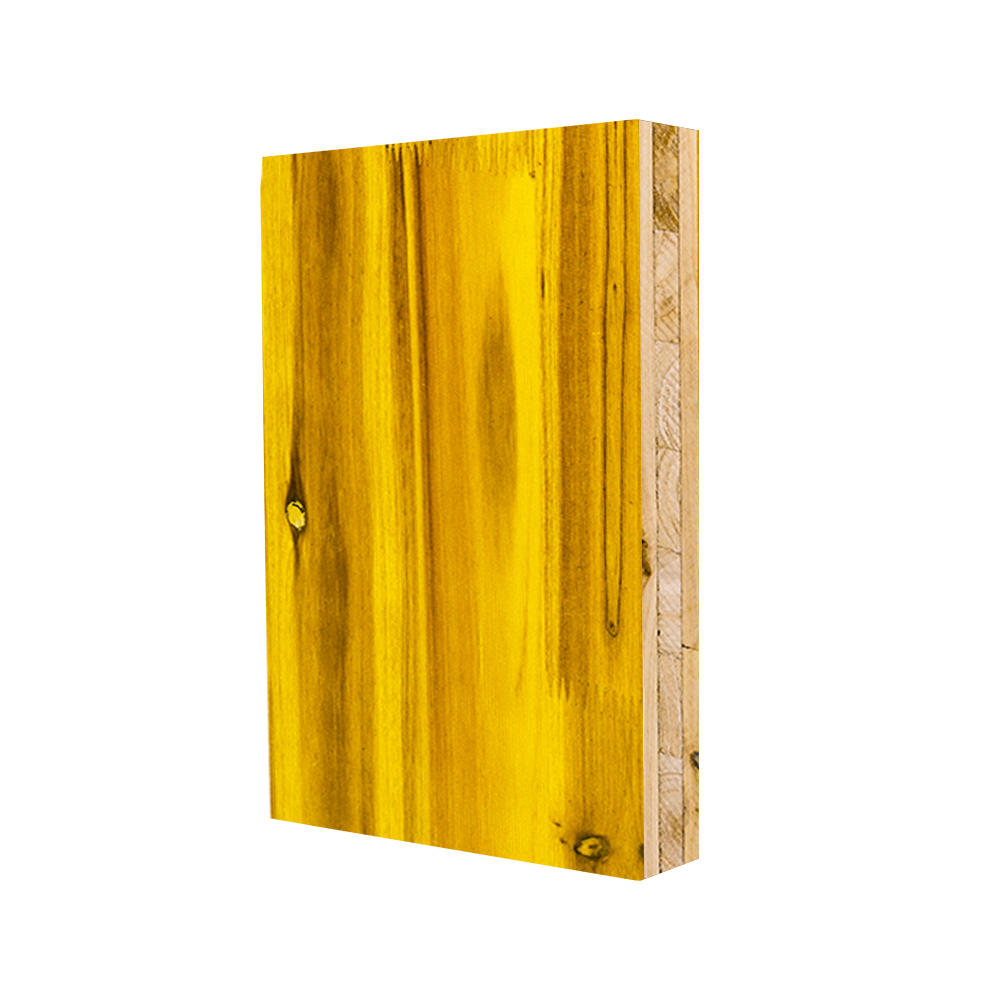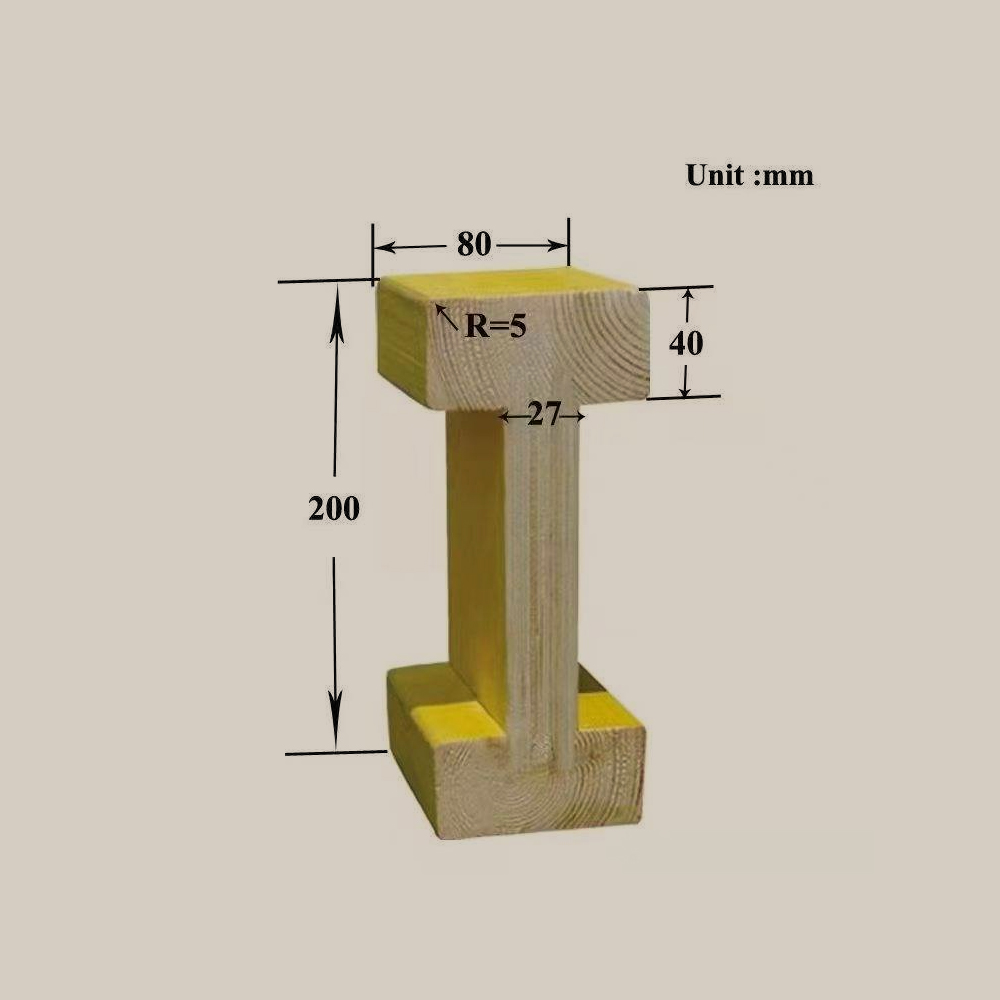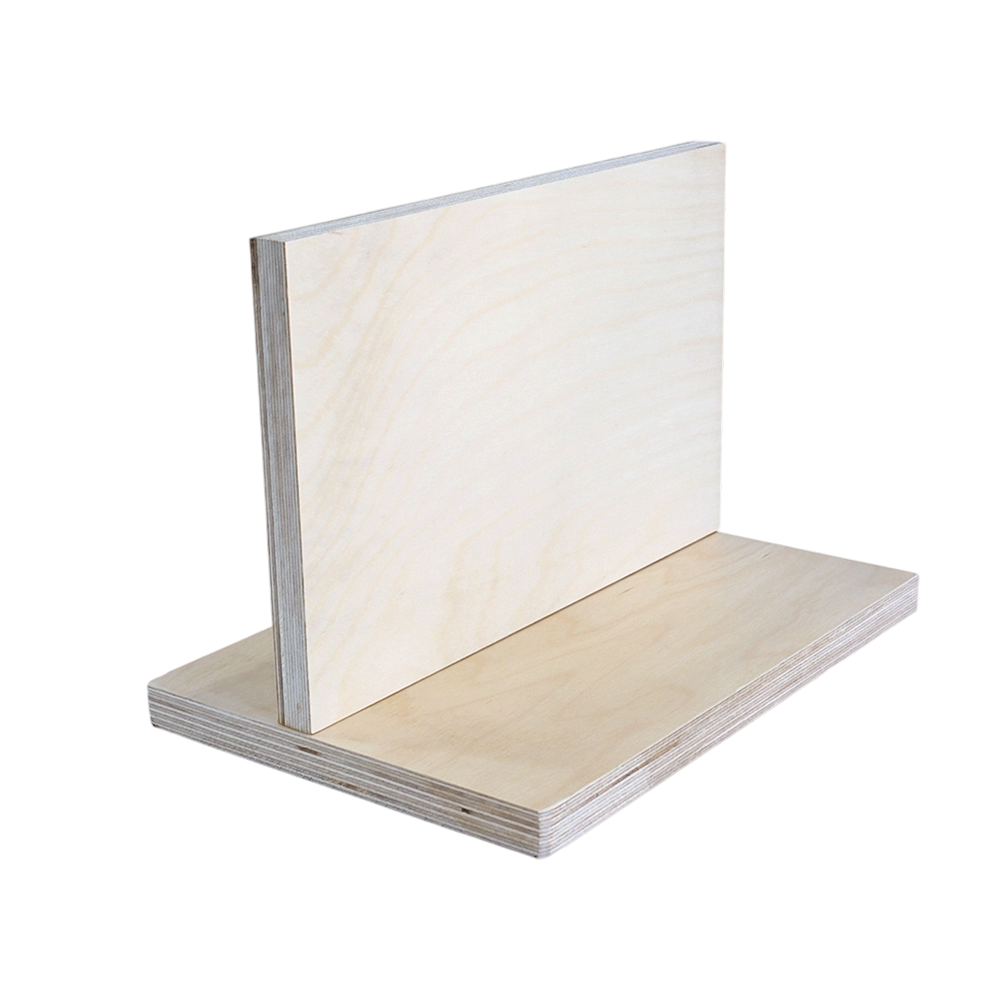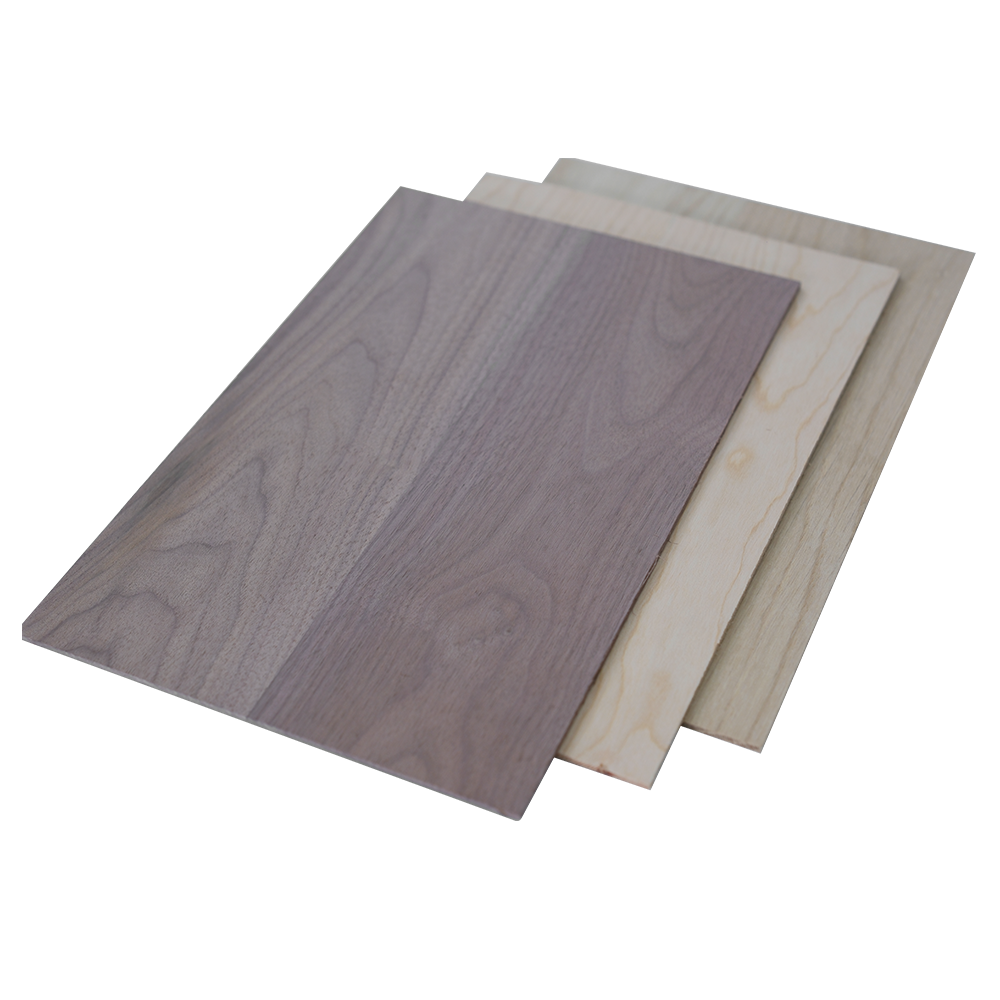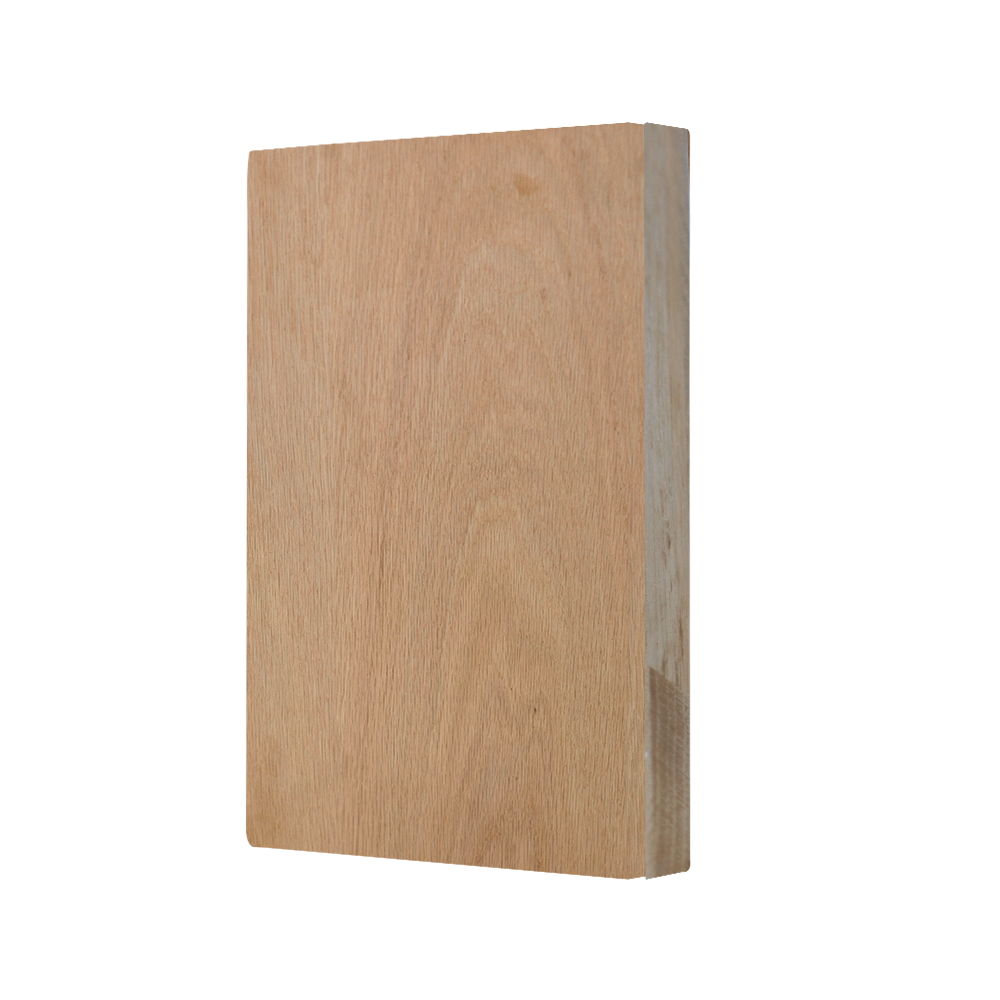

Shuttering panels, also known as formwork panels, are essential components in concrete construction. The load-bearing capacity of these panels directly affects construction safety and the quality of concrete structures. Insufficient load-bearing capacity or improper testing can lead to panel deformation, support failure, or even collapse. Scientific and systematic testing methods ensure that the panels can safely support concrete during pouring, providing a reliable basis for construction quality and efficiency.
The load-bearing capacity of shuttering panels is closely related to material strength. Common materials include plywood, laminated boards, steel panels, and composite materials. Material strength testing typically involves standard laboratory tests such as flexural strength, compressive strength, and tensile strength measurements. By assessing the ultimate strength of the panel materials under load, engineers can determine whether they meet design requirements. Material strength testing forms the foundation for evaluating overall panel performance, directly influencing safety factors and service life.
Static load testing is a key method for evaluating shuttering panel capacity. Known loads are gradually applied to the panel while monitoring deformation and stress distribution. Load calculations consider the weight of wet concrete, additional construction loads, and safety factors. Static tests may use concentrated or uniformly distributed loads. Panel deflection, stress, and support reactions are measured to verify that values remain within permissible limits. Test results provide essential guidance for support system design and potential reinforcement measures.
Dynamic load testing evaluates panel performance under vibrations, impacts, and operational loads encountered during construction. Simulated conditions may include equipment vibrations, concrete pouring shocks, and worker movement. Key indicators include instantaneous deflection, peak stress, and fatigue behavior. Dynamic tests reveal potential vulnerabilities in panels under real construction conditions and inform safe construction practices.
The load-bearing capacity of a shuttering panel depends not only on the panel itself but also on its support system. Support system testing focuses on support rod strength, spacing, and connector stability. Simulated loads are applied to assess rod deflection and overall stability, ensuring that the panel system does not deform or shift excessively during concrete placement. Support system testing is a critical step in maintaining the overall safety of the formwork structure.
Modern construction increasingly uses strain gauges and displacement sensors to monitor shuttering panels. Sensors are placed at key locations to record stress, strain, and deformation in real-time under applied loads. This data helps engineers determine the panel’s safety factor and assess whether performance meets design requirements. Real-time monitoring enables early detection of potential hazards, reducing the risk of accidents and improving construction safety.
Shuttering panel load-bearing capacity testing must comply with national and industry standards, such as the Code for Construction of Concrete Structures (GB 50666) and the Technical Specifications for Construction Formwork Safety (JGJ 162). These standards provide clear requirements for testing methods, load calculations, procedures, and acceptance criteria. Following these guidelines ensures both construction safety and regulatory compliance, providing a legal basis for project verification and accountability.
related products


Copyright © Tianma Lvjian Group Co., Ltd. Rights Reserved.
Wholesale Construction Plywood Manufacturers Privacy
 English
 中文简体
中文简体