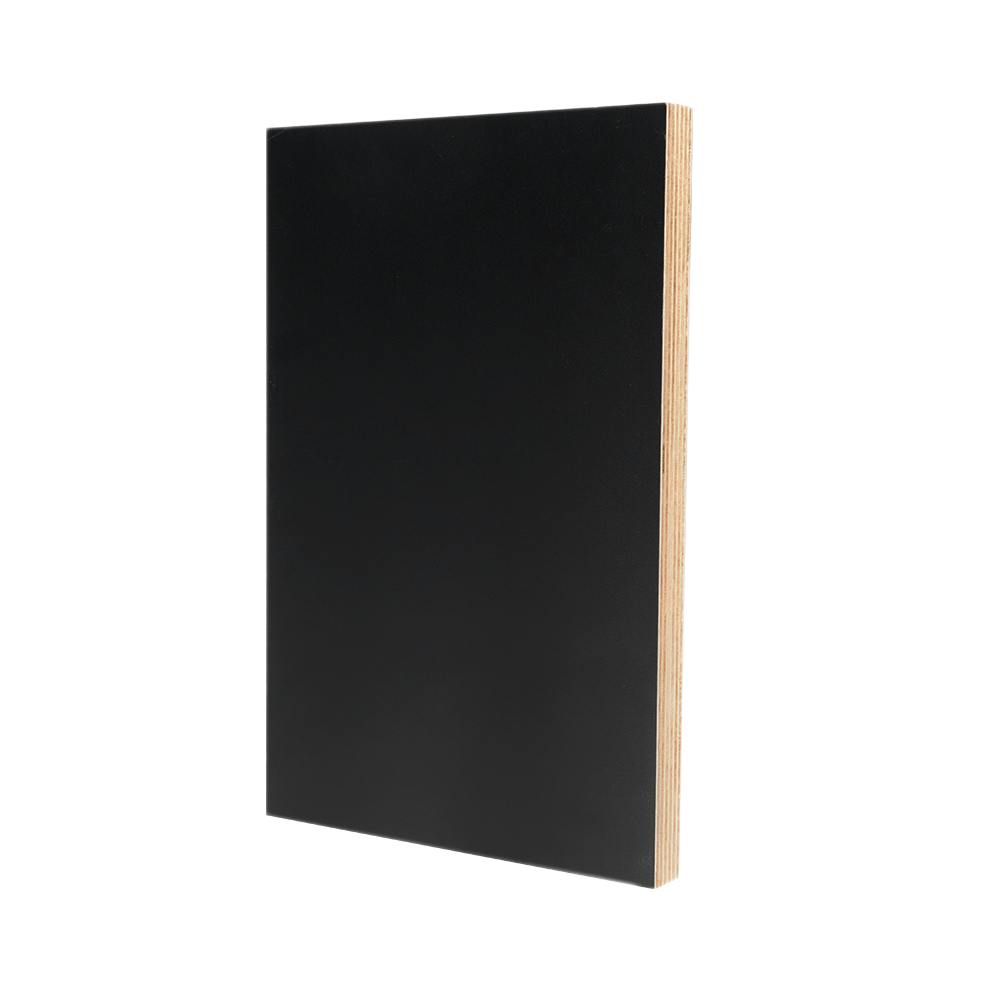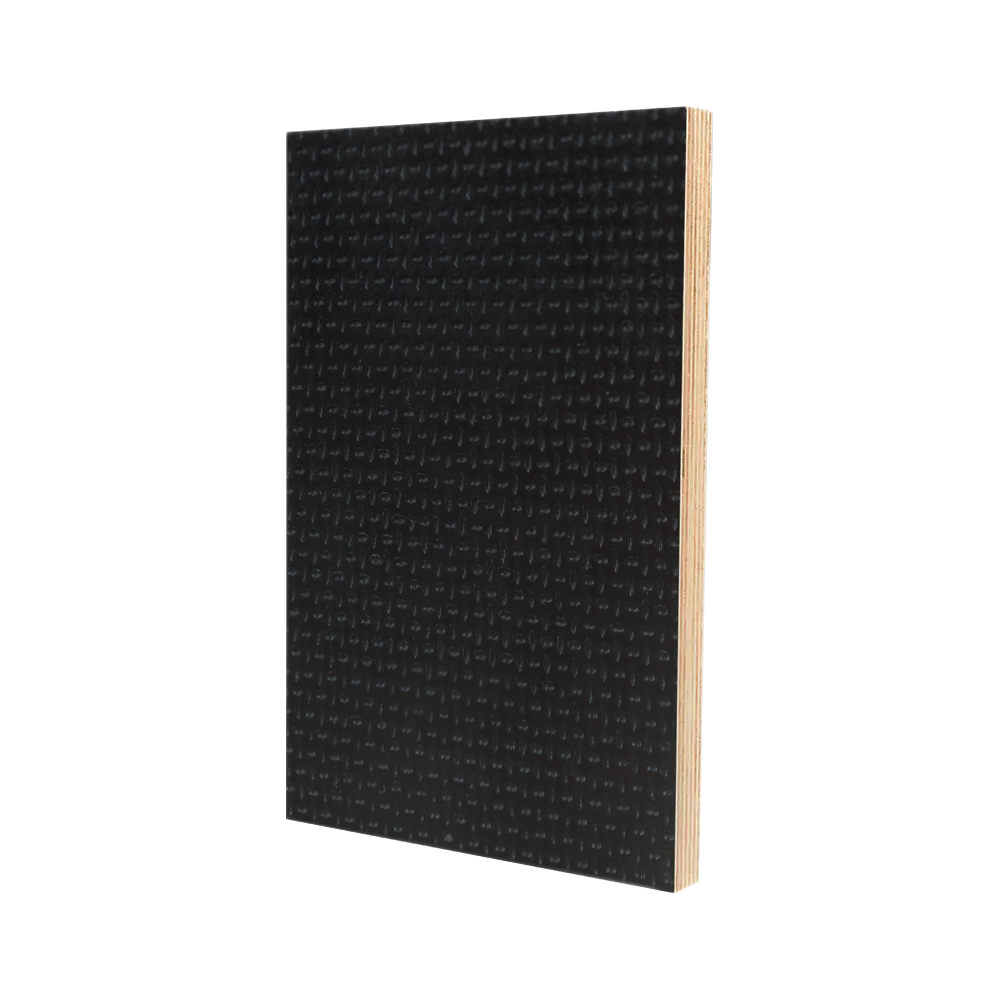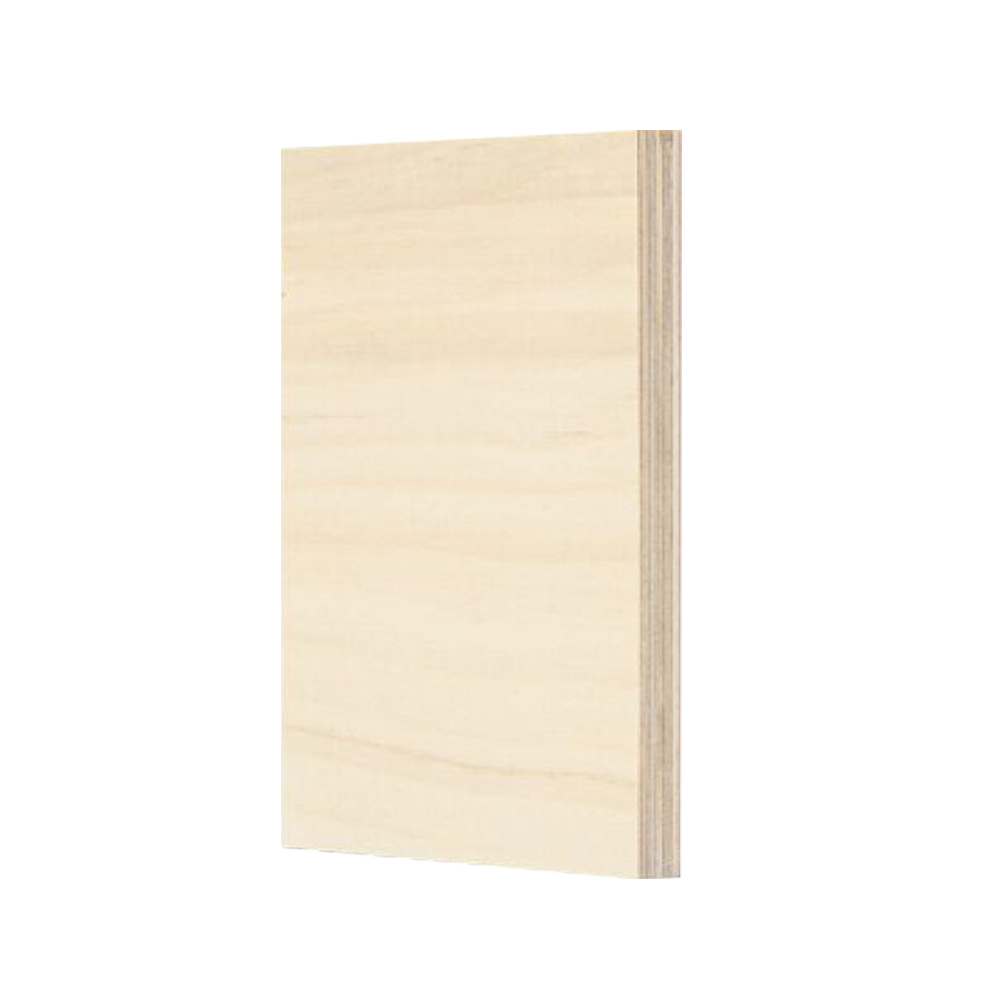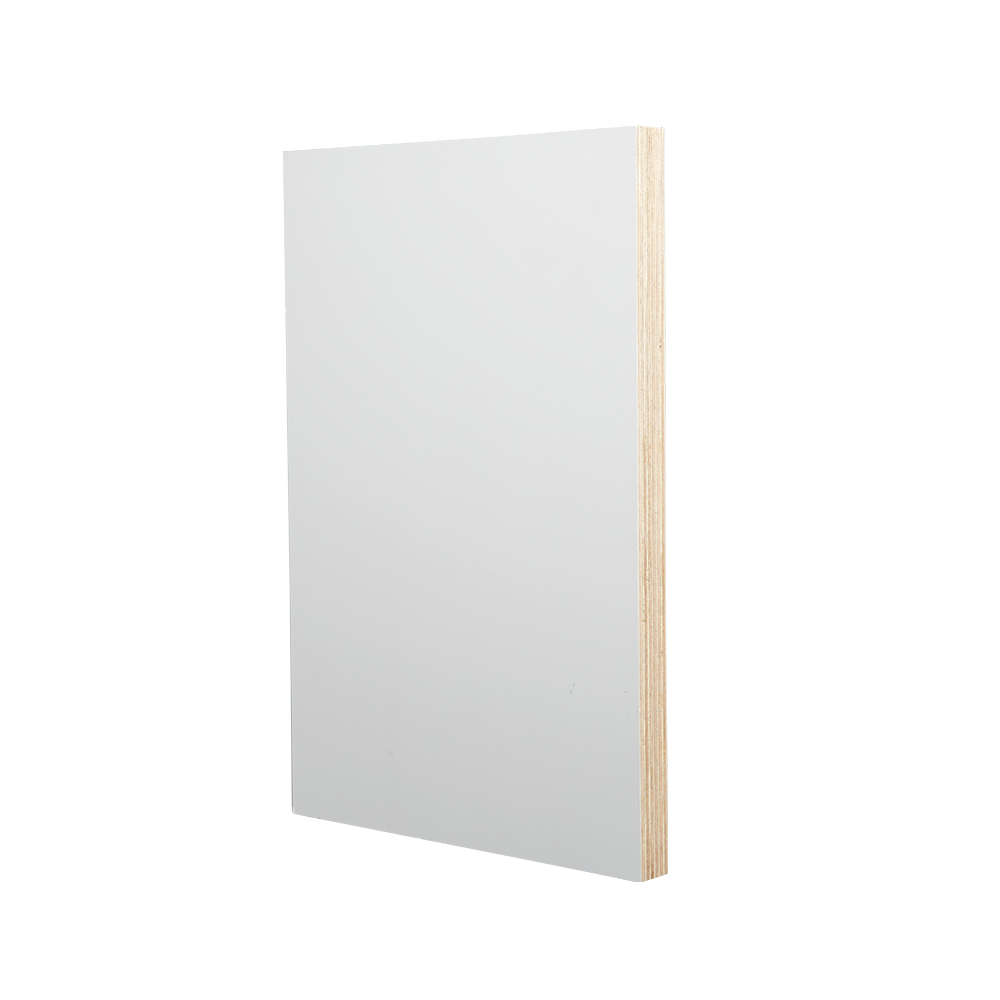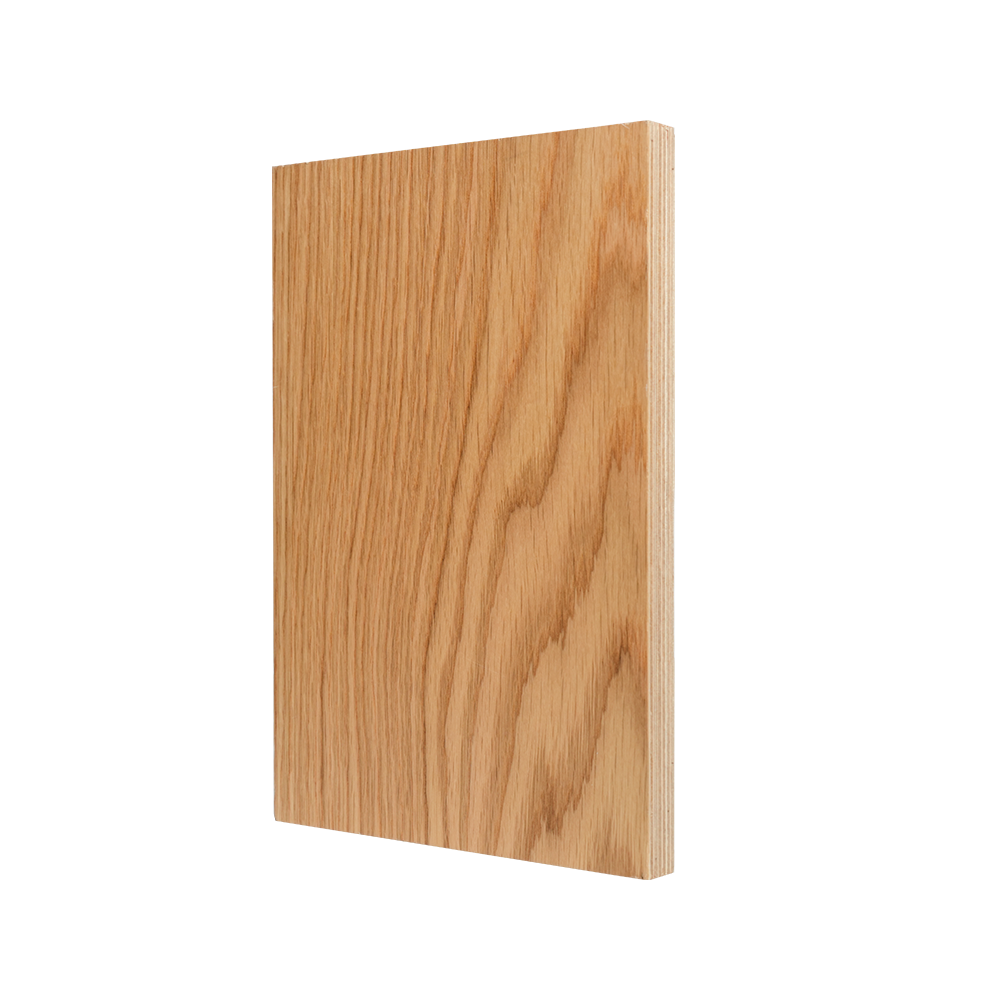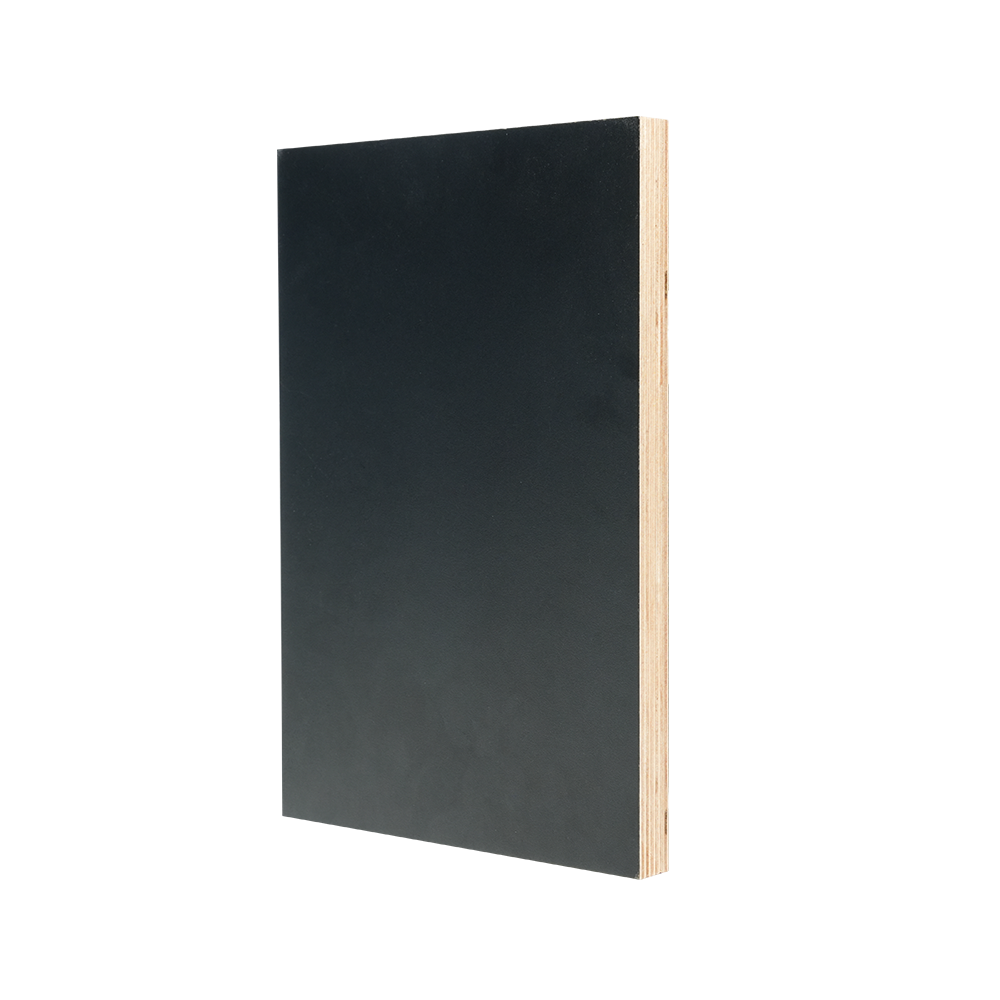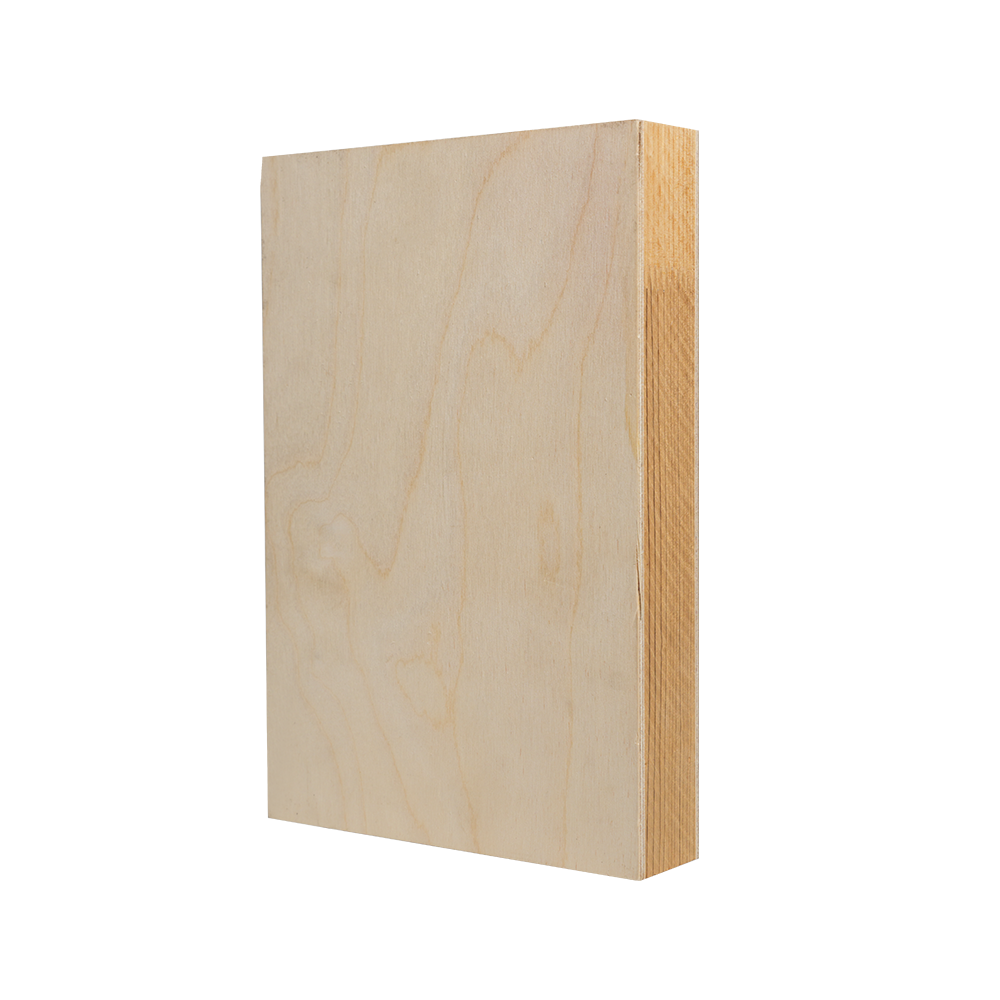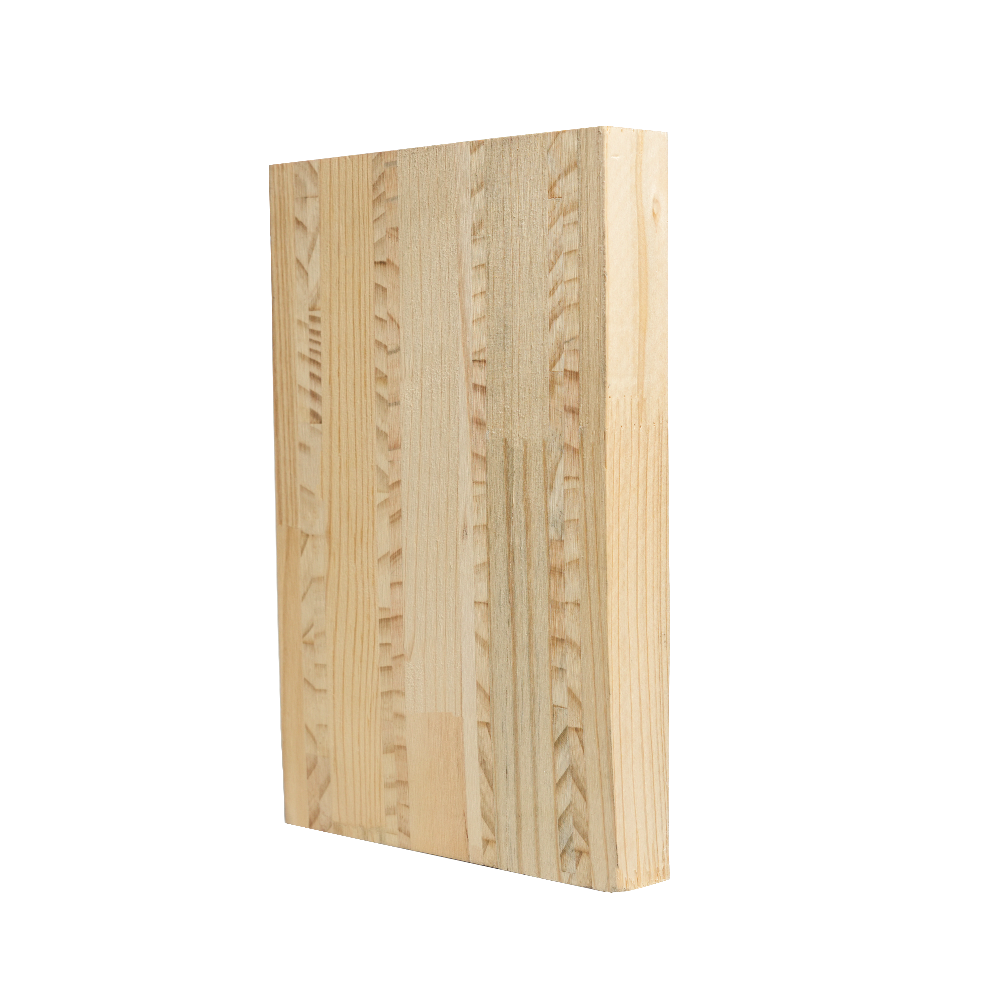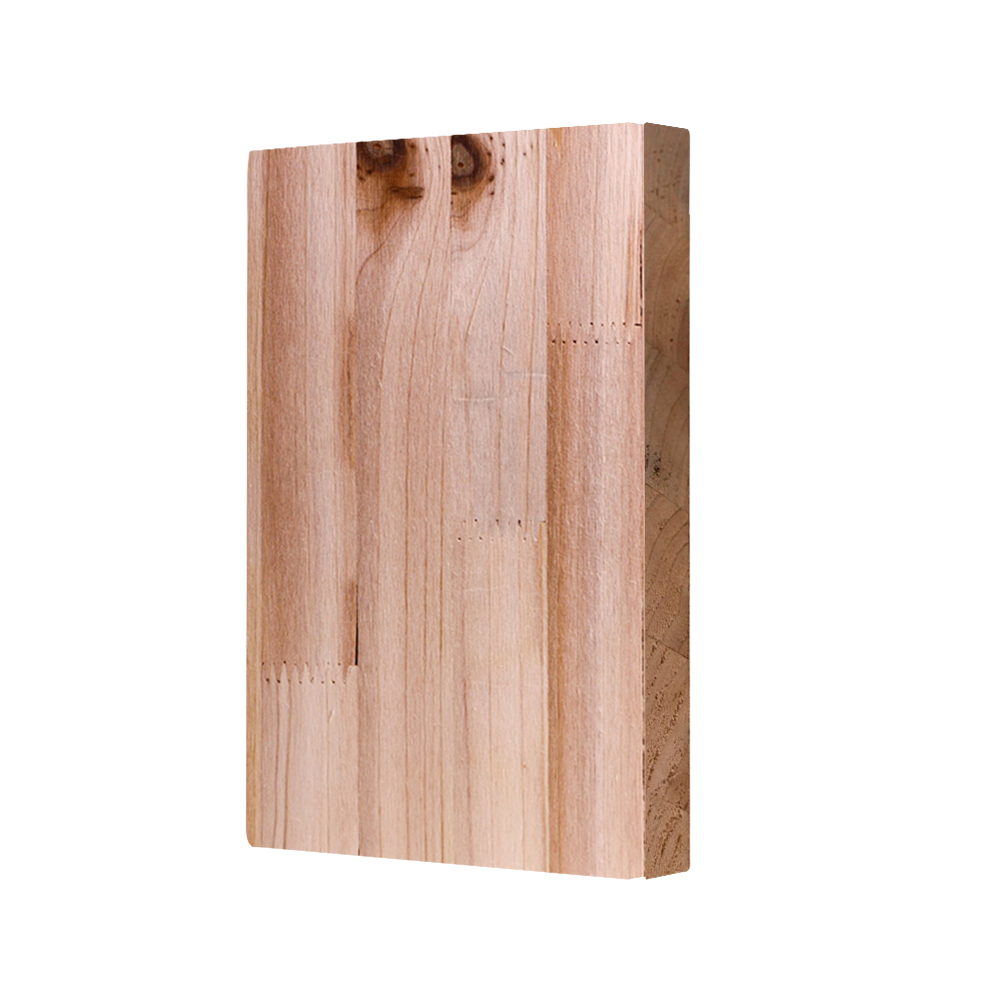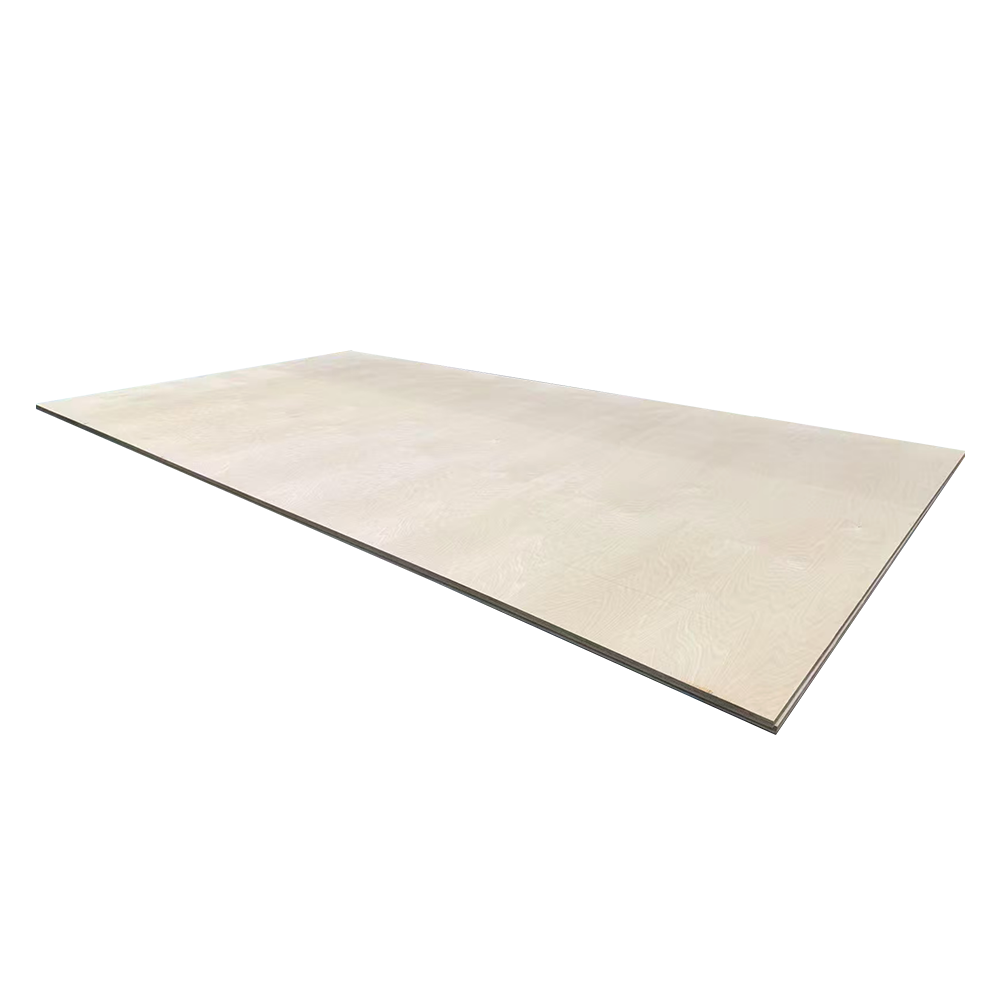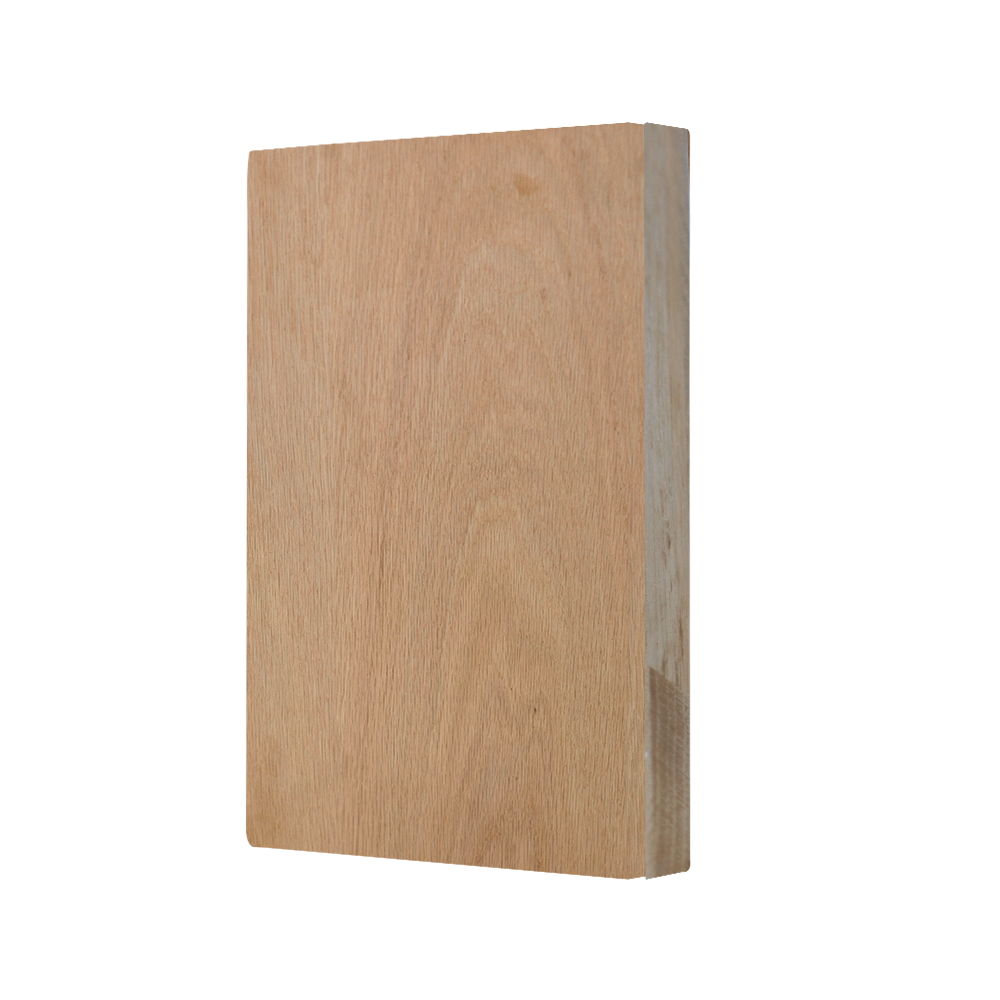

Wood Veneered Birch Plywood is a composite panel made by applying a high-quality natural wood veneer onto a birch plywood core using hot or cold pressing techniques. It combines the structural stability of birch plywood with the aesthetic appeal of natural wood, making it ideal for high-end furniture, interior decoration, and custom cabinetry.
Standard Birch Plywood consists of multiple layers of birch veneers cross-laminated and glued together. Its primary focus is on strength, load-bearing capacity, and machinability, while decorative properties are secondary. Applications are often structural components, internal cabinet parts, and industrial uses.
Wood Veneered Birch Plywood consists of three key layers: a top natural wood veneer, a premium birch plywood core, and an eco-friendly adhesive system. Veneer thickness typically ranges from 0.3mm to 0.6mm, processed via rotary or sliced cutting methods, displaying natural texture variations. The core usually consists of all-birch or high-percentage birch veneers, with multiple layers for low void rates and dimensional stability.
Standard Birch Plywood is made entirely of multiple birch veneer layers, with surface veneers considered part of the structural makeup. Layer thickness is optimized for structural performance, with less emphasis on appearance or decorative quality.
The defining feature of Wood Veneered Birch Plywood is its surface aesthetics. Natural wood veneers can showcase walnut, oak, maple, cherry, and other high-value wood species. They offer realistic color, grain, and texture, with excellent compatibility for staining, finishing, and polishing, meeting high-end furniture and interior design demands.
Standard Birch Plywood surfaces are generally industrial-grade birch veneer, lighter in color and more uniform in texture, with limited decorative appeal. Surface finishing often requires laminate, melamine, or paint for aesthetic purposes.
Both materials use birch as the primary core, offering comparable base strength. Wood Veneered Birch Plywood requires precise control over veneer adhesion and stress distribution. Proper management of moisture content, pressing temperature, and pressure curves is essential to prevent bubbling or micro-cracking caused by differences in contraction between veneer and core.
Standard Birch Plywood’s simpler structure provides more direct environmental adaptability, consistent impact resistance, and load-bearing performance, particularly for non-decorative structural applications.
Wood Veneered Birch Plywood demands careful attention during CNC routing, edge banding, drilling, and profiling to preserve veneer integrity. Tool sharpness, feed rate, and edge banding materials significantly impact the finished product appearance. Edge treatments typically use matching wood strips or real wood to maintain visual continuity.
Standard Birch Plywood is more tolerant of aggressive cutting and repeated machining. Tool wear sensitivity is lower, and production efficiency is generally higher, suitable for standardized mass production.
Wood Veneered Birch Plywood is often aimed at export-quality and high-end projects, meeting E0, E1, CARB P2, or FSC certifications. It emphasizes sustainable sourcing and low emissions.
Standard Birch Plywood serves a broader market, from high-standard export products to general industrial uses. Environmental grade choices are more flexible, allowing cost optimization.
Wood Veneered Birch Plywood is ideal for cabinet doors, tabletops, wall panels, display cases, hotel and office furniture, and other applications emphasizing visual appeal and tactile quality. It offers near-solid-wood aesthetics while minimizing cracking risks and material waste.
Standard Birch Plywood is better suited for cabinet structures, drawer sides, shelving, crates, machinery bases, and other functional components, emphasizing durability and cost-efficiency.


Copyright © Tianma Lvjian Group Co., Ltd. Rights Reserved.
Wholesale Construction Plywood Manufacturers Privacy
 English
 中文简体
中文简体