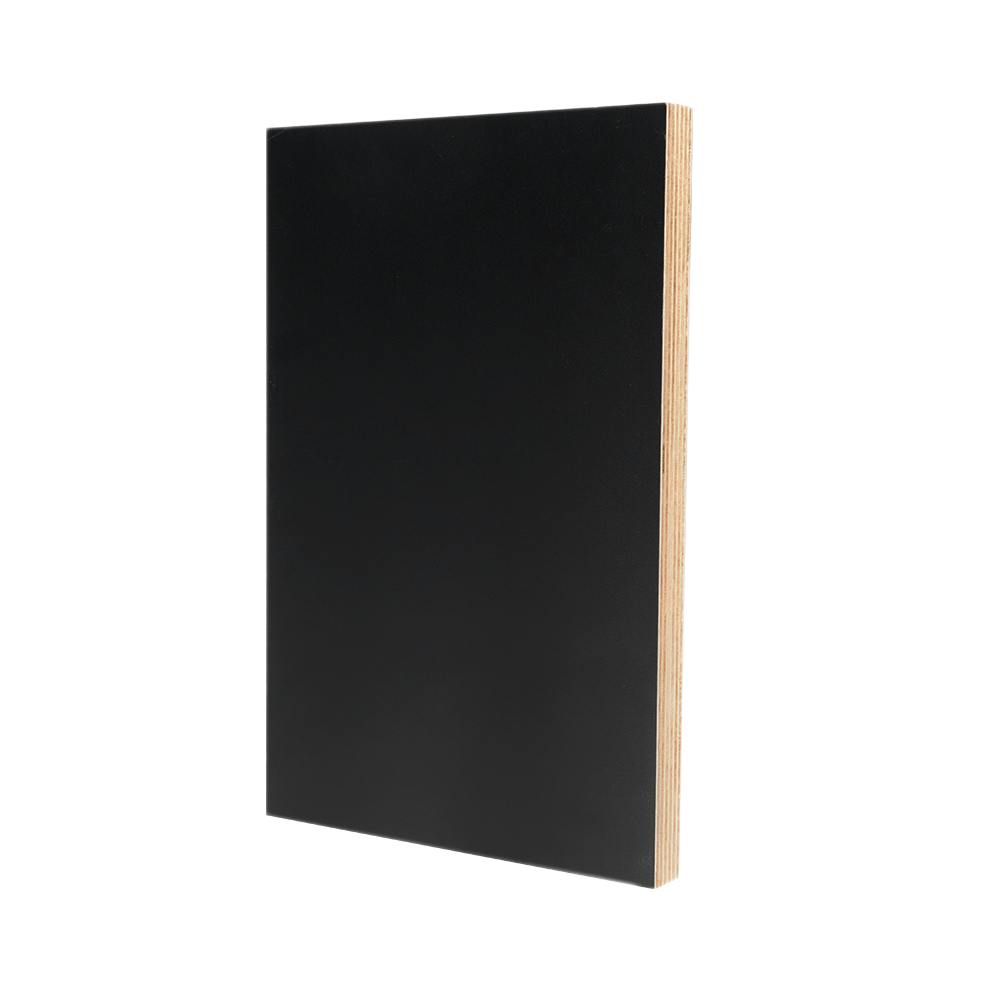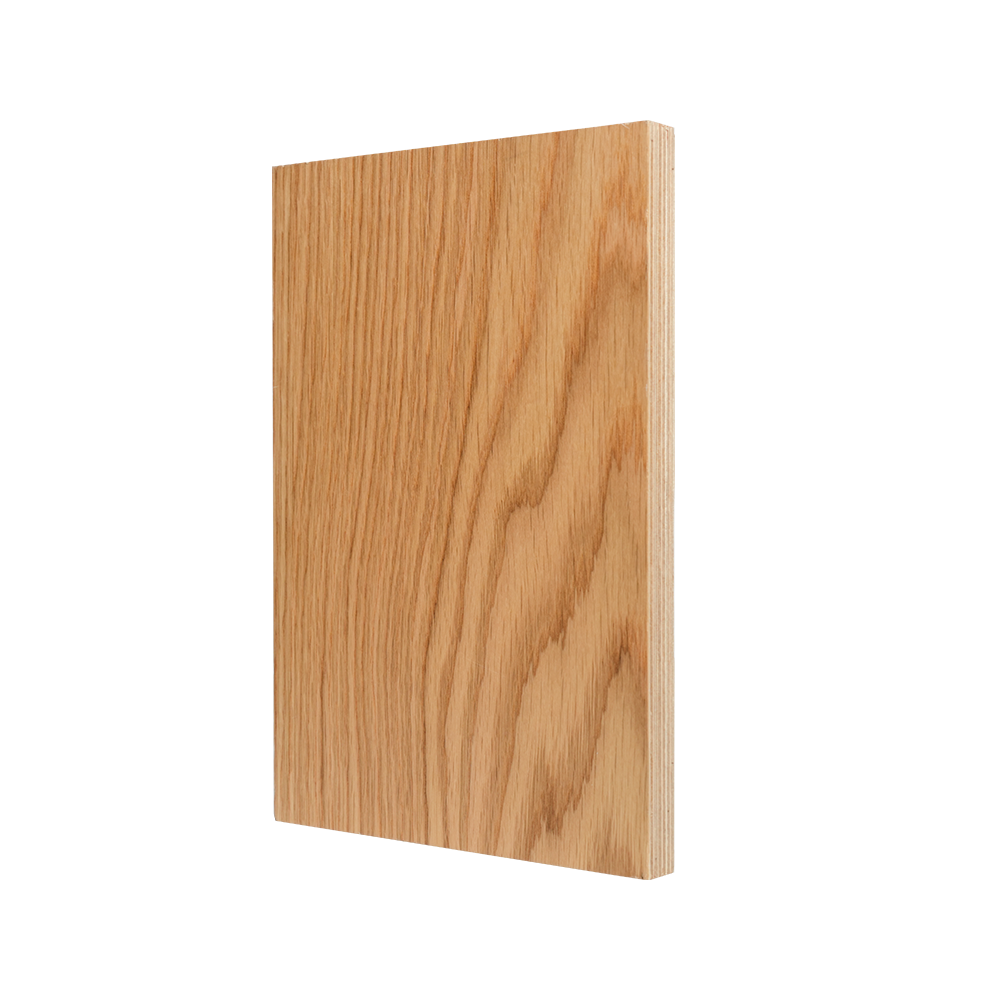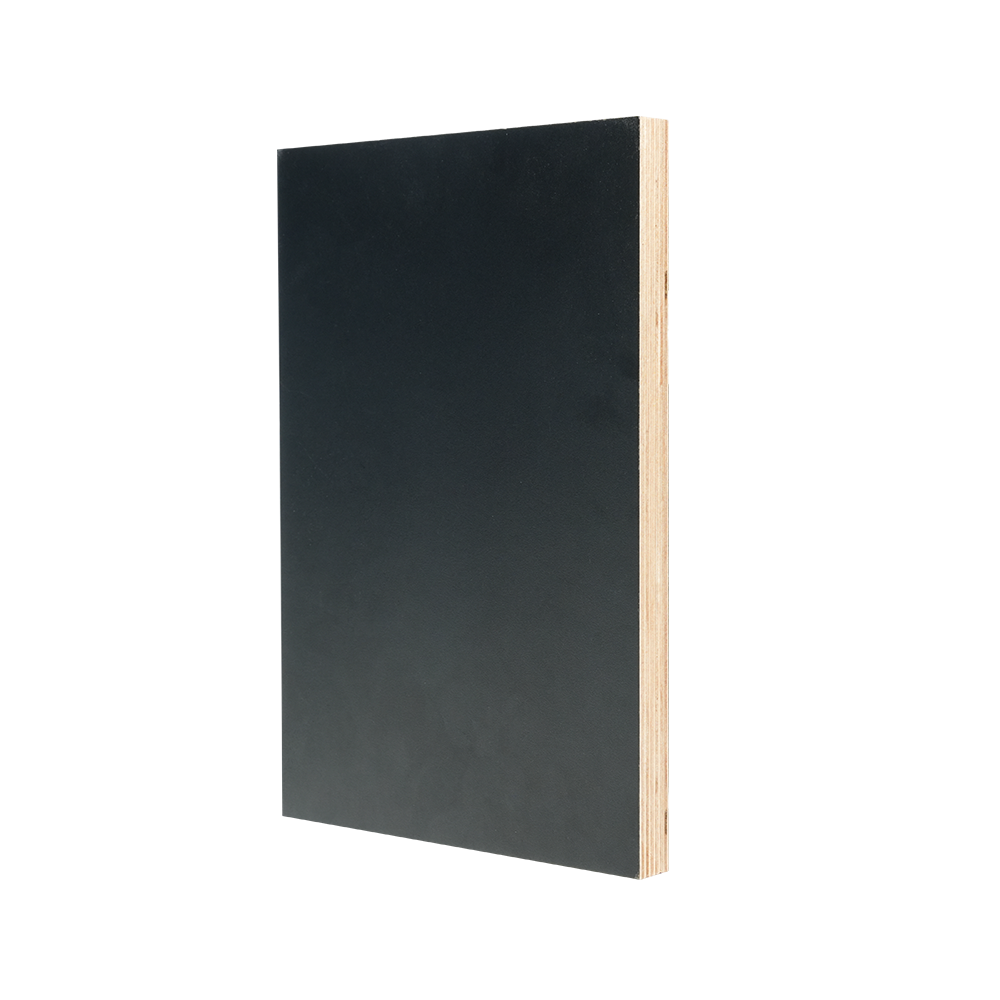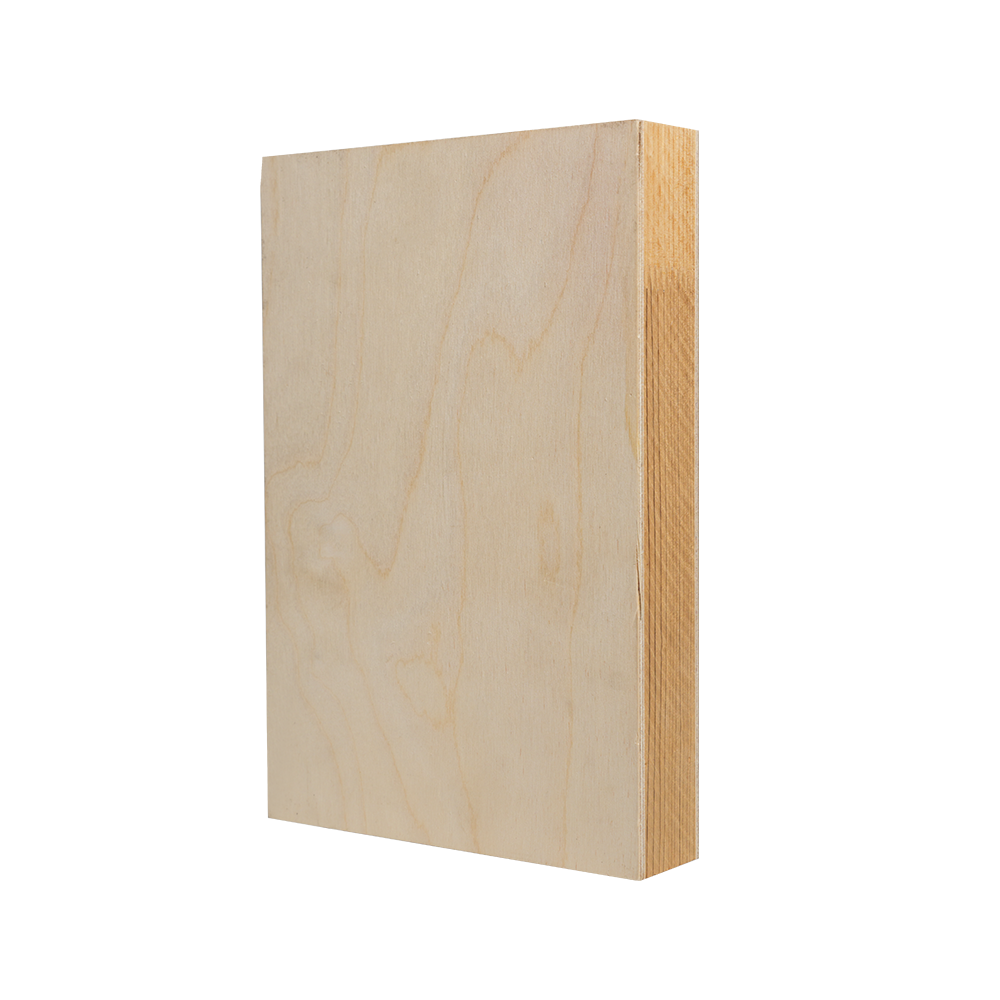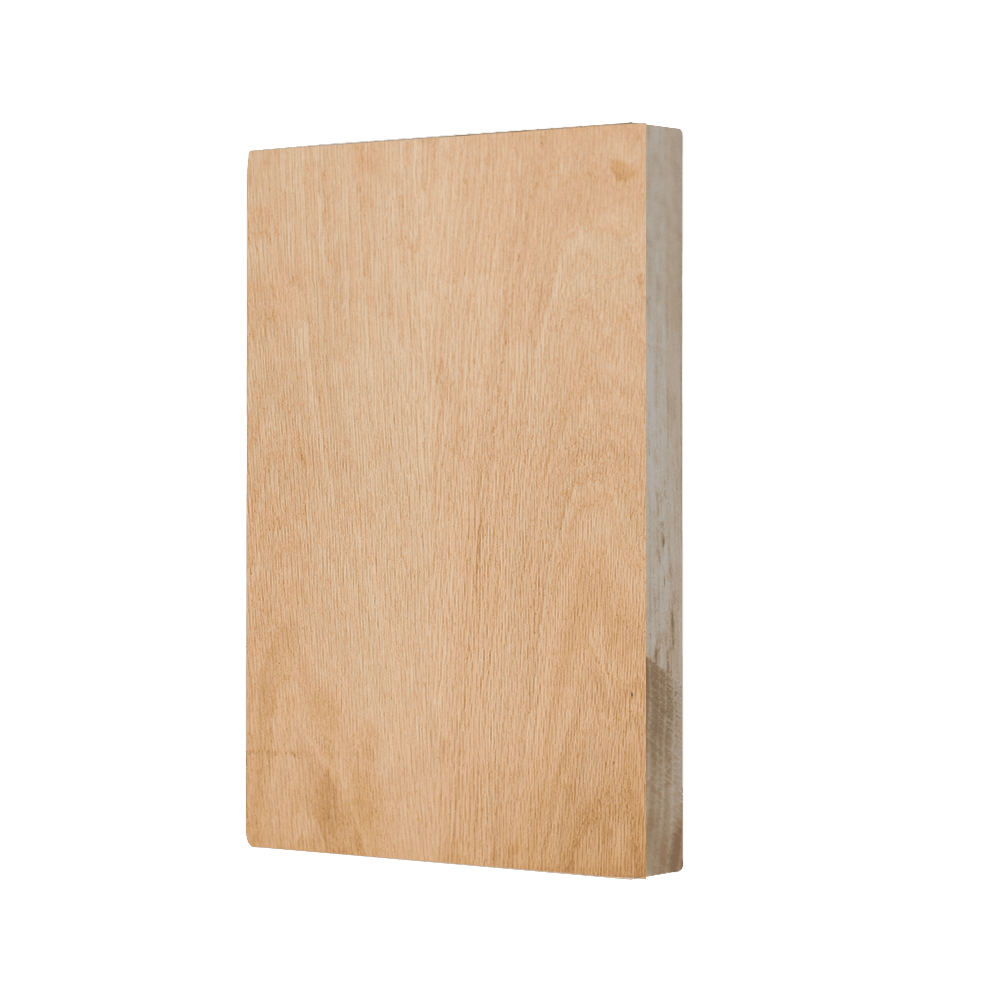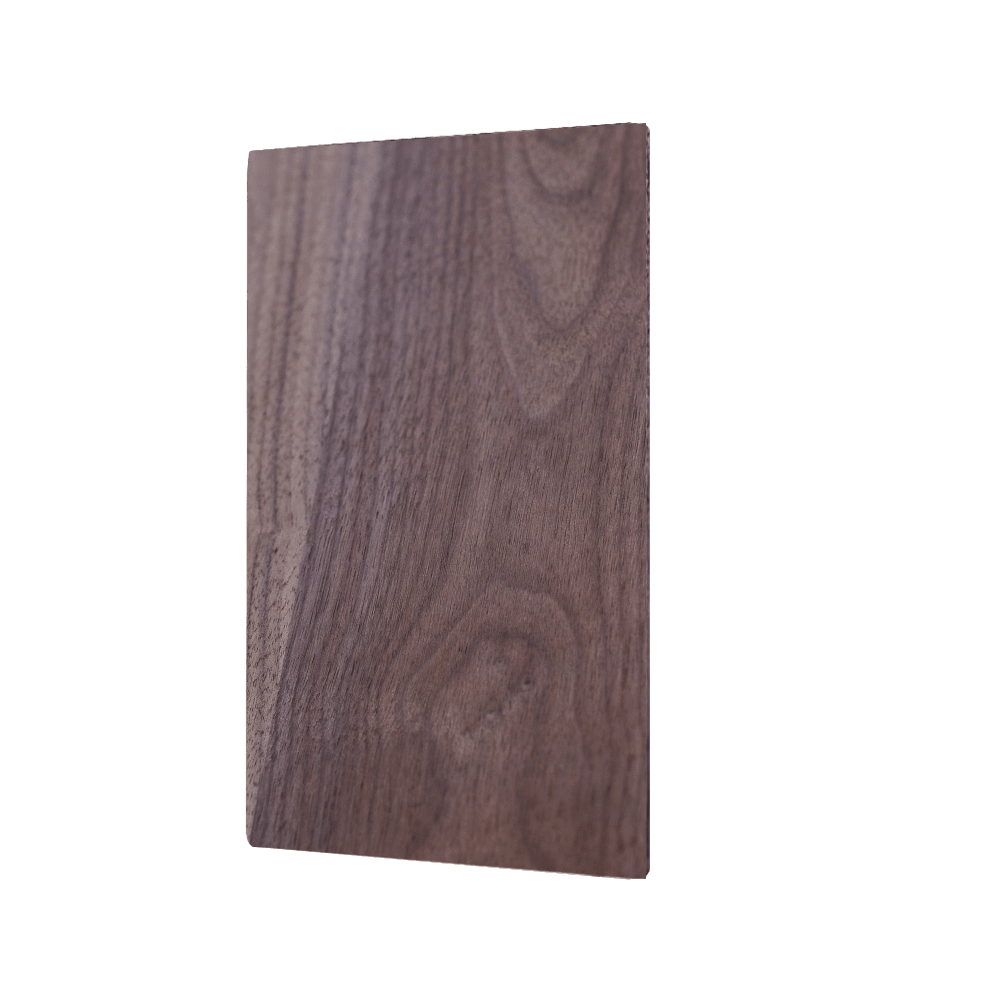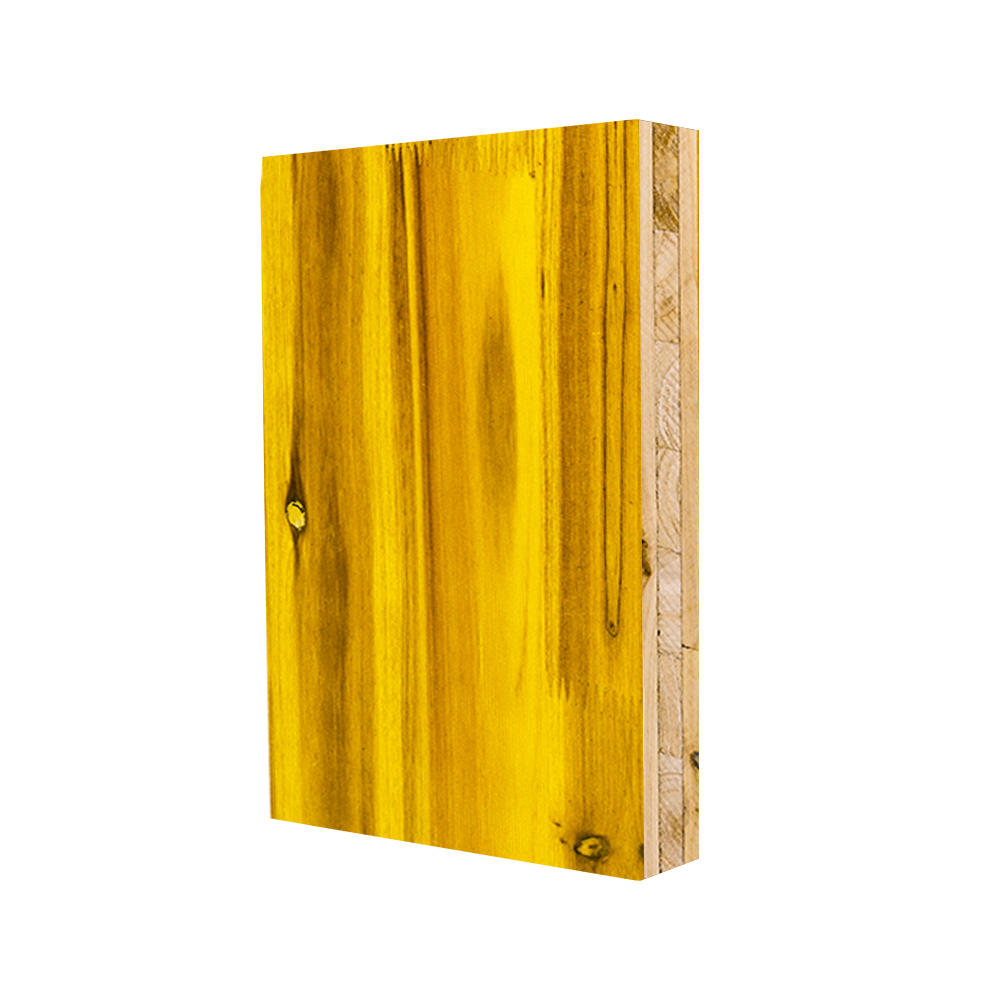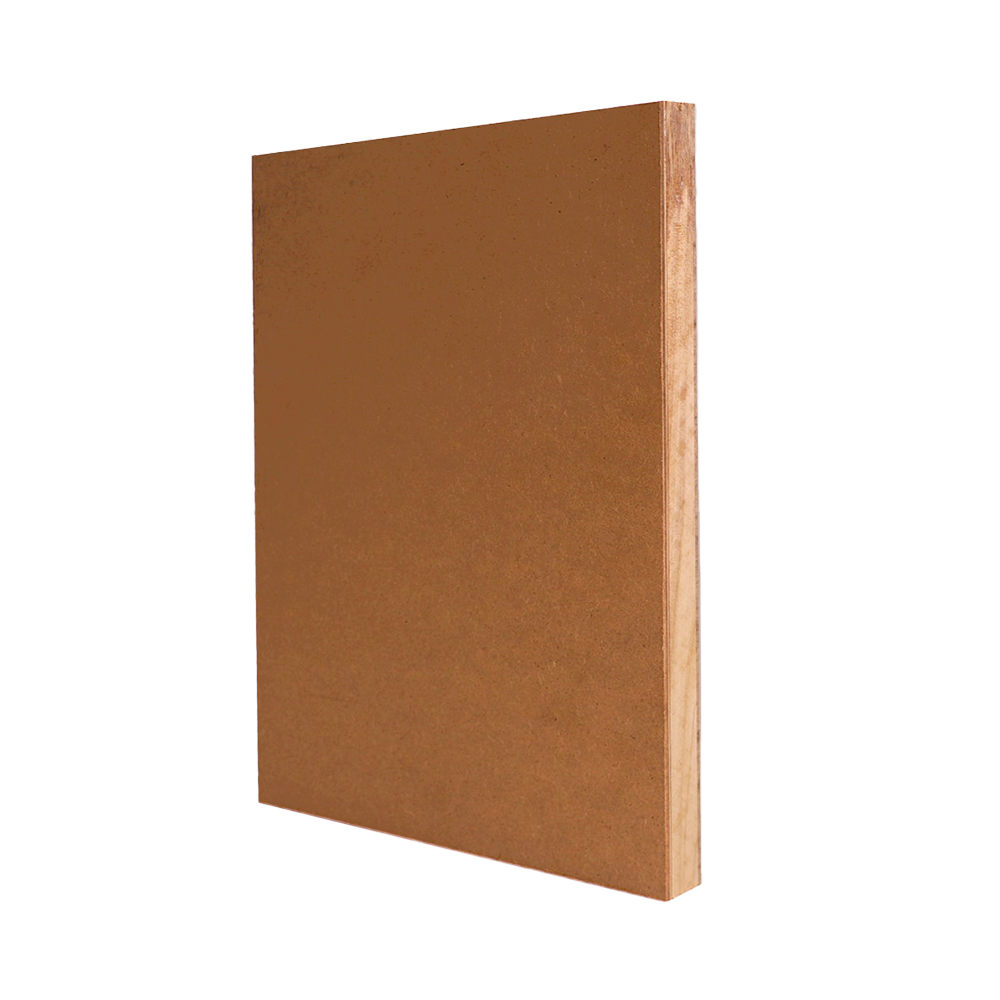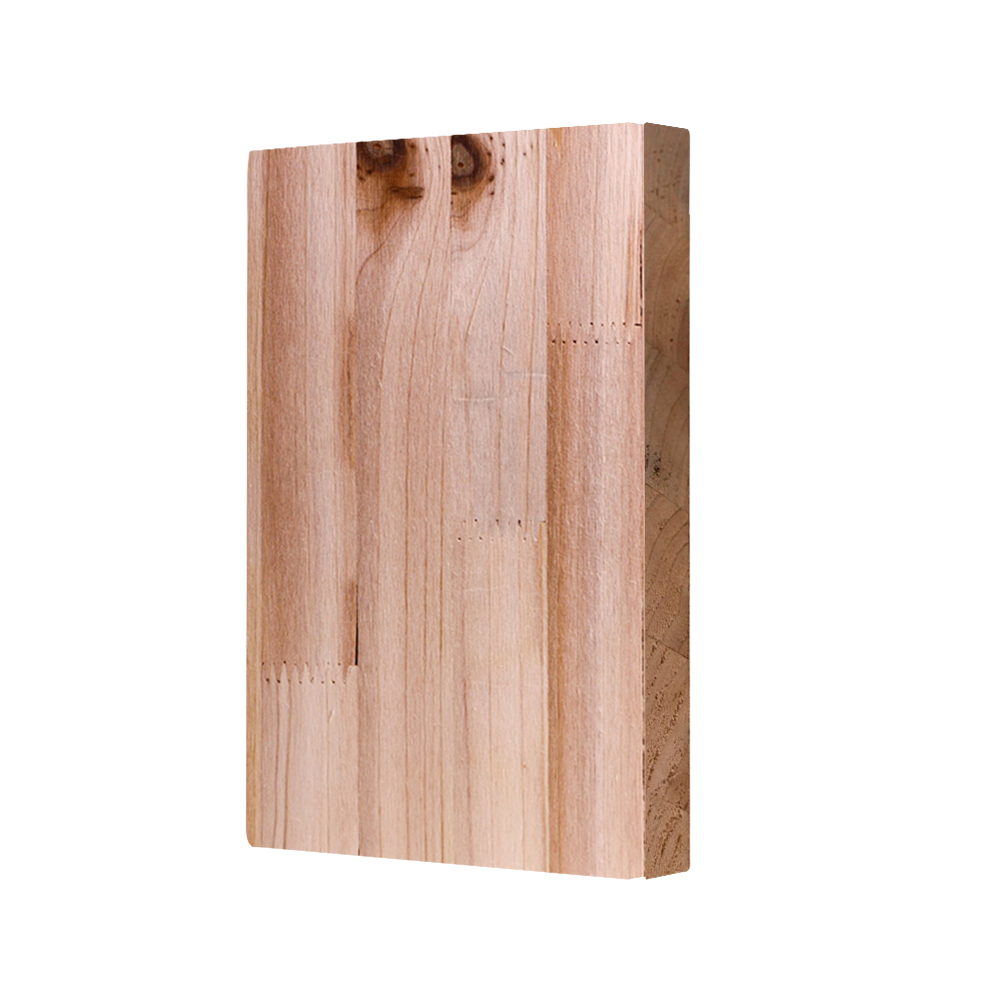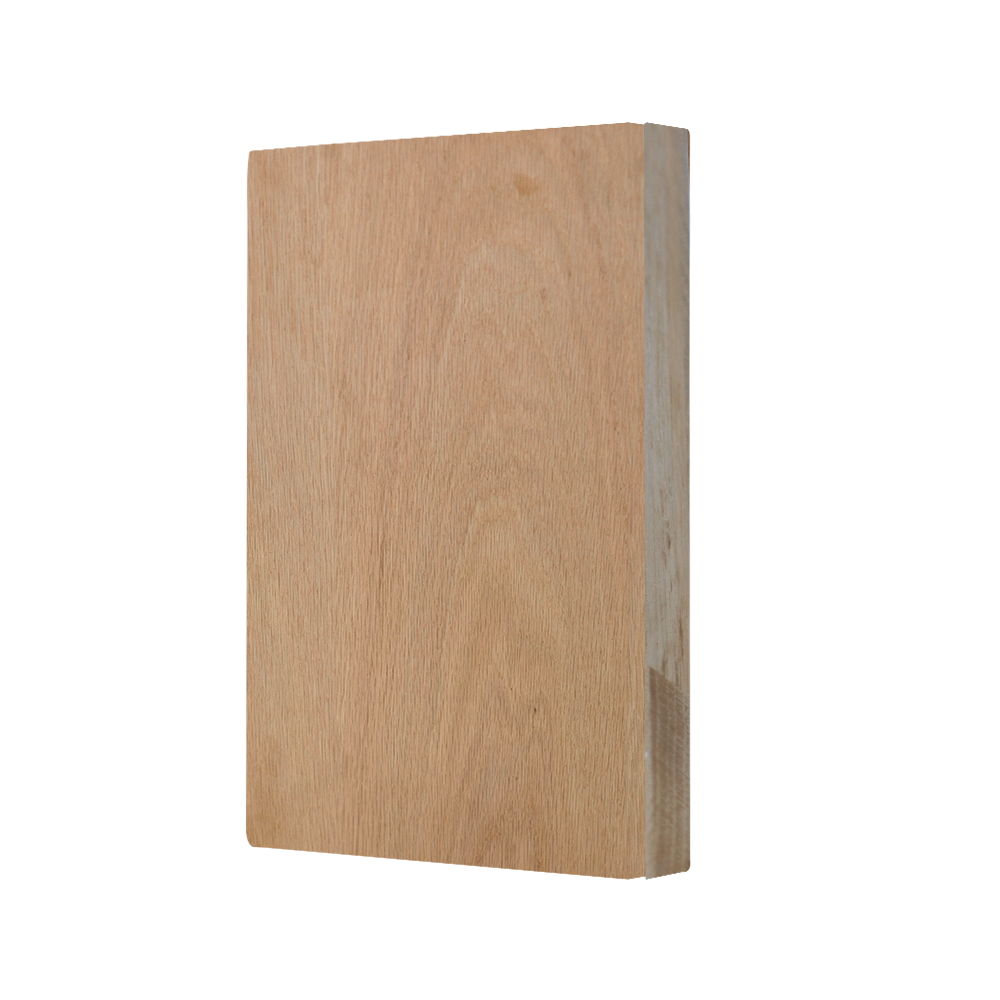

Before CNC machining, Wood Veneered Birch Plywood requires careful inspection of moisture content, flatness, and surface quality. Excessive moisture can cause tool slippage or rough edges during cutting, while too low moisture may lead to surface cracking. Uneven surfaces affect tool path accuracy, increasing machining errors.
The surface should be cleaned of dust, glue residues, or other debris that may interfere with cutting. For veneer-covered birch plywood, checking for cracks, edge lifting, or bubbles is critical to reduce the risk of surface damage during machining.
Tool selection and cutting parameters directly impact CNC performance. High-quality carbide or tungsten steel cutters are recommended for their sharp edges and wear resistance, minimizing veneer chipping and rough edges.
Cutting parameters should be adjusted according to board thickness, veneer type, and machine performance. Feed rates should be moderate to prevent excessive stress on the veneer. Spindle speed must be balanced to maintain smooth cutting. Multi-pass or shallow cuts are recommended to protect the veneer surface.
Machining paths must consider the wood grain direction and stress distribution of the veneer to avoid excessive cutting along the grain, which can cause chipping. Cutting sequences are generally recommended from the center outward or from internal features toward the edges to prevent board warping due to concentrated stress.
Edge treatment is critical after CNC cutting. Edges may have burrs or micro-cracks, requiring sanding, trimming, or chamfering to ensure smooth surfaces and optimal edge banding results.
Edge banding materials should closely match the surface veneer in color, texture, and thickness. Common choices include solid wood strips, PVC woodgrain strips, ABS strips, and hot-melt edge tape. Material hardness and flexibility must suit the board thickness and machining precision to prevent lifting or delamination during hot or cold pressing.
Edge banding can be performed using hot press or cold press methods. Hot pressing is suitable for small batches or high-quality veneer panels, using heat-activated adhesive to ensure a strong bond and smooth edge. Cold pressing is suitable for large-scale production but requires higher surface flatness.
During edge banding, uniform pressure is critical. Excessive localized pressure can leave dents or deform the board. After banding, trimming and sanding are required to achieve smooth, straight edges that align seamlessly with the board surface.
After edge banding, a comprehensive inspection should be conducted. Key points include edge adhesion strength, straightness, veneer surface integrity, and color matching. Any defects should be corrected immediately to ensure finished products meet visual and durability standards for furniture and interior applications.


Copyright © Tianma Lvjian Group Co., Ltd. Rights Reserved.
Wholesale Construction Plywood Manufacturers Privacy
 English
 中文简体
中文简体