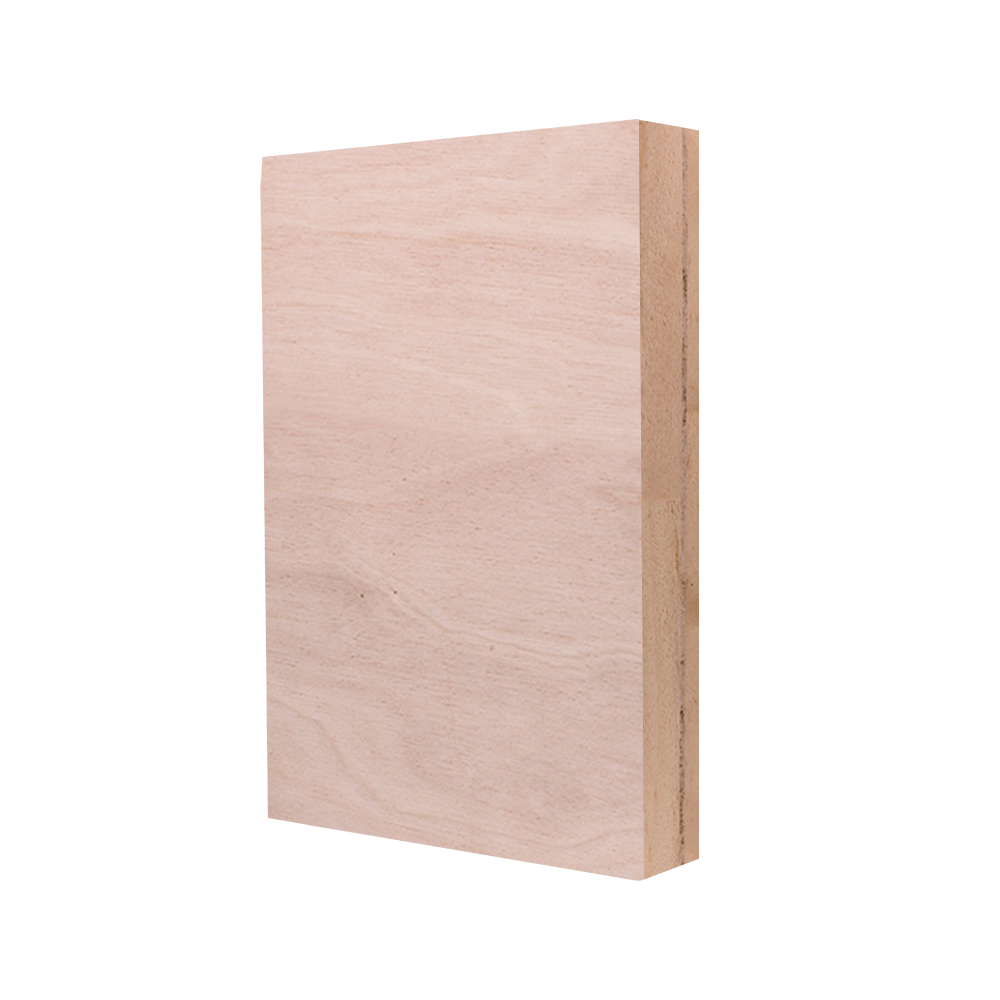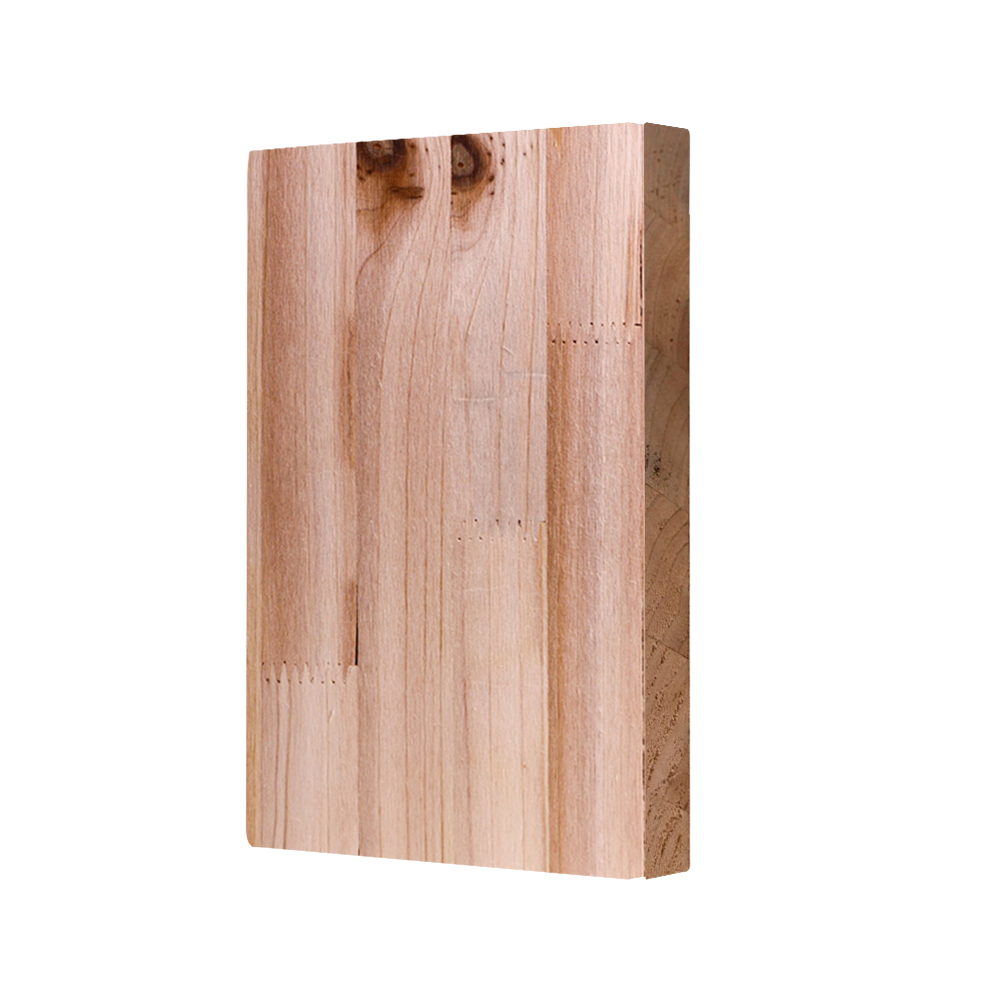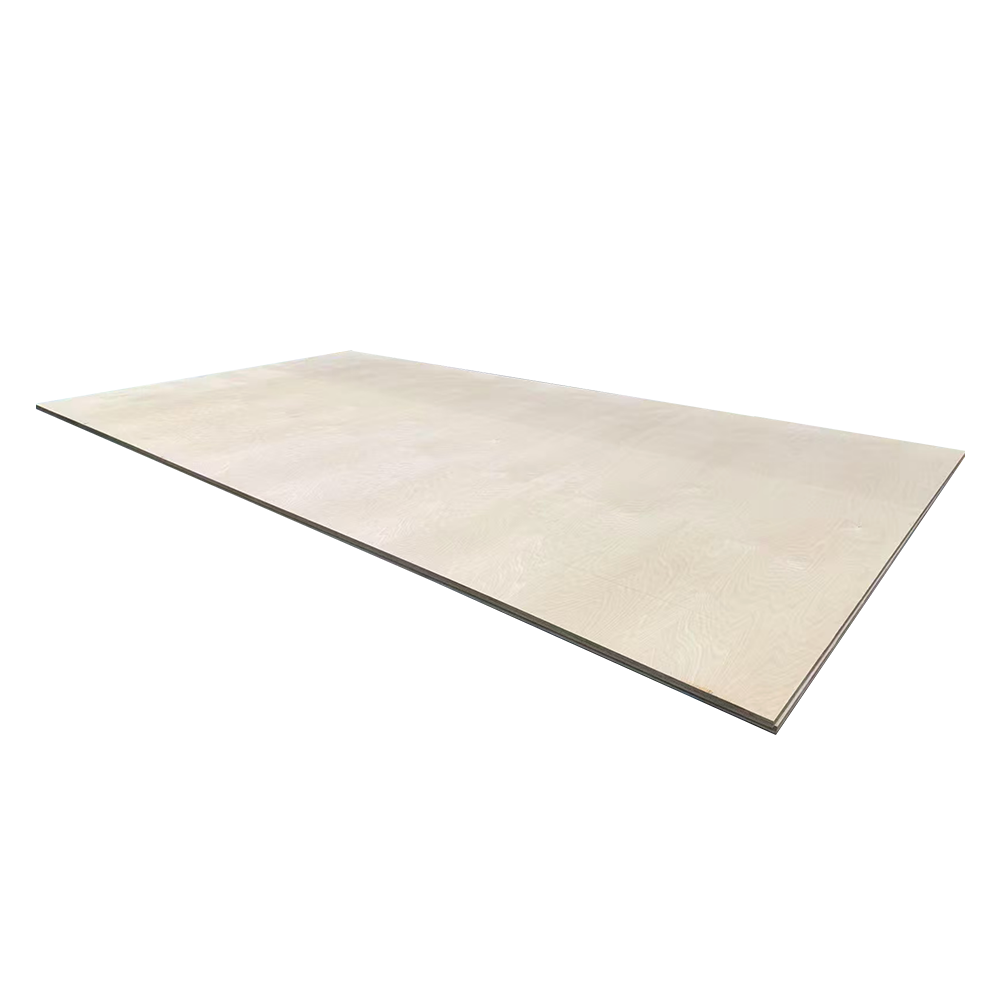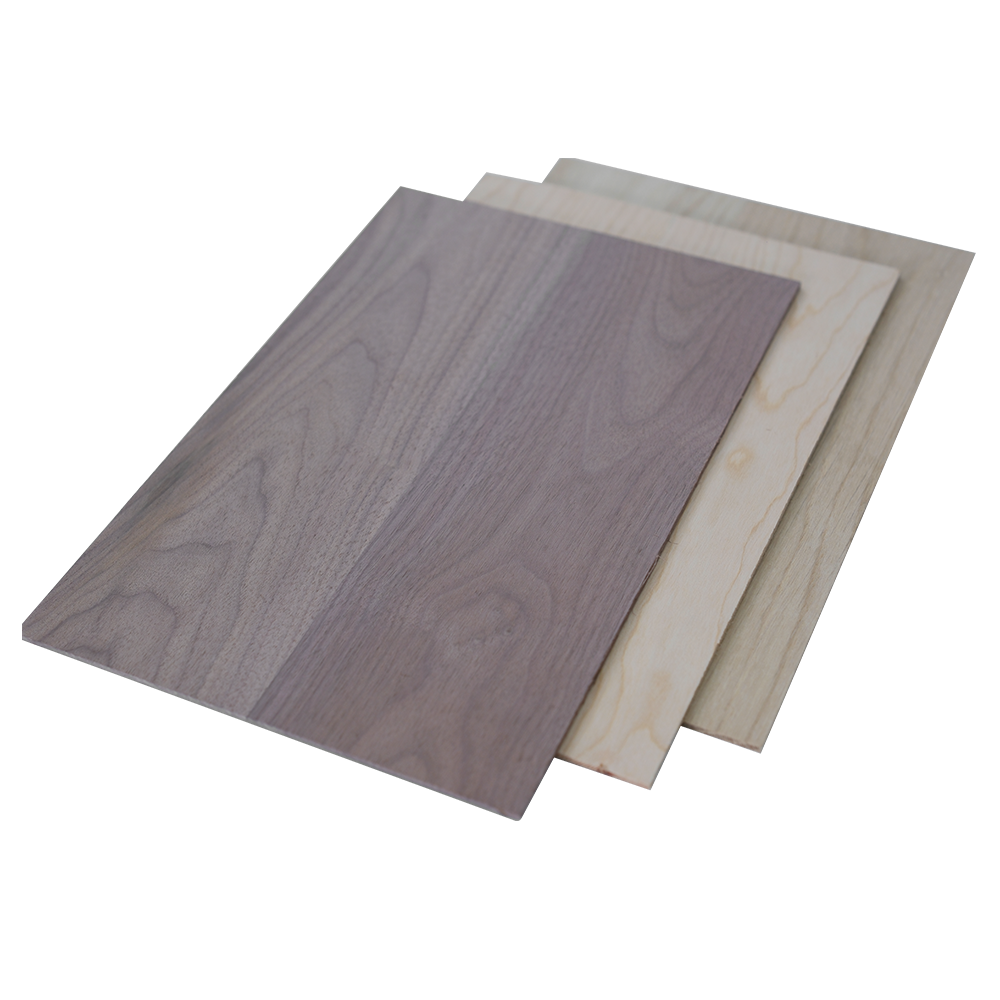

A cabinetmaker in Rotterdam opens two quotes for 18 mm plywood. The birch option lands at €38 per sheet; the regular poplar-core panel sits at €24. The difference is not small. Before signing, the workshop manager asks a practical question: will the client ever see or feel the extra €14? That question sits at the center of the birch versus regular plywood debate. The short answer is that birch plywood is better for structural loads, precision joinery, repeated handling, and exposed surfaces. Regular plywood remains a sensible choice for painted backs, temporary jigs, dry partitions, and low-stress packing. The rest of this article explains where the line falls, how to read a specification, and which risks deserve attention before a purchase order goes out.
Birch plywood is not universally superior. It is denser, harder, and more dimensionally stable than most regular plywood grades, but it also costs more and weighs more. A 18 mm birch plywood panel typically runs 650 to 720 kg/m³, while a poplar or mixed hardwood regular plywood often sits between 500 and 580 kg/m³. That density difference shows up in screw holding, edge stability, and resistance to denting. It also shows up in freight weight and in the effort required to lift panels on site.
For a kitchen cabinet carcase, birch plywood usually wins. The edges machine cleanly, the faces take veneer or laminate without telegraphing core defects, and the panel resists racking when shelves carry heavy loads. For a one-off painting booth or a temporary floor protection sheet, regular plywood often delivers adequate performance at a lower cost. The decision should follow the load, the exposure, the finish requirement, and the number of reuses.
One more conclusion before the details: the grade of birch plywood matters as much as the species. A low-grade birch panel with voids, patchy veneer, and interior glue can underperform a well-made regular plywood panel. Buyers should compare construction quality, adhesive type, and thickness tolerance, not just the word “birch” on the quote.
“Regular plywood” is a loose term. In most procurement conversations, it refers to plywood made with poplar, pine, eucalyptus, or mixed hardwood veneers, often with a lower-density core and interior-grade glue. It may be sanded or unsanded, and it may carry a thin face veneer that is suitable for paint or overlay. It is widely available in 4x8 ft sheets and in metric sizes, and it usually costs less per square meter than birch plywood.
Regular plywood can be perfectly adequate. The problem is that the category is broad. Two panels sold under the same “regular plywood” label may differ in core density, number of plies, glue line quality, and thickness tolerance. A buyer who specifies only “plywood, 18 mm” may receive a panel with a nominal thickness of 18 mm but an actual thickness of 17.2 mm or 18.6 mm. That variation affects CNC nesting, edge banding, and the fit of tongues and grooves.
Birch plywood also comes in a range of qualities. The top grades, such as B/BB and S/BB, offer clean faces and tight cores for visible applications. Middle grades, such as BB/BB and BB/CP, allow some patches and color variation. Lower grades, such as CP/CP and C/C/C, serve industrial or hidden uses. The comparison is therefore not simply “birch versus regular.” It is “a specific birch grade with a defined glue and tolerance versus a specific regular plywood with its own grade and tolerance.”
Birch veneers are dense and relatively uniform. The wood has a fine, closed grain and high bending strength. When rotary-cut into veneers and cross-banded into plywood, it produces a panel with high stiffness and good screw withdrawal resistance. Regular plywood made from poplar or low-density mixed hardwoods has a softer core. It dents more easily, crushes at the edges under clamping pressure, and can lose screw holding after repeated disassembly.
The density difference also affects machining. Birch plywood cuts with cleaner edges on CNC routers, especially when the tooling is sharp and the feed rate is matched to the material. Regular plywood can tear out at the exit side, particularly on cross-grain cuts, unless the operator uses a backing board or reduces the feed rate.
Birch plywood is often manufactured with many thin plies. A 18 mm panel may have 13, 15, or more plies, depending on the producer and the target grade. More plies generally mean better dimensional stability and more uniform stress distribution. Regular plywood may use fewer, thicker plies, which can create larger internal voids and a greater risk of warping when humidity changes.
Glue lines are another decision point. Interior glue, often urea-formaldehyde, works for dry indoor applications. Exterior or marine-grade adhesives, such as phenolic or WBP glue, resist moisture and heat. Birch plywood is frequently available with these higher-performance adhesives because it is used in concrete formwork, marine interiors, and exterior signage. Regular plywood may be offered only with interior glue, which limits its use in humid or wet conditions.
Thickness tolerance is a quiet cost driver. A panel that is consistently 17.8 mm instead of 18.0 mm can change the fit of a cabinet door or the depth of a CNC pocket. Birch plywood producers often hold tighter tolerances because the product competes on precision. Regular plywood may be sold with a wider tolerance band, which is acceptable for rough construction but problematic for furniture and joinery.
Surface quality follows the same pattern. Birch plywood grades define the number and size of patches, knots, and color variations. A B/BB panel may have a clean face and a patched back. A CP/CP panel may show open defects. Regular plywood may be “paint grade” or “utility grade,” but those terms are not always tied to a published defect standard. Buyers should ask for a sample or a grade description before committing to a large order.
| Property | Birch Plywood | Regular Plywood |
|---|---|---|
| Typical density | 650–720 kg/m³ | 500–580 kg/m³ |
| Bending strength (MOR) | High, often 60–90 N/mm² | Moderate, often 30–55 N/mm² |
| Modulus of elasticity (MOE) | High, often 8,000–12,000 N/mm² | Lower, often 4,000–7,000 N/mm² |
| Screw holding | Excellent in face and edge | Fair to good; edge can crush |
| Moisture resistance | Depends on glue; exterior and marine grades available | Often interior glue only; exterior grades less common |
| Thickness tolerance | Usually tighter, often ±0.2–0.5 mm | Often wider, sometimes ±0.5–1.0 mm |
| Surface quality | Defined by grades such as B/BB, BB/CP, CP/CP | Less standardized; may be paint grade or utility |
| Relative cost | Higher, often 30–60% above regular plywood | Lower, but yield and rework can change the math |
| Best uses | Furniture, cabinets, formwork, marine, precision jigs | Backing panels, temporary work, packing, dry partitions |
Birch plywood earns its price in applications where strength, stability, and surface quality cannot be compromised. The following scenarios show where the material difference becomes visible to the end user or to the production team.
Kitchen cabinet carcases, drawer boxes, and furniture frames carry constant loads and repeated door cycles. Birch plywood holds screws without stripping, resists racking, and keeps its shape when indoor humidity swings. The edges can be banded or left exposed with a sanded finish. A regular plywood carcase may work initially, but hinge screws can loosen after a few seasons, especially in dry winter air.
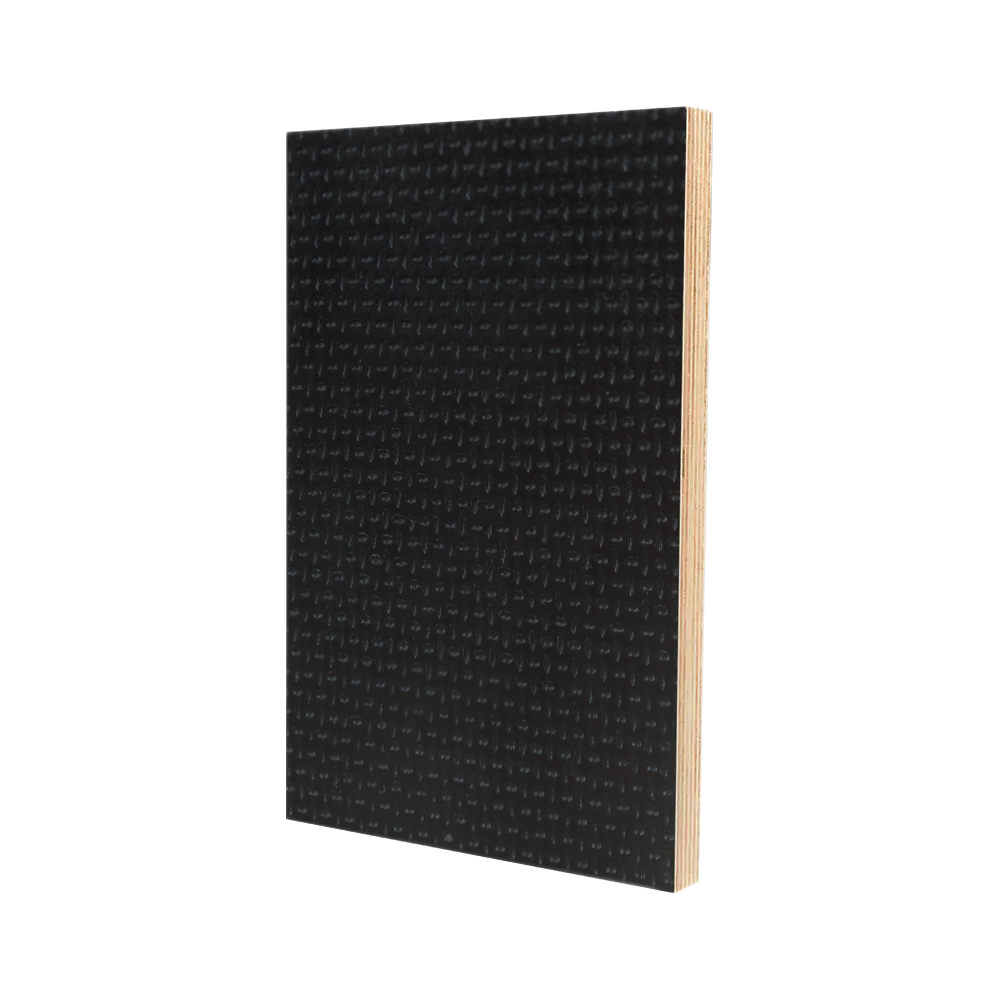
Formwork panels face wet concrete, vibration, and repeated stripping. Birch-core shuttering panels with phenolic film and sealed edges resist water penetration and maintain a flat surface. The panel can be reused many times, which reduces the cost per pour. Regular plywood may survive one or two pours, but the face can delaminate and the edges can swell, leaving a rough concrete finish.
Marine-bonded birch plywood uses waterproof adhesive and can handle splash, condensation, and occasional wetting. It is common in boat interiors, outdoor kitchens, and wash-down areas. Regular plywood with interior glue may fail at the glue line, even if the face veneer looks intact. The failure often appears as bubbling or delamination after a single wet season.
Laser cutting and CNC routing demand consistent density and tight thickness tolerance. Birch plywood machines cleanly, holds fine details, and leaves a crisp edge. Regular plywood can char unevenly, produce fuzzy edges, or vary in cut depth because of density differences across the sheet. For model making, die boards, and intricate parts, birch is usually the safer input.
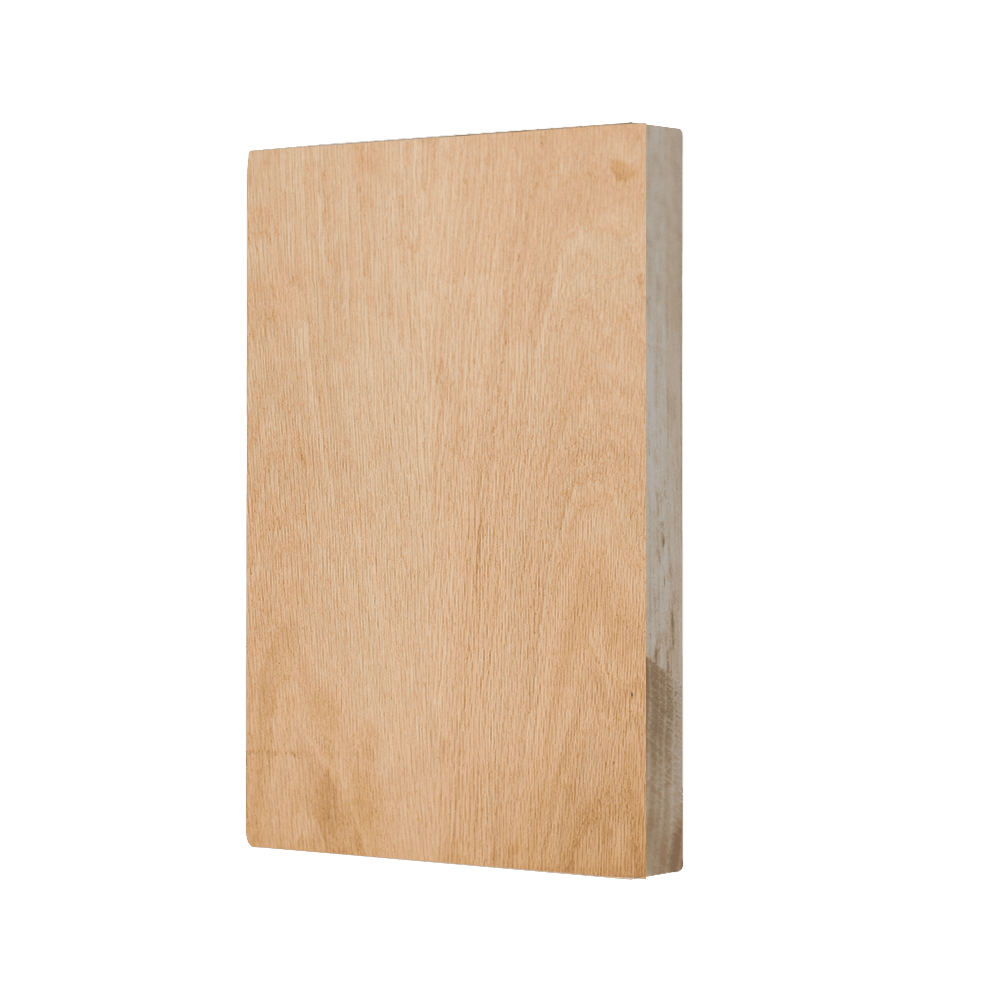
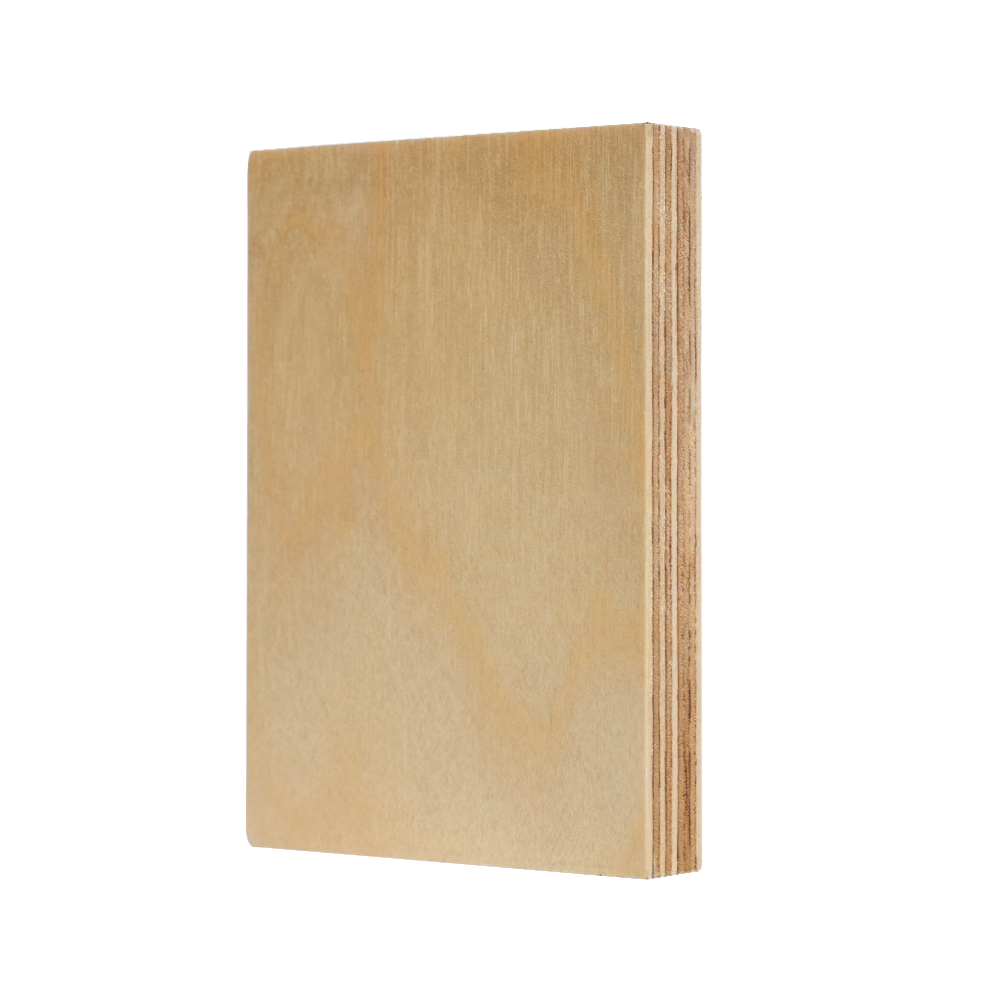 Top Grades Birch Plywood(B/BB & S/BB)In addition to the impressive strength and stability of Top Grades Birch Plywood (B/BB, S/BB), the natural beauty of the birch and attractive grain pattern make it a s...View Product →
Regular plywood is not a low-quality choice by default. It is a different tool. When the panel will be painted, covered, or used for a short time, the extra strength of birch may never be tested. The lower cost and lighter weight can improve the economics of a project without harming the final result.
The key is to avoid using regular plywood in a role that demands birch performance. A painted bathroom vanity carcase, for example, still faces moisture and load. Saving 30% on the sheet may lead to a callback if the panel swells or the hinge pulls out.
The purchase price is only one number. A better comparison includes yield, rework, finishing time, and service life. The chart below uses index values to show how the two materials typically compare across five cost-related factors. Higher values mean a greater impact or advantage, depending on the row.
In furniture production, the higher initial price of birch plywood is often offset by lower sanding time, fewer rejected parts, and better edge quality. A shop that tracks labor cost per cabinet can see the difference within a few batches. In formwork, the reuse count dominates the math. A birch shuttering panel that survives 20 pours can cost less per pour than a regular panel that survives three, even if the birch panel costs twice as much.
Weight is another factor. Birch plywood is heavier, which can increase freight cost and handling effort. For a project with a tight weight limit, such as a mobile exhibition stand or a roof-mounted unit, a lighter regular plywood may be the only practical option. The decision should include transport and installation labor, not just the material invoice.
A purchase order that says “birch plywood” is incomplete. The grade, adhesive, thickness tolerance, and edge treatment determine whether the panel performs as expected. The following specification points are worth writing into a contract or inquiry.
When a supplier can provide a grade sample, a glue certificate, and a thickness measurement report, the risk of receiving an off-spec panel drops sharply. That documentation is especially valuable for export orders where returning a rejected batch is expensive.
The same 18 mm panel can behave very differently across applications. The following sections connect the material properties to real use cases.
Furniture makers choose birch plywood for drawer sides, cabinet carcases, and structural frames because it holds fasteners and resists sagging. A 18 mm birch panel can span a wider shelf without a center support than a typical regular plywood panel. The edges can be sanded and finished, which is useful for open-shelf designs. For painted furniture, a middle grade such as BB/BB can reduce cost while still providing a stable core. For high-end visible work, a top grade with a clean face and uniform color is easier to finish with clear coat. A relevant option is furniture-grade birch plywood, which is graded for appearance and machining consistency.
Concrete formwork demands a panel that resists water, abrasion, and impact. Film-faced birch plywood with a phenolic resin coating and sealed edges is a common choice. The film creates a smooth concrete surface, and the birch core provides the stiffness needed to resist pouring pressure. A regular plywood panel may be used for a single, non-critical pour, but it often swells at the edges and leaves a rougher finish. For repeated pours, the reuse count of a birch shuttering panel usually justifies the higher initial cost. The panel should be stored flat, cleaned after each use, and re-sealed at cut edges to protect the core.
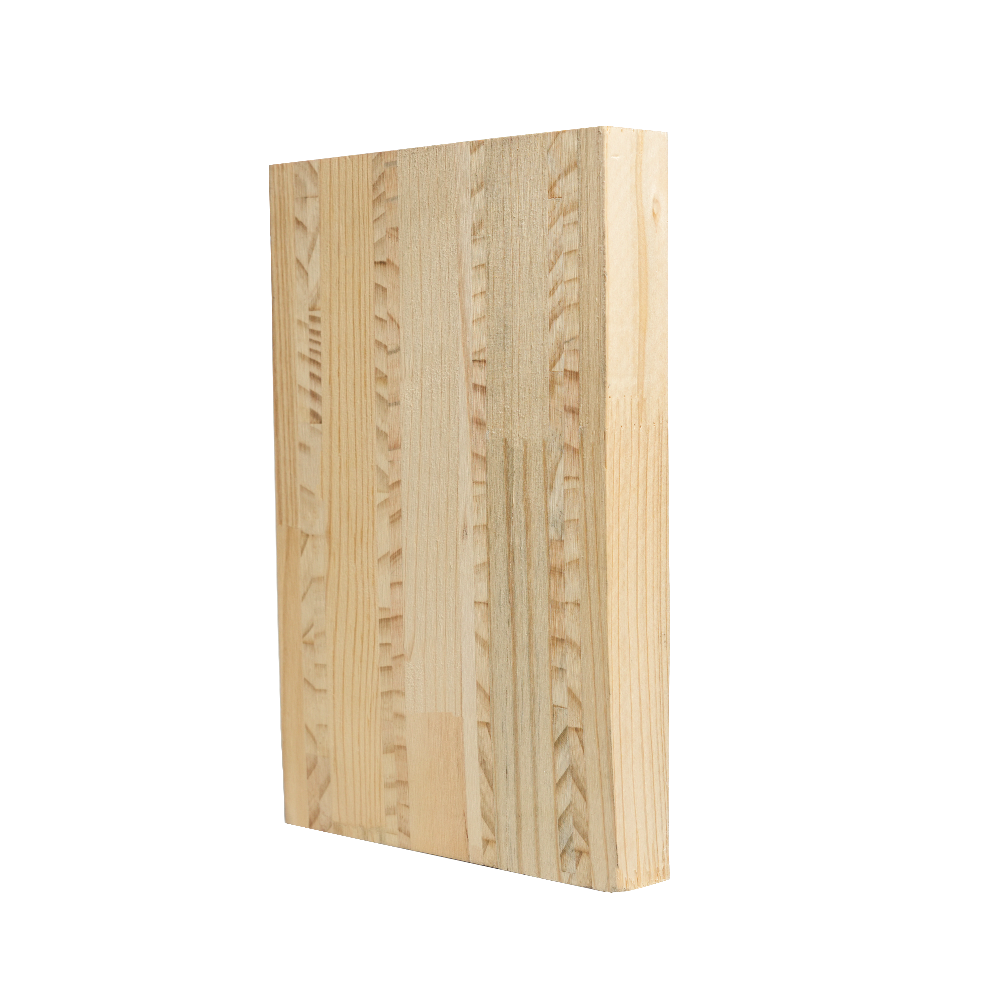
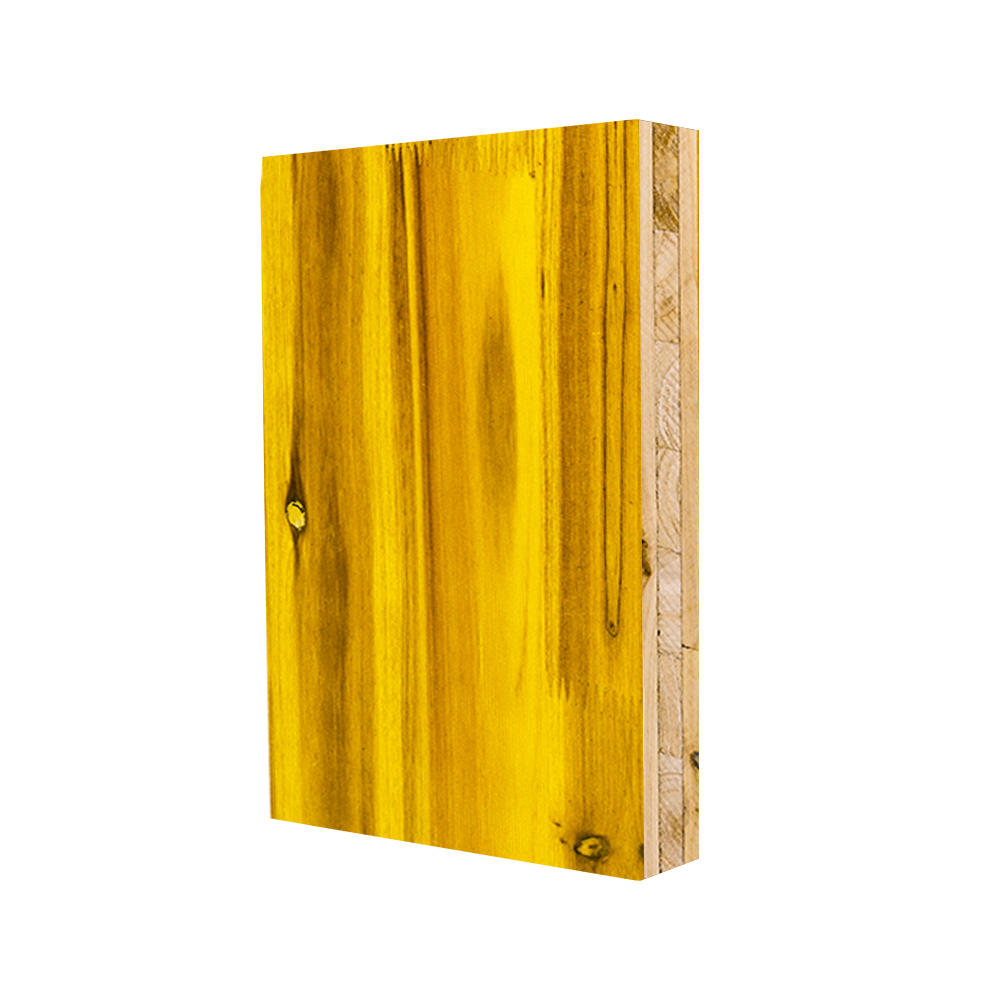
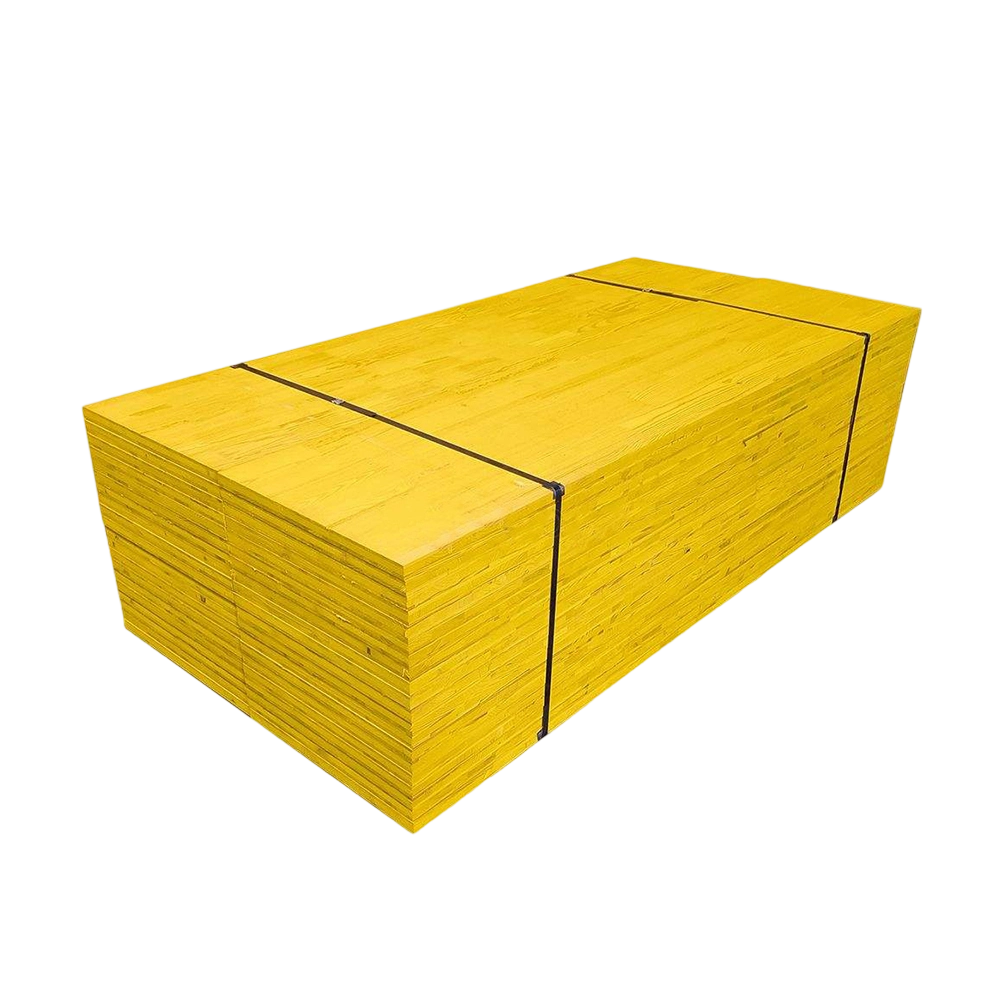 Yellow Shuttering PanelCore Materials: Finland Spruce Chinese Fir (dual-species construction). Key Features:View Product →
Designers use veneered birch plywood for wall panels, reception desks, and acoustic elements. The core is stable, so thin veneers do not crack when the panel moves with seasonal humidity. ClearPly and transparent-film products allow the natural birch grain to remain visible while adding protection. Acoustic perforated panels made from birch plywood can combine sound absorption with a clean architectural finish. For high-humidity interiors, such as spas and pool areas, a marine-bonded or phenolic-coated product is a better choice than an interior-grade panel.
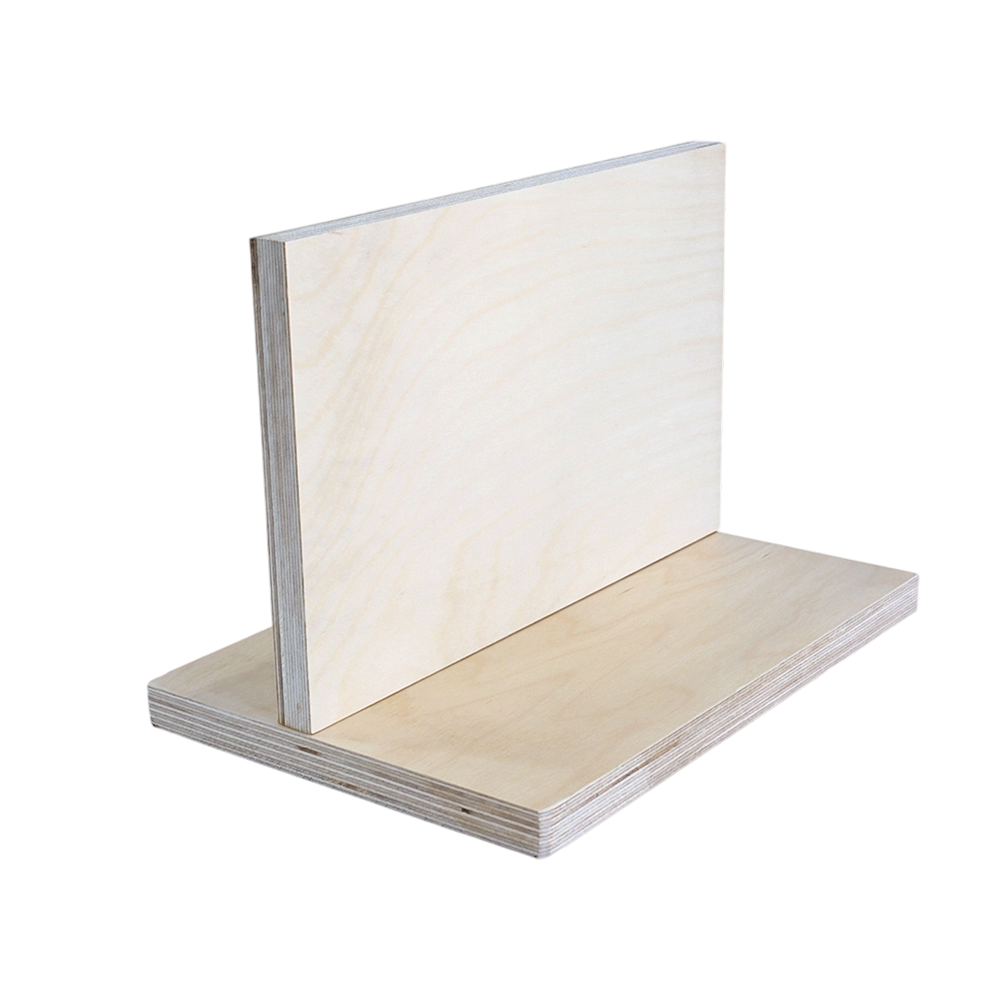 ClearPly Phenolic PlywoodPhenolic transparent film meets industrial-grade protection. Laminated onto high-grade B/BB or BB/BB birch plywood, ClearPly preserves the natural wood grain while del...View Product →
Vehicle interiors need a balance of strength and weight. Birch plywood offers high stiffness per unit thickness, which helps keep wall and floor panels thin. It also holds screws and staples well, which matters for cabinets and seating frames that vibrate. However, the added density can be a drawback in weight-sensitive designs. In those cases, a thinner birch panel with a structural core may outperform a thicker regular panel at the same weight. Moisture resistance is also important because condensation can form behind wall linings. A marine-bonded birch plywood grade with sealed edges is a sensible specification.
Industrial buyers often need consistent density and clean machining. Laser-cut birch plywood produces a crisp edge and predictable kerf, which is useful for architectural models, die boards, and decorative screens. Regular plywood may have density variations that cause uneven cutting or charring. For die-board applications, a high-density birch plywood with a void-free core is preferred because it resists compression under repeated die strikes. Thin birch plywood sheets, often 3 mm to 6 mm, are also used for model making and laser-cut kits.
Water is the most common cause of plywood failure. The face veneer may look fine while the glue line quietly breaks down. Birch plywood is available with several adhesive systems, and the choice should match the exposure.
Regular plywood is frequently sold with interior glue only. If the application involves water, steam, or high humidity, the buyer should confirm the adhesive class rather than assume that any plywood will do. Edge sealing is equally important. Water enters through exposed edges faster than through the face. A coat of paint, edge banding, or a phenolic edge sealer can extend the life of both birch and regular plywood, but the birch core resists swelling better once water reaches the core.
For outdoor projects, UV exposure also matters. Phenolic film-faced birch plywood resists sunlight better than untreated wood, but prolonged exposure can still degrade the surface. A UV-stable coating or a protective overlay is recommended for permanent outdoor installations.
Birch plywood behaves differently on the shop floor. The higher density means tools must be sharp and feed rates should be adjusted. A cutter that works on regular plywood may burn or deflect on birch. The reward is a cleaner edge and a more consistent surface.
Fastening is another area of difference. Screws driven into the face of birch plywood hold well, but pre-drilling is still recommended near edges to prevent splitting. In the edge, birch plywood holds screws better than regular plywood, but the screw should be placed at least 50 mm from the panel edge and centered in the ply stack. Nails and staples also hold better, which is useful for cabinet backs and drawer bottoms.
Finishing follows the surface. Birch plywood can be sanded to a smooth finish and coated with clear lacquer, stain, or paint. The wood has a fine grain, so it does not require heavy filling. Regular plywood may have a more open grain or more surface defects, which can require primer and sanding before a topcoat. For film-faced and veneered products, the finishing step may be limited to edge treatment and touch-up.
One practical tip: keep a moisture meter in the shop. Wood moves as moisture content changes. A panel that arrives at 8% moisture content and is installed in a heated building at 35% relative humidity will shrink slightly. Birch plywood moves less than regular plywood, but it still moves. Acclimating panels to the installation environment for 48 to 72 hours before cutting can reduce gaps and warping.
Birch plywood is often promoted for green building because birch grows relatively quickly in managed forests and the manufacturing process can use efficient log conversion. However, the environmental story depends on the adhesive and the mill practices. Phenolic and WBP adhesives are durable but can contain formaldehyde. No-added-formaldehyde and E0 options are available for interior applications where indoor air quality is a priority.
Buyers should ask for emission test reports and chain-of-custody documentation if the project requires them. For regular plywood, the same questions apply. A low-cost panel with an unknown adhesive may meet the structural need but fail an indoor air quality specification. The grade and glue declaration should be part of the purchase order, not an afterthought.
Durability is also a sustainability factor. A birch plywood panel that lasts 20 years in a cabinet or 20 pours in formwork avoids the resource use and waste of frequent replacement. The greenest panel is often the one that does not need to be replaced. That perspective favors birch plywood in high-wear, long-life applications and regular plywood in short-life, low-stress roles.
International plywood purchasing carries specific risks. The following list covers the most frequent problems and the practical steps that reduce them.
A supplier may ship a lower grade than ordered, especially when the order is placed by a trader rather than the mill. Request a grade sample, a photo of the actual production batch, and a written grade declaration on the invoice.
A panel sold as 18 mm may arrive at 17.2 mm. That difference can affect CNC programs and edge-banding. Ask for the measured thickness range and reserve the right to reject out-of-tolerance batches.
An interior-glue panel may be shipped when exterior glue was specified. The mistake may not appear until the first wet season. Confirm the glue class in writing and request a boil test or bond durability report for critical applications.
Plywood can absorb moisture during shipping if it is not wrapped and stored properly. Inspect the container for condensation and check the panel moisture content on arrival. Store panels flat, off the ground, and away from open weather.
Birch plywood edges are denser but can still chip if the bundle is handled roughly. Specify corner protection and edge wrapping for export shipments. Photograph the container loading if the order value is high.
Missing certificates, unclear packing lists, and inconsistent invoice descriptions can delay customs clearance. A complete document set includes the grade, size, thickness, glue class, quantity, and country of origin.
For buyers who need a repeatable supply, a factory relationship usually offers more control than a trading intermediary. A manufacturer can confirm the core lay-up, glue formula, and pressing parameters, and can produce a consistent batch from order to order. That consistency is often worth more than a small price difference.
Yes, in most cases. Birch plywood has higher density, bending strength, and screw-holding capacity than poplar or mixed-hardwood regular plywood. The exact difference depends on the grade, number of plies, and adhesive. A high-quality regular plywood can outperform a low-grade birch panel, so grade and construction matter.
You can use regular plywood for painted cabinet backs, shelves with light loads, and dry interior partitions. For cabinet carcases, drawer boxes, and doors that will see frequent use, birch plywood is usually the better choice because it holds hinges and resists racking. If the cabinet will be painted and the loads are light, a good regular plywood may be sufficient.
Birch plywood itself is not waterproof. Water resistance comes from the adhesive and edge sealing. Interior glue is not waterproof. Exterior or marine-bonded birch plywood with sealed edges can handle wetting and high humidity. Even then, standing water should not be allowed to sit on the surface for long periods.
Birch veneer is denser and slower to grow to the required diameter than poplar or fast-growing species. The manufacturing process also uses more plies and tighter quality control. The result is a higher material cost, but often a lower total cost in applications where the panel must last or be machined precisely.
For visible furniture, B/BB or S/BB grades offer clean faces and tight cores. For painted furniture, BB/BB or BB/CP can reduce cost while still providing a stable core. For hidden structural parts, CP/CP may be acceptable. The best grade depends on whether the face will be seen and how the panel will be finished.
Store panels flat on a dry, level surface, off the ground, with stickers between panels if they are stacked. Keep them away from direct sunlight and moisture. Allow 48 to 72 hours for the panels to acclimate to the workshop or installation environment before cutting.
Yes, especially in humid or wet applications. Edge sealing with paint, edge banding, or a phenolic sealer prevents water from entering the core. Unsealed edges are the most common entry point for moisture damage in both birch and regular plywood.
Birch plywood is better than regular plywood when the application demands strength, stability, precision, or moisture resistance. It is not automatically better when the panel will be painted, covered, used briefly, or subjected to tight weight limits. The purchasing decision should start with the load, the exposure, the finish, and the required service life. From there, specify the grade, adhesive, thickness tolerance, and panel size that match the job.
For manufacturers and fabricators, the total cost picture usually favors birch plywood in high-value products and regular plywood in temporary or hidden applications. The key is to avoid grade substitution, confirm the adhesive class, and protect the edges. A well-specified birch panel can reduce rework, improve the finished product, and last longer than a cheaper alternative. A well-chosen regular plywood panel can control cost without compromising a low-stress application. The right answer is not “birch always” or “regular always.” It is “the right panel for the load, the environment, and the finish.”
related products


Copyright © Tianma Lvjian Group Co., Ltd. Rights Reserved.
Wholesale Construction Plywood Manufacturers Privacy
 English
 中文简体
中文简体