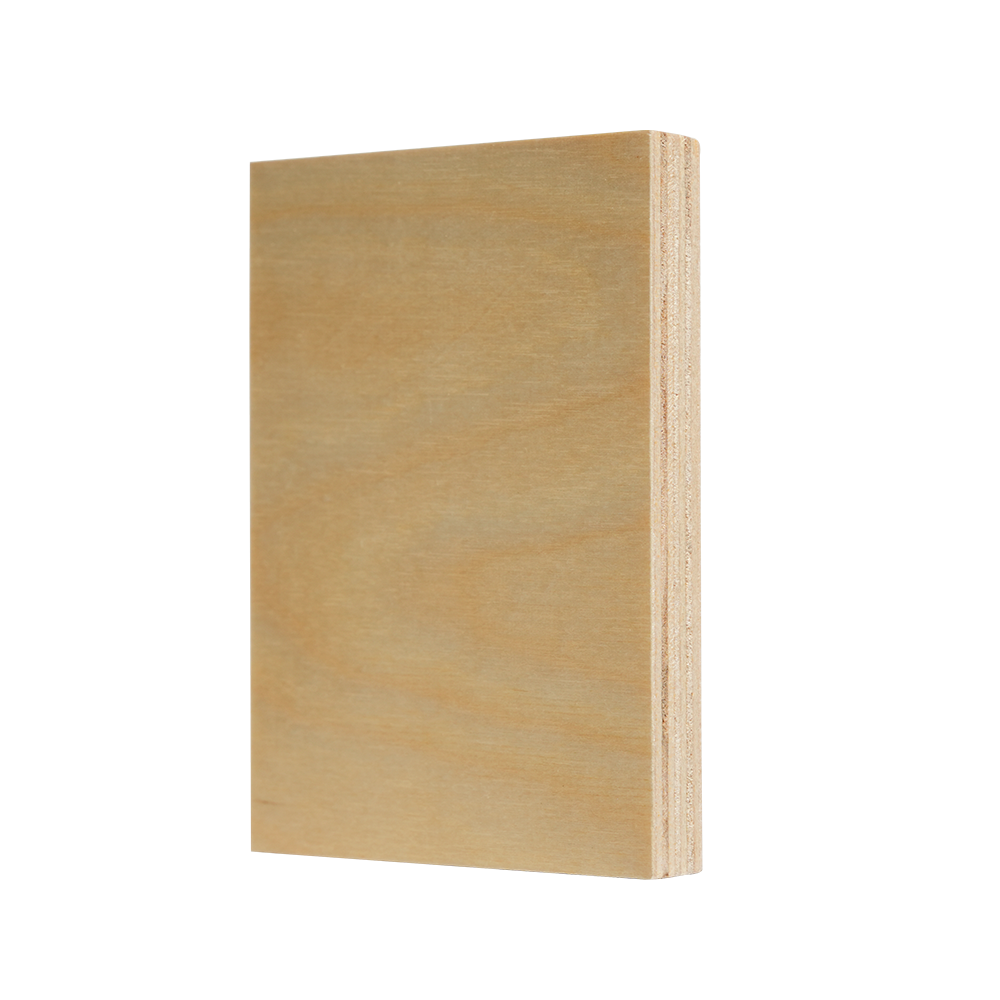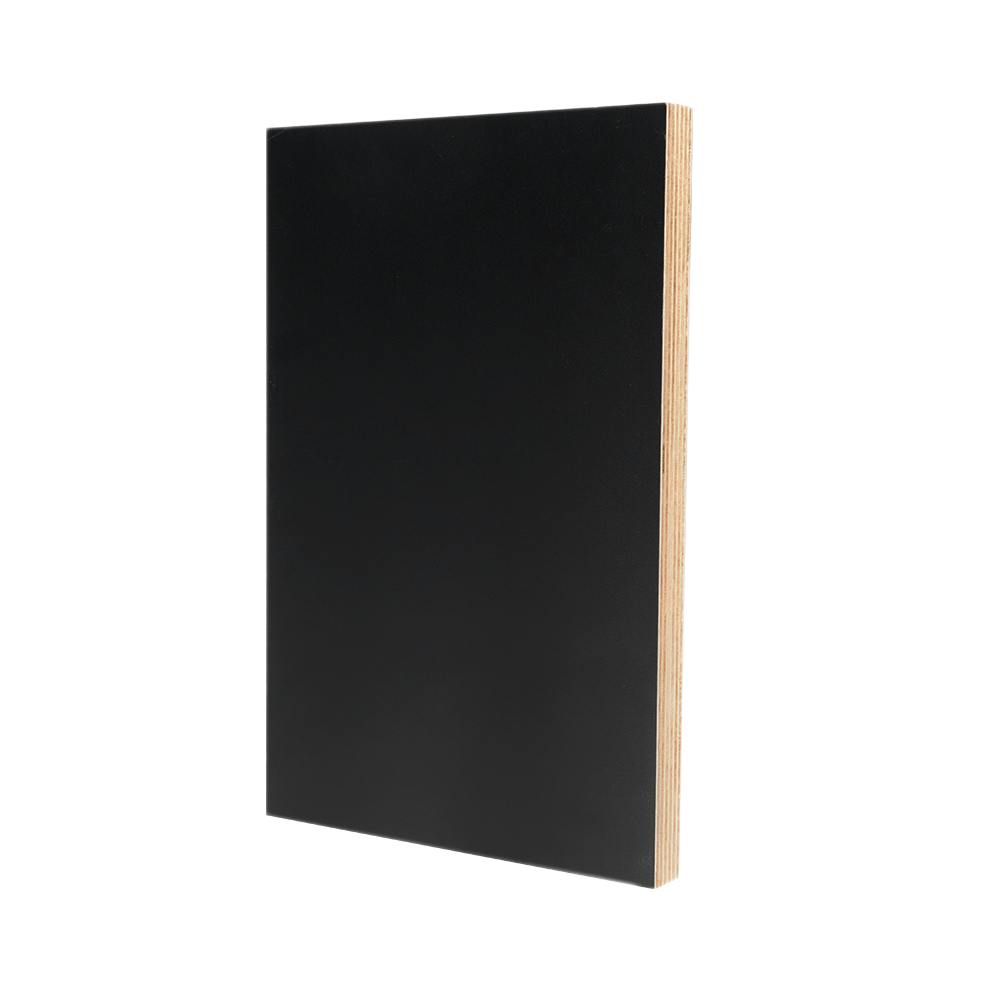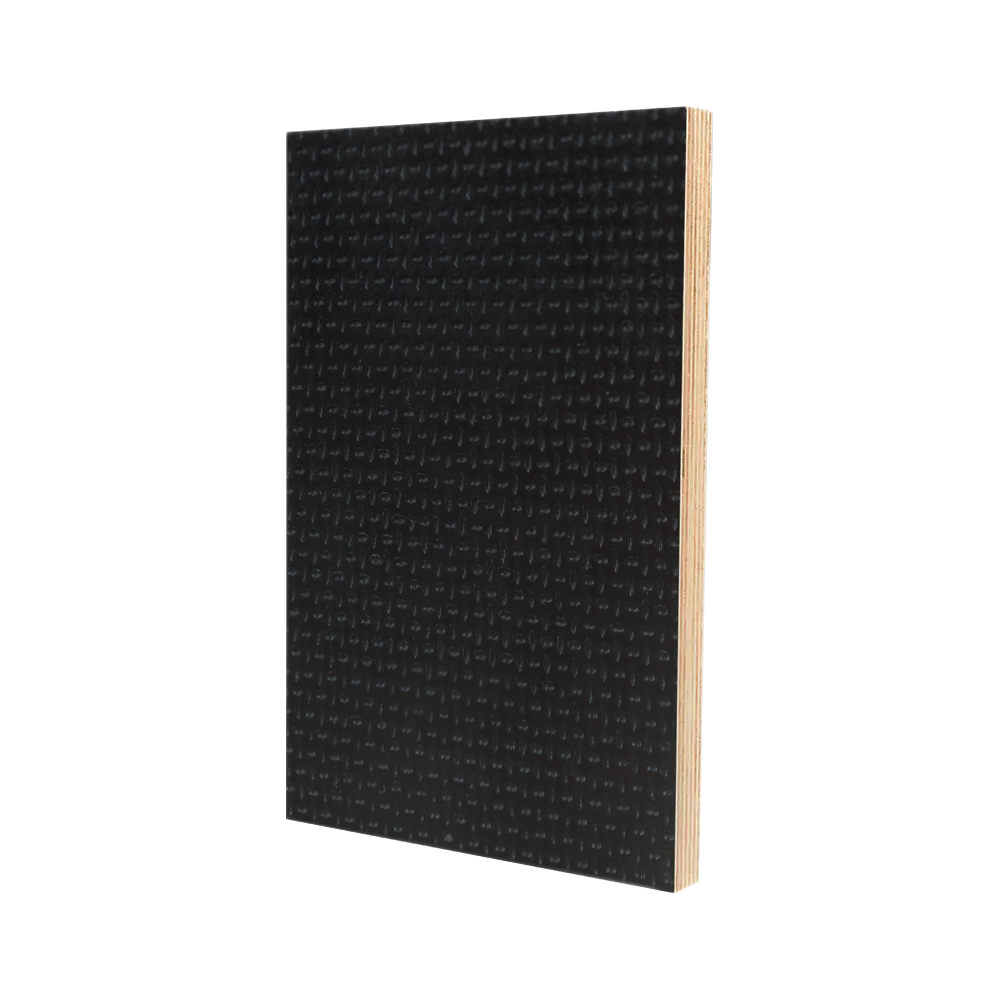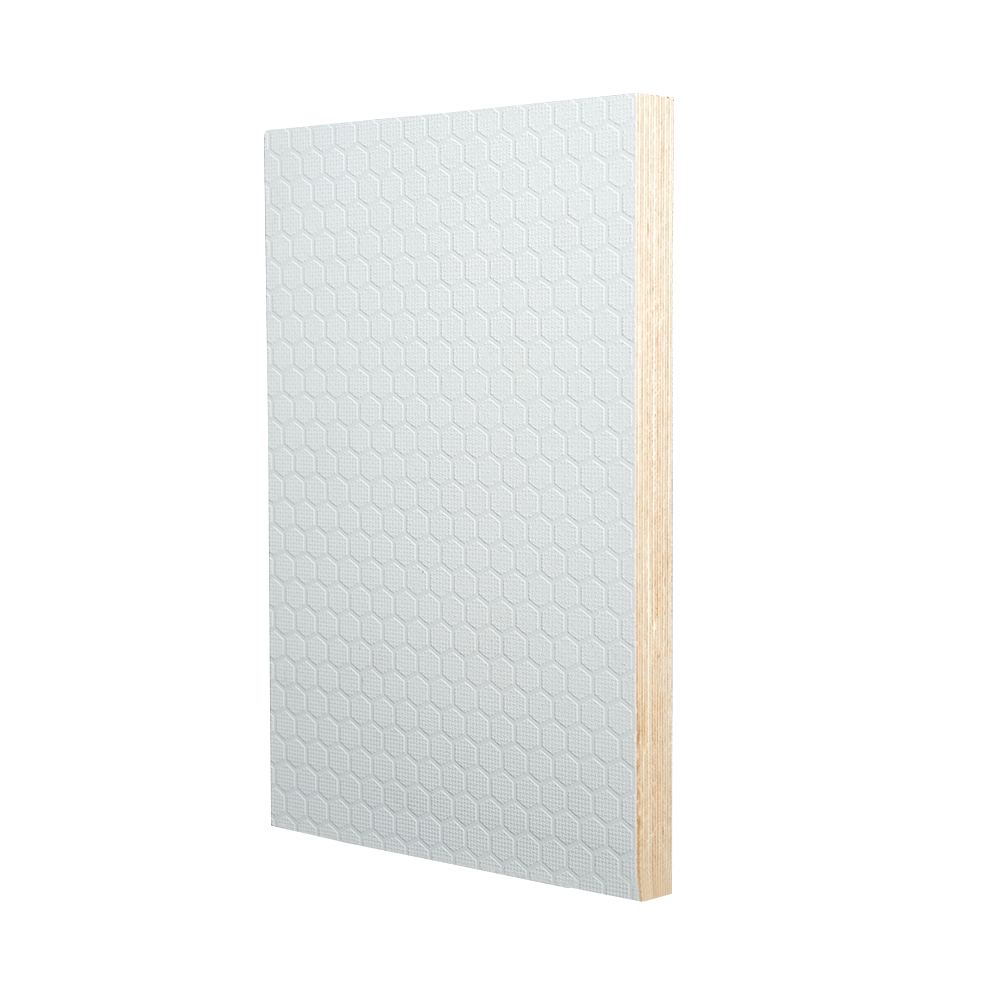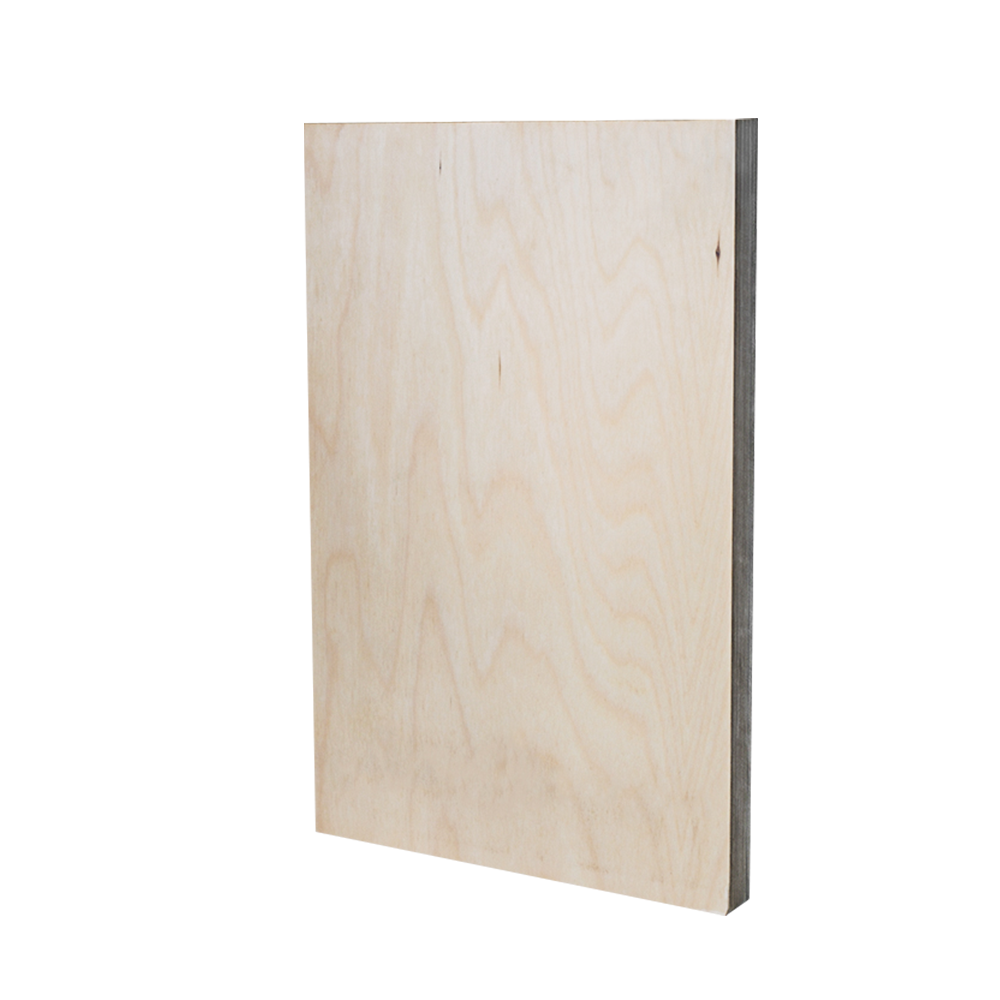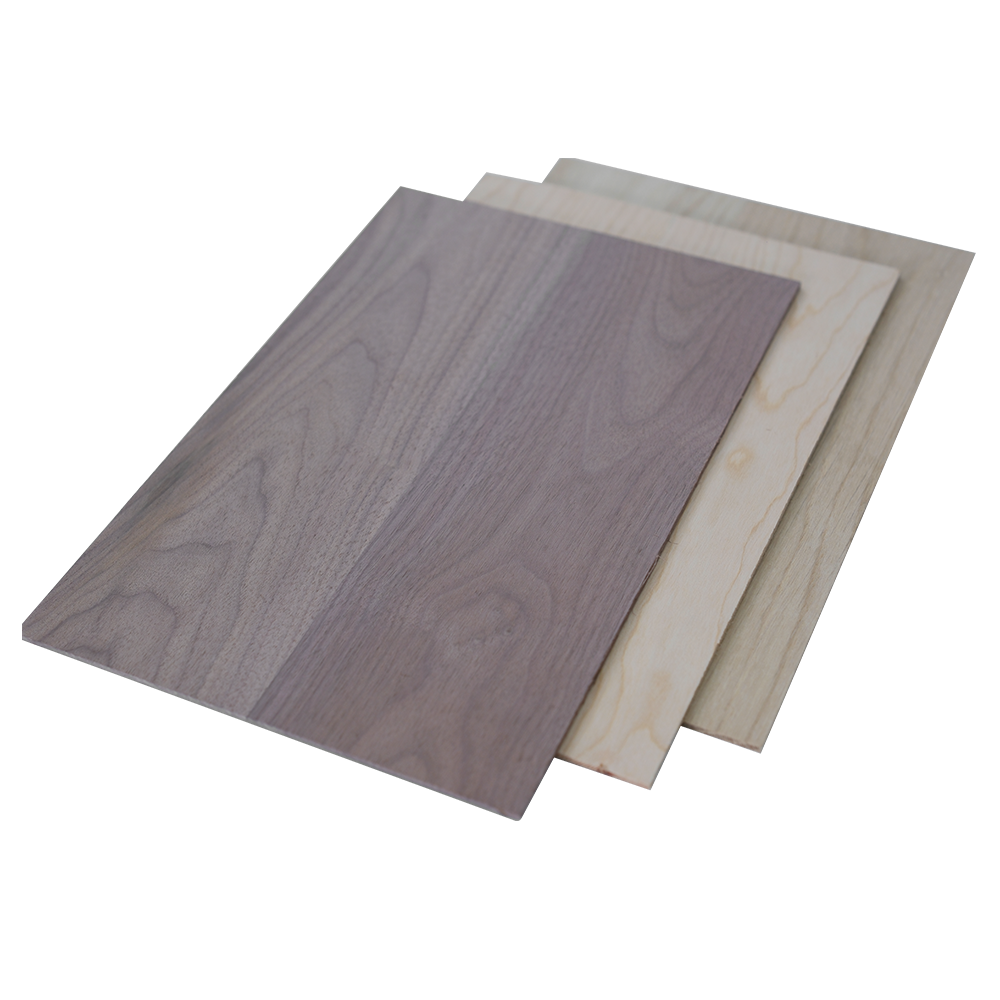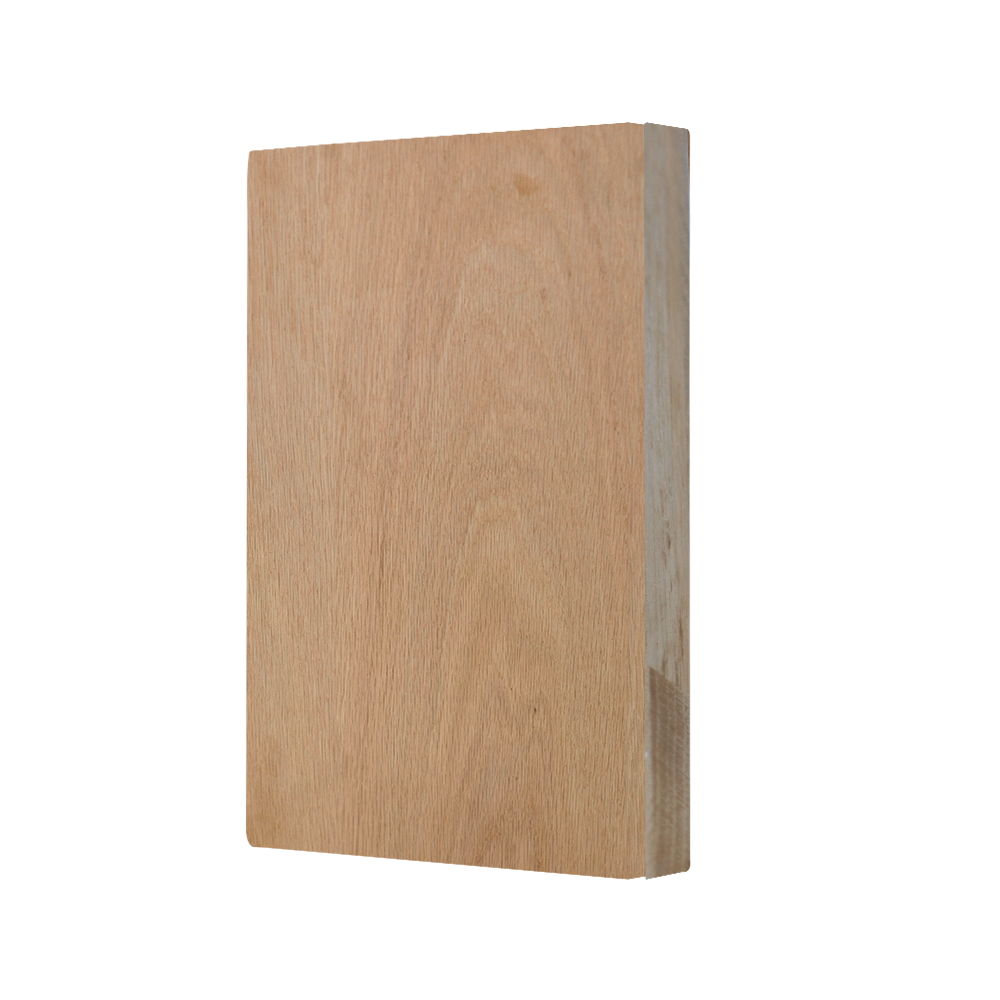

baltic birch plywood is widely selected for furniture, cabinetry, drawer systems, CNC components, workshop fixtures and decorative panels because of its multi-layer construction, clean edges and dependable machining performance. Material quality still varies according to veneer grade, core structure, adhesive type, thickness tolerance and surface treatment.
Understanding what is birch plywood, what is baltic birch plywood and how the two materials differ helps users avoid choosing a panel based only on face appearance. A professional evaluation should include the number of plies, internal voids, panel flatness, actual thickness, edge quality and intended service environment.
It offers a smooth face, good machining and a strong layered structure when the correct grade is selected.
Controlled sanding, test samples and an appropriate stain system help reduce uneven color absorption.
Birch veneers alone do not confirm outdoor suitability. Adhesive classification and edge sealing must be checked.
Face grade, veneer thickness, internal gaps, repairs and pressing accuracy influence the finished panel.
Birch plywood is an engineered wood panel made by bonding thin wood veneers into a layered structure. The grain direction of each veneer is normally placed at a right angle to the adjacent layer. This cross-laminated arrangement distributes loads in more than one direction and reduces the degree of movement that would occur in a wide solid wood board.
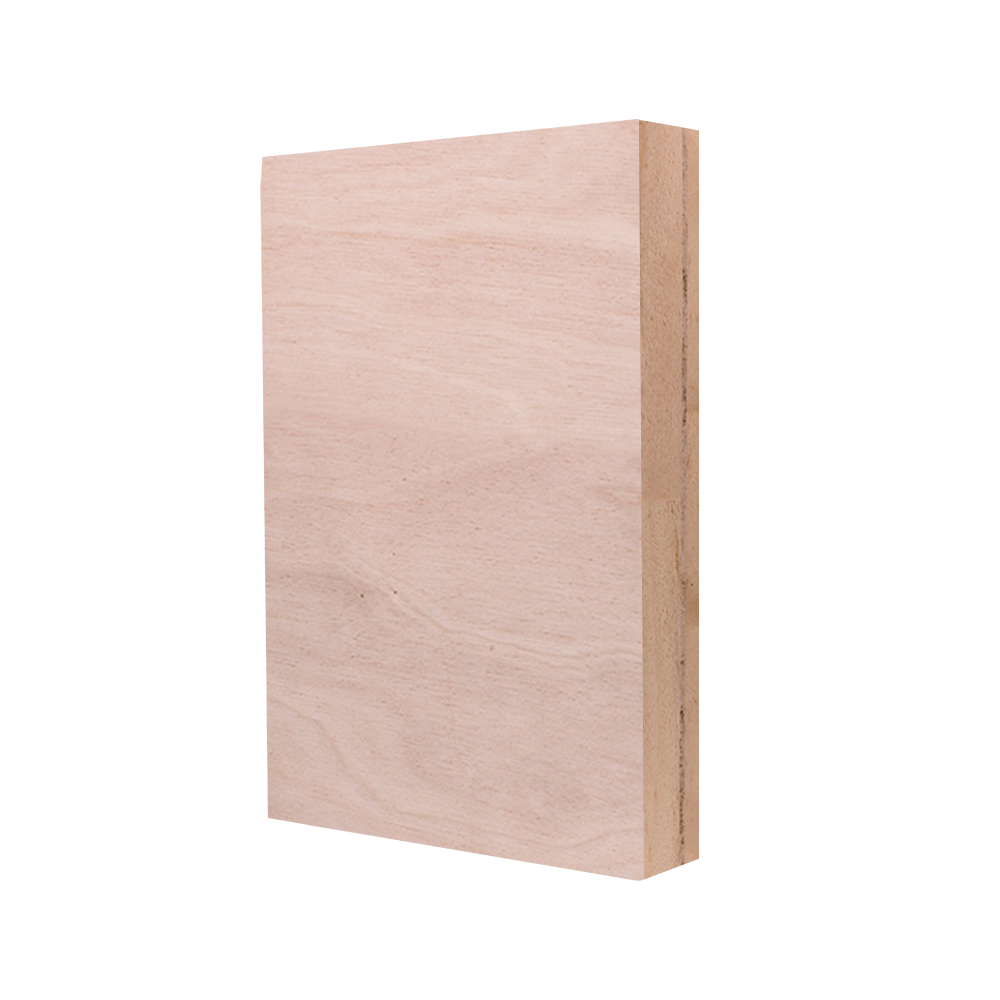
The visible face may be birch, while the internal core can be made from birch or another wood species depending on the product specification. This distinction matters. Two panels described as birch plywood may have similar face colors but noticeably different edge appearance, density, screw-holding performance and machining quality.
Birch plywood is commonly supplied in several face grades. Higher grades are selected for exposed furniture surfaces, while panels with patches, color variation or permitted surface defects may be used for internal components, workshop fixtures or painted products. Grade descriptions should always be reviewed instead of assuming that every birch panel has a clear decorative face.
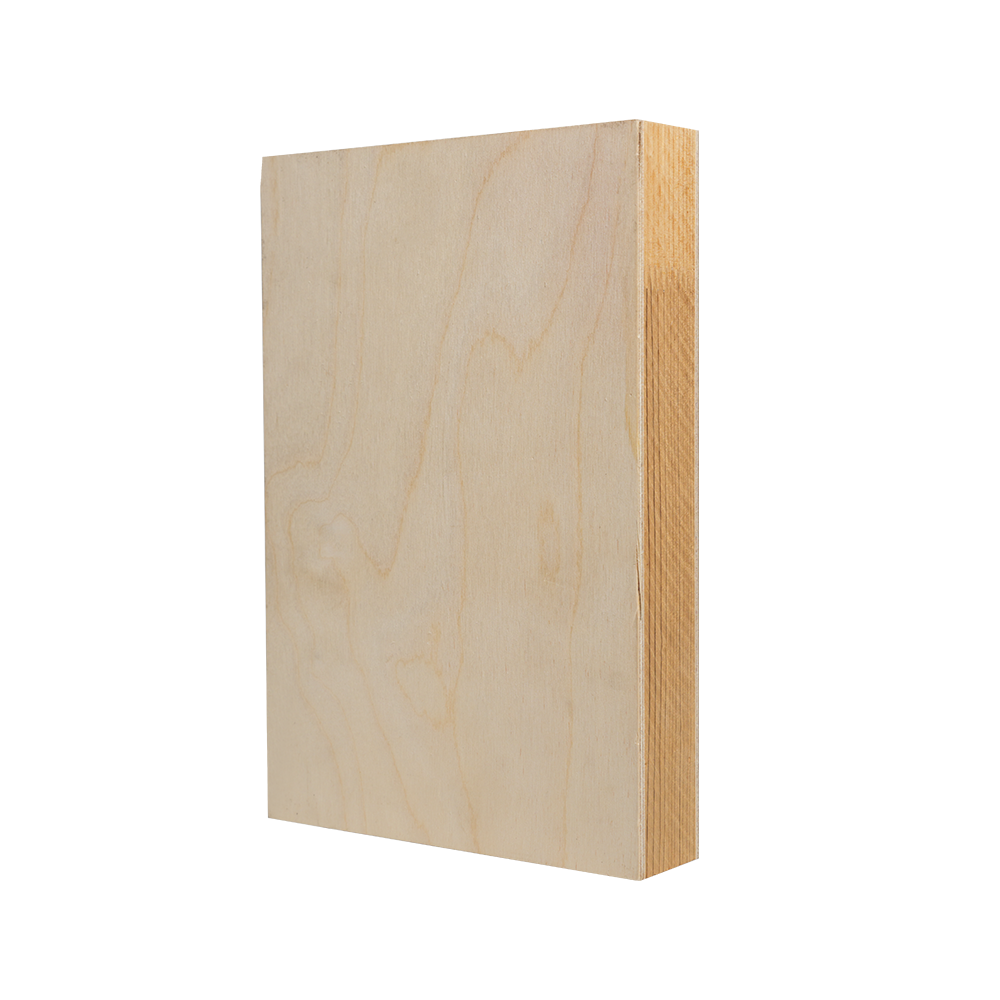
Baltic birch plywood generally describes a dense, multi-ply panel manufactured with birch veneers through most or all of its thickness. It is recognized for numerous thin layers, relatively consistent core construction and an edge that can remain visible in finished furniture.
A greater number of thin veneers can create a more uniform edge and distribute stress throughout the panel.
A birch core normally produces a denser and more consistent edge than a panel using lower-density inner species.
Well-manufactured panels limit core voids that could become visible during cutting, routing or edge finishing.
Baltic-style panels are often specified in metric thicknesses, making actual measurement important before machining.
The main difference is often found inside the panel rather than on the visible surface.
| Comparison Item | Baltic Birch Plywood | Standard Birch-Faced Plywood |
|---|---|---|
| Core composition | Usually multiple birch veneers | May contain birch or another core species |
| Number of plies | Often uses numerous thin layers | May use fewer and thicker internal layers |
| Visible edge | Regular layered appearance when properly manufactured | Edge appearance depends on the internal core |
| Internal void control | Generally selected for a more consistent core | Allowable gaps depend on grade and manufacturer |
| Panel density | Usually relatively dense and heavy | Can be lighter when a lower-density core is used |
| Machined edges | Suitable for exposed layers, routing and joinery | May require edge banding or additional inspection |
| Typical selection reason | Core quality, strength and edge appearance | Decorative birch face and general panel use |
| Cost level | Usually higher for comparable dimensions | Varies widely by core and surface grade |
Nominal and actual dimensions may not be identical.
3/4 birch plywood is frequently selected for cabinet boxes, shelves, table components, benches, work surfaces, storage units and structural furniture panels. The thickness provides a useful balance between stiffness, fastening area and manageable machining.
A panel sold under a 3/4-inch description may measure slightly less than 0.75 inch. Baltic birch panels are also commonly produced according to metric thicknesses, with 18 mm being a frequent specification. CNC programs, grooves, dados, hardware and edge profiles should therefore be based on the measured panel rather than the nominal product name.
Use the actual thickness when setting router depth, dado width and CNC tool paths.
Measure several points and more than one sheet when tight assembly tolerances are required.
Fasteners, hinges and connectors should suit the actual panel thickness and expected load.
Long shelves may still require edging, rails or intermediate support to control deflection.
| 3/4 Birch Plywood Application | Important Design Check | Possible Additional Treatment |
|---|---|---|
| Cabinet side panel | Joint location and hardware clearance | Clear finish, paint or decorative veneer |
| Adjustable shelf | Span, load and shelf-pin position | Solid edging or reinforced front edge |
| Drawer box | Actual thickness and groove dimensions | Exposed layered edge or sealed finish |
| Table component | Support frame and edge impact | Edge lamination or protective coating |
| CNC-cut component | Tool diameter, hold-down and cut direction | Sanding and edge sealing after machining |
Yes, birch plywood can be stained. The main challenge is that birch can absorb color unevenly, producing darker patches or visible differences between face areas. Preparation and product testing are more important than simply applying more stain.
Repairs, patches, mineral streaks and veneer color changes can remain visible after staining. Select a face grade appropriate for an exposed decorative surface.
Use an offcut from the same production sheet. A sample reveals how the veneer, sanding sequence and selected stain interact before the full panel is finished.
Uneven sanding changes absorption. Sand in the grain direction and avoid aggressive work that could cut through the thin face veneer.
A compatible pre-stain conditioner, washcoat, dye system or gel stain may help create a more uniform appearance. The suitable method depends on the desired color and topcoat.
Work methodically and remove excess material according to the finishing system. Overlapping wet and dry areas can create visible lines.
After the stain has dried correctly, apply a compatible clear topcoat to protect the color from abrasion, moisture and routine cleaning.
The face veneer is limited in thickness. Excessive sanding can expose the layer underneath.
Adhesive remaining near joints can block stain absorption and create pale marks.
Exposed plies may absorb finishing materials differently from the face veneer.
Birch is a good plywood choice when the project requires precise cutting, stable panels, a smooth decorative face or a clean layered edge. Suitability still depends on selecting the correct grade and bond type for the application.
Quality panels can be cut, drilled, routed and CNC-machined into detailed components.
Alternating grain directions help distribute stress and improve panel stability.
Suitable face grades accept clear coating, paint, veneer work and controlled staining.
A dense, consistent core can support hardware and furniture joints when correctly designed.
Multi-ply edges can become a deliberate visual feature in furniture and display components.
A birch face does not automatically mean that all internal layers are birch.
Bond classification and protective treatment must suit the exposure environment.
Patches, color variation and repairs may be permitted according to the selected grade.
A dense multi-ply sheet may require additional handling and stronger supporting hardware.
Panel thickness and sheet dimensions should be measured before production begins.
High-grade birch veneers, numerous plies and stricter core control require more material selection and processing than basic utility panels.
Dense birch cores can produce a heavier sheet. Product weight should be considered when designing doors, movable furniture and wall-mounted units.
The pale, fine-grained face can become blotchy when dark stains are applied without samples or absorption control.
Lower face grades may contain patches, plugs and color variation that are unsuitable for a clear decorative finish.
Unsealed edges can absorb moisture more quickly. Outdoor or wet-area projects require an appropriate bond specification and protective finishing.
Sheet formats, thicknesses, grades and verified origins may not be equally available in every region, making specification checks important before design approval.
A useful quotation must describe the panel, not only the sheet quantity.
The cost of birch plywood cannot be represented by one universal figure. A thin birch-faced panel with a mixed-species core and a structural baltic birch plywood panel are different products. Price comparisons should use the same thickness, sheet dimensions, face grade, core composition, glue classification and machining requirements.
Nominal 3/4 birch plywood and an 18 mm panel should not be assumed to have identical dimensions.
A birch face over a mixed core may cost less than an all-birch multi-ply panel.
Clear decorative faces and patched utility faces serve different applications.
Surface defects, cutting plans and grain direction affect how much finished material one sheet can provide.
Cut-to-size parts, drilling, routing and finishing add value beyond the raw panel price.
Edge protection, moisture protection and reinforced pallets may be required for finished panels or parts.
Multi-ply construction requires numerous veneers. Each layer must be peeled, dried, inspected, arranged and bonded.
Panels intended for exposed edges and precise machining require tighter control of overlaps, gaps and internal defects.
Veneer drying, hot pressing, sanding and climate-controlled manufacturing add processing and energy costs.
Decorative grades require selection for grain, color, patches and visible defects, reducing the amount of veneer suitable for premium faces.
Dense sheets are heavy and occupy substantial freight space. Protective packaging also influences delivered cost.
Tariffs, trade restrictions, documentation requirements and changes in traditional supply routes can affect availability and landed cost in individual markets.
Product design should match the panel grade, thickness, core structure and bond specification to the actual application.
Suitable for side panels, bottoms, partitions and fixed shelves.
Multi-ply edges can remain visible or receive a clear protective finish.
Used for tables, benches, desks, shelving and storage units.
Suitable for routed profiles, slots, perforated panels and repeated components.
Used for templates, jigs, assembly fixtures and machine supports.
Layered edges can become part of the visual design without separate edge banding.
Smooth faces can receive primer and paint after correct sanding and cleaning.
Local building and interior-use requirements must be reviewed before specification.
Match product labels and documents with the ordered specification.
Confirm compatibility with grooves, hardware and CNC programs.
Store sheets correctly before determining whether movement is acceptable.
Determine whether the surface meets the finishing requirement.
Look for gaps, overlaps, incomplete bonding and irregular veneers.
Edges should not show separated veneers or weak glue lines.
Evaluate tear-out, edge quality, tool settings and internal consistency.
Confirm appearance and adhesion before completing the full production run.
No. Face appearance, permitted patches, veneer composition, thickness tolerance and bond classifications can vary. The complete specification should be confirmed before ordering.
Not necessarily. Some products use birch only for the outer veneers and another species for the internal core.
It may not be. Nominal descriptions, metric manufacturing and sanding tolerances can create a difference between the product name and actual measurement.
Yes, when the core is visually consistent and free from unacceptable gaps. Sanding and sealing help protect the exposed veneers.
Uneven sanding, natural grain variation, glue residue and rapid absorption can create blotching. Samples and a suitable conditioning method can improve control.
Yes. The face should be cleaned, lightly sanded, primed and coated with a compatible furniture or panel finishing system.
Birch is the wood species, not a waterproof classification. Moisture resistance depends on adhesive, panel standard, edge sealing and surface protection.
Useful information includes thickness, sheet size, face grade, core requirement, adhesive specification, quantity, machining details and surface finish.
Thickness, face grade, internal construction, sheet dimensions, edge requirements and finishing methods can be evaluated according to furniture, cabinet, CNC and interior panel applications.
Prepare dimensions, grade requirements and application details before product selection.
related products


Copyright © Tianma Lvjian Group Co., Ltd. Rights Reserved.
Wholesale Construction Plywood Manufacturers Privacy
 English
 中文简体
中文简体