
In modern home design, the unique texture and durable physical properties of natural materials make them the preferred choice for high-end customization and spatial planning. Whether pursuing a warm texture for dining room storage or facing the high-intensity environment of a cooking space, scientifically selecting wood species and structural craftsmanship is core to ensuring the lifespan and aesthetic value of furniture.
When purchasing or customizing high-quality furniture, clarifying the classification of wood is the first step in determining the feasibility of a design. Although both are often referred to as solid wood in general terms, essential differences exist in their physical performance and application scenarios.
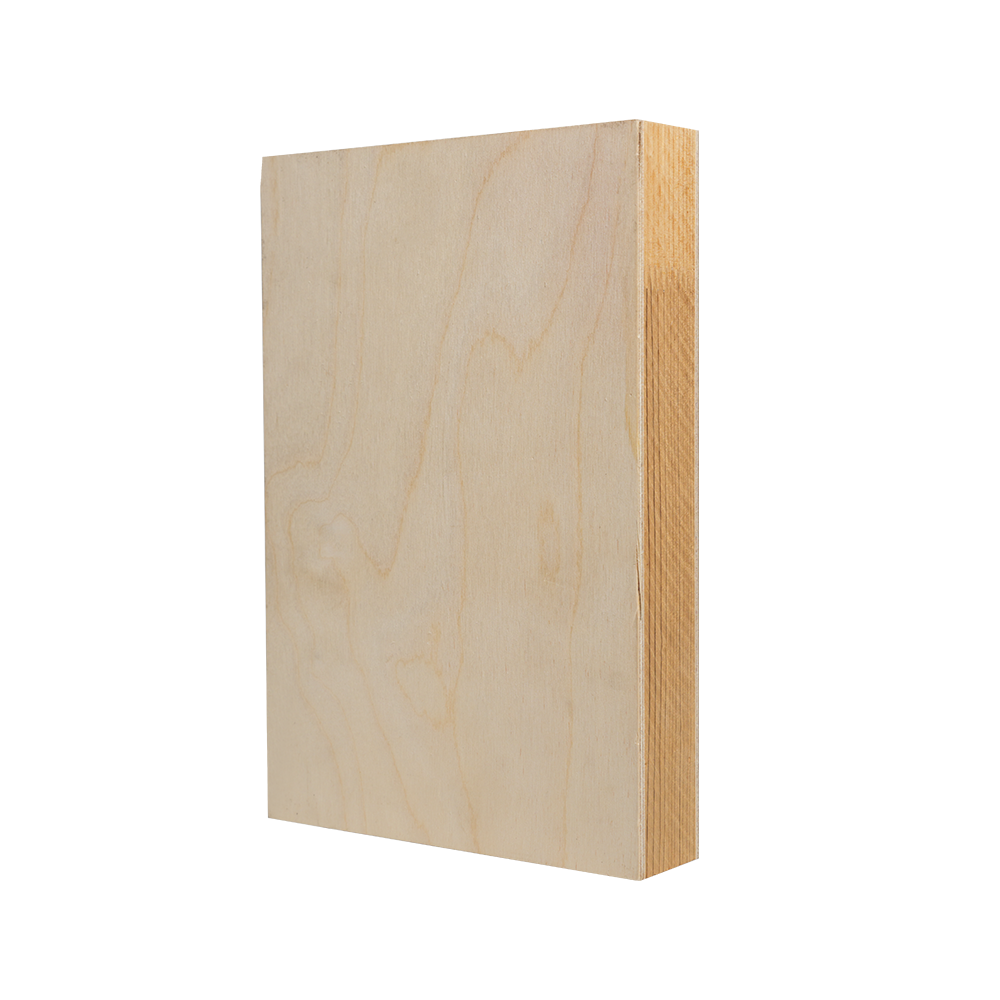
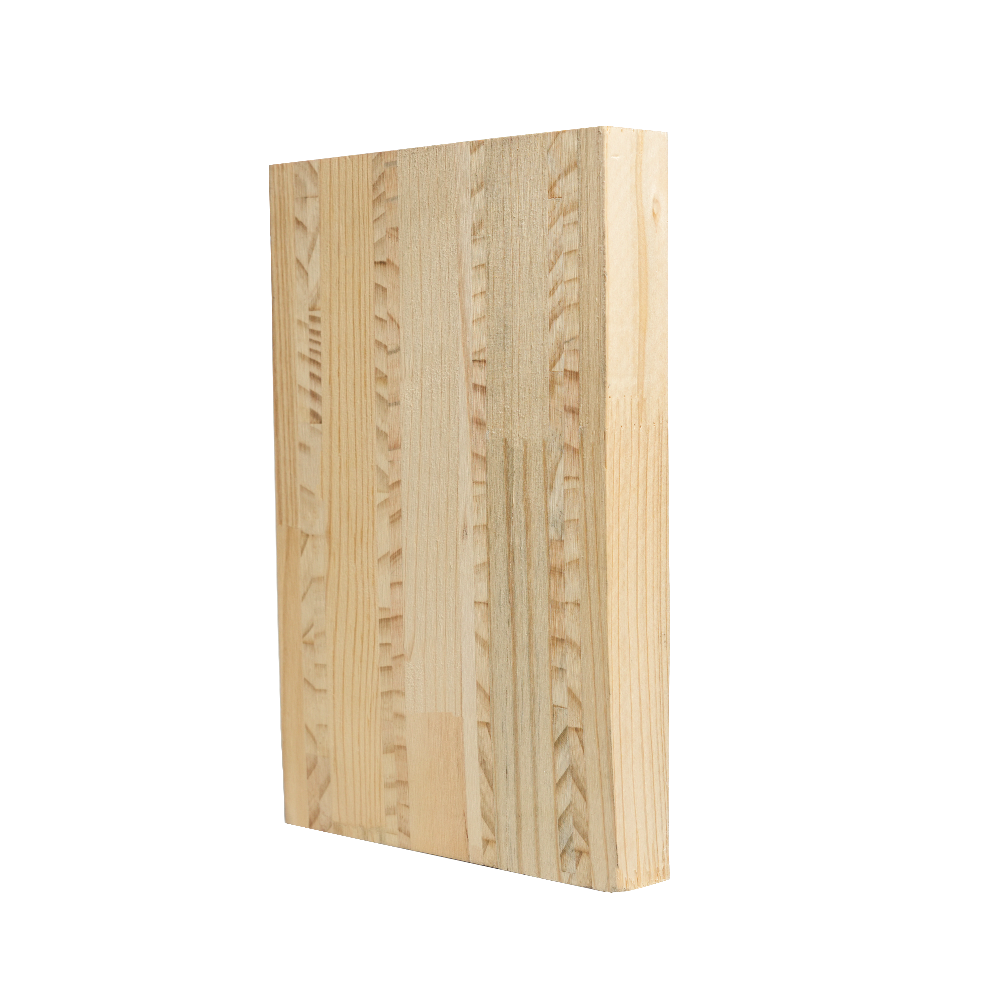
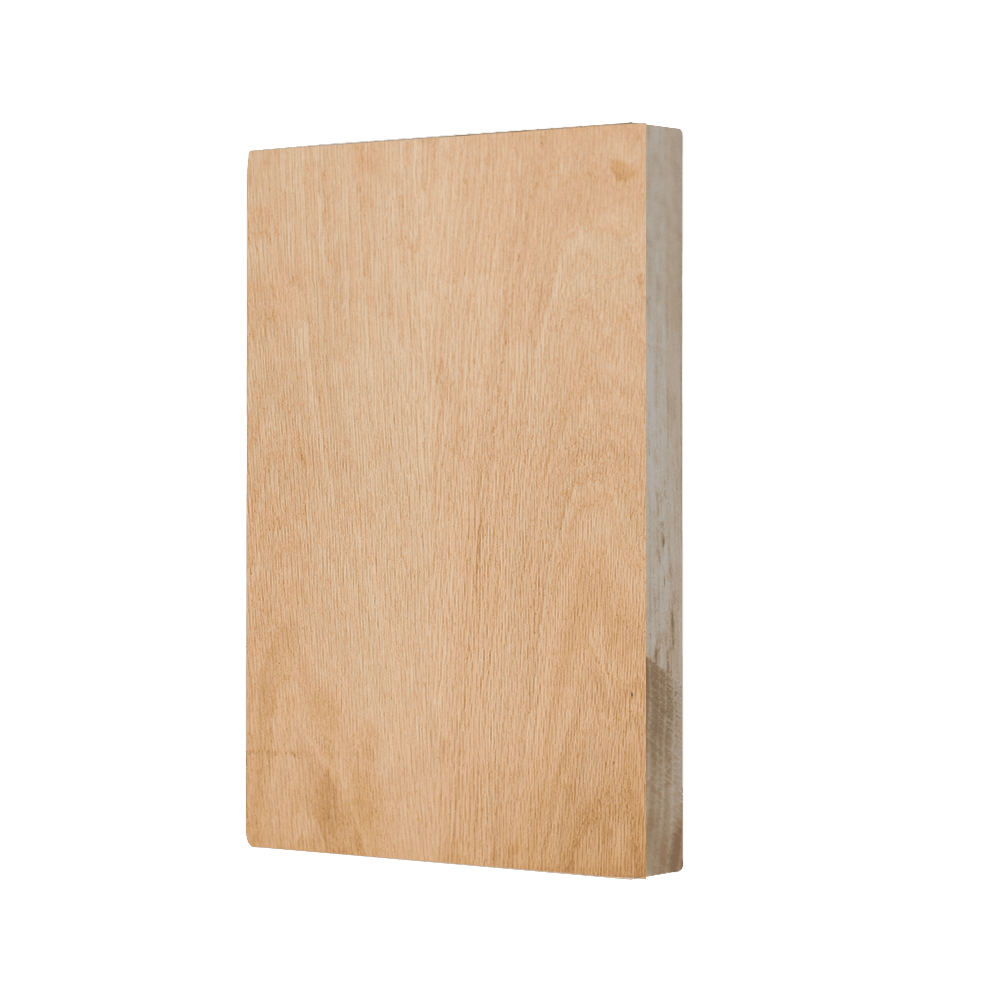
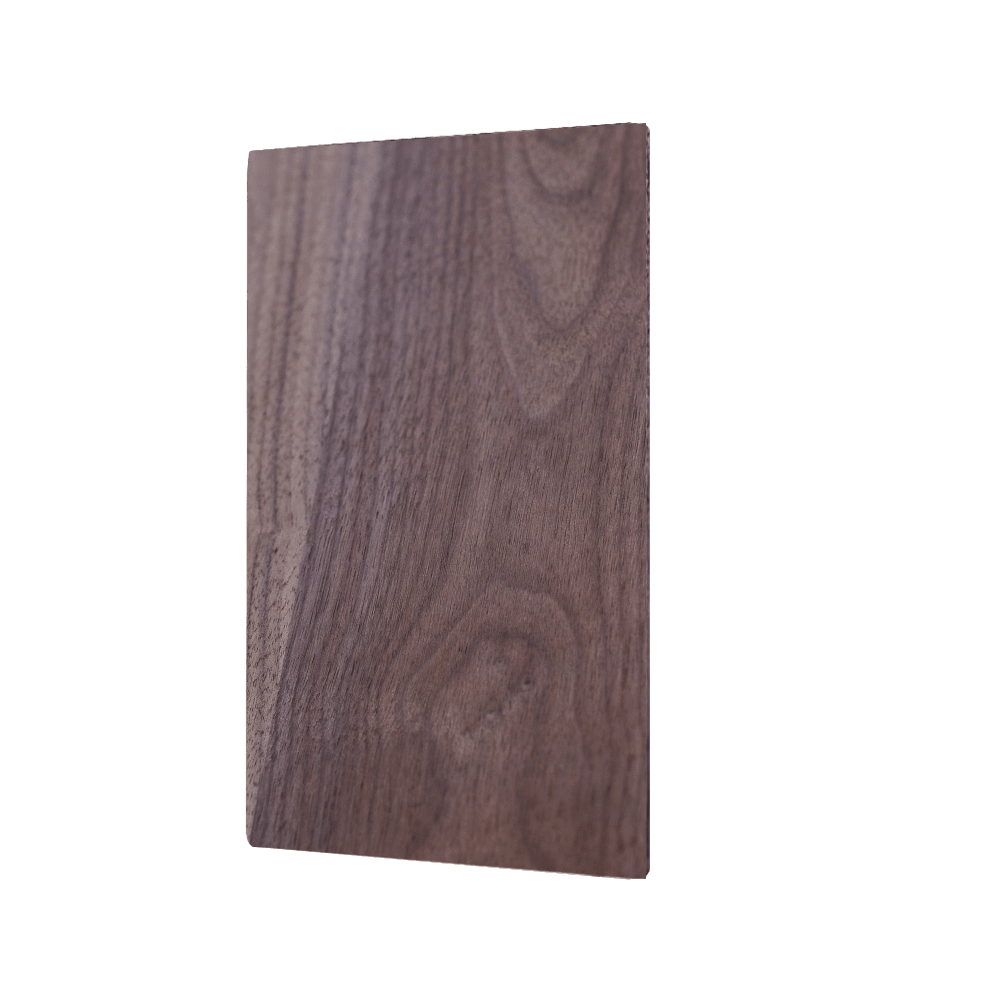
Solid Wood is a broad concept that encompasses all timber sawn from natural logs, including coniferous species (softwood) and broad-leaved species (hardwood). In contrast, Solid Hardwood specifically refers to deciduous broad-leaved trees with long growth cycles and extremely high wood fiber density (such as oak, black walnut, cherry, and ash). High density endows hardwood with excellent impact resistance and wear resistance, making it perform exceptionally well in load-bearing structures and high-frequency use furniture.
Because natural wood possesses anisotropic physical characteristics, its moisture content changes with environmental temperature and humidity, leading to drying shrinkage and wet expansion. High-quality Solid Hardwood must undergo strict secondary steam drying and aging stabilization treatment before processing to precisely control the moisture content between 8% and 12% (finely tuned according to the climate differences of the use region), fundamentally eliminating the hidden dangers of later cracking and warping.
The table below lists the core physical parameter comparisons between mainstream Solid Hardwood and ordinary Solid Wood (taking coniferous softwood as an example) in the market:
| Physical and Craftsmanship Parameters | Solid Hardwood (e.g., Red Oak / Black Walnut) | Ordinary Solid Wood (e.g., Scots Pine / Fir) |
|---|---|---|
| Air-dry Density (g/cm³) | 0.65 – 0.85 (High density, hard texture) | 0.40 – 0.52 (Low density, soft texture) |
| Janka Hardness | 1,000 – 1,300 lbf (Strong compression and scratch resistance) | 300 – 600 lbf (Prone to dents and scratches) |
| Nail-holding Power and Workability | Extremely strong, suitable for complex traditional mortise and tenon structures and fine carving | Weak, screws easily slip during repeated disassembly, low precision ceiling for processing |
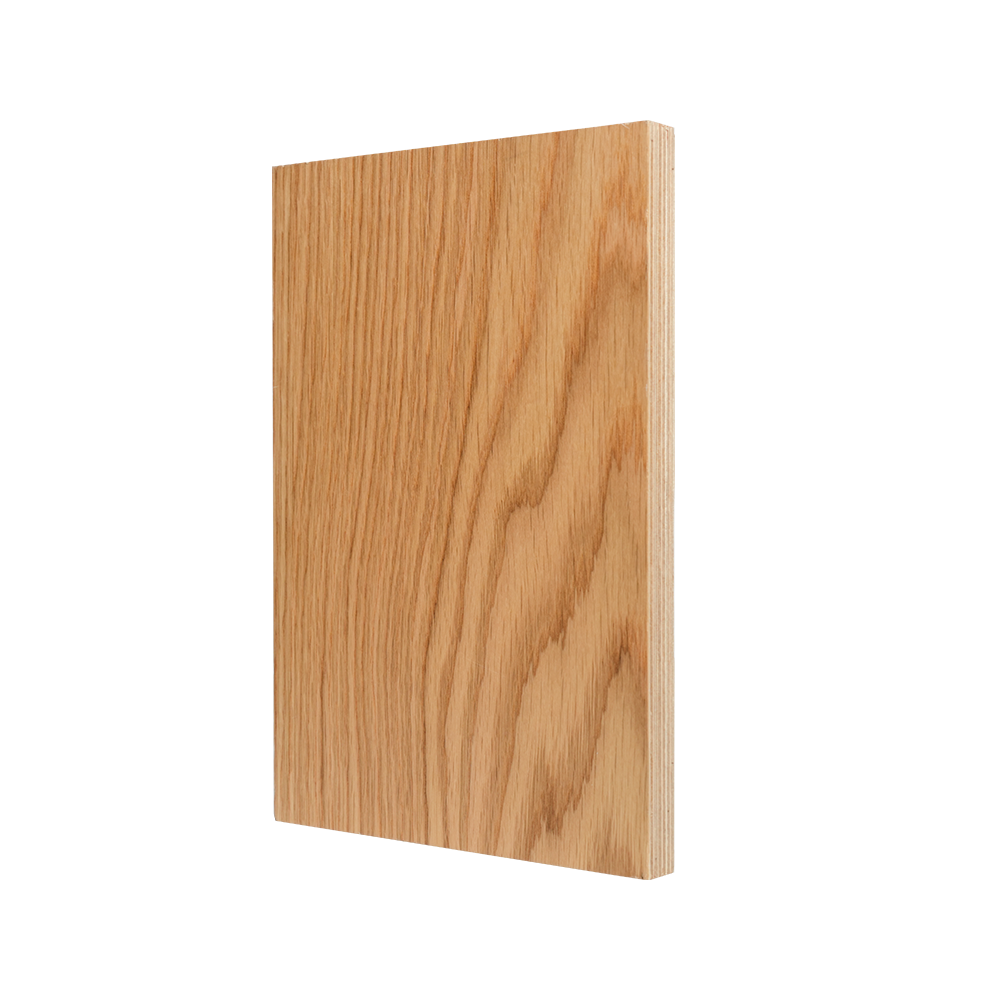
| Grain and Aesthetic Performance | High gloss after polishing, deep and delicate mountain-shaped or parabolic grain | Relatively simple grain, many knots, flat texture after coating |
| Core Application Scenarios | Main load-bearing frames, high-frequency use countertops, high-end custom cabinets | Cabinet back panels, drawer liners, auxiliary supports with less stress |
As the visual center of a dining room or living room, a well-crafted solid wood sideboard not only carries storage functions but is also an important vehicle for displaying the natural beauty of materials.
A qualified solid wood sideboard must follow the physical nature of wood in its structural design. Long-specification cabinet tops usually adopt edge-glued panels craftsmanship. To prevent the panels from undergoing lateral shrinkage in different seasons, the internal frame connections of the cabinet should use traditional dovetail joints or blind mortise and tenon joints, and a 1–2mm expansion gap (also called a breathing gap) should be reserved at the junction of lines. This structure allows the cabinet body to breathe freely during temperature and humidity changes, avoiding internal stress that could cause glue joints to crack.
In terms of functional planning, a high-quality solid wood sideboard should balance display and concealed storage:
Introducing natural wood into a kitchen environment is a systematic project that highly challenges manufacturing craftsmanship. A solid wood kitchen must not only meet the functional needs of daily cooking but also resist the physical and chemical damages caused by high temperatures, high humidity, oil stains, and frequent cleaning.
In the design of a solid wood kitchen, it is not recommended to use large areas of pure solid wood flat panels as cabinet doors, because local temperature differences in the kitchen (such as around the stove, above the dishwasher) can easily cause flat panels to warp.
The mainstream and mature solution is to adopt a Five-piece Cope and Stick structure. This structure consists of two stiles, two rails, and a center panel. The center panel is embedded into the grooves of the frame around it but is not fixed with dead glue, leaving a tiny gap for movement. When kitchen humidity increases, the center panel can expand naturally within the frame without breaking the overall structure of the door, thereby ensuring the long-term dimensional stability of the kitchen cabinets.
The durability of a solid wood kitchen largely depends on its surface protective film:
A well-designed solid wood kitchen must do thorough moisture-proofing work on details. For example, the bottom plate of the sink cabinet should be fully wrapped with waterproof aluminum foil paper to prevent condensation from dripping and seeping into the wood. Insulation boards and moisture-proof rubber strips need to be installed around embedded ovens and dishwashers to prevent high temperatures and hot steam generated during equipment operation from directly acting on the Solid Wood surface.
Through a deep understanding of the material characteristics of Solid Wood and Solid Hardwood, combined with scientific structural planning and strict craftsmanship control on the solid wood sideboard and solid wood kitchen, the elegant texture and excellent performance of natural wood can be perfectly precipitated through the baptism of time, bringing a long-lasting, comfortable, and warm spatial experience to residents.


Copyright © Tianma Lvjian Group Co., Ltd. Rights Reserved.
Wholesale Construction Plywood Manufacturers Privacy
 English
 中文简体
中文简体