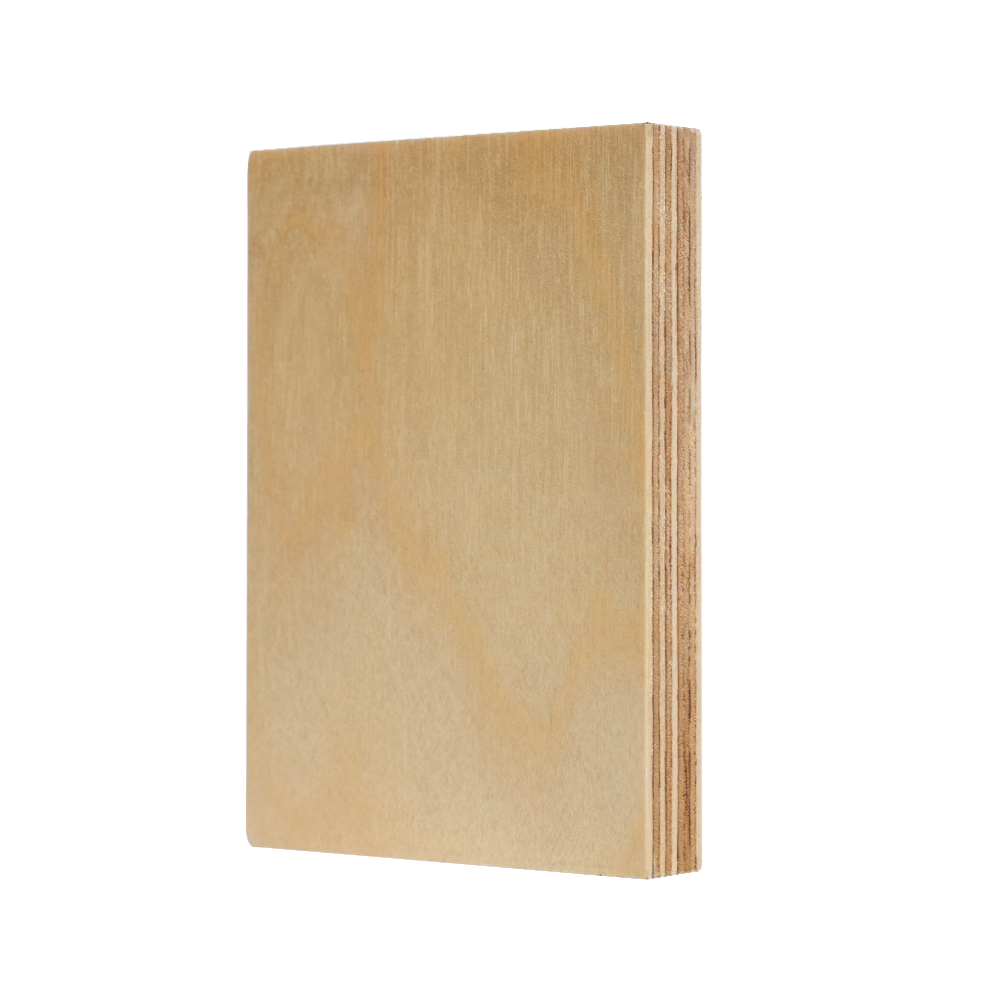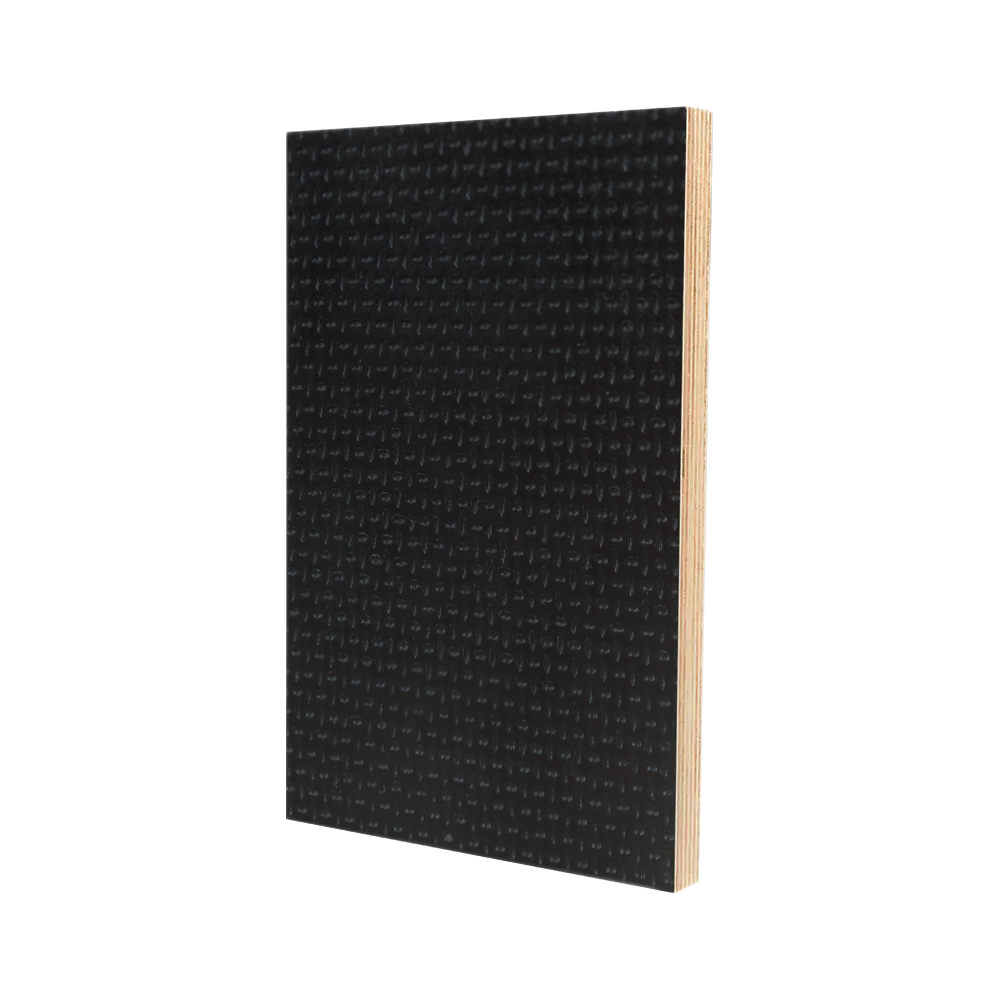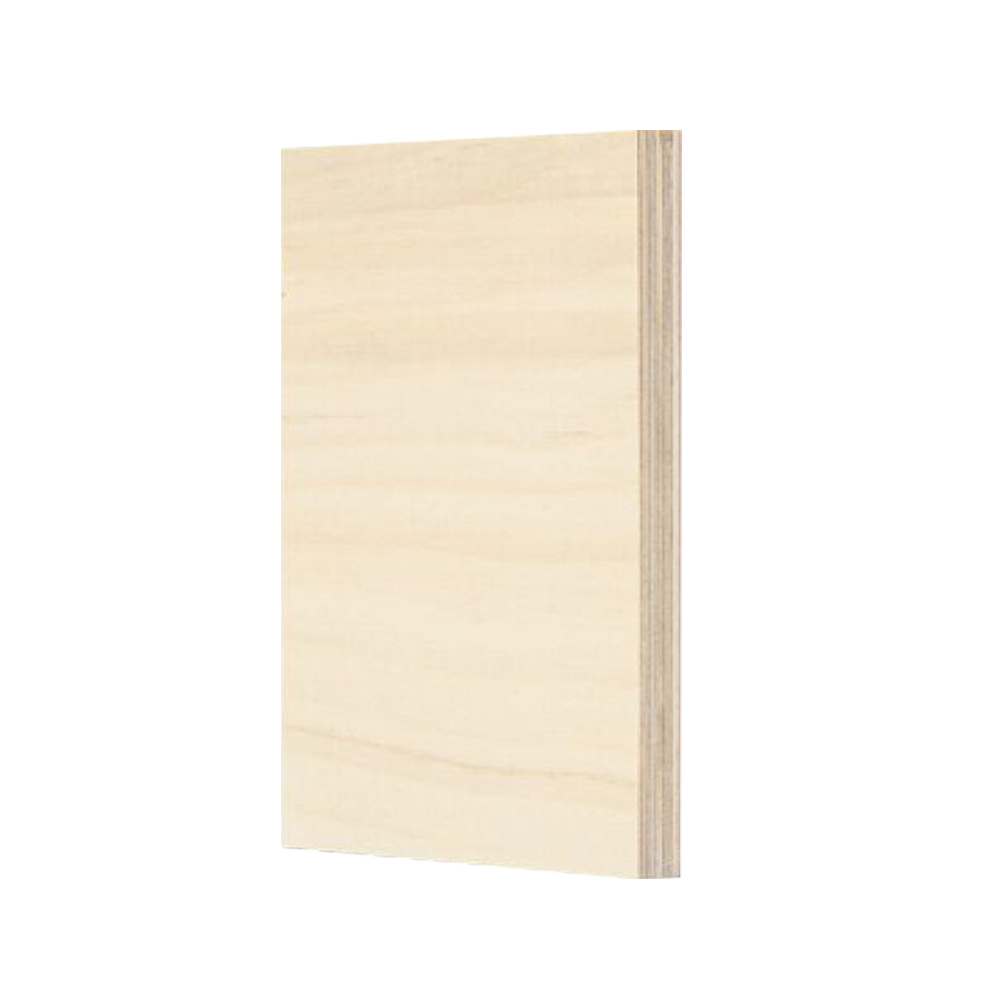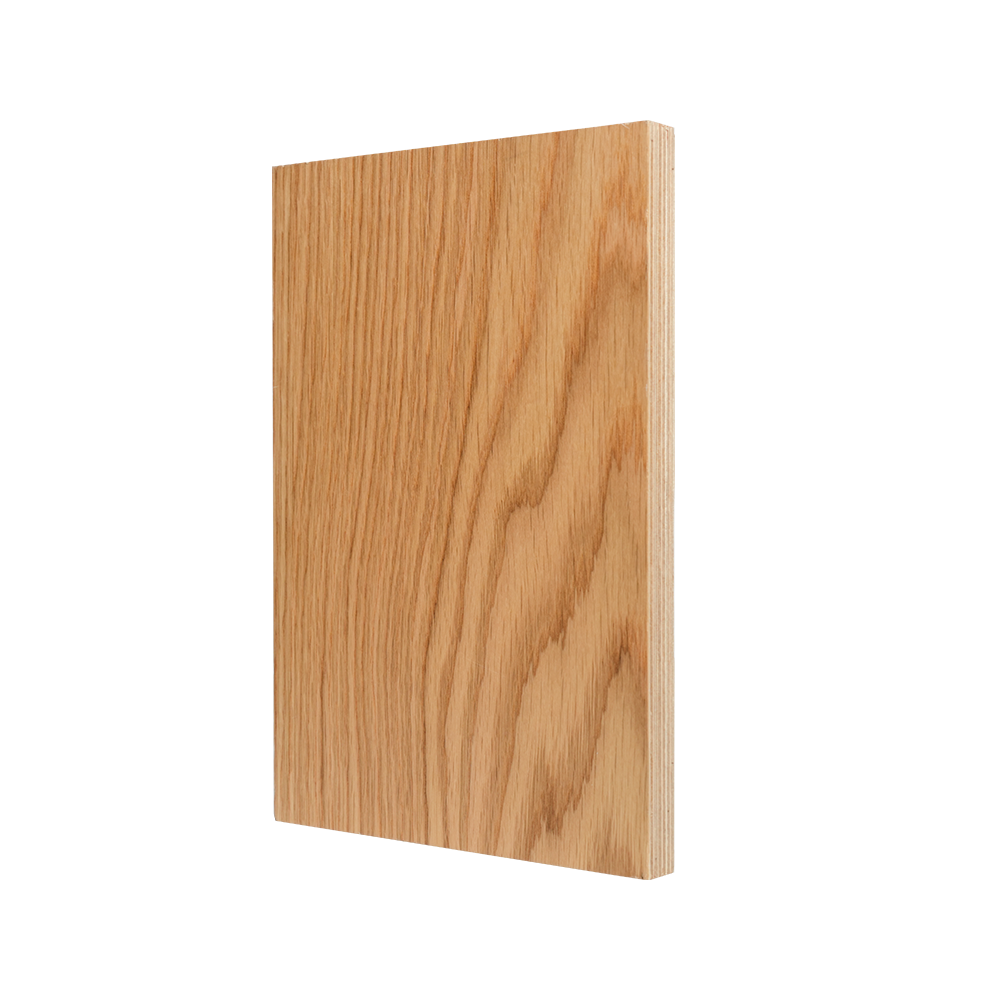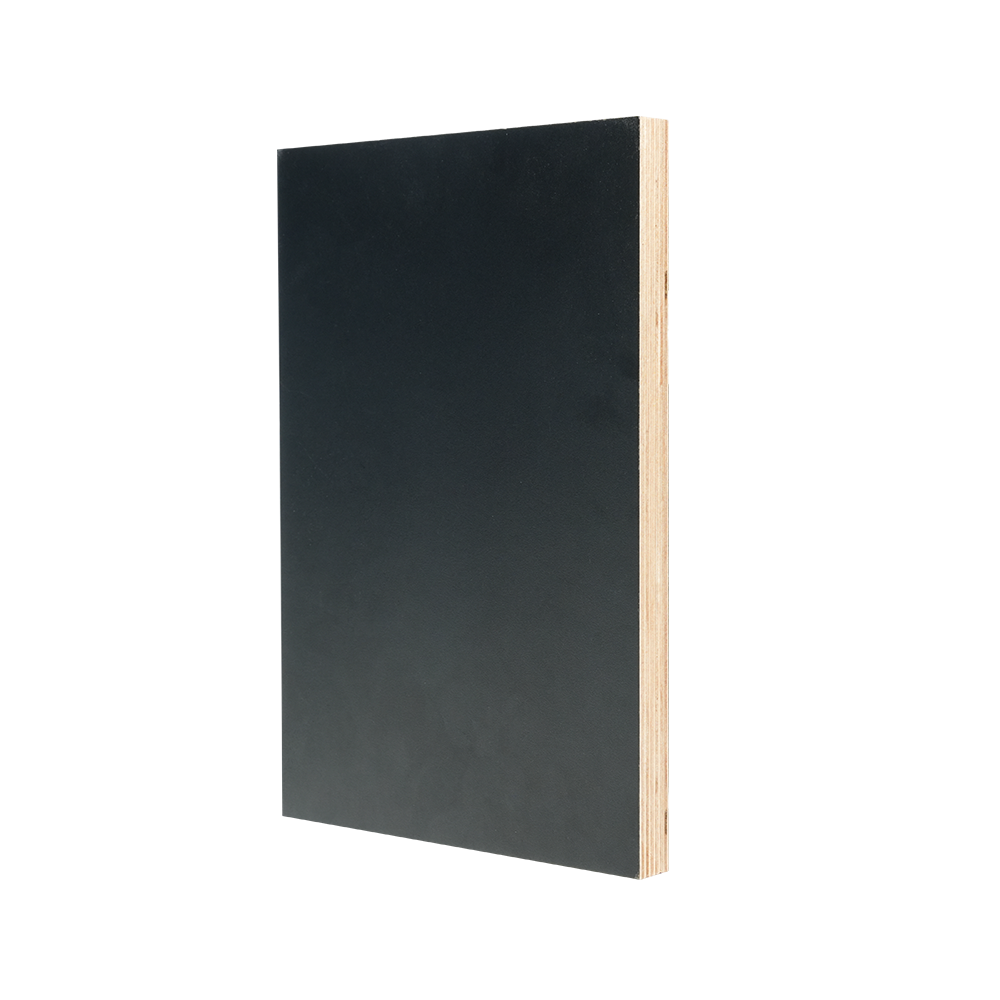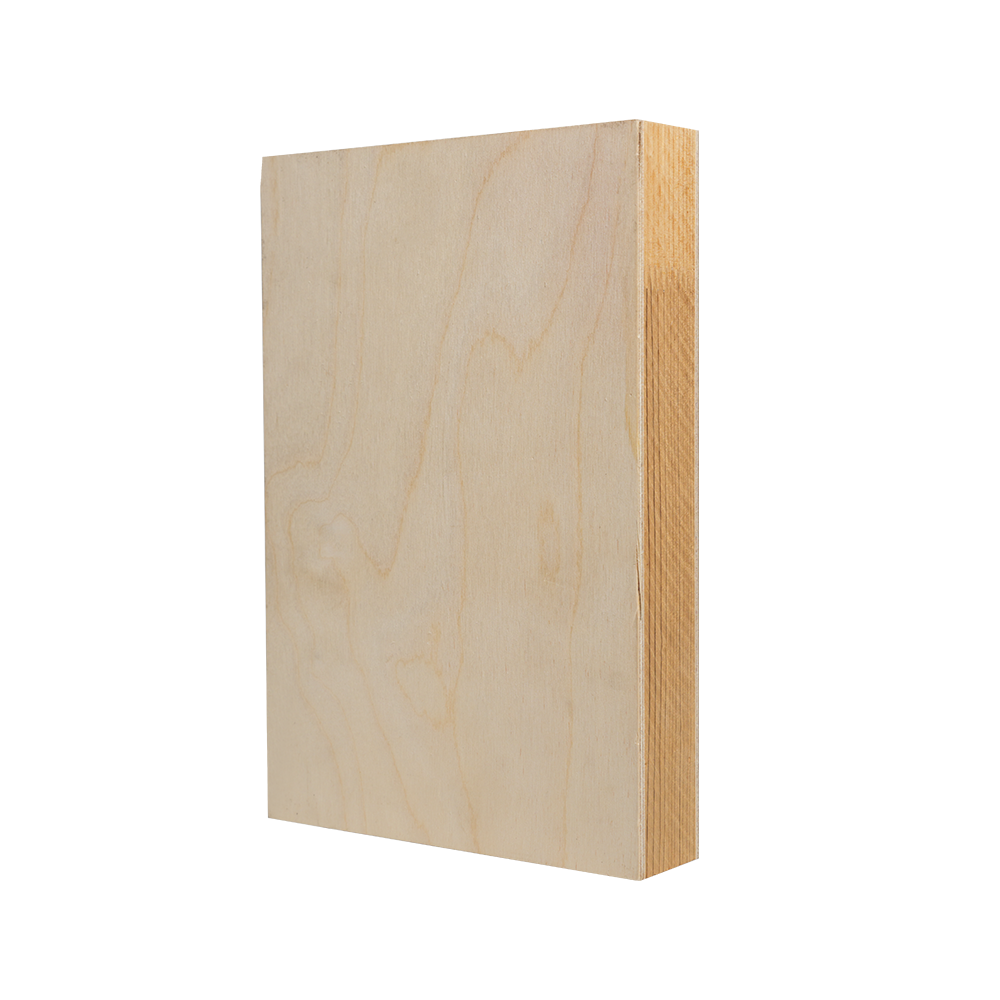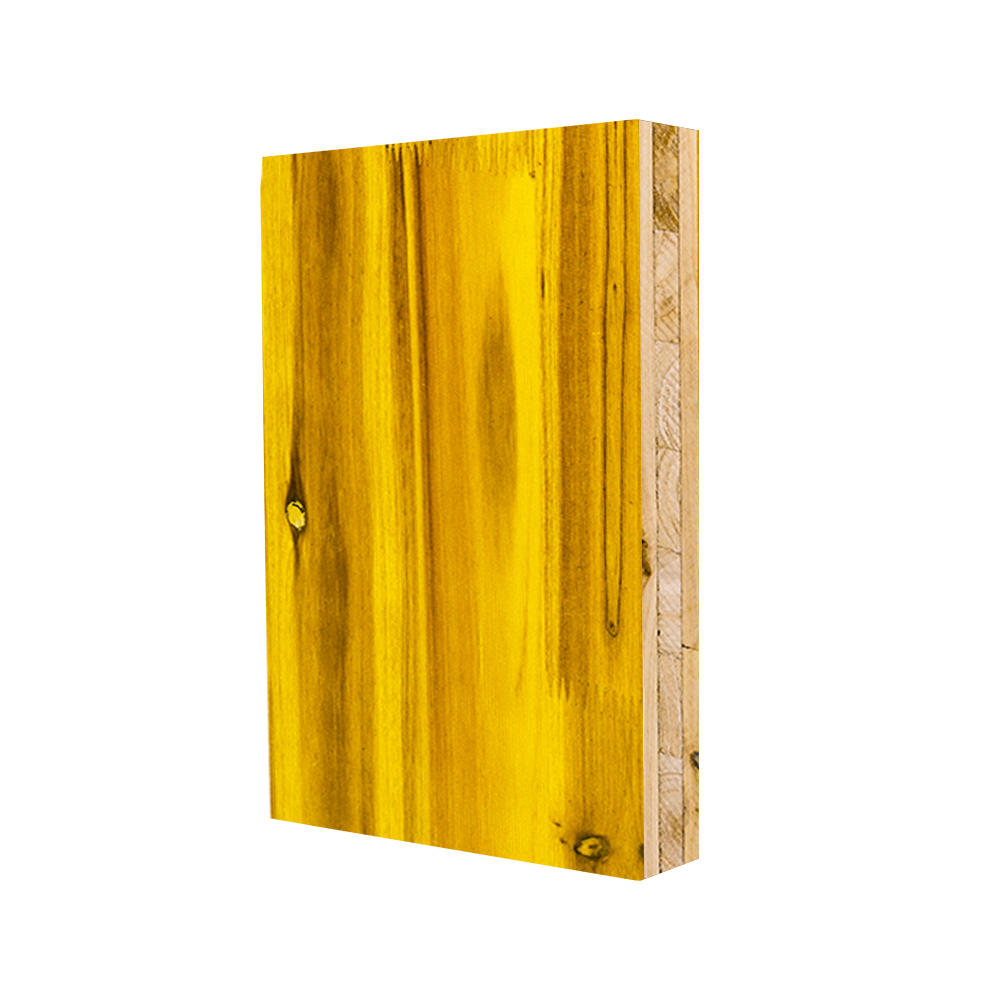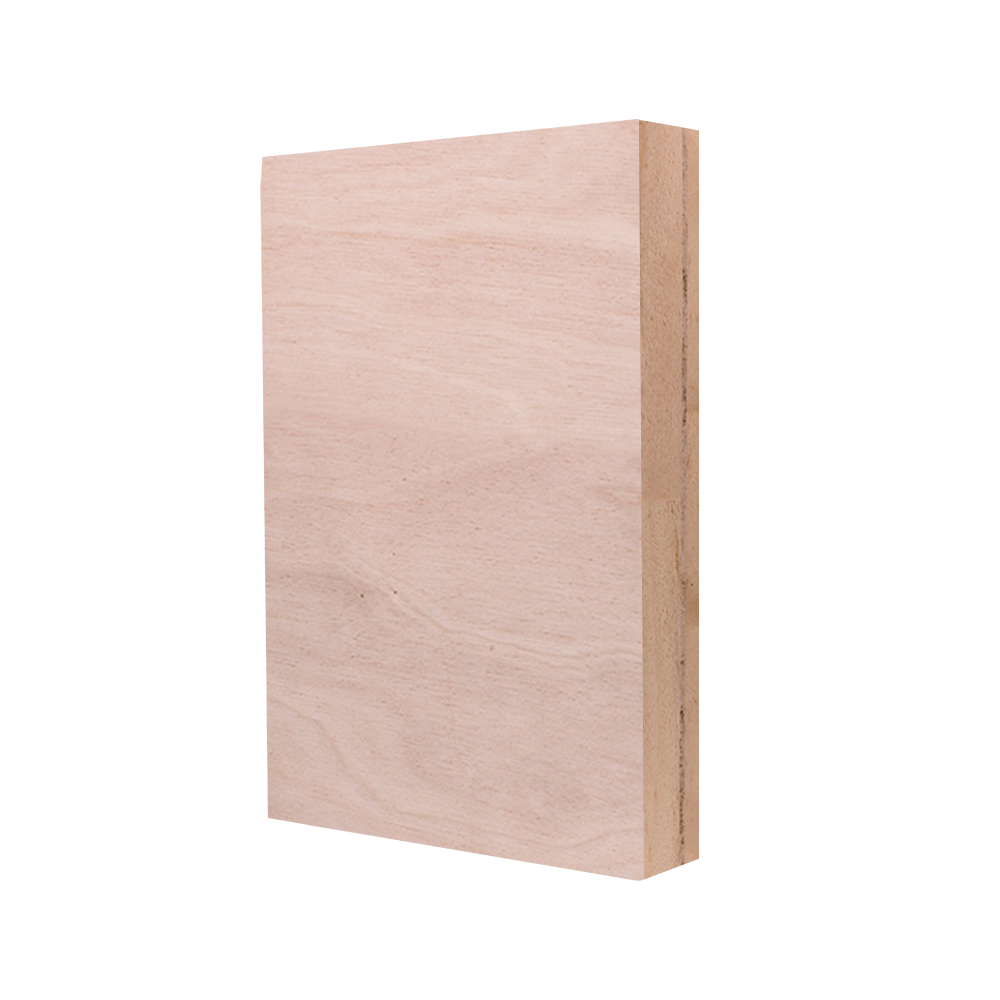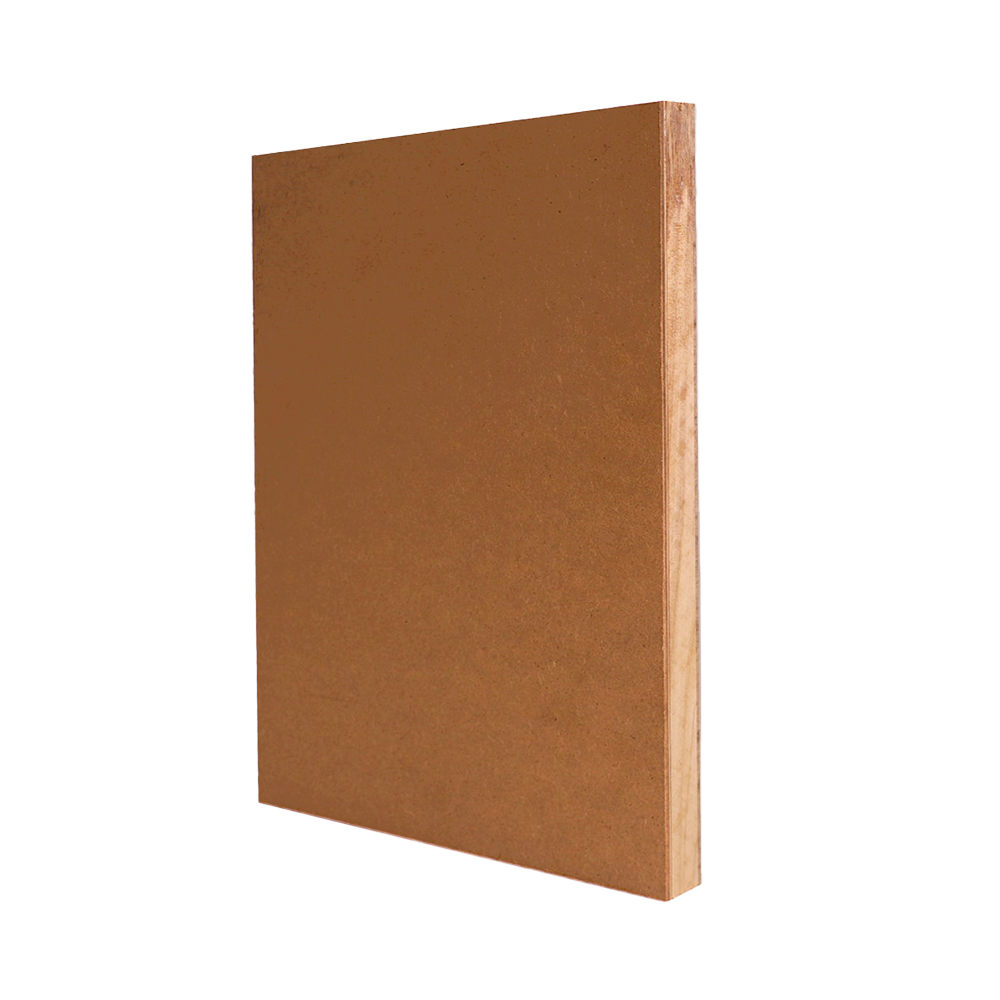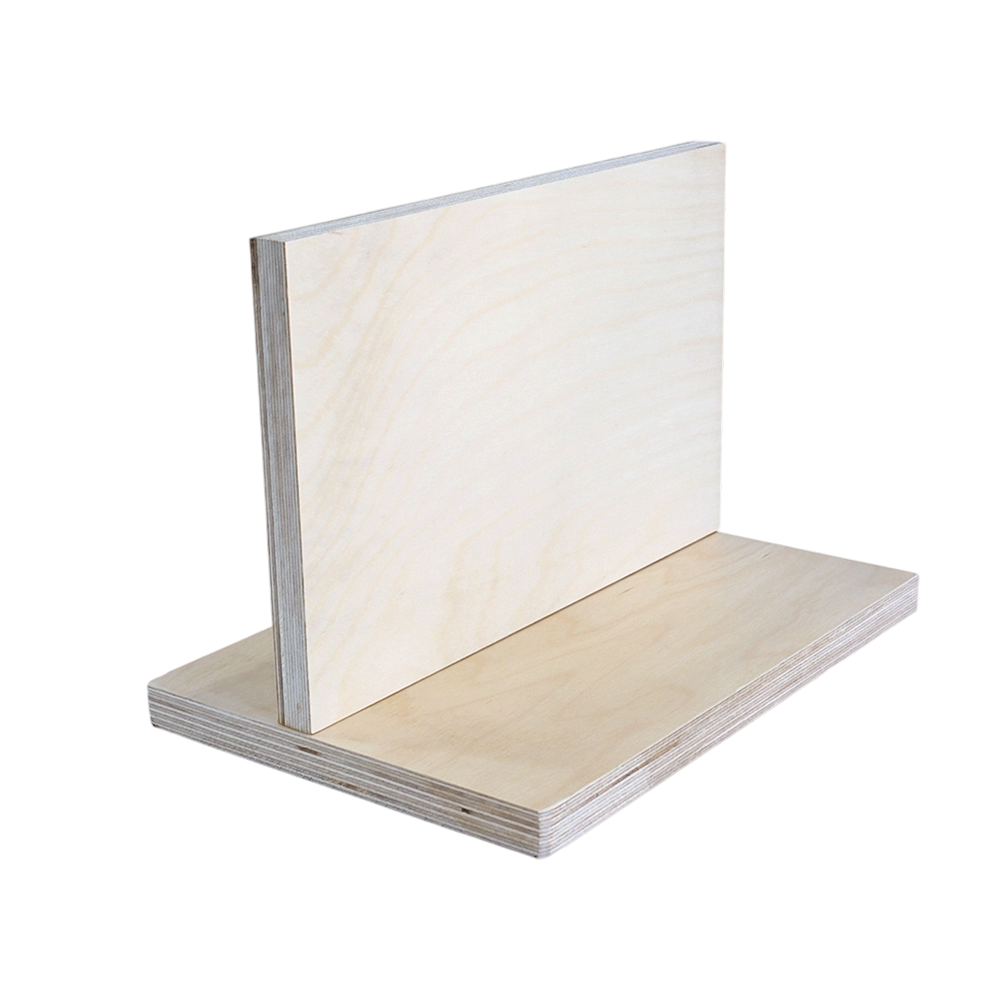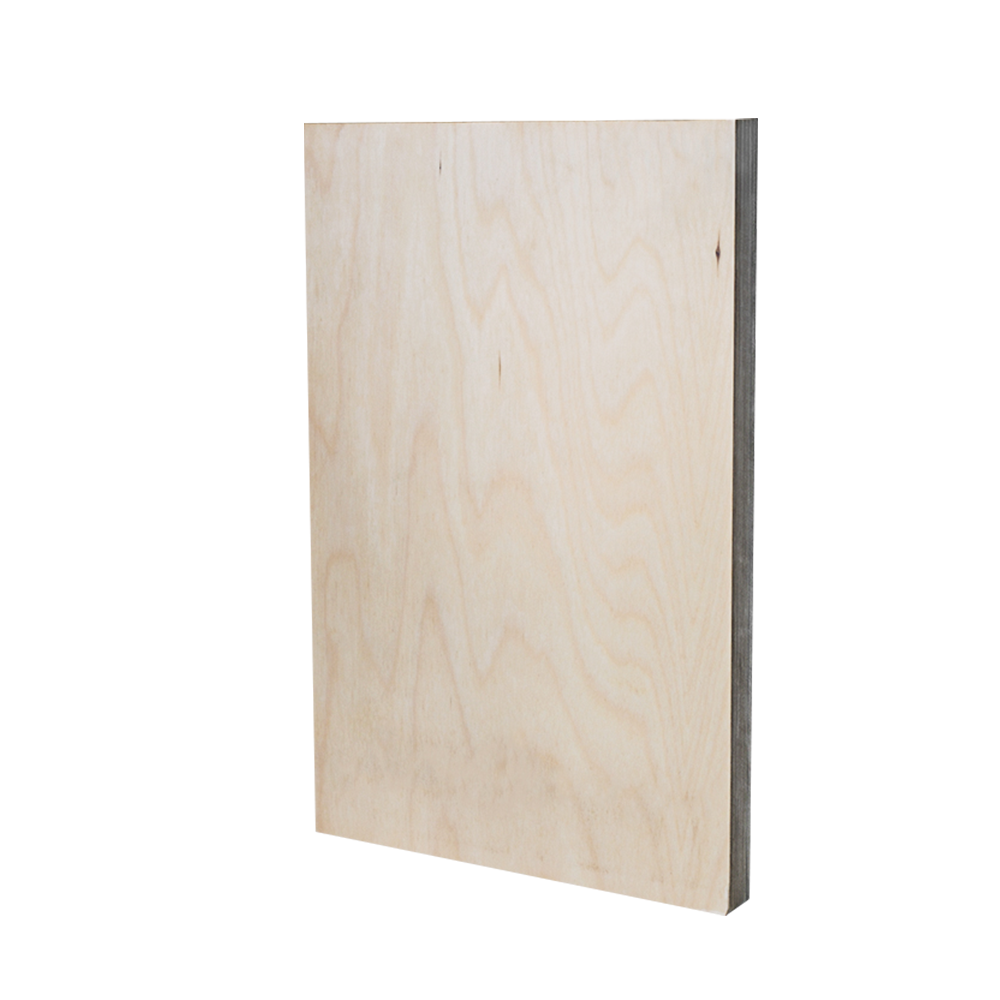

In the fields of high-end woodworking and precision manufacturing, baltic birch plywood has long been the preferred base material for numerous industries due to its exceptional physical properties and structural stability. This material, characterized by its full birch core construction and extremely high density, far exceeds ordinary panels in terms of stability, screw-holding power, and resistance to deformation.
The reason birch ply stands out among many wood substrates lies in its unique layering process. Unlike traditional poplar or eucalyptus core materials, high-standard baltic birch utilizes a solid wood core where every single layer is birch. This means that at the same thickness, it possesses more layers, which greatly enhances the shear strength and tensile performance of the board.
Typically, boards above 12mm utilize a structure of 9 layers or more. This high-density cross-lamination not only ensures an aesthetically pleasing cross-section but also solves the industry challenge of boards being prone to warping and deformation in complex climatic environments. For equipment bases and support components requiring high-strength pressure bearing or precision cutting, its physical performance redundancy provides a very high safety factor.
In practical engineering applications, birch plywood 18mm is one of the most frequently used specifications. It achieves a balance between self-weight and strength, being widely applied in heavy-duty cabinet chassis, professional-grade speaker enclosures, and laboratory furniture countertops.
Below is a comparison of typical parameters between 18mm specifications and ordinary plywood:
| Technical Parameters | birch plywood 18mm (Premium) | Ordinary Commercial Plywood (18mm) |
| Layers | 13 Layers | 7-9 Layers |
| Average Density | Approx. 680-720 kg/m³ | Approx. 500-550 kg/m³ |
| Adhesive Standard | WBP (Phenolic Glue) | MR (Urea-Formaldehyde Glue) |
| Thickness Tolerance | ±0.3mm | ±0.8mm - 1.0mm |
| Screw Holding Power (Face) | Above 1400 N/mm² | Around 900 N/mm² |
As seen through the comparison, the advantage of baltic birch in the number of layers directly translates into a uniform distribution of internal stress within the panel. Even in extremely dry or humid environments, its dimensional change rate is far lower than the industry average.
In the fields of precision model manufacturing, acoustic backboards, and high-end packaging, 3mm birch plywood demonstrates another range of possibilities for the material. Ultra-thin thickness requirements necessitate that the raw material must possess extremely high flatness and minimal voids.
Because baltic birch employs rigorous rotary cutting and selection processes, its core layers have almost no overlaps or gaps. This allows 3mm birch plywood to avoid laser focus deviation or severe carbonization of cutting edges during laser cutting or CNC machining caused by internal voids. For various components requiring a fine texture appearance, the surface grade of this board can usually reach B/BB level, meaning both sides are almost free of repairs or knots, and can be directly coated with water-based paint or clear varnish after sanding.
In current production systems, purchasing raw boards (usually 1525mm x 1525mm or 1220mm x 2440mm) often requires significant subsequent cutting work. To improve material utilization and reduce processing errors, birch ply cut to size services have become a core link in improving supply chain efficiency.
Utilizing industrial-grade precision panel saws or CNC machining centers for birch ply cut to size can control cutting errors within ±0.2mm. For baltic birch plywood, due to its high hardness, professional cutting equipment must be paired with specific carbide saw blades to prevent chipping on the cut surface. Accurate pre-cutting not only reduces waste output at the factory end but also ensures seamless connection during the subsequent assembly of structural parts.
When selecting birch ply, in addition to focusing on thickness, it is necessary to clarify the surface grade requirements of the application scenario:
B Grade (Grade I): The highest grade, the surface is nearly perfect, suitable for transparent coating.
BB Grade (Grade II): Allows a small number of "butterfly patches" (wood patches), often used for birch plywood 18mm components that require veneers or dark spray painting.
CP Grade (Grade III): Mainly aimed at structural parts, allowing more natural knots, suitable for hidden internal support frames.
Whether it is the high-strength birch plywood 18mm or the precision-grade 3mm birch plywood, the core value lies in the pursuit of "consistency." By strictly implementing ISO9001 quality management systems and international certification standards, high-quality baltic birch plywood ensures that the density, moisture content, and environmental protection levels (such as E0 or Carb P2) of every batch are in a controlled state. This reliability makes birch ply an irreplaceable high-performance substrate in the global industry.
related products


Copyright © Tianma Lvjian Group Co., Ltd. Rights Reserved.
Wholesale Construction Plywood Manufacturers Privacy
 English
 中文简体
中文简体