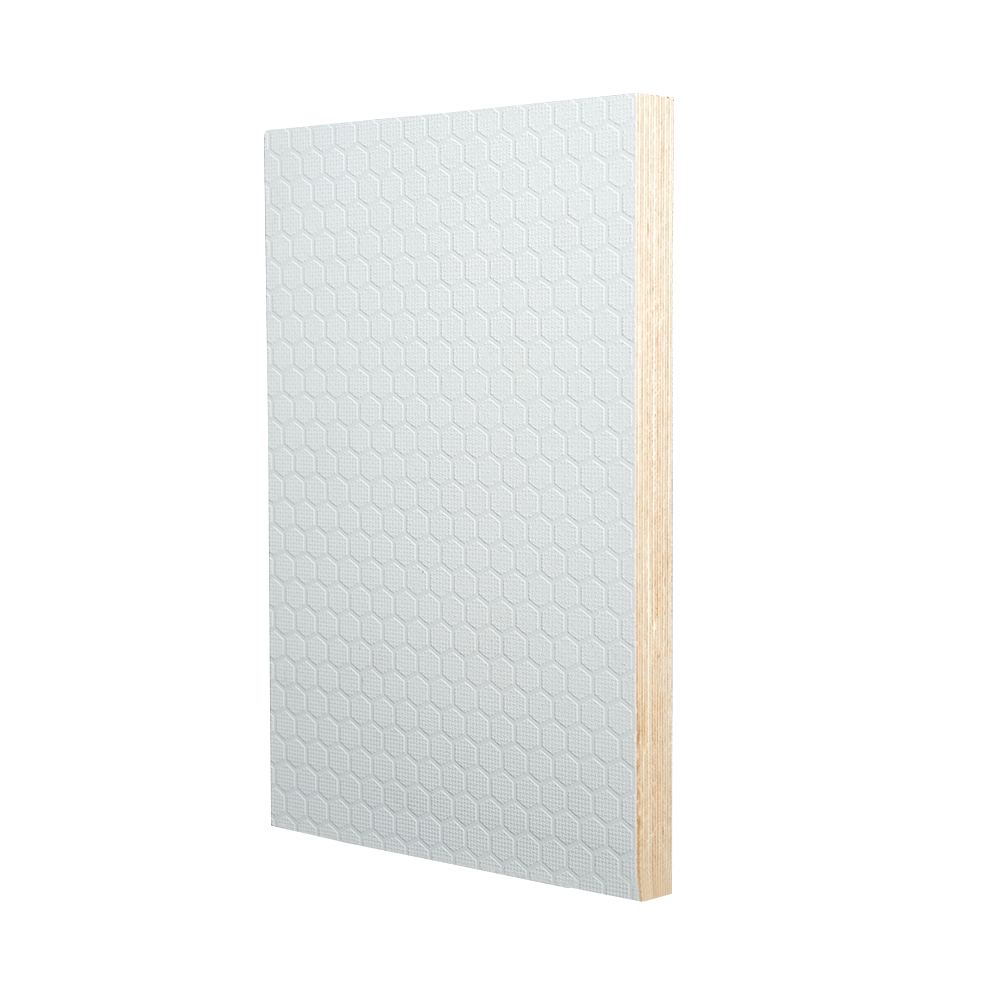
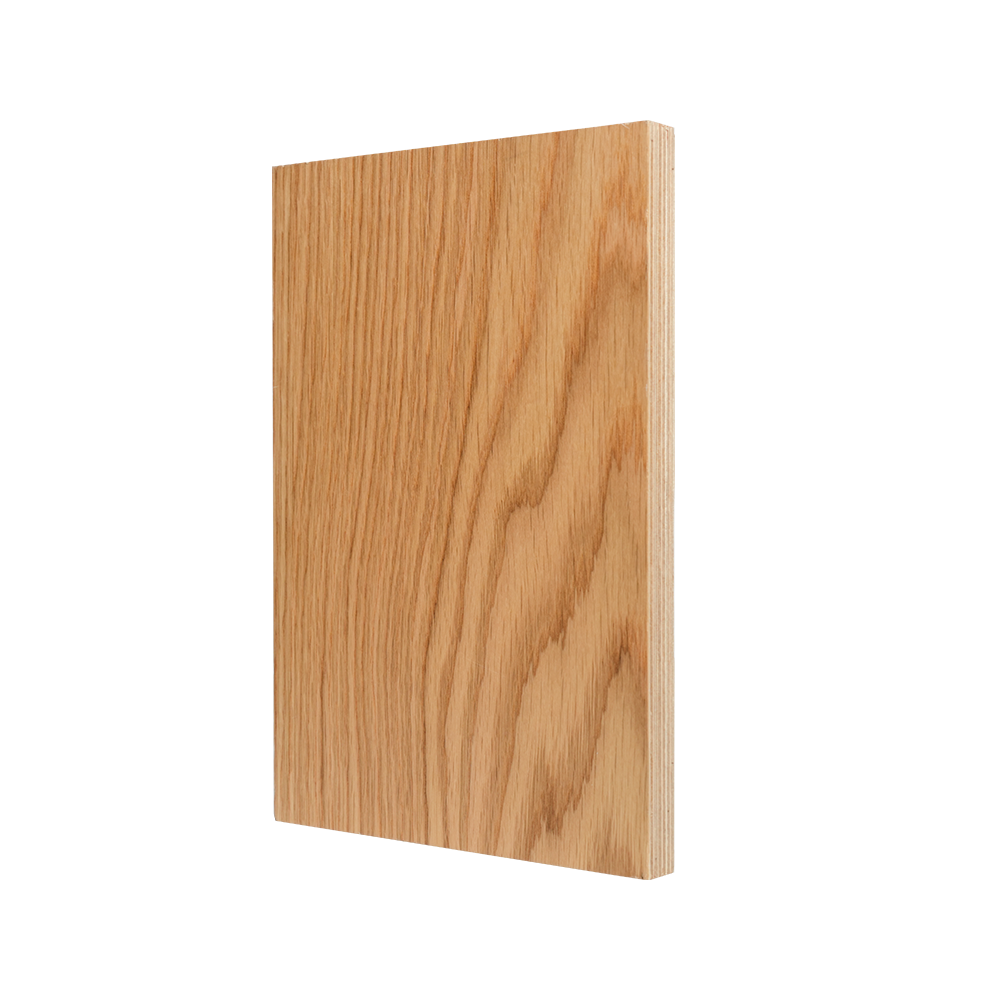
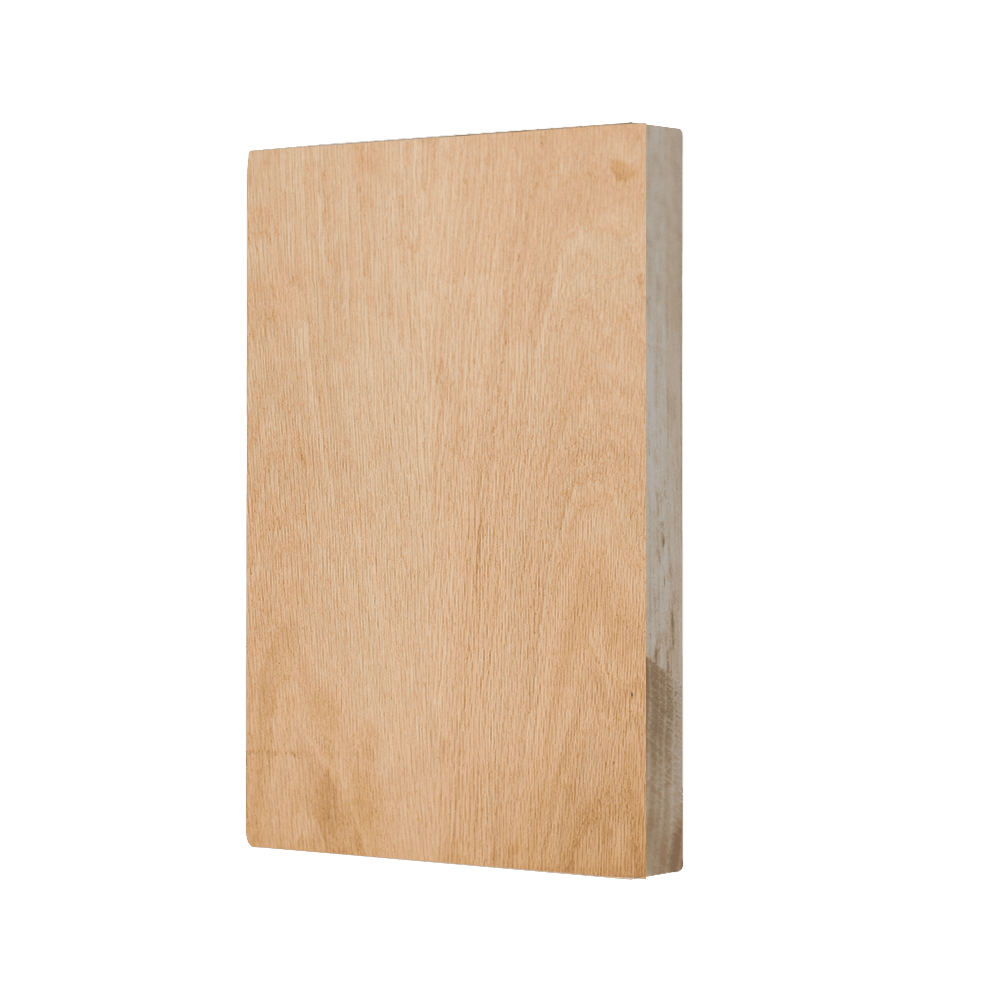
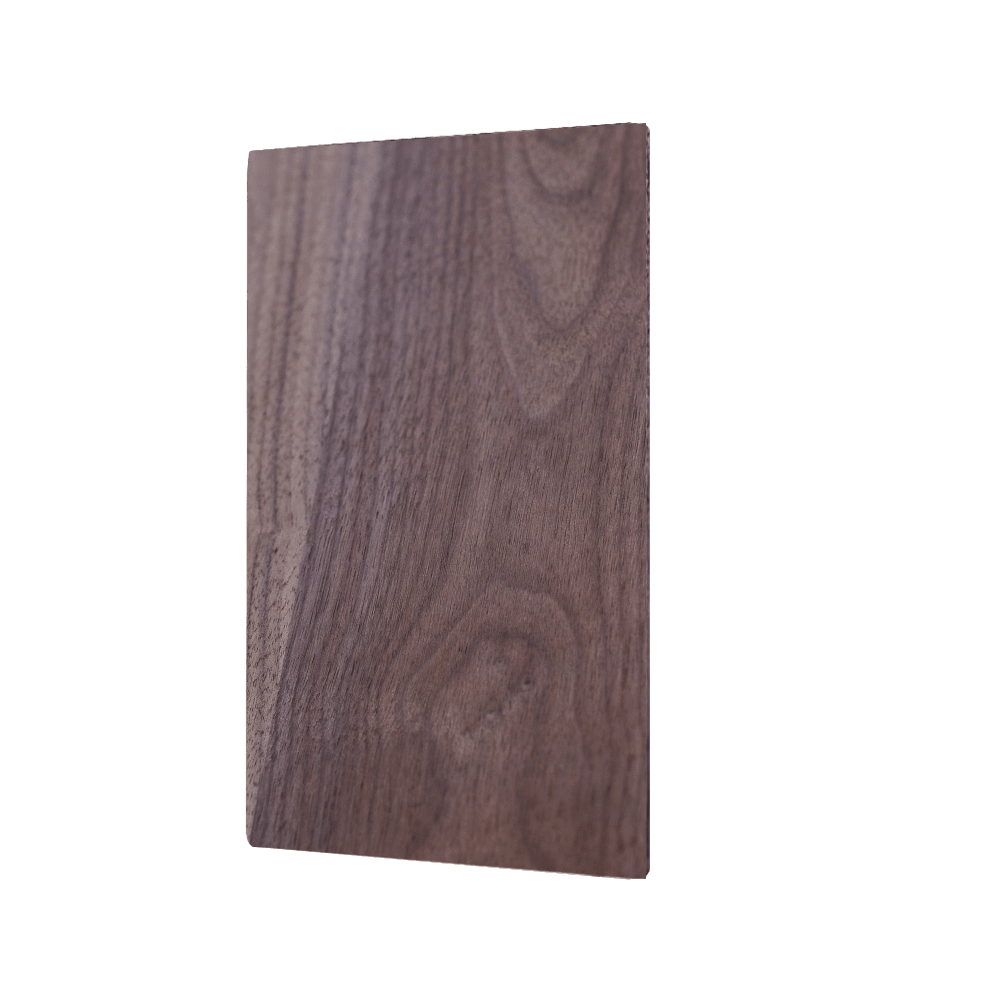
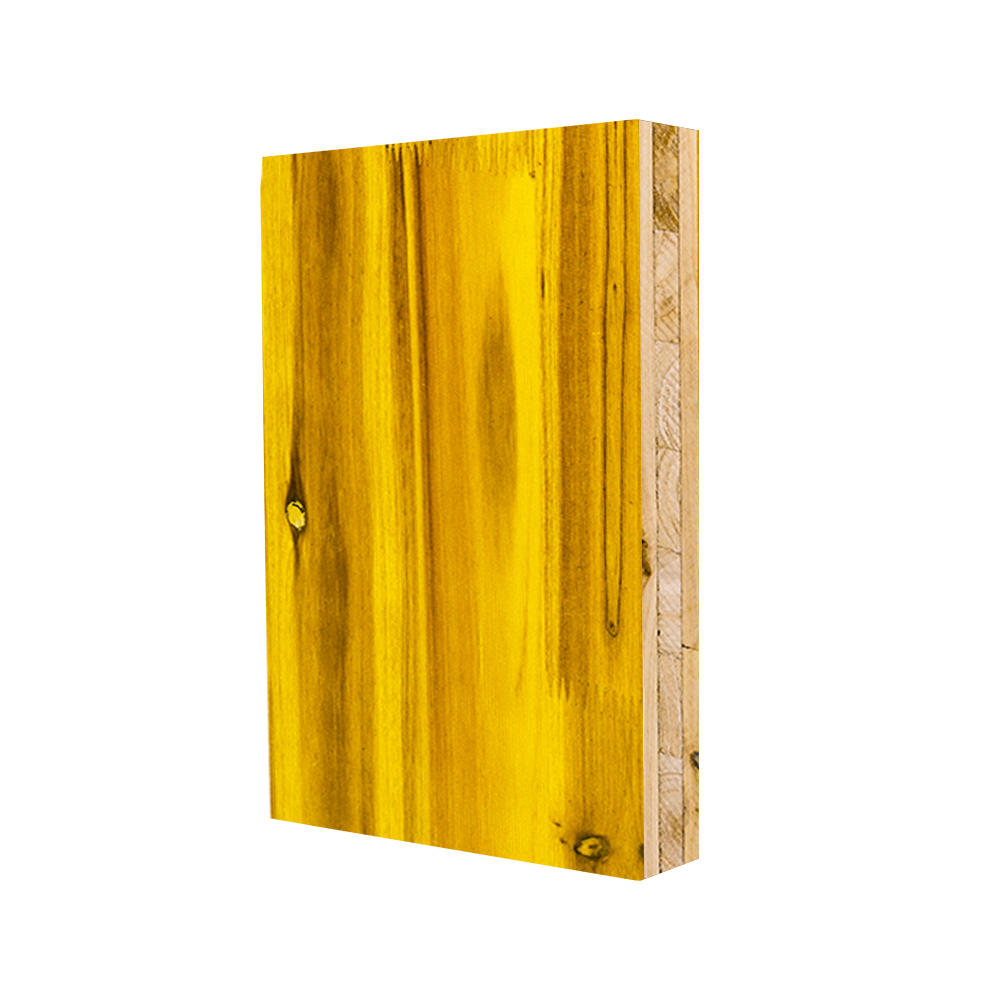
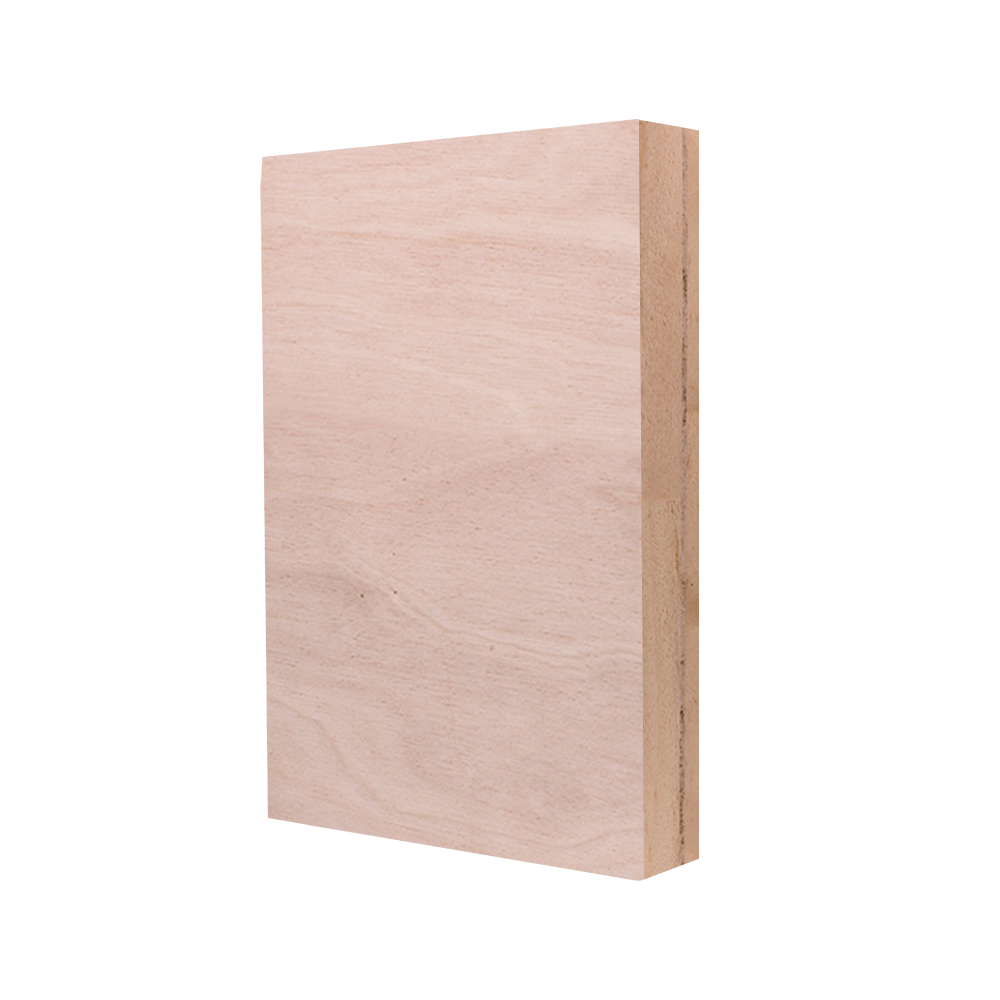
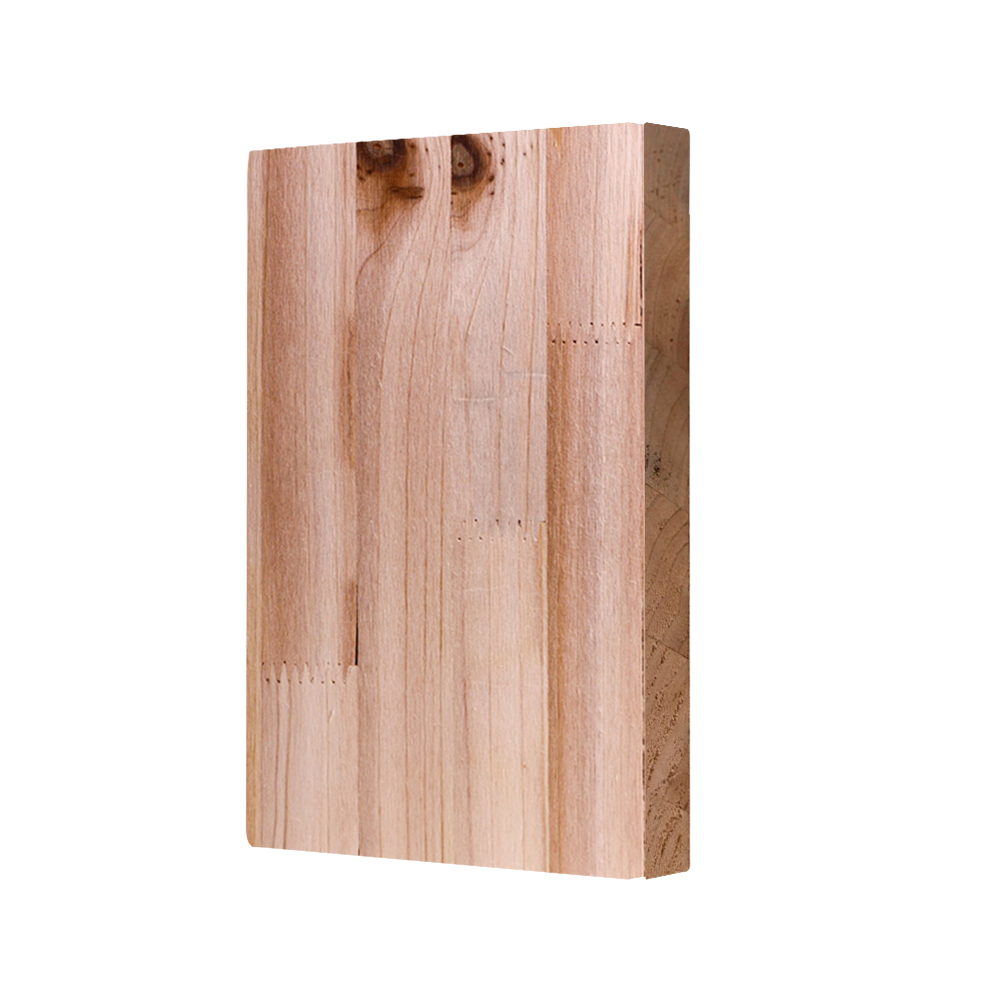
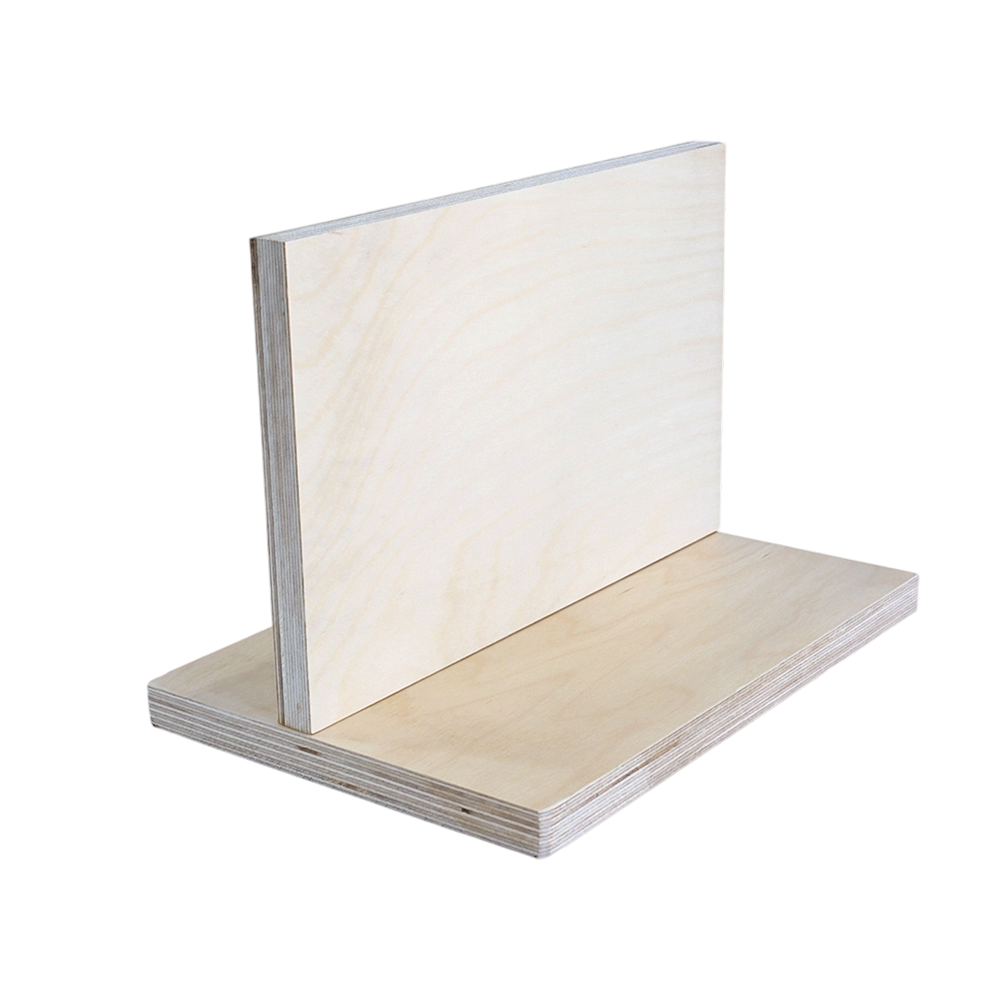
Block Board furniture is widely used in modern homes and offices due to its excellent stability, durability, and aesthetic appeal. However, no matter how high-quality the furniture is, its lifespan can be significantly shortened without proper maintenance and care. To ensure that Block Board furniture remains in top condition over time, here are some effective maintenance and care methods.
Regular Cleaning of Block Board Furniture
Block Board furniture is typically coated with a protective layer to prevent moisture, scratches, and stains from damaging the wood. To maintain the appearance and extend the service life of your furniture, regular cleaning is essential.
Cleaning Tools and Methods:
- Clean, Soft Cloth: Avoid using rough fabrics or sponges that can scratch the surface of the Block Board. Microfiber cloths work well for cleaning.
- Warm Water and Mild Detergent: Light stains can be cleaned with warm water and a small amount of neutral detergent. Avoid using strong acidic or alkaline cleaners, as they may damage the wood surface.
- Avoid Excessive Moisture: Ensure that the cloth is not too wet when cleaning, as excessive moisture can seep into the Block Board, causing it to swell or warp.
Important Considerations:
- Avoid frequently wiping the wood surface with water, as moisture buildup can cause the wood to swell, warp, or develop mold.
- Avoid using harsh chemical solvents or strong acids during cleaning, as these substances may corrode the wood and cause fading or damage.
Preventing Moisture Damage
Although Block Board furniture is relatively moisture-resistant, prolonged exposure to humidity can lead to deformation and rotting of the wood. Therefore, controlling indoor humidity is crucial.
Controlling Indoor Humidity:
- Use Air Humidity Regulators: Air conditioners or dehumidifiers can help regulate indoor humidity, especially in damp seasons or areas with high humidity.
- Maintain Ventilation: Keeping the indoor space well-ventilated, especially during rainy days or in damp seasons, helps reduce the impact of moisture on the furniture.
- Avoid Direct Contact with Water: Keep Block Board furniture away from water sources, such as balconies or bathrooms, where moisture levels are high.
Moisture Prevention Tips:
- If your furniture has become damp, let it dry in a well-ventilated area. Never expose it to direct sunlight, as this may cause the wood to crack.
- Regularly check the underside and joints of furniture in damp environments to detect and address any moisture-related issues promptly.
Avoiding High Temperatures and Direct Sunlight
High temperatures and direct sunlight are common causes of damage to Block Board furniture. Long-term exposure to strong sunlight can cause fading of the wood surface, and excessive heat may even lead to cracking.
Preventing High Temperatures and Sunlight Exposure:
- Avoid Placing Near Heat Sources: Do not place Block Board furniture near radiators, air conditioning vents, or other heat sources.
- Shade Sunlight: Use curtains or blinds to block direct sunlight from hitting your furniture, especially during the stronger sun of summer.
Protection Tips:
- During hot and sunny days, cover your furniture with protective cloths or use shading to prevent sun exposure.
- Apply furniture wax or protective oils to delay fading and maintain the appearance of the wood.
Preventing Scratches and Wear
The surface of Block Board furniture can easily be scratched or scuffed, especially on frequently used furniture. To minimize damage, take appropriate protective measures.
Preventing Scratches:
- Use Tablecloths or Scratch Pads: Place tablecloths or scratch pads on top of Block Board tables or work surfaces to protect the surface from friction.
- Avoid Sharp Objects: Ensure that sharp objects or hard materials do not come into direct contact with the furniture surface, especially in households with children, where toys and tools may be placed on the furniture.
- Check Furniture Leg Pads Regularly: Ensure that the furniture leg pads are intact and in good condition to reduce friction with the floor.
Protection Tips:
- When placing books, documents, or other items on the table, use a protective material underneath to reduce wear and tear.
- For frequently used furniture, especially chairs and sofas, inspect for signs of wear and tear and repair them promptly.
Repairing Furniture Damage Promptly
Over time, minor scratches, cracks, or paint chips may occur on Block Board furniture. These damages should be repaired promptly to prevent further deterioration of the furniture's appearance and structural integrity.
Repair Suggestions:
- Shallow Scratches: Minor surface scratches can be repaired with a wood repair marker or wax filler. Simply fill the scratch and wipe off excess with a clean cloth.
- Cracks: For deeper cracks, apply specialized wood glue, press the crack together, and allow it to dry. Once dry, smooth the surface and apply finishing touches.
- Paint Chips: For chipped paint, use matching wood paint to cover the damaged area, ensuring a seamless color match with the original surface.
Periodic Usage and Care for Furniture Not in Use
If Block Board furniture is not used for a long period, it may cause the structure to loosen or the surface to oxidize. Even when temporarily unused, regular maintenance and inspection are important.
Usage Tips:
- Regularly Move and Clean: Even if the furniture is not in use, clean it regularly to avoid dust buildup, which can harm the wood surface.
- Apply Wax Periodically: Every few months, apply a layer of furniture wax to protect the surface and prevent cracking.




 Privacy
 English
 中文简体
中文简体