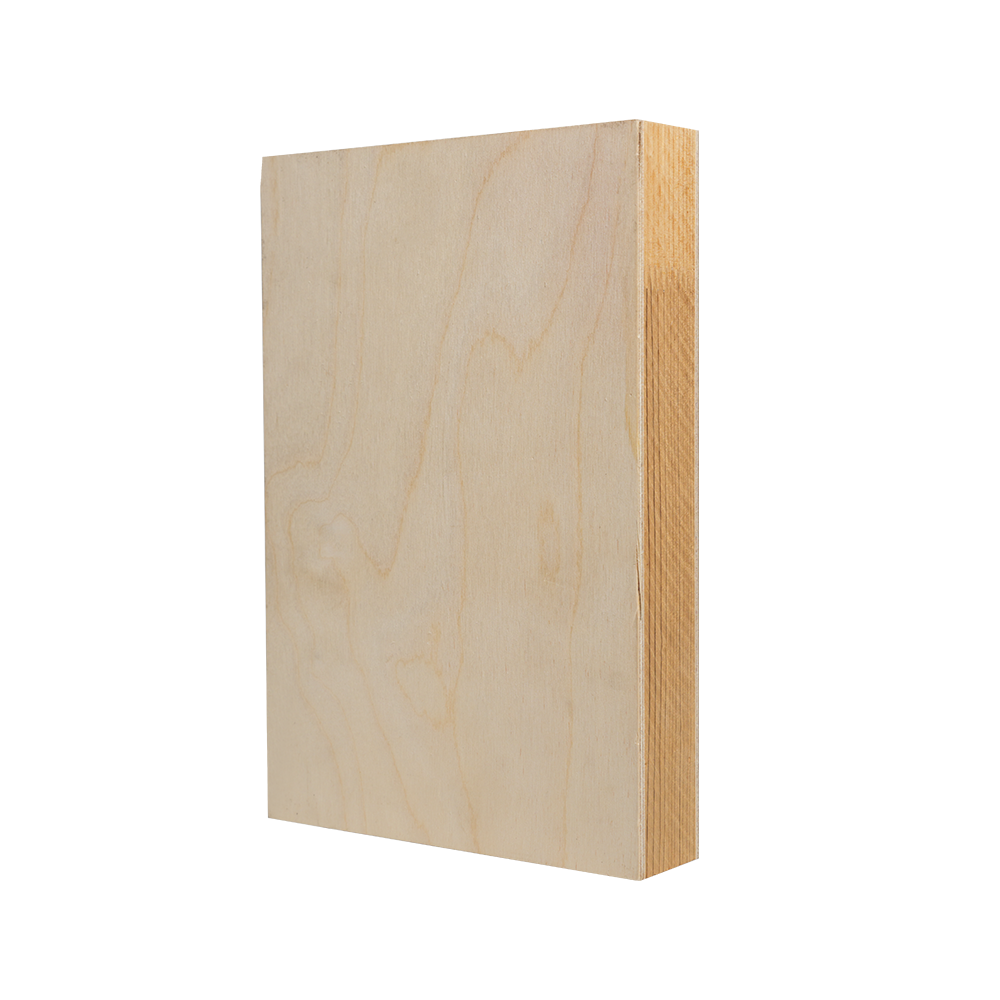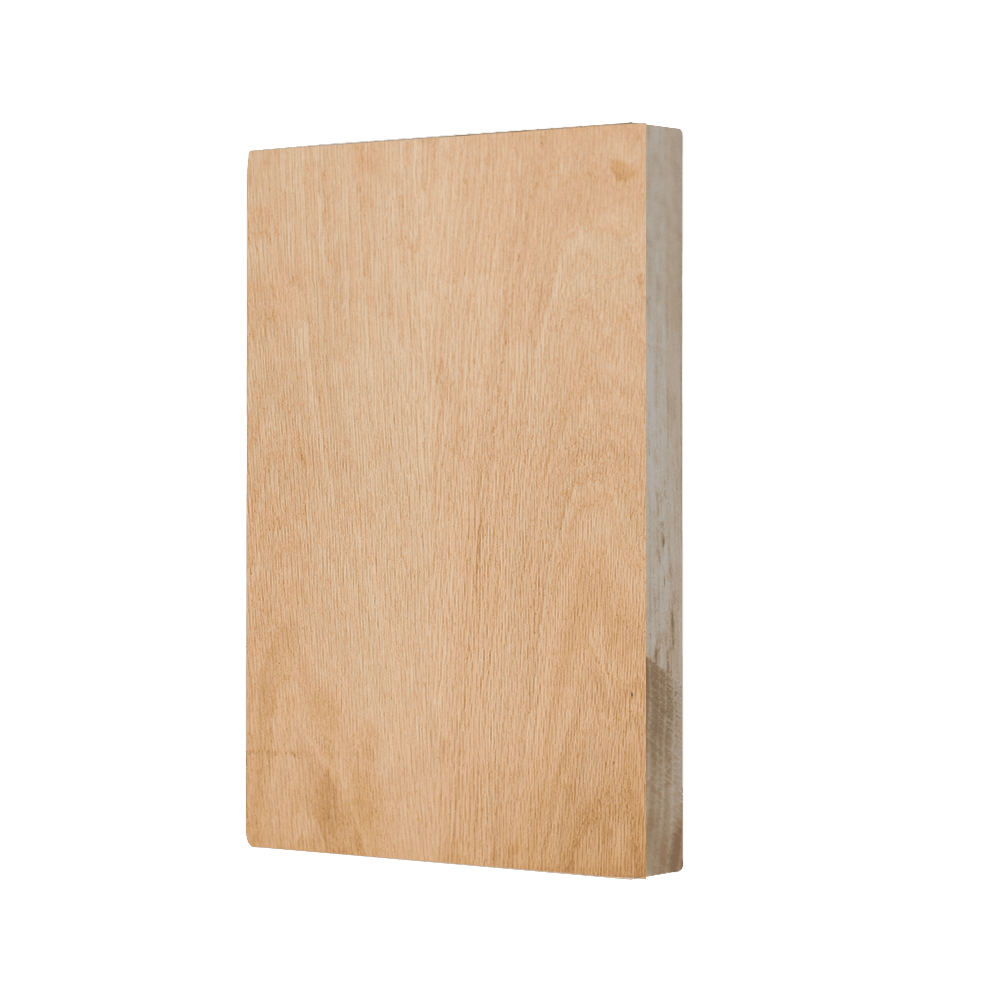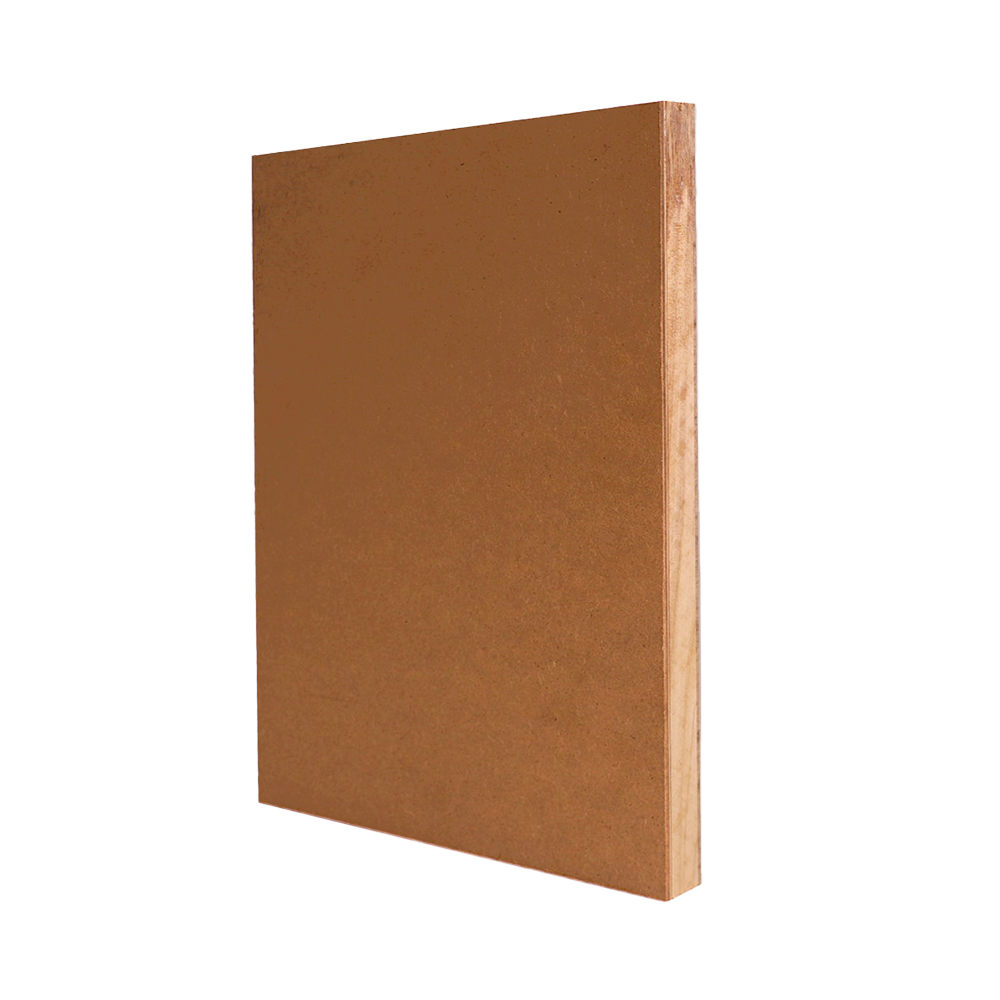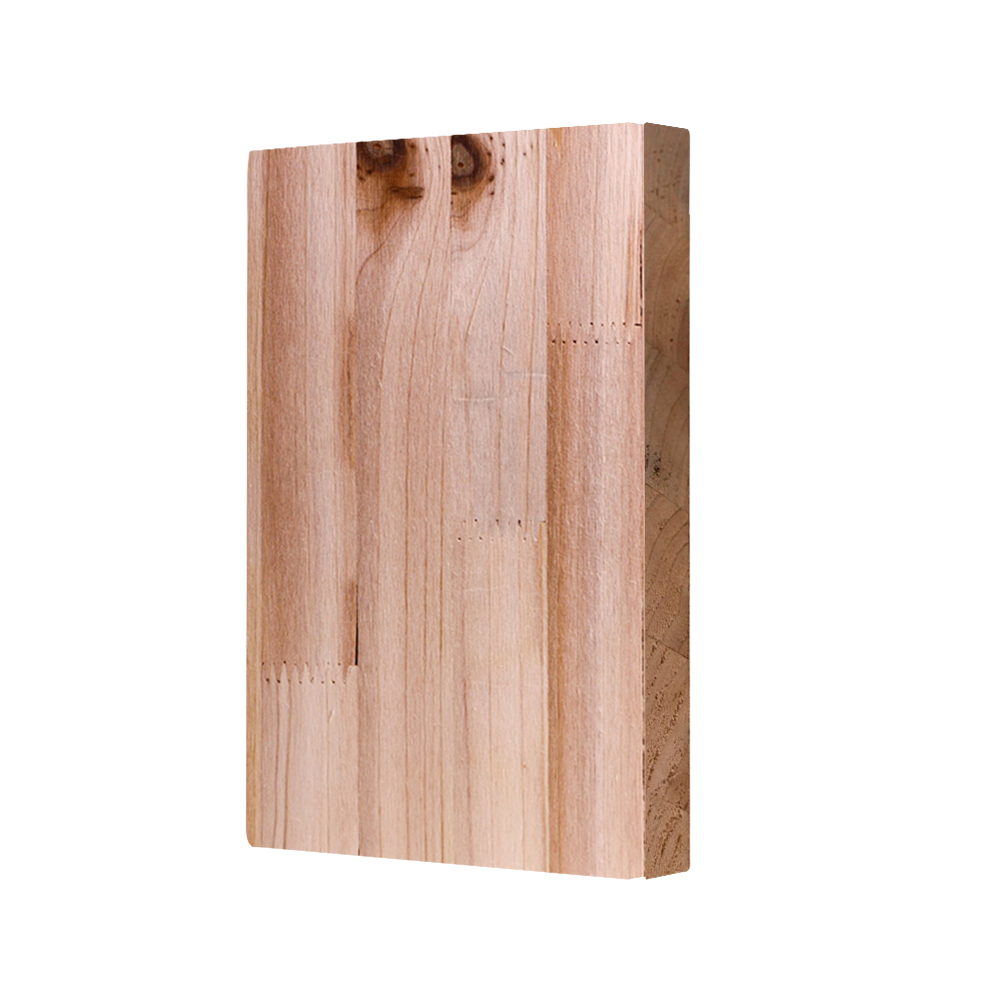

In modern civil engineering and structural construction, construction plywood is a critical base material whose performance directly affects the stability of formwork systems and the surface quality of concrete pours. To ensure safety and cost control during construction, it is essential to have a deep understanding of the physical properties, specification selection, and construction application standards of construction ply.
construction shuttering plywood is primarily used for the molding of concrete components. Its core physical performance depends on the adhesive strength of the veneers, the density of the wood, and the wear resistance of the film-coated paper. High-quality construction plywood typically uses high-strength phenolic resin adhesives, which provide strong water resistance and allow the structural integrity to be maintained in damp pouring environments.
In engineering practice, 18mm construction ply is currently the most widely used thickness standard. This specification achieves an ideal balance between stiffness and self-weight. For formwork systems with large spans, construction plywood 18mm can effectively resist the lateral pressure of concrete, significantly reducing structural deformation caused by excessive formwork deflection.
| Parameter Indicators | 15mm Specification | 18mm Specification | 21mm Specification |
| Recommended Span (mm) | 300 - 400 | 450 - 600 | 600 - 900 |
| Mass per Unit Area (kg/m²) | Approx. 9.5 | Approx. 11.5 | Approx. 13.5 |
| Modulus of Deflection (MPa) | 5500 | 6500 | 7500 |
| Bending Strength (N/mm²) | 35 | 45 | 50 |
As shown in the table, construction plywood 18mm possesses extremely high versatility in terms of load-bearing capacity and construction flexibility, making it particularly suitable for multi-story residential and frame structures.
When using construction shuttering plywood for construction, the following technical regulations must be strictly enforced to extend the service life of the material and ensure the quality of concrete molding:
Cutting and Edge Sealing: After processing or cutting construction ply on site, it is mandatory to use special waterproof paint to conduct secondary sealing on the cut edges. If edge sealing is not performed, moisture will quickly penetrate from the cross-section of the core board, leading to swelling and cracking of the edges.
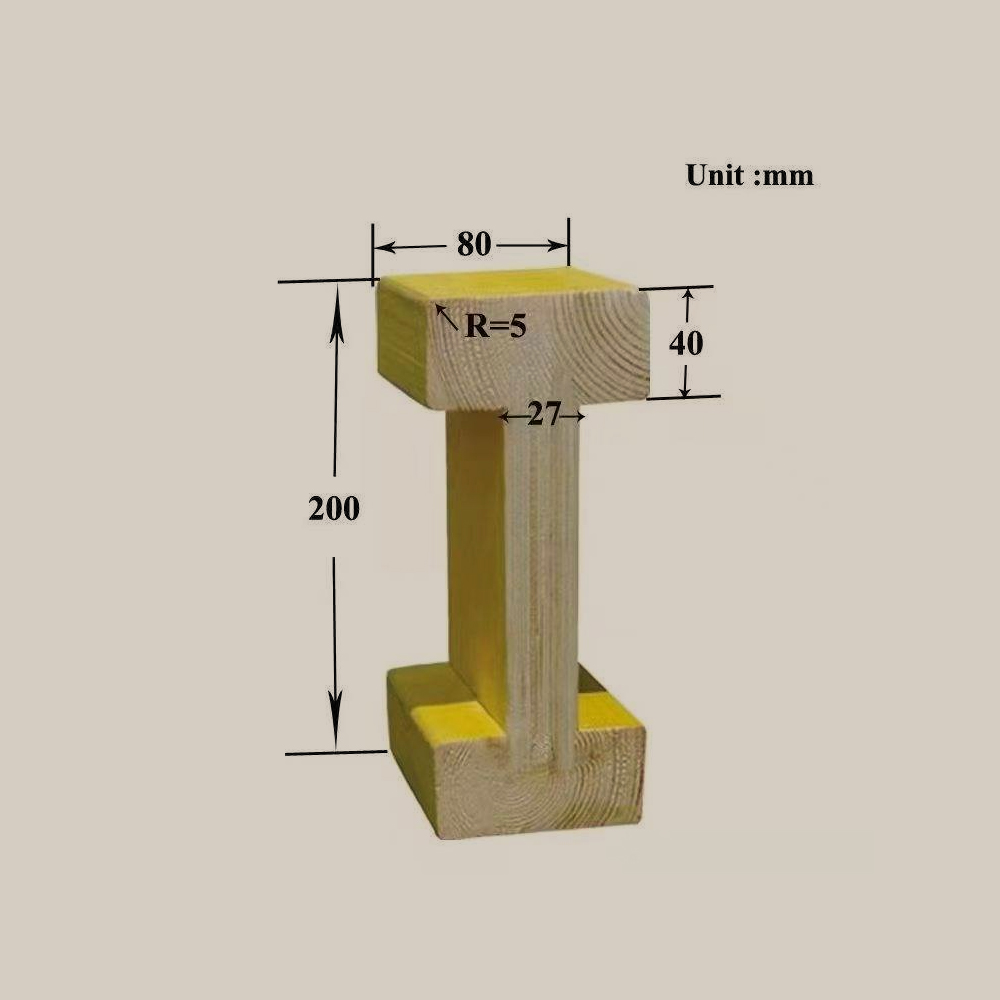
Support Spacing Control: When using construction plywood, the spacing of the joists (backing runners) should be designed according to the board thickness. For 18mm construction ply, when the concrete pouring height exceeds 1 meter, it is recommended to keep the timber spacing between 200mm and 300mm to prevent the "form running" phenomenon during the pouring process.
Standardized Use of Release Agents: Before installation, a water-based release agent should be applied uniformly to the surface of construction plywood 18mm. The use of strong alkaline or mineral oil substances such as waste engine oil is strictly prohibited, as these substances accelerate the aging and corrosion of the formwork film layer.
Demolding Time and Operation: The demolding time should be based on concrete strength rebound data rather than solely on the number of construction days. During operation, it is forbidden to use crowbars to forcibly pry the edges of construction shuttering plywood. Crowbars should be used to pry open gaps, followed by manual removal to ensure the number of turnover cycles of the formwork.
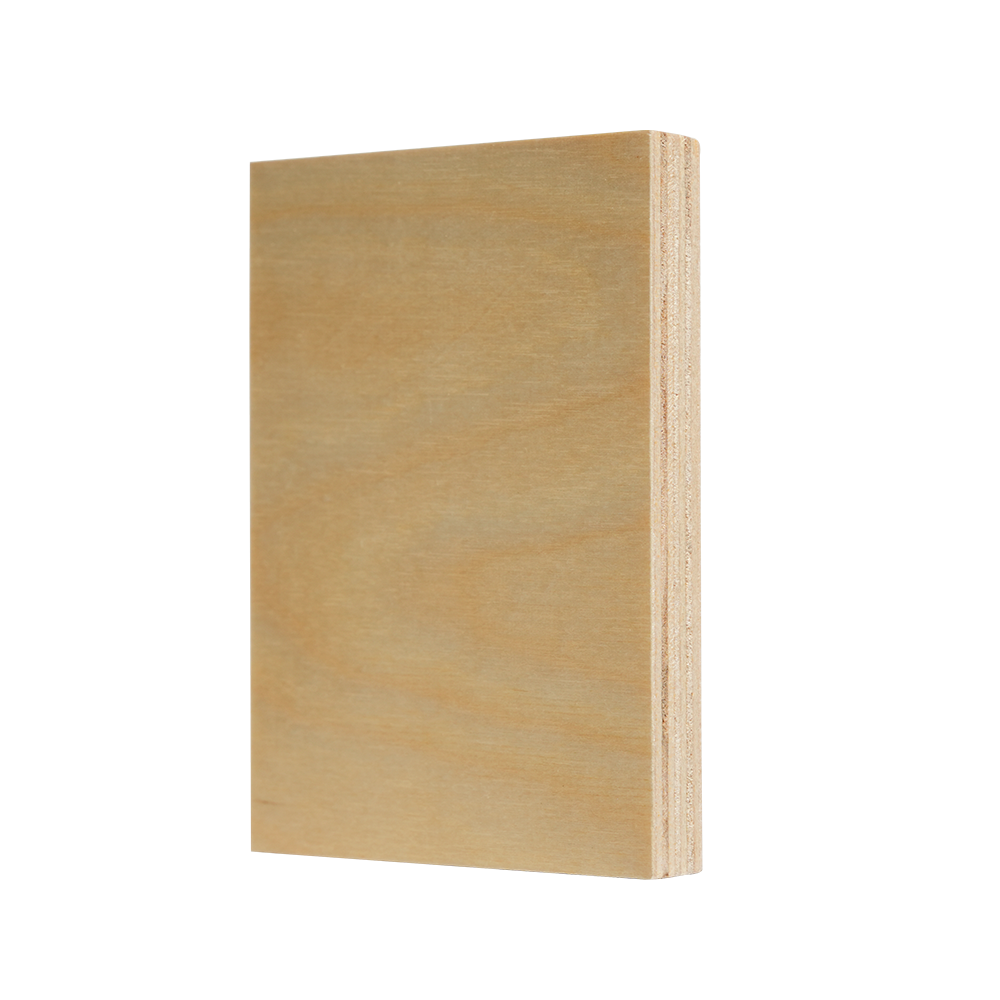
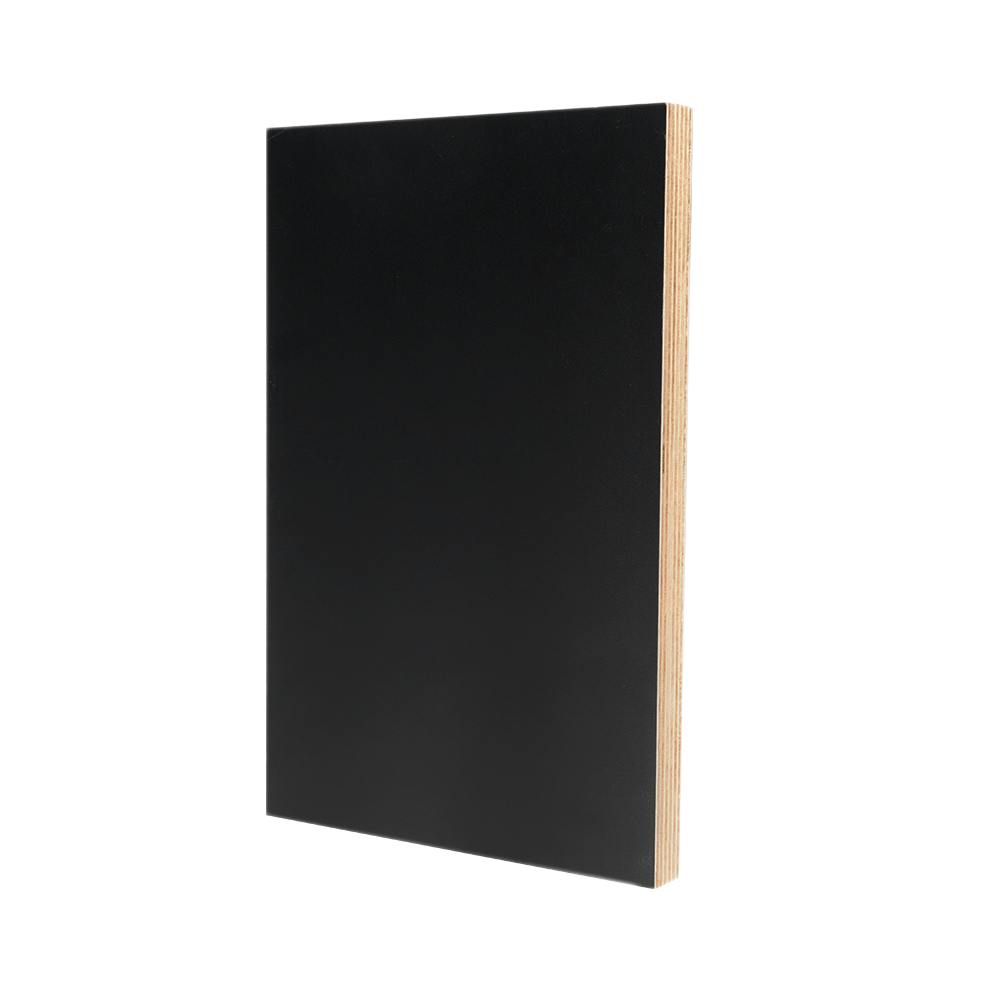
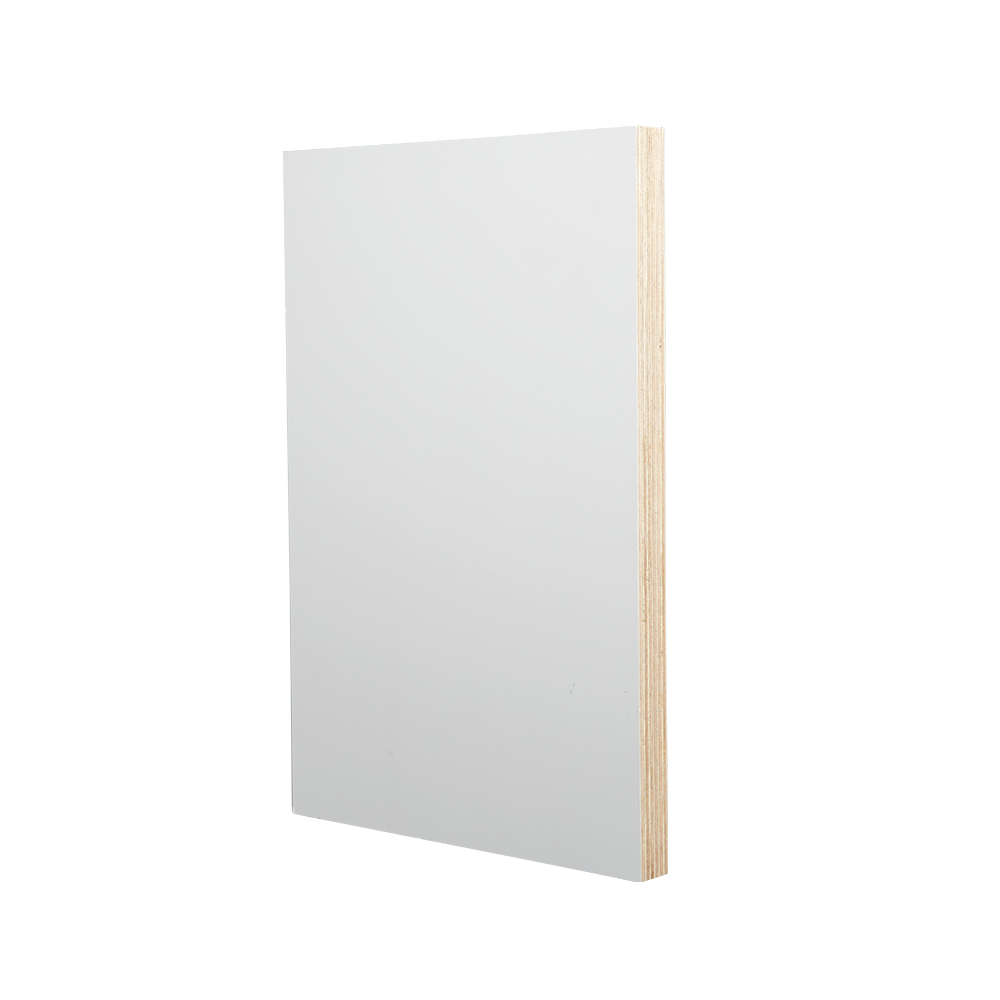
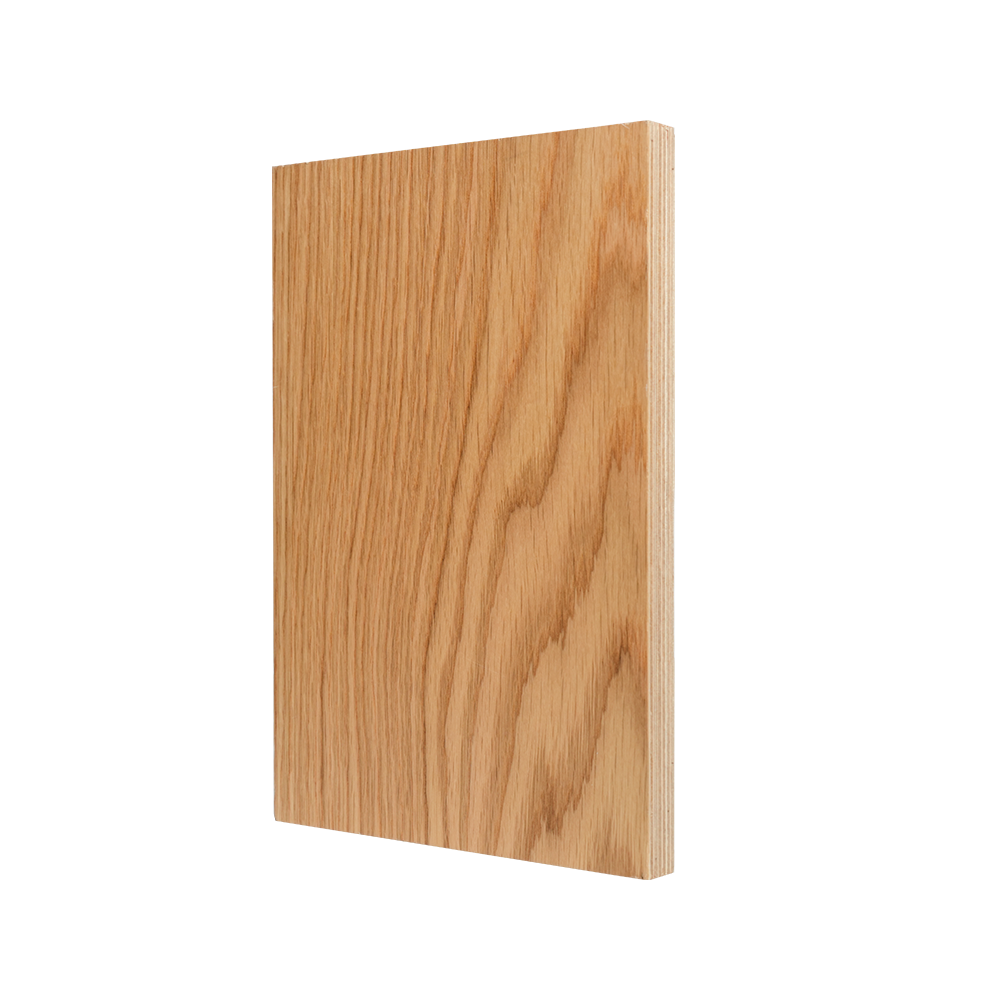
Another core factor affecting the service life of construction plywood is the quality of its core material. High-quality construction ply cores are pressed with whole veneers arranged in alternating layers, which can effectively eliminate internal stress. During procurement, focus on inspecting the end faces of construction plywood 18mm; if there are large gaps between layers or hollow spots, it indicates that it is highly prone to delamination under long-term high-pressure environments.
Under actual complex construction site conditions, construction shuttering plywood must possess sufficient static bending strength to ensure that it still meets the industrial-grade requirements for concrete component smoothness after multiple turnovers. When designing construction schemes, technicians should incorporate the stiffness modulus of the formwork into the calculation model to ensure that when the formwork support system is subjected to concrete impact loads, the deformation is within the permitted range of the project. Through standardized selection and scientific on-site construction maintenance, the usage value of construction plywood can be maximized, ensuring the economic benefits and quality compliance of structural construction.
related products


Copyright © Tianma Lvjian Group Co., Ltd. Rights Reserved.
Wholesale Construction Plywood Manufacturers Privacy
 English
 中文简体
中文简体