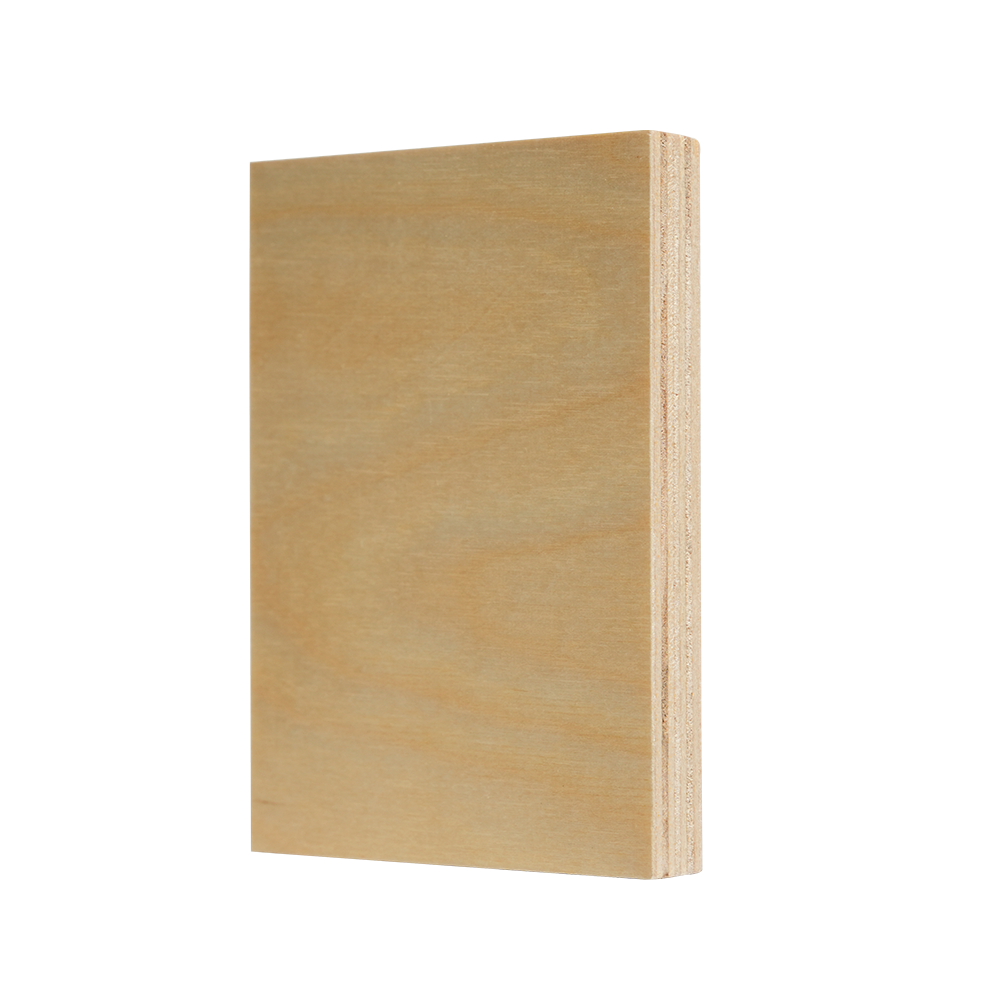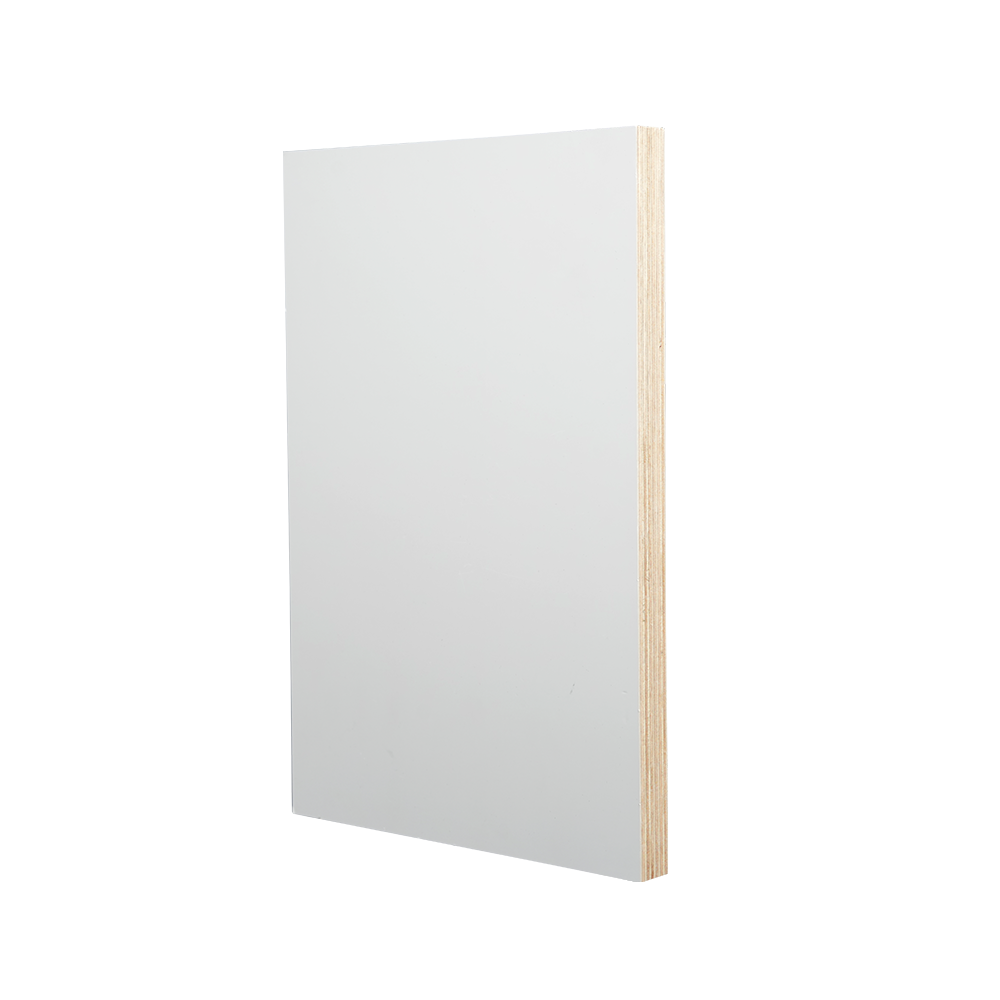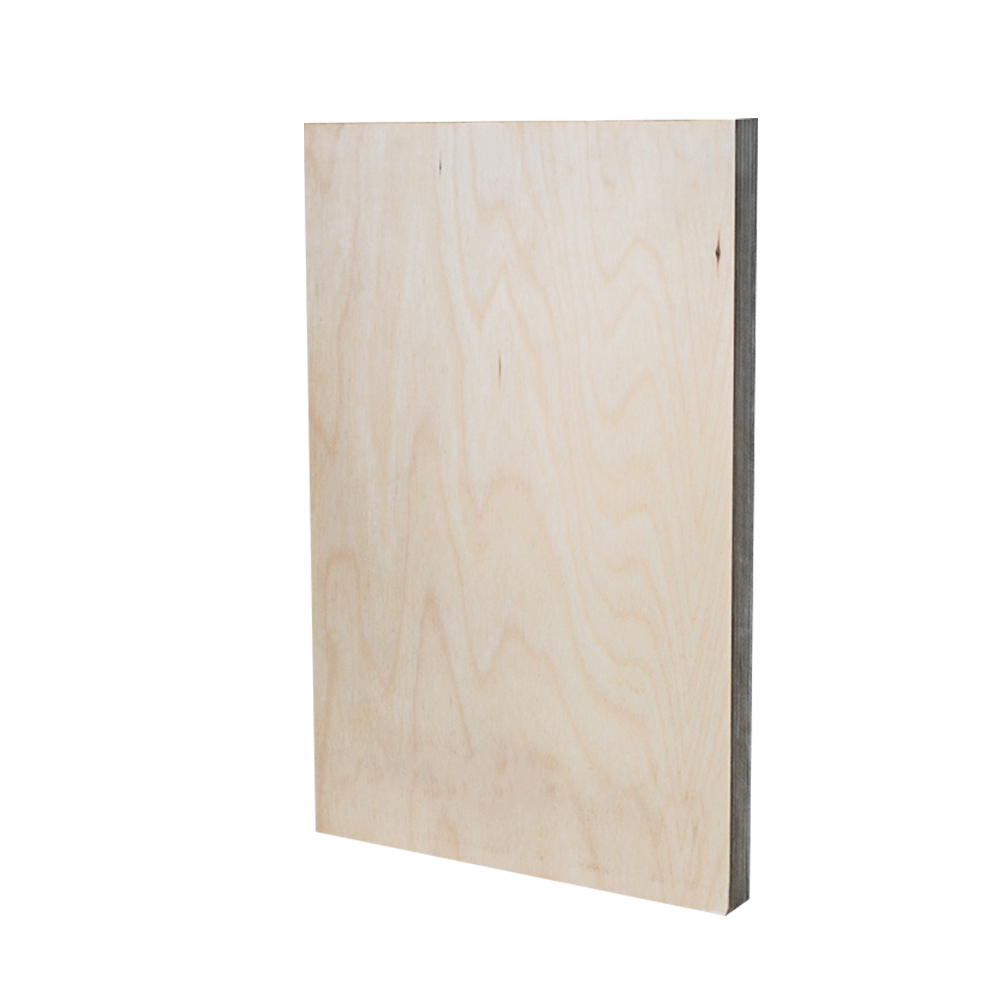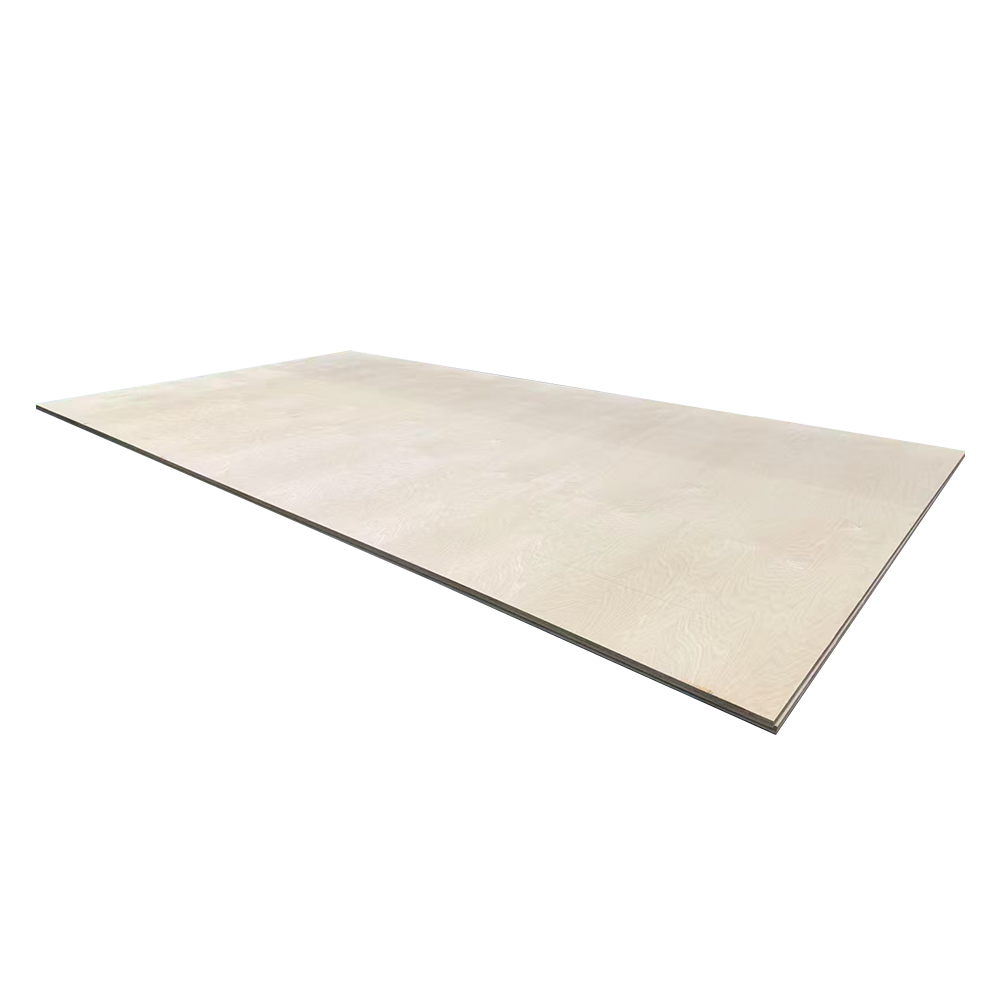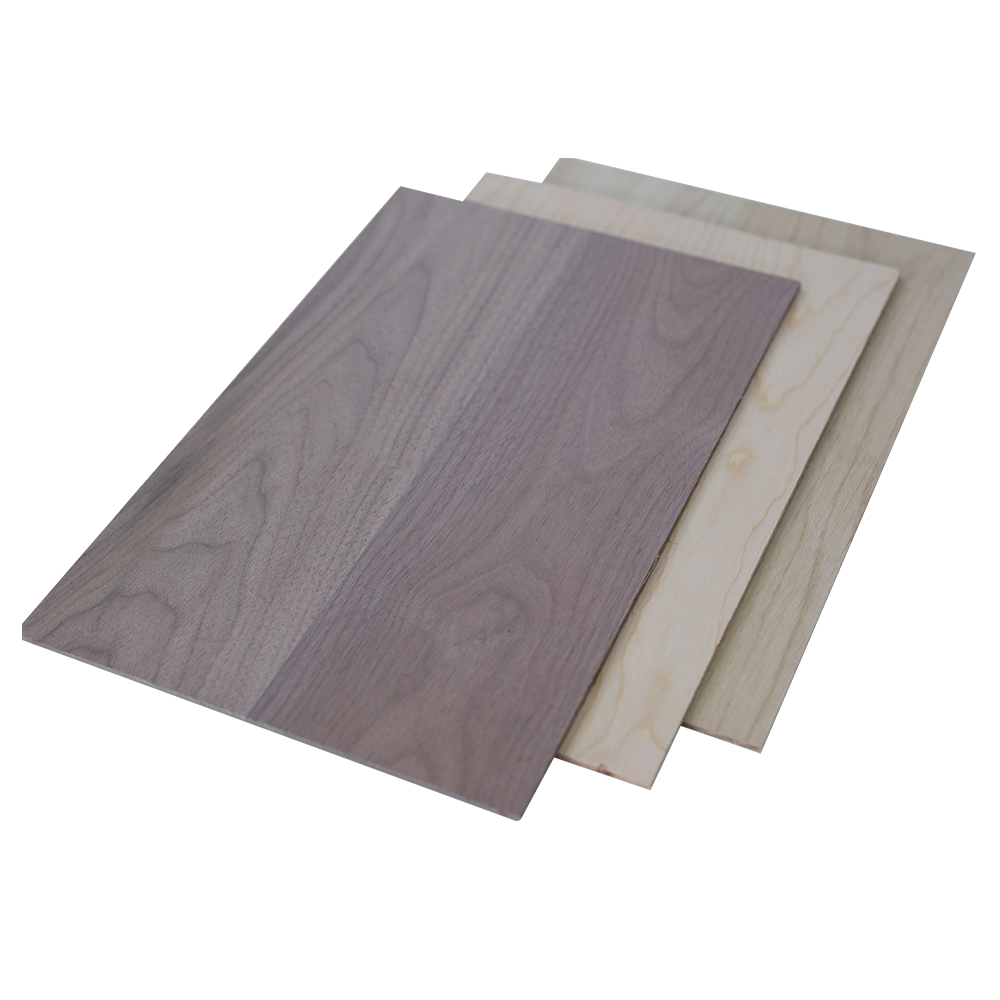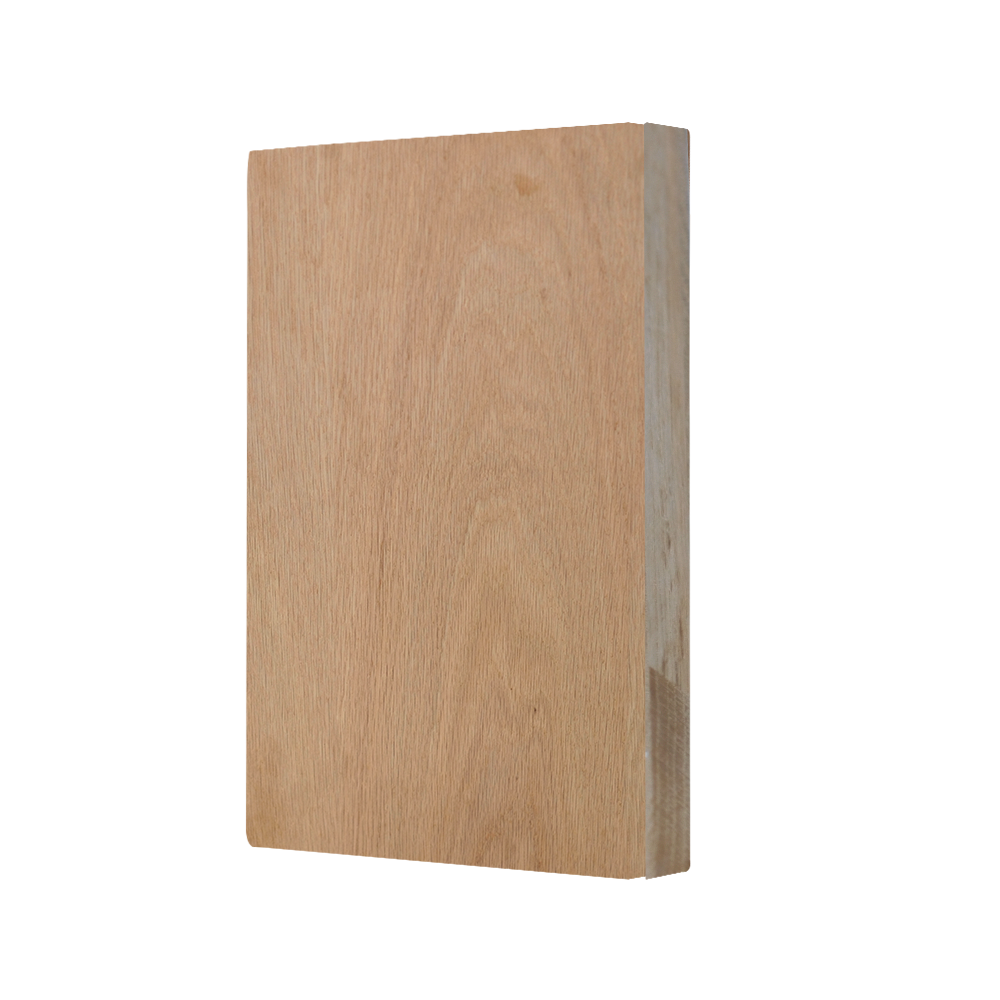

Film faced plywood is birch plywood with a resin-saturated paper film pressed onto one or both faces under heat and pressure. The film closes the wood grain, resists water, lifts abrasion resistance, and releases cleanly from poured concrete. That single change is why the panel ends up in places where bare plywood fails within a few weeks: wall and slab formwork, scaffold decks, truck and trailer floors, site hoarding, exterior soffits, shop fitting, and event staging.
Six application groups absorb most of the volume. Each one puts a different demand on the panel, which is the reason a sheet labelled "film faced" can still be completely wrong for your job.
Wall, slab, column and foundation moulds. Demands film density, face flatness, sealed edges and a proven reuse count.
Working platforms, gangways, ramp decks. Demands grip under wet boots and resistance to site abrasion.
Truck beds, trailer linings, container flooring, agricultural trailers. Demands impact strength and repeated wash-down.
Hoarding, site offices, safety barriers, protection panels. Demands weather stability and clean removal for reuse.
Soffits, eaves, balcony fascias, shed and cabin cladding. Demands glue-line durability and edge protection.
Cabinets, counters, exhibition walls, workbenches. Demands a smooth, paintable, wipe-clean face.
Every question after that comes down to four variables: film type, adhesive class, core construction, and thickness. Get those four pinned down and roughly ninety percent of the selection work is finished before a price is even quoted.
An 18 mm sheet with a 120 g/m² brown film on one face and a 220 g/m² phenolic film on the other tells you almost nothing from the product name alone, yet the working life of those two panels can differ by a factor of three. Before ordering, ask for three facts in writing, then confirm the thickness against the job.
Brown, dark, clear, patterned or melamine. Decides release, grip and look.
WBP or phenolic for wet service. Decides how long the glue line survives.
Full birch, poplar or combi. Decides flatness and screw holding.
12 to 21 mm. Decides span, load and reuse count.
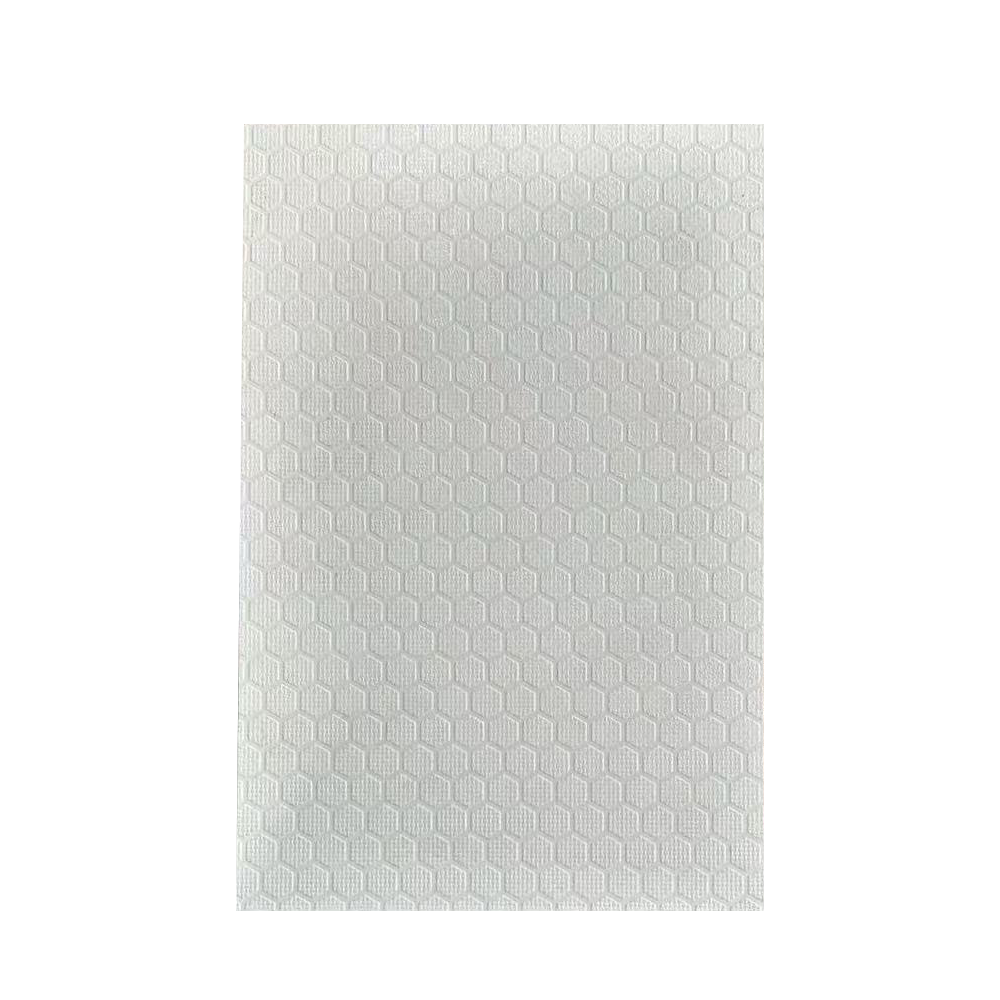
Brown and dark phenolic films are the standard for concrete contact work. They resist alkaline cement paste, release cleanly and protect the face during stripping. Transparent and light films are used where the timber grain has to stay visible, such as feature wall panels, display counters and pre-finished furniture. Hexagonal and mesh patterns are specified where a normal polished face would be a slip risk, replacing steel checker plate on ramps, trailer beds and machine platforms.
WBP and phenolic glues are the only realistic options for exterior and wet service. Interior glues delaminate once a panel takes repeated rain or wash-down, and the failure shows up first at the edges and around nail holes. Panels such as waterproof glue film faced plywood are built for exactly that cycle of rain, hose-down and reuse, which is why the glue line matters more than the film colour in most site arguments.
A full birch core is denser and heavier than a poplar or combi core, holds screws far better at the edge, and keeps its flatness through repeated wet-dry cycles. Thin 12 mm panels suit light residential pours and shop fitting; 18 mm and 21 mm are the working sizes for engineered formwork. Anything under 12 mm behaves like a lining panel, not a load-bearing one.
| Surface type | Typical use | Watch point |
|---|---|---|
| Brown phenolic film, 120–220 g/m² | Wall and slab formwork, column moulds, foundation work | Confirm film weight, not just colour |
| Dark high-density film, 220 g/m² and above | High-reuse formwork, fair-faced concrete | Cost only pays back above roughly 15 pours |
| Hexagonal or mesh anti-slip film | Scaffold decks, ramps, trailer beds, machine platforms | Pattern depth affects how it cleans |
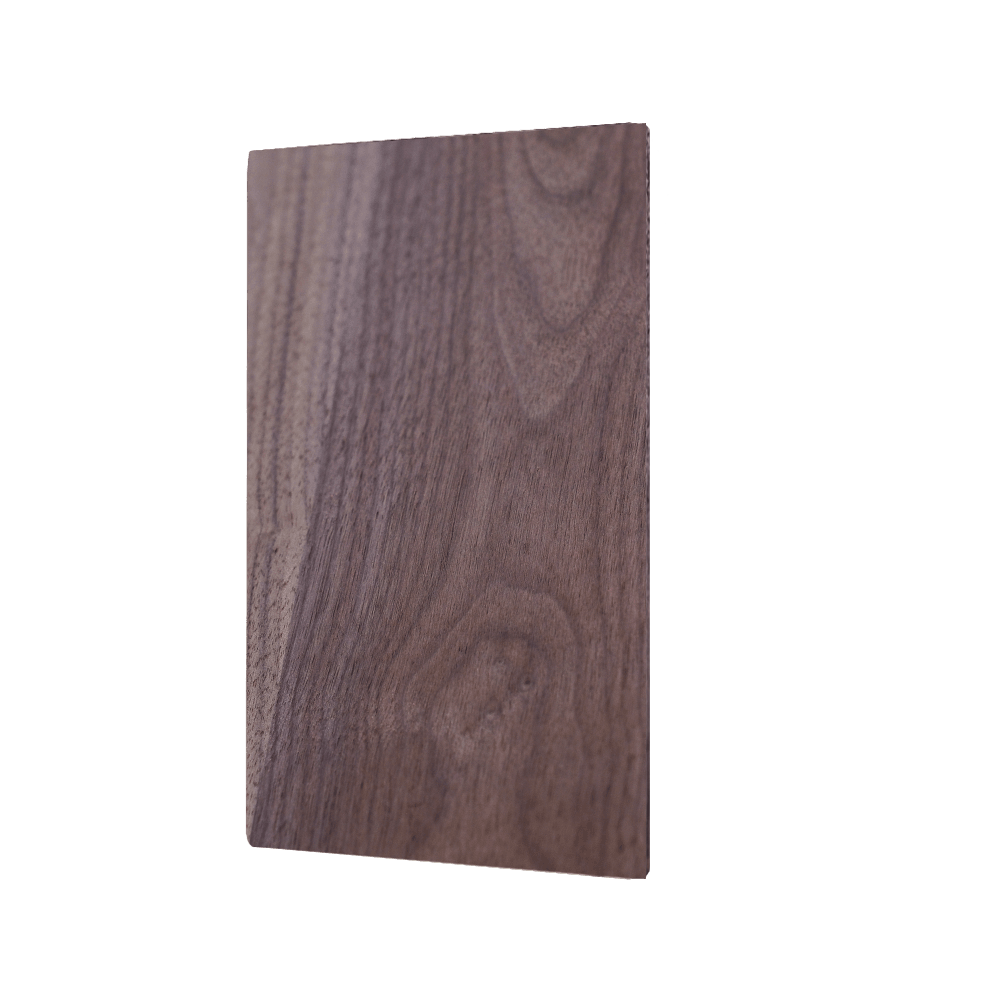
| Transparent or clear film | Decorative panels, counters, visible-grain joinery | Wood colour variation shows through |
| Melamine or paper film, low pressure | Interior fit-out, shelving, light cabinetry | Not intended for exterior service |
If you only know one application, know this one. Film faced plywood is the facing material of choice for cast-in-place concrete because it gives a smooth, consistent surface, it does not absorb water from the mix, and it strips without tearing the concrete face. On a residential slab it is usually the difference between a finish that can be painted directly and one that needs patching.
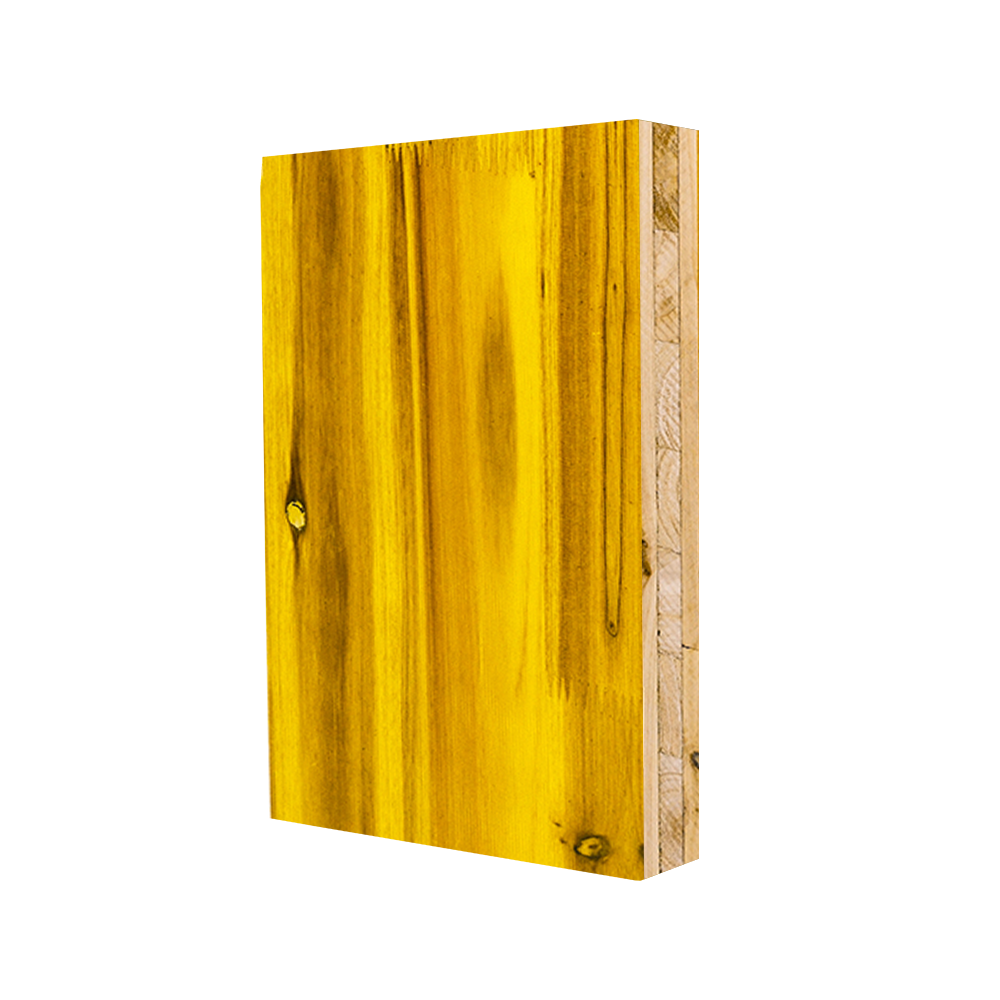
The panel does four separate jobs on a formwork system: it holds the concrete, it defines the surface finish, it protects the mould from water, and it survives being stripped and rebuilt many times. A sheet that fails at any one of those points becomes expensive, because the labour to strip, clean and refit a form is far larger than the panel price.
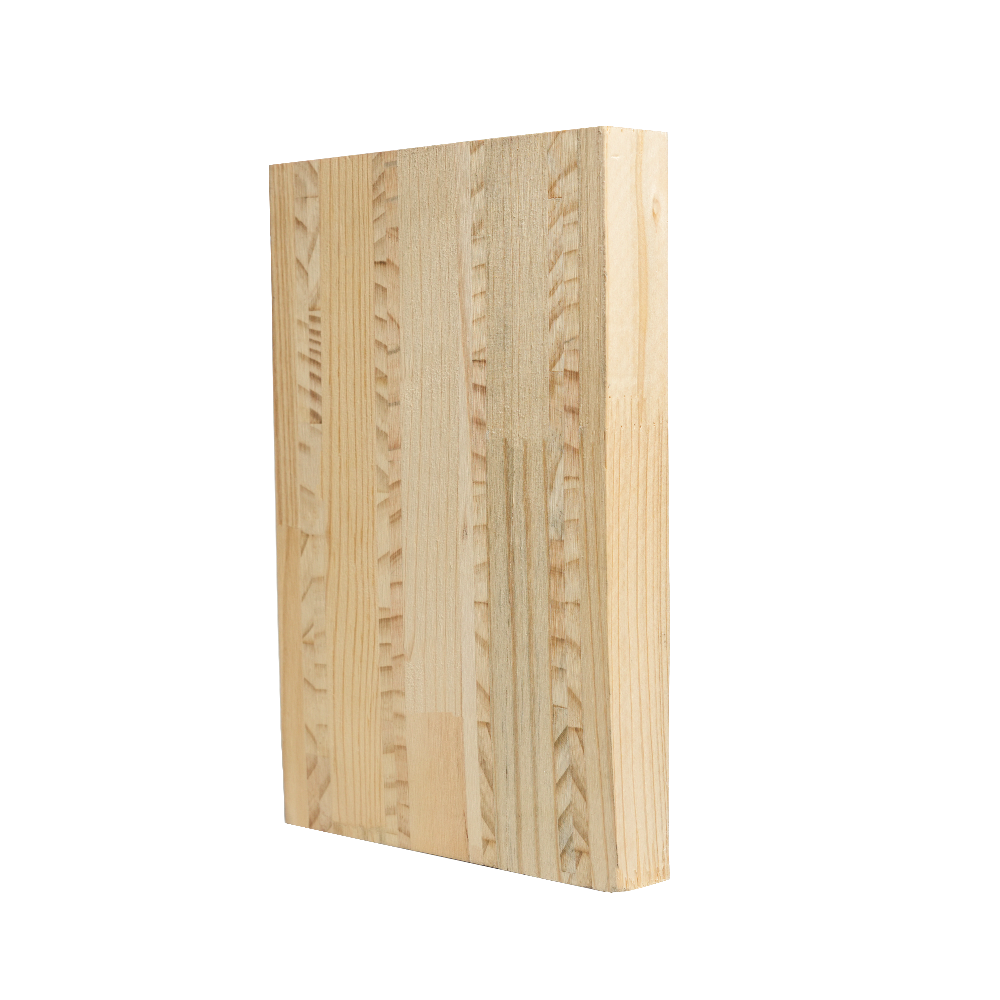
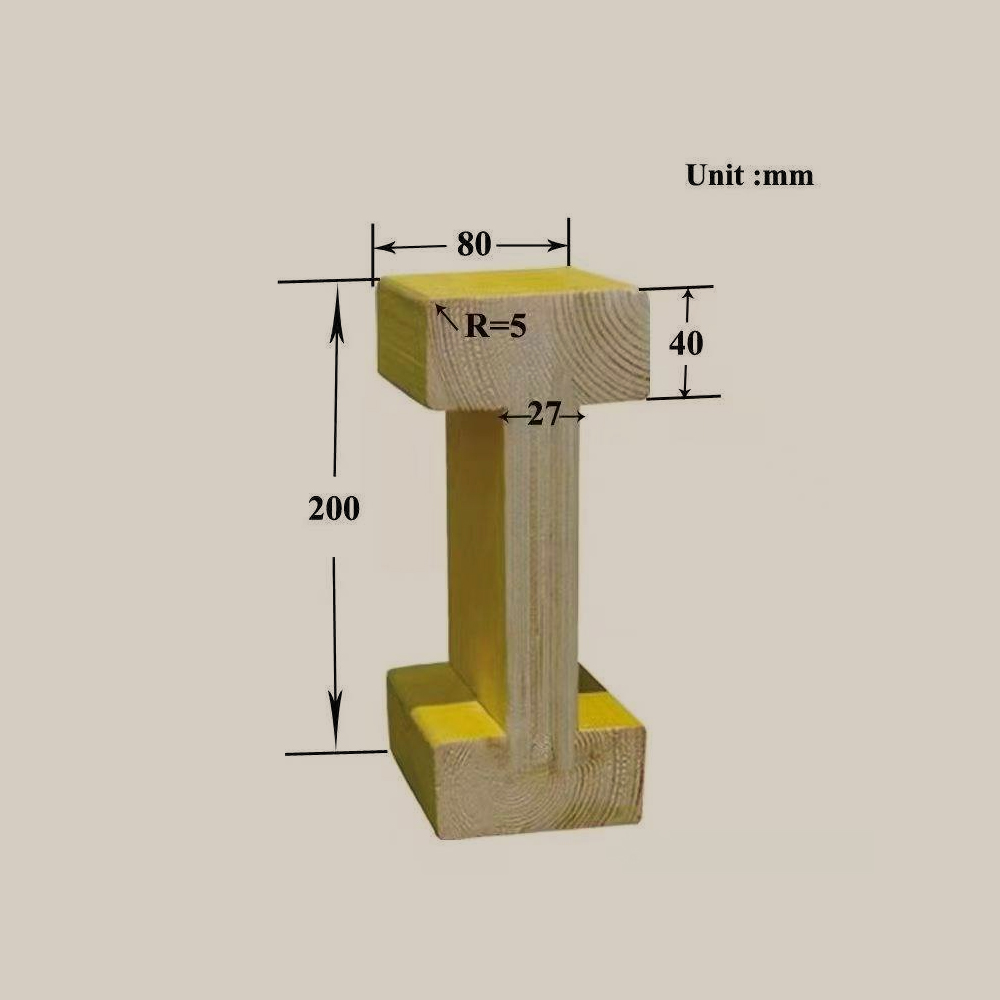
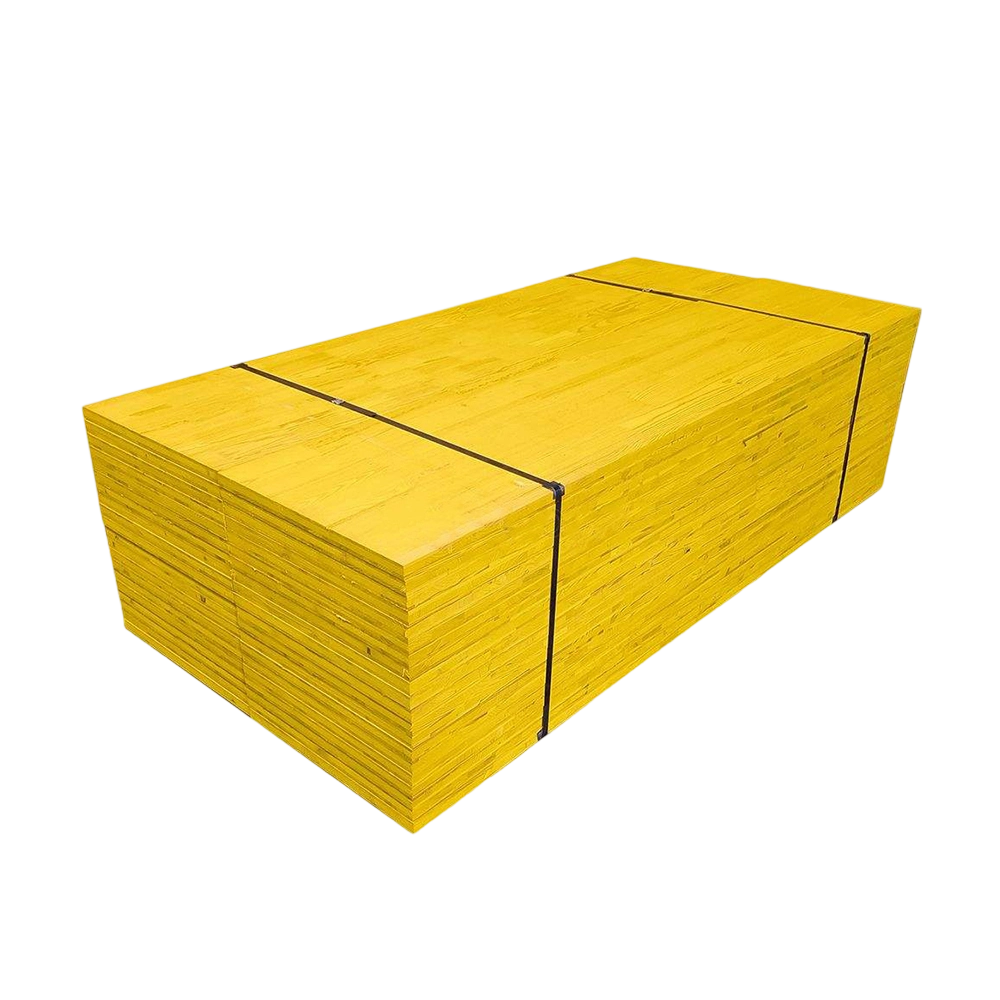 Yellow Shuttering Panel for Slab and Wall FormworkDual-species spruce and fir core panel in multiple lengths and thicknesses, suited to repeated formwork where flatness, film adhesion, and edge sealing matter.View Product →
Flatness comes first. A panel that has cupped by 2 mm across 1.2 m shows up as a visible wave in the concrete, and no amount of release agent hides it. Film adhesion comes second: a film that blisters at the edge after the third pour will peel across the face by the sixth. Edge sealing is third, and it is the most commonly skipped item, because water enters through the open edges long before it penetrates the face.
Fair-faced concrete raises the bar again. Where the concrete will stay exposed, buyers usually move to a heavier film, a denser birch core, and a strict rotation plan so that no single sheet takes the whole wear load.
Lay a straight edge across three random sheets from the delivery. If any sheet shows a gap above 1 mm over 1.2 m, set it aside for backing use. Doing this once at goods-in costs minutes; finding it in the concrete costs a day.
The purchase price of a formwork panel is only half the calculation. The number that matters on site is cost per square metre of finished concrete, and that is driven almost entirely by how many pours a sheet survives.
Those ranges are realistic on a site with proper stripping, cleaning and stacking. They collapse fast when panels are prised off with a crowbar, stacked face to face in mud, or left in the rain between pours. A 21 mm high-density panel handled badly will underperform a 15 mm standard panel handled well, which is why the storage discipline described further down is not a formality.
The practical test is simple: at the end of a project, count how many sheets still have an unbroken film on the contact face. That number, divided into the total spend, is the true panel cost. Buyers who track it usually find that reusable concrete shuttering board panels with a sealed edge and a documented film weight beat cheaper sheets on cost per pour even at a 30 percent higher unit price.
The curves below compare a standard panel priced at an index of 100 and lasting 12 pours with a high-density panel priced at 130 and lasting 25 pours. The figures are an illustrative model built on the reuse ranges above, not laboratory test data, but the shape is what site records usually show.
Read the chart from the right. The standard panel reaches its last pour at about 8.3 on the index; the high-density panel passes that level at around 16 pours and keeps falling to roughly 5.2. The extra 30 percent paid at purchase is recovered long before the sheet is retired.
The second big use is anywhere a wet boot has to stay on the surface. Standard smooth film is a genuine slip hazard in the rain, so anti-slip grades replace it with a hexagonally patterned or mesh-textured film that drains and grips even when coated in site mud.
Typical locations include scaffold working platforms, loading bays, temporary stair treads, access ramps on housing sites, machine maintenance platforms, and the walkways through plant rooms during commissioning. Film faced plywood wins here over steel because it can be cut and fixed on site with ordinary tools, and over plain plywood because it does not swell and delaminate the first time it rains.
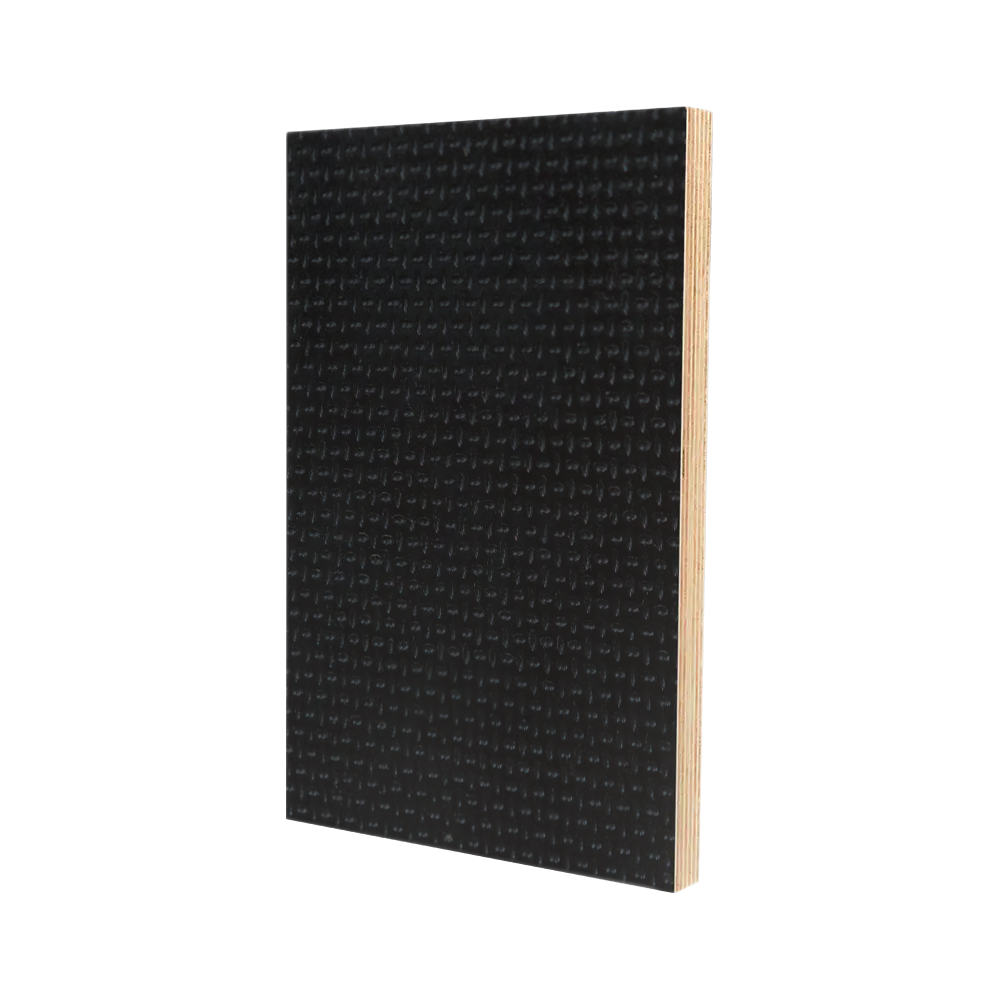 Anti-Slip Film-Faced Birch Plywood for Temporary PlatformsBirch plywood with textured phenolic film for scaffold decks, ramps, and stair treads; available in multiple patterns and sizes for site-cut access platforms.View Product →
One detail that catches buyers out: pattern depth. A deep hexagon pattern grips better but traps dried mud and concrete splash, which then has to be wire-brushed off before the panel can be stacked flat. On a project where decks are cleaned daily, a medium pattern is usually the better compromise.
Film faced plywood is used heavily in vehicle bodywork because it takes impact, resists water, and can be replaced sheet by sheet without reworking the whole body. A tipper floor, a curtain-side trailer lining, a livestock trailer wall, or a flatbed deck all see the same combination of abrasion, moisture and point loading.
The failure pattern here is different from formwork. Vehicle floors rarely fail through film wear; they fail at the fixings, where water creeps into an unsealed screw hole and starts the delamination. Sealing every fixing, or using a panel with factory-sealed edges, extends service life far more than upgrading the film weight does.
Container flooring is the most punishing version of this application. It has to carry concentrated wheel loads, resist salt spray for years and stay flat under a fully loaded trailer, which is why heavier multi-ply constructions dominate that segment rather than thin decorative panels.
Every large project needs a fence, an office, a drying room, a protected staircase and a set of barriers. Film faced plywood handles all of them because it is weather-stable, paintable, printable and reusable on the next project.
Site hoarding is a good example of where the panel earns its place. A printed hoarding panel faces the street for twelve months of rain, and the back of it faces a demolition site. Plain plywood delaminates and the print wrinkles; a filmed panel holds its shape and can be taken down and re-erected at the next site. The same logic applies to temporary site offices, material protection screens, dust screens, stair protection and lift-shaft barriers.
In exhibition and event work the requirement flips from durability to appearance. A five-day stand needs a smooth, paint-ready face, a clean cut edge and a panel that will not warp under stage lighting. Film faced plywood handles that comfortably, and the flat surface takes vinyl graphics and spray finishes without the grain telegraphing through.
Film faced plywood is used as an exterior panel wherever a flat, sealed surface is wanted without a decorative cladding system. Soffits under a first-floor cantilever, eave linings, balcony fascias, garden room walls, shed and cabin cladding, and temporary weather protection all appear in the same specification conversation.
Three conditions have to be met for it to work outside for years rather than months. The glue line must be exterior or phenolic rated. Every cut edge must be sealed with a compatible coating, because that is where water enters. And the panel should be detailed with a drip or ventilation gap so the back face can dry.
For soffits specifically, the sealed face gives a wipe-clean surface that resists insect staining and washes down easily, and the white or light films brighten a shaded area without an extra paint cycle. For outbuildings, 12 mm and 15 mm are common; for anything that carries load or spans a gap, 18 mm is the safer starting point.
Inside the workshop, film faced plywood is used for carcasses, drawer boxes, workbench tops, counter substrates, exhibition counters and cabinet backs where the surface has to look clean, stay flat and survive being wiped down daily.
A smooth, low-pressure film gives a paint-ready face that does not need filler to hide grain, which cuts finishing time on a run of cabinets. Melamine-faced grades go straight into shelving and interior fit-out without any further coating at all. For a workbench, the sealed face resists oil, glue spill and water rings, and it can be sanded back and refinished when it finally gets too marked.
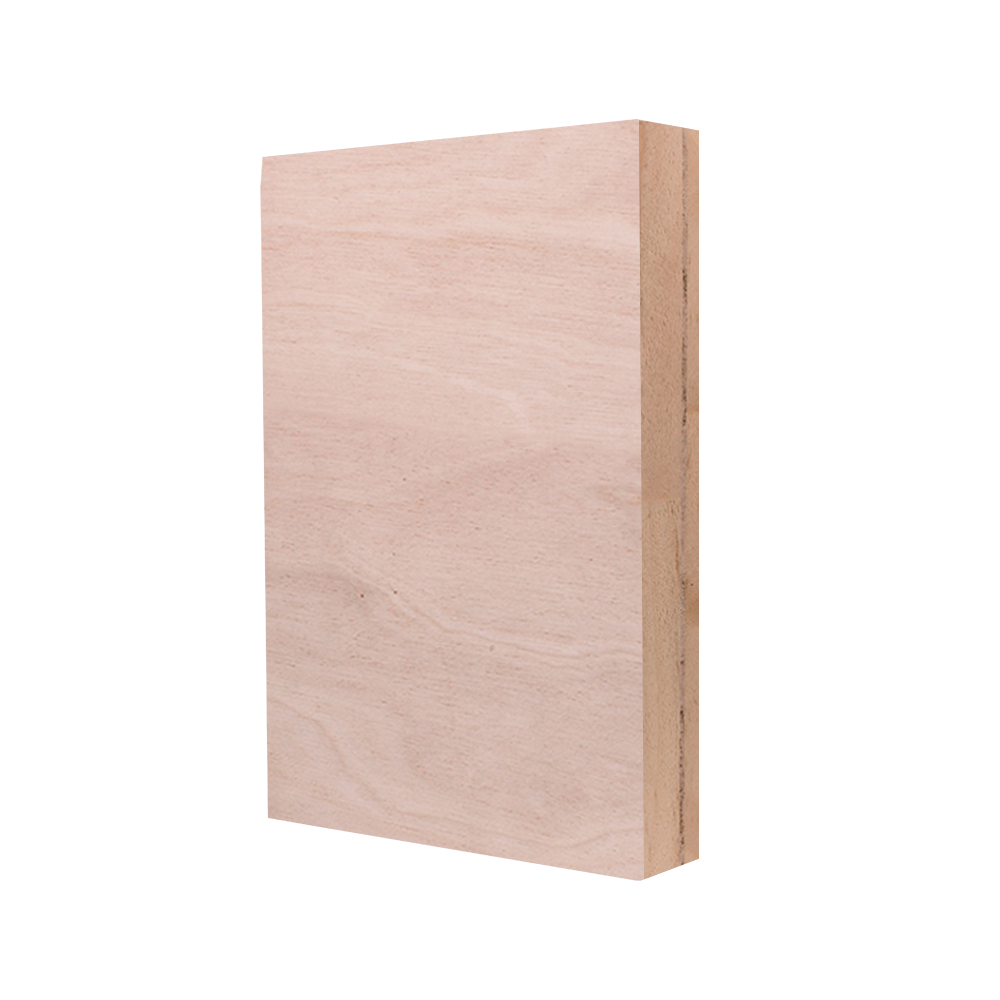
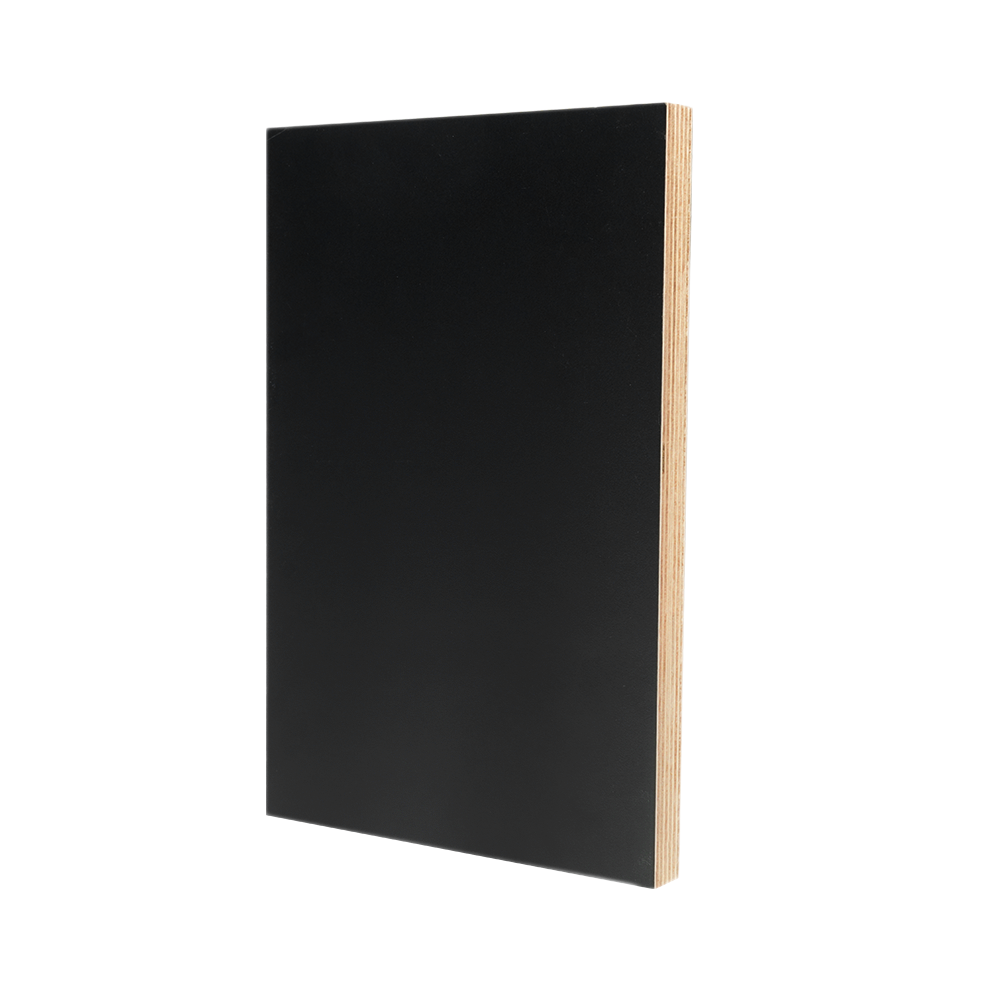 Smooth Film-Faced Birch Plywood for Furniture and FormworkPhenolic-film birch panel with a paint-ready smooth face, suitable for cabinets, workbenches, partitions, and concrete formwork needing a consistent surface.View Product →
Machining is straightforward, but the film blunts cutters faster than bare veneer and it chips if a blade is dull. Cutting face-down with a scoring blade, and taping the cut line, keeps the edge clean enough to leave visible on a display counter.
Beyond the mainstream categories, film faced plywood turns up in a long tail of applications where a flat, sealed and rebuildable surface is needed.
In most of these the panel is not specified for strength alone. It is specified because the surface stays flat, cleans down and can be swapped out without rebuilding the whole structure. That combination is hard to replace with MDF, which swells, or with steel, which cannot be cut on site.
Thickness is where most specification errors happen, usually because a buyer carries a size across from a different application. The table below is a practical starting point rather than a structural calculation.
| Application | Common thickness | Reason |
|---|---|---|
| Light residential slab formwork | 12–15 mm | Short spans, limited reuse, lower handling weight |
| Wall and column formwork | 18 mm | Clamping pressure and fair-face flatness |
| Heavy civil formwork, high reuse | 18–21 mm | Denser core resists cupping across many pours |
| Scaffold decks and ramps | 18 mm | Span between bearers plus repeated impact |
| Truck and trailer floors | 18–21 mm | Point loads and fixing retention |
| Exterior soffits and cladding | 12–18 mm | Span driven; edge sealing matters more than thickness |
| Cabinetry and shop fitting | 12–18 mm | Panel stiffness against shelf sag |
Most disputes over film faced plywood trace back to four measurable items, none of which appear on a typical quotation.
Two further points are worth raising early. Film patches and repairs are acceptable in some grades and rejected in fair-faced work, so agree the standard rather than discovering it on site. And confirm the actual panel size, because 1220 by 2440 mm and 1250 by 2500 mm both appear in the market and a 30 mm difference will alter a formwork layout.
Film faced plywood is durable, but it is not indestructible, and most of the loss happens between pours rather than during them.
On a project with twenty pours planned, the difference between a well-managed stack and a badly managed one is often five to seven extra pours per sheet. That is a material saving achieved with no extra purchase.
Mark a small tick on the back of each panel after every pour. When the tally reaches the planned reuse count, move the sheet to backing duty instead of waiting for a visible failure on the concrete face.
Water-resistant is the accurate term, not waterproof. With a WBP or phenolic glue line and sealed edges, it tolerates rain, wash-down and wet concrete contact for extended periods. Left permanently submerged or with unsealed cut edges sitting in water, it will still take on moisture and eventually delaminate.
Yes, in three distinct ways: as a structural subfloor over joists, as a temporary site floor, and as a vehicle or trailer bed. For a permanent interior floor it needs a wear layer or a finish on top, because the film is a release and moisture surface rather than a decorative floor finish.
Between eight and thirty pours depending on thickness, film weight, core density and handling. Light 12 mm panels on residential work typically give eight to twelve pours; 21 mm high-density panels with a planned rotation reach twenty-five to thirty. The film, not the core, is normally what fails first.
The film. Ordinary plywood has a sanded veneer face that absorbs water, stains from concrete and bonds to the pour. Film faced plywood adds a resin-saturated paper layer that releases cleanly, resists abrasion and protects the wood beneath. The core and glue line can be identical between the two.
It can be painted, but the film has to be abraded and primed first, and some films resist paint adhesion entirely. Gluing works on the panel edges and on the back face; a film face needs mechanical fixing or a compatible adhesive system. For furniture work, plan the finish before cutting.
It is suitable for soffits, fascias, outbuildings and protected exterior panels provided the glue line is exterior grade and every cut edge is sealed. It is not a substitute for a ventilated rainscreen, and panels fixed tight against a wall with no drying gap will fail regardless of film quality.
18 mm is the working standard for walls, columns and slabs. Use 12–15 mm for light residential pours with limited reuse, and 21 mm where fair-faced requirements, high clamping pressure or a long reuse plan justify the extra weight.


Copyright © Tianma Lvjian Group Co., Ltd. Rights Reserved.
Wholesale Construction Plywood Manufacturers Privacy
 English
 中文简体