 English
 中文简体
中文简体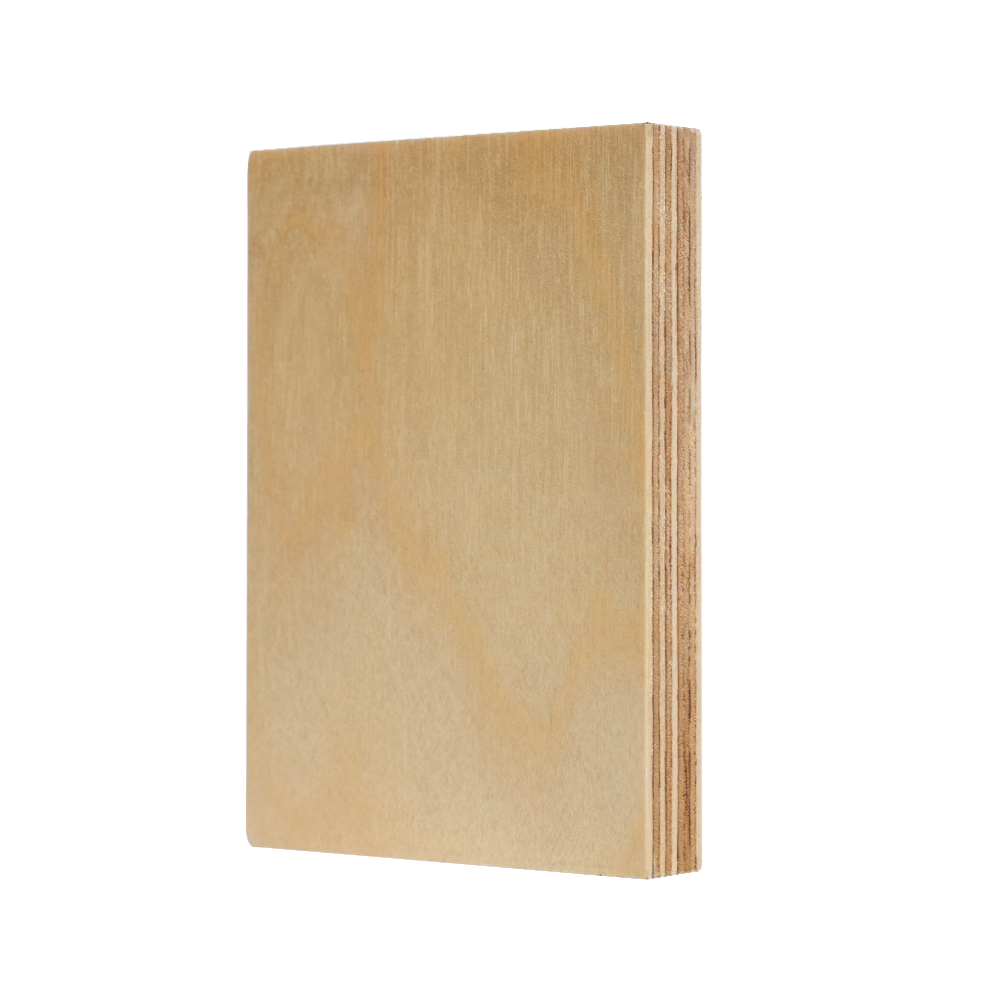
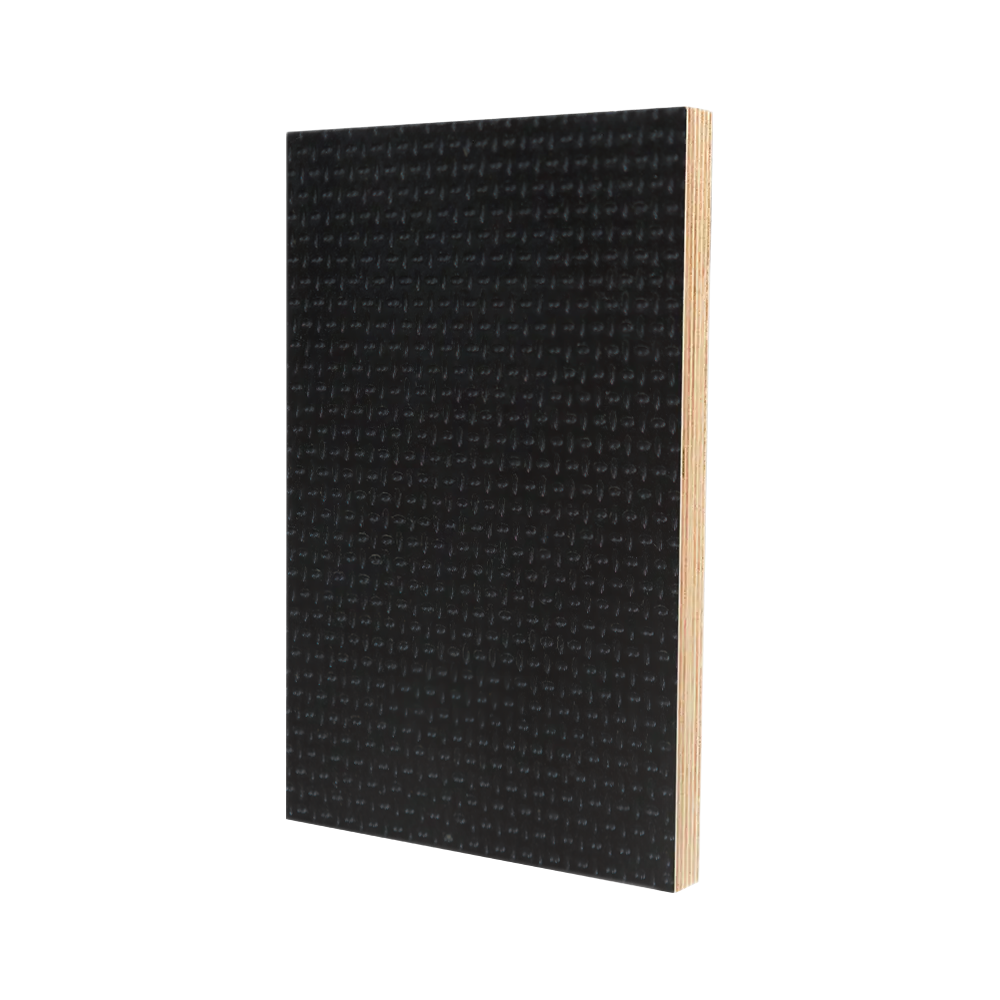
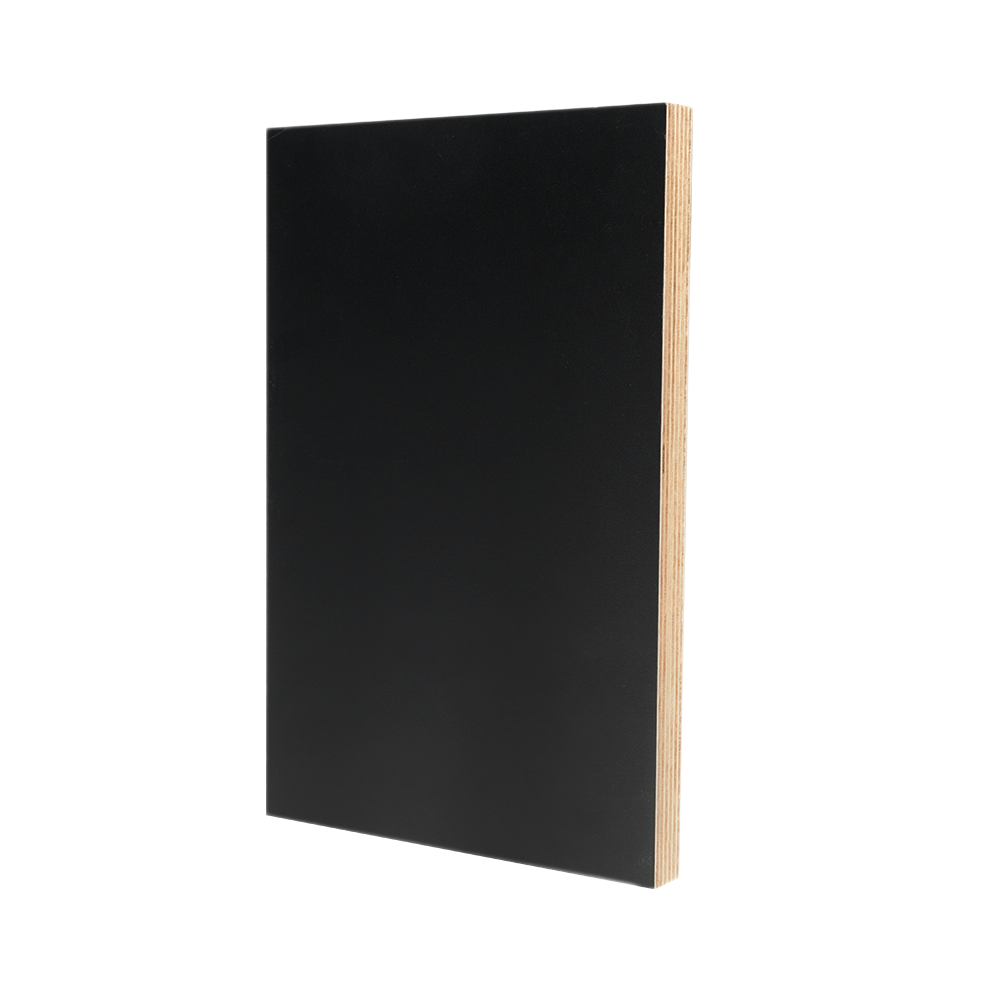

100%
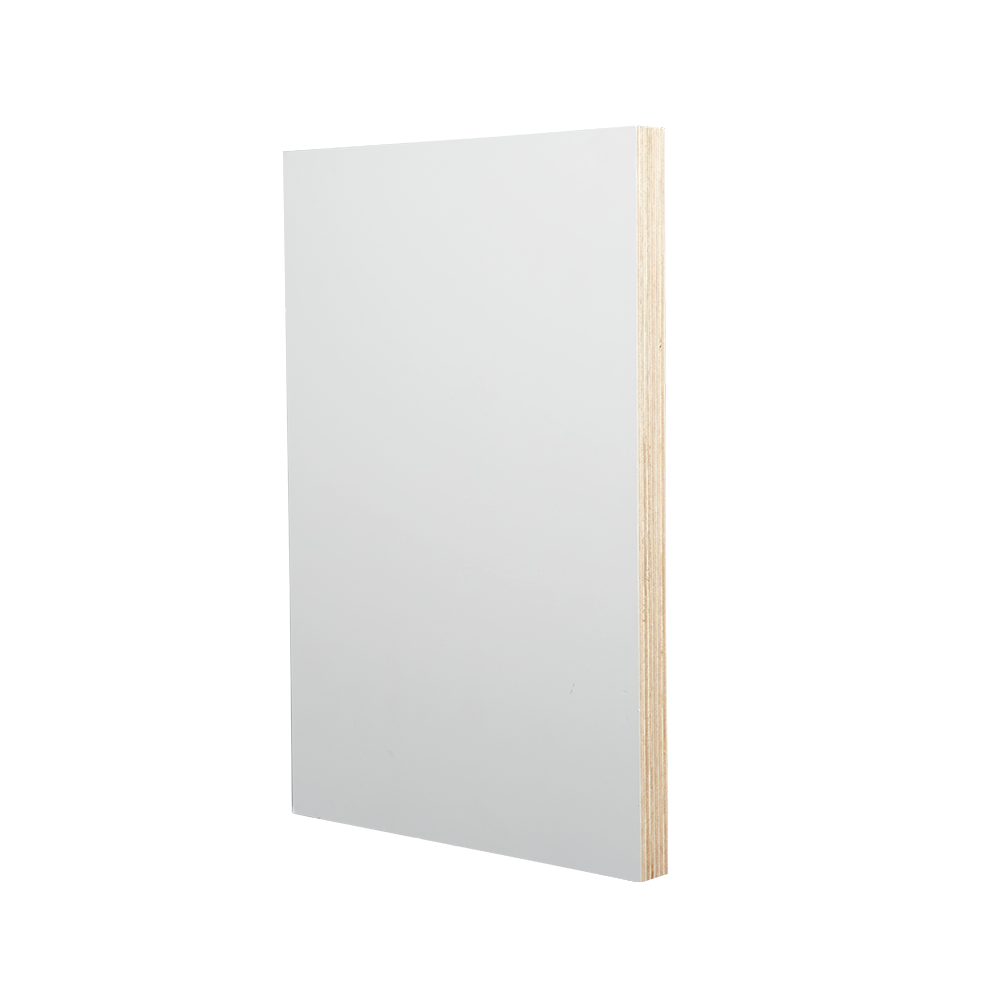
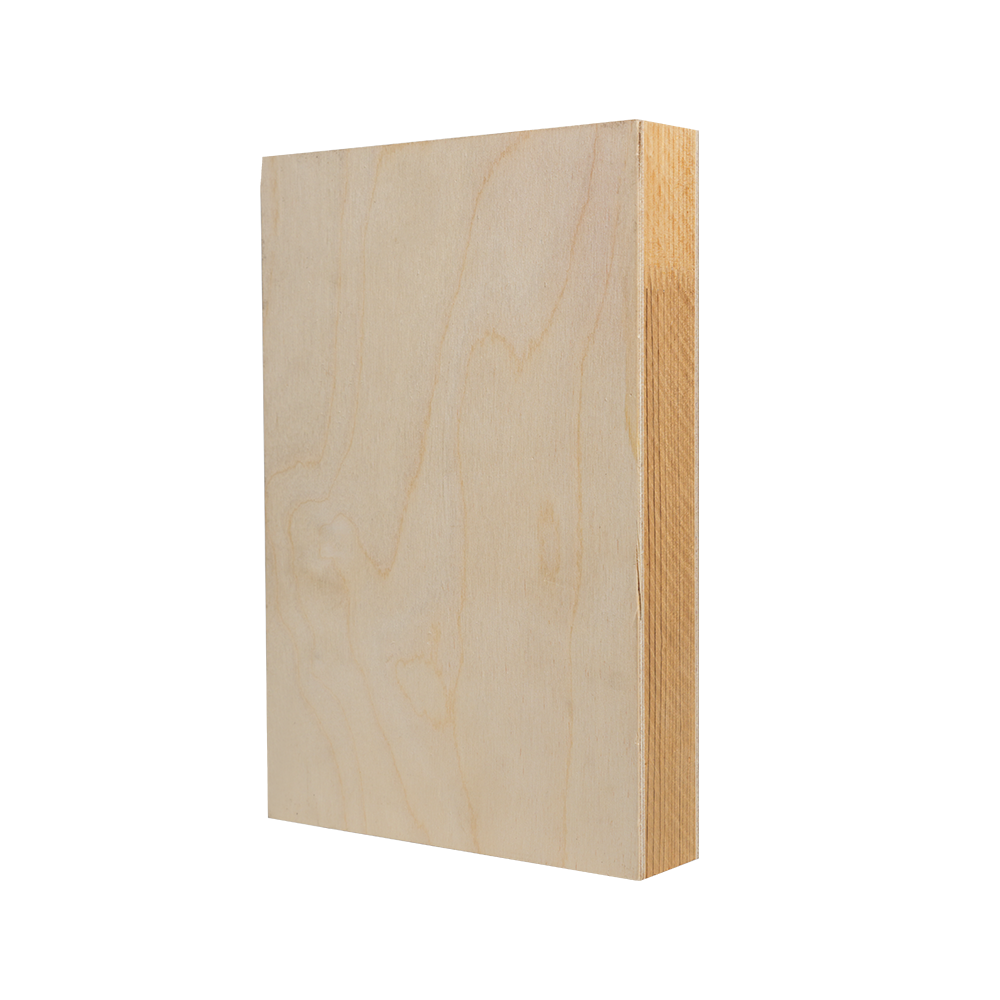
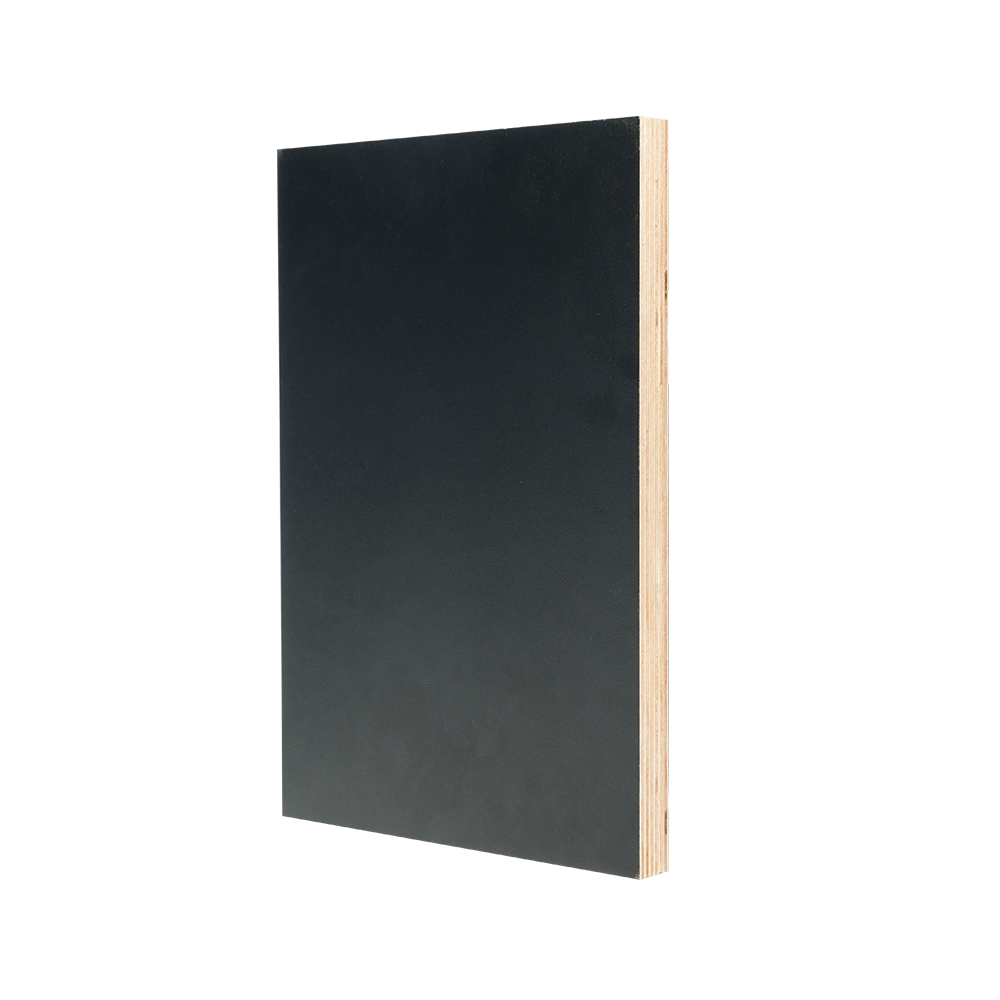
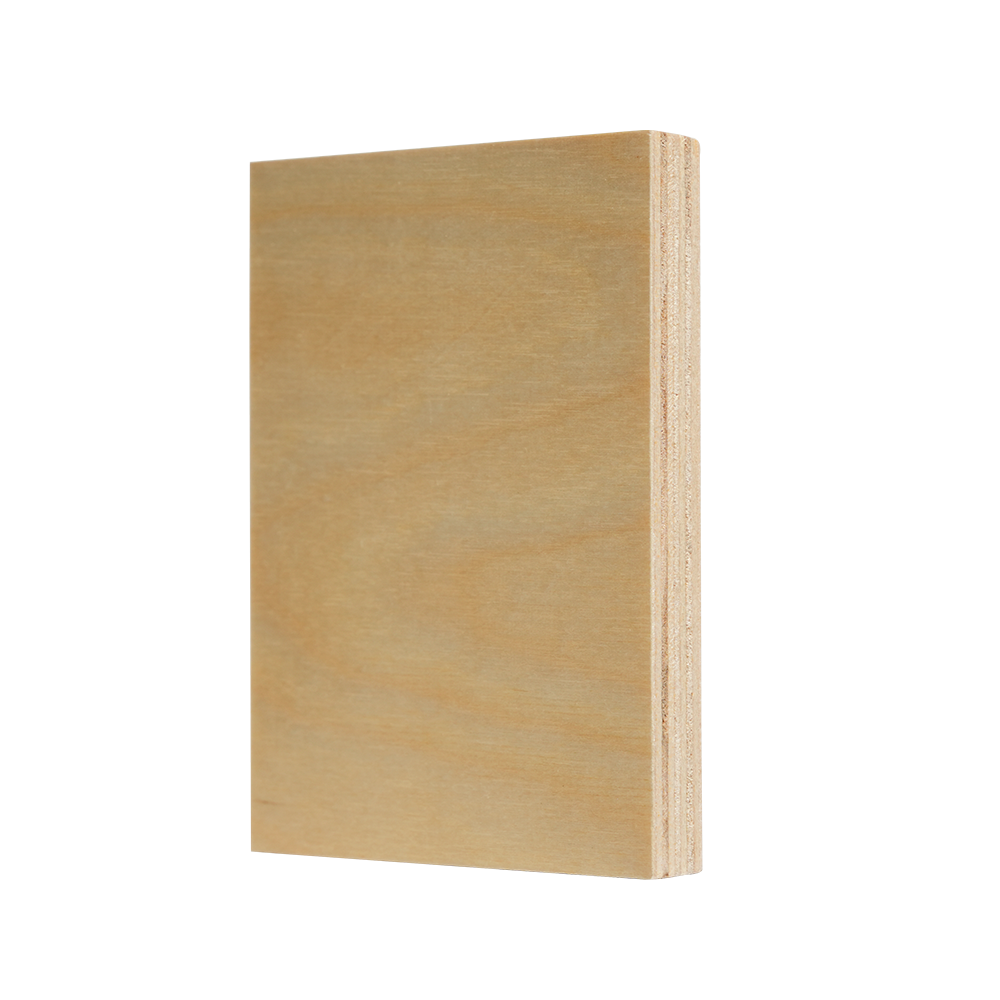
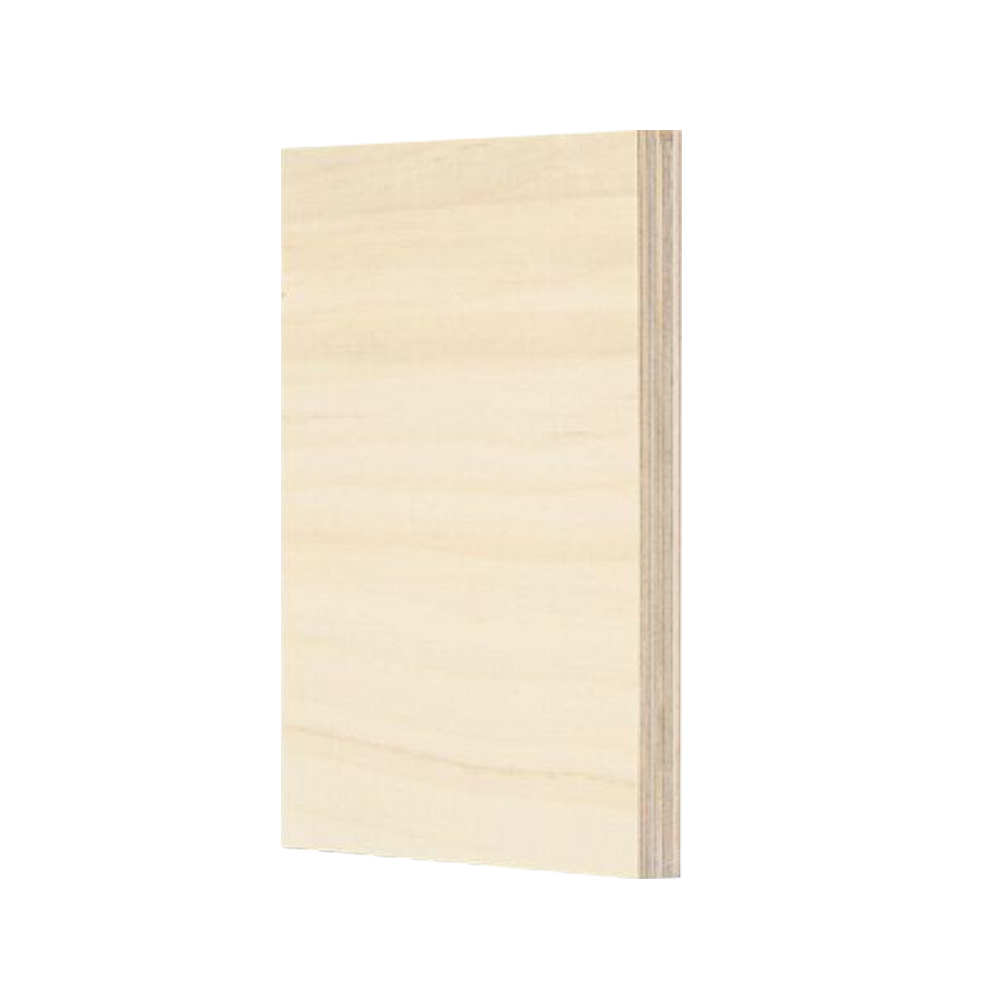
Birch plywood


Importing composite wood products into the United States requires more than general low-emission claims, it requires specific compliance with the California Air Resources Board's Airborne Toxic Control Measure, commonly referred to as CARB Phase 2. CARB2 Compliant Birch Plywood Panels are manufactured and independently tested to meet this regulation's formaldehyde emission limits, which has become the de facto national standard for composite wood products regardless of which US state they are ultimately sold in.
Compliance under CARB2 requires third-party certification from a CARB-approved certifying body, not simply an internal lab test. Our production facility maintains an active relationship with a recognized Third-Party Certifier (TPC), and every qualifying batch is labeled with the required TPC number, allowing US Customs and downstream buyers to verify compliance status directly against the certifier's public database, a step increasingly scrutinized during import inspections.
Documentation and labeling requirements under CARB2 are notably specific, requiring the TPC number, panel grade, and compliance statement to be legibly stamped on each panel or bundle in a defined format. We handle this labeling in-house as part of standard production for CARB2-designated orders, removing the compliance burden from importers who would otherwise need to manage relabeling or risk rejection at US customs inspection points.
For furniture manufacturers, cabinet makers, and building material distributors supplying the US market, CARB2 compliance is not optional, it is a legal requirement enforced at the point of import and, in many cases, at retail sale. Sourcing pre-certified CARB2 plywood removes a significant compliance risk from the supply chain, protecting importers from potential fines, shipment rejection, or costly product recalls tied to non-compliant composite wood materials.
| Core Material | 100% Full Birch Veneer |
| Face/Back Grade | B/BB, BB/CC |
| Standard Thickness | 3mm to 25mm |
| Panel Dimensions | 1220x2440mm / 1250x2500mm, 4x8ft |
| Glue Type | CARB2 Compliant Low-Emission Resin |
| Formaldehyde Emission | ≤0.09ppm (CARB Phase 2 Limit) |
| Density | 650kg - 700kg/m3 |
| MOQ | 1x20GP Container |
| Lead Time | 20-28 Days |
| Packaging | Export Pallet Packing with CARB2 Labeling |
| Certifications | CARB Phase 2, TPC Certified, ISO9001 |
| Raw Materials | Select Northern Birch Logs |
| Customization | 4x8ft US Standard Sizing, Thickness, Grade |
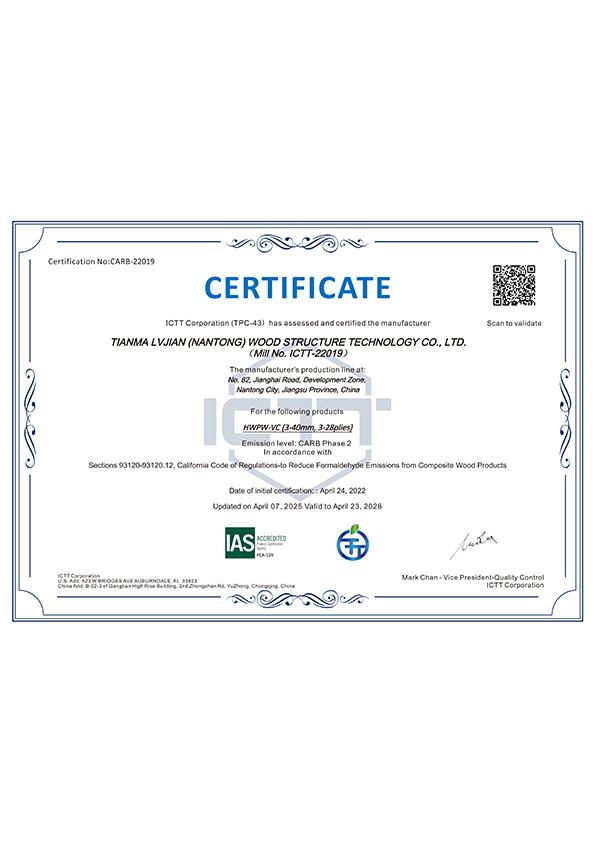
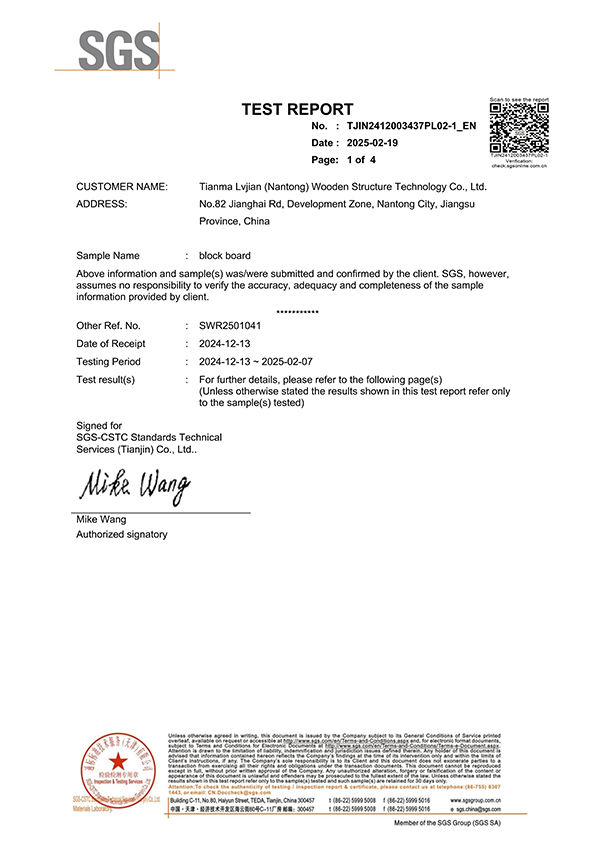
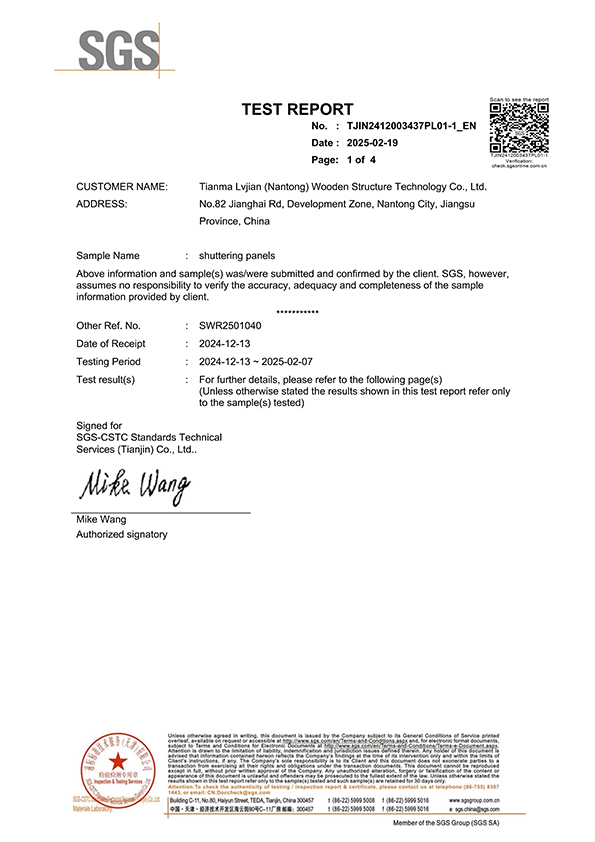
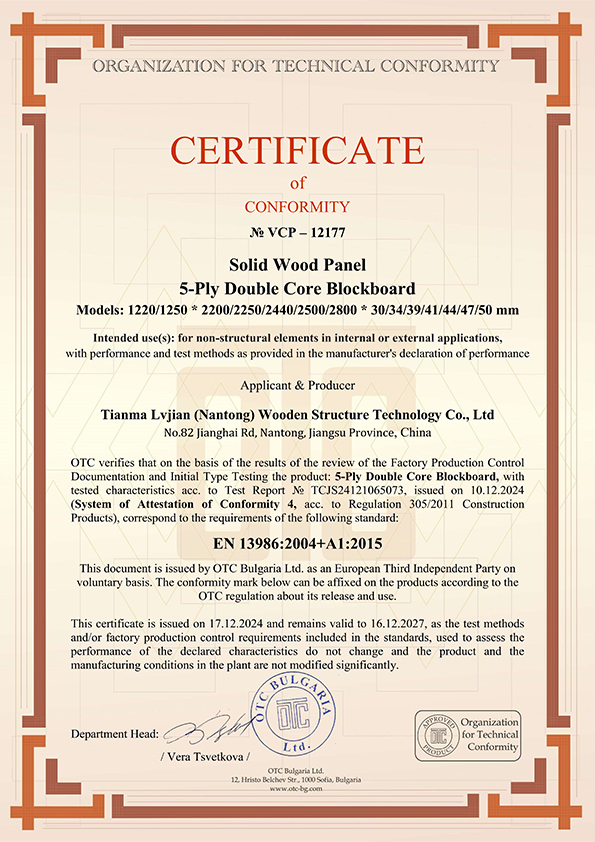
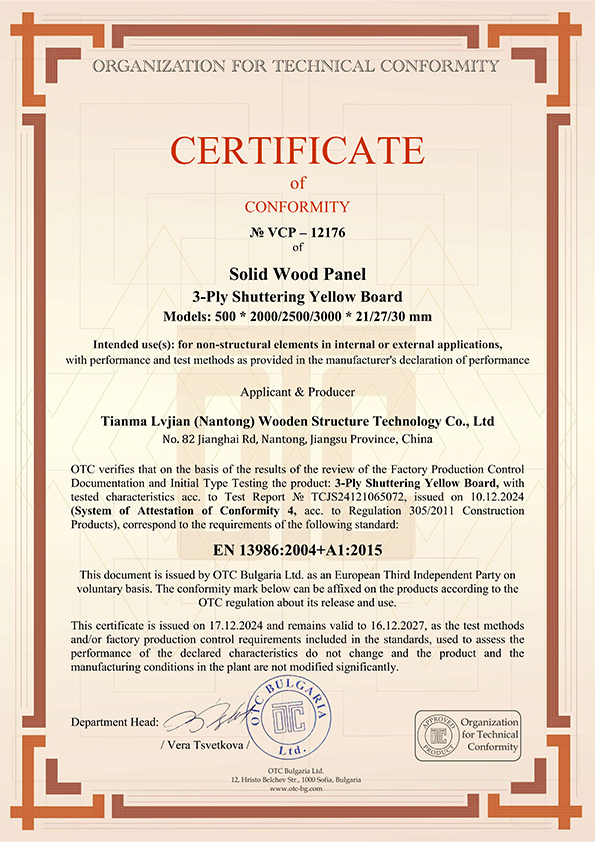
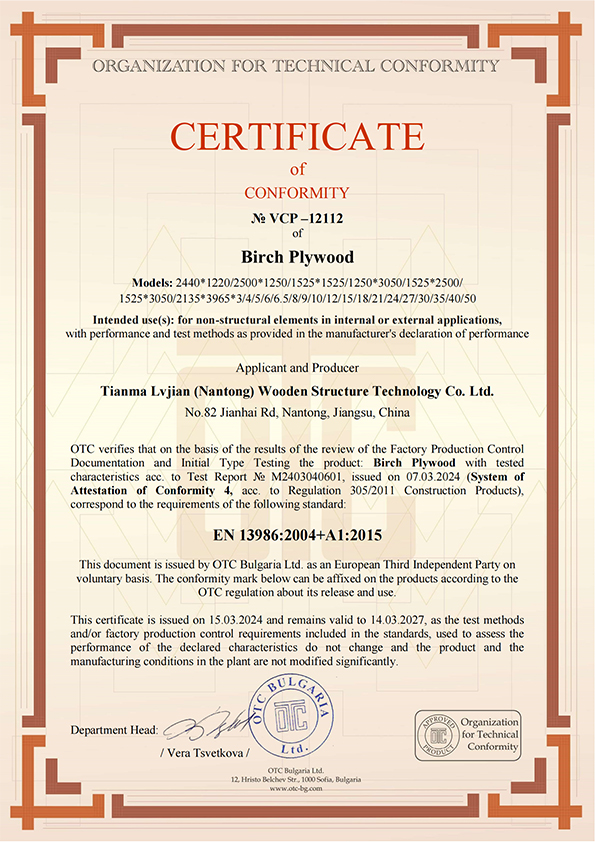






CARB2 orders require confirmation of your specific end-use category during quotation, as labeling requirements can vary slightly between hardwood plywood, particleboard, and MDF composite classifications. We issue compliance documentation alongside the commercial invoice and packing list, structured to support your customs clearance process. Standard payment terms of 30% T/T deposit with balance before shipment apply, with production timelines slightly extended to accommodate certified labeling procedures.
CARB Phase 2 compliance is achieved through a combination of resin formulation, manufacturing process control, and mandatory third-party testing conducted by a CARB-approved certifying body. This is distinct from simply producing low-emission plywood, as the regulation requires ongoing certification, not a one-time test, with periodic re-testing to maintain active TPC status.
Once certified, every compliant panel must be labeled with specific information including the TPC number, the panel's product classification, and the applicable compliance statement, all in a format meeting CARB2's labeling specification. This traceable labeling system allows customs officials and downstream buyers to verify compliance status quickly, which is why proper labeling is as critical to import success as the underlying emission performance itself.
CARB Phase 2 regulation was introduced specifically to reduce formaldehyde exposure risk in indoor environments across the United States, and by manufacturing to this standard as our baseline for US-bound orders, we help reduce the overall emission footprint of composite wood entering American homes, schools, and workplaces. This commitment aligns our production standards with a broader shift toward stricter global formaldehyde regulation in composite wood manufacturing.
Get in touch with our team for quotes, technical specifications, and customized solutions.
Contact Us Now

Copyright © Tianma Lvjian Group Co., Ltd. Rights Reserved.
Wholesale CARB2 Compliant Birch Plywood Panels Manufacturers