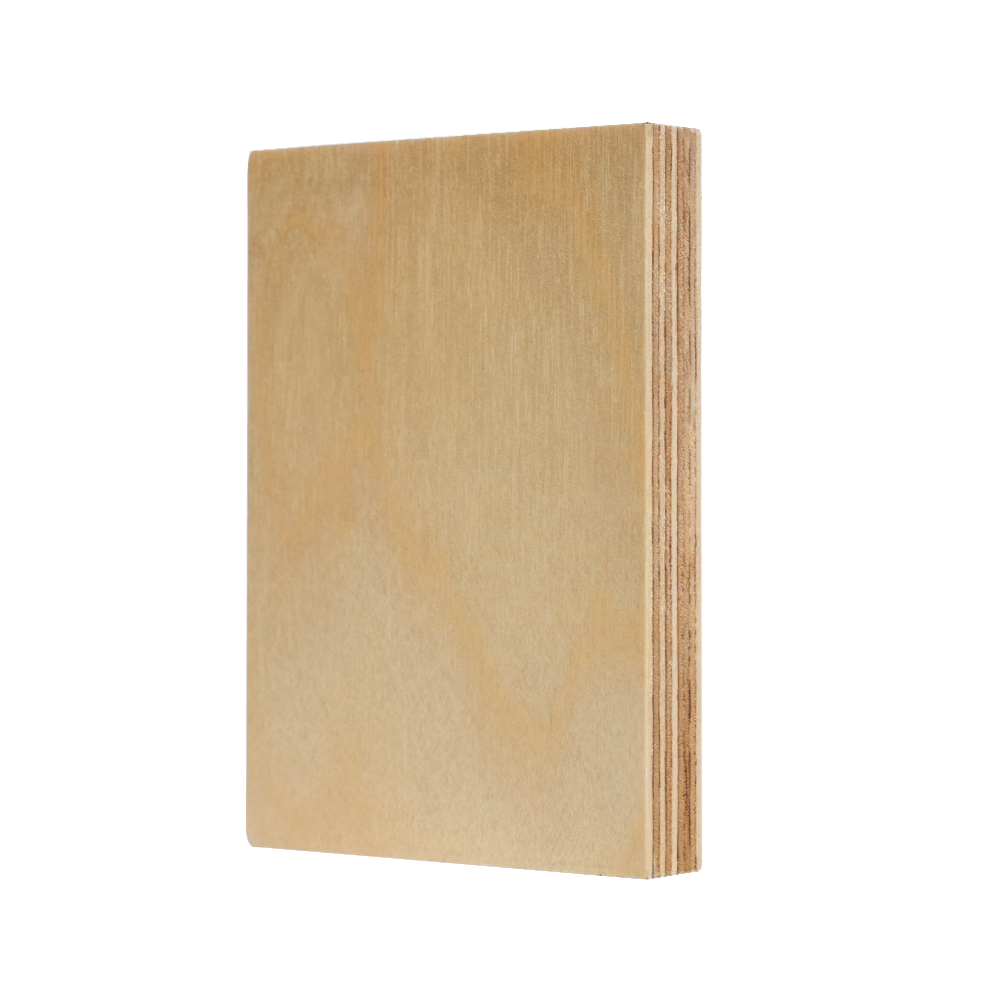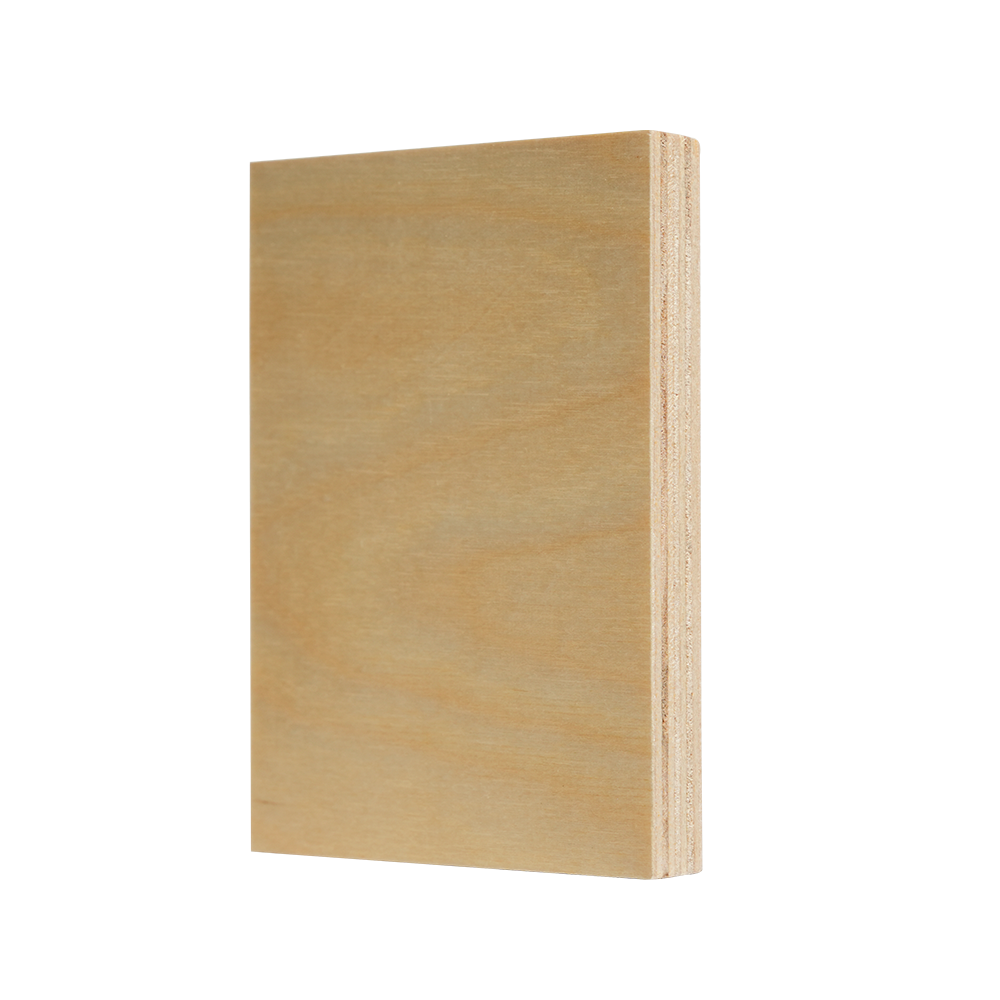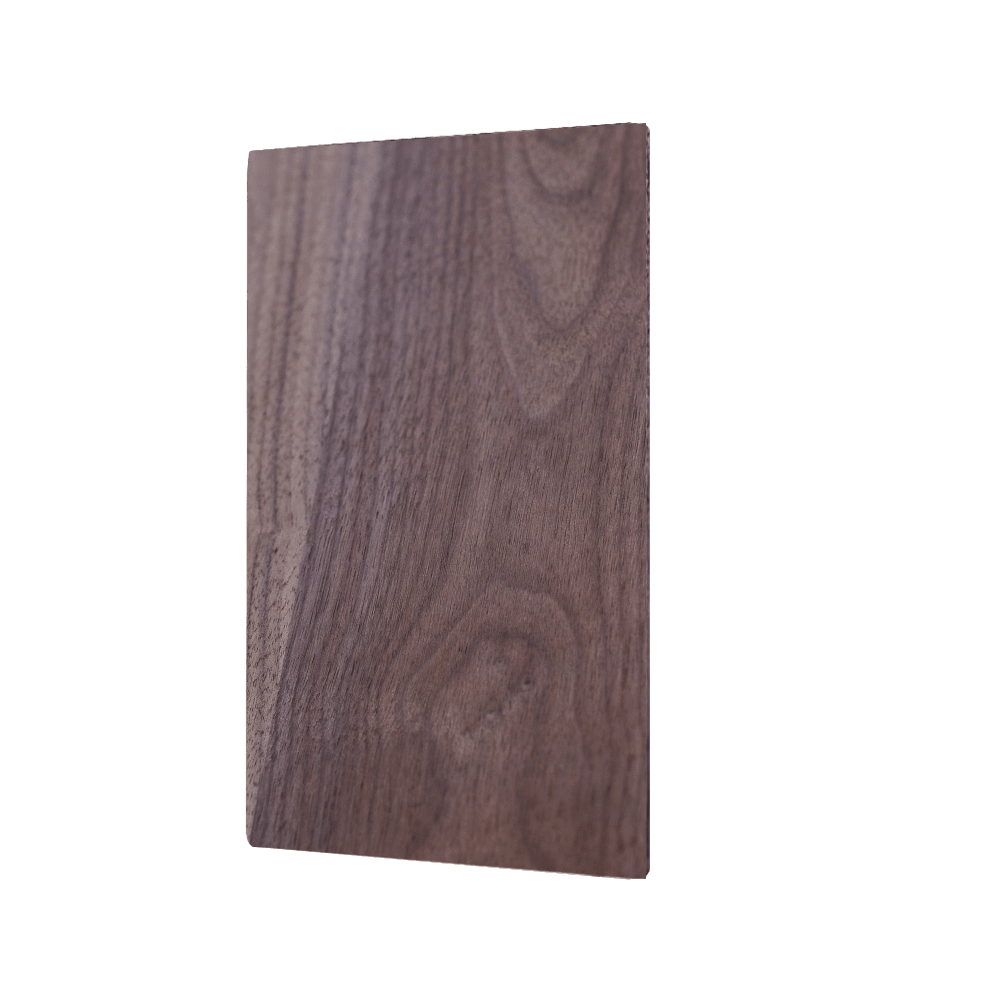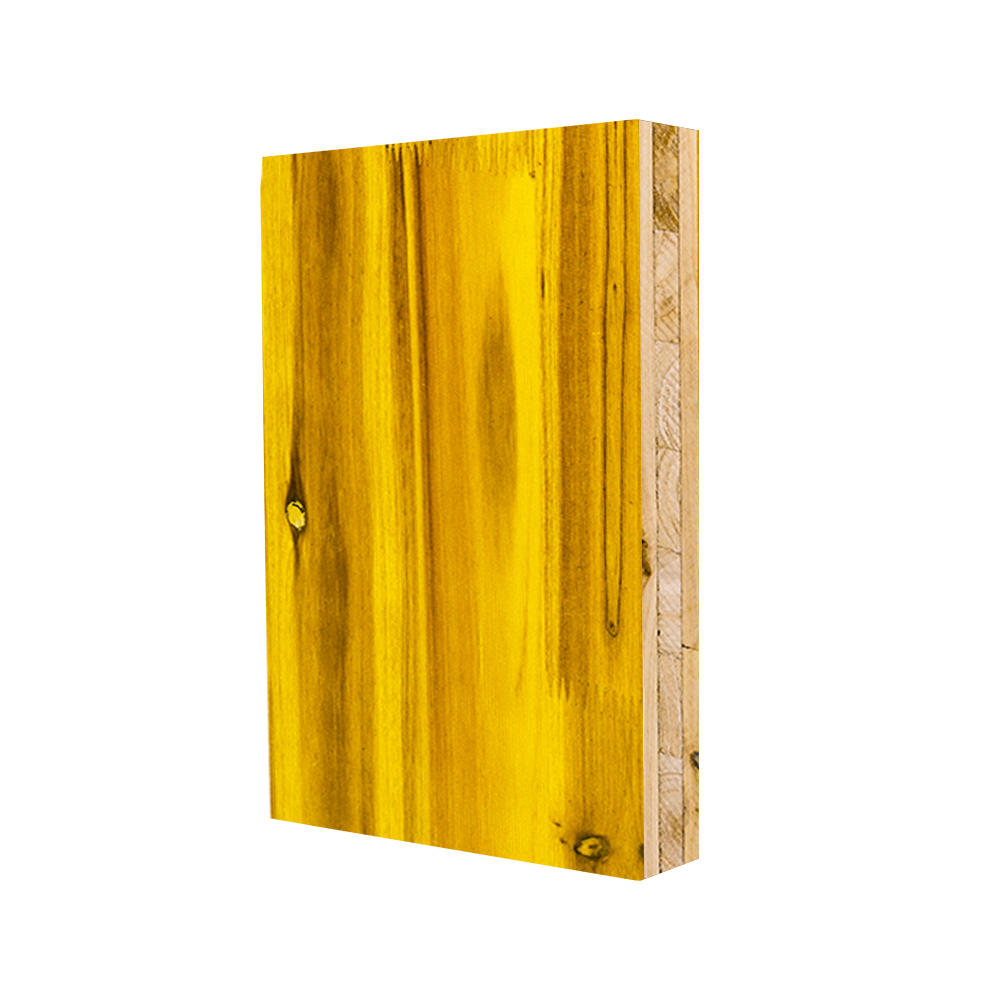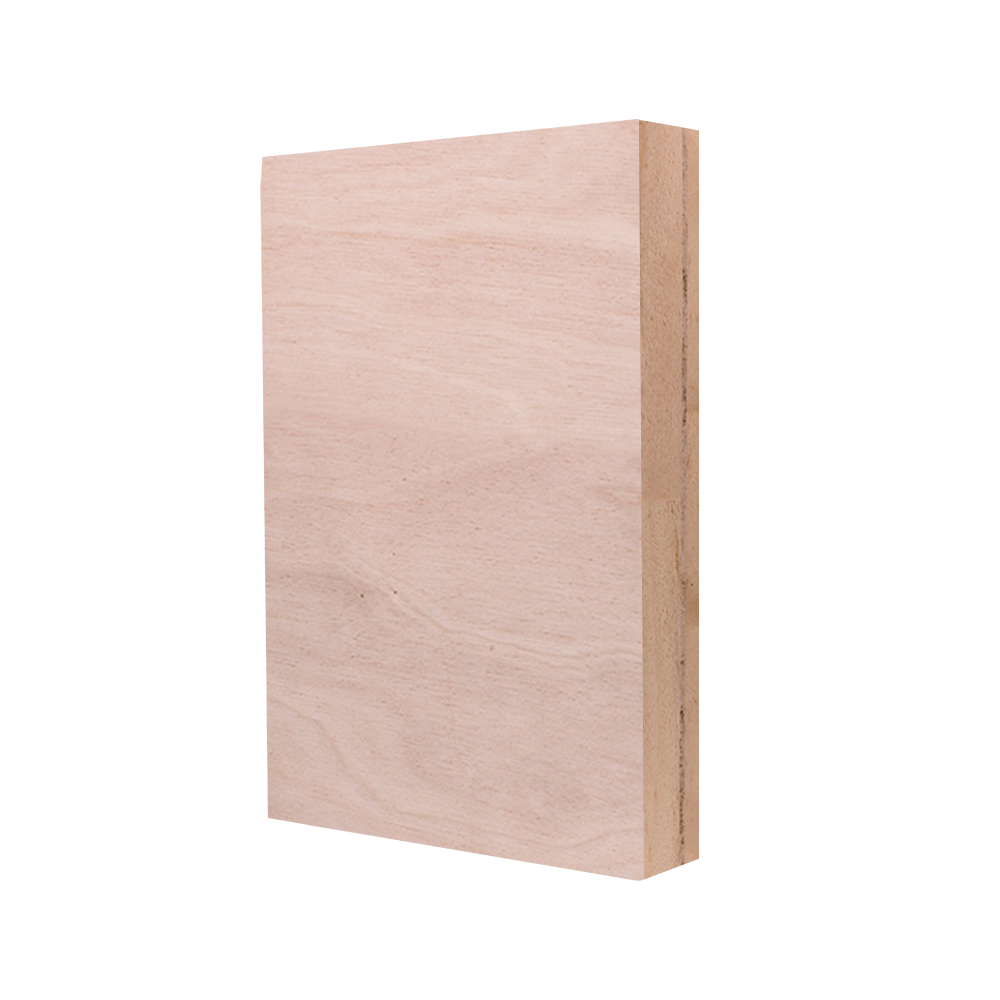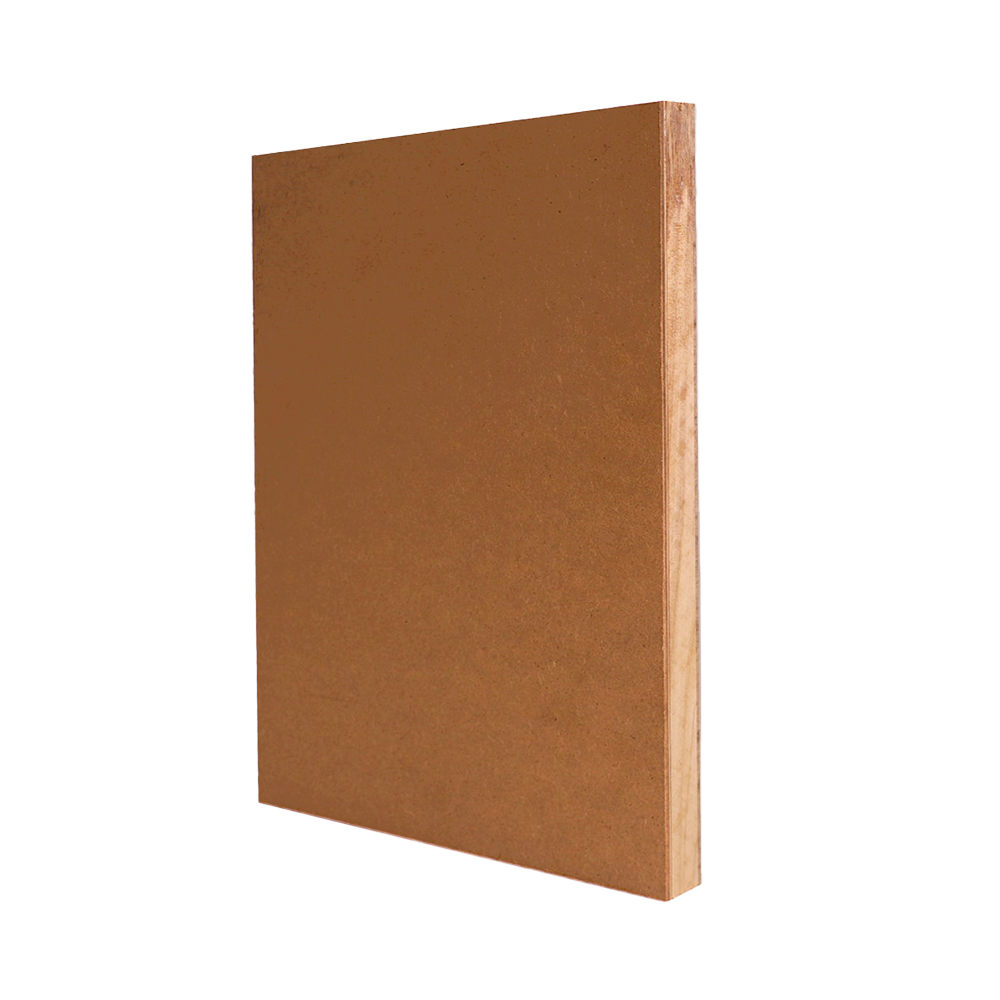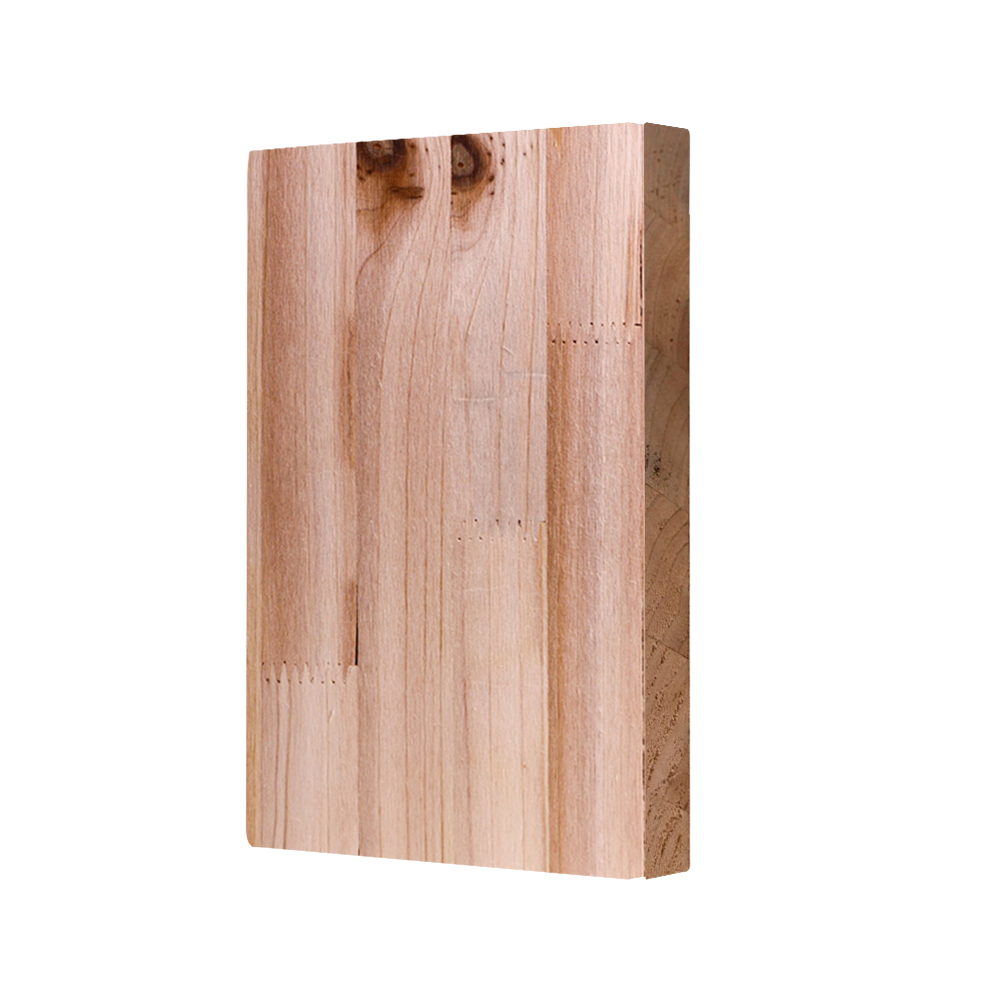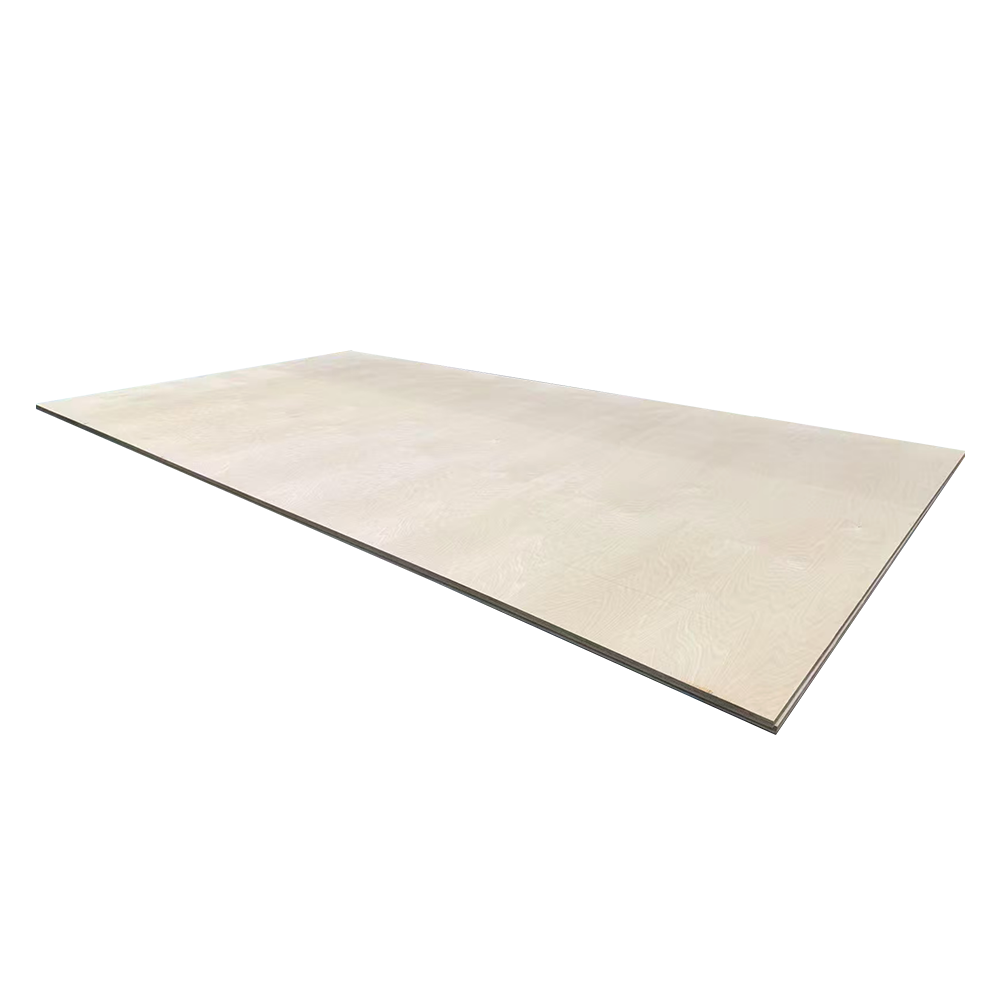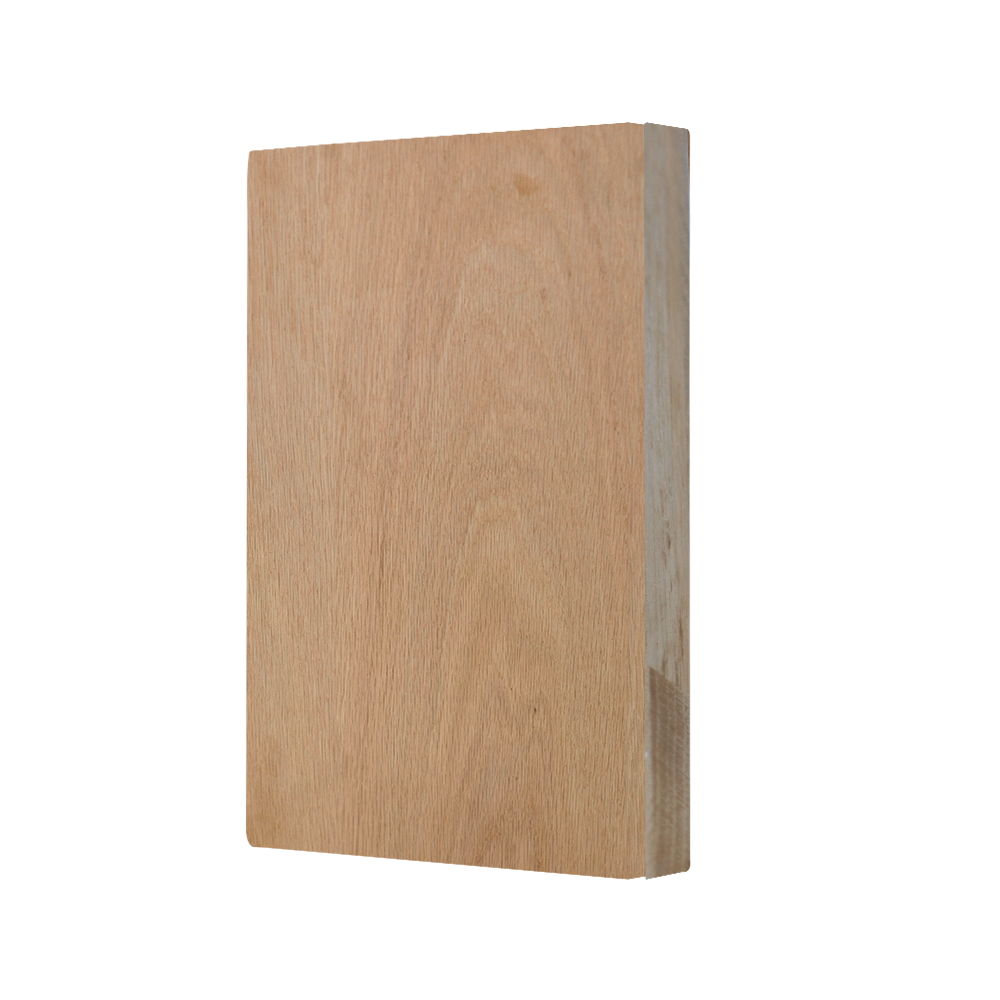

Block Board is a specialized engineered wood product that occupies a unique middle ground between solid timber and plywood. To understand the disadvantages and structural limitations discussed later, one must first grasp its internal architecture. Unlike plywood, which is composed of thin layers of wood veneers glued perpendicularly, Block Board features a core made of solid wood strips (usually softwood) laid edge-to-edge.
These internal strips, typically ranging from 20mm to 35mm in width, are sandwiched between two or more layers of thin wood veneers on the top and bottom. These veneers are glued under high pressure with their grain running perpendicular to the grain of the core blocks. This "cross-grained" construction is intended to provide longitudinal stability, but as we will explore, the reliance on a solid wood core introduces specific vulnerabilities.
The quality of Block Board is heavily dependent on the species of wood used for the core—often Pine, Cedar, or Poplar—and the adhesive used to bind the layers. Because the core is made of rectangular blocks, the material is often lighter than plywood, but this lightness comes at the cost of internal consistency. The bonding process requires precision; any error in the alignment of the internal Block Board strips results in a compromised product that may fail under stress.
To see how Block Board stacks up against its closest competitors, consider the following technical parameters:
| Parameter | Block Board | Plywood (Commercial) | MDF (Fiberboard) |
| Core Material | Solid Wood Strips | Thin Veneer Layers | Wood Fibers & Resin |
| Standard Thickness | 12mm, 15mm, 19mm, 25mm | 3mm to 25mm | 2mm to 30mm |
| Bending Strength | High (Lengthwise) | High (Both directions) | Moderate |
| Weight | Relatively Light | Heavy | Very Heavy |
| Surface Smoothness | Moderate | High | Excellent |
| Gap Presence | Common (Internal) | Rare | None |
| Screw Holding | Variable | Excellent | Moderate |
One of the most significant disadvantages of Block Board is the presence of internal voids or gaps. During the manufacturing process, if the wooden blocks are not perfectly machined or if the machinery fails to press them tightly together, small vertical gaps remain between the strips inside the board.
Since these gaps are hidden beneath the surface veneers, they are invisible to the buyer. However, they create soft spots throughout the sheet. If a heavy object is placed directly over a large internal gap, the surface veneer—which is often only 1mm to 2mm thick—can crack or sink because there is no solid wood underneath to support the load. This makes Block Board a risky choice for surfaces that must withstand concentrated point loads.
For woodworkers and carpenters, these voids in Block Board are a source of constant frustration. When cutting a sheet with a circular saw, the blade may suddenly hit a pocket of air. This lack of resistance causes the blade to jump or splinter the face veneer. Furthermore, if you are attempting to drill a hole for a hinge or a handle and the drill bit lands in a hidden gap, the hardware will have nothing to bite into, leading to loose fittings and failed installations. The unpredictability of the Block Board interior makes precision joinery much more difficult compared to the uniform density of plywood.
While Block Board is designed to resist warping better than raw solid wood, it remains highly susceptible to dimensional instability compared to high-grade plywood or MDF. This is primarily due to the physics of the internal blocks.
In a sheet of Block Board, the grain of the core blocks runs in one direction. Wood naturally expands and contracts more across the grain than along it. If the moisture content of the environment changes, the core blocks may swell. Because the blocks are relatively large, their collective expansion can exert enough force to "telegraph" through the veneers or cause the entire board to bow. This is a common failure point when Block Board is used in environments with fluctuating humidity.
One of the most notorious issues with Block Board is its tendency to sag over time when used in long, vertical applications. For example, a wardrobe door made of Block Board that exceeds 2 meters in height is highly likely to develop a bow in the middle. This happens because the internal blocks can shift slightly under their own weight and environmental stress, and the perpendicular veneers are often not strong enough to counteract this longitudinal movement. This makes Block Board less ideal for tall, slim furniture components.
If Block Board is exposed to high humidity, the glue bonds between the blocks and the veneers are put under immense stress. Since the blocks are solid wood, they absorb moisture at a different rate than the thin veneers. This differential expansion can lead to delamination, where the surface skin literally peels away from the core, or the blocks themselves begin to separate. Once Block Board begins to delaminate, the structural integrity is permanently lost and cannot be easily repaired.
In theory, Block Board should have excellent screw-holding capacity because it contains solid wood. In practice, this is governed by chance rather than consistency.
The Hit or Miss Effect: If your screw enters the center of a solid core block, the grip is fantastic. However, if the screw hits the junction between two blocks—or worse, a void—it will spin freely without any grip. This inconsistency is one of the most cited reasons why professionals sometimes avoid Block Board for high-stress furniture like drawer slides or heavy-duty hinges.
Edge-Grain Issues: When driving screws into the side or edge of a Block Board, you are often driving them into the end grain of the blocks or the glue lines. End grain is notorious for having poor screw retention, as the fibers simply spread apart rather than gripping the threads. Furthermore, because the core consists of individual blocks, driving a thick screw near the edge without a pilot hole can easily split a single block, causing the edge of the Block Board to bulge or the veneer to pop.
While Block Board is generally lighter than plywood made from hardwoods, its weight distribution is often uneven, leading to handling difficulties.
Density Variations: Not all blocks in the core are made from the same part of the tree. A single sheet of Block Board might contain blocks of varying densities, making the board feel unbalanced during transport or installation. This can lead to issues when using automated machinery that expects a uniform weight and resistance.
Labor-Intensive Edging: Unlike solid wood, the raw edge of a Block Board is visually unattractive, revealing the sandwiched blocks and potential gaps. To make it usable for furniture, every single exposed edge must be "lipped" with a solid wood strip or covered with thick edge-banding. This adds significant labor time and material costs to any project involving Block Board. Without proper lipping, the core is also vulnerable to moisture and pest ingress.
Achieving a high-end finish on Block Board requires significantly more preparation than other engineered woods like MDF.
Over time, a phenomenon known as telegraphing can occur. As the wood blocks settle or react to the climate, the faint outlines of the rectangular blocks can become visible through the surface veneer. This is particularly devastating if the Block Board has been finished with a high-gloss paint or a very thin decorative laminate, as the "grid" pattern of the interior becomes an unwanted design feature on the exterior surface.
You cannot perform intricate routing or carving on the surface of Block Board. If you attempt to rout a decorative groove into the face, you will quickly cut through the thin veneer and expose the raw core blocks and glue lines underneath. This limits Block Board almost exclusively to flat-panel applications, making it unsuitable for classical or ornate furniture styles.
The production of Block Board involves significant amounts of adhesive, which raises health concerns depending on the quality of the resin used.
Formaldehyde Emission: Most commercial-grade Block Board products use Urea-Formaldehyde (UF) resins. Over time, especially in poorly ventilated spaces, these resins can off-gas formaldehyde, which is a known respiratory irritant. While higher grades exist, many budget Block Board options do not meet the most stringent indoor air quality standards.
Sustainability Debates: While Block Board uses smaller pieces of wood that might otherwise be wasted, the high glue-to-wood ratio and the difficulty of recycling composite materials make its environmental footprint a subject of debate. Furthermore, the source of the softwood blocks is not always transparent, leading to concerns about the sustainability of the timber used in the Block Board core.
Understanding where Block Board fails is key to avoiding costly structural mistakes in construction and interior design.
Kitchen Cabinets: Due to the steam and frequent spills, standard Block Board often swells at the edges. Once moisture enters the core blocks, they expand and cause the laminates to peel away. In high-moisture zones, Block Board is generally inferior to Marine-grade plywood.
Bookshelves: If used for wide shelves without middle support, the sag factor mentioned earlier will cause the Block Board to permanently bend under the weight of books. Unlike plywood, which has better cross-tensile strength, Block Board is prone to "creep"—a permanent deformation under constant load.
Outdoor Use: Even "waterproof" Block Board is rarely suitable for full outdoor exposure. The solid wood core will eventually rot if water penetrates the veneers and becomes trapped in the internal gaps between the blocks. The structure of Block Board essentially acts as a sponge for trapped moisture once the outer seal is breached.
If you choose to use Block Board, certain professional techniques can minimize its inherent flaws.
Selecting the Right Grade: Always look for Block Board that meets national quality standards (such as IS:1659). High-quality boards have smaller core strips and fewer internal voids, which significantly improves screw retention and structural stability.
Proper Lipping Techniques: To protect the Block Board core, use solid wood lipping of at least 6mm to 10mm thickness on all edges. This not only provides a better surface for hinges but also acts as a barrier against moisture and pests.
Balanced Lamination: To prevent warping, always apply the same thickness of laminate or veneer to both sides of the Block Board. This balances the internal stresses and prevents the board from pulling or bowing in one direction.
Is Block Board termite-proof? Naturally, no. Because it is made of solid softwood, it is a prime target for termites. However, many manufacturers now treat the Block Board core blocks and the glue with chemicals like Boric acid to provide termite-resistant properties. Always check the manufacturer's specifications for pest treatment.
Can I use Block Board for bathroom vanities? It is generally discouraged unless you are using BWR (Boiling Water Resistant) grade Block Board. Even then, all edges must be perfectly sealed with waterproof glue and thick edge-banding to prevent the core from absorbing water vapor.
Why is my Block Board door bending? This is usually due to unbalanced construction or high humidity on one side of the door. If you laminate only one side of the Block Board, the moisture absorption will be unequal, causing the board to warp. Using a vertical stiffener or "C-channel" can sometimes help prevent this.
How do I tell high-quality Block Board from low-quality? A simple test is the sound test: Tap the Block Board across its surface. A hollow sound indicates a large internal gap, while a consistent thud indicates a solid core. You can also check the weight; very light boards often indicate the use of low-density wood or the presence of many internal voids.
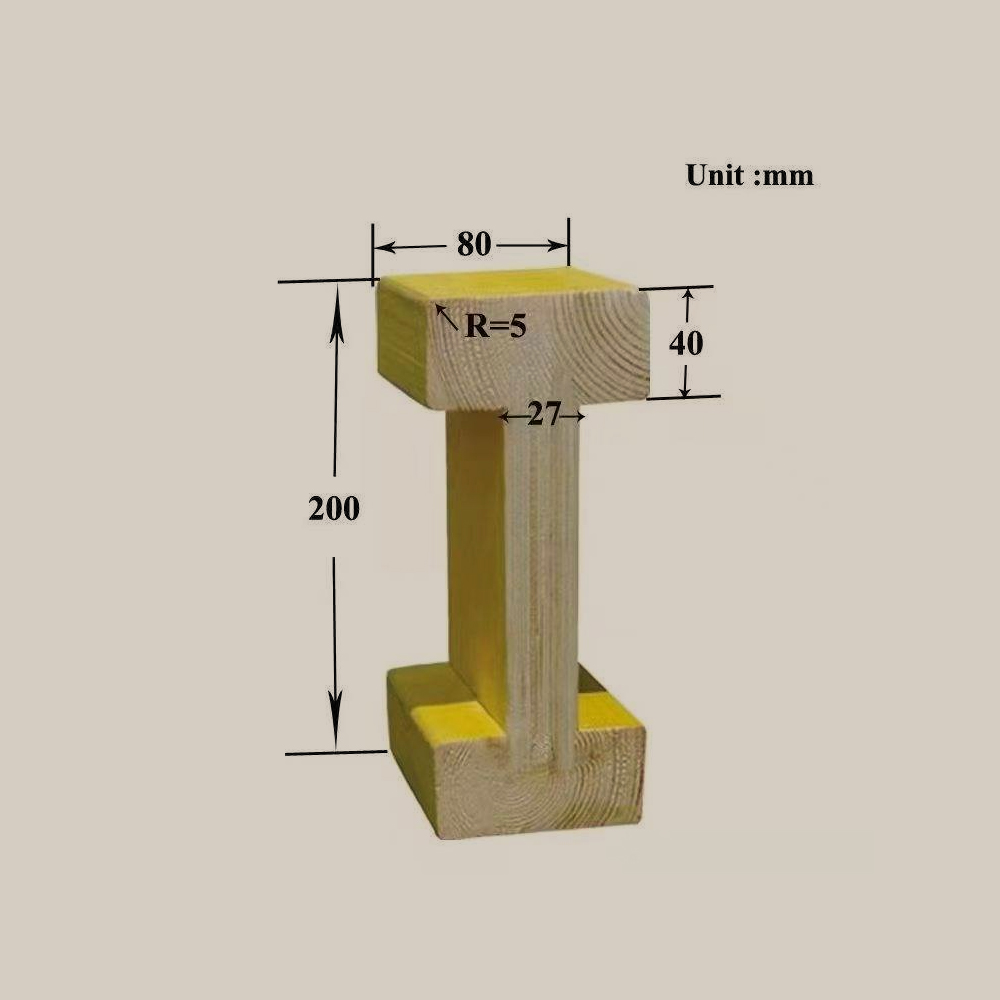
What is the difference between "Battens" and "Blocks" in these boards? Battens are wider wood strips (up to 80mm), while blocks are narrower (up to 30mm). Generally, Block Board made with narrower blocks is much more stable and less likely to warp than boards made with wide battens, as smaller strips distribute stress more evenly.
Is Block Board better than MDF for shelving? For short spans, Block Board is often better because it is stiffer. However, for long spans, both materials will sag. Block Board has better longitudinal strength but MDF provides a smoother surface for painting. For heavy-duty shelving, plywood remains the superior choice over Block Board.
related products


Copyright © Tianma Lvjian Group Co., Ltd. Rights Reserved.
Wholesale Construction Plywood Manufacturers Privacy
 English
 中文简体
中文简体