
In modern construction engineering and high-end furniture manufacturing, how to maintain the flatness of wood panels under high-strength loads and extend the service life of finished products has always been a core challenge for engineers and procurement professionals. Ordinary solid wood panels are prone to warping due to internal stress, while common particle boards or MDF tend to sag and break under large spans. As a structural material that balances lightweight properties with high physical strength, block board, with its unique core structure, has become an ideal choice for addressing deformation problems in large-span and high-load-bearing applications.
A deep analysis of the internal physical structure, performance parameters, and material classification of block board can help engineering personnel make accurate material selections during the initial phase of a project, completely eliminating structural hazards such as product deformation and poor screw-holding power.
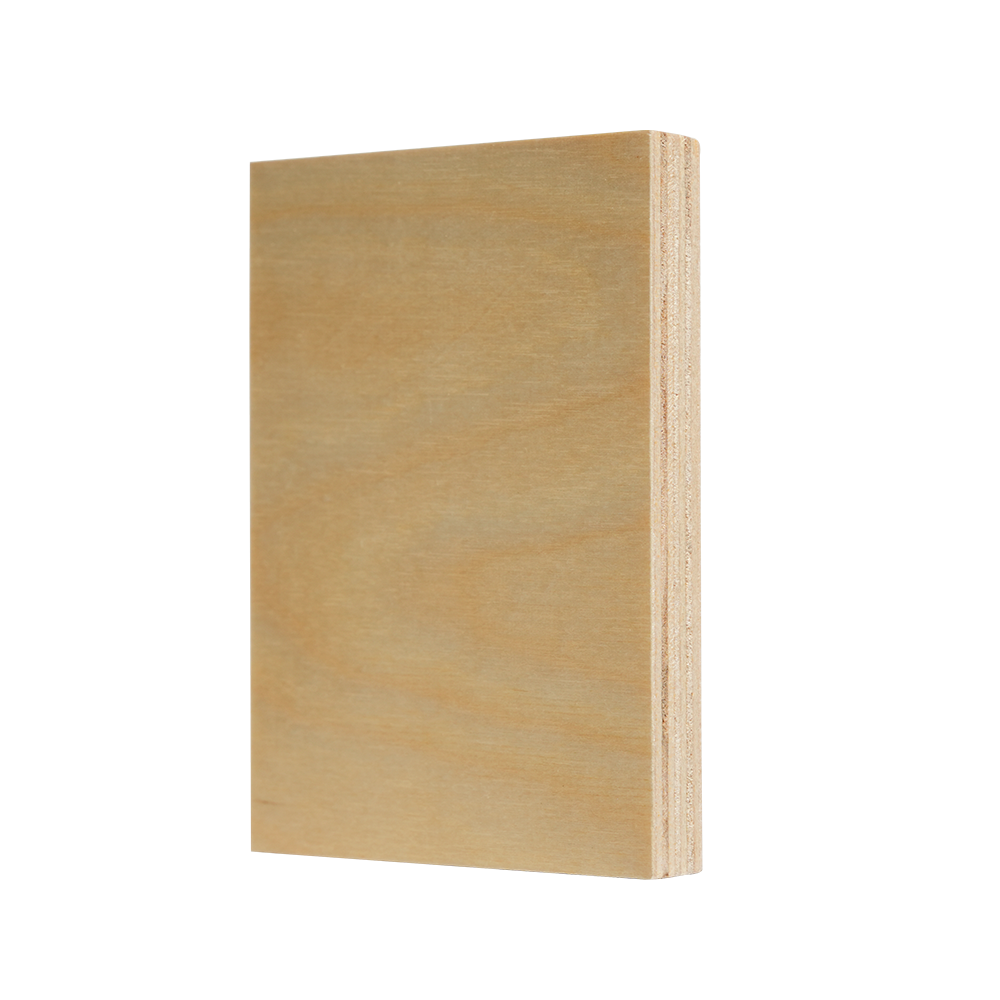
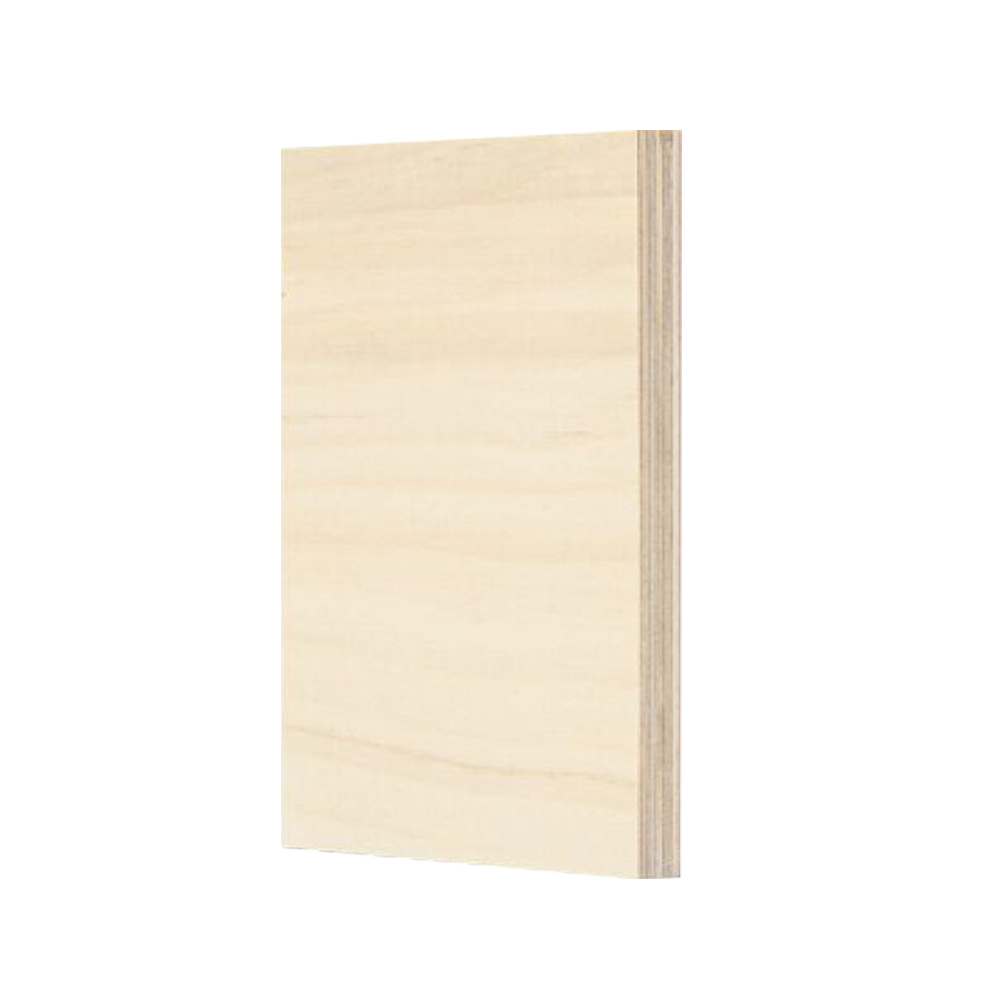
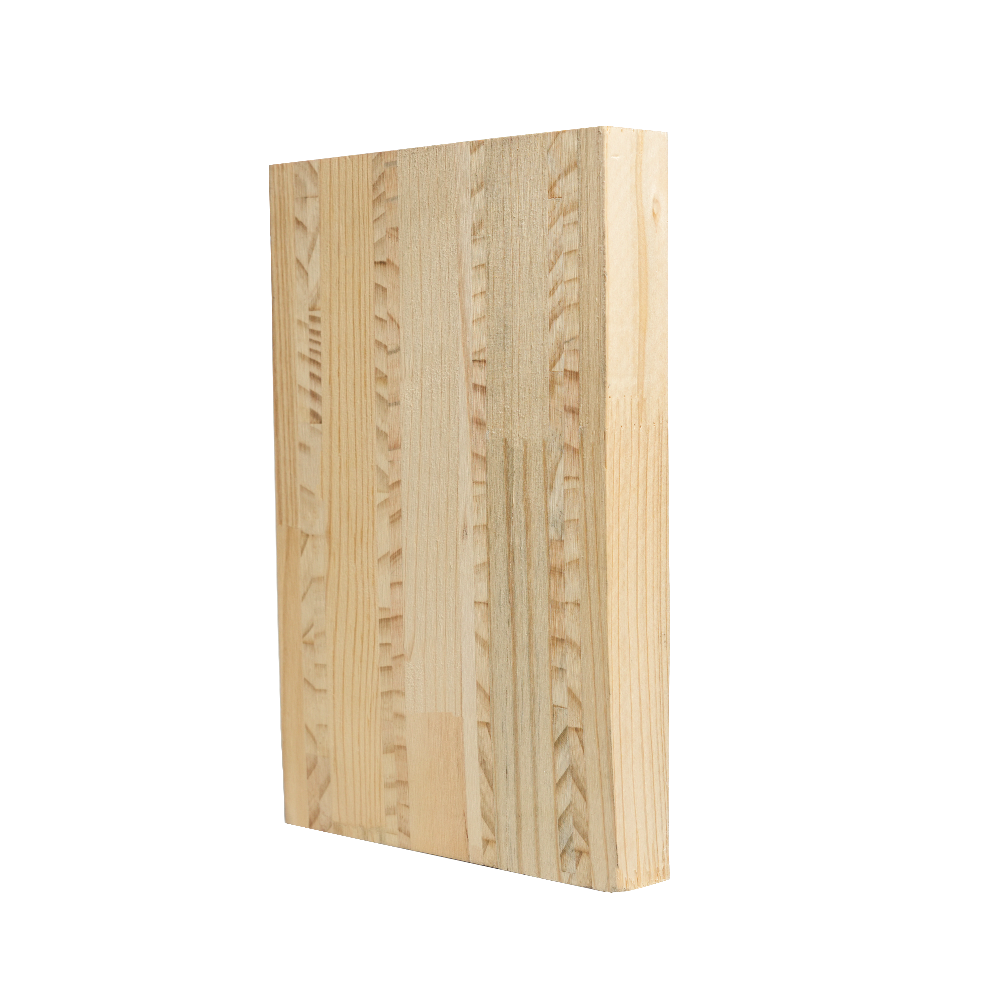
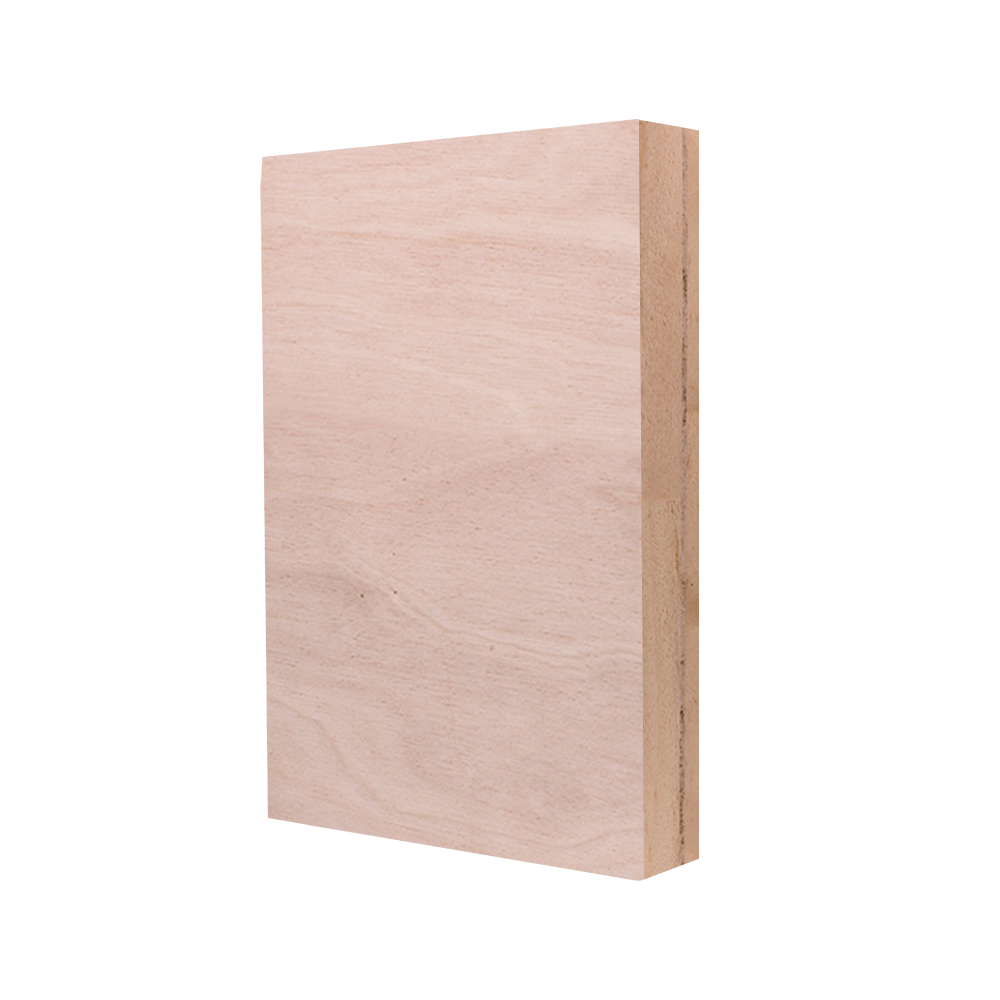
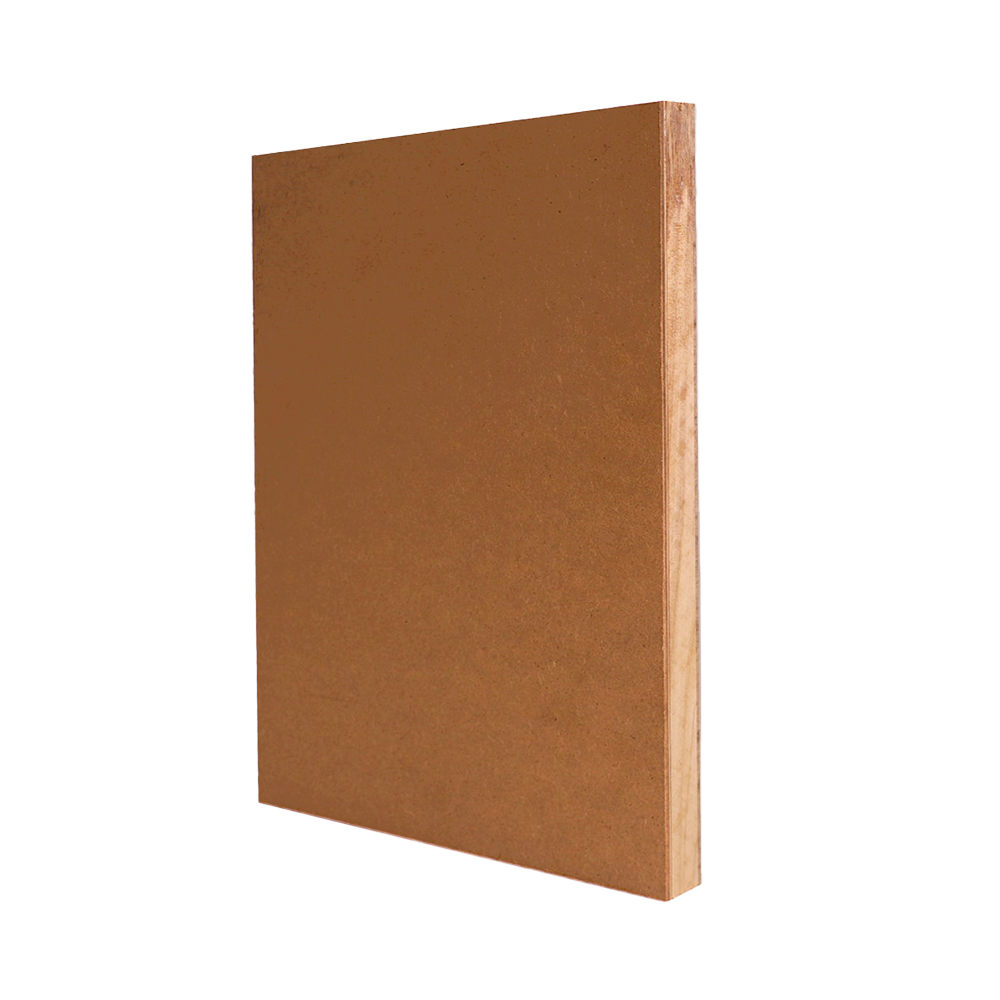
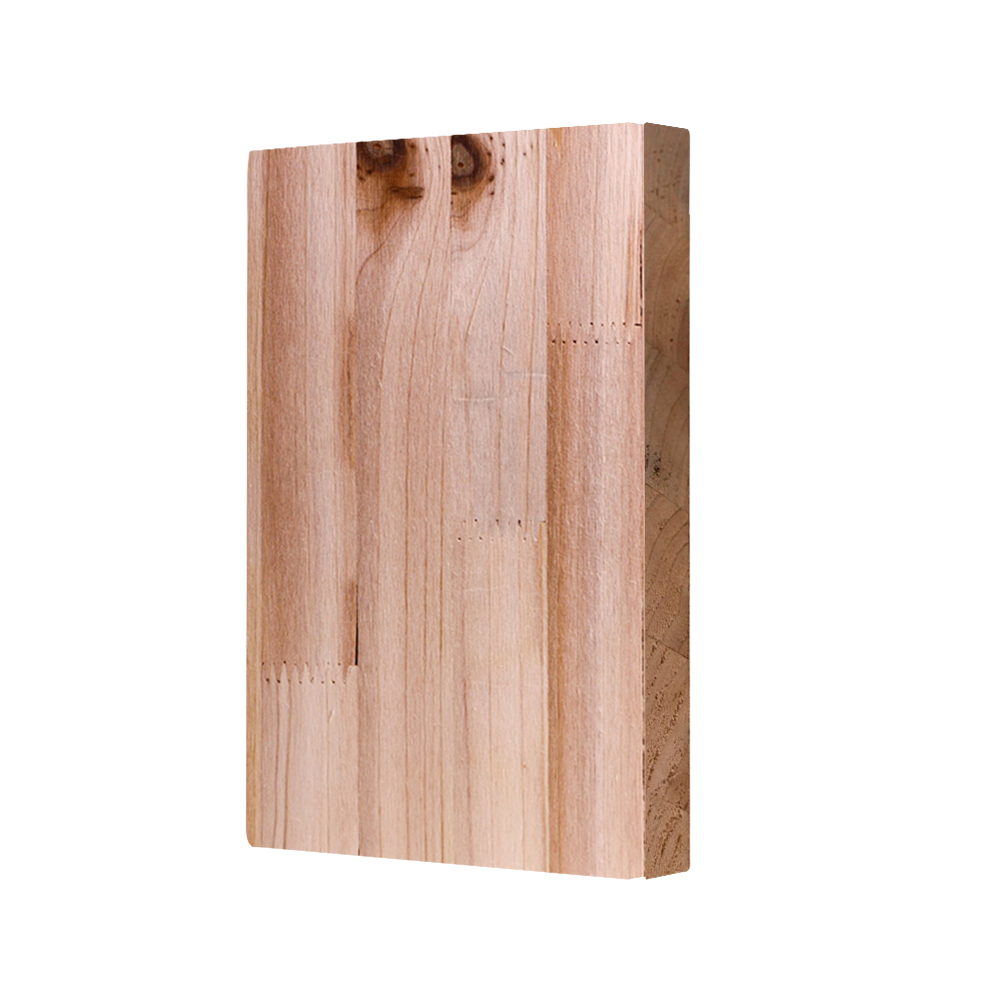
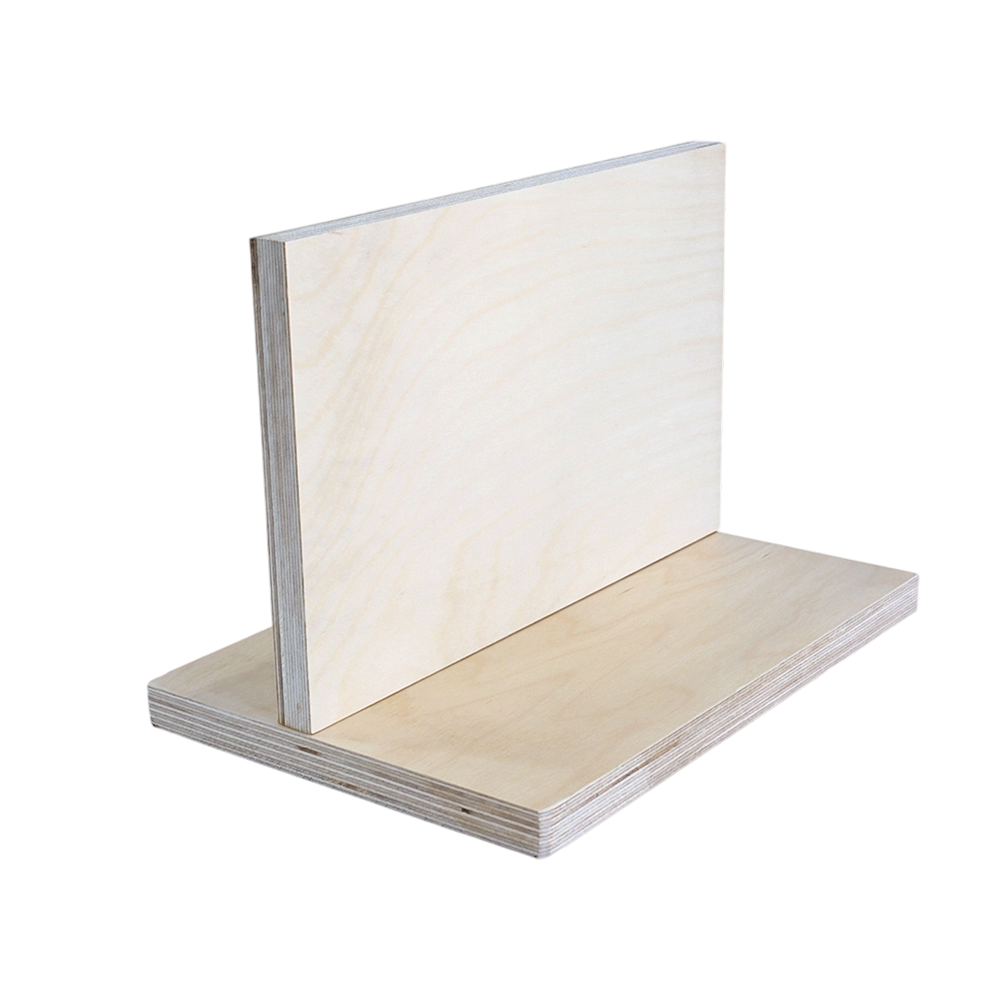
The core advantage of block board stems from its special three-layer or five-layer sandwich structure. The central layer consists of thoroughly dried, directionally spliced solid wood strips (such as pine, poplar, cedar, or paulownia), covered on both sides with one or two layers of natural wood veneers.
The reason why this structure exhibits excellent anti-deformation capability lies in the cross-grain design of its fiber directions:
Stress Cancellation Mechanism: The wood grain direction of the core solid wood strips is consistent, providing extremely high longitudinal bending strength. Meanwhile, the fiber direction of the surface veneers is perpendicular to the core wood strips. When environmental temperature and humidity change drastically, the transverse expansion or contraction stress generated by the internal wood strips is firmly restrained by the veneers in the vertical direction, effectively preventing the panel from warping and twisting.
Low Deformation Rate and High Load-Bearing: Compared with ordinary plywood, block board exhibits stronger longitudinal bending resistance, making it particularly suitable for long shelves with a span exceeding 800mm, tall cabinet door frames, and indoor partitions.
To evaluate the quality and suitability of block board in different application scenarios, reliance on specific physical parameters is necessary. Depending on the wood species, adhesive type, and manufacturing process, the core performance indicators differ significantly. The following is a detailed comparison of the technical parameters of the main types of block board available on the market:
| Physical and Performance Indicators | MR Grade (Moisture Resistant Indoor) block board | BWP Grade (Boiling Water Proof) block board | High Density Hardwood Core block board |
|---|---|---|---|
| Core Material Species | Pine / Poplar | Cedar / Hard Mixed Wood | Eucalyptus / Birch |
| Adhesive Used | Urea-Formaldehyde Resin (UF Resin) | Phenolic Resin (PF Resin) | Modified Eco-Friendly Resin |
| Standard Thickness Specifications | 15mm, 18mm, 25mm | 18mm, 25mm, 30mm | 19mm, 25mm, 35mm |
| Longitudinal Bending Strength | ≥ 20 MPa | ≥ 25 MPa | ≥ 32 MPa |
| Transverse Bending Strength | ≥ 12 MPa | ≥ 15 MPa | ≥ 18 MPa |
| Screw-Holding Power (Face) | ≥ 1200 N | ≥ 1400 N | ≥ 1800 N |
| Thickness Swelling Rate after Water Absorption | ≤ 10% (Normal Humidity) | ≤ 3% (72-Hour Boiling Water Test) | ≤ 5% (High Humidity Environment) |
| Primary Application Scenarios | Bedroom wardrobes, dry environment partitions, ceilings | Kitchen cabinets, bathroom partitions, high-humidity areas | Heavy-duty storage racks, conference tables, door core frames |
As shown by the parameters, when a project requires extremely high localized load-bearing capacity or repeated installation of hardware components, the hardwood core board with a screw-holding power of up to 1800 N provides longer-lasting structural stability. In high-humidity environments or areas prone to moisture, the BWP grade board with a low thickness swelling rate is an essential choice to prevent delamination and mold growth.
In practical applications, many projects encounter issues such as surface bubbling, cracking, or loose screws due to poorly processed wood panels. This is usually caused by excessive gaps (Voids) between the internal wood strips.
During the manufacturing process of high-quality block board, the core solid wood strips must undergo precise lateral hot-press gluing to restrict the gaps between wood strips to under 0.5mm. At the same time, the moisture content of the core material must be strictly controlled between 8% and 12% via kiln drying. If the moisture content is too high, the board will experience internal shrinkage as it dries post-installation, leading to surface veneer delamination or wavy deformation.
By using vernier calipers on-site to measure the edge thickness uniformity (where the error must be less than 0.5mm) and observing the tightness of the wood strips at the cut cross-section, inspection personnel can filter out inferior boards before they enter the site, ensuring that the mechanical performance after installation completely aligns with technical standards.
related products


Copyright © Tianma Lvjian Group Co., Ltd. Rights Reserved.
Wholesale Construction Plywood Manufacturers Privacy
 English
 中文简体
中文简体