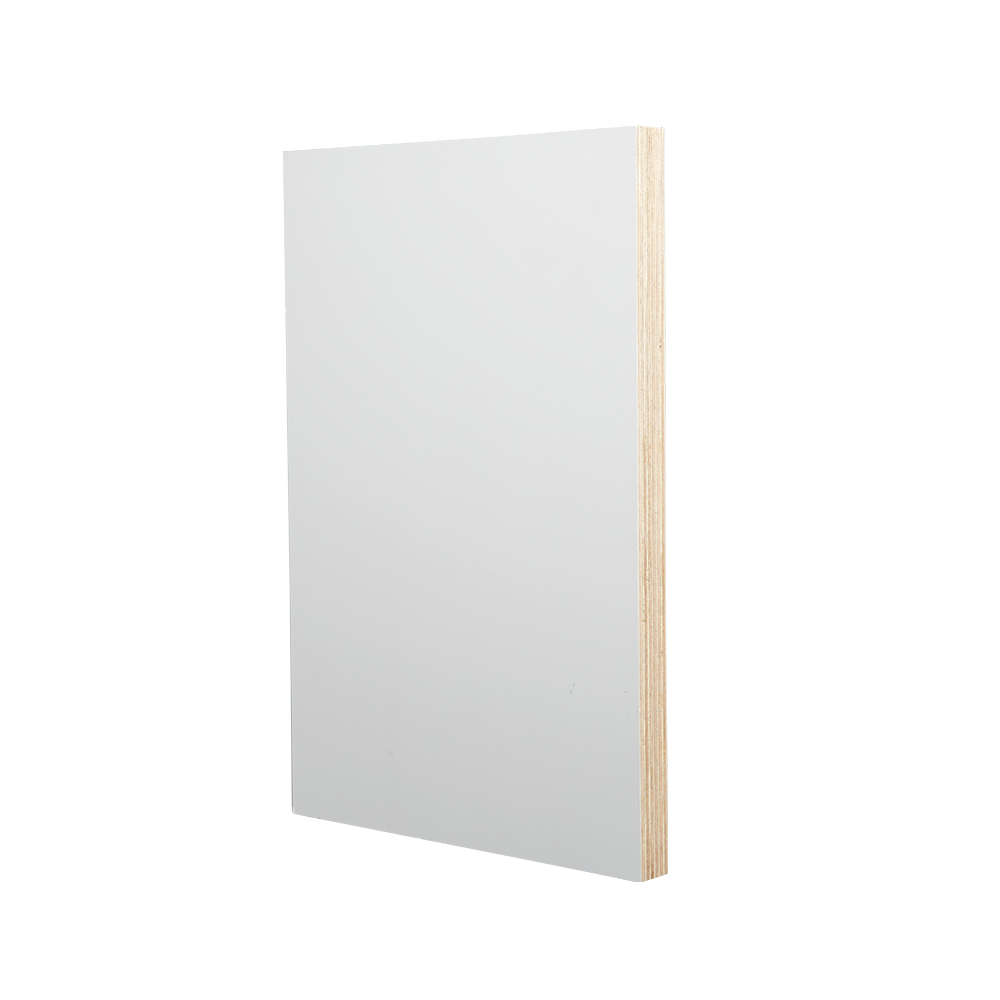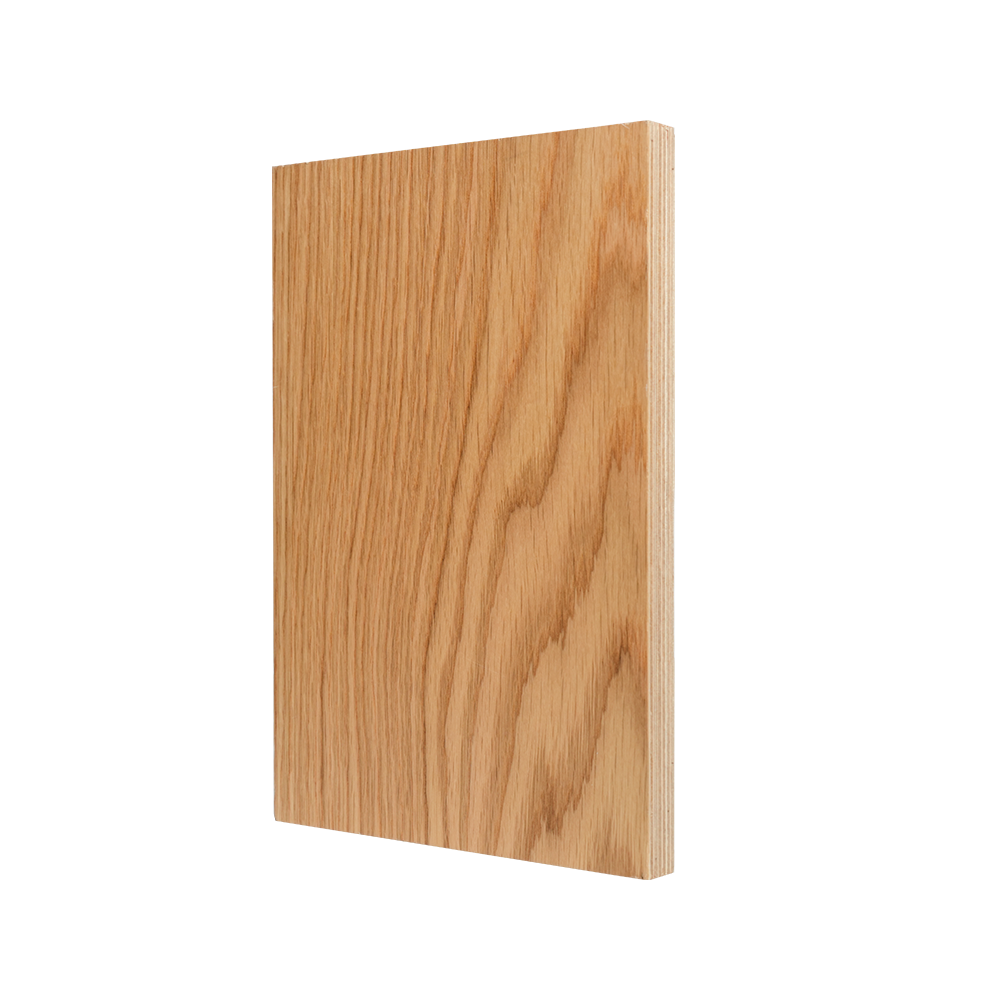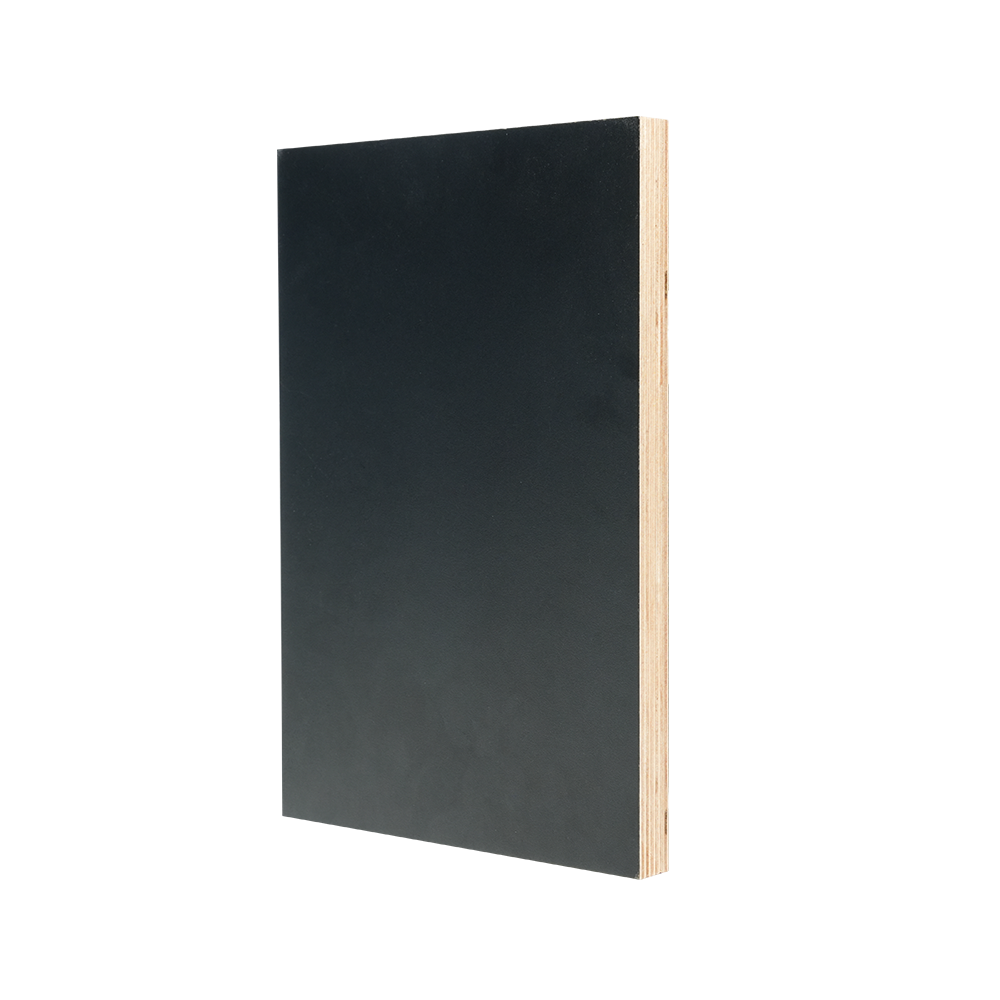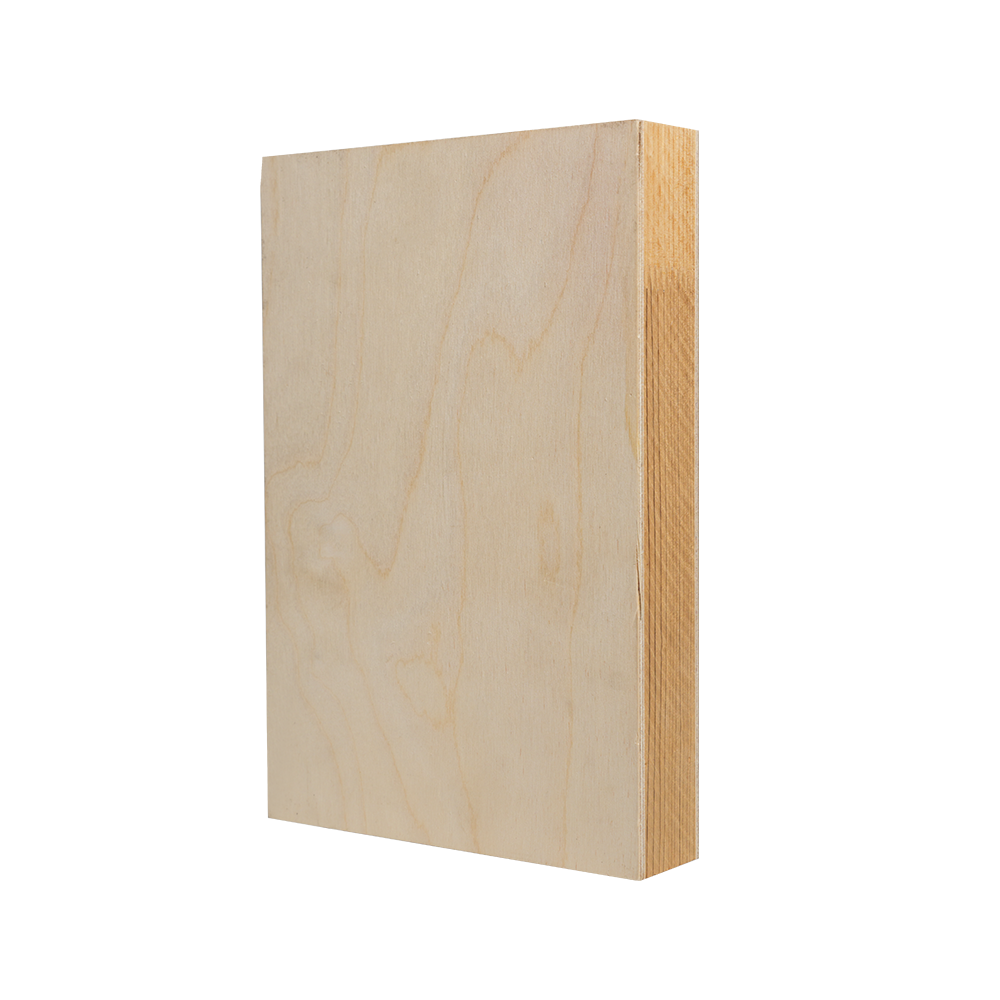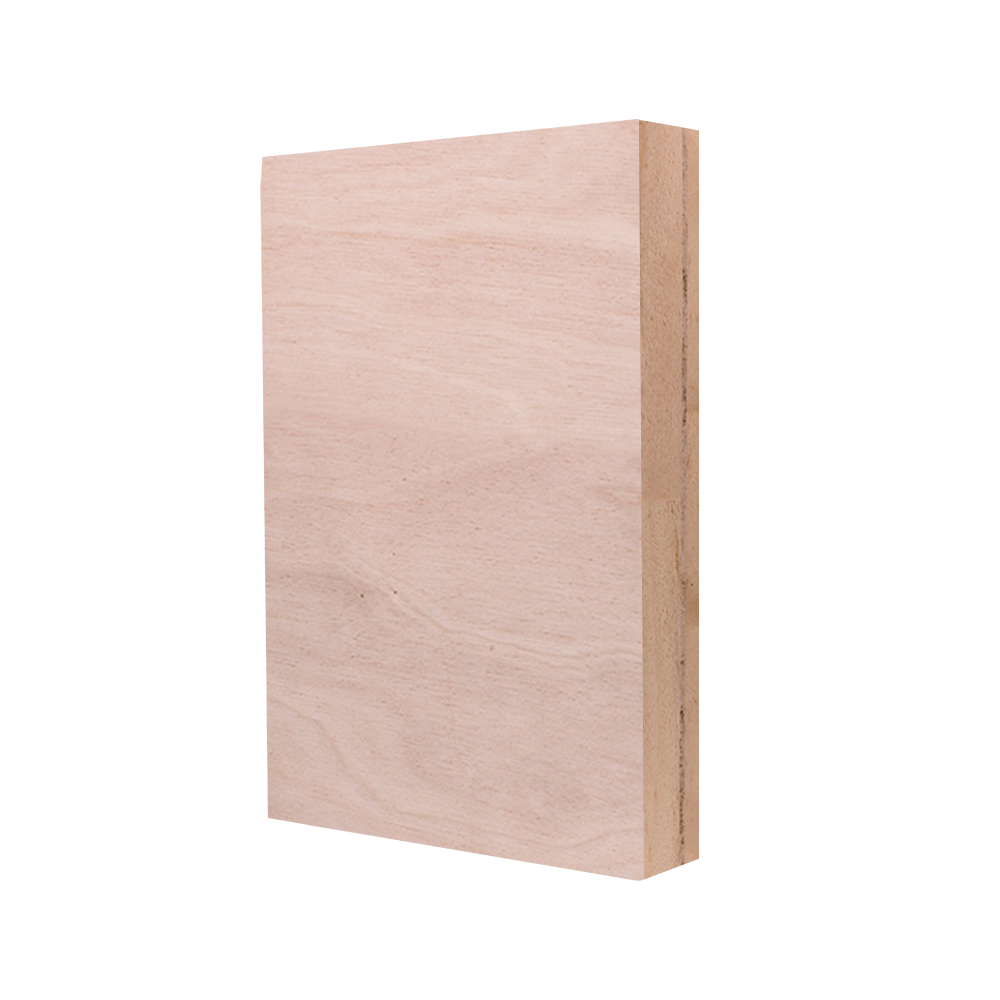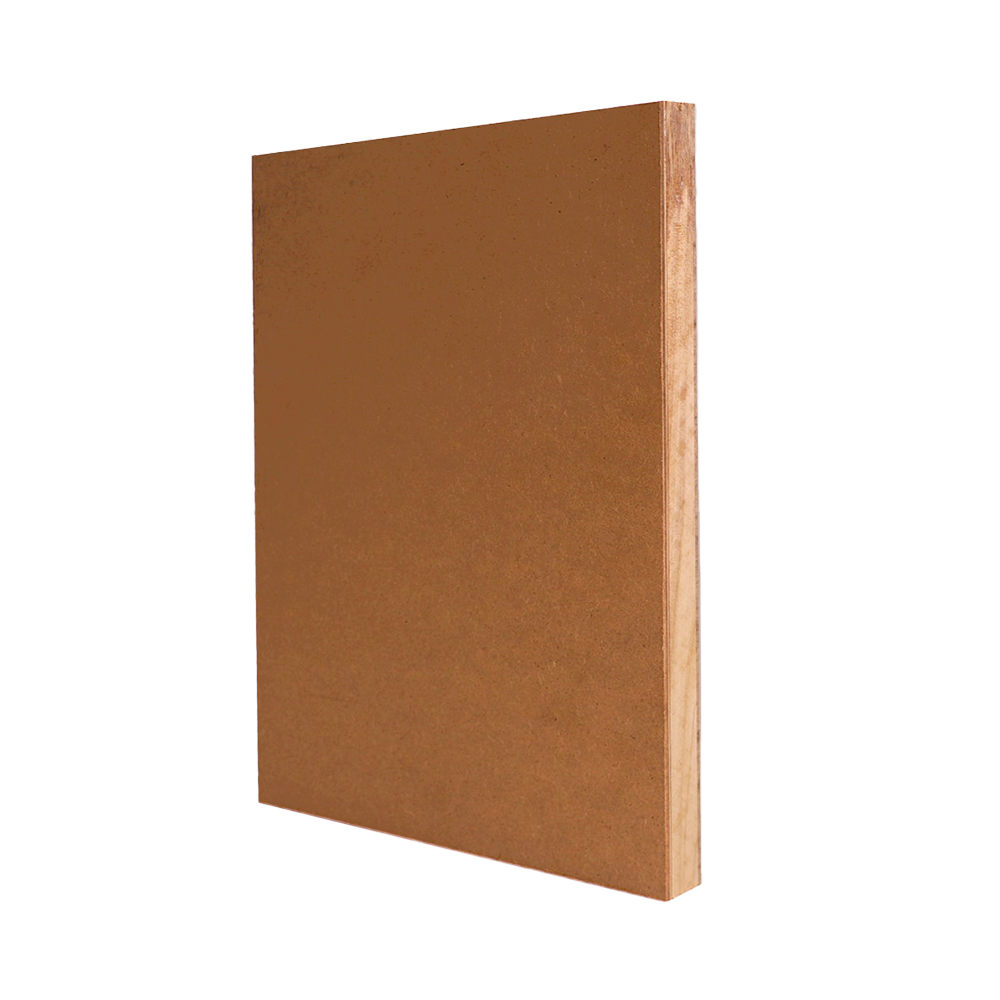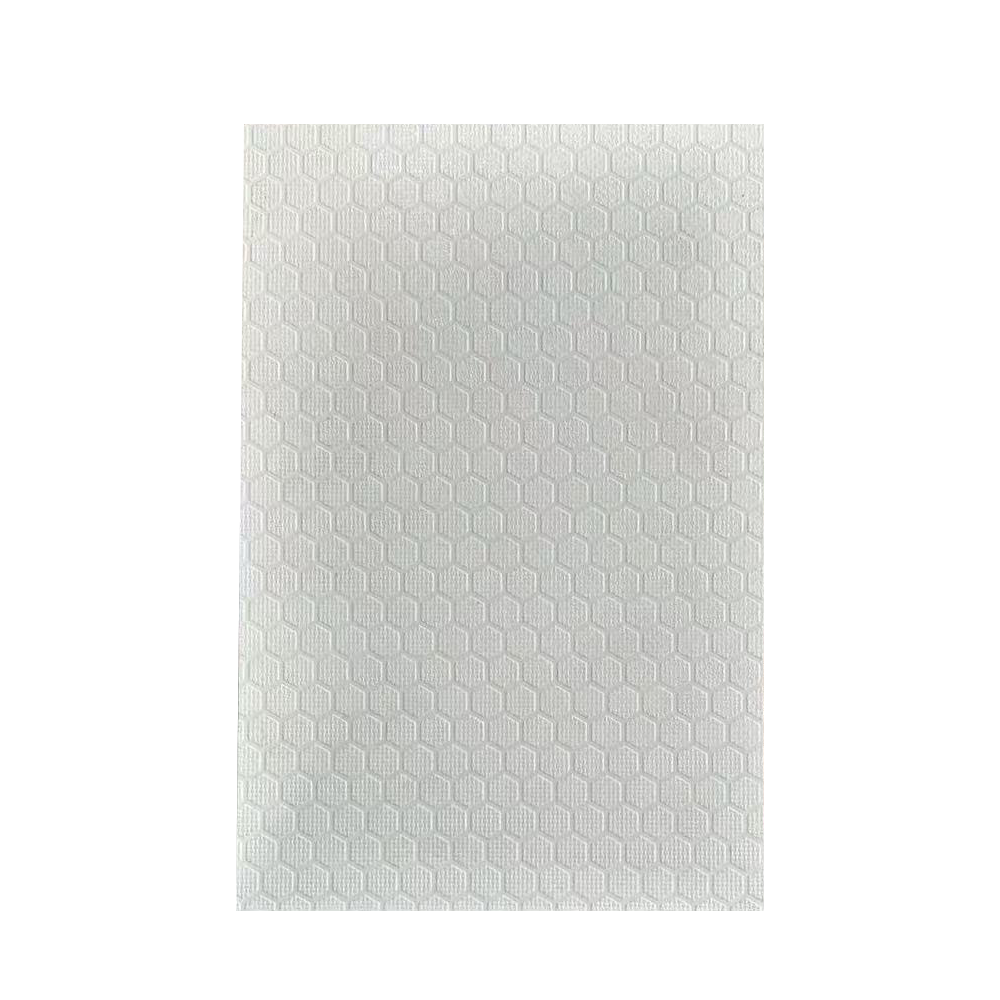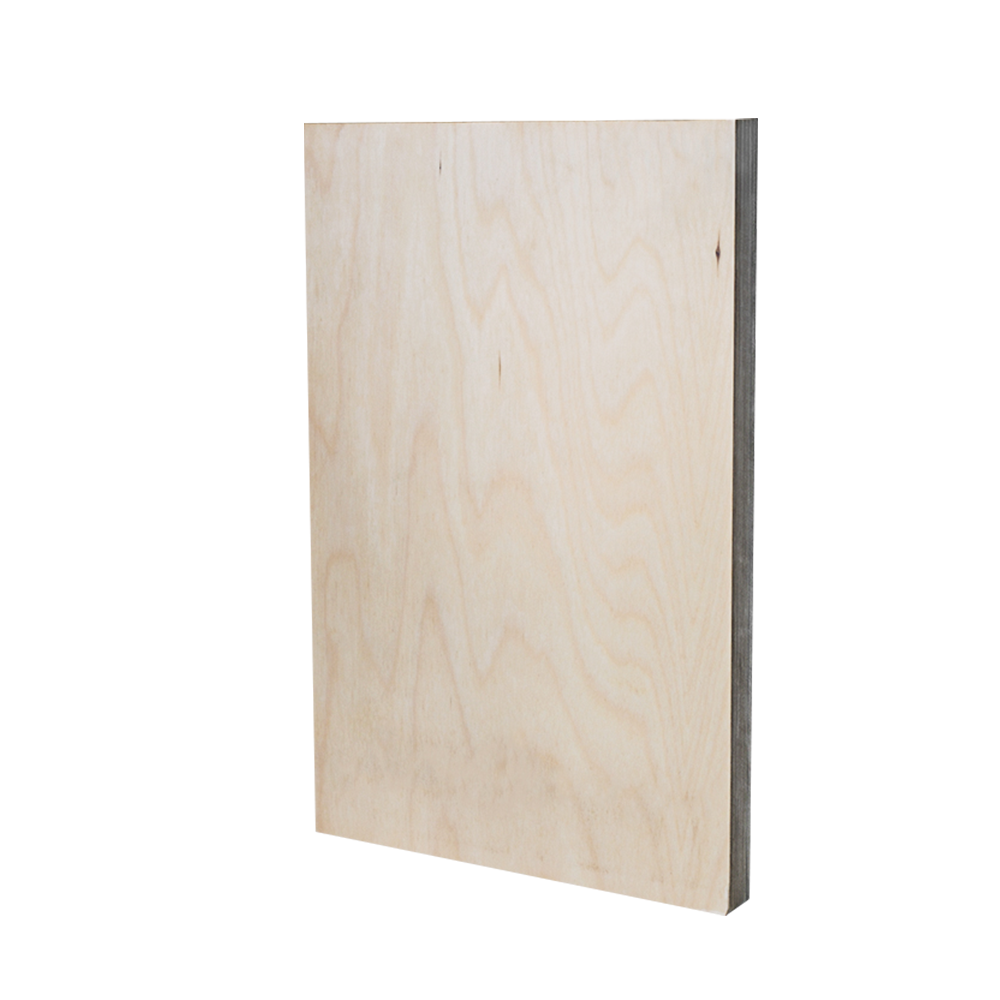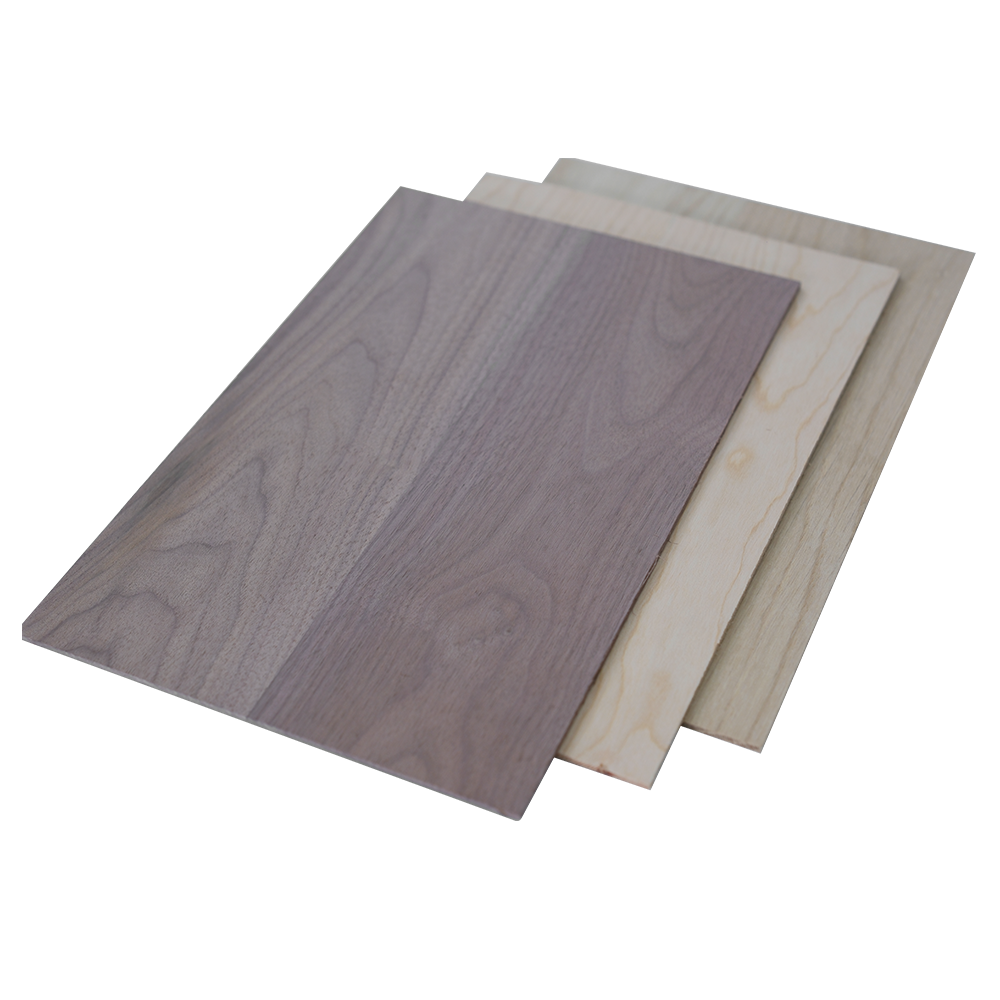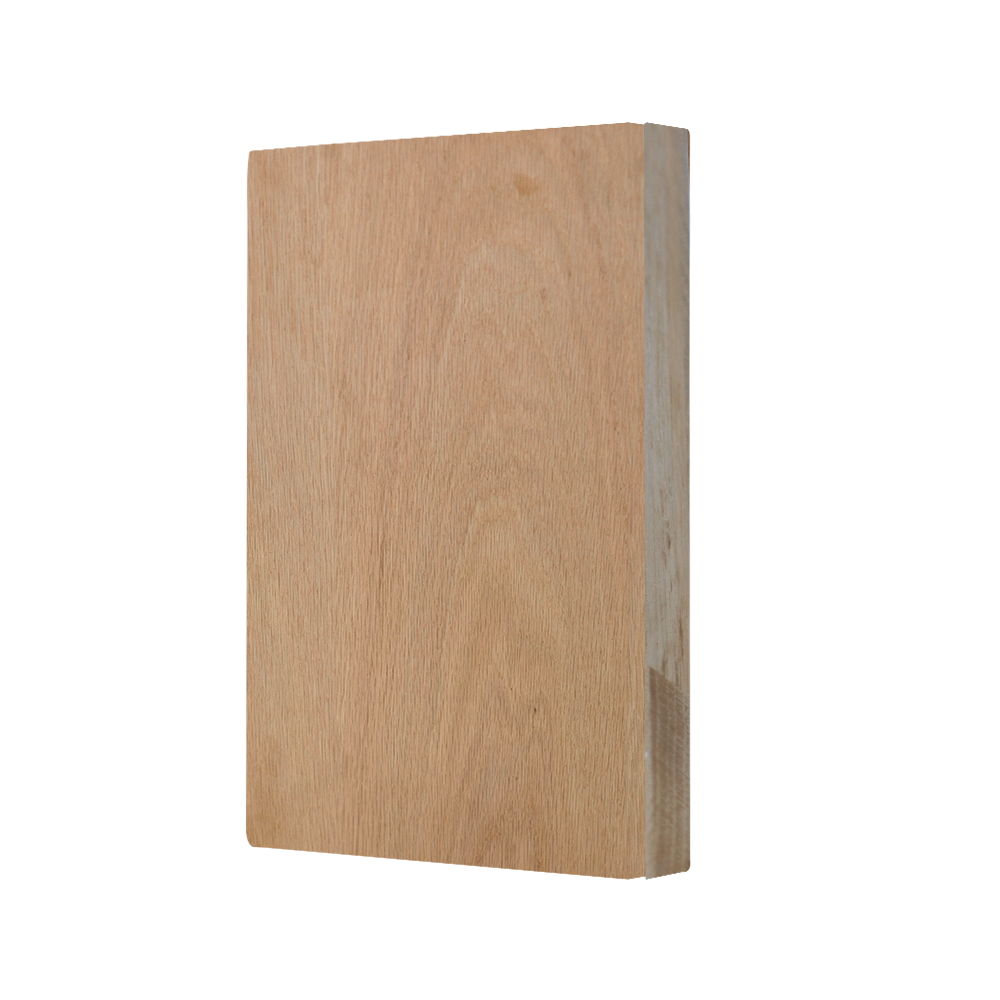

Birch Plywood represents engineered wood products manufactured through cross-laminating birch veneer layers. This material employs premium birch as primary raw material with rotary or planing technology converting timber into thin sheets, subsequently cross-arranged by fiber direction and bonded using adhesives. Birch Plywood typically comprises odd-numbered veneer layers, minimally 3 layers with common configurations featuring 5, 7, or 9 layers. Birch represents hardwood species with dense wood fiber structures conferring Birch Plywood exceptional strength and durability.
Regular plywood represents general terminology for various glued plywood products potentially manufactured from multiple wood types. Common plywood may comprise pine, fir, poplar or alternative softwood materials. Such materials feature relatively lower hardness and strength. Common plywood typically demonstrates lower pricing reflecting reduced raw material costs. Common plywood applications span broad ranges suitable for general home improvement and industrial purposes. However, common plywood often demonstrates inferior durability, waterproofing, and aesthetics compared to professional-grade Birch Plywood.
Birch Plywood's utilization of birch as primary raw material conveys clear advantages. Birch represents durable, dense hardwood featuring high strength and excellent impact resistance. Birch demonstrates uniform grain patterns with consistent coloration and superior aesthetic appearance. Birch exhibits excellent processing performance facilitating various complex processing and decorative operations. These characteristics establish Birch Plywood as premier selection for high-end furniture, interior decoration, and precision industrial applications. Conversely, common plywood employing softwood materials lacks these pronounced characteristics.
Birch Plywood demonstrates substantially superior strength compared to common plywood. Tensile strength, bending strength, and impact resistance all show remarkable improvement. This enables Birch Plywood accommodating greater loads and more severe environmental conditions. Birch Plywood features high modulus, superior rigidity, and minimal bending deformation susceptibility. Under identical thickness conditions, Birch Plywood strength potentially reaches twice or exceeding certain common plywood varieties. Such strength differentials make Birch Plywood particularly suitable for high-strength applications including stage flooring, industrial applications, or heavy-duty furniture.
Birch Plywood surface appearance quality substantially surpasses common plywood. Birch demonstrates fine grain patterns, uniform coloration, and natural aesthetic appeal. Birch Plywood surfaces typically appear smooth and level permitting direct painting, staining, or alternative decorative treatments. Many high-end furniture and interior decoration products employ Birch Plywood face layers showcasing aesthetic appearance. Conversely, common plywood surfaces may exhibit obvious depressions, cracks, or uneven grain patterns requiring extensive surface treatment achieving ideal results.
Birch Plywood typically employs superior-quality adhesives and rigorous production processes featuring relatively lower formaldehyde content. Many premium Birch Plywood products achieve E0 or E1 classification complying with international environmental standards. This renders Birch Plywood suitable for high environmental requirement settings including children's rooms or medical facilities. Common plywood potentially demonstrates elevated formaldehyde content particularly in certain lower-quality products. This constitutes important selection consideration particularly for household decoration applications.
Birch Plywood typically demonstrates superior waterproofing performance compared to common plywood. Premium birch and superior adhesive combinations provide enhanced water protection. Certain Birch Plywood products undergo specialized treatment conferring increased waterproofing capacity enabling humid environment utilization. Common plywood readily swells, deforms, or develops mold in humid environments. This renders Birch Plywood more suitable for bathroom, kitchen, or outdoor applications.
Birch Plywood exhibits outstanding processing performance facilitating cutting, drilling, bending and alternative operations. This material suits production of high-end furniture, musical instruments, aircraft interior components and similar precision applications. Birch Plywood finds widespread application in stage flooring, exhibition displays, and professional applications. Common plywood while permitting basic processing lacks Birch Plywood processing quality and precision. For applications requiring high-precision machining or complex shaping, Birch Plywood clearly represents superior selection.
Birch Plywood durability substantially surpasses common plywood. Under normal use conditions, Birch Plywood sustains 20+ year service life maintaining superior performance. Superior material quality and processes ensure long-term stability. Common plywood typically features shorter service lifespan particularly in humid or adverse environments. This means Birch Plywood application in decoration or manufacturing potentially delivers superior long-term cost-effectiveness.
Birch Plywood pricing typically exceeds common plywood sometimes reaching double or greater common plywood pricing. This price differential reflects material quality, production process, and durability variations. While initial investment increases, considering Birch Plywood's extended durability and superior performance, overall cost-effectiveness may prove superior. For long-term usage applications including home improvement or high-end furniture, Birch Plywood investment return proves more favorable.
Birch Plywood typically features standard size specifications including 1220×2440 millimeters or alternative common dimensions. Thickness ranges typically span 3 millimeters through 30 millimeters variation. Birch Plywood surface grades separate into multiple classifications including AA, AB, BB grades designating surface aesthetics. Selecting appropriate thickness and grade proves essential satisfying specific application demands. Common plywood typically demonstrates less standardized specifications with potentially less rigorous quality control.
Premium Birch Plywood typically achieves international certifications including FSC, PEFC environmental certifications. Such certifications demonstrate product environmental performance and sustainability. Certain Birch Plywood products additionally comply with industry-specific standards including aerospace, medical device industry standards. Common plywood potentially lacks such professional certifications with potentially less rigorous quality control. Such certification and standard differentials reflect Birch Plywood's premium product positioning.
Birch Plywood surfaces accommodate various decorative treatments. Painting, staining, veneer application, decorative paper treatments remain possible. Birch Plywood smooth uniform surfaces typically yield superior decorative results. For certain specialized applications including artistic creation or premium decoration, Birch Plywood represents ideal selection. Common plywood while permitting decorative treatment typically demonstrates inferior results compared to Birch Plywood.
Birch Plywood requires dry, well-ventilated environment storage avoiding excessive moisture or desiccation. Appropriate storage conditions maintain Birch Plywood performance and appearance. Common plywood requires relatively minimal storage demands yet improper storage potentially causes quality degradation. Correct maintenance and storage prove essential protecting Birch Plywood investment.
related products


Copyright © Tianma Lvjian Group Co., Ltd. Rights Reserved.
Wholesale Construction Plywood Manufacturers Privacy
 English
 中文简体
中文简体