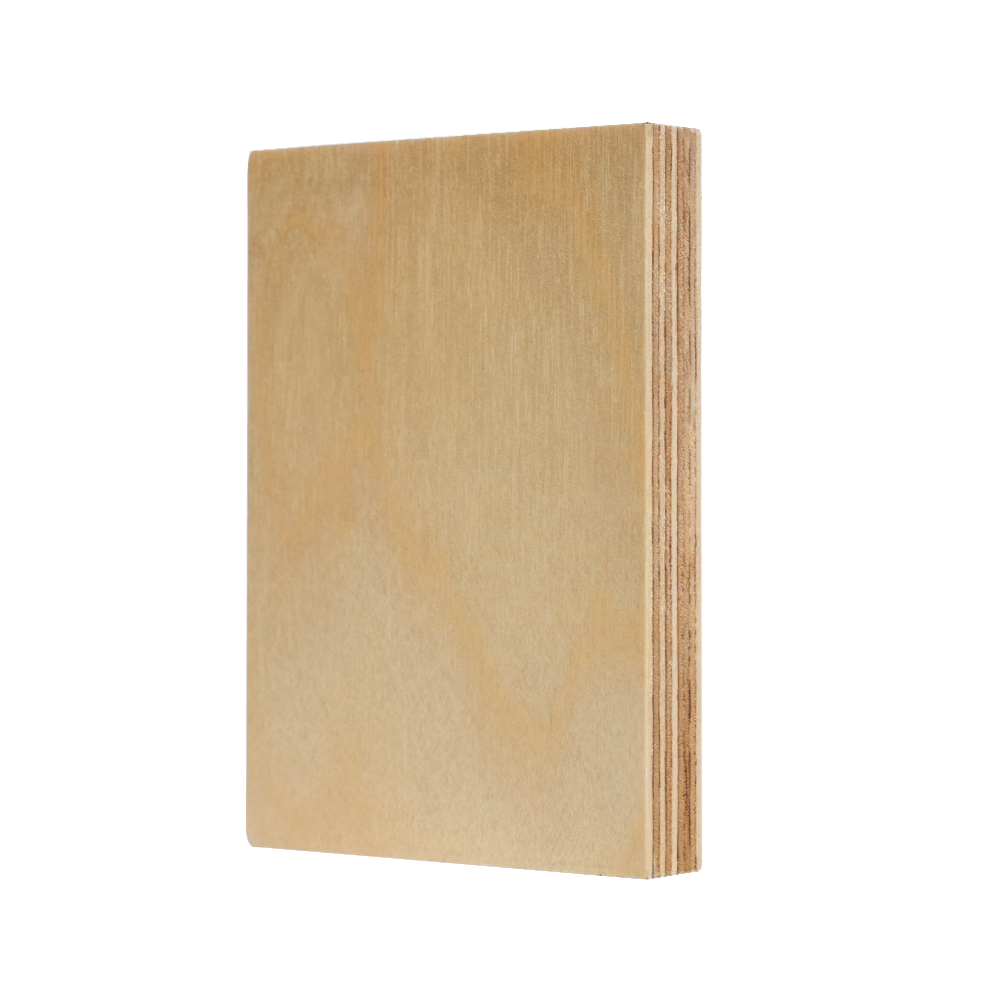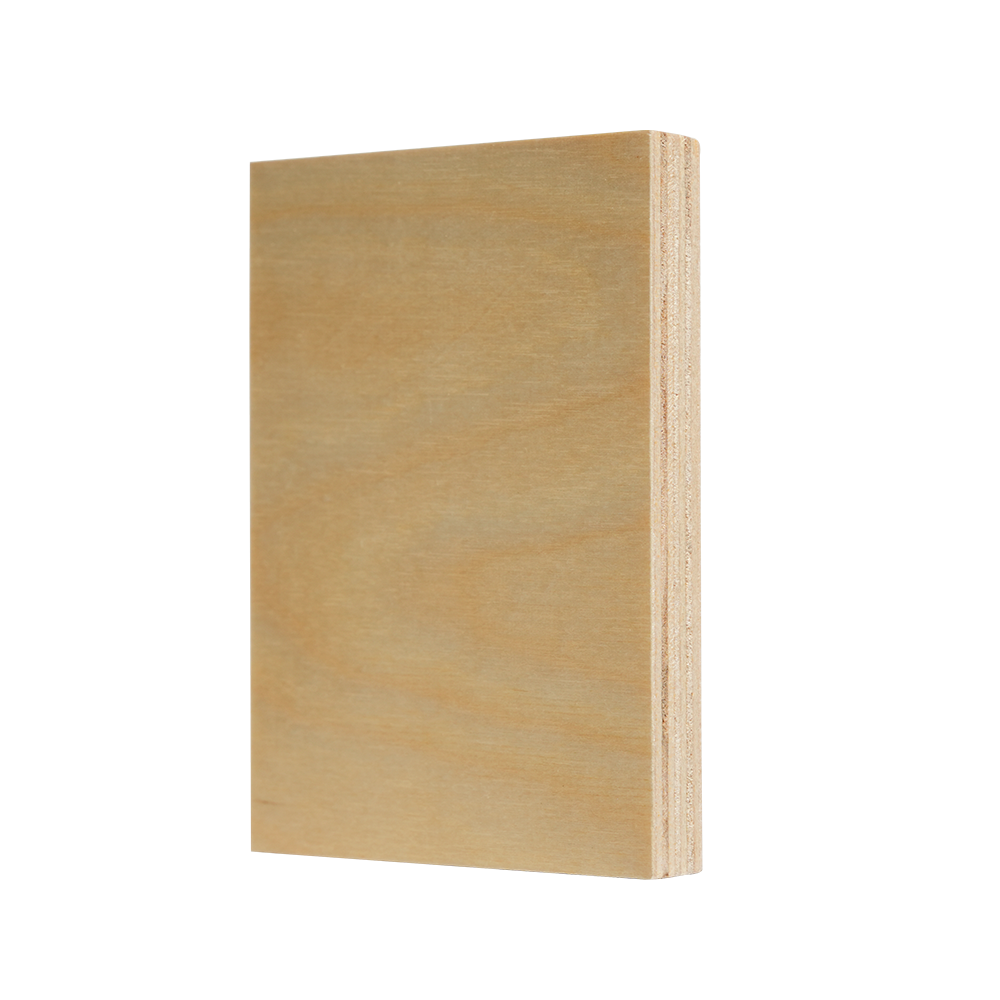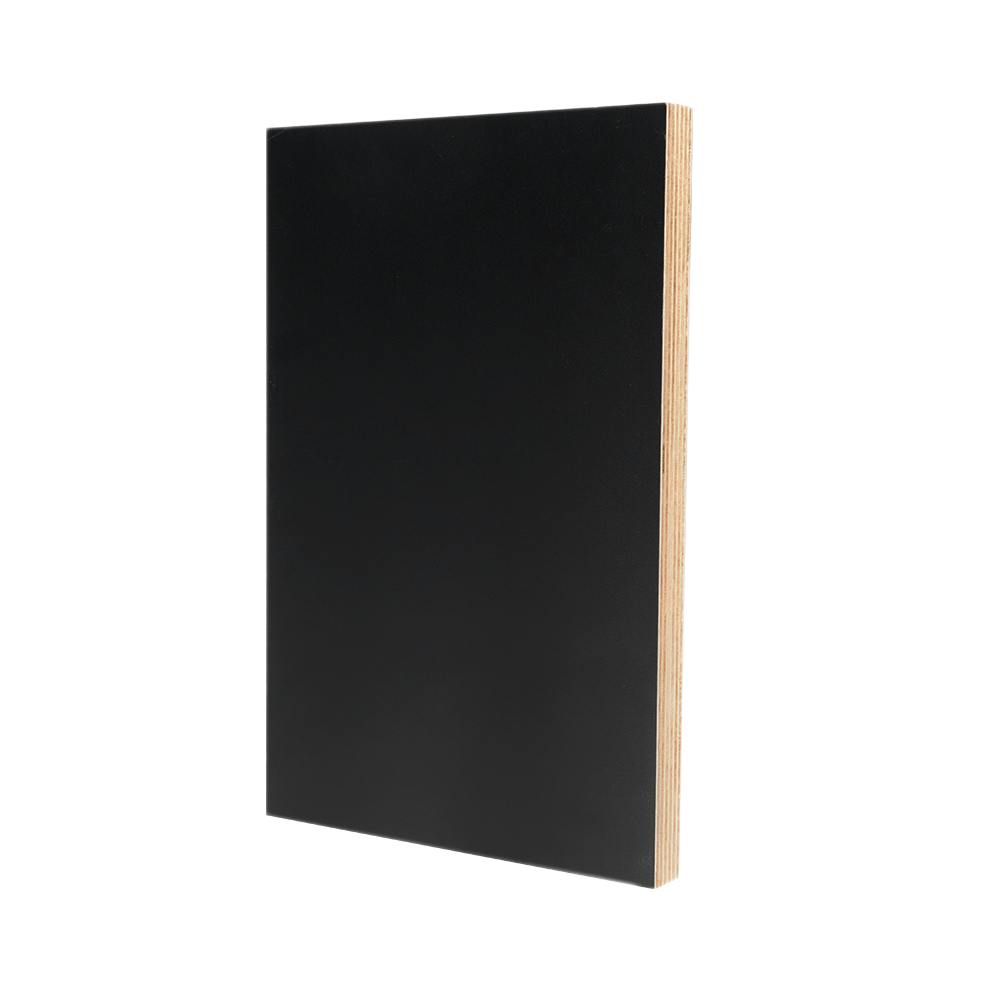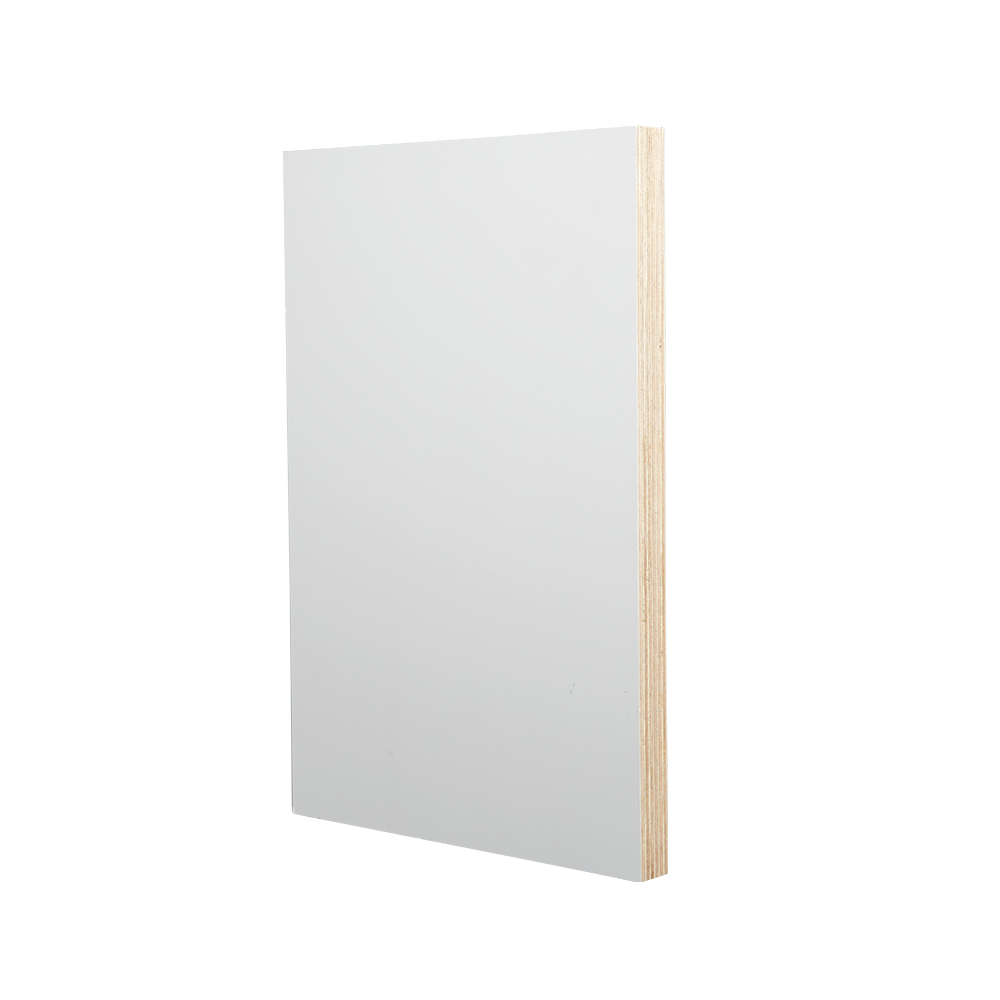

1. Overview of ClearPly Plywood Surface Properties
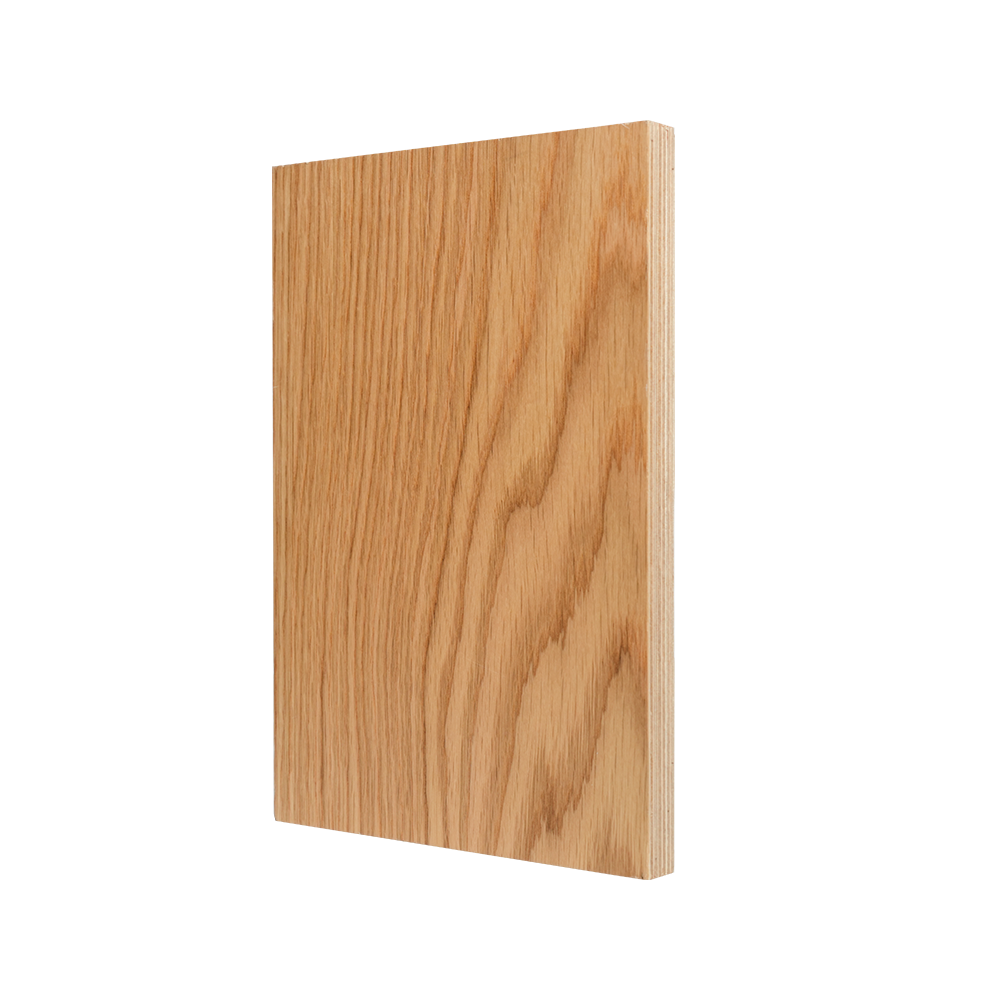
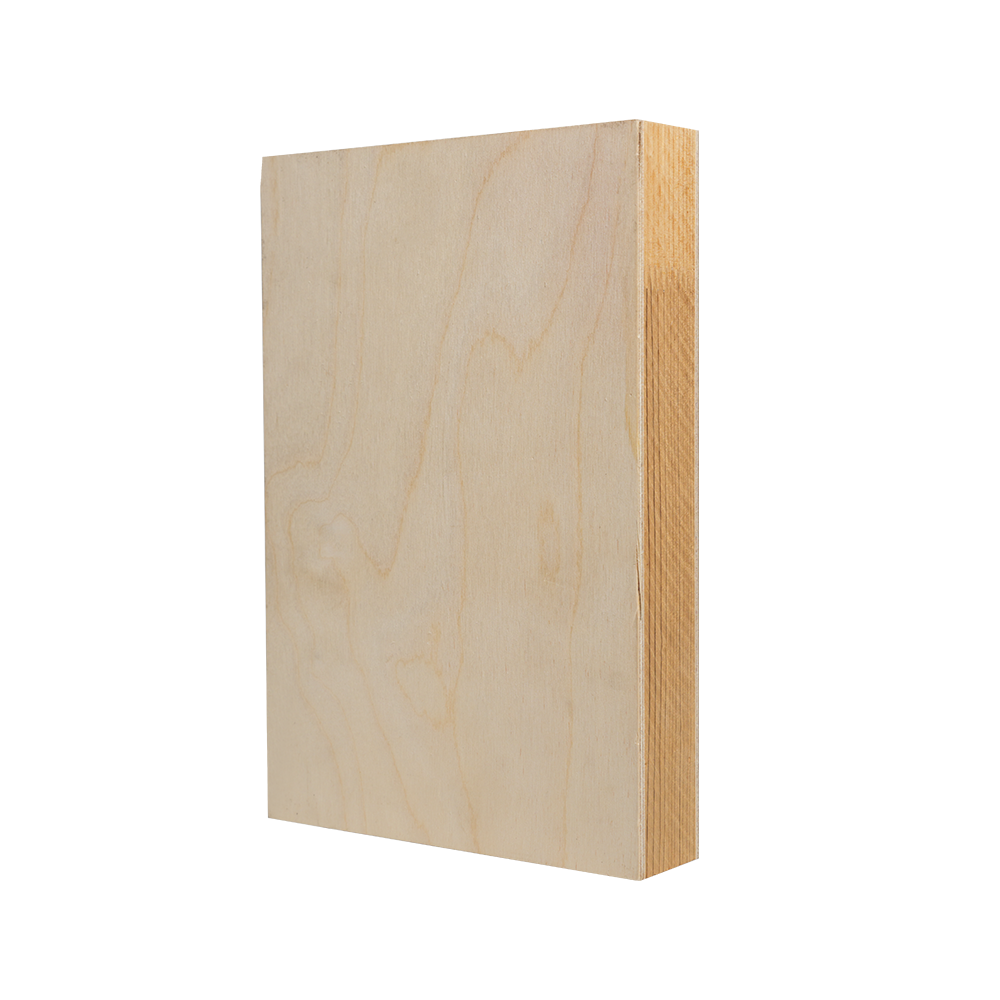
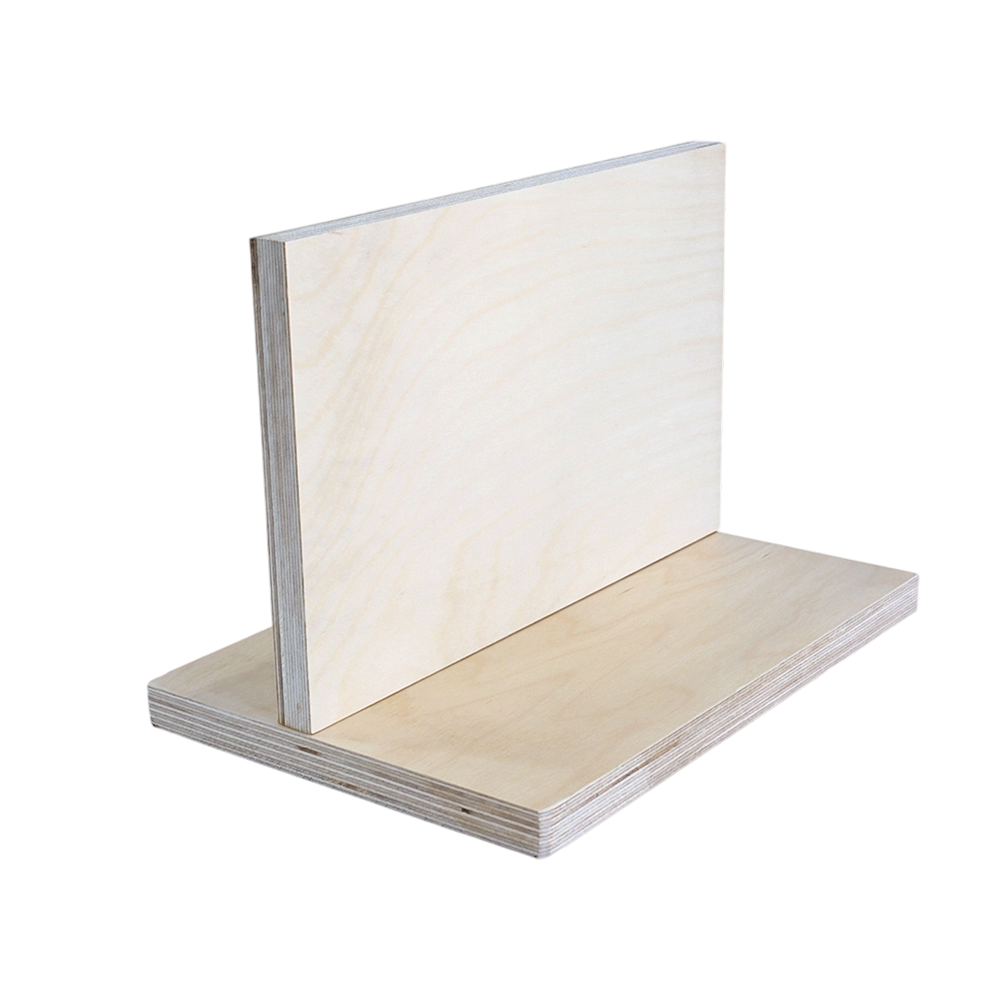
The core value of ClearPly Plywood lies in its unique clear coating, typically a high-performance melamine or phenolic resin film. This coating is not a simple varnish; it is a durable surface cured under high temperature and pressure, imparting exceptional abrasion, scratch, and chemical resistance to the board. Professional routine cleaning and maintenance are designed to maximize and protect these properties, ensuring that Birch Veneer's natural beauty and high sheen/finish are maintained over time.
Proper maintenance procedures not only extend the life of ClearPly but also significantly preserve its aesthetic appeal, making it particularly important for high-traffic commercial spaces, educational facilities, or high-end custom joinery.
2. Core Principles and Steps for Daily Cleaning
ClearPly Plywood's Clear Coating creates a smooth and non-porous surface, making daily cleaning relatively simple. However, the following professional guidelines should be followed:
A. Gentle Daily Dust Removal
Daily maintenance should prioritize prevention to avoid the accumulation of wear and tear from small particles on the coating.
Tools: A soft microfiber cloth or electrostatic duster is recommended.
Avoid: Sponges, scouring pads, or steel wool containing harsh fibers or abrasives are strictly prohibited. These materials can leave visible micro-scratches on the Clear Coating surface, which, over time, can reduce the clarity and gloss level.
B. Targeted Stain Removal
Most common stains, such as fingerprints, dust, or light liquids, can be effectively removed using a neutral detergent.
Cleaning Solution Preparation: Dissolve a small amount of neutral dishwashing liquid (without ammonia or bleach) in warm water to create a diluted solution.
Instructions: Dip a microfiber cloth into the solution, wring it out until damp (not soaking), and gently rub the stained area. Immediately remove all detergent residue with a cloth dampened with clean water.
Drying Steps: Finally, thoroughly dry the surface with a dry, soft cotton cloth or chamois. Residual moisture or detergent may leave water spots or a filmy residue on the Clear Coating.
3. Professional Contraindications and Limitations for Cleaning Agent Selection
Although the ClearPly coating offers excellent chemical resistance, certain types of cleaning agents must be avoided during maintenance to protect the coating's chemical integrity.
A. Avoid Strong Acids and Alkalines
Do not use: Cleaning products containing ammonia, bleach (sodium hypochlorite), strong alkaline, or strong acidic ingredients, such as oven cleaners, drain cleaners, and certain scouring powders.
Potential Risks: These harsh chemicals may penetrate or degrade the surface of the coating, causing discoloration, clouding, or even coating delamination or blistering.
B. Avoid Abrasive and Solvent-Based Products
Do not use: Any cleaners, furniture polishes, or wax-based products containing abrasive particles. Also, avoid strong organic solvents such as acetone, nail polish remover, paint thinner, or high-concentration alcohol.
Potential Risks: Abrasive products can physically damage the Clear Coating; strong solvents may soften or dissolve the film's polymer structure, permanently damaging the coating's scratch resistance and clarity.
4. Emergency Treatment for Special Stains (e.g., Ink, Glue)
For stubborn stains, use quick and precise localized treatments to minimize the contact time between the chemical and the Clear Coating.
Grease/Crayon: Try dabbing with a small amount of isopropyl alcohol (IPA), then immediately wipe thoroughly with a mild detergent and water.
Glue Residue: For super glue or adhesive residue, first carefully remove the bulk using physical means (e.g., a plastic scraper). Any remaining film can be softened locally with mineral spirits or a very small amount of white spirits. However, contact time must be strictly limited, and the stain must be rinsed and dried immediately after treatment.
5. Long-Term Maintenance and Environmental Control Recommendations
To ensure the long-term performance and aesthetic longevity of ClearPly Plywood, controlling the following environmental factors is crucial:
Humidity Control: Although ClearPly is highly resistant to moisture, it is recommended to maintain a relatively stable humidity level (ideally between 40% and 60%) in the environment where it is used. Extreme humidity fluctuations can cause subtle expansion/contraction in the wood core, which can cause long-term stress on the edges of the laminate.
Shimming: Always use potholders or coasters on ClearPly tabletops, countertops, or work surfaces to insulate items from high heat. Sustained high temperatures may cause thermal degradation or discoloration of the underlying adhesive or wood.
related products


Copyright © Tianma Lvjian Group Co., Ltd. Rights Reserved.
Wholesale Construction Plywood Manufacturers Privacy
 English
 中文简体
中文简体